Film review

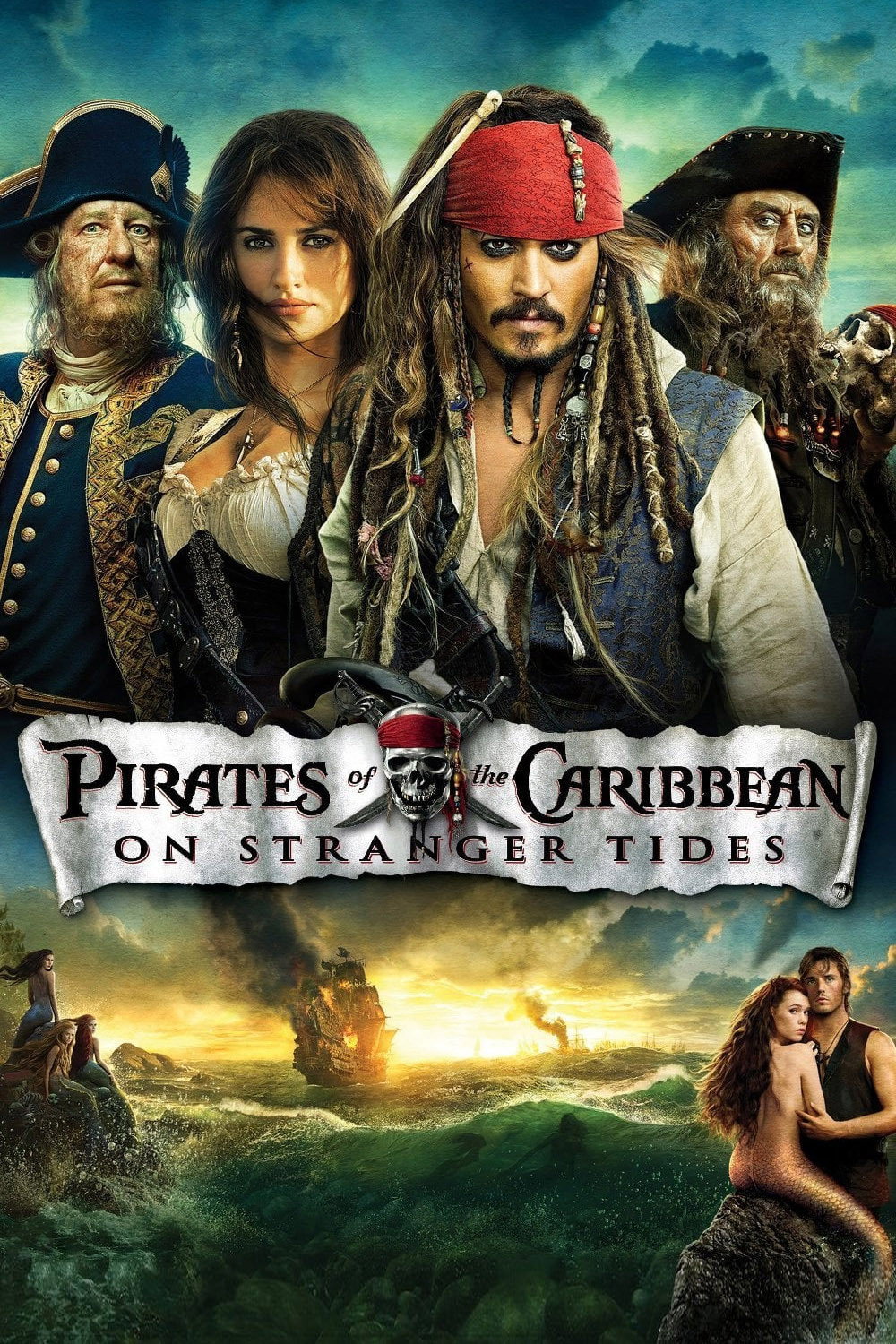
Pirates of the Caribbean: On Stranger Tides

2011 · Directed by Rob Marshall · 2h 16m · MPA PG-13

In a sentenceEveryone is searching for eternal life and, at 136 minutes, the film seems to have found it

AdventureActionFantasy

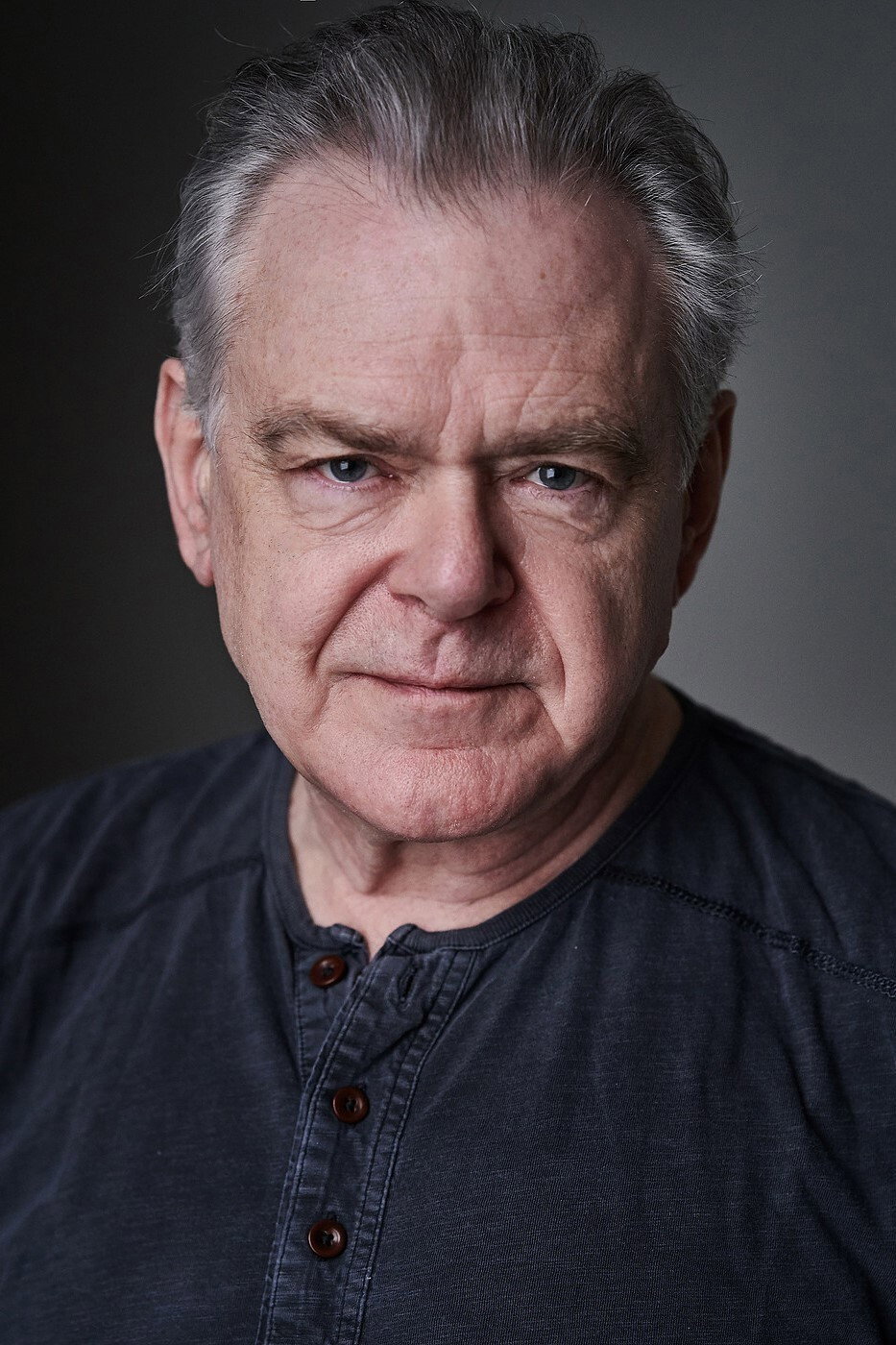
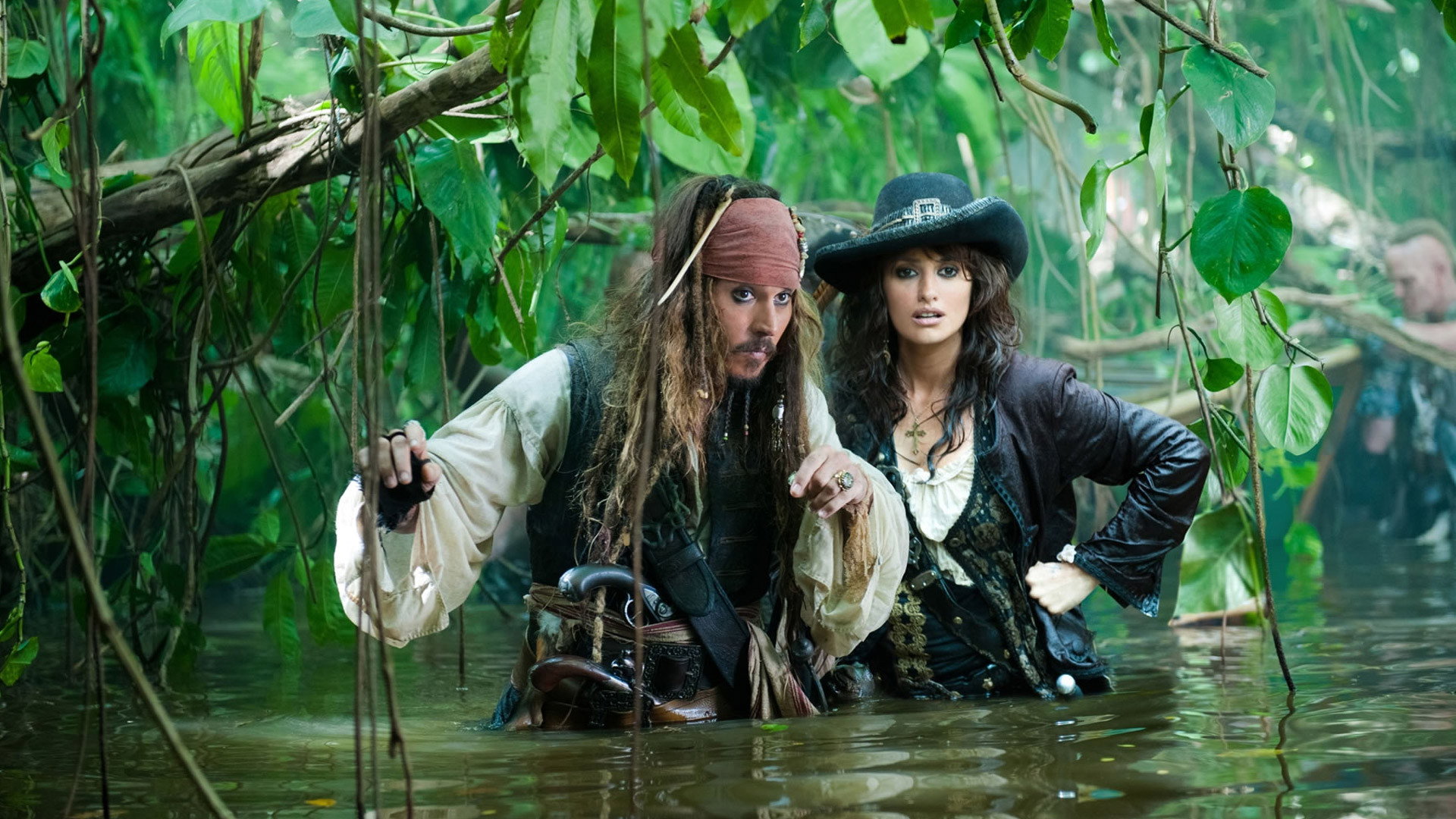
London, in the reign of King George (Richard Griffiths). Jack Sparrow (Johnny Depp) turns up in a courtroom to rescue his shipmate Joshamee Gibbs (Kevin McNally) and ends up in the palace, where the king wants him to guide an expedition to the Fountain of Youth. Its navigator is to be Hector Barbossa (Geoffrey Rush), now a privateer with a wooden leg. Jack escapes through the streets and finds an impostor recruiting a crew in his name: Angelica (Penélope Cruz), a woman he once knew. He wakes aboard the ship of Edward “Blackbeard” Teach (Ian McShane), bound for the same water.

Plays from YouTube when you press play; nothing loads from them until then.

Fi1m review

Rob Marshall trims the cast, keeps Johnny Depp and delivers one good chase and one properly frightening attack by mermaids. Between them lies a great deal of walking, and a film that has stopped being strange and settled for being long.

The fourth Pirates of the Caribbean film arrives with a new director in Rob Marshall and a smaller cast: the young lovers from the earlier films have gone. What remains is Johnny Depp, and the question the film cannot avoid is whether Jack Sparrow can carry 136 minutes on his own. He cannot, and it is not entirely his fault. Ted Elliott and Terry Rossio’s screenplay, drawn from a Tim Powers novel, sends everyone after the Fountain of Youth, and the journey is mostly a walk.

The London opening is the liveliest stretch. Marshall can move bodies through a room; the escape from the palace, Jack swinging on a chandelier and then riding the roof of a carriage through the streets, has a lightness the film never finds again. Penny Rose puts Geoffrey Rush’s Barbossa in a privateer’s coat and a powdered wig. Richard Griffiths has one scene as King George.

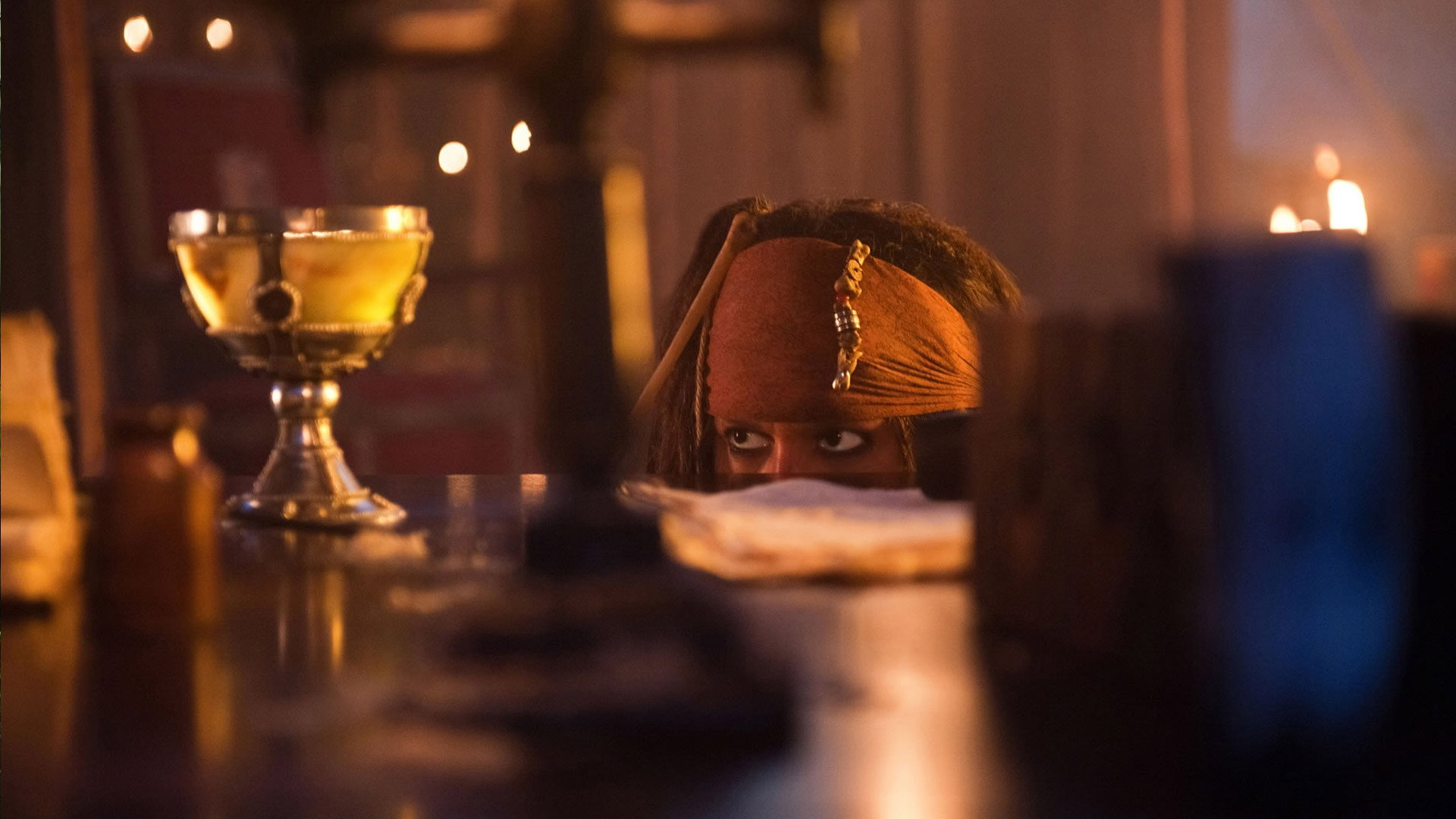
Depp is the difficulty, and the film seems to know it. The sway, the fluttering hands, the swerve into another subject halfway through a sentence: these are a routine now, and there is nobody here for them to bounce off. He is the plot now, and a running gag asked to carry a story starts to look like effort. Penélope Cruz helps. She plays Angelica as a woman who has heard every line before, and their duel in a London tavern, all feints and insults, is the closest the two of them get to chemistry.

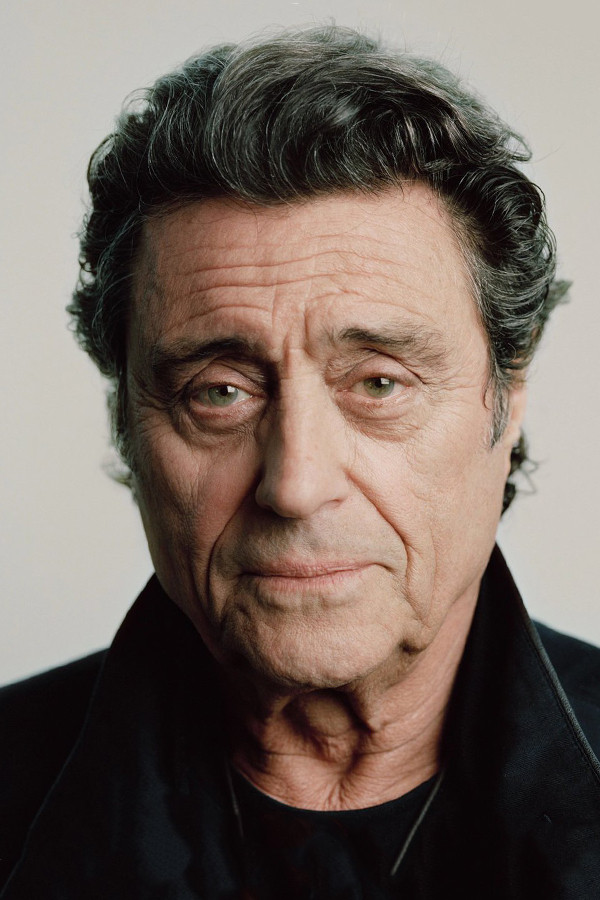
Ian McShane is the best thing in it and is given the least to do. His Blackbeard is quiet, weary and casually cruel, and McShane delivers each threat as if reading it off a menu. John Myhre’s ship for Blackbeard, black-hulled, a skeleton at the bow, rigging that tightens on its own when Blackbeard draws his sword, is the one place the film feels haunted. Then the script leaves him on deck while other people go and fetch things. Sam Claflin’s missionary Philip and Astrid Berges-Frisbey’s mermaid Syrena are handed a romance meant to be the heart of the film, and it plays as a pause in it.

The mermaids are the other reason to watch. Marshall stages their arrival at night in a bay: one figure surfaces beside a rowing boat and sings, then there are more of them, and then the water turns on the sailors. For ten minutes we were frightened, in a 12A about pirates, because Dariusz Wolski lights the bay so that the faces under the surface are visible only when they choose to be, and Wyatt Smith and David Brenner hold each cut until the last possible moment. It is the one sequence in which the film remembers that the sea is dangerous.

Then it is back to the jungle, and the jungle is dark. Wolski shoots much of the second half at night or under canopy, and on screen it is brown and grey and hard to read, with the swordfights disappearing into the murk. Hans Zimmer’s score keeps striking up the familiar theme, as if to reassure us it is still the same franchise, and we came to resent it. We were bored on the trek to the fountain, and then irritated at being bored, because a film about eternal life ought to have some idea of what a minute is worth. The last act takes a turn we will not describe.

The first film in the series was a surprise: a film from a theme-park ride that turned out to have wit and a proper ghost story. Its sequels grew heavy. This one is lighter and less strange, and lightness is only worth having if it comes with speed, which here it does not. Most critics landed around where we have, and we see no reason to argue with them. Watch it for the tavern and the mermaids, and keep the remote to hand for the jungle.

Critical consensus AI synthesised

44
Positive
3
Mixed
4
Negative
10

Most critics are unimpressed. Ten of the seventeen reviews are negative and only three are warm, and the general view is that a new director and a slimmed-down cast have not reversed the franchise’s decline. Where praise appears it goes to the supporting players, Geoffrey Rush, Ian McShane and Penélope Cruz in particular, and to the mermaid sequence, which several reviews single out as the one stretch with real menace.

The complaints cluster on the script, which most find convoluted and slack, and on Rob Marshall’s action, described more than once as loud without being exciting. Johnny Depp divides the reviews sharply: the trade papers find him back on form, while The Times argues he has worn out his welcome and the film seems bored by him. The spread is wide, from Eye for Film calling it entertaining and surprising to Collider judging it a soulless mess.

The Hollywood Reporter
11 May 2011 · Ray Bennett
70*

The critic finds Johnny Depp back in excellent form as Captain Jack Sparrow in this lively new installment directed by Rob Marshall. It takes a more serious tone but benefits from Penelope Cruz's addition and Marshall's flair for action and sexual tension.

Read the full review →
Variety
12 May 2011 · festival review · Andrew Barker
70*

The film revives the fun, feather-light frivolity of the franchise as a welcome corrective after the ponderous prior entries. The critic praises the earnest appropriations of cliches, strong action choreography and Depp's performance while noting a lack of suspense.

Read the full review →
The AV Club
19 May 2011 · Tasha Robinson
60*

The review notes that the story now rests awkwardly on Depp's Sparrow alone after the departure of prior leads and director, resulting in a streamlined but lightweight film. It is better than bloated predecessors for some viewers but depends heavily on tolerance for the central character's antics.

Read the full review →
The New York Times
20 May 2011 · A.O. Scott
50*

The film is the least strange and most tedious entry in the series under new director Rob Marshall, with little of the prior exuberance. The critic praises the performances of Depp, Rush and McShane and the mermaid sequence while noting the overall mediocrity.

Read the full review →
RogerEbert.com
18 May 2011 · Roger Ebert
40*

The critic finds the fourth installment too much of the same, long and bombastic with little excitement in the action sequences. He singles out the fun opening in London and the dropping of extraneous characters for mild praise.

Read the full review →
Screen Daily
12 May 2011 · festival review
40*

The review finds that a new director and cast changes do little to improve the oversized fourth instalment in a decreasingly entertaining franchise. It notes some bright spots, particularly Geoffrey Rush’s performance as Barbossa.

Read the full review →

Cast

If you liked this, try…

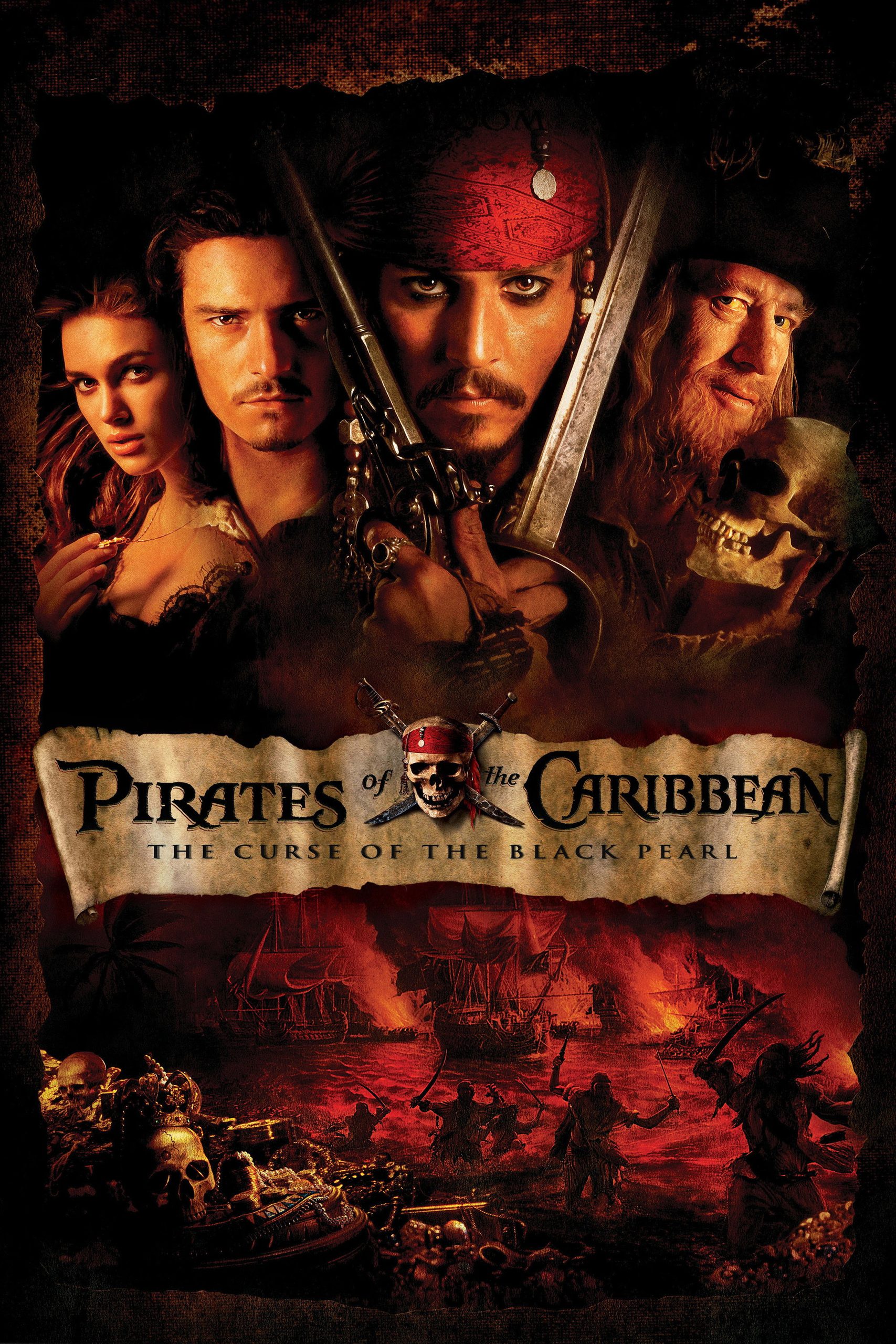
Pirates of the Caribbean: The Curse of the Black Pearl poster81

Pirates of the Caribbean: The Curse of the Black Pearl

2003 · The one where Sparrow was a surprise and the ghost story actually frightened

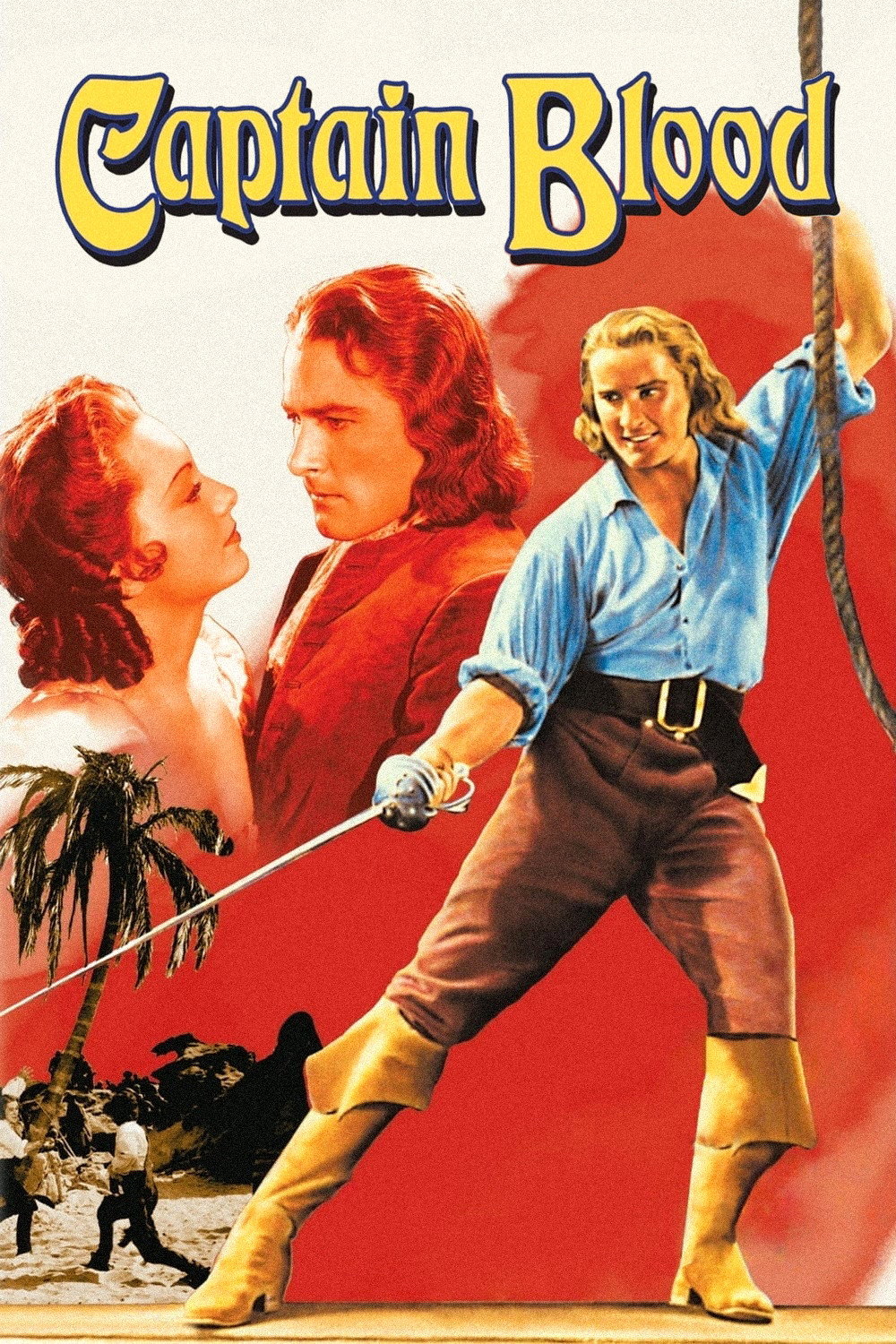
Captain Blood poster

Captain Blood

1935 · Errol Flynn shows how a pirate can be charming without waving his hands

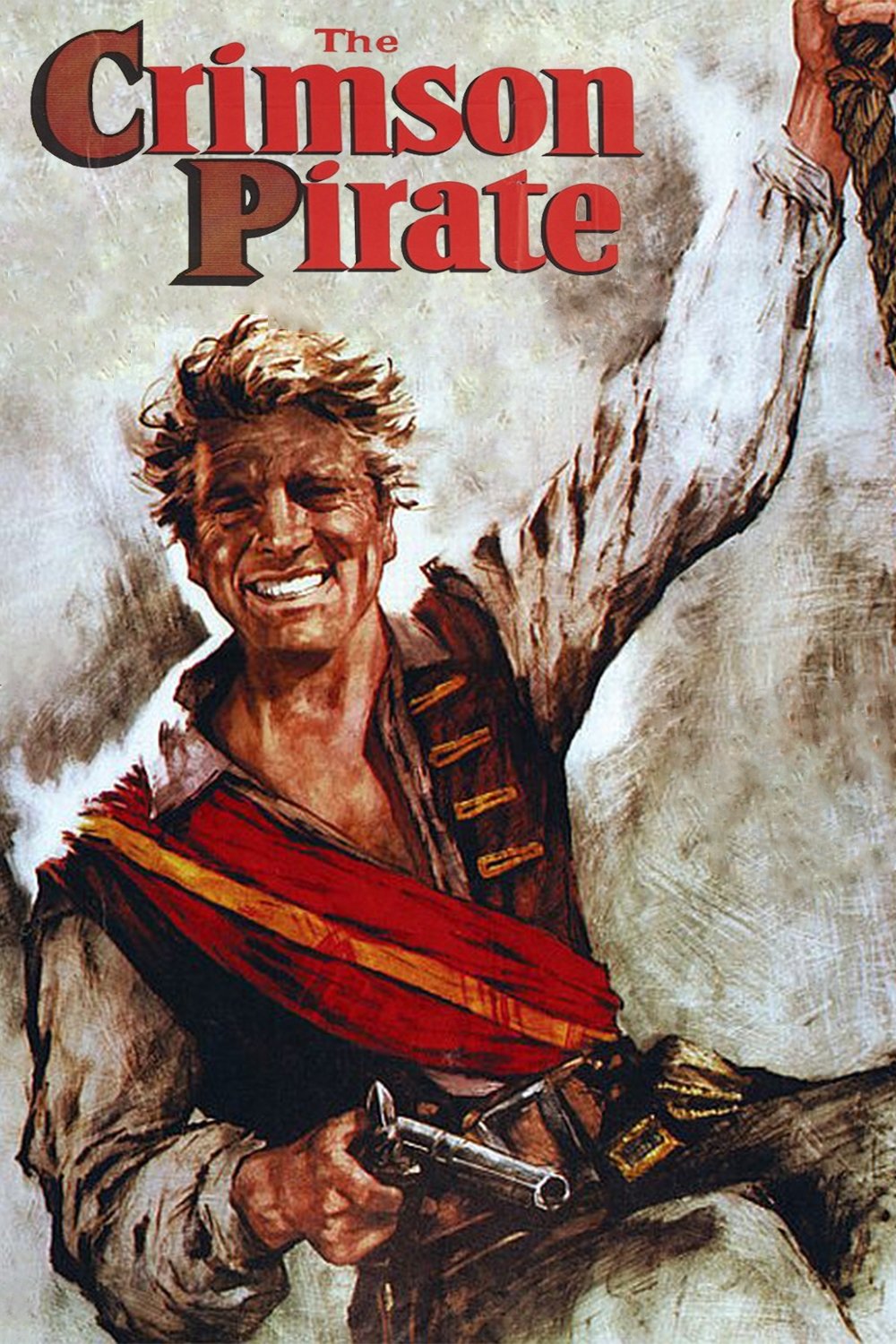
The Crimson Pirate poster

The Crimson Pirate

1952 · Burt Lancaster does his own stunts and the film never stops for breath

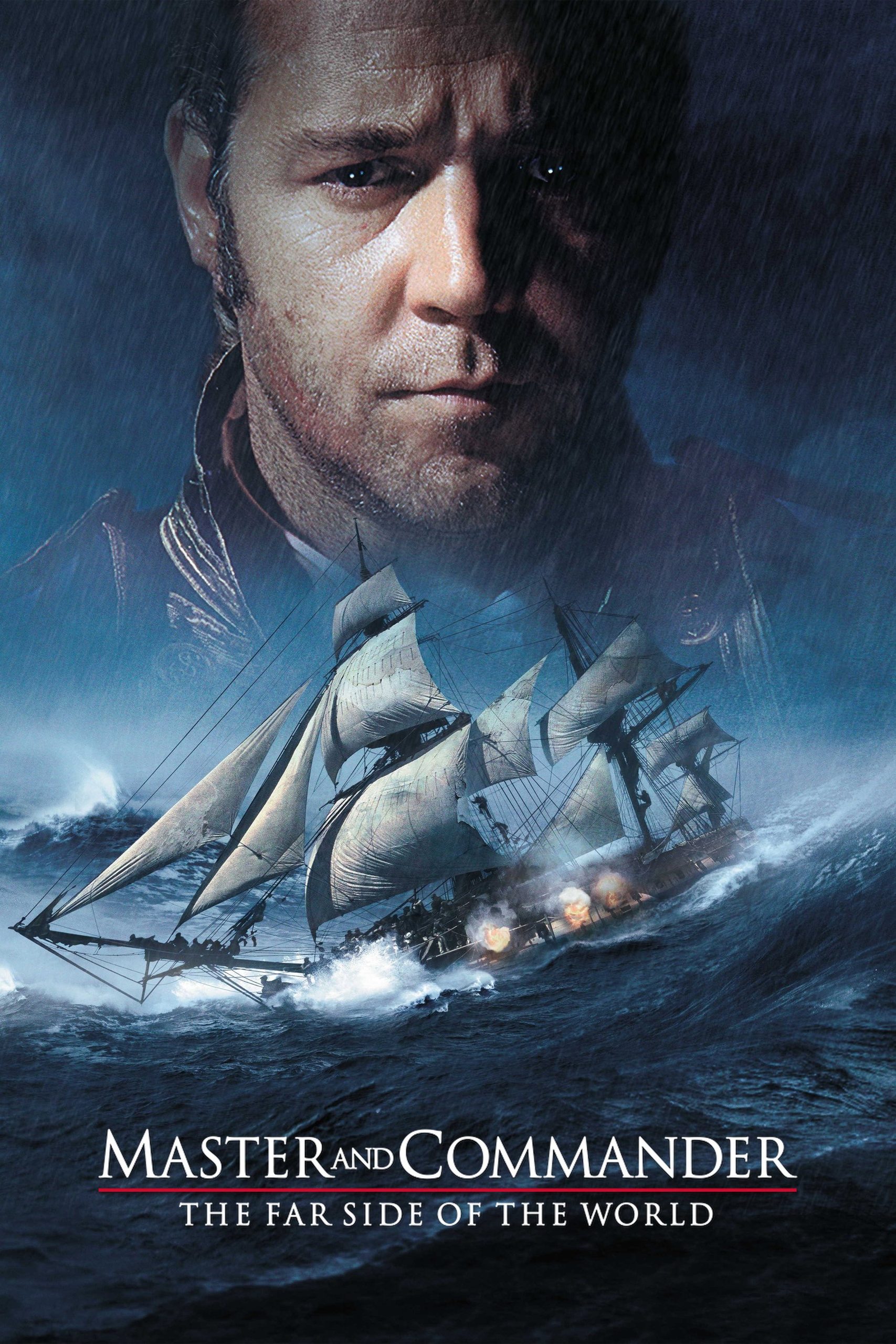
Master and Commander: The Far Side of the World poster86

Master and Commander: The Far Side of the World

2003 · The sea taken seriously, with cannon smoke you can nearly smell

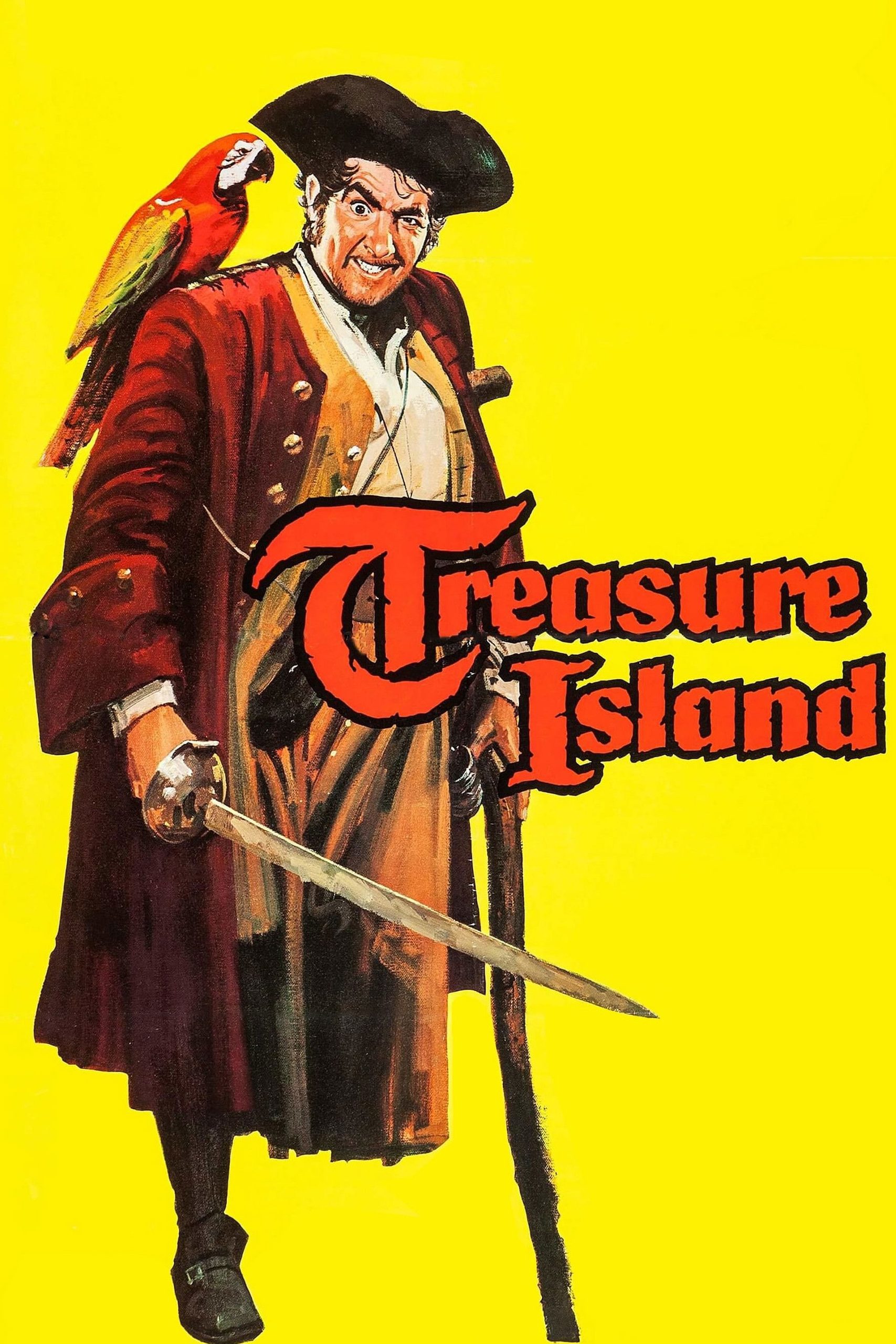
Treasure Island poster

Treasure Island

1950 · Robert Newton’s Long John Silver set how every screen pirate has talked since