Gore Verbinski’s pirate adventure is warm, funny and overlong. Johnny Depp and Geoffrey Rush make it easy to recommend, though the repeated swordfights and thin romance test the goodwill their performances earn.
Pirate adventures need a little swagger, and Pirates of the Caribbean: The Curse of the Black Pearl has the sense to let its people be ridiculous. Gore Verbinski treats swordfights, sea battles and supernatural trouble as occasions for comedy without making the danger wholly irrelevant. We recommend it: there is warmth in the performances and pleasure in the film’s willingness to entertain without looking embarrassed by the job. The qualification is its 143-minute running time, which gives some agreeable material more room than it needs.
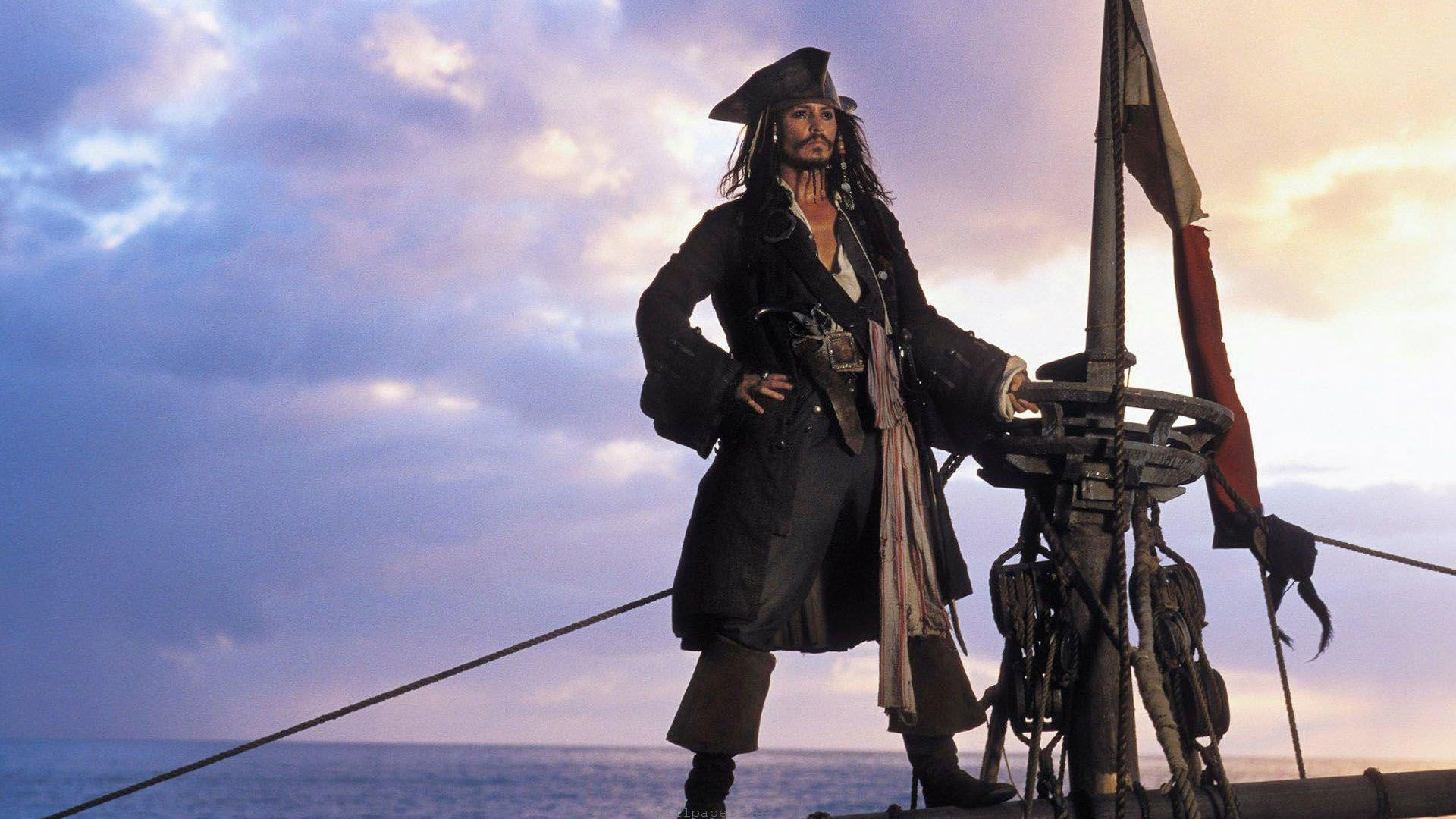
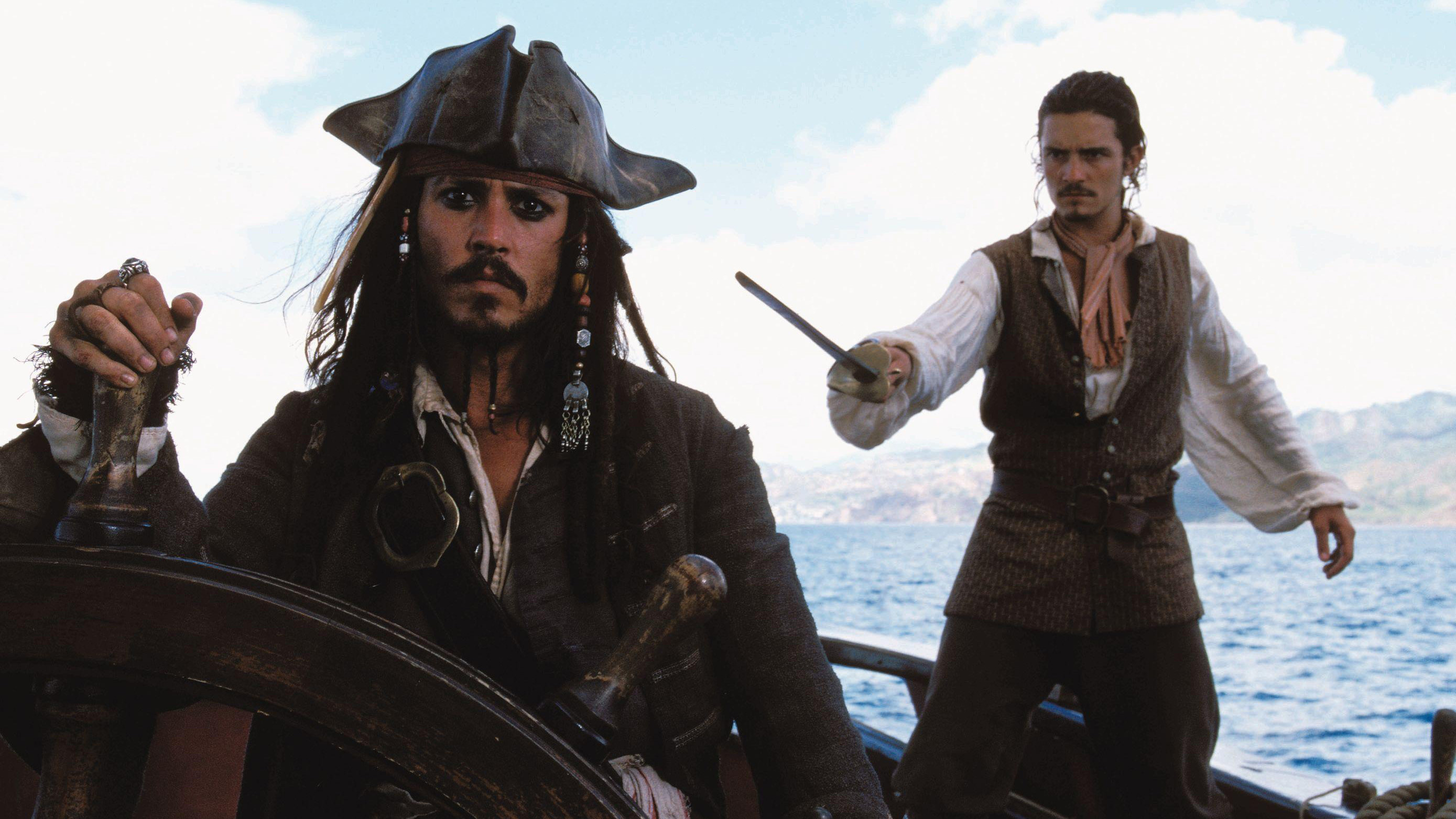
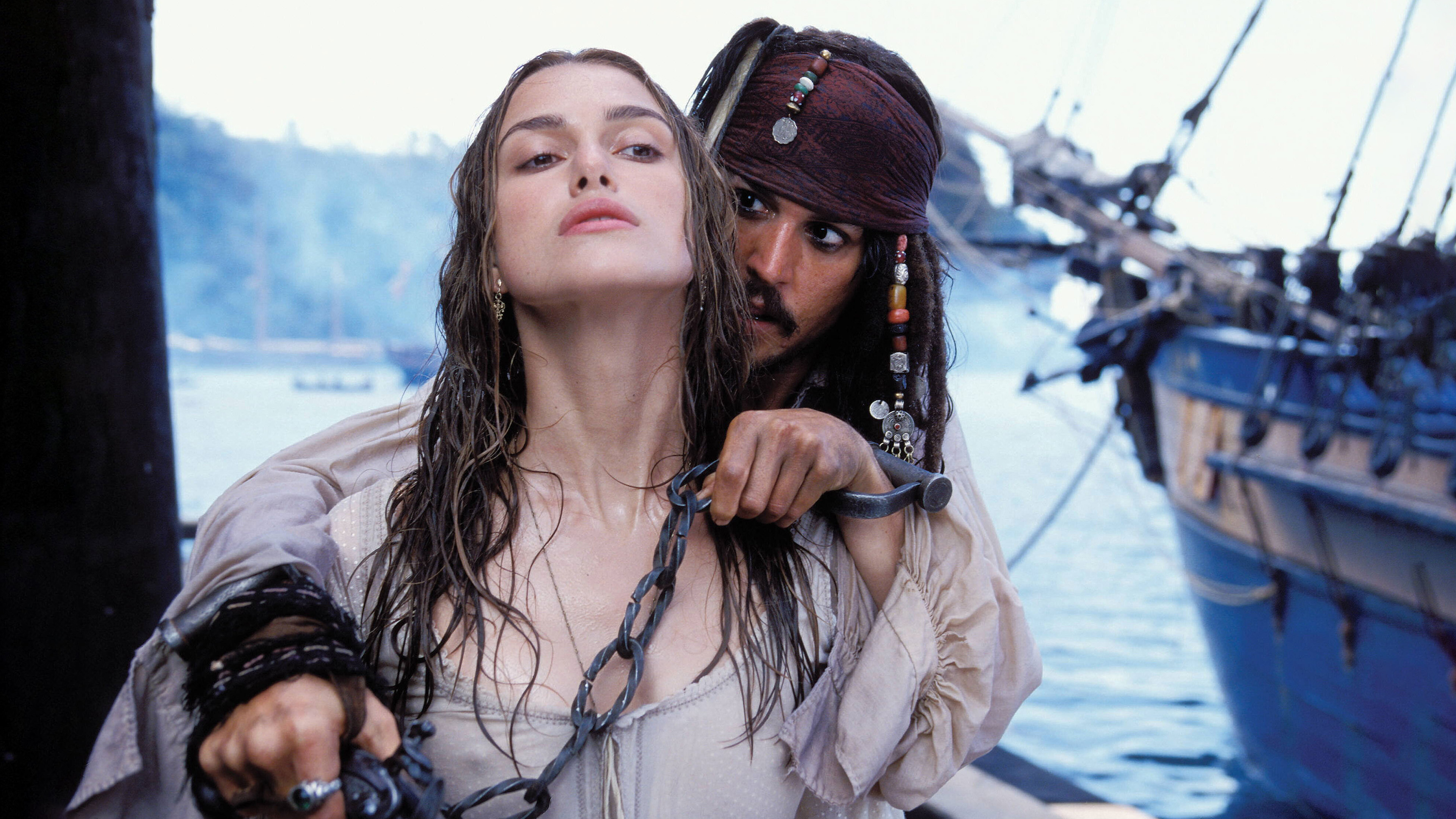
Johnny Depp’s Jack Sparrow is the main reason we keep enjoying it, although describing him simply as comic relief would miss how much he does. The slurred speech and unsteady swagger make the familiar pirate hero difficult to take at his own valuation. We laughed at the slurring, because Depp makes the business of sounding authoritative seem to demand more concentration than Sparrow can spare. Verbinski allows the performance enough space to be peculiar without making everyone else perform at the same pitch.
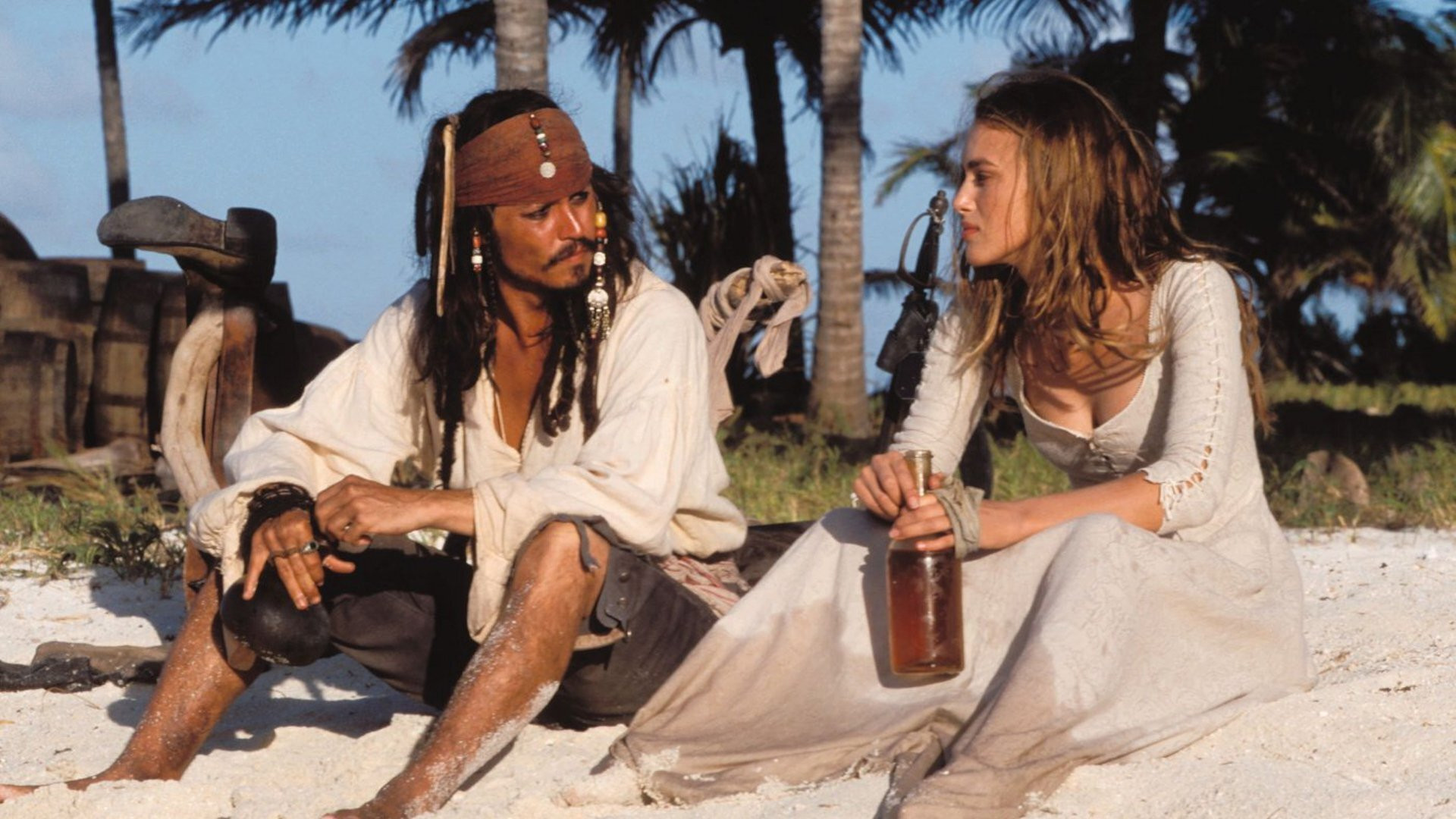
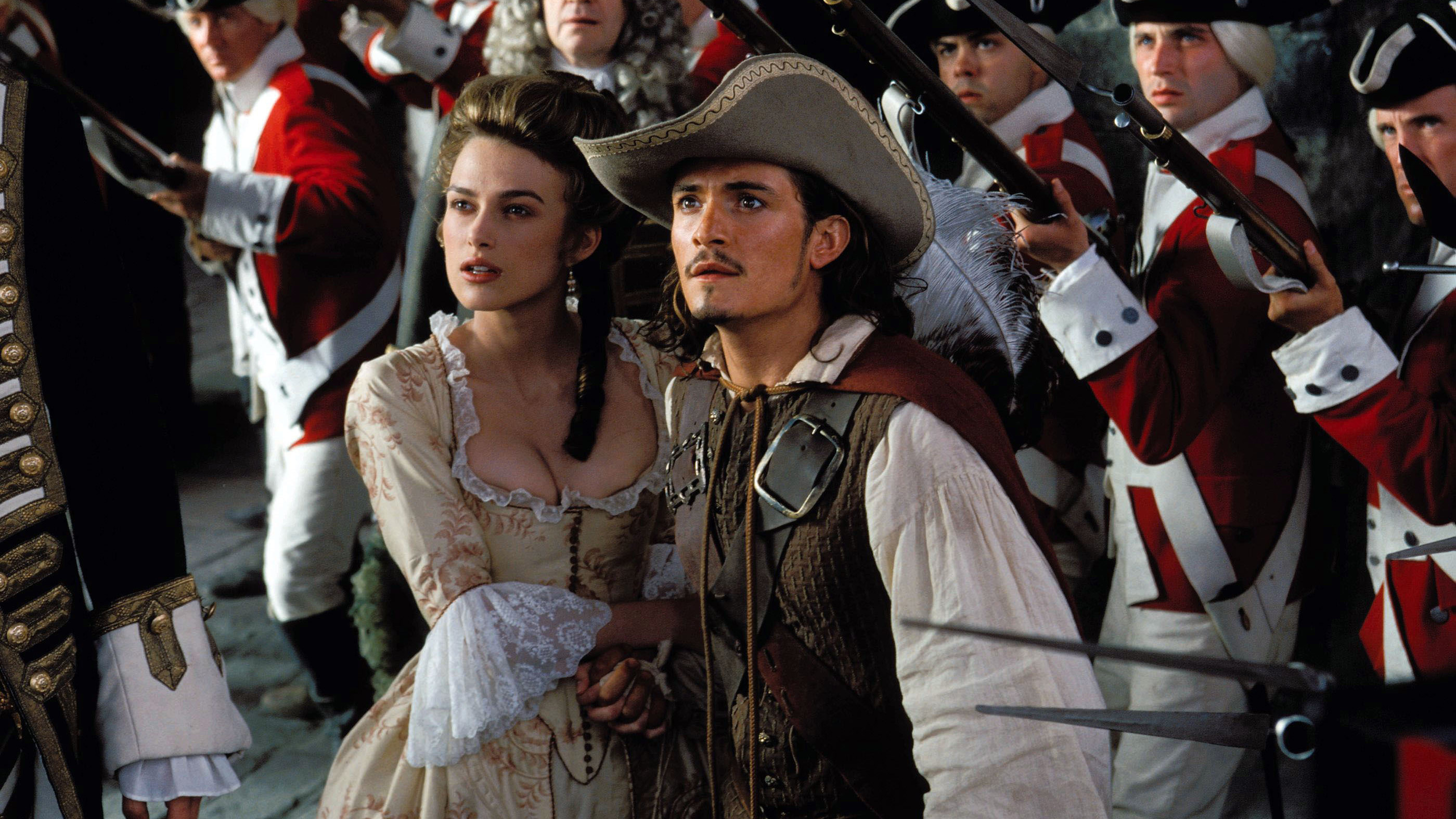
Geoffrey Rush’s Barbossa provides a useful match, since Rush understands how much enjoyment there is in a pirate taking himself seriously. His performance is broad, but the relish never feels like an apology for the material. Orlando Bloom’s Will Turner and Keira Knightley’s Elizabeth Swann have the less rewarding romantic material, and the thinness of that writing limits what they can bring to it. Ted Elliott and Terry Rossio’s screenplay is happier giving its eccentrics something to say than developing a love story worth interrupting them for.
The useful test of Dariusz Wolski’s cinematography is whether the action still leaves room for a funny performance, and mostly it does. Depp’s odd physical presence remains a pleasure even amid the spectacle. Brian Morris’s production design gives the pirate setting enough weight to support the supernatural elements without making the whole thing seem solemn. The effects belong to that same spirit: they add an uncanny edge while leaving space for the film to be silly.
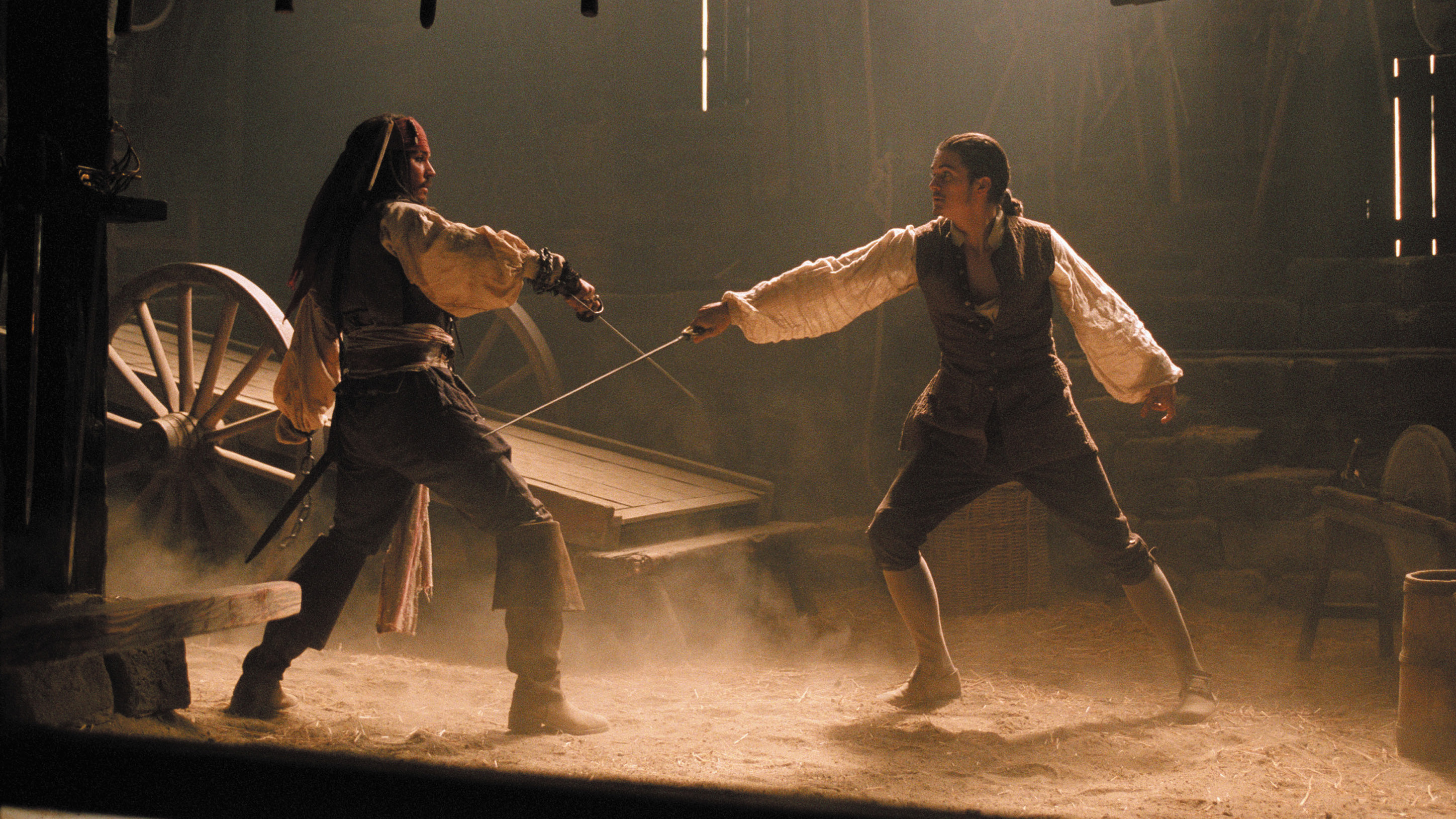
Klaus Badelt’s score gives the action an emphatic forward push, which helps sell the film’s cheerful lack of restraint. Editors Arthur Schmidt, Craig Wood and Stephen E. Rivkin keep individual bouts of action intelligible, but the succession of them is harder to defend. The swordfights begin to repeat themselves well before the film has finished finding occasions for them. As the fighting continues, the small comic exchanges start to feel like the parts we are waiting to get back to.
A swashbuckler can survive a thin love story if we want to spend time with the people getting in the way of it. Depp and Rush are enjoyable company, and Verbinski gives them enough comic freedom to keep the film from settling into routine. We would choose it for an evening when adventure matters more than suspense. A tolerance for extended swordplay will help.