Film review

Top Gun

1986 · Directed by Tony Scott · 1h 50m · MPA PG

In a sentenceThe pilots are easier to love when they stop talking and get back in their planes

ActionDramaRomance

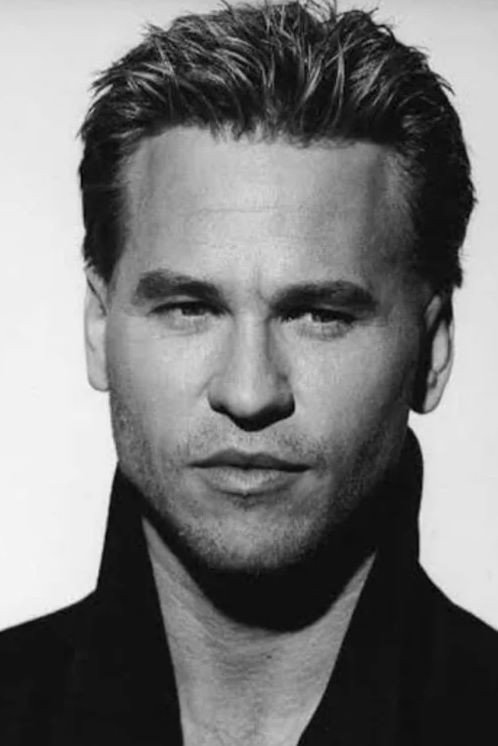
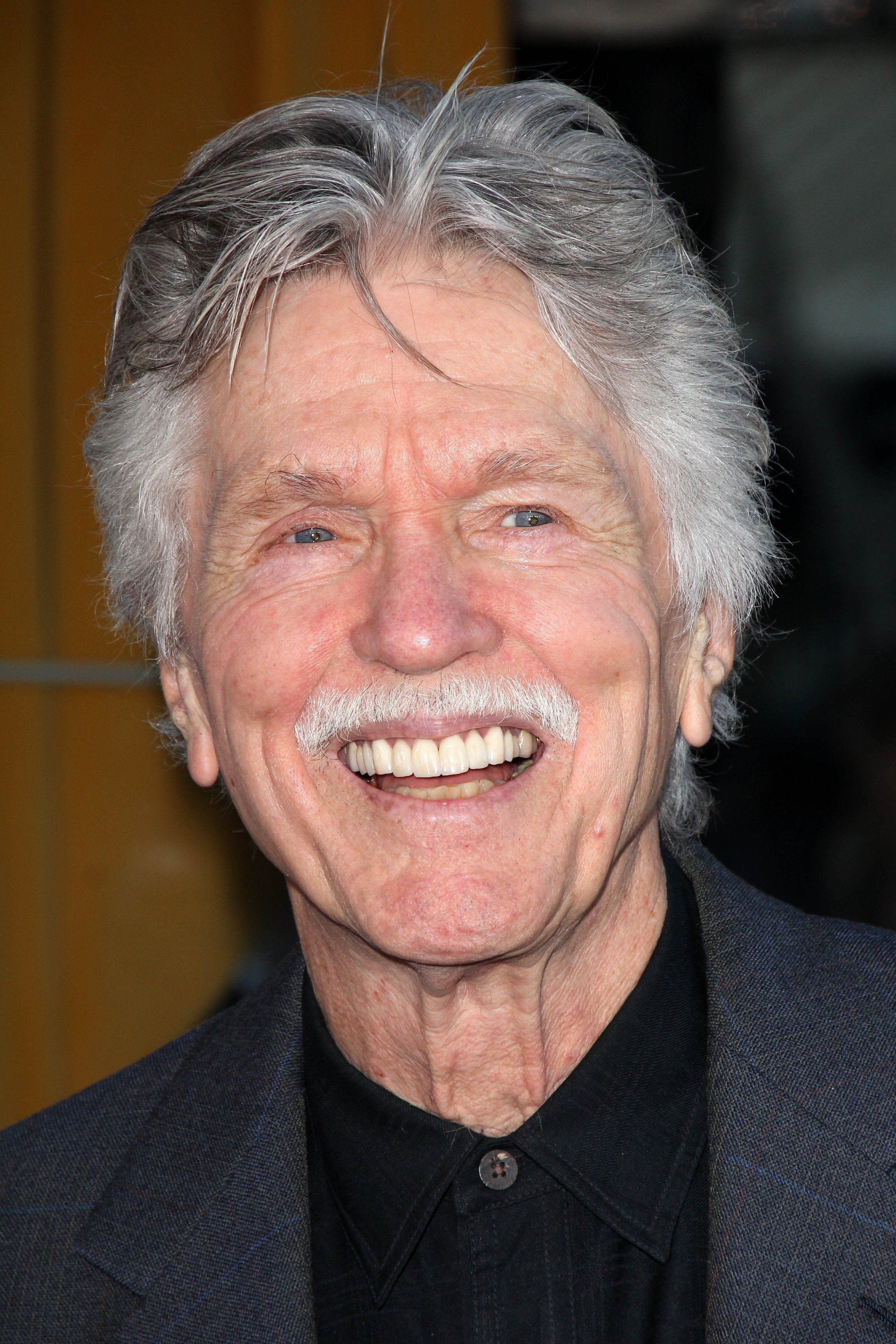
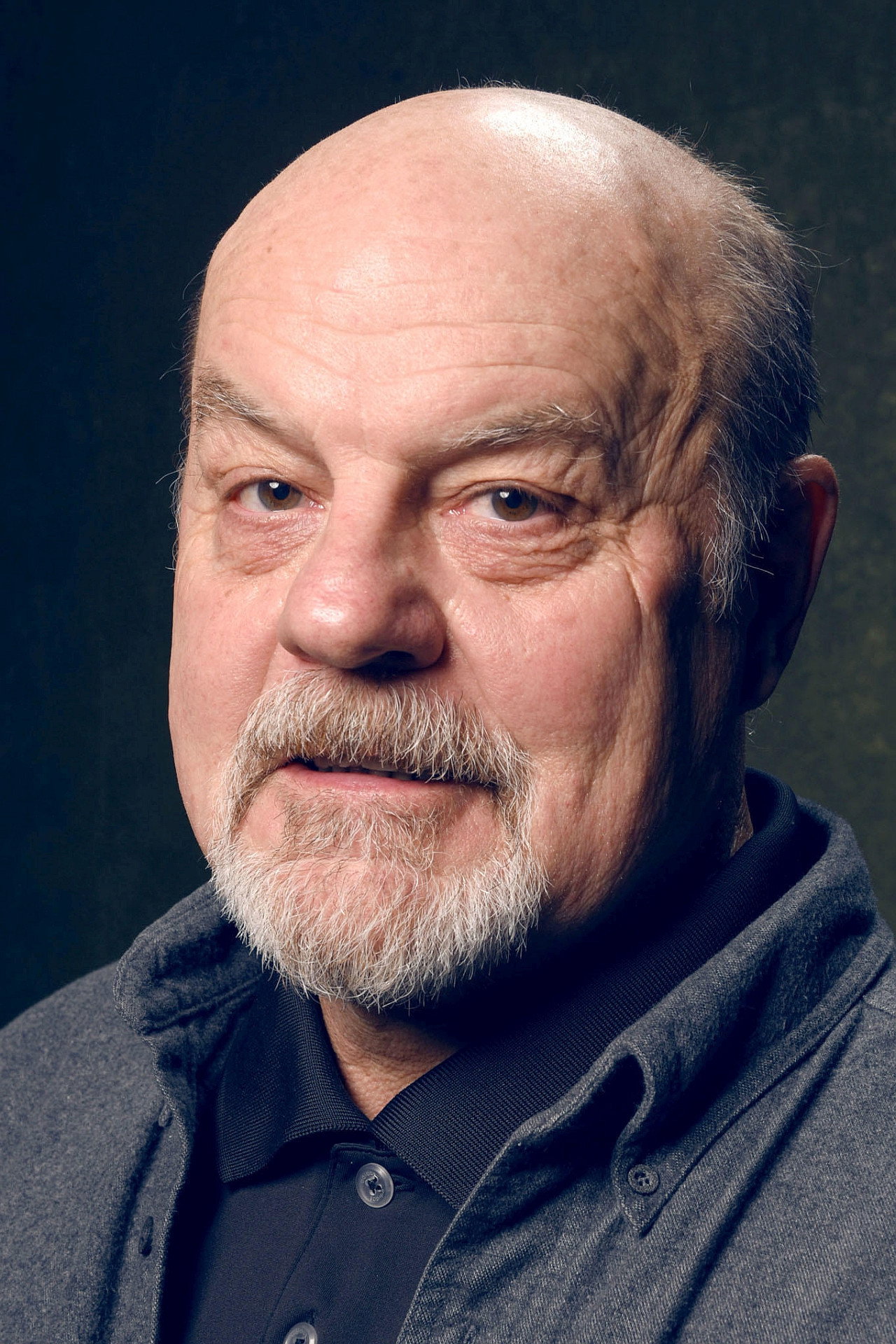
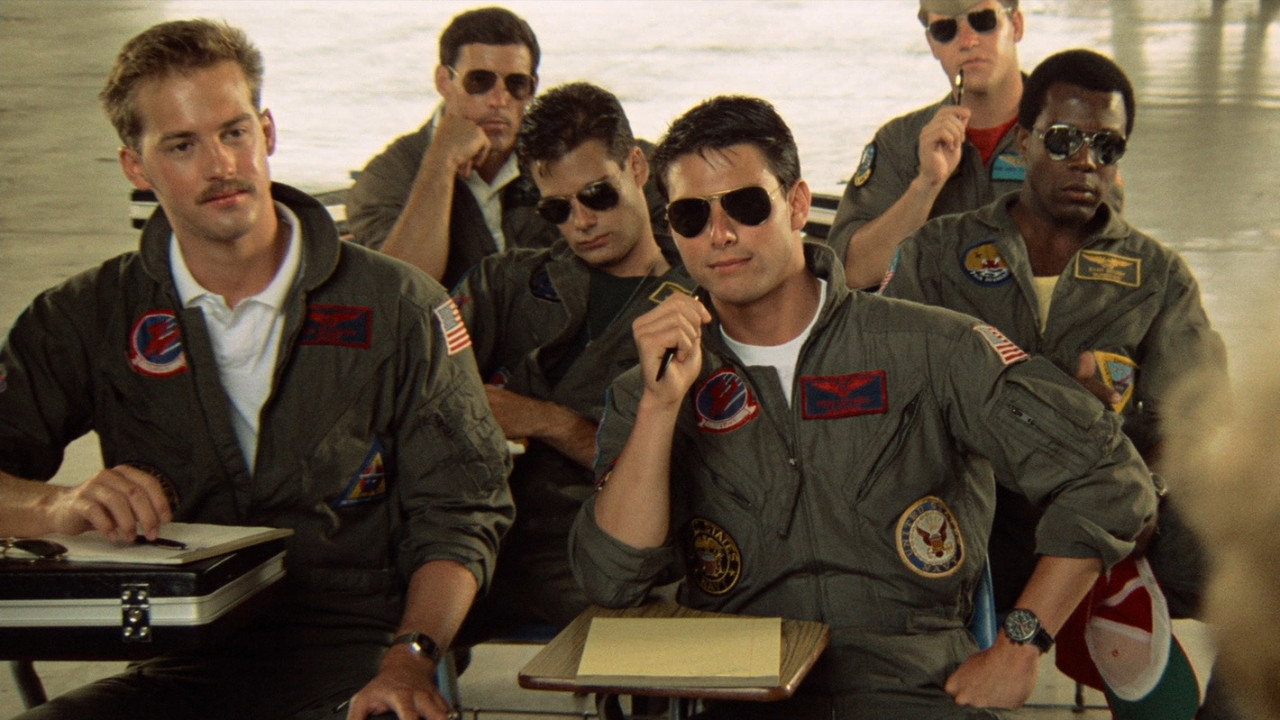
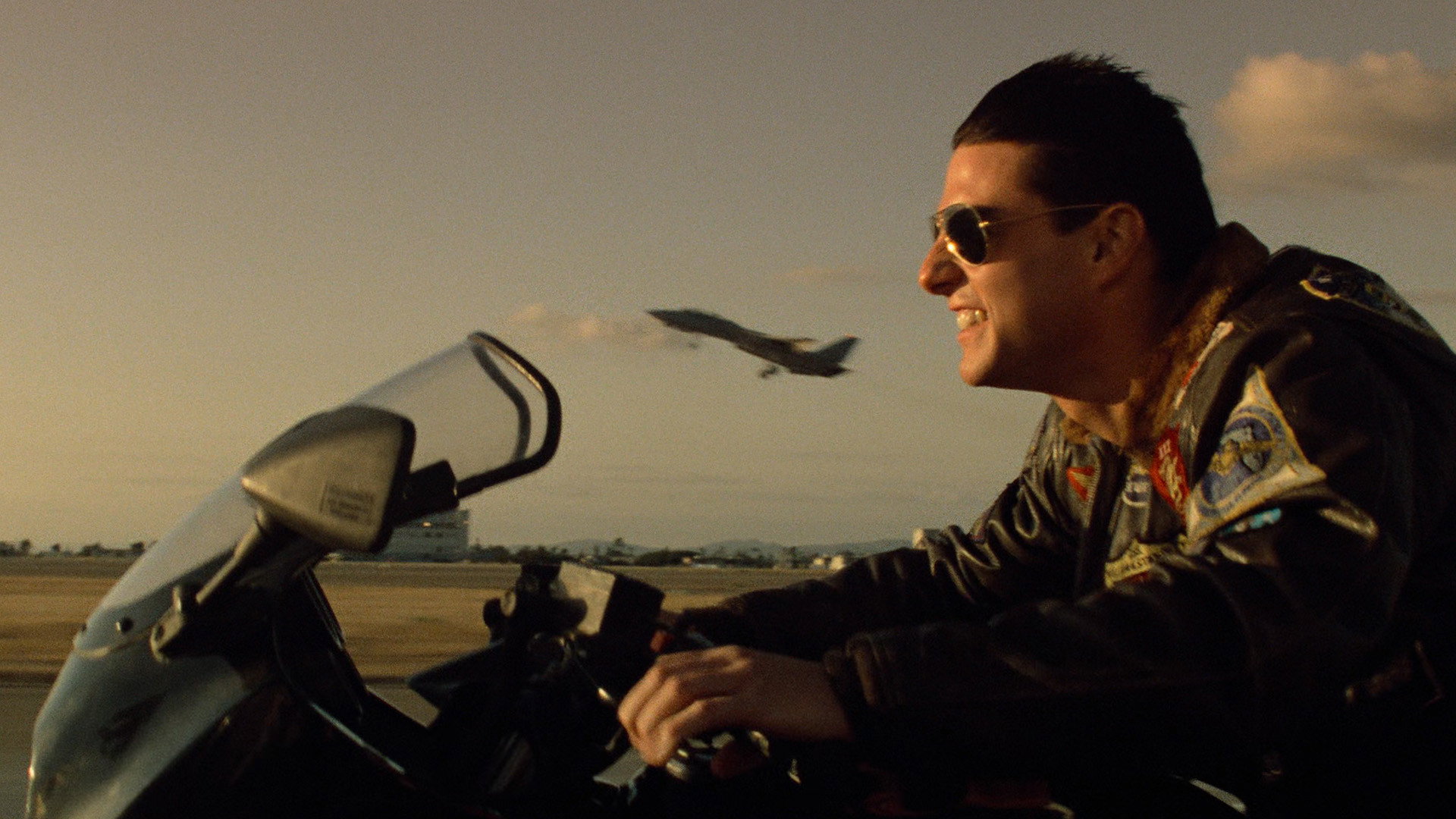
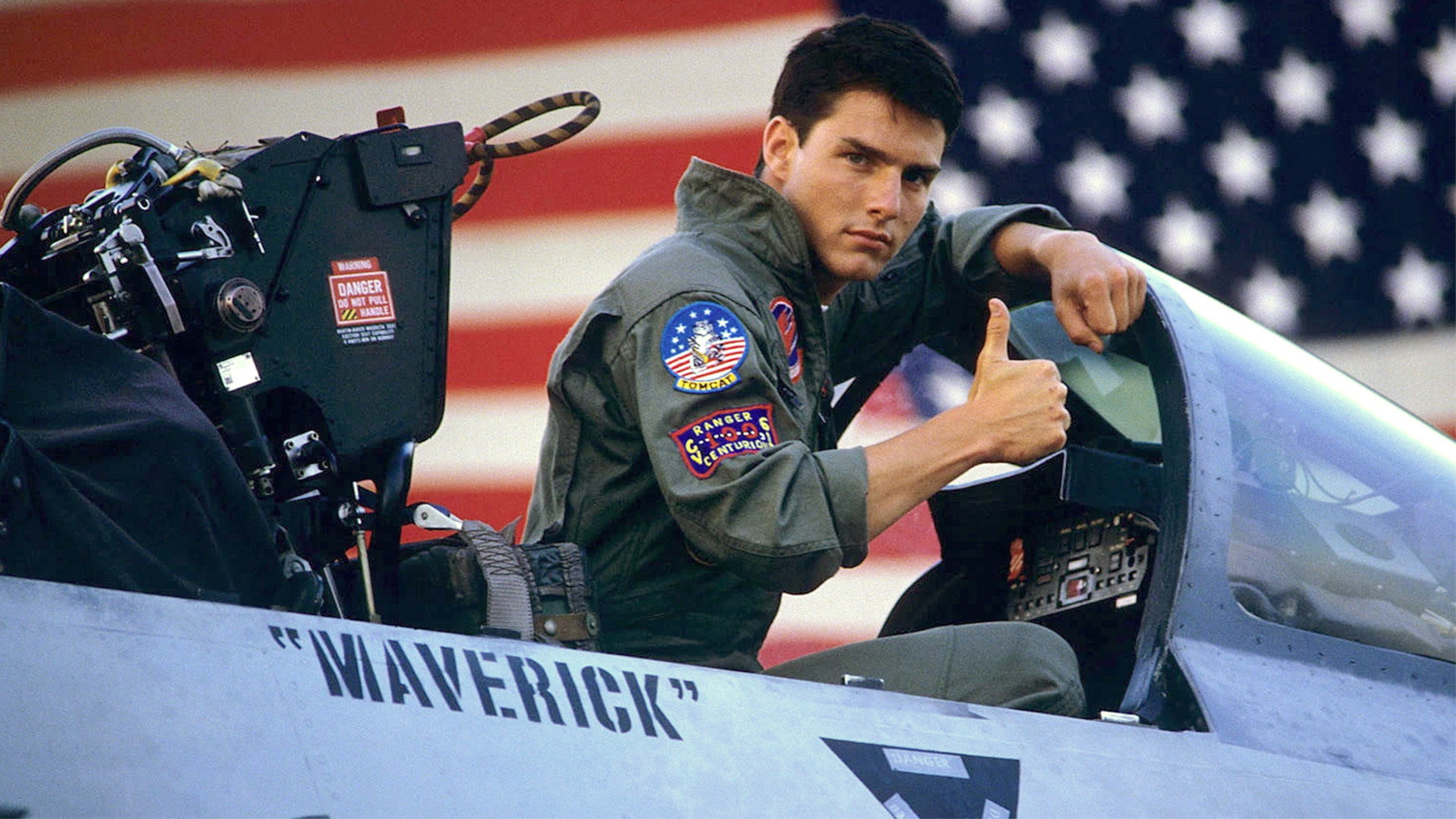
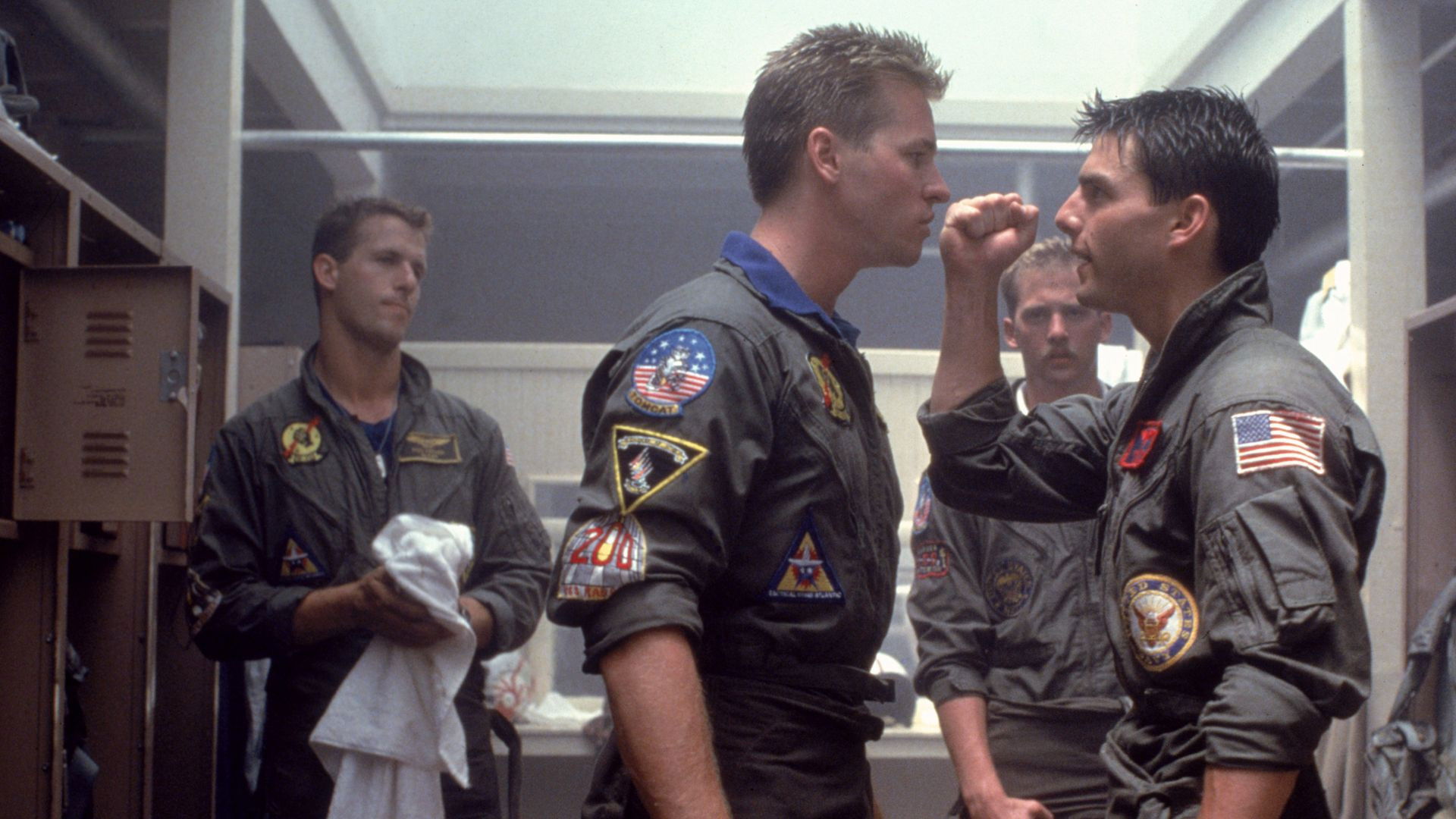
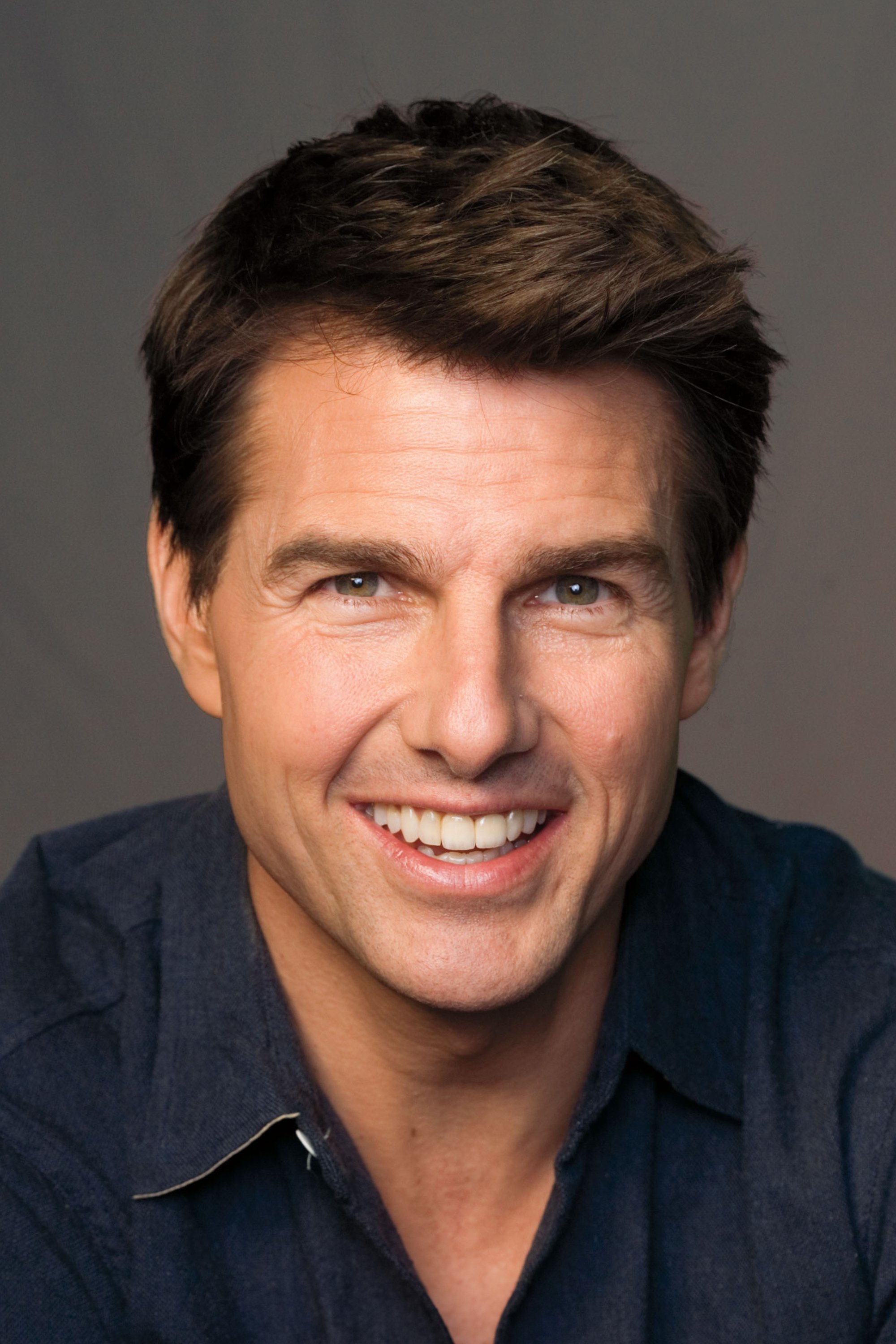
Tom Cruise plays Maverick in Top Gun, an action drama about military flying, competition and the urge to be the best. Alongside the aerial combat, the story follows his bond with Goose, played by Anthony Edwards, while rivalry and romance shape life on the ground. Kelly McGillis plays Charlie, with Val Kilmer as Ice and Tom Skerritt as Viper. Directed by Tony Scott, the film moves between the dangers of flying and the personal pressures surrounding its pilots, as ambition and friendship compete for their attention.

Plays from YouTube when you press play; nothing loads from them until then.

Fi1m review

Tony Scott’s Top Gun is worth seeing for the flying, which supplies the danger and excitement its predictable drama cannot. Tom Cruise keeps the swagger lively, though the romance is harder to believe.

Tony Scott’s Top Gun is a good aviation film attached to a rather less convincing romance. It wants flying to feel dangerous, desirable and inseparable from the urge to beat the other fellow. We can see the attraction, and Scott makes sure we can feel it. The aircraft have weight and speed; the competition gives their manoeuvres a reason to matter. The difficulty comes when Jim Cash and Jack Epps Jr.’s screenplay asks familiar rivalries and declarations to sustain the same excitement.

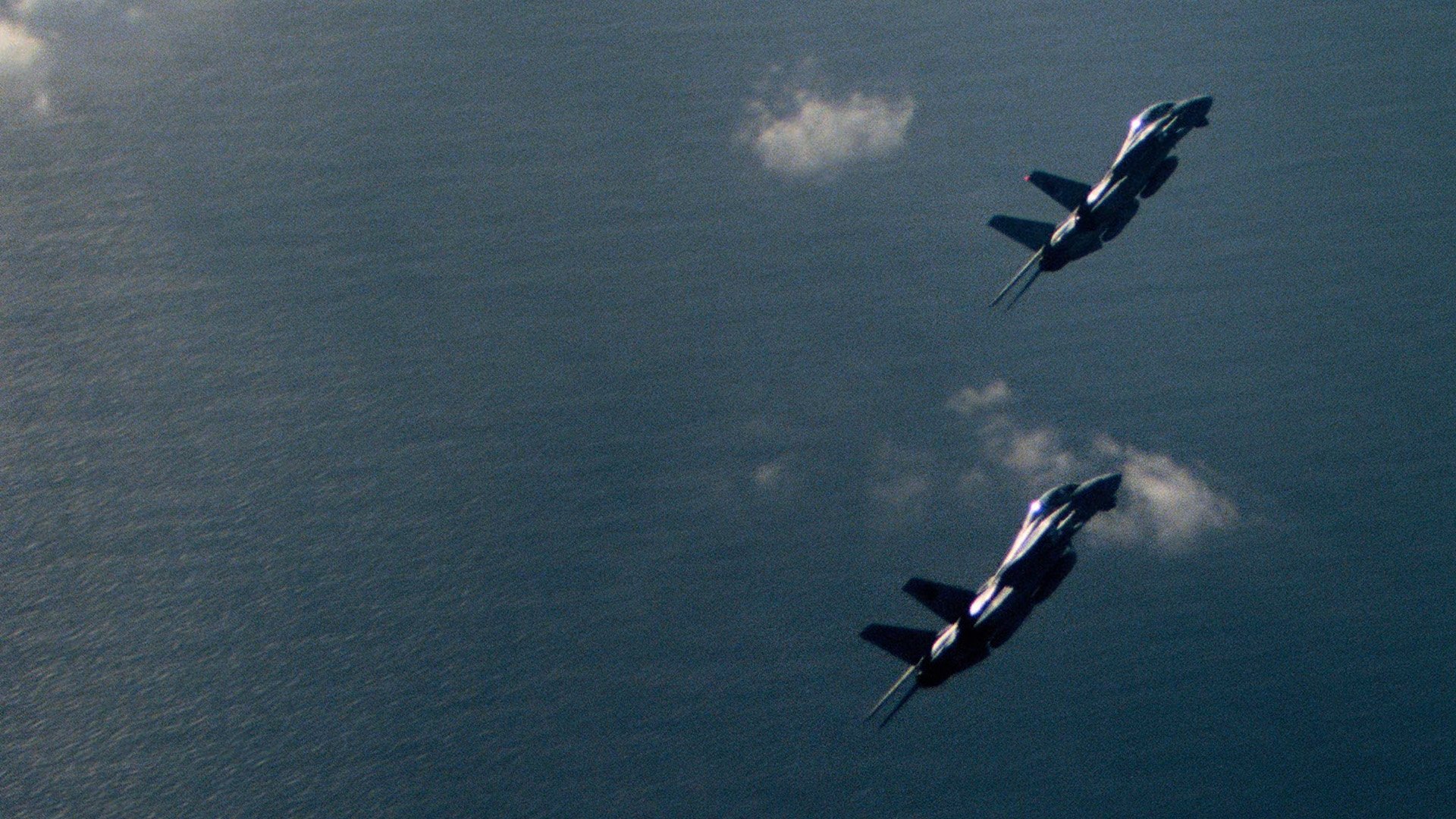
Jeffrey L. Kimball and Rick Fichter’s cinematography makes the distance between aircraft matter: we can see how little room there is for error. We were gripped by the dogfights. The speed and proximity of the planes explain the danger more clearly than the dialogue does. The sound adds to that pressure, making the flying feel physically demanding even from a comfortable seat. Scott understands that the machinery has to seem capable of hurting someone if we are to admire the people handling it.

Editors Billy Weber and Chris Lebenzon keep the flying brisk while allowing us to register the skill involved. On the ground, the same determination to keep things moving is less helpful. Rivalry, friendship and attraction all need a little room for awkwardness, or some behaviour we have not guessed in advance. The film tends to hurry towards the next emphatic exchange, and the writing by Cash and Epps leaves the cast too much certainty and too little surprise.

Cruise gives Maverick the pleased-with-himself energy the part requires, and enough charm to stop it becoming exhausting. Val Kilmer’s Ice makes a useful opponent: his composure makes the competition feel personal. But Anthony Edwards, as Goose, gives Cruise the more persuasive relationship. Edwards makes affection seem a natural part of the friendship, even amid all the competitive talk. We cared about that bond more than we expected to, because their pleasure in each other’s company makes the men worth spending time with.

Kelly McGillis has presence as Charlie, but the romantic writing gives her less to work with. Attraction is repeatedly treated as something a polished image can establish on its own. John DeCuir Jr.’s production design contributes to that polish, making the ground-bound surroundings feel arranged for display rather than lived in. It suits a film that wants us to find the whole military life appealing. It also makes the courtship feel oddly impersonal, and McGillis cannot supply all the missing intimacy by herself.

Harold Faltermeyer’s score gives the flying a broad, insistent confidence, with melodies big enough to compete with the aircraft. Restraint would be misplaced here, and the music’s willingness to insist on excitement is part of the pleasure. Alongside the songs, it keeps the emotional instructions simple: longing, exhilaration, pride. The reservation is how readily that pride attaches itself to military power, with scarcely any curiosity about what the machinery is for beyond proving the pilots’ excellence.

As military aviation drama, the film keeps its attention firmly on personal nerve and professional rivalry. Anyone wanting much thought about service or responsibility will find that limiting. At 110 minutes, though, it offers enough flying, charm and musical enthusiasm to make its simple pleasures count. Watch it for the aircraft and the friendship, and be prepared to wait through the courtship.
Critical consensus AI synthesised

68
Positive
5
Mixed
5
Negative
0

The reviews lean towards qualified enjoyment, with agreement strongest on the flying sequences. Critics repeatedly praise the aerial photography, dogfight choreography and sense of speed, finding excitement in the cockpit even when the story offers little surprise. Tony Scott’s glossy direction also draws praise, while the soundtrack and recognisably 1980s style help explain the film’s continuing appeal for its warmer admirers.

The division is over how much the scenes on the ground matter. Reservations cluster around the predictable rivalry, unconvincing romance and clunky dialogue, with some critics also troubled by the celebration of military power and male competitiveness. The spread runs from mixed assessments to enthusiastic endorsement: The Playlist embraces the machismo and quotable dialogue as pleasures in themselves, whereas the Los Angeles Times finds the male bonding disturbing and the technological spectacle empty. Even the more sceptical reviews concede that the aerial action delivers.

Empire
2 February 2006 · Adam Smith
70*

Treats the film as a cinematic souvenir and peerless historical artifact of mid-1980s pop cinema rather than a work of art. Singles out the still-exciting flying sequences and its status as infinitely rewatchable cultural icon.

Read the full review →
The New York Times
8 June 1986 · Vincent Canby
70*

The film is absurd with a standard plot but enjoyable, especially for its extraordinary aerial dogfight footage that feels supersonic and alluring. It carries on the spirit of classic military aviation movies while delivering glossy, high-tech spectacle.

Read the full review →
Time Out
16 January 2012 · CPea
65*

The plot is risible and the direction routine with a questionable ethic, but the flying sequences stir the blood like speed and make for a great ride.

Read the full review →
Radio Times
★★★ · David Parkinson
60

The flying sequences deliver quality entertainment value through realistic aerial footage, but the rivalry, romance and overall macho daydream plot are pure bunk that only the director salvages somewhat.

Read the full review →
RogerEbert.com
16 May 1986 · Roger Ebert
60*

The aerial dogfight sequences are brilliantly choreographed and exciting, giving a real sense of being in combat. The ground-bound scenes, including the romance and character drama, are grimly predictable and unconvincing.

Read the full review →
Los Angeles Times
16 May 1986 · Michael Wilmington
50*

It is an exciting but disturbing, mind-boggling yet vacuous male-bonding adventure fixated on being the best, with impressive high-tech aerial visuals and hardware. The plot recycles old clichés and feels like an empty-headed technological marvel or disco war that evaporates quickly.

Read the full review →

Cast

Stills

Awards

Academy Awards, 1987

Nominated
Best Film Editing
Nominated
Best Sound
Nominated
Best Sound Editing

Kids' Choice Award for Favorite Movie, 1987

Nominated
Kids' Choice Award for Favorite Movie

If you liked this, try…

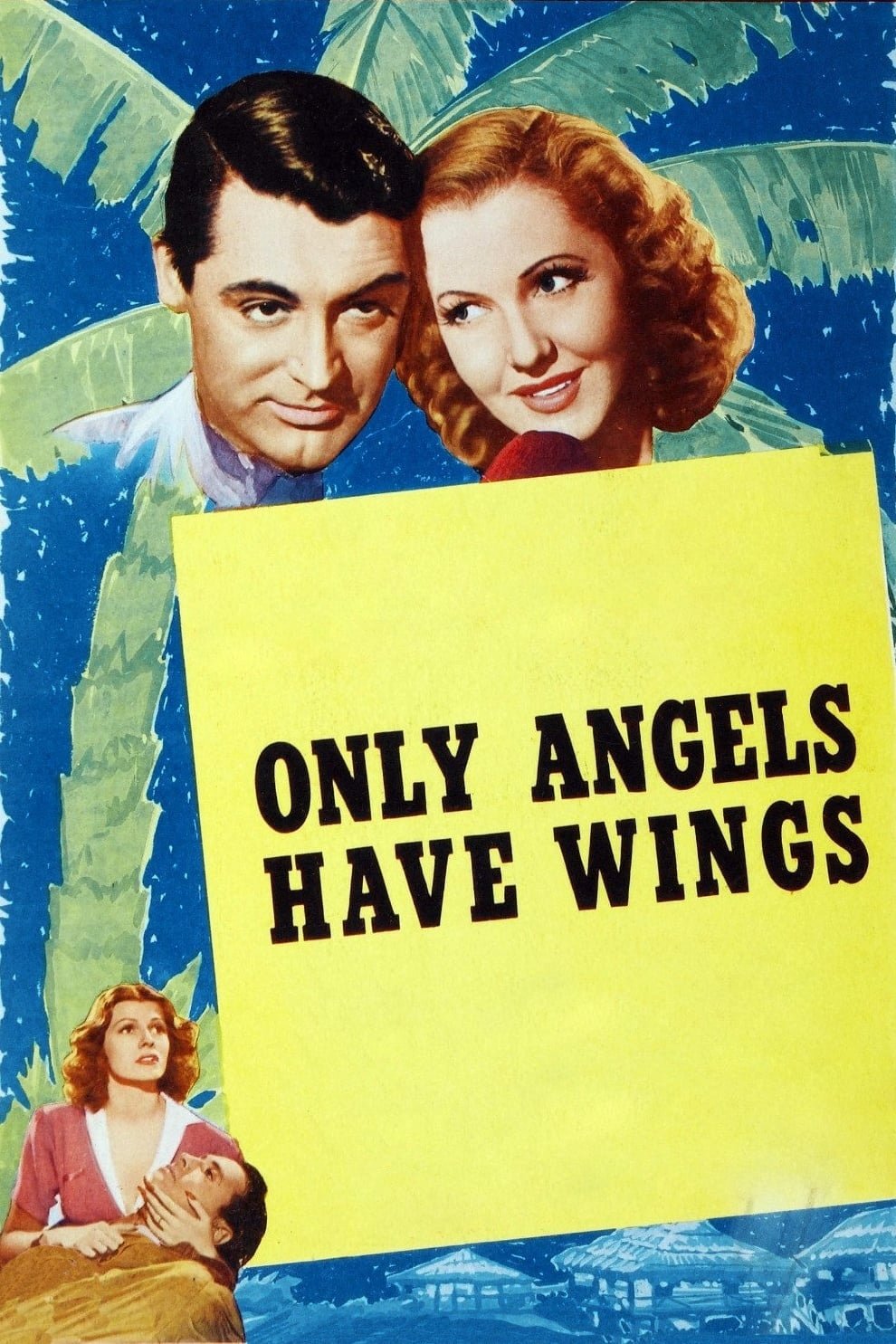
Only Angels Have Wings poster

Only Angels Have Wings

1939 · Professional flyers, stubborn pride and affection that survives the competitive talk.

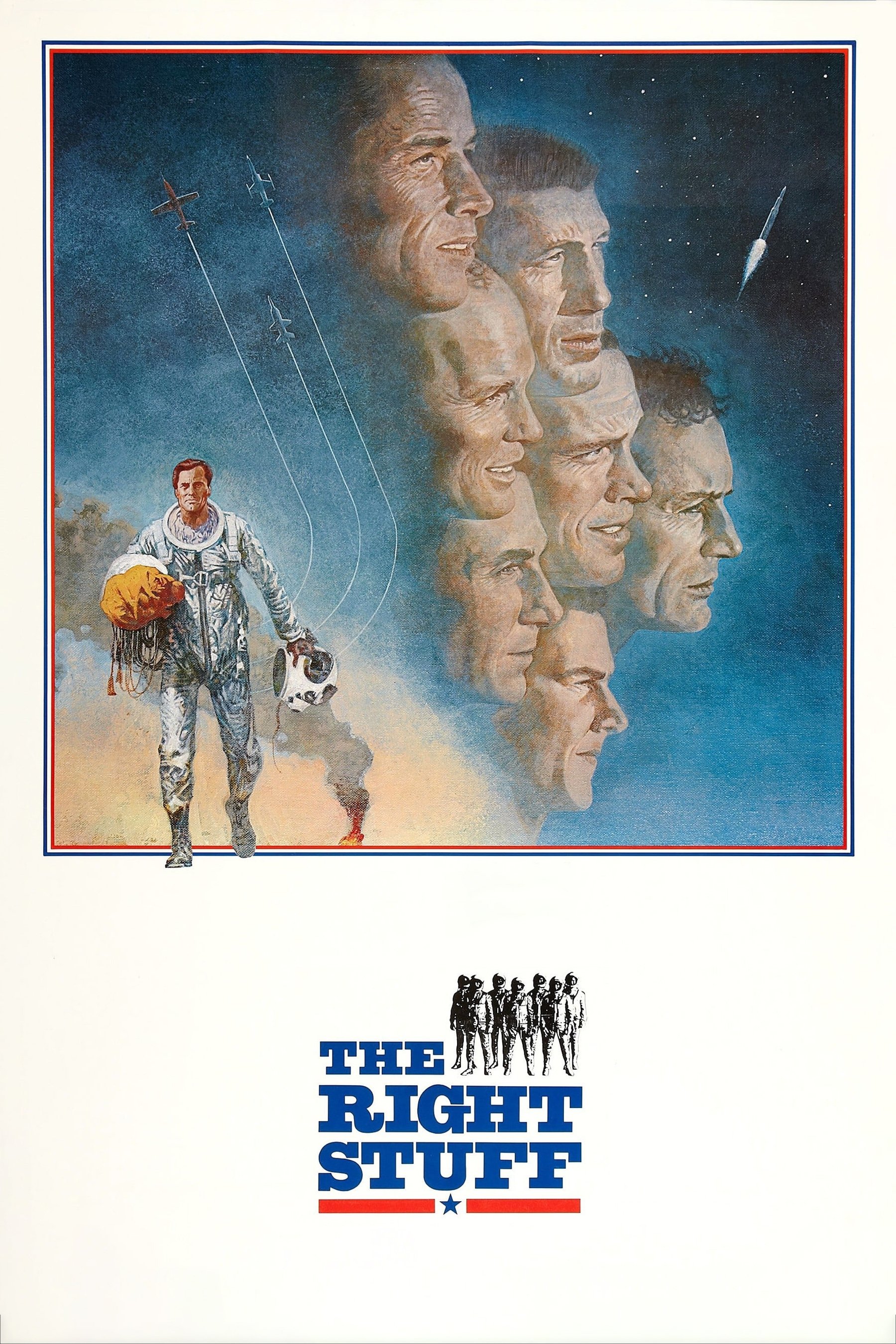
The Right Stuff poster86

The Right Stuff

1983 · Test pilots compete, posture and discover the limits of personal nerve.

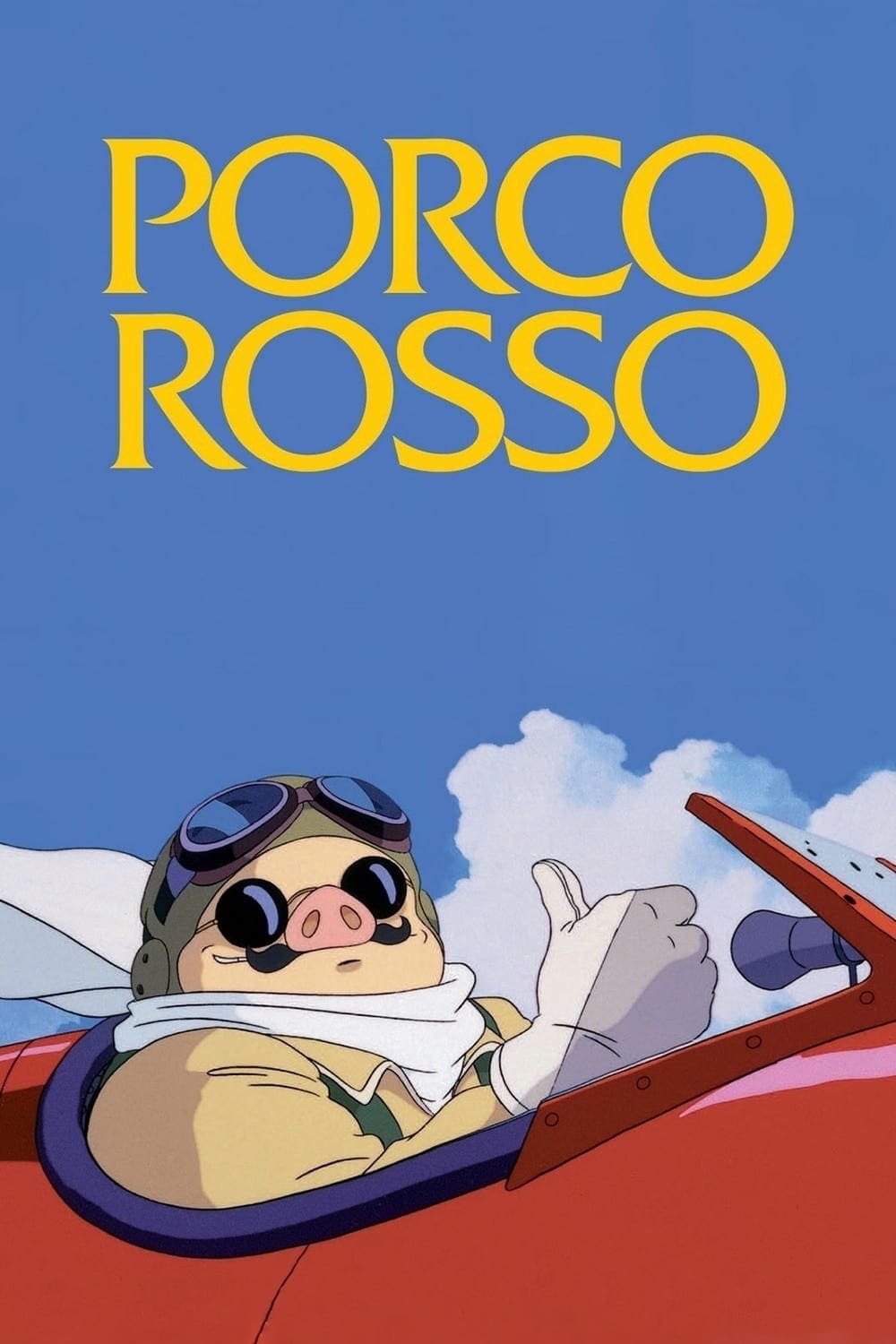
Porco Rosso poster

Porco Rosso

1992 · Aviation adventure with room for melancholy beneath the flying and swagger.

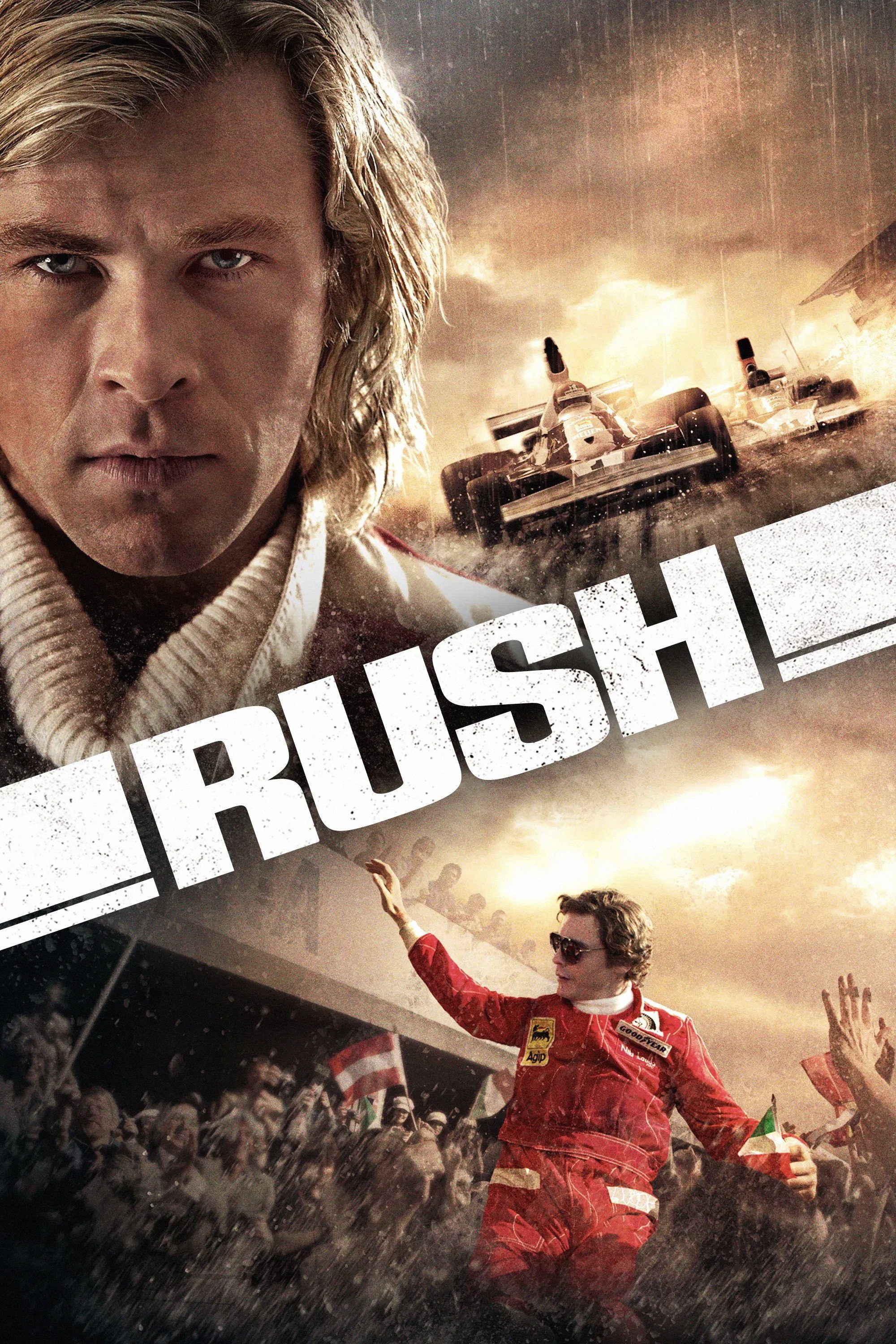
Rush poster82

Rush

2013 · Rival professionals make speed personal, with more attention to the consequences.

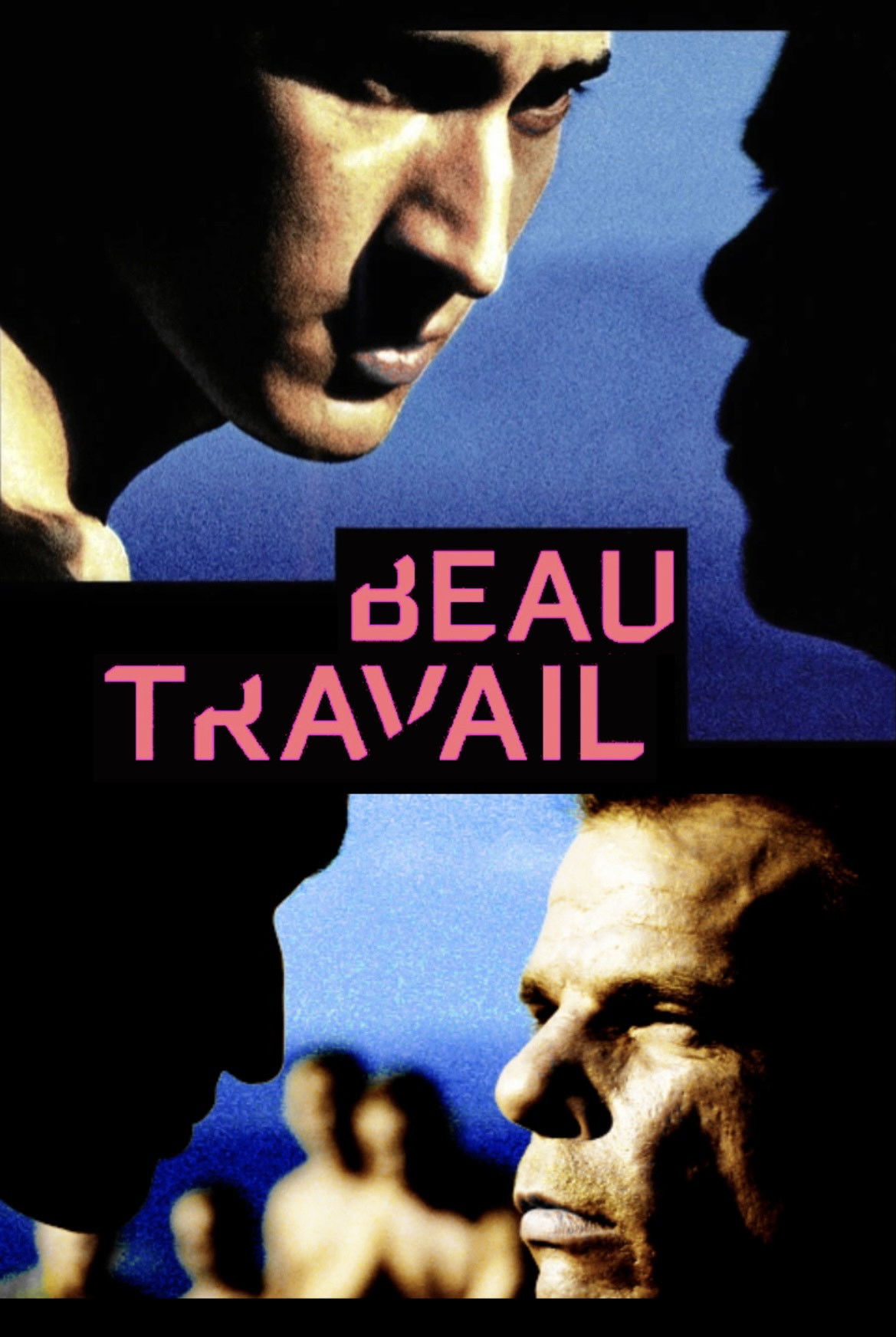
Beau travail poster

Beau travail

1999 · Military discipline and male rivalry become a quieter, stranger physical spectacle.