Series review

Ashes to Ashes

2008 · Created by Ashley Pharoah, Matthew Graham · Series · 1h 00m · MPA TV-14

In a sentenceGene Hunt drives a red Quattro through 1981 and the woman in the passenger seat keeps telling him he isn’t real

CrimeSci-Fi & FantasyAction & AdventureDrama

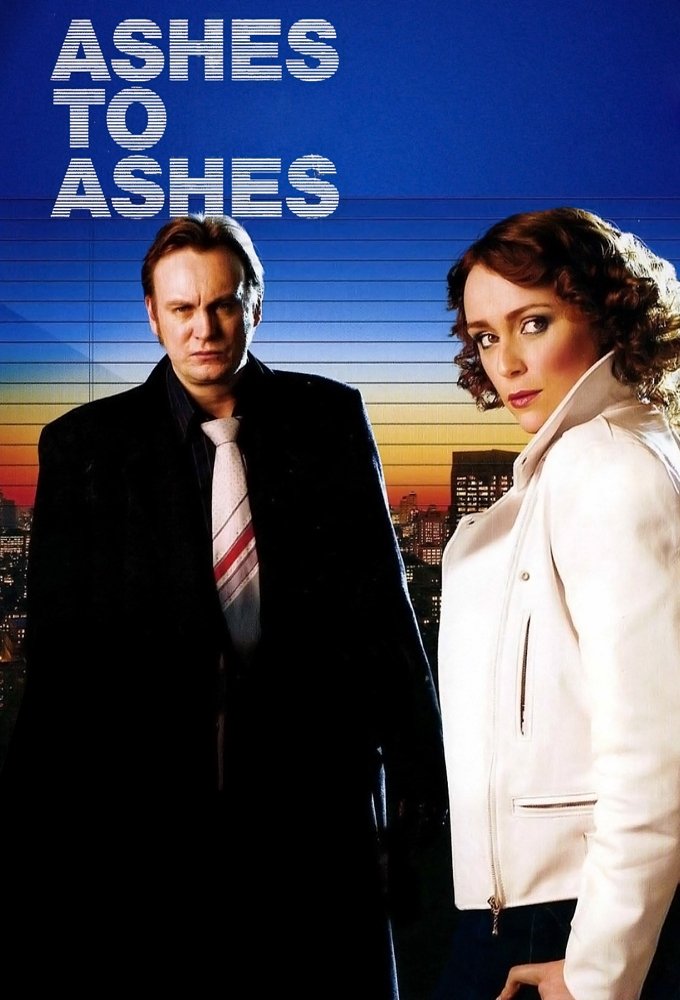
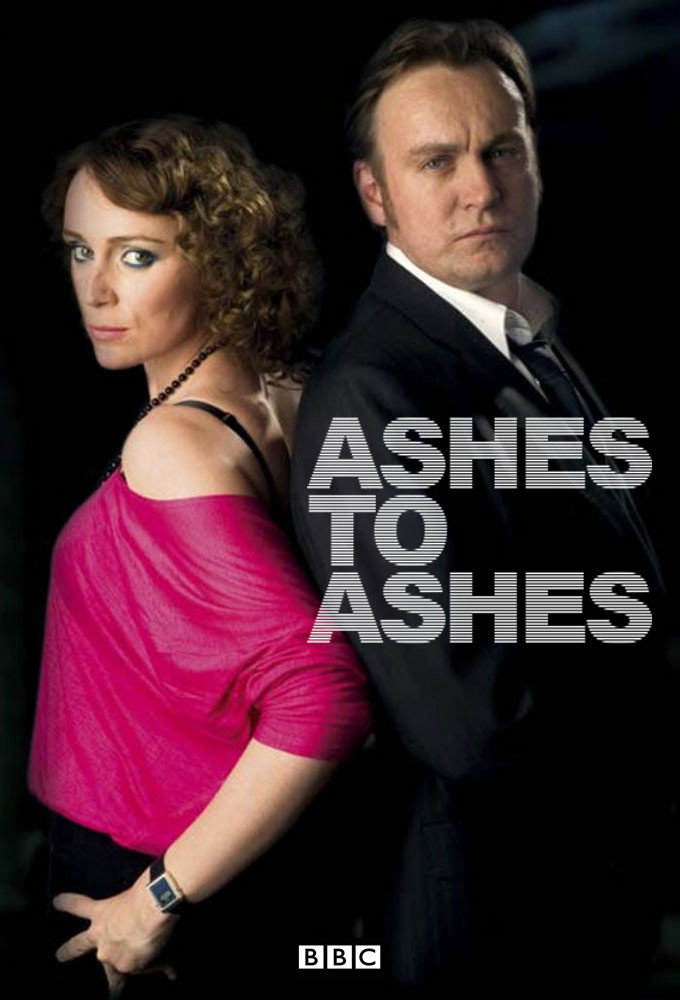
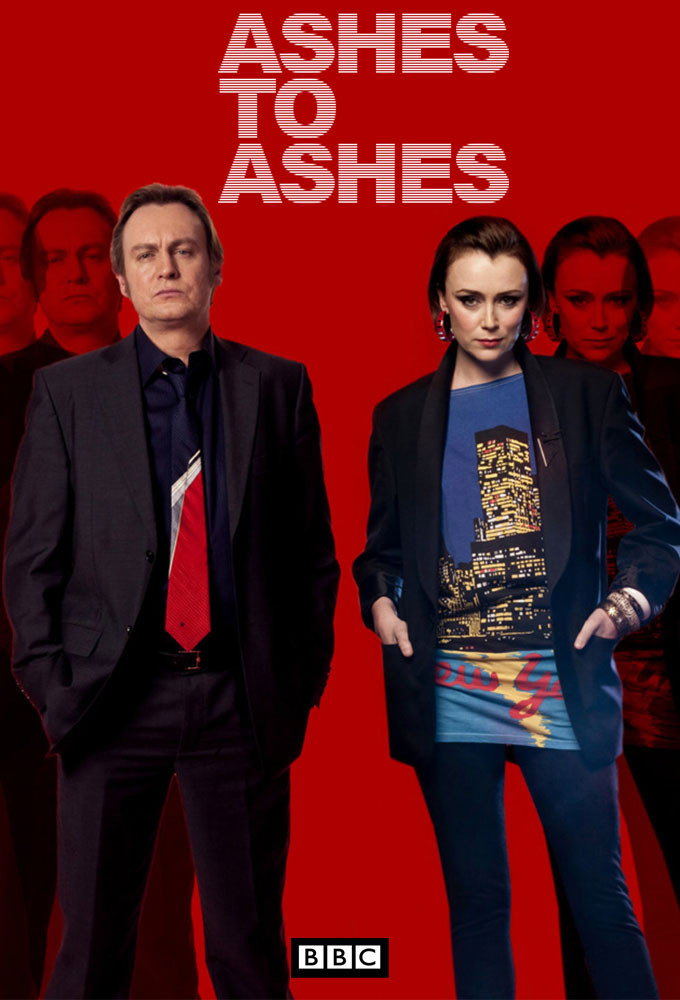
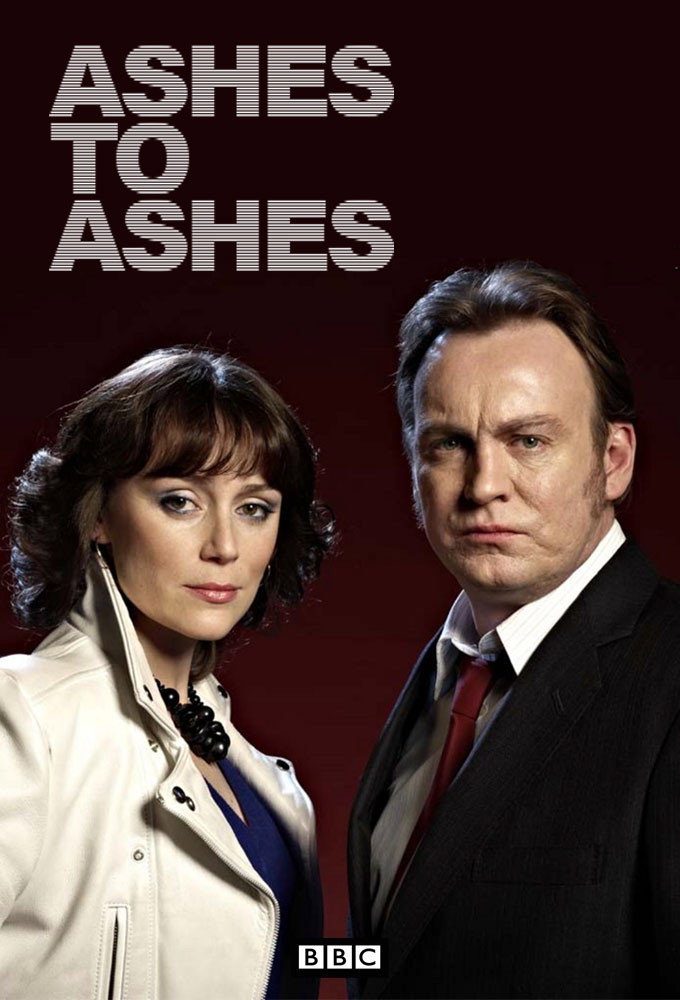
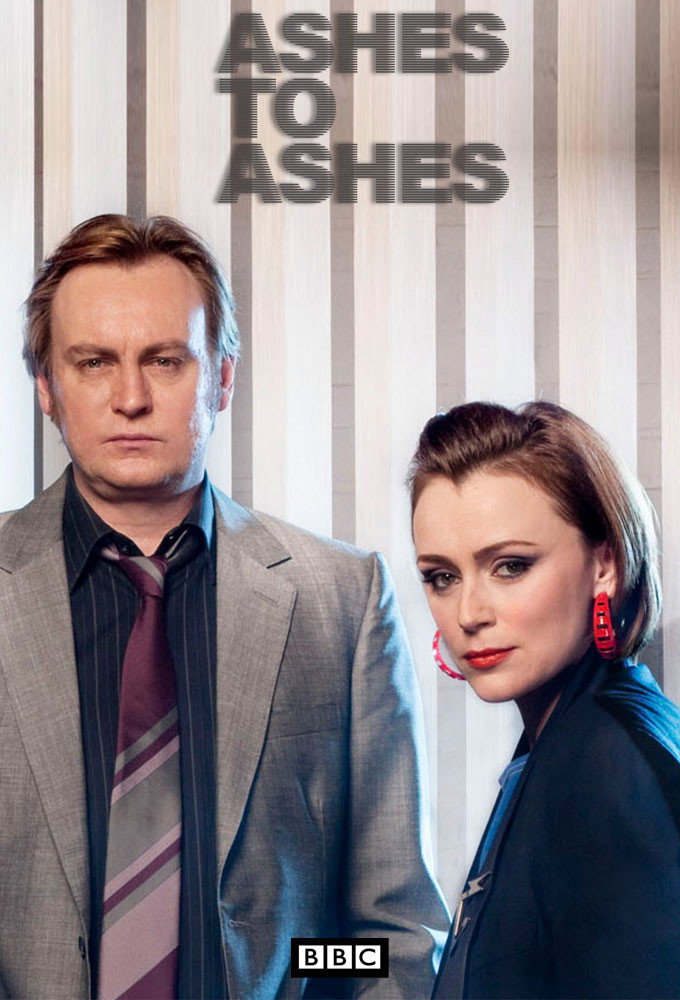
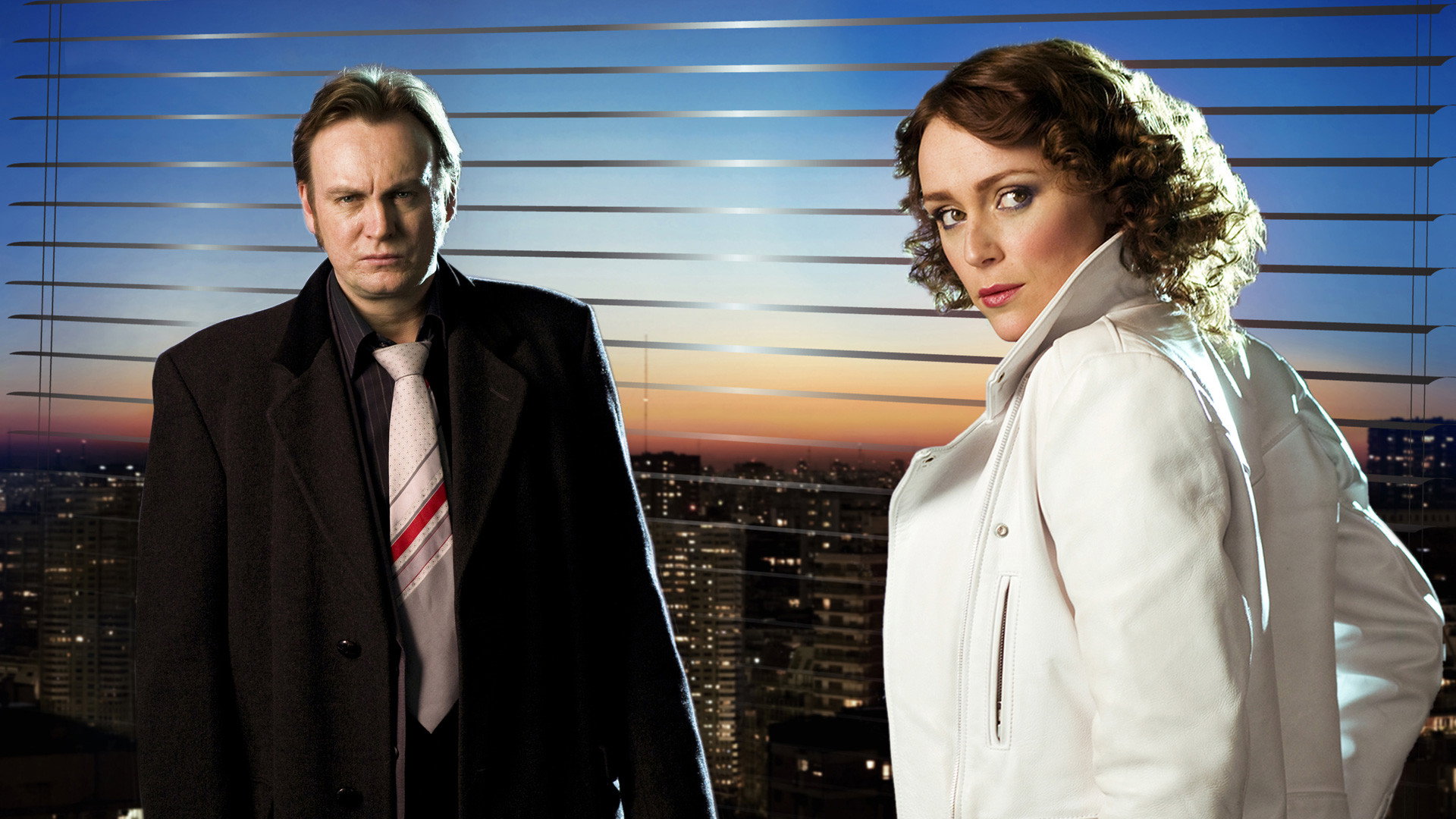
London, 2008. DI Alex Drake (Keeley Hawes), a police psychologist who has studied the file of Sam Tyler, a Manchester detective who woke in 1973, is shot by a gunman on the Thames and comes round in 1981, on a boat, in a party dress, holding a gun. Waiting in the Metropolitan Police is DCI Gene Hunt (Philip Glenister), newly transferred from the north with DS Ray Carling (Dean Andrews) and DC Chris Skelton (Marshall Lancaster), and a red Audi Quattro parked outside. WPC Shaz Granger (Montserrat Lombard) makes the tea. Alex knows she is in a coma and wants to wake up and get back to her daughter Molly. A pierrot clown from the Bowie video keeps appearing, and 1981 is the year her parents died.

Fi1m review

The sequel to Life on Mars moves to 1981 London with a psychologist who knows she is in a coma. It is louder, prettier and sillier than its parent, coasts on Glenister for a series and a half, and then finds its nerve.

Ashley Pharoah and Matthew Graham had a good idea once: a detective hit by a car in 2006 wakes in 1973 and cannot tell whether he is dead, mad or back in time. Life on Mars (2006) ran two series and ended. Ashes to Ashes (2008) is what you do when the idea has ended and the audience has not. In place of that detective is DI Alex Drake (Keeley Hawes), a psychologist who has read his file, shot in London in 2008 and waking in 1981 knowing exactly what has happened. Gene Hunt (Philip Glenister) is waiting, transferred south with Ray Carling (Dean Andrews) and Chris Skelton (Marshall Lancaster), and the red Quattro is parked outside.

That knowing is the first change and the biggest problem. Sam Tyler spent two series unsure whether he was mad. Alex arrives already certain she is in a coma, and for most of the first series she says so, in a running commentary on constructs and projections that turns every scene into a therapy session. Hawes is a good actor stuck with a character who has seen the previous show. The writing gives her a head start on the audience and then asks her to be surprised, and never gets round that.

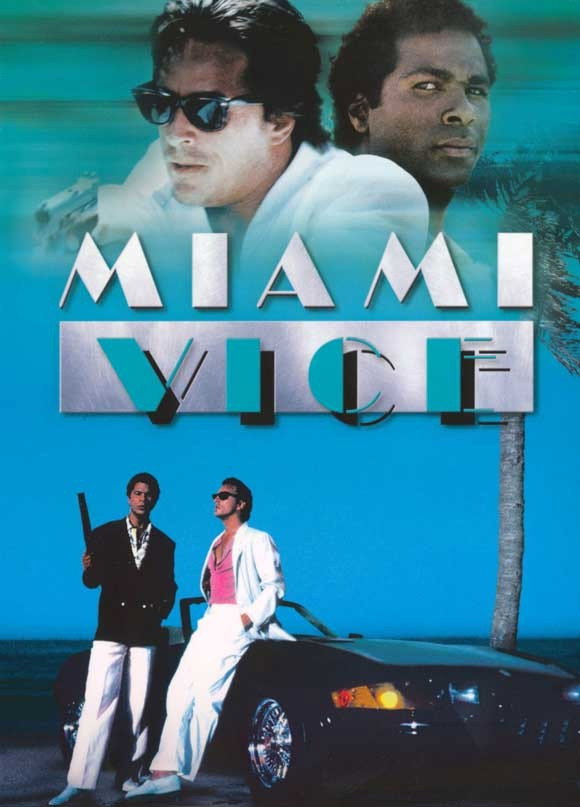
What the series has instead is a look. Fabian Wagner shoots 1981 London in hard red and electric blue, the station in strip-light white and the clubs in smoke and neon, so that a routine chase through a wet car park looks like the sleeve of a twelve-inch single. It is closer to Miami Vice than to the brown haze of the parent series, and it suits a show that has stopped pretending to be about detection. The soundtrack is wall-to-wall 1981, Bowie first and everything else after. The pierrot clown from the Ashes to Ashes video is a good image the first time and a party trick by the fourth.

Then there is Glenister. Gene Hunt in 1973 was a bigot with a conscience, and often wrong. In 1981 he is a hero in a camel coat, and the scripts, by Pharoah and Graham with Julie Rutterford, Mark Greig, Jack Lothian and others, feed him. He kicks doors, insults everyone, calls Alex Bolly and gets the last word. Glenister plays him heavier and stiller than before, a man who is tired and does not know why, and it is the only performance in the first series that seems to know where the show is going. The other three are better than their plots: Andrews’s Ray, still a pig, now with something bruised under it; Lancaster’s Chris, sweeter and dimmer than ever; and Montserrat Lombard’s Shaz Granger, the WPC who is cleverer than the detectives.

We were bored by the first series, and a little embarrassed for it, and the pierrot and the speeches about the subconscious were what did it. Then the second series (2009) began to take its own mystery seriously, and the third (2010) added Daniel Mays as Jim Keats, a soft-spoken man from Discipline and Complaints who smiles at Gene the way a cat smiles at a bird. Mays is superb and does most of it with a raised eyebrow. Every scene he shares with Glenister tightens, and for the first time the show has somewhere to go.

We will not describe how it ends. We can say that the last episode does something we did not expect, that it made sense of images we had been rolling our eyes at, and that we were moved, more than a series with this much hair gel had any right to move us. Eight directors, Jonny Campbell and Alrick Riley among them, keep the house style steady enough that the change in tone reads as growth.

It is a lesser show than Life on Mars. It is also one of the odder things British television attempted in those years. There are twenty-four hours of it, at 60 minutes an episode and a 15 certificate. If the first series makes you want to stop, we understand; hold on until Mays arrives, and then see it through.

Critical consensus AI synthesised

55
Positive
2
Mixed
2
Negative
2

Critics are split down the middle on Ashes to Ashes, with the reviews dividing evenly between the enthusiastic, the lukewarm and the hostile. Where there is agreement, it is on Philip Glenister: most critics find Gene Hunt the best reason to watch, and several praise his pairing with Keeley Hawes’s Alex Drake. The 1980s setting is generally judged good to look at, and even the doubters concede the series is handsomely made.

The reservations gather around what has been lost since Life on Mars. The Times argues Hunt has been turned into a cartoon and that the series leans on gimmicks such as the pierrot clown; The Guardian finds the plot muddled and Hawes irritating, a direct contradiction of Digital Spy, which singles her performance out for praise. Empire sits in the middle, enjoying the un-PC antics while wishing for more mystery. The spread is wide, running from warm to outright dismissive.

The Independent
8 February 2008
65*

The critic sees it as the mixture as before with added self-awareness and influences from shows like Lost and Miami Vice. Philip Glenister's Gene Hunt is highlighted positively amid the pop culture and sci-fi elements.

Read the full review →
Empire
29 April 2008 · Danny Graydon
60*

The Life on Mars spin-off is enjoyable but underwhelming, prioritizing Gene Hunt's un-PC antics over deeper mysteries. It benefits from strong chemistry between the leads and some strong twists in later episodes.

Read the full review →
The Guardian
8 February 2008
30*

The critic finds Ashes to Ashes pretty to look at but ultimately bad, with too much style over substance and a muddled plot. Keeley Hawes is singled out as irritating and unconvincing in the lead role.

Read the full review →
The Times
2 February 2008 · Caitlin Moran
25*

The critic argues the series has lost the innocence of Life on Mars, turning Gene Hunt into a cartoon hero and relying on gimmicks like the pierrot clown. It is seen as borderline stalkerish in its treatment of the character.

Read the full review →
Den of Geek
8 February 2008 · Robert Mclaughlin
85*

The reviewer finds the series debut a strong, entertaining follow-up that successfully establishes its own identity while building on the original. They single out the superb pairing of Gene Hunt and Alex Drake, along with Philip Glenister's charismatic performance as Gene, for particular praise.

Read the full review →
Digital Spy
20 January 2008 · Ben Rawson-Jones
80*

The reviewer concludes that the premiere successfully launches the series by balancing crowd-pleasing fun with mystery and sets up future episodes well despite high expectations. They single out Keeley Hawes' performance as Alex Drake and the nostalgic 1980s atmosphere for praise.

Read the full review →

Cast

If you liked this, try…

Life on Mars poster

Life on Mars

2006 · The parent series, with the same coat, less certainty and a better mystery.

The Singing Detective poster

The Singing Detective

1986 · Dennis Potter’s man in a hospital bed dreaming a 1940s thriller; the template for all this.

Prime Suspect poster

Prime Suspect

1991 · Helen Mirren walks into a room of men like Gene Hunt and does not blink.

Russian Doll poster

Russian Doll

2019 · A woman keeps dying at her own party and slowly works out why; short, sharp, sad.

Miami Vice poster

Miami Vice

1984 · The pastel, neon and pop-video policing that Wagner’s camera is plainly remembering.