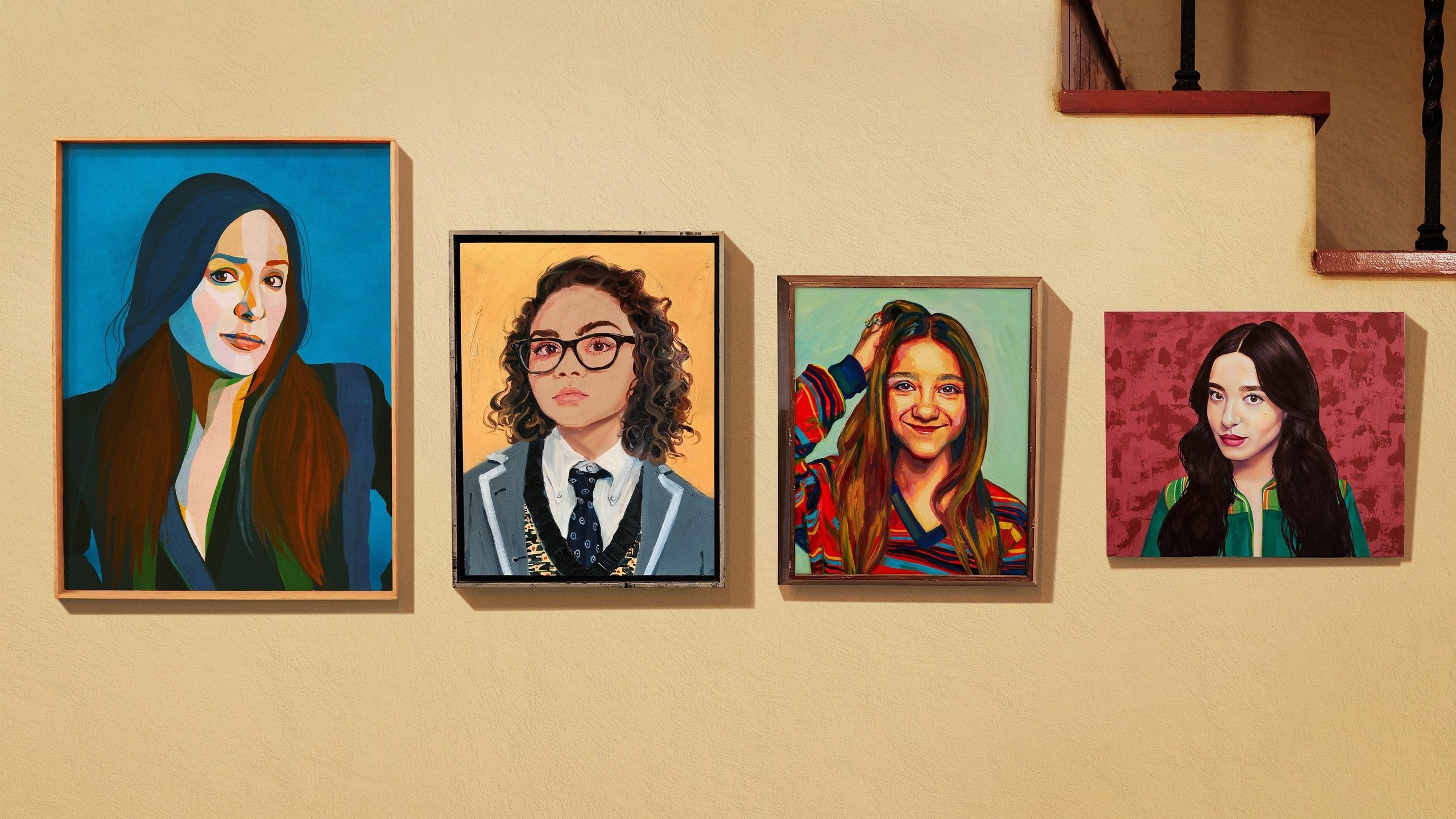
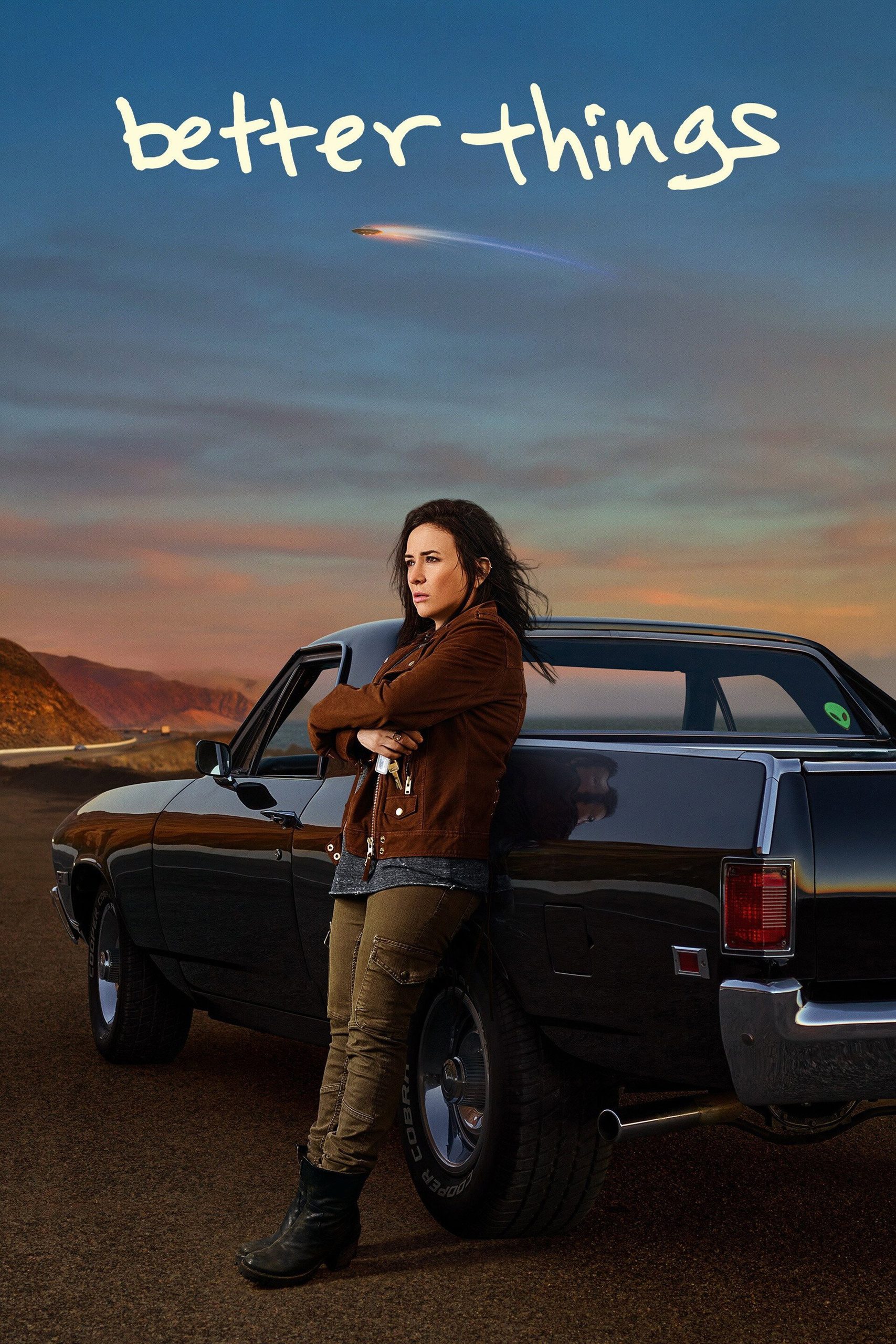
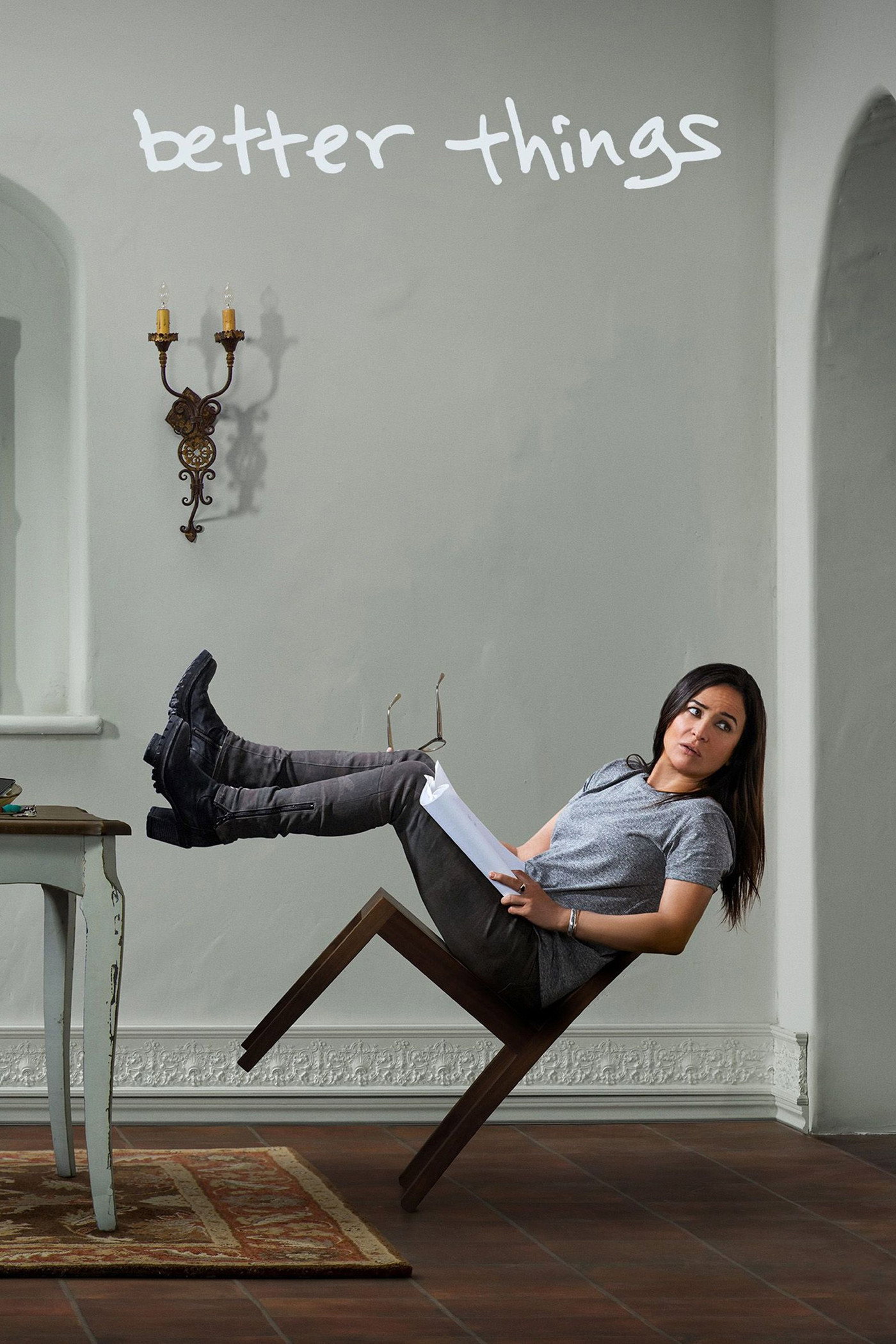
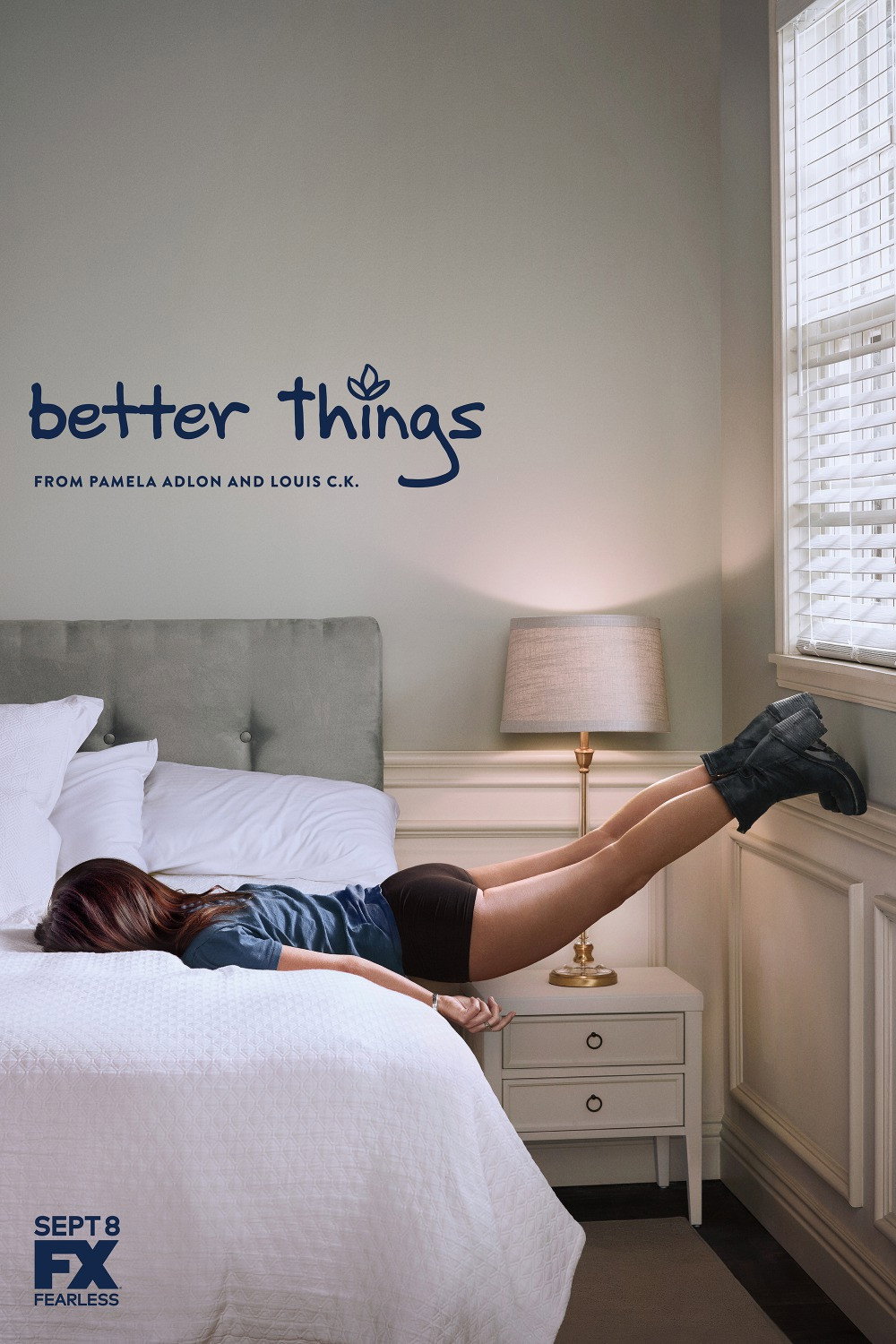
Pamela Adlon’s series about a working actress raising three daughters in Los Angeles is loose, plotless and closer to life than almost anything else on television. Some episodes stop rather than end, and the Hollywood scenes are thinner than the ones at home.
Pamela Adlon made her name as a voice, and Better Things is what happened when she was given a face and a camera as well. She created it with Louis C.K., and it began on 8 September 2016 as a half-hour comedy about Sam Fox, a working actress in Los Angeles raising three daughters on her own, with her mother across the road. It is Adlon’s own life with the names changed, and she does not pretend otherwise. It ran for five seasons and fifty-two episodes. It is one of the best things made for television about a family in the last decade, and it has real faults, which we will get to.
The episodes are twenty-three minutes long and most of them have no plot. A scene starts in a kitchen, moves to a car, ends in a bathroom, and the next scene has nothing to do with it. Adlon had acted in Louie, and the first season borrows its shape: short pieces, cut hard, filmed as if nobody had told the actors where the camera was. Louis C.K. wrote and directed a good deal of that first year. Adlon went on without him, and the series got looser, slower and better. By the later seasons she was directing most of the episodes herself, and it shows in how long she lets a shot run.
Nancy Schreiber, Michael Alden Lloyd and Paul Koestner shoot it in the light Los Angeles actually has: flat white at noon, orange through blinds at six, the yellow of a fridge opened in the dark. The camera is handheld and close and it does not tidy anyone up. Nate Jones, Amy Danger and Ryan Berg fill Sam’s house until you can smell it; there are photographs on every surface, a kitchen table where everything happens, and a front door that Phil treats as her own. Mynka Draper dresses Sam in vests, jeans and boots she has owned for years, and Phil in scarves and layers arranged for effect. Jay Gruska is credited with the music, but what you remember is the records, and John Lennon’s Mother over the titles is fair warning of what is coming.
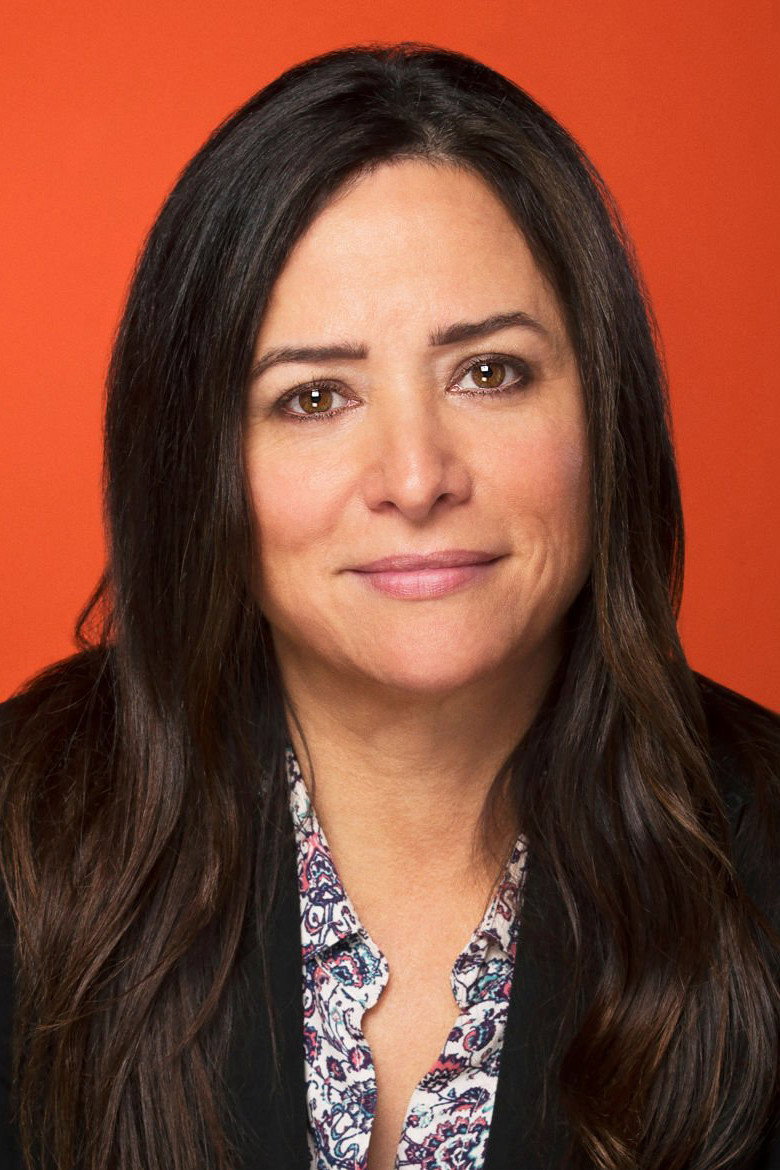
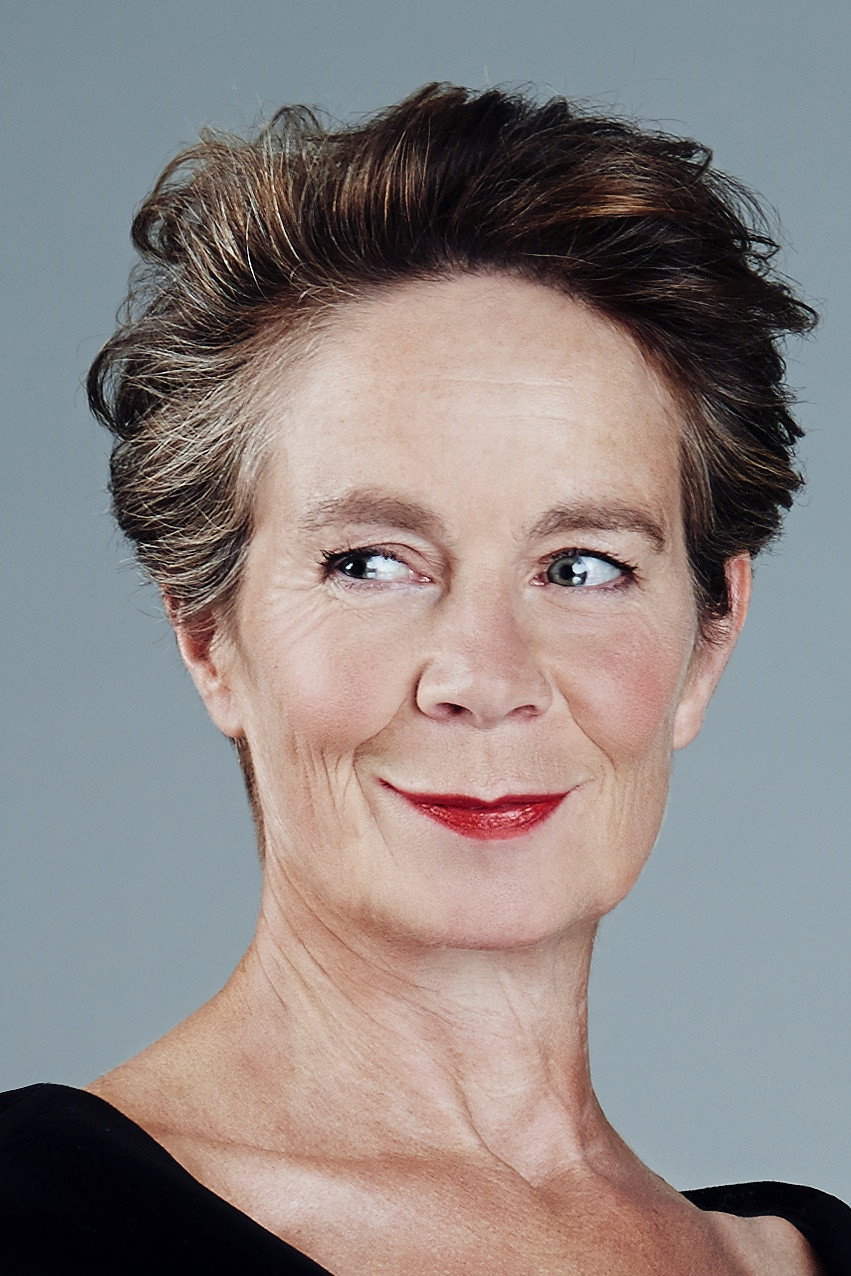
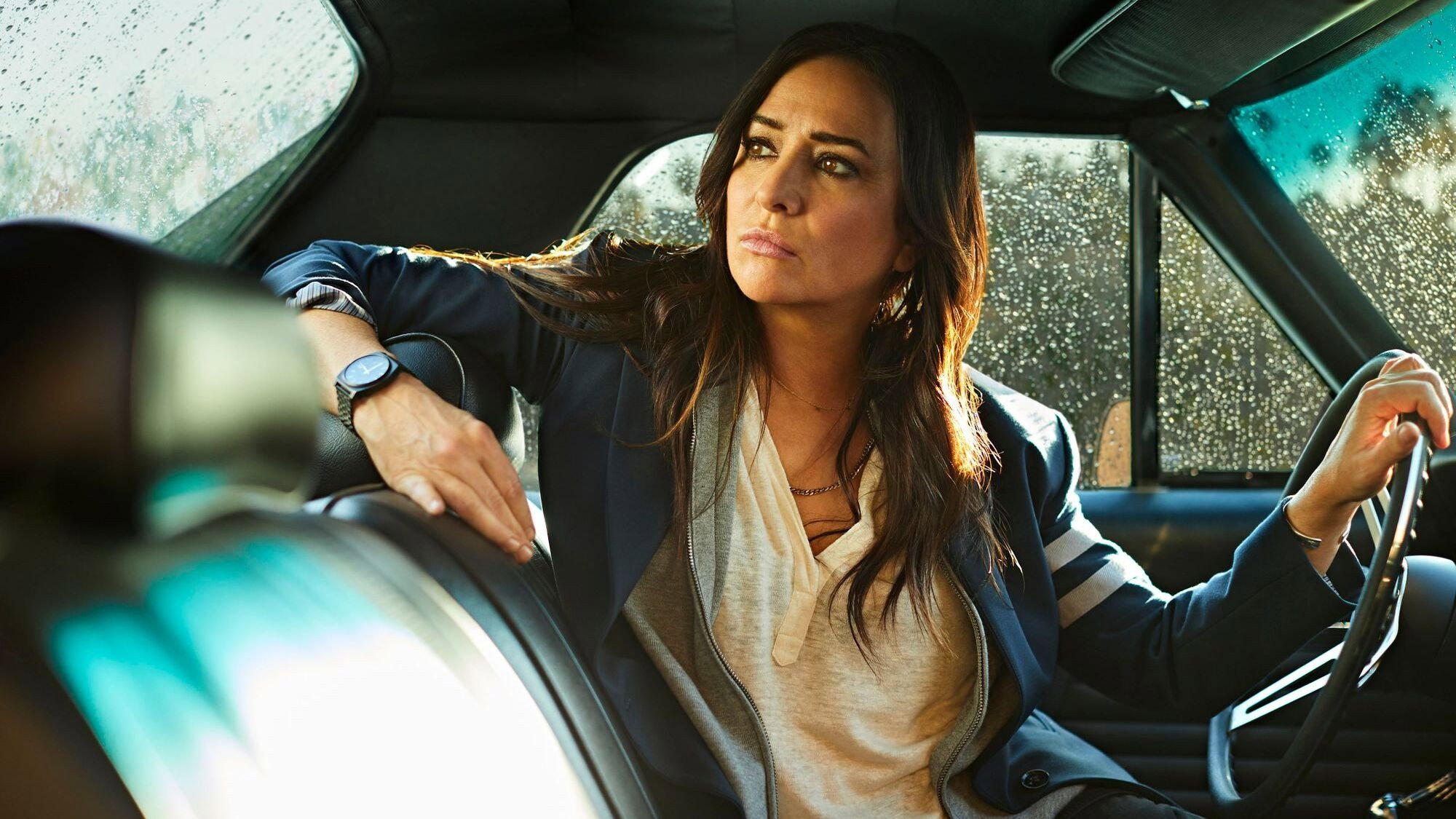
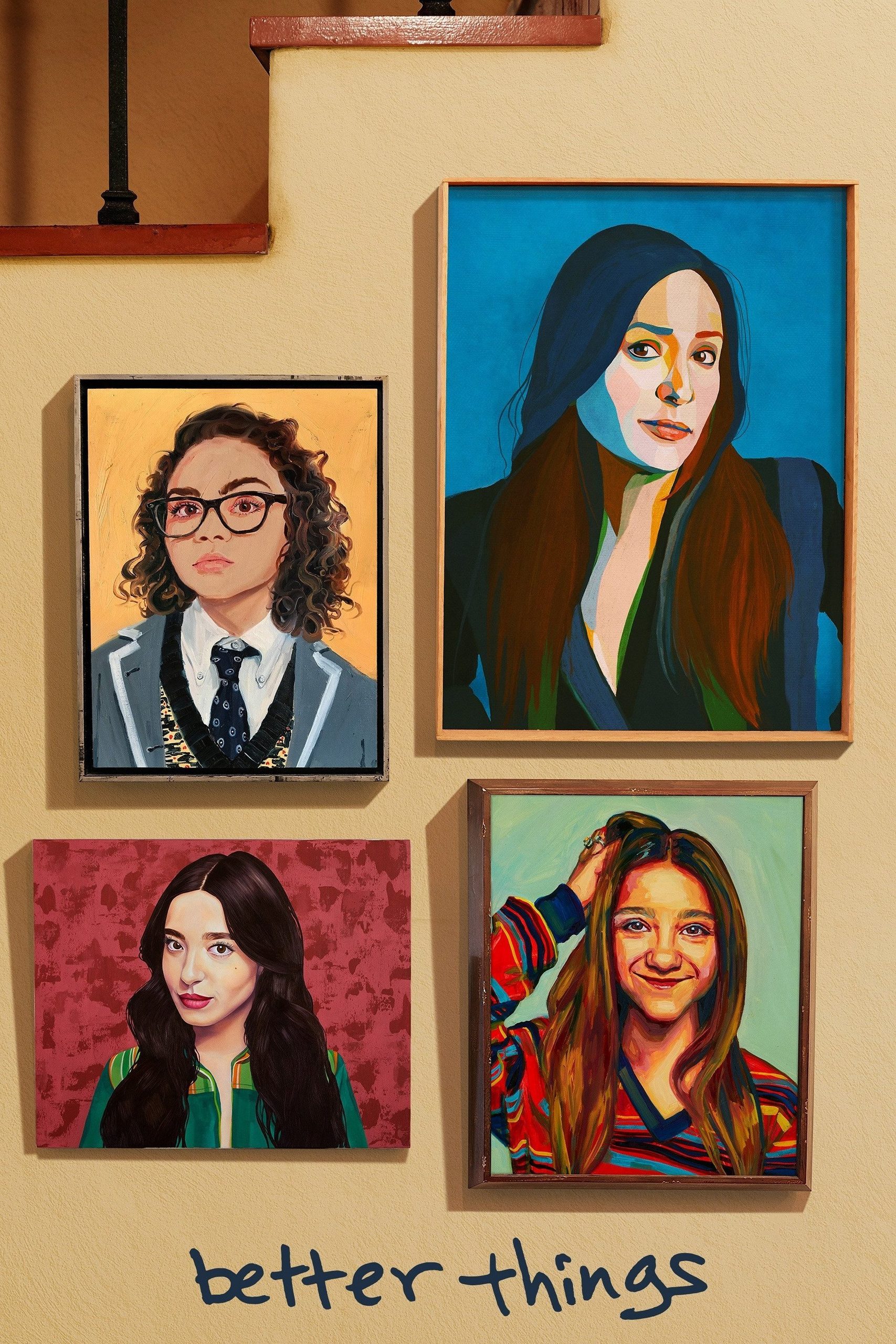
Adlon is small, hoarse and tired, and she plays Sam as a woman who loves her children so much she can hardly stand them. Celia Imrie’s Phil is the finest thing in it: English, vain, forgetful, occasionally cruel, and funnier than anyone else on screen. Mikey Madison plays the eldest daughter as a teenager who has decided her mother is an embarrassment and is not yet sure she believes it. Hannah Alligood’s Frankie is watchful and contrary, and Olivia Edward’s Duke is small enough to still want to be held. The girls fight like real sisters, over the bathroom and the front seat of the car.
The first episode opens in a shopping centre. Duke is howling for earrings, Sam is looking at her phone, and a woman at the next counter is staring at her with the face of someone composing a letter. Sam turns and tells her to buy the earrings herself. We laughed, and then felt caught out, because for a moment we had been the woman at the counter. The series does that often. It puts you on the side of the person judging Sam and then shows you the morning she has had.
The faults come from the way it is made. Some episodes stop rather than end, and you can feel the writers reaching for a last image and settling for one. The Hollywood strand, the auditions and the phone calls with Tressa (Rebecca Metz), who looks after Sam’s career, is thinner than the home one, and it is where the jokes go when the family runs out. In the later seasons the daughters’ stories are picked up and put down with less care than they deserve, and one or two episodes turn into pleasant walks around a city with the camera following. We were never bored. We were sometimes aware that nothing had been decided.
Set against the run of comedies made by comedians about themselves, it is unusual in caring less about the career than about who is downstairs. It sits with Catastrophe and Fleabag in its willingness to be unkind about people it loves, and it is warmer than either. Watch it two or three episodes at a time, not in a weekend, because it is built from pieces and pieces need air between them. And if you have a mother who lives too near, do not watch it with her.