Rebecca Ferguson makes Silo worth the patience it demands. This is a good underground mystery with a persuasive setting, though its wandering plot too often delays the discoveries we have come for.
Graham Yost’s Silo is a good dystopian mystery that takes longer than it needs to. It asks how an underground society survives, what its inhabitants know about their home and whether they can trust what they are told. The appeal is straightforward: somewhere in this enclosed place are answers, and Rebecca Ferguson is a persuasive reason to keep looking. Some stretches spend too long postponing the next discovery.
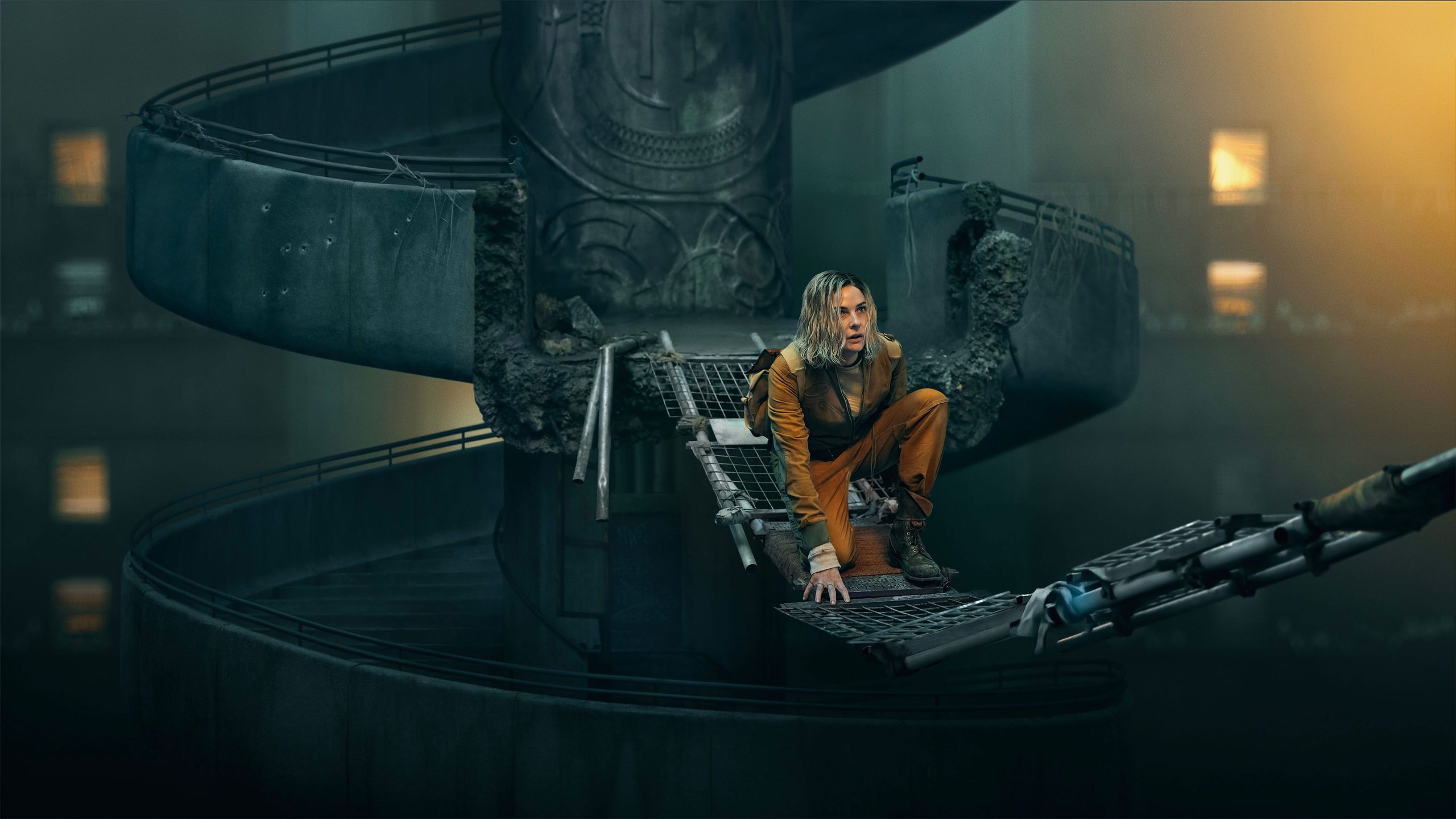
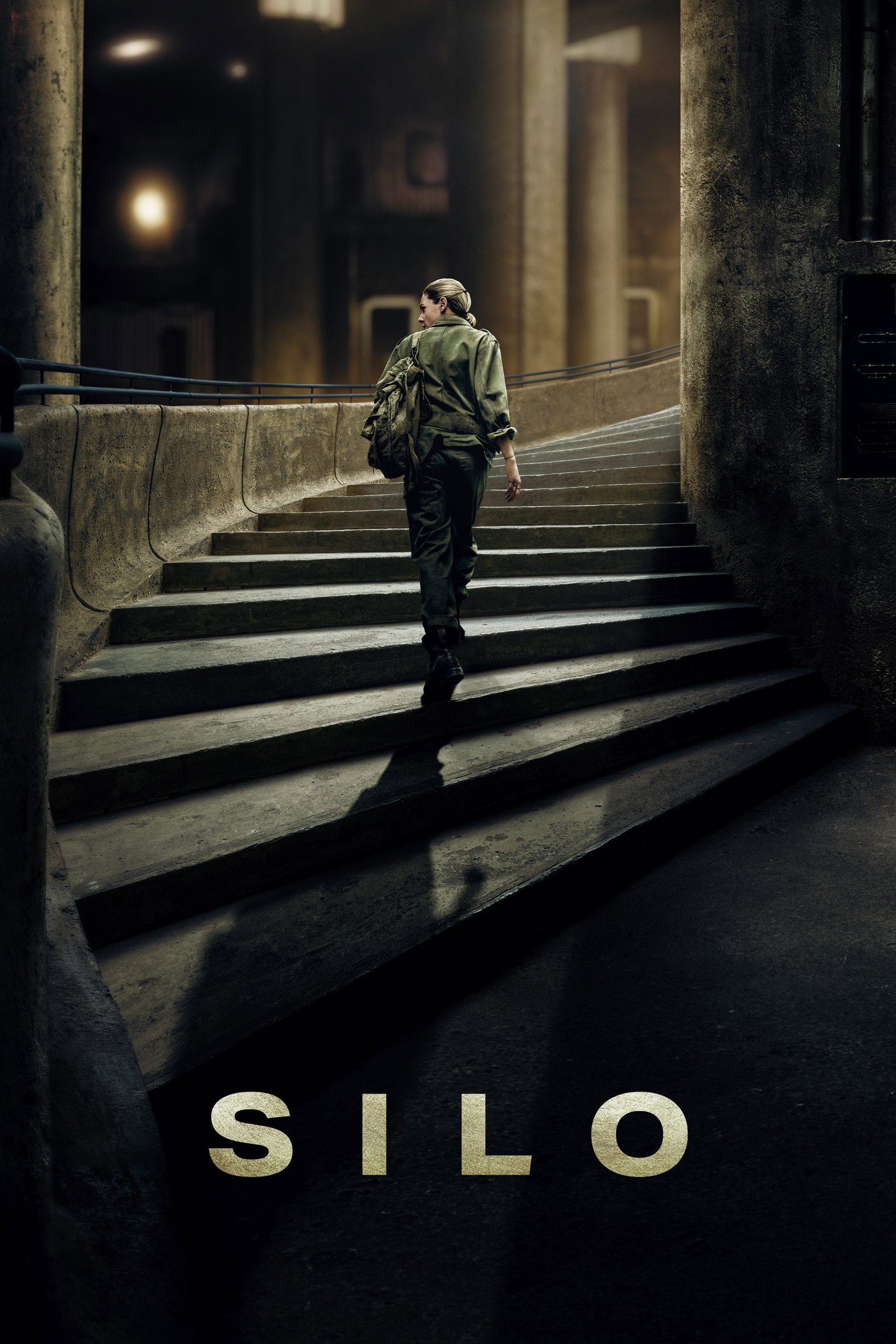
Gavin Bocquet’s production design does much of the early persuading. The silo feels inhabited, which matters when a programme asks us to care about a society as well as a central character. Its enclosure makes the uncertainty about the outside world harder to dismiss, because there is nowhere else for our attention to go. We felt hemmed in by that underground space, and for a while the discomfort was pleasurable. The setting makes us wary before the investigation has much explaining to do.
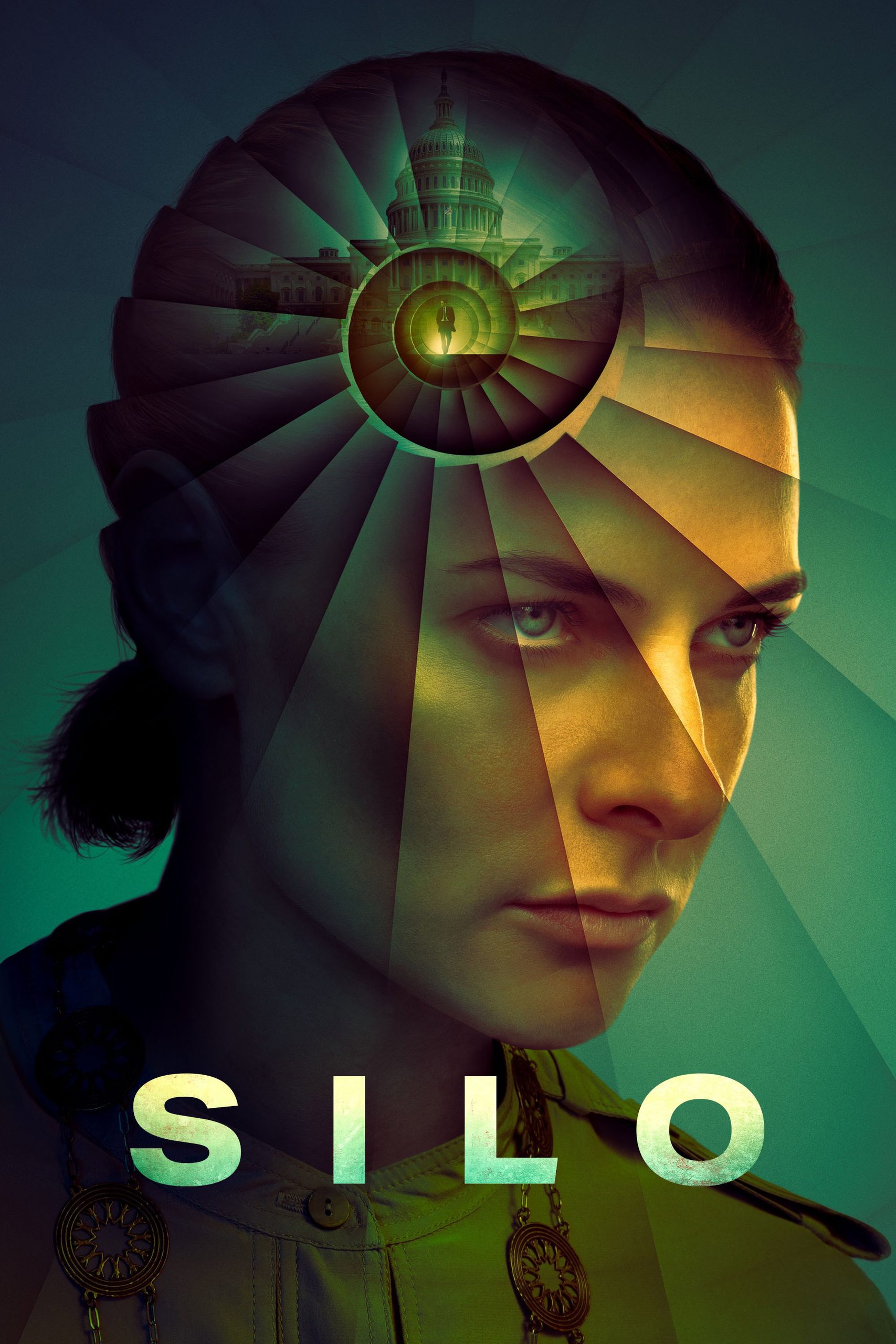
Rebecca Ferguson gives Juliette Nichols the sort of reserve that makes us watch more closely. Her stoicism is useful in a story built around deception: we can follow her uncertainty without needing every doubt explained aloud. There is enough feeling beneath the guarded performance to make the investigation matter beyond the next piece of information. The ensemble helps the silo feel populated, although some of its characters receive more attention than their contribution to the story warrants.
The cinematography team includes Mark Patten and David Luther, and the oppressive look keeps the underground setting present even when the drama slows. The lack of relief from the confinement helps us share the inhabitants’ unease about how little they know. Atli Örvarsson’s music adds to that unease, although the sombre tone can grow wearing. During the less purposeful stretches, more apprehension is not what we need; a little progress would do.
The pacing is less reliable. Editors Hazel Baillie and Keith Henderson are among those handling a story that can build considerable tension within an episode, then struggle to carry that urgency into the next. The search for answers sometimes circles material that has already made its point, and the attention given to secondary characters interrupts the central investigation. These are not fatal problems, but they make the first season’s ten episodes feel like more of a commitment than they should.
As dystopian science fiction, Silo benefits from keeping a murder investigation close at hand. A question about what happened to a person is easier to care about than another general warning that a society has gone wrong. Graham Yost gives the larger questions about the silo’s origins and the outside world somewhere to start. The writing loses some interest when it spends too long reminding us that things are being kept secret.
We recommend Silo to those who enjoy living with an unresolved question, provided they also have an appetite for sombre television. Rebecca Ferguson makes the slower passages easier to tolerate, but she cannot make every detour necessary. Anyone hoping for a brisk science-fiction thriller should choose something else.