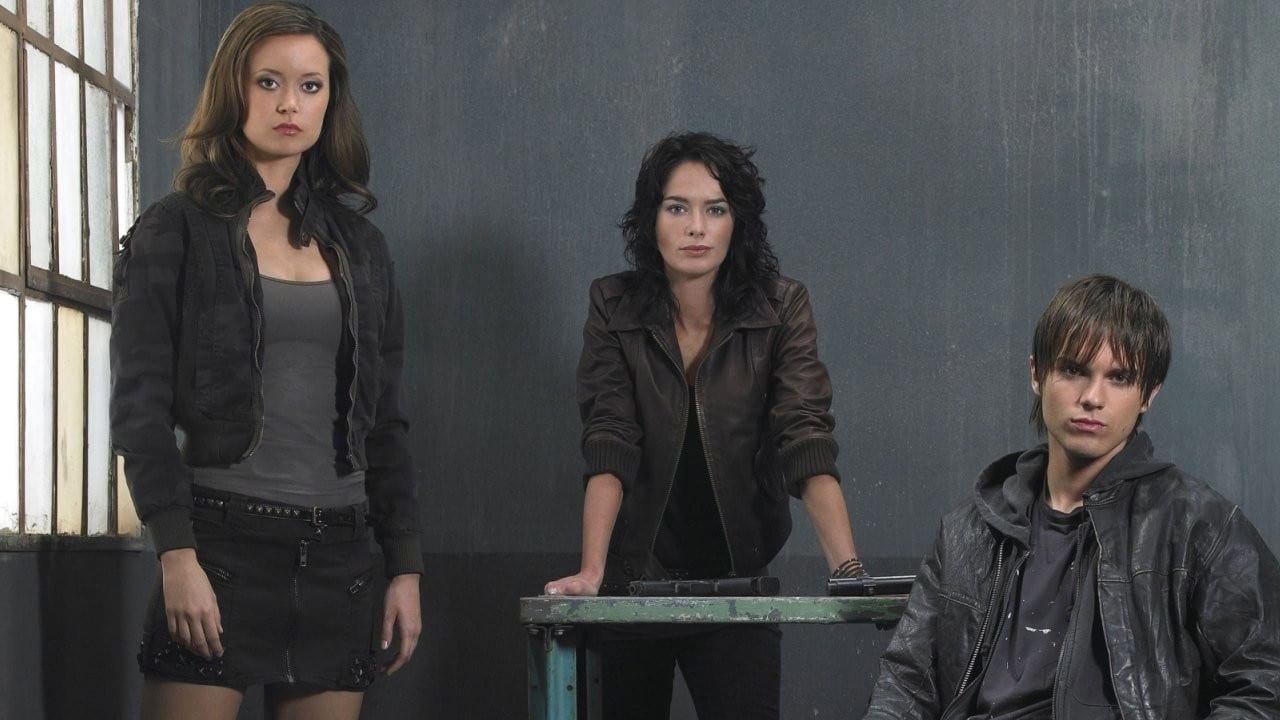
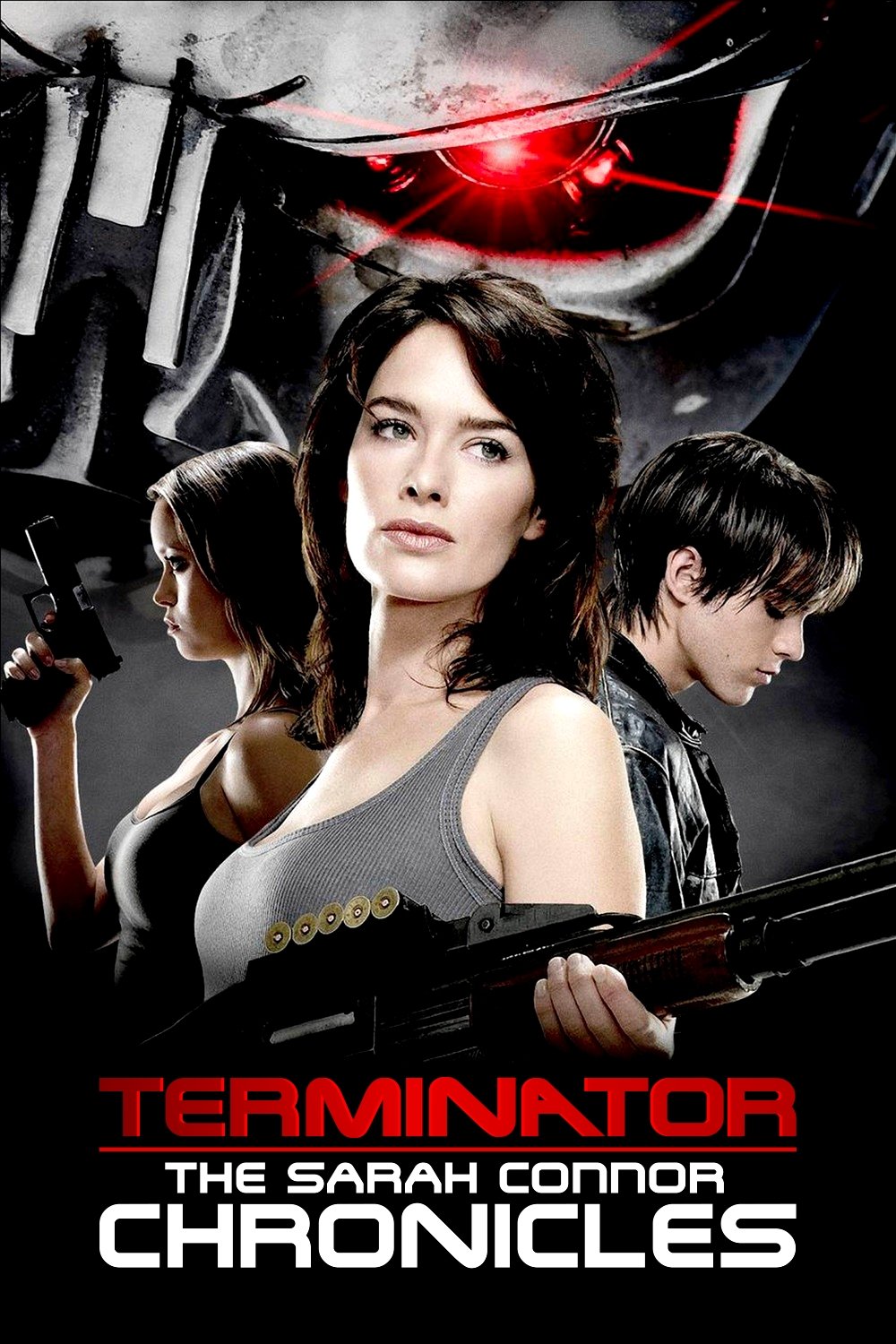
Terminator: The Sarah Connor Chronicles earns its place through Lena Headey’s troubled, protective mother. The action is engaging, but the family drama gives us a reason to stay through some unnecessarily tangled storytelling.
Terminator: The Sarah Connor Chronicles is worth watching for its central family, despite some unnecessarily busy plotting. Creator Josh Friedman finds a sound reason to stretch an action premise into a series: protecting a child leaves plenty of difficult hours between emergencies. Sarah Connor has to be a mother during those hours, however inconvenient that is for everyone concerned. The family drama gives the action enough weight to carry us through some tangled storytelling.
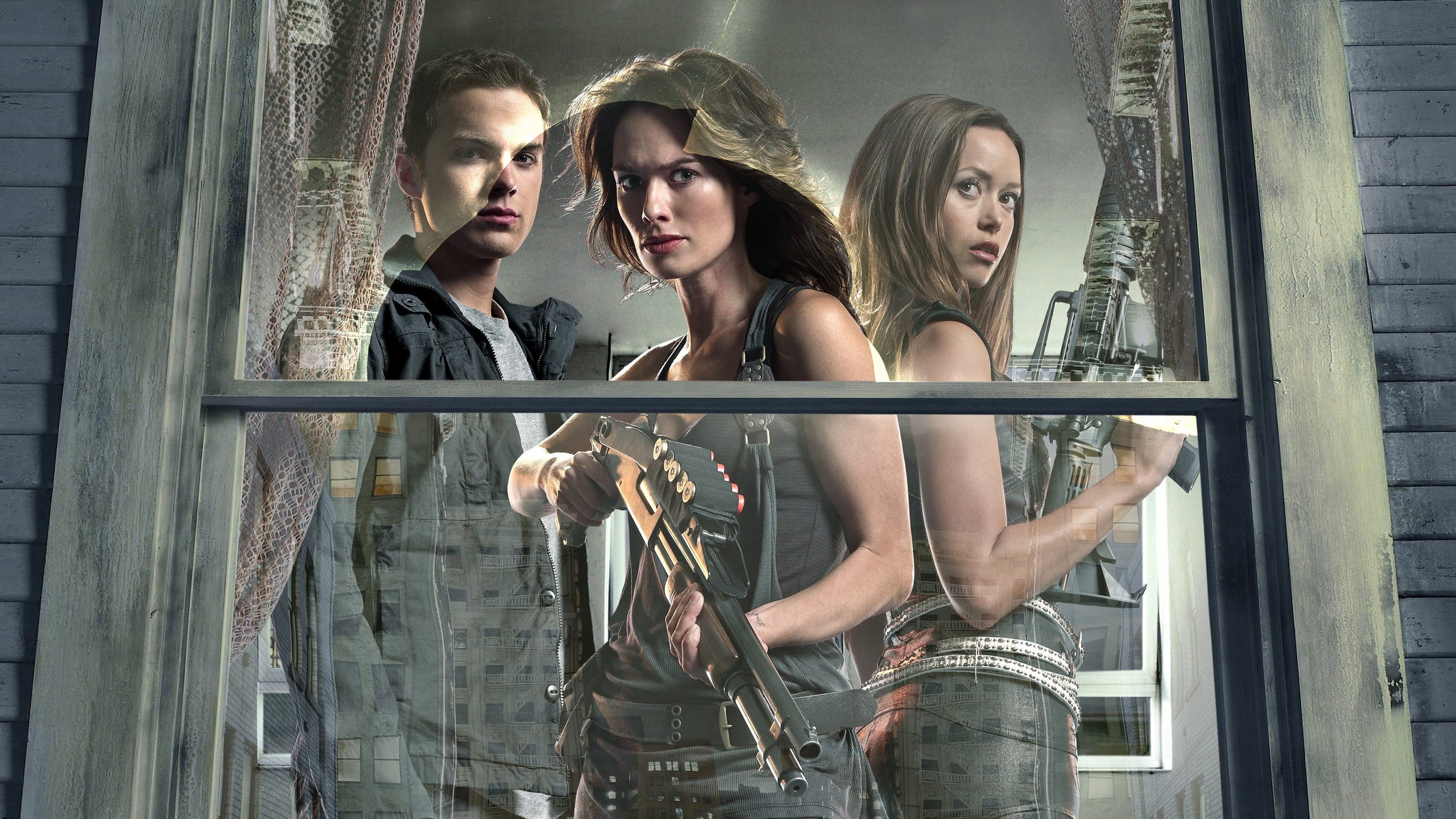
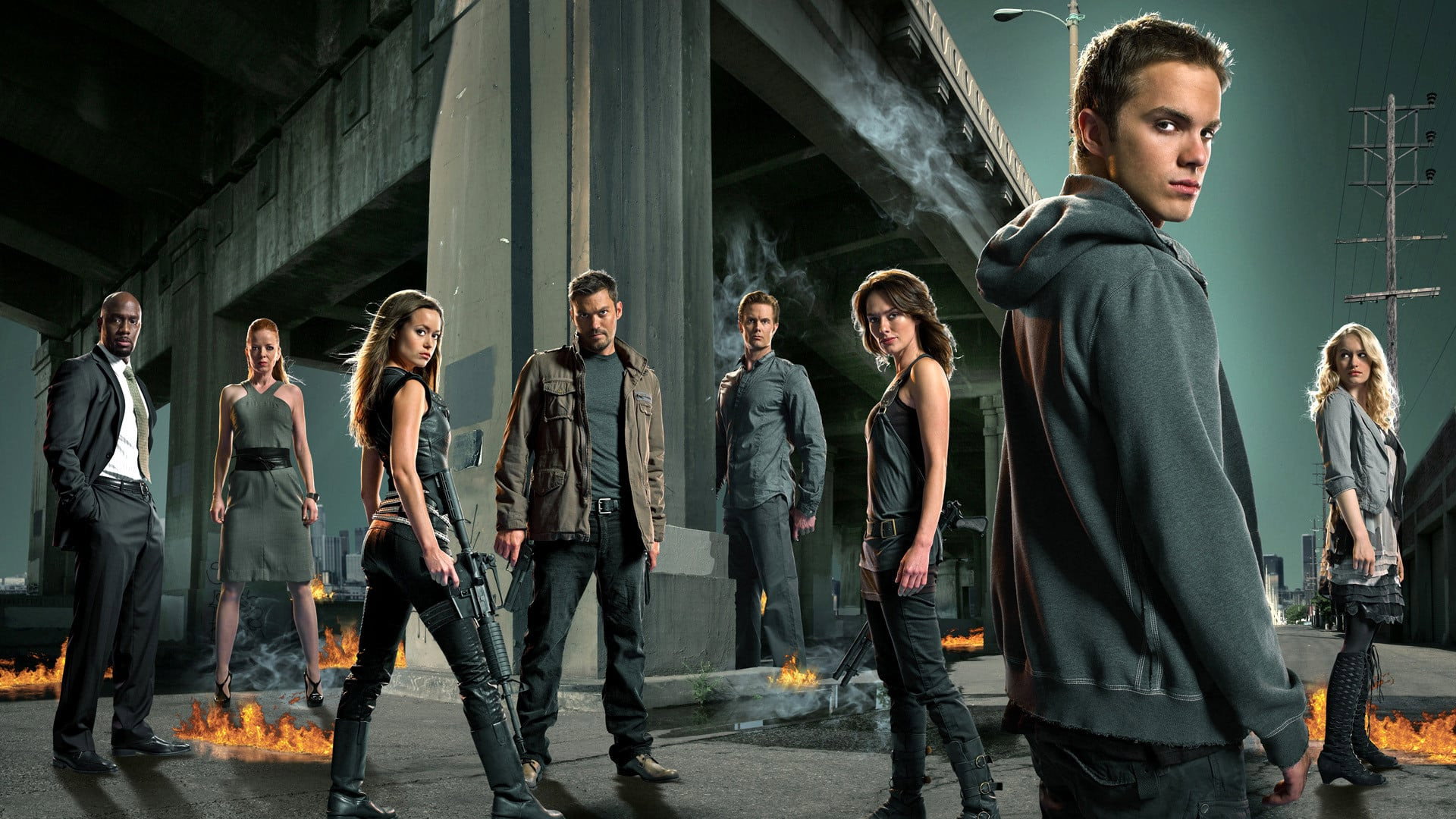
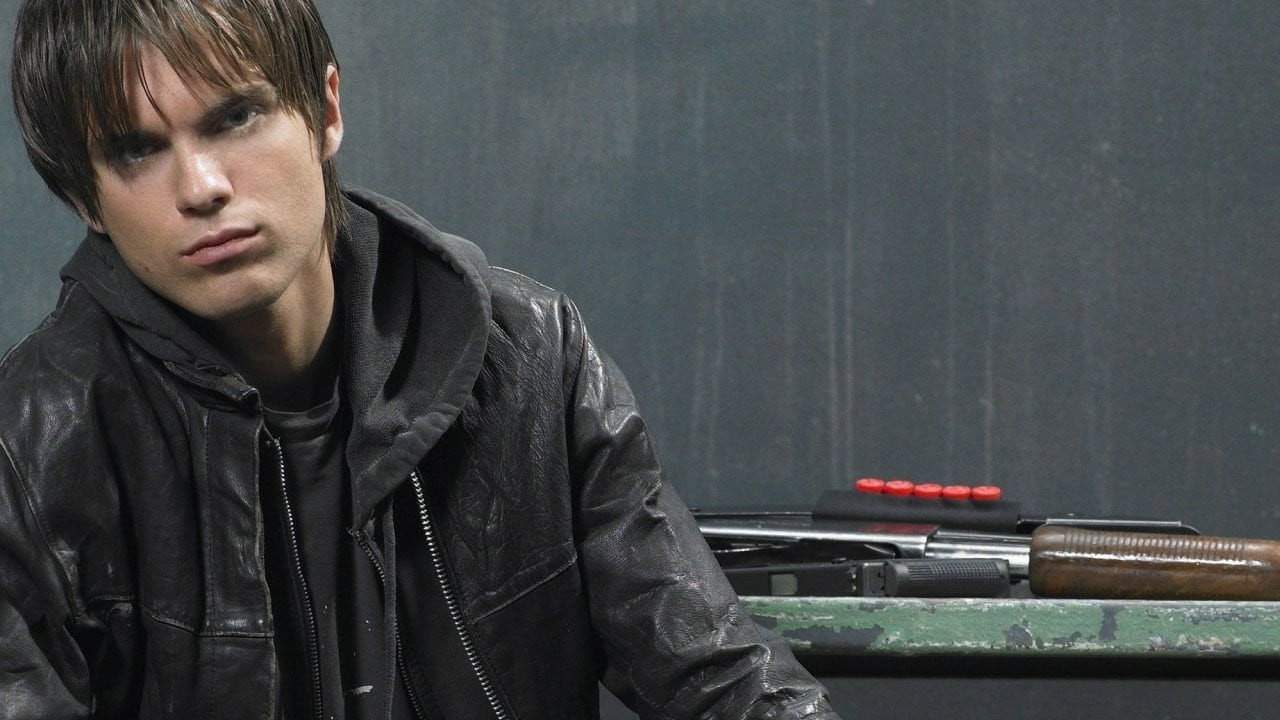
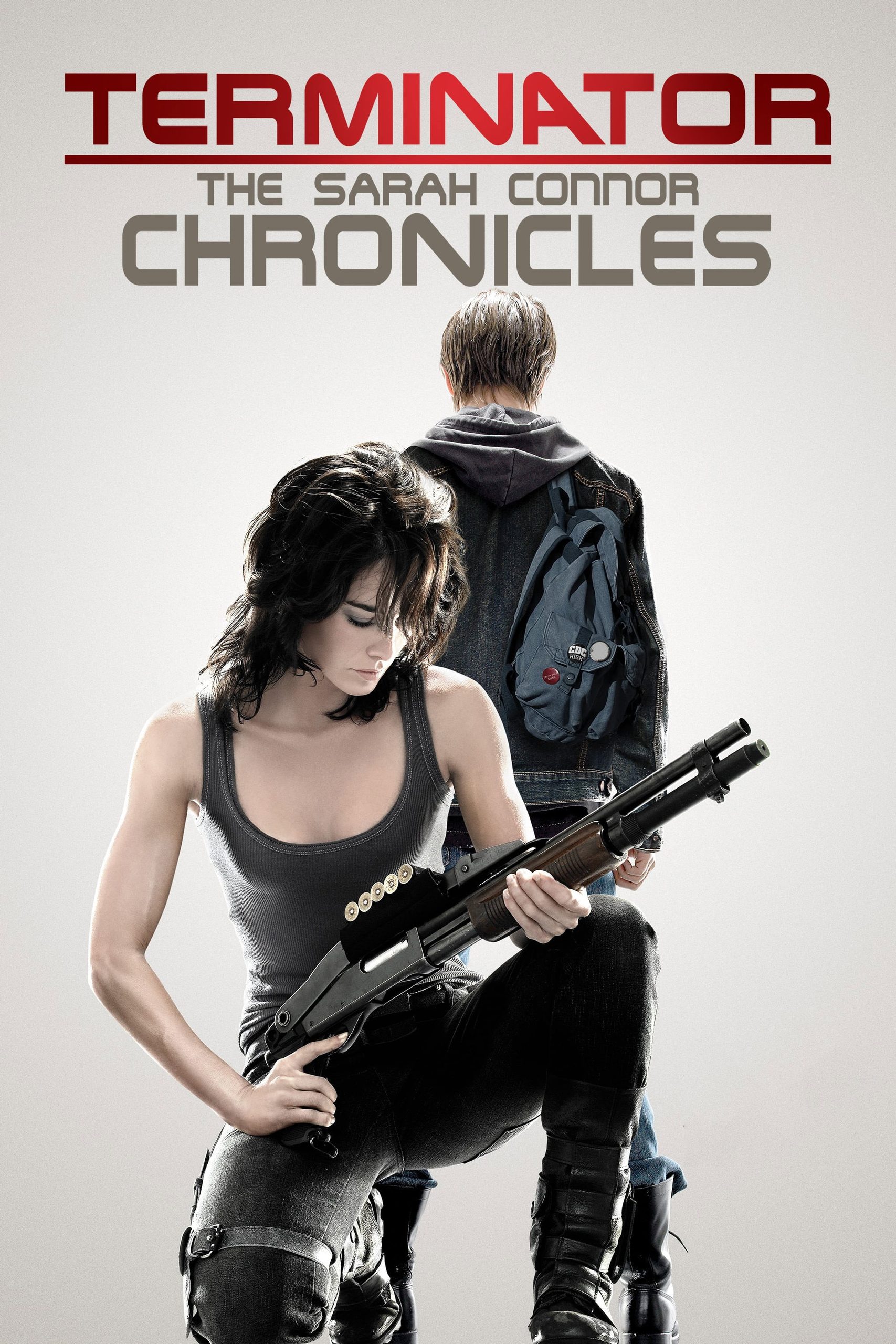
Lena Headey makes Sarah Connor’s harshness understandable without making her easy company. Her concern for her son does not disappear when she is being difficult, and Thomas Dekker gives John Connor enough feeling to make their relationship worth following in its own right. We were moved by the worry in Lena Headey’s performance, because keeping her son safe never seems to give this mother any peace. The programme is strongest when it gives both sides of that relationship a hearing.
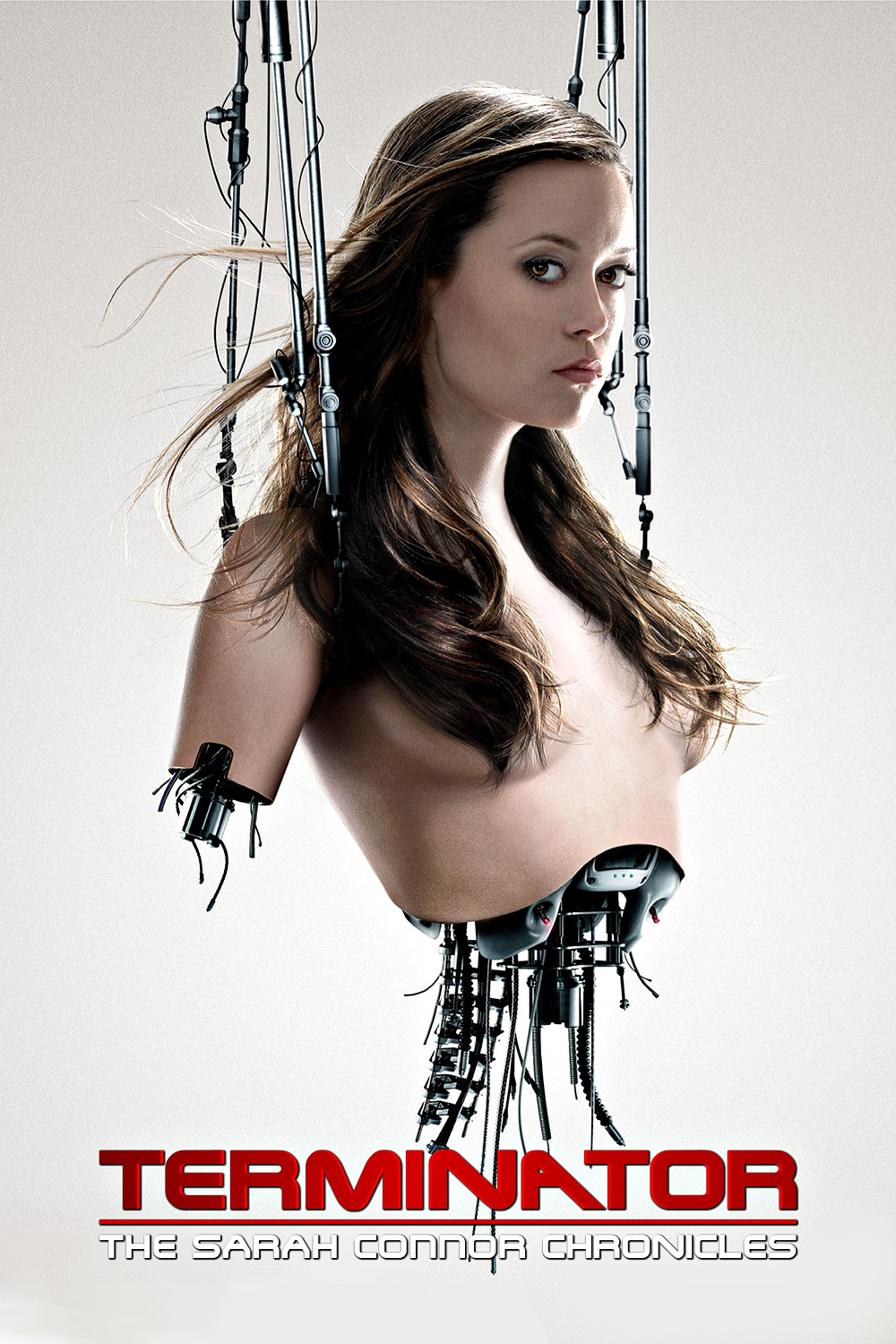
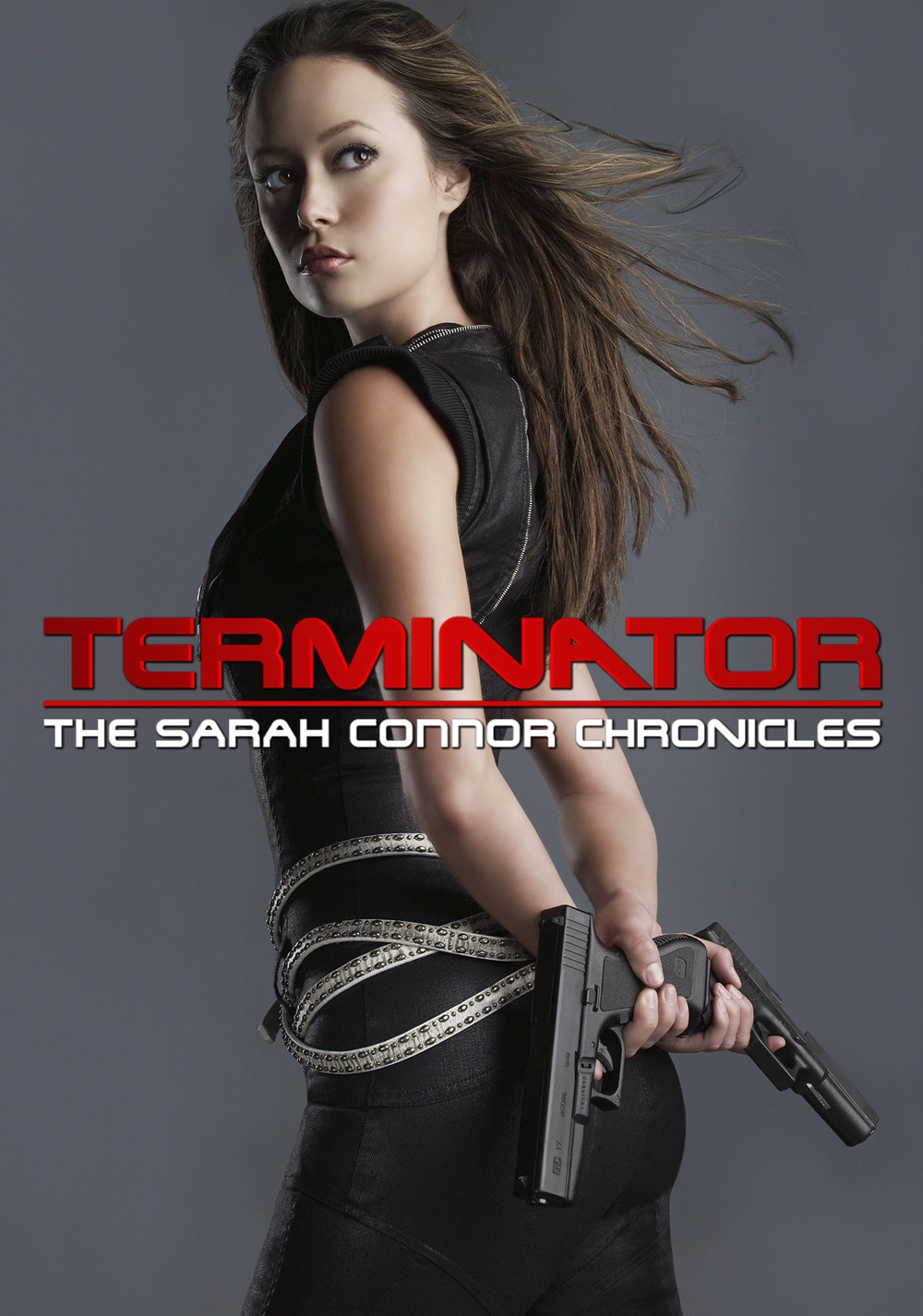
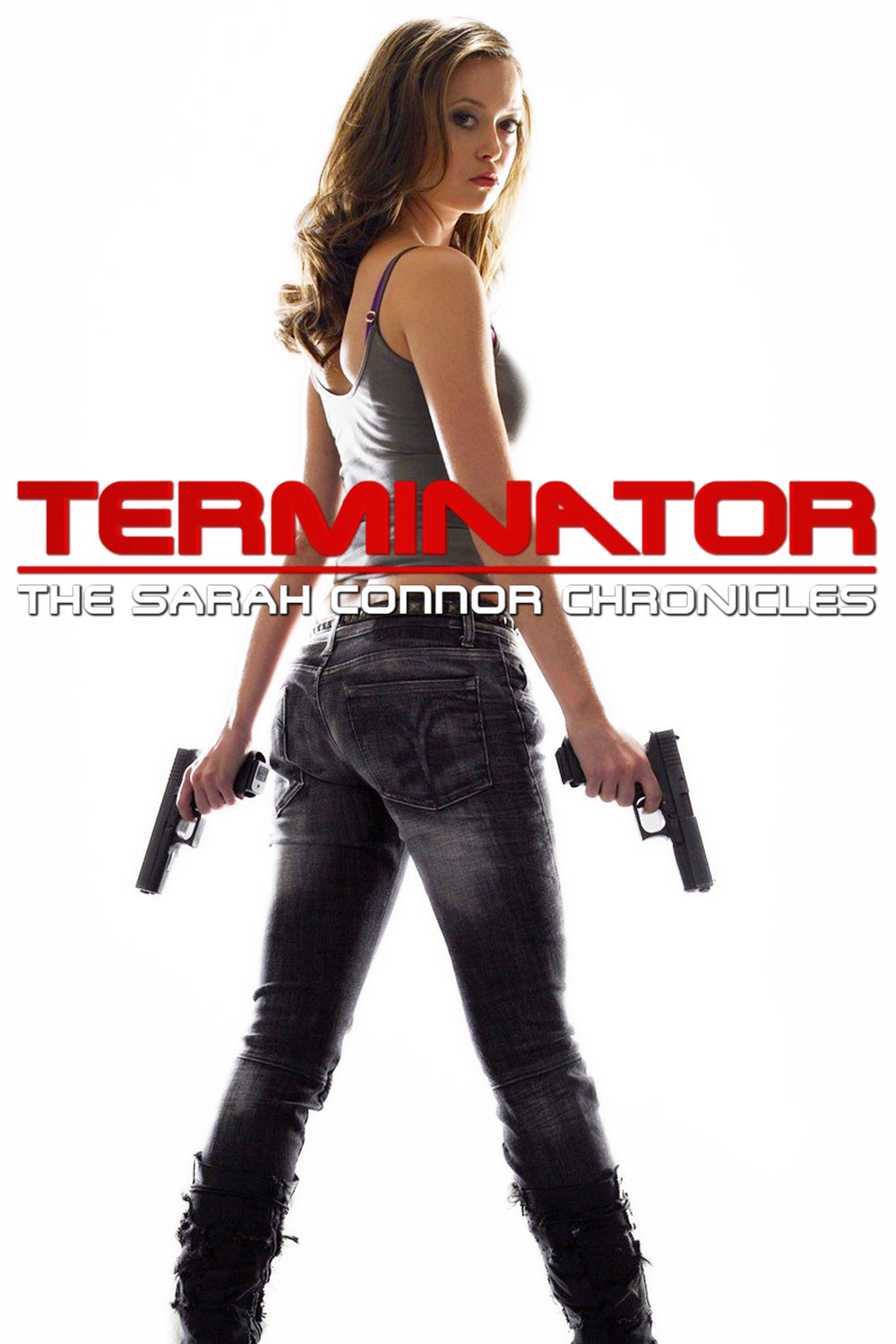
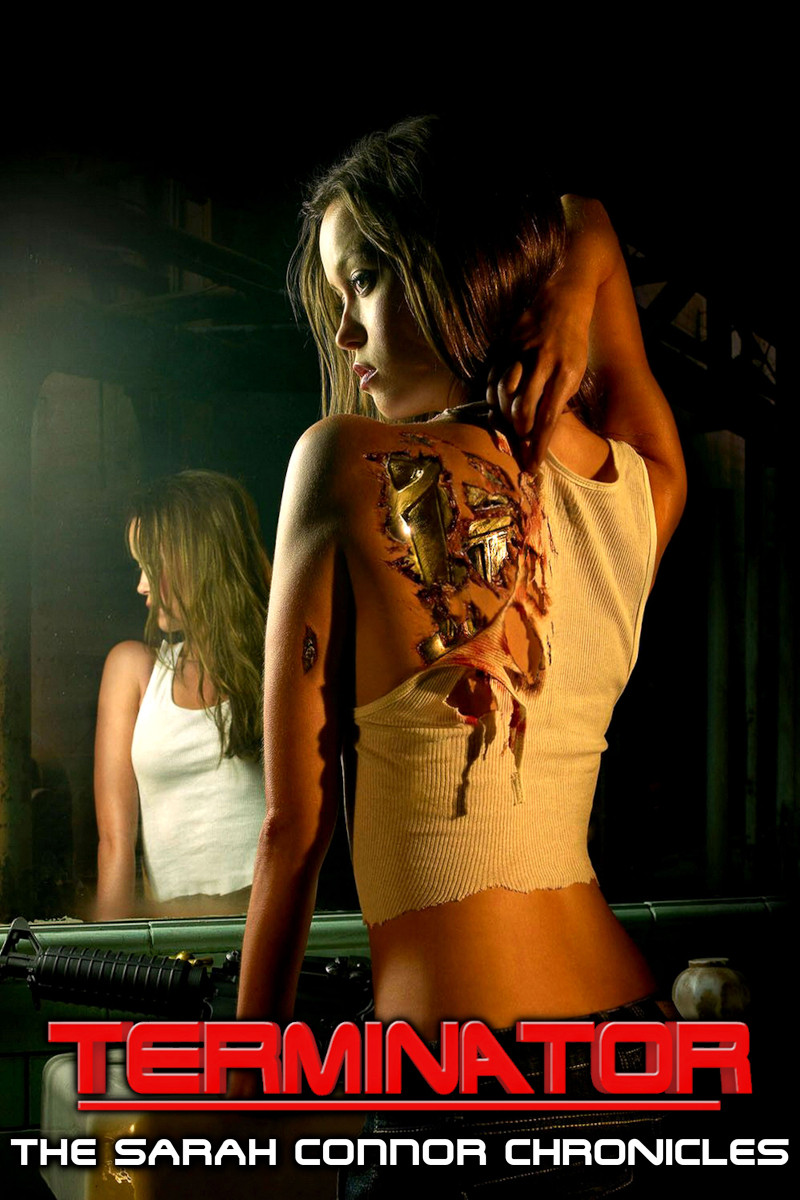
Summer Glau’s Cameron provides another strong reason to keep watching. The performance remains interesting when the story grows cumbersome, which is a considerable service in a programme so fond of complications. Josh Friedman and fellow writers John Enbom and Toni Graphia supply wit as well as danger, but the mixture of adolescent drama, procedural business and philosophical questioning can become tiring. Too often, a promising stretch has to make room for something that feels as though it belongs in a different programme.
The opening gets on with the job: explosions, suspense and a brisk sense that standing still would be unwise. The action photography has enough force to make that invitation worth accepting. Cinematographers Joseph D. Urbanczyk, Stephen Collins and Bill Roe give the spectacle weight, although the wider threat does not always feel as large as it ought to. Christopher Brown’s production design is more persuasive in supporting the family drama. That limitation matters more whenever the action takes over.
The editing team, including Sarah Boyd and Scott Gamzon, keeps the action moving but cannot quite settle the changes of pace. A shift into procedural business can leave the family conflict feeling unfinished, and the return to action does not necessarily repair it. Bear McCreary’s music supplies useful momentum, especially when the plotting threatens to bog down in time-travel complications. Even so, there are stretches when the programme seems more concerned with making space for another strand than with following through on the one already holding our attention.
Against the usual demands of science-fiction action, the willingness to spend time on a mother and son is a virtue. There is enough background for newcomers to find their way in, and the familiar characters are given more to do than remind us of earlier appearances. We would not recommend it simply for the set pieces; the conversations deserve as much attention. Try it if a difficult family interests you as much as the threat pursuing it, and allow some patience for the detours.