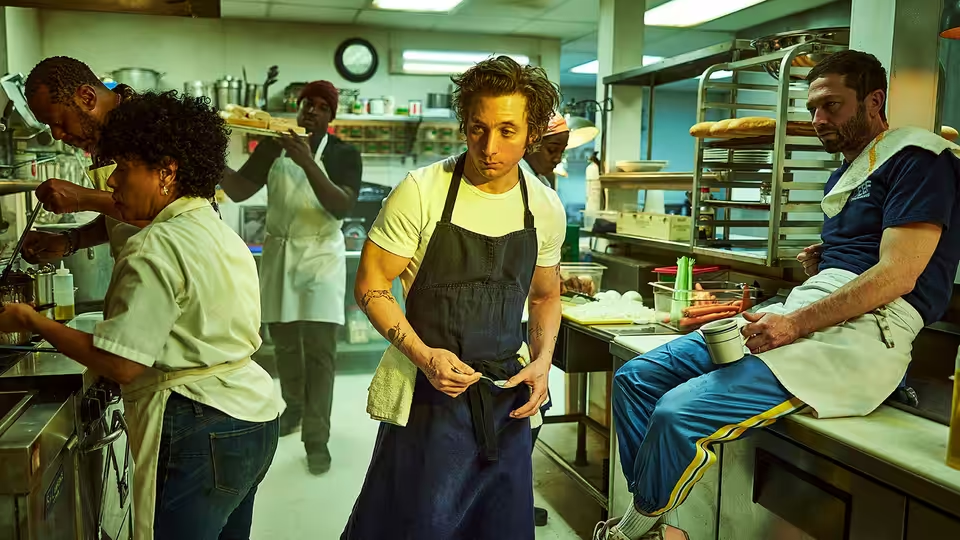
The Bear makes the strain of restaurant work worth watching through an unusually persuasive ensemble. We recommend its messy, humane drama, with a warning that the relentless kitchen friction sometimes becomes as exhausting as the job.
We recommend The Bear for its actors and its willingness to make restaurant work look unpleasant. It is funny, anxious and often touching, although the constant friction can wear us down before a scene has finished making its point. The Chicago kitchen gives grief and family trauma somewhere to cause trouble while people still have jobs to do. That is a strong basis for a series, provided it remembers that the people need to be as interesting as the pressure.
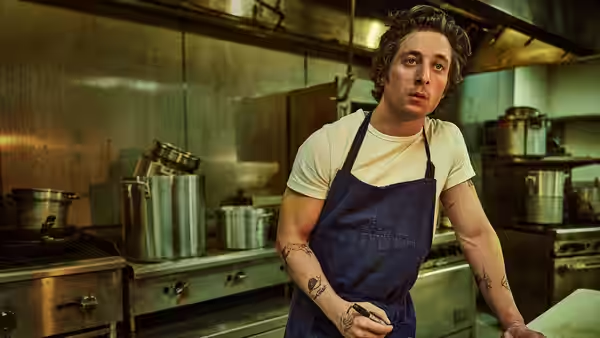
Jeremy Allen White, as Carmen ‘Carmy’ Berzatto, gives the emotional material enough weight to keep us interested through the noise. Ayo Edebiri’s Sydney Adamu is equally important to the sense that this workplace contains several lives, each deserving attention. Ebon Moss-Bachrach is particularly good as Richard ‘Richie’ Jerimovich: his performance keeps us interested in the person even when we want a break from the kitchen. We stay with these actors because the distress feels personal, even when the restaurant’s problems affect everyone.
We were angry at the abuse in the kitchen, because the series takes the people enduring it seriously. The attention to the industry’s unglamorous working conditions gives that anger somewhere useful to go. Christopher Storer and Joanna Calo, whose credits include writing and directing, understand how much unpleasant behaviour can be excused when everybody is under pressure. They also leave room for comedy without suggesting that a laugh has made the workplace any healthier.
The restaurant feels wearing simply to look at, which is useful work from cinematographers Chloe Weaver and Andrew Wehde. The pictures give us little comfortable distance from the working atmosphere. Production designers Merje Veski and Sam Lisenco help make the kitchen convincing as somewhere people must get through a shift. Its lack of glamour makes the effort involved in running it easier to take seriously.
The editing, with Joanna Naugle and Adam Epstein among those credited, helps make the kitchen’s chaos tiring in a way that serves the drama. We feel how difficult it is to think clearly in this environment. Music credited to Atticus Ross and Trent Reznor adds to the anxious mood, though we are more affected by the performers than by the soundtrack. There are stretches when the combined insistence of cutting and music feels unnecessary: the people have already made their unhappiness clear.
This is also where the unevenness begins to matter. Storer and Calo are less persuasive when the programme seems content to keep everyone distressed, as though intensity alone could sustain our interest. Repeated friction can make distinct troubles feel too similar, and we occasionally want a scene to develop without becoming another confrontation. The humour helps, but it cannot always supply enough variation when the prevailing mood is so anxious.
The ensemble gives us enough affection for these people to make their difficulties worth following. That matters in a workplace series, where returning to the same company must be part of the pleasure. There is warmth here, even if there is seldom much rest. Give it an evening when there is enough patience left for somebody else’s bad day.