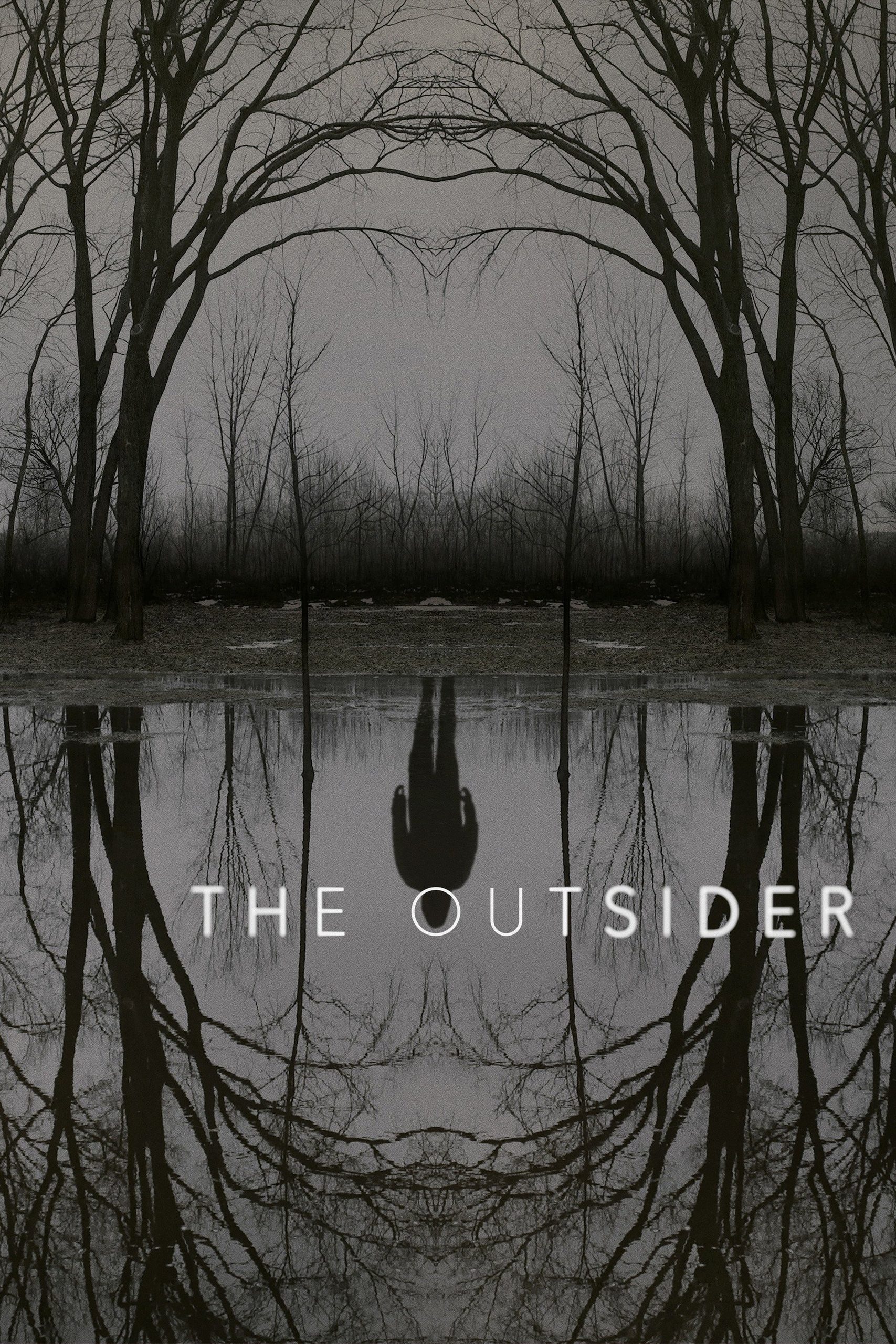
Richard Price’s adaptation of Stephen King opens as a grim, patient police procedural and is at its best there. The middle stretch slows badly, but Ben Mendelsohn and Cynthia Erivo keep it worth finishing.
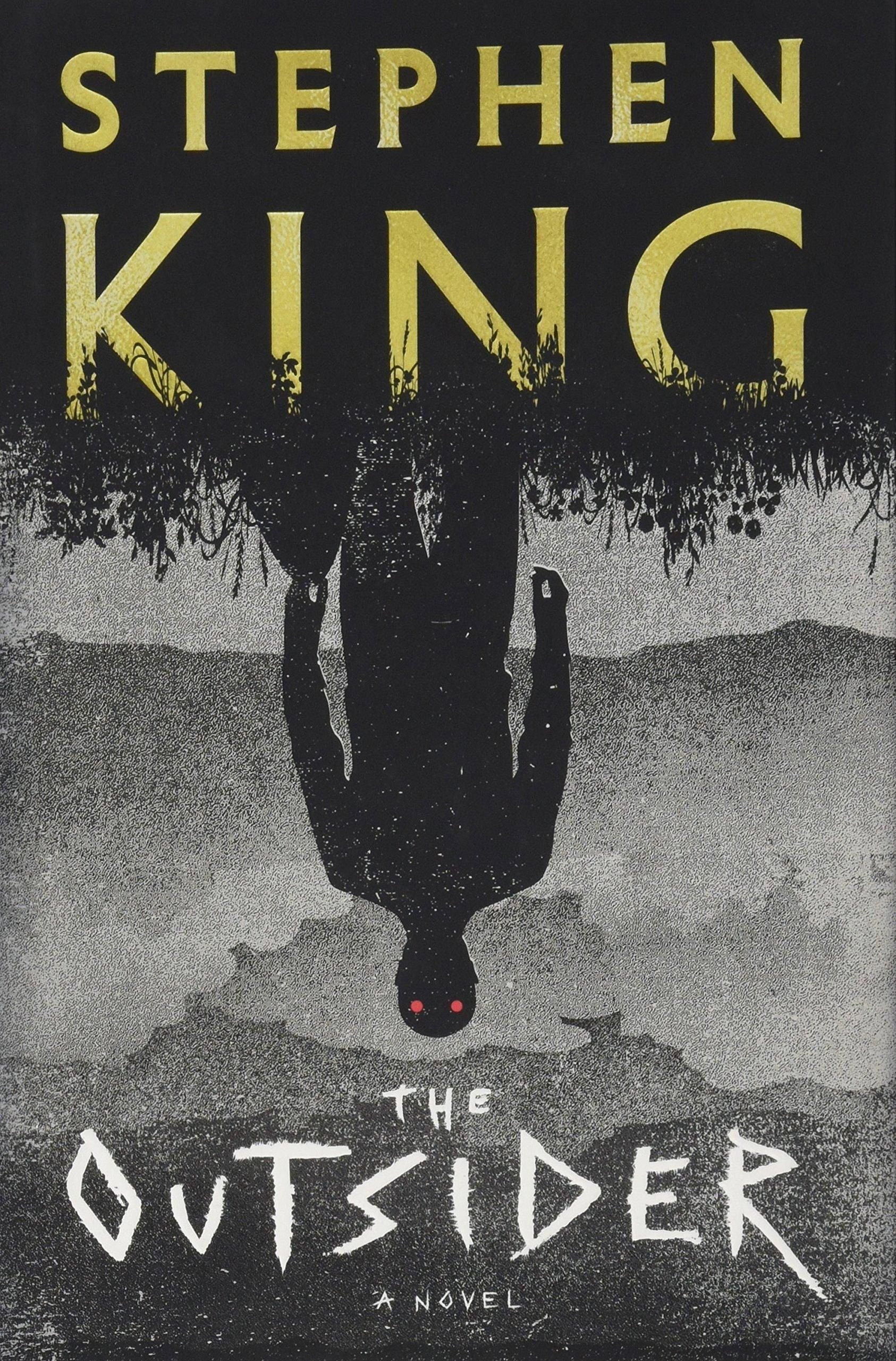
Richard Price has taken Stephen King’s novel and stretched it across ten episodes of roughly an hour each. The set-up is a good one, and it is all delivered in the first two hours. A boy is killed in the woods outside Cherokee City, Georgia. Witnesses, fingerprints and a van all point to one man, the husband of Glory Maitland (Julianne Nicholson), and a second set of evidence puts him somewhere else entirely at the same moment. Both cannot be true. The series then takes a long time to admit which one it believes, and it is better before it does.
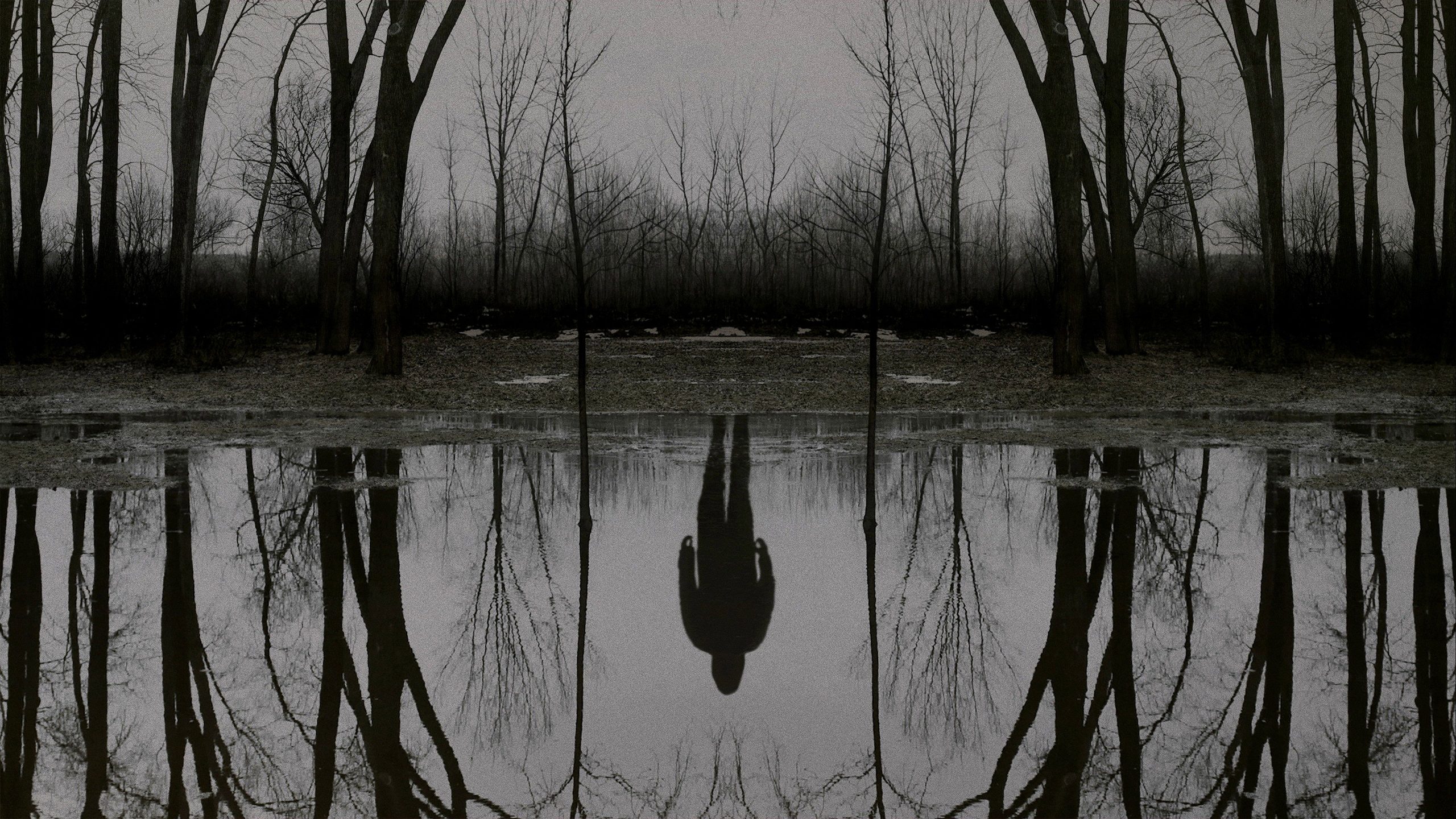
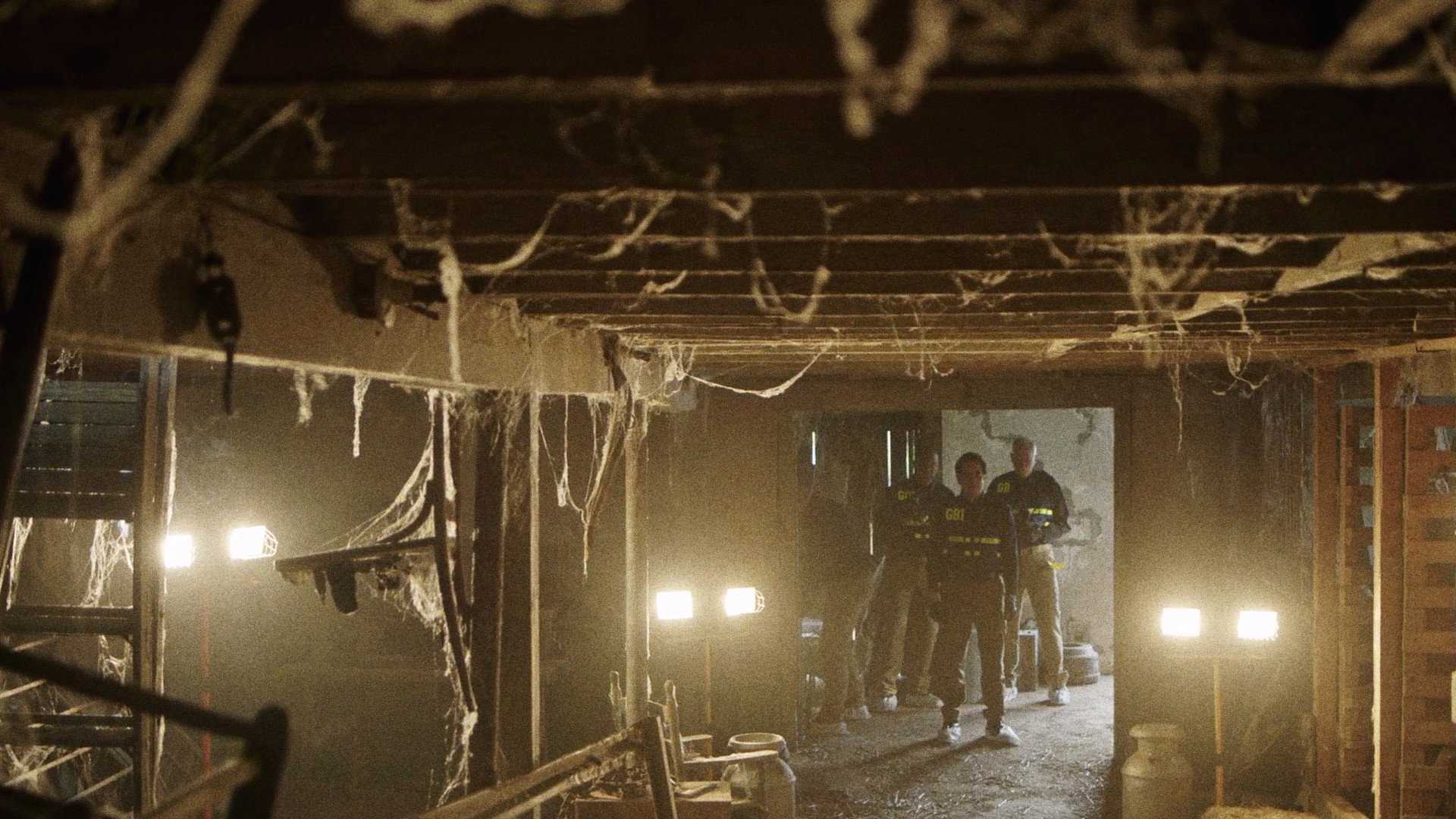
Jason Bateman directs those opening episodes with a flat, patient gravity. The arrest happens in front of a ballpark full of parents, in daylight, with no music, and it is more shocking for it. Igor Martinović shoots the town in overcast greens and the interiors in the yellow of cheap bulbs, and the woods where the body is found are so ordinary that we were horrified, more than the pictures alone should allow. What did it was Price’s writing: a detective reading out injuries in an even voice, a witness in a patrol car saying the words “that man” and pointing. Nobody screams. Danny Bensi and Saunder Jurriaans score it with low drones and something that sounds like breathing, mixed just under the dialogue, and it works because it never rises.
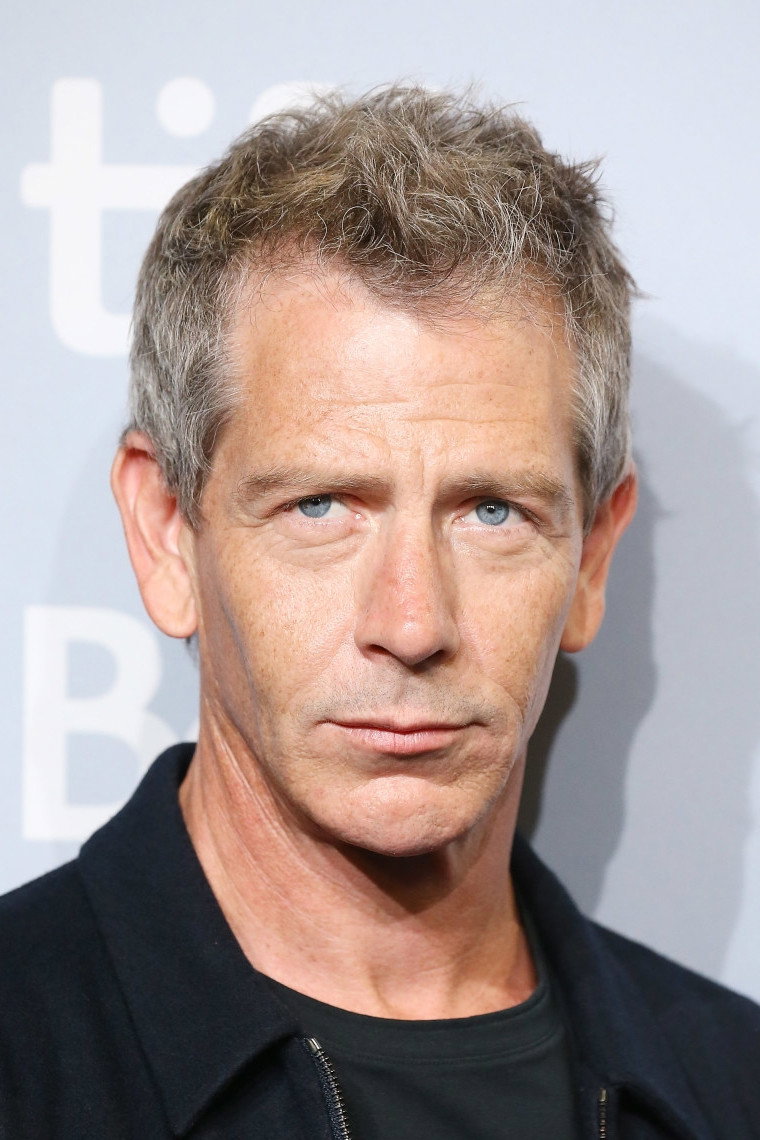
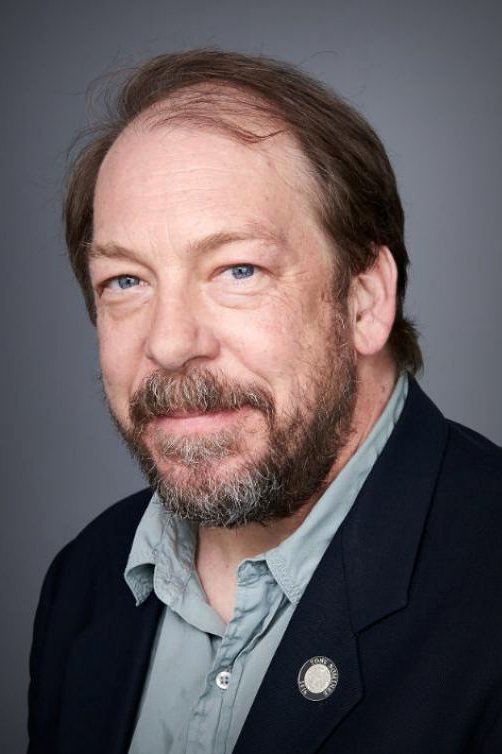
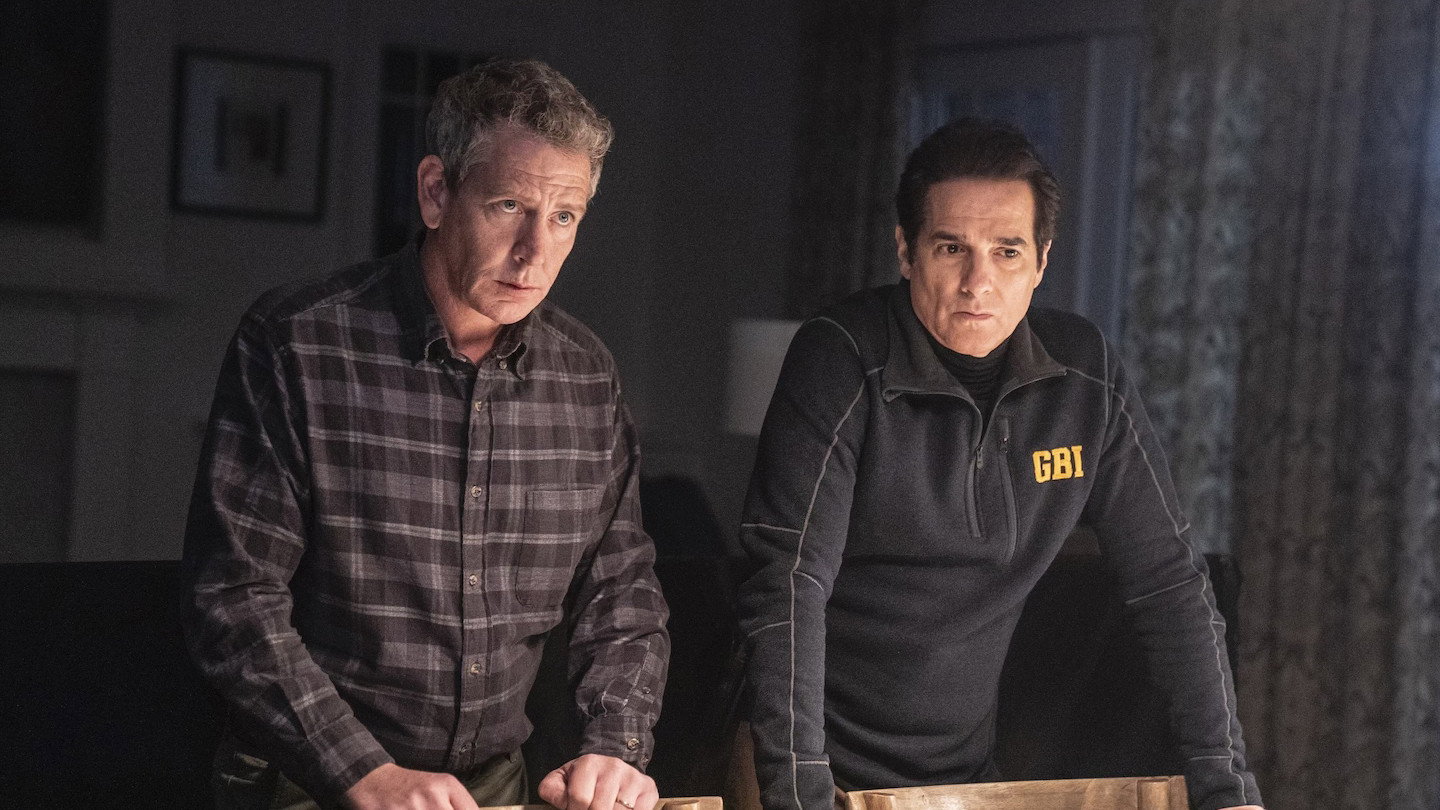
Ben Mendelsohn plays Ralph Anderson as a man who has recently buried his own son and has decided the way through is to keep working. He does almost nothing with his face and lets the tiredness do the acting. Mare Winningham, as his wife Jeannie, gives him the one person in the series he cannot fool, and their scenes at the kitchen table are the best-written stretches in the programme, because neither of them has the energy left to lie. Bill Camp, as the defence lawyer Howie Gold, is sharp and slightly amused, and Jeremy Bobb’s investigator Alec Pelley is the kind of tired professional Price writes better than anyone.
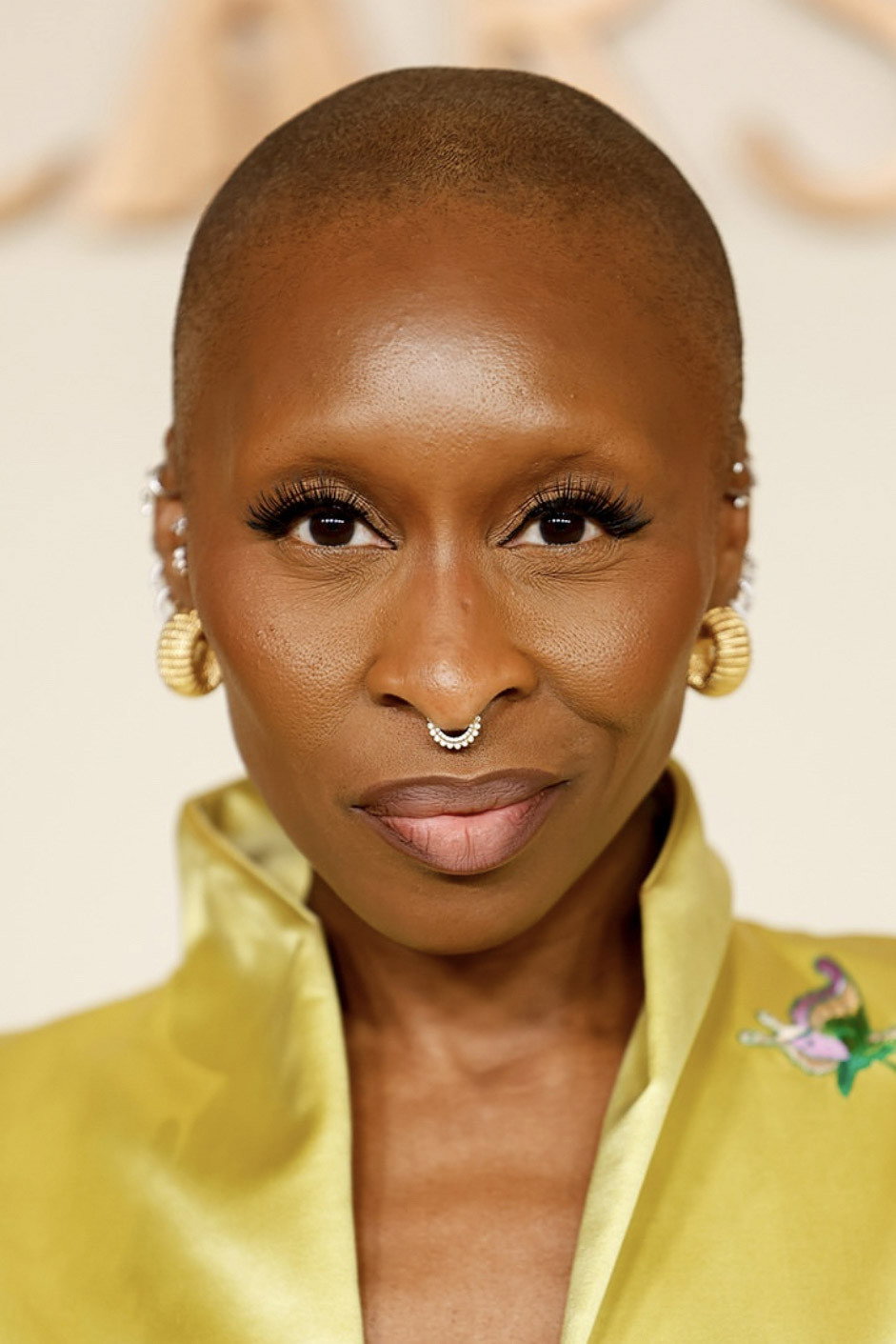
Then Cynthia Erivo arrives, and the series gets a second wind. Her Holly Gibney is a private investigator who counts things, does not like to be touched, and states impossible conclusions in the tone most people use for mileage. Erivo plays her without any of the twitching this sort of part usually invites, and whenever the series remembers it has her, it moves.
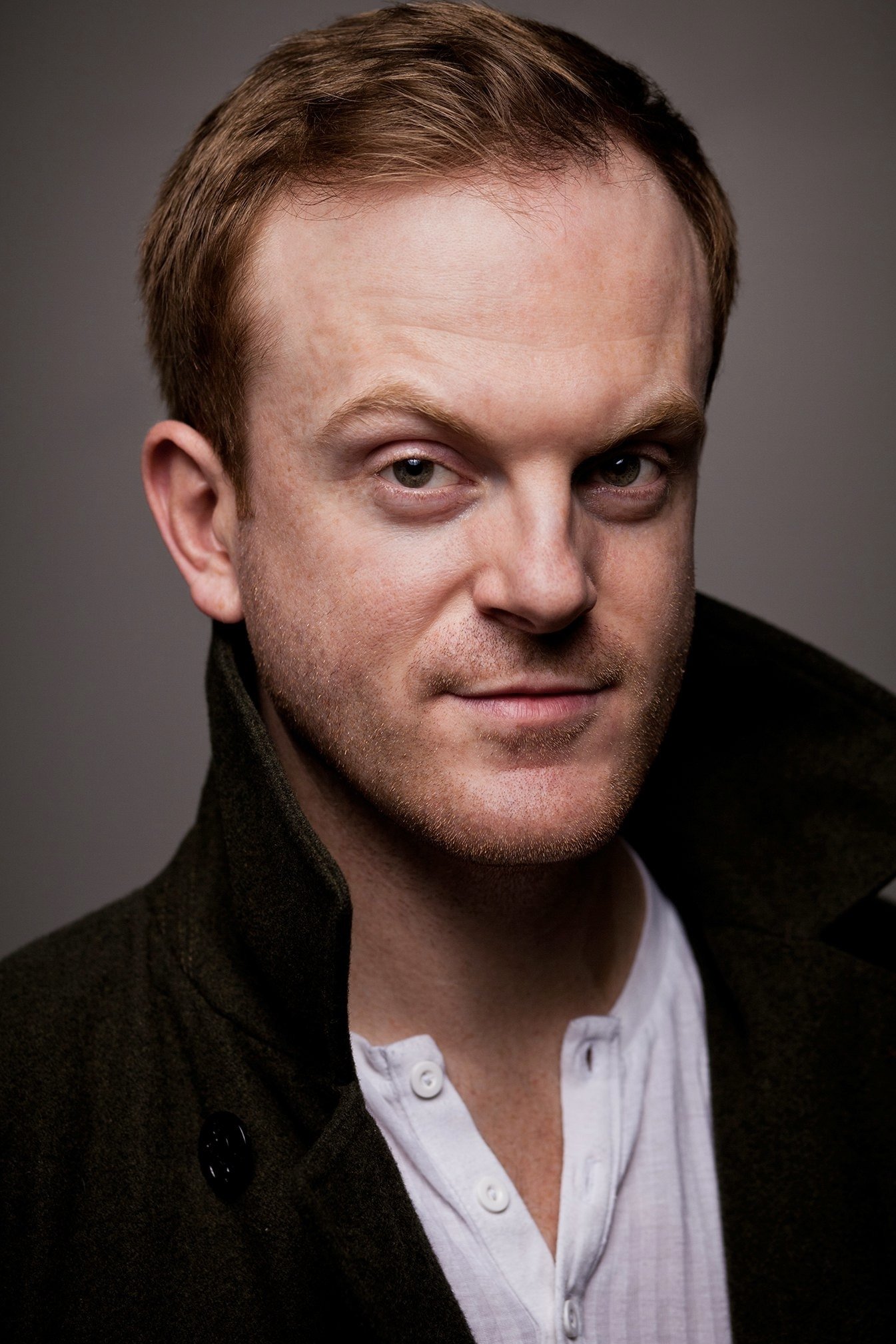
The trouble is the middle, where the series slows almost to a stop. Marc Menchaca’s Jack Hoskins, a fellow detective, is given a subplot that is meant to be dread and reads, hour after hour, as a man sitting in a truck. Paddy Considine’s Claude Bolton is introduced late and used mostly to explain the plot. The editors, Dorian Harris, Tad Dennis and Leo Trombetta, hold on faces and empty rooms in a way that was eerie in the first episode and had become a habit by the sixth, and by then we were checking how many hours were left. Ten was too many. Six would have been about right.
Jeff Mann’s production design holds up throughout, the Andersons’ plain suburban house especially, and Karyn Kusama, who also directs, gets more menace out of a motel corridor than most of the season’s explanations manage. But King’s story has the shape of a novella, and Price, who is at his best with witnesses and lawyers and cops who know each other too well, has to fill it out with folklore. Folklore is not what he is good at.
Watch the first two episodes as if they were a film, because they nearly are. If you are still there at the fifth, you will finish it, mostly for Mendelsohn and Erivo, and you will not much mind the wait. It carries an 18, and it earns it in the first ten minutes.