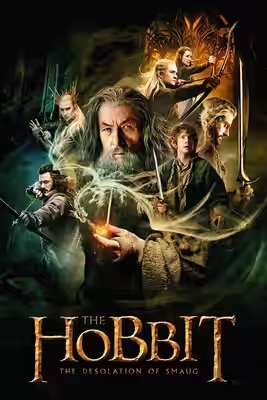
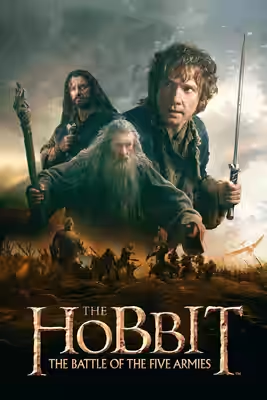
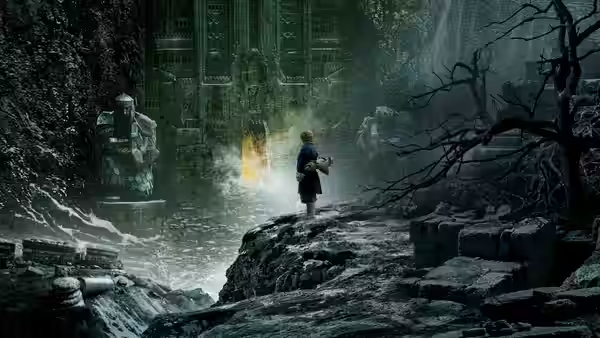
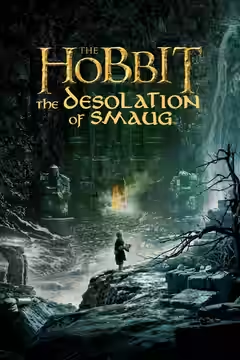
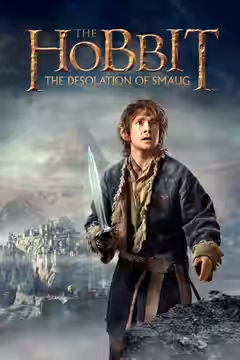
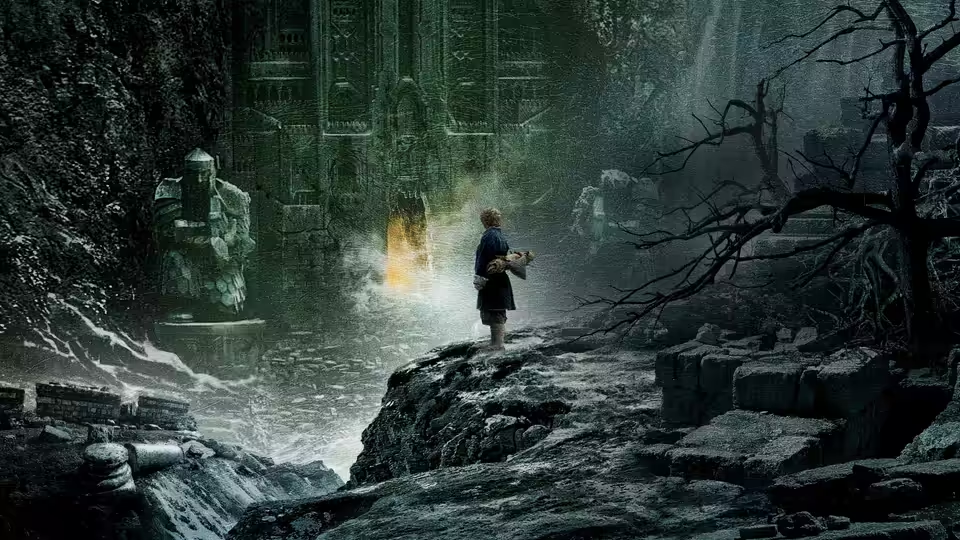
Bilbo Baggins stands on a rocky ledge before glowing ancient stone ruins
Film review

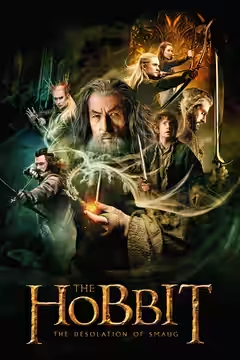
The Hobbit: The Desolation of Smaug

2013 · Directed by Peter Jackson · 2h 41m · CNC 12

In a sentenceTwo hours of dwarves running, one excellent dragon, and then the film simply stops

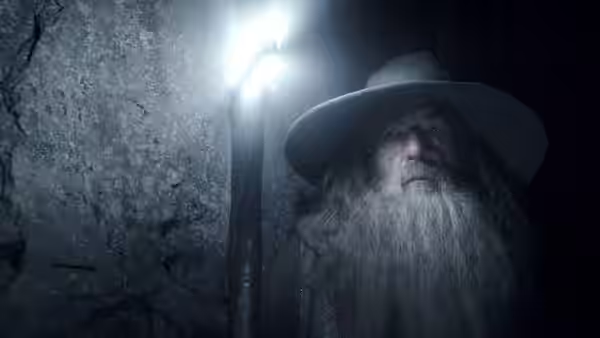
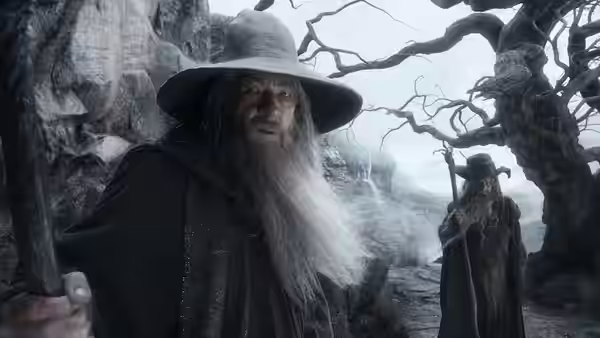
Thorin Oakenshield (Richard Armitage) leads twelve dwarves and one hobbit, Bilbo Baggins (Martin Freeman), towards the Lonely Mountain, where the dragon Smaug (Benedict Cumberbatch) sleeps on the gold of the dwarf kingdom of Erebor. An orc pack is a day behind them. They shelter for a night with Beorn (Mikael Persbrandt), a skin-changer who dislikes dwarves slightly less than he dislikes orcs, and reach the edge of Mirkwood, a sick, tangled forest where the path wanders and the air makes travellers forget where they were going. Gandalf the Grey (Ian McKellen) leaves them there on business of his own, telling Bilbo to stay on the path. Bilbo has a gold ring in his pocket that he has told nobody about, and there are spiders in the trees.

Plays from YouTube when you press play; nothing loads from them until then.

Fi1m review

Peter Jackson’s middle chapter is quicker, darker and better than the first, with one river chase and one dragon worth the evening. It is also 161 minutes of running that stops rather than ends, and the padding still shows.

Peter Jackson’s second visit to Tolkien’s slim children’s book has the same problem as the first, which is that there is not enough book to go round. An Unexpected Journey (2012) took the best part of an hour to leave the house. The Desolation of Smaug has the sense to start running and to keep running for most of its 161 minutes, and it is a better film for it. It is still the middle third of something that did not need three parts, and you can see the joins.

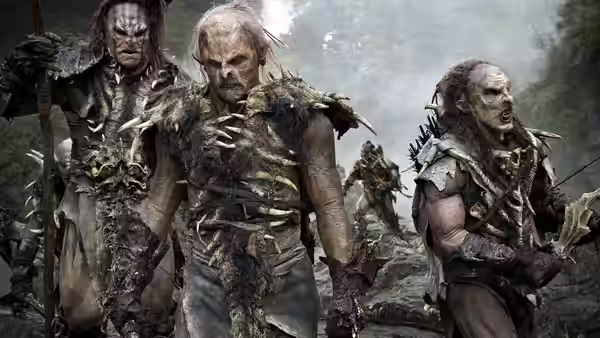
The company is where the last film left it, on the road to the Lonely Mountain with orcs behind. Thorin Oakenshield (Richard Armitage) wants his grandfather’s kingdom of Erebor back and the Arkenstone that goes with it. Bilbo Baggins (Martin Freeman) has a ring in his pocket he has told nobody about. Gandalf the Grey (Ian McKellen) leaves them at the edge of Mirkwood on business of his own. The screenplay, by Jackson, Fran Walsh, Philippa Boyens and Guillermo del Toro, then adds what Tolkien did not: an elf warrior named Tauriel (Evangeline Lilly), a returning Legolas (Orlando Bloom), a bargeman called Bard (Luke Evans) with a family and a grievance, and a great many more orcs.

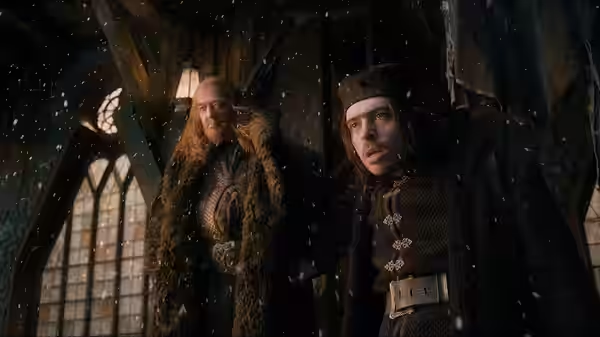
The places are the best of it. Dan Hennah builds Mirkwood as a forest that has been ill for a long time, trunks knotted into fists, cobweb in the light, and Andrew Lesnie drains the colour out until the whole thing is grey and the green of old copper. Lake-town, when the film gets there, is the opposite: rotting timber on stilts, frost on the canals, lanterns in every window, and Stephen Fry’s Master ruling it from a chair he never leaves. Richard Taylor, Bob Buck and Ann Maskrey dress Lee Pace’s Thranduil in robes so heavy he has to move slowly, which suits a king who has plainly never been refused anything.

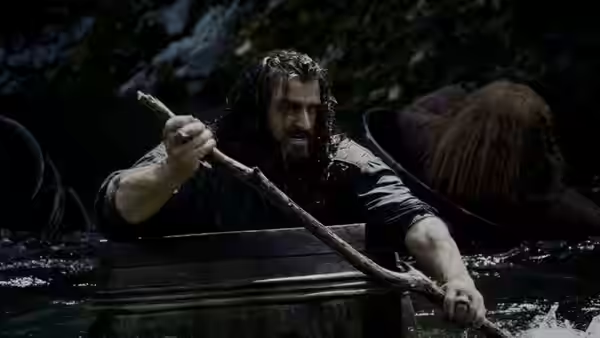
Two set pieces earn the ticket. The spiders come first, and Jackson has Bilbo put on the ring, so the sound drops away and we hear the creatures muttering to each other about supper. Freeman is good all the way through, fumbling and apologetic and braver than he lets on, and he is best in one short moment here, when he kills a spider for touching the ring and then looks frightened of himself. We were more unsettled by that than by anything with fangs. Then comes the river, a chase in barrels that Jabez Olssen cuts as a run of gags, and we laughed, properly, at a fat dwarf bouncing down the bank and flattening a dozen orcs. It is the one stretch where the film remembers this was written for children.

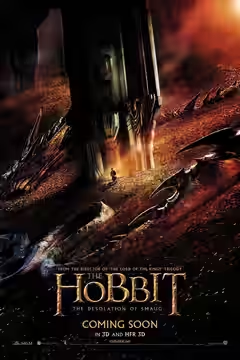
And there is the dragon. Benedict Cumberbatch gives Smaug a voice that seems to come up from under the floor, and the creature itself is vast and slow and pleased with itself, a cat that has found something worth toying with. His conversation with Bilbo, hobbit flattering, dragon amused, is the best written scene in the film, and Freeman’s gift for talking to nothing and making it look like someone has never been put to better use. Then the talking finishes and the running starts again, and there is always more gold to run across.

The rest is filler with a large budget. Gandalf’s excursion is cut back to at intervals and every time it is, the film slows to a walk. Tauriel is given a flirtation with one of the younger dwarves that neither the writing nor the film’s length can make matter. Legolas is a special effect with hair. Howard Shore’s score is mostly the old themes played again, a little slower; his Lake-town material is new and better. Armitage glowers handsomely, but Thorin’s story is on hold until next year.

The Fellowship of the Ring (2001) found an ending in a book that had none. This one does not end; it stops, at the point of highest interest, with a title card. We have no objection to cliffhangers. We object to waiting twelve months for a third act that could have been the second half of this film.

See it for the spiders, the river and the dragon, which between them account for perhaps forty minutes. At home you can pause the remainder, which is an odd thing to have to say about a film in which nobody stands still.
Critical consensus AI synthesised

69
Positive
18
Mixed
2
Negative
3

Most critics agree this is a clear improvement on the first Hobbit film: faster, darker and more purposeful. The praise clusters on two set pieces. The barrel escape down the river is named again and again as the action high point, and Bilbo’s confrontation with Smaug, voiced by Benedict Cumberbatch, is where most reviews say the film finally delivers awe. The new character Tauriel gets more approval than an invented elf might expect, and Lake-town and Erebor are widely admired.

The reservations are about length and shape. Several reviews call it half an hour too long and complain of a split narrative in the final third and plot lines left dangling for the next film. The spread is wider than the average suggests: eighteen positive against three negative. The Telegraph and Slant see stalling and blockbuster pandering, while The Independent finds Smaug puffed-up and ridiculous, a view a few admirers of the film, the Evening Standard and Collider among them, quietly share.

Empire
6 December 2013 · Nick de Semlyen
85*

The critic praises the film as a huge improvement that is moody, urgent and Ringsier, with inventive barrel action, stunning new locations like Lake-town and Erebor, and a standout Smaug voiced by Benedict Cumberbatch. It remedies the inconsequential feel of the first film and puts Jackson back at the top of his game.

Read the full review →
Film Comment
12 December 2013 · Max Nelson
80*

The critic calls it a marvelous film, better paced, emotionally richer, and more tonally confident than the first Hobbit movie. He praises the melancholy tone rooted in characters' attachment to the past and Jackson's detailed, virtuosic filmmaking style reminiscent of earlier blockbusters.

Read the full review →
Screen Daily
7 December 2013
80*

Rather than suffering middle-film syndrome, this is a freewheeling and exciting second film with breathless pace, entertainment and excitement in equal measure, ending on a dramatic high; technically superb and a romping adventure that connects well.

Read the full review →
The Guardian
12 December 2013 · ★★★★ · Peter Bradshaw
80

The critic finds the film tremendously enjoyable and a revelation in the Jackson-Tolkien fusion, praising its propulsive energy, genial adventure tale qualities and standout set pieces like the barrel chase.

Read the full review →
Time Out
6 December 2013 · ★★★★ · Keith Uhlich
80

The reviewer is a fan of the bombastic style; praises the improved pace, chaotic action sequences especially the barrel ride and the Smaug confrontation that delivers awe.

Read the full review →
Evening Standard
13 December 2013 · Charlotte O'Sullivan
75*

The critic calls the film a joy after a disappointing first installment, praising the spider attack, river battle, Bilbo's ring addiction, and the new character Tauriel. Some padding remains and Smaug is a windbag, but the middle section delivers thrilling bangs.

Read the full review →

Straight answers AI written, from our review

Is The Hobbit: The Desolation of Smaug worth watching?
The Hobbit: The Desolation of Smaug is worth watching for anyone who enjoyed the first film and wants a quicker, darker one, and we scored it 65. Two set pieces and one dragon justify the evening; the rest is 161 minutes of handsome padding that stops on a cliffhanger rather than ending. At home, the pause button helps.
How long is The Hobbit: The Desolation of Smaug, and what is it rated?
The Hobbit: The Desolation of Smaug runs 2h 41m and is rated 12 by the CNC in France. It is a fantasy and adventure film.
Where can I watch The Hobbit: The Desolation of Smaug in France?
The Hobbit: The Desolation of Smaug is available to rent from Amazon Prime Video and Apple TV from €2.99. Availability is checked daily; the links above go straight to each service.
How violent or frightening is The Hobbit: The Desolation of Smaug, and is it suitable for children?
The Hobbit: The Desolation of Smaug is a UK 12A, with sustained fantasy battle violence, orcs and a long sequence with giant spiders in a dark forest. The spiders, heard muttering about their supper, are the part most likely to frighten younger children, and there is a brief moment of violence that unsettled us more than the fangs did. Older children and teenagers should be fine.
How does The Hobbit: The Desolation of Smaug compare to The Hobbit: An Unexpected Journey?
The Hobbit: The Desolation of Smaug is the quicker, darker and better of the two, because it starts running at once and keeps going, where An Unexpected Journey took the best part of an hour to leave the house. The earlier film has the better single scene in the riddle game; this one has a river chase and a dragon. Both are far too long.
Is The Hobbit: The Desolation of Smaug based on a true story or a book?
The Hobbit: The Desolation of Smaug is based on J. R. R. Tolkien's novel, a slim children's book that Peter Jackson has stretched across three films. This chapter adds a good deal Tolkien did not write, including an elf warrior, a returning Legolas and a bargeman with a family, so it is not a faithful adaptation. You do not need to know the book to follow it.
Do you need to have seen the other Middle-earth films before The Hobbit: The Desolation of Smaug?
The Hobbit: The Desolation of Smaug does not stand alone, and it is a poor place to start. It picks up exactly where An Unexpected Journey left off, with the company already on the road and the orcs behind them, and it stops mid-story with a title card. Newcomers should see the first film before this one.
What should I watch after The Hobbit: The Desolation of Smaug?
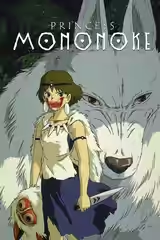
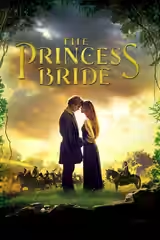
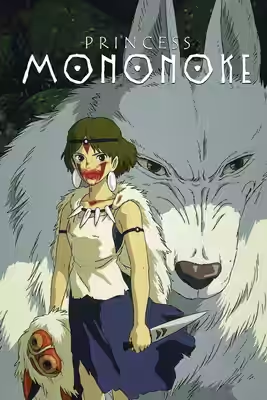
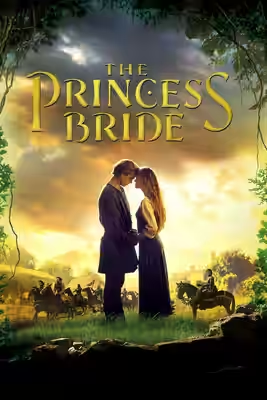
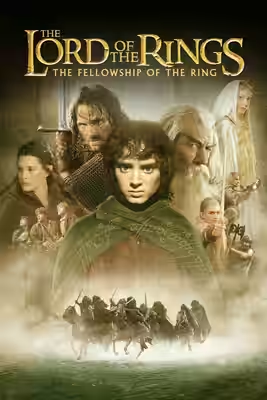
After The Hobbit: The Desolation of Smaug, try The Lord of the Rings: The Fellowship of the Ring (2001, Fi1m 90): Jackson with a book big enough for the running time, and an ending. Then Princess Mononoke (1997, Fi1m 88): Miyazaki’s forest gods and iron works; a quest film that argues with itself; and The Princess Bride (1987, Fi1m 86): A fairy tale that knows exactly how long it should be, and is.
What order should I watch the Middle-earth films in?
Release order is the safe choice for Middle-earth, and it is the order our collection page lists them in. The Hobbit: The Desolation of Smaug is number 5 of the 6 Middle-earth titles on Fi1m; before it comes The Hobbit: An Unexpected Journey and after it The Hobbit: The Battle of the Five Armies. The full order.

Part of · 5 of 6

Middle-earth

6 films on Fi1m · 2001–2014 · average 74 · best The Lord of the Rings: The Fellowship of the Ring 90

All 6 in order

Cast

Awards

Academy Awards, 2014

Nominated
Best Sound
Nominated
Best Sound Editing
Nominated
Best Visual Effects

MTV Movie Award for Best Fight, 2014

Won
MTV Movie Award for Best Fight

If you liked this, try…

  1. The Lord of the Rings: The Fellowship of the Ring (2001, Fi1m 90)Jackson with a book big enough for the running time, and an ending.

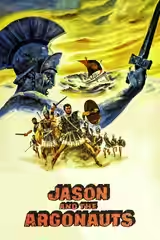
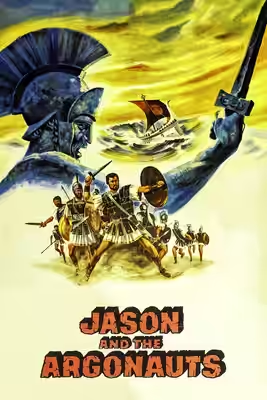
  2. Jason and the Argonauts (1963) · not reviewed yetHarryhausen’s monsters, built by hand, still frightening after sixty years.

  3. Princess Mononoke (1997, Fi1m 88)Miyazaki’s forest gods and iron works; a quest film that argues with itself.

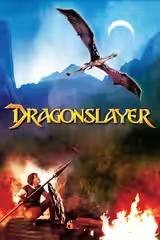
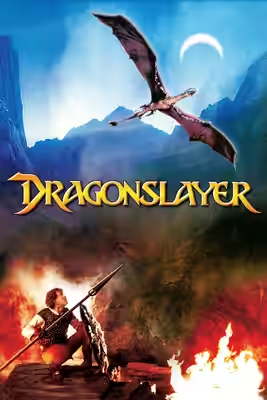
  4. Dragonslayer (1981) · not reviewed yetThe dragon film to measure Smaug against: grimy, patient, and properly dangerous.

  5. The Princess Bride (1987, Fi1m 86)A fairy tale that knows exactly how long it should be, and is.

Free account

Know what to watch tonight

Two lists that know where things are streaming, collections you can share, your own score beside ours, and Discover that remembers what you have seen.

  • Want to see, sorted by what is streaming now
  • Seen, with your score out of ten
  • No adverts, ever