Daniel Knauf’s carnival of freaks and preachers crossing the Dust Bowl is beautifully built, patiently acted and in no hurry at all. Stay for the faces, the dust and Jeff Beal’s score, and know in advance that the story stops before it is finished.
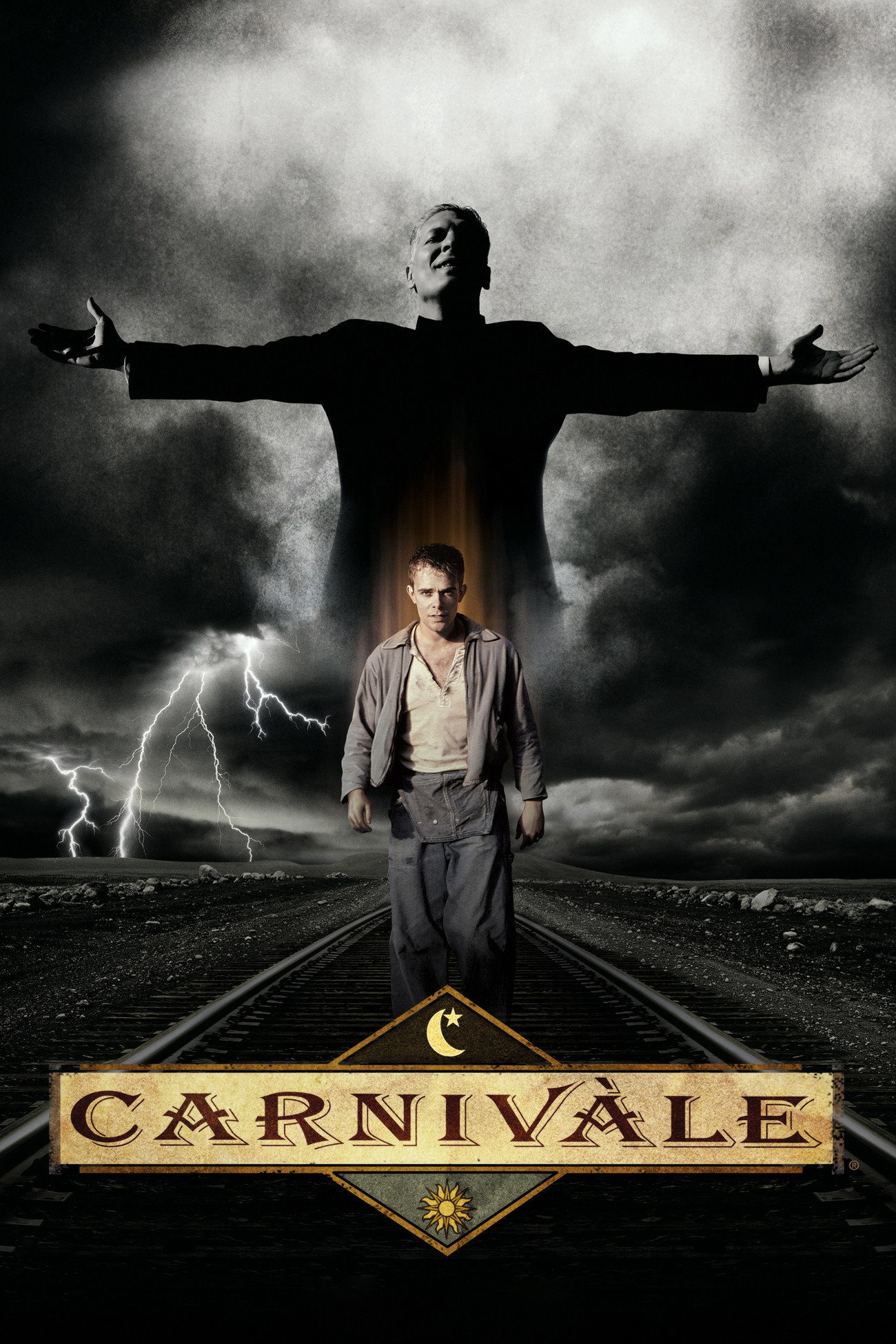
Daniel Knauf’s series follows a travelling carnival across the Dust Bowl in 1934, and cuts away now and then to a preacher in California who has started to hear God. The tagline says the rest: into each generation is born a creature of light and a creature of darkness. It runs to 24 episodes over two seasons, and it is a long time before the two stories come within shouting distance of each other. It is a Western, a horror serial and a Bible story, none of them in a hurry. We think it is good. You should know before you start that it does not finish.
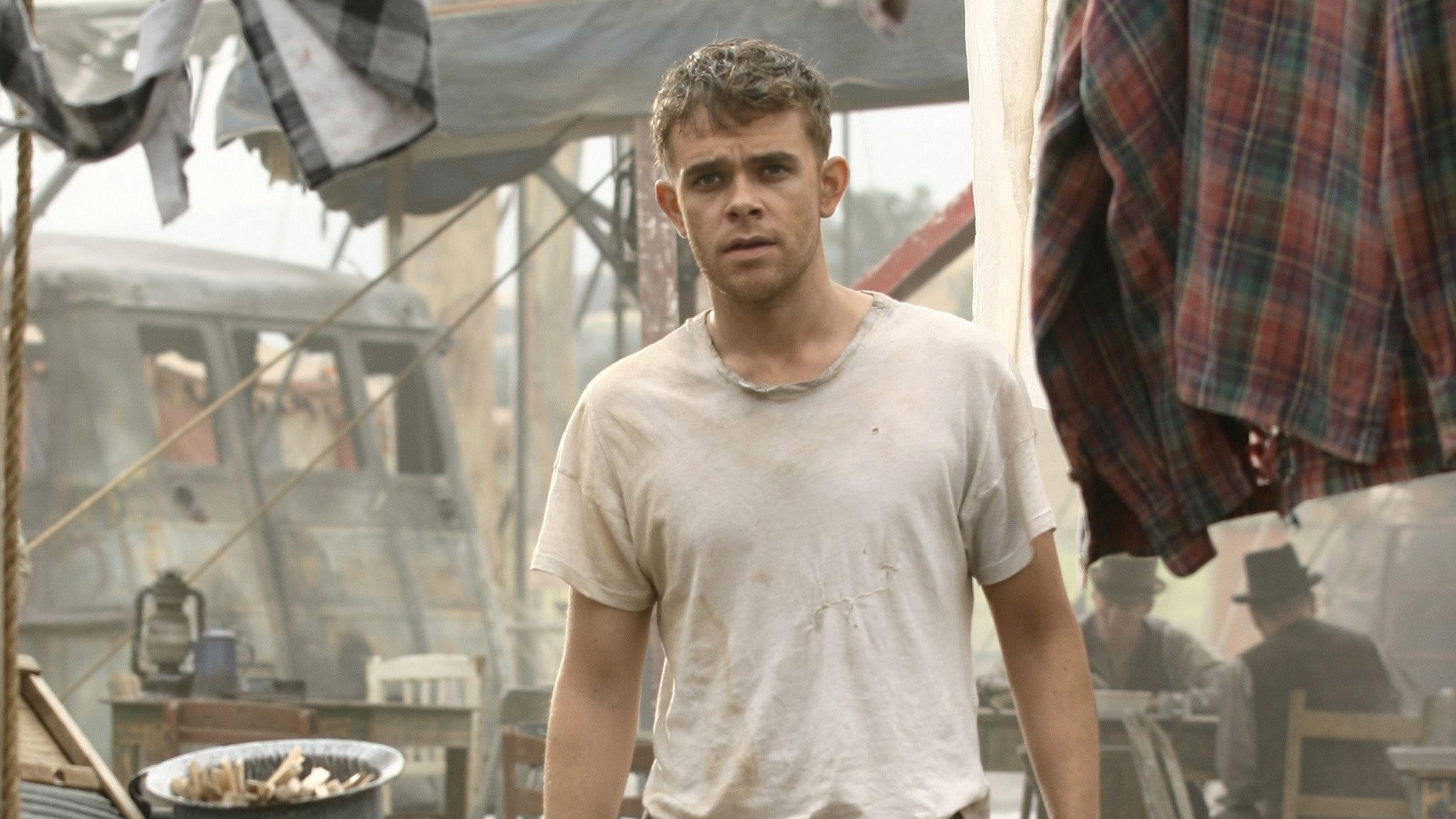
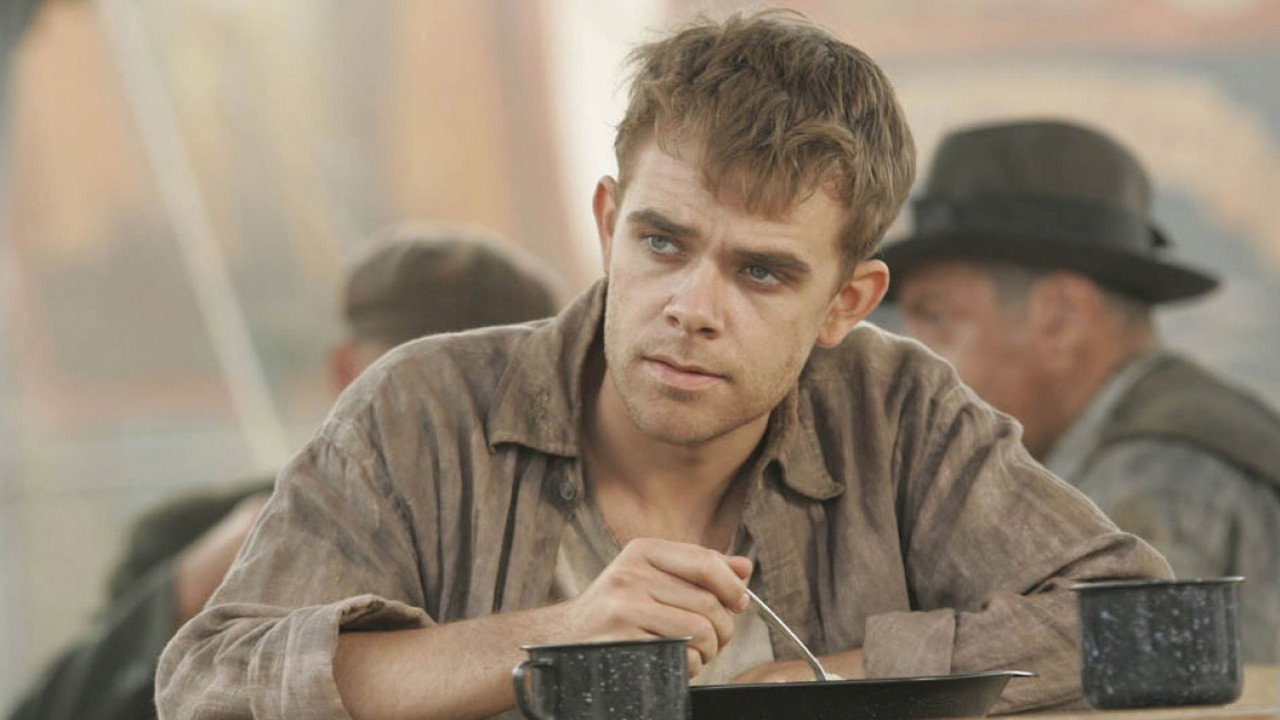
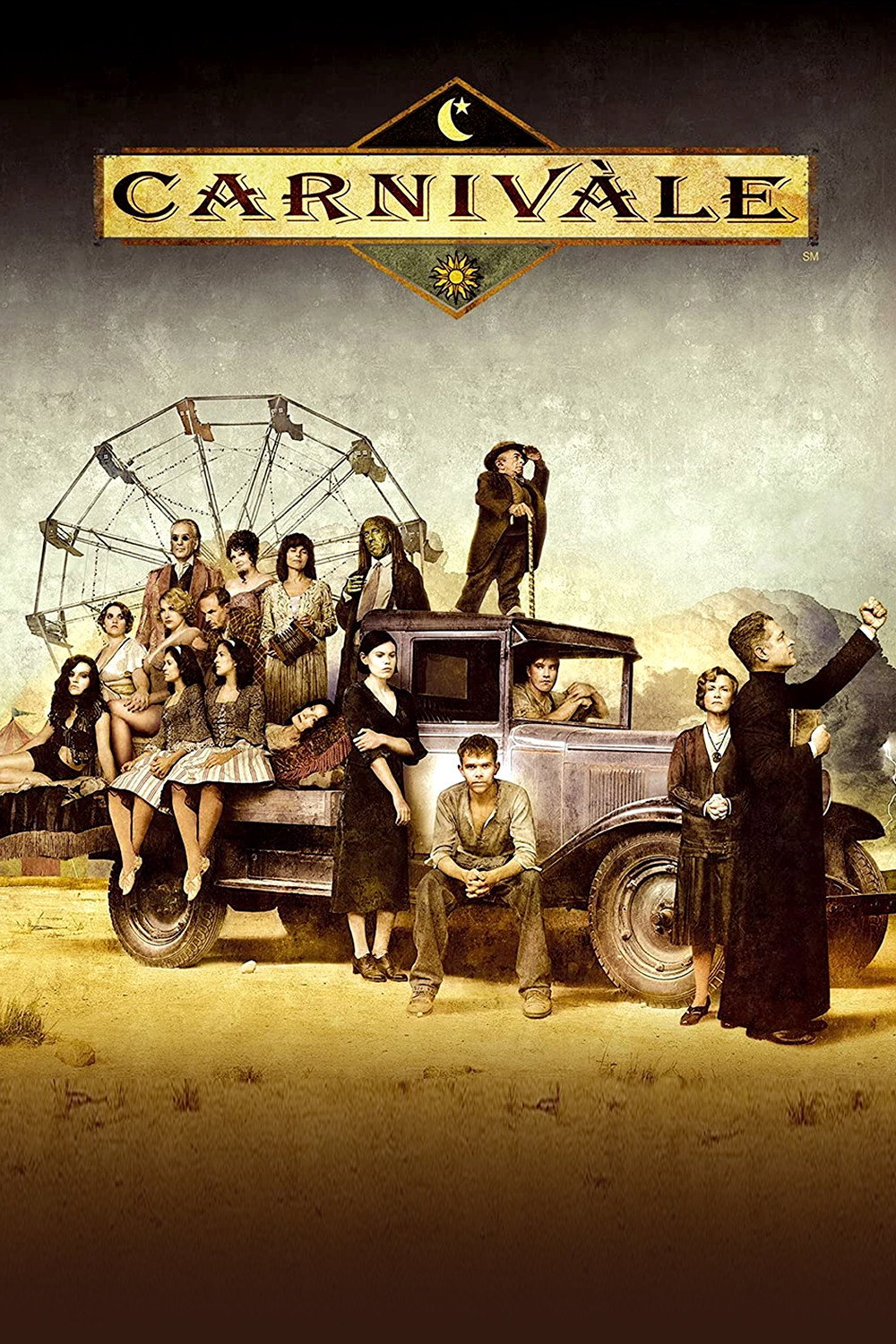
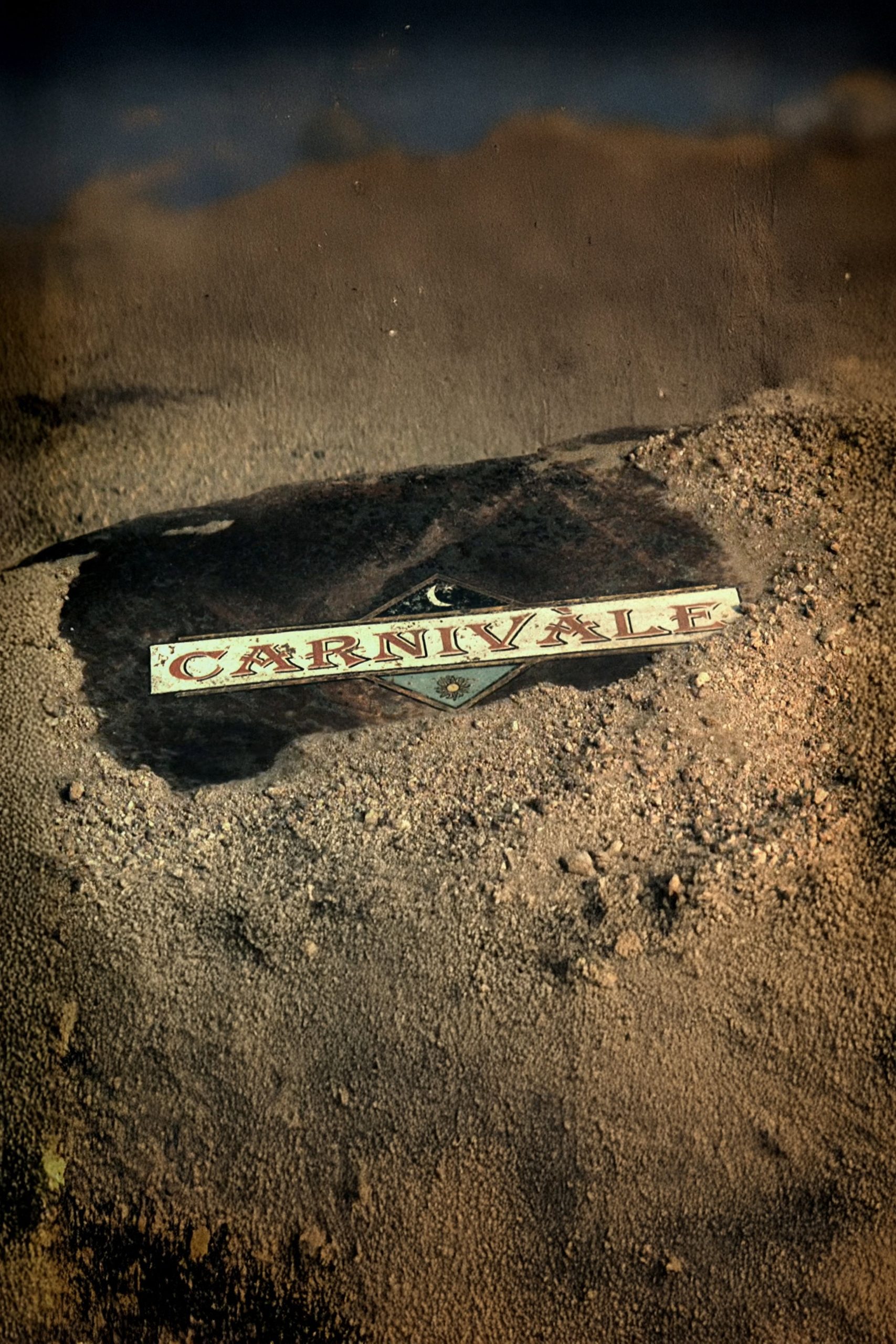
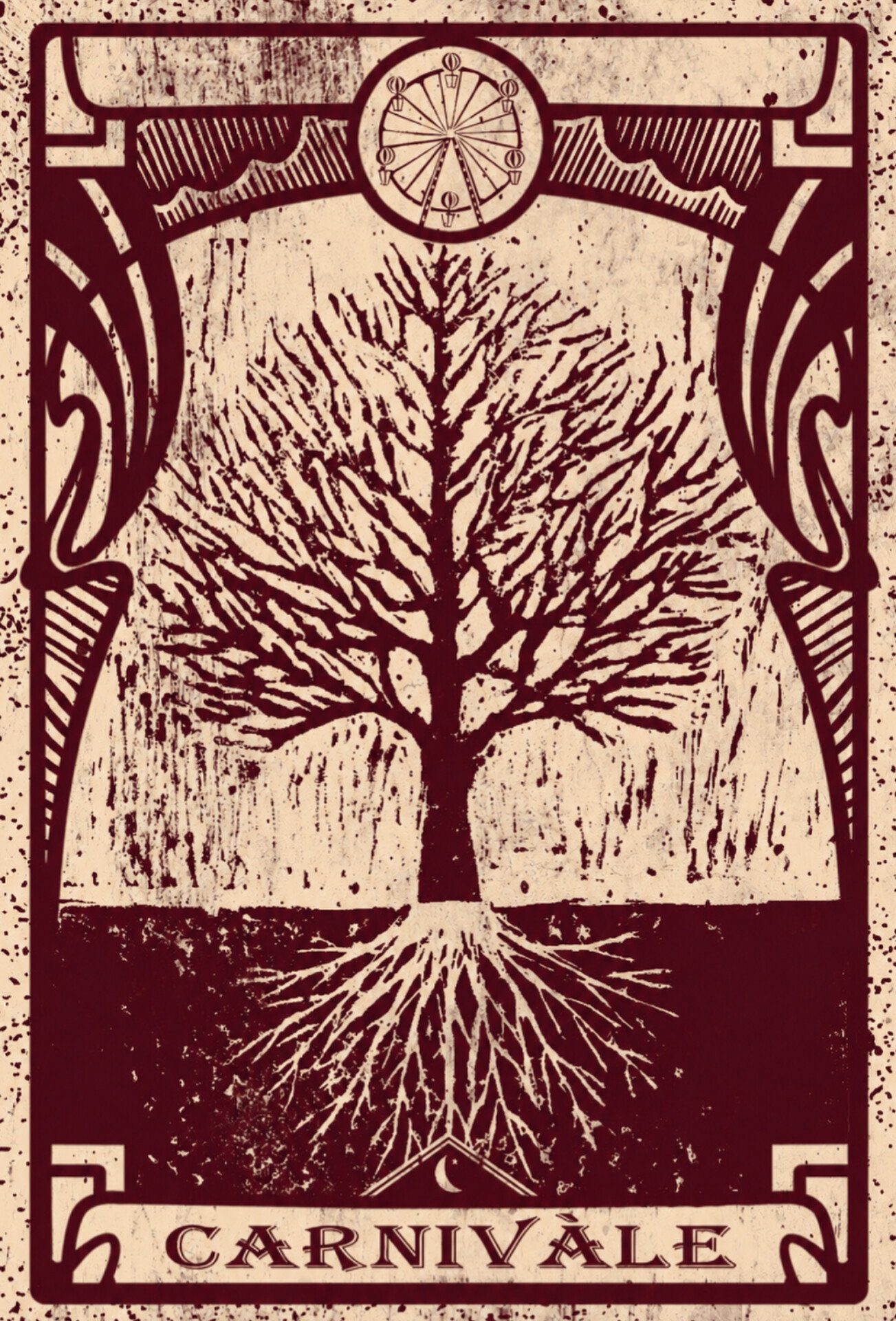
Look at it first, because everybody does. Three cinematographers share the run, Tami Reiker, Jeffrey Jur and James Glennon, and they keep to one idea: the light is the colour of weak tea, the horizon sits low, and faces at night are lit by kerosene and nothing else. Dan Bishop and Bernt Amadeus Capra’s carnival is a ring of patched canvas, a Ferris wheel that looks bolted together that morning, and hand-painted banners promising more than the tents deliver. Ruth Myers and Terry Dresbach dress everyone in clothes that have been slept in. Even the titles are handsome: tarot cards that open onto newsreel of breadlines and dust storms.
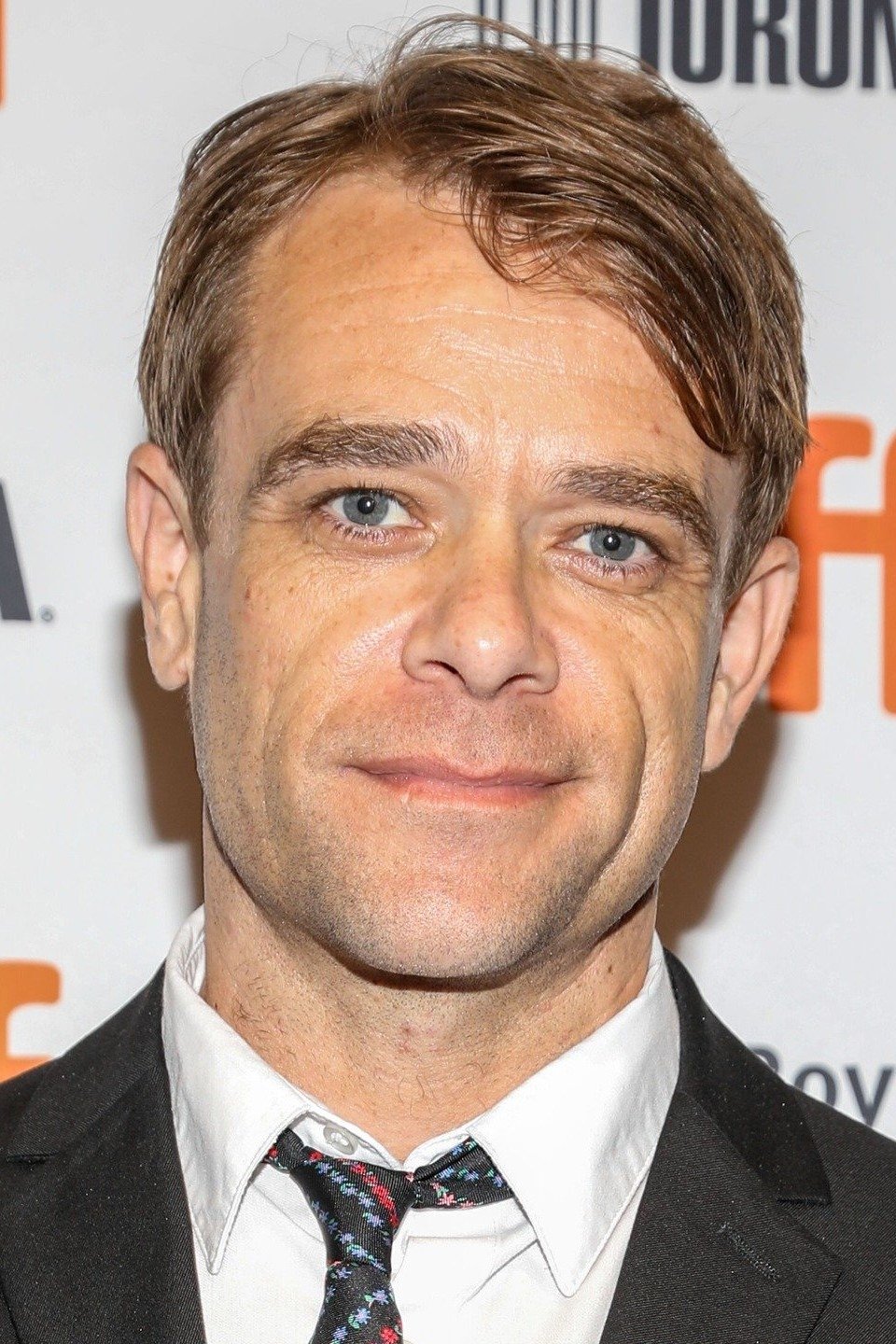
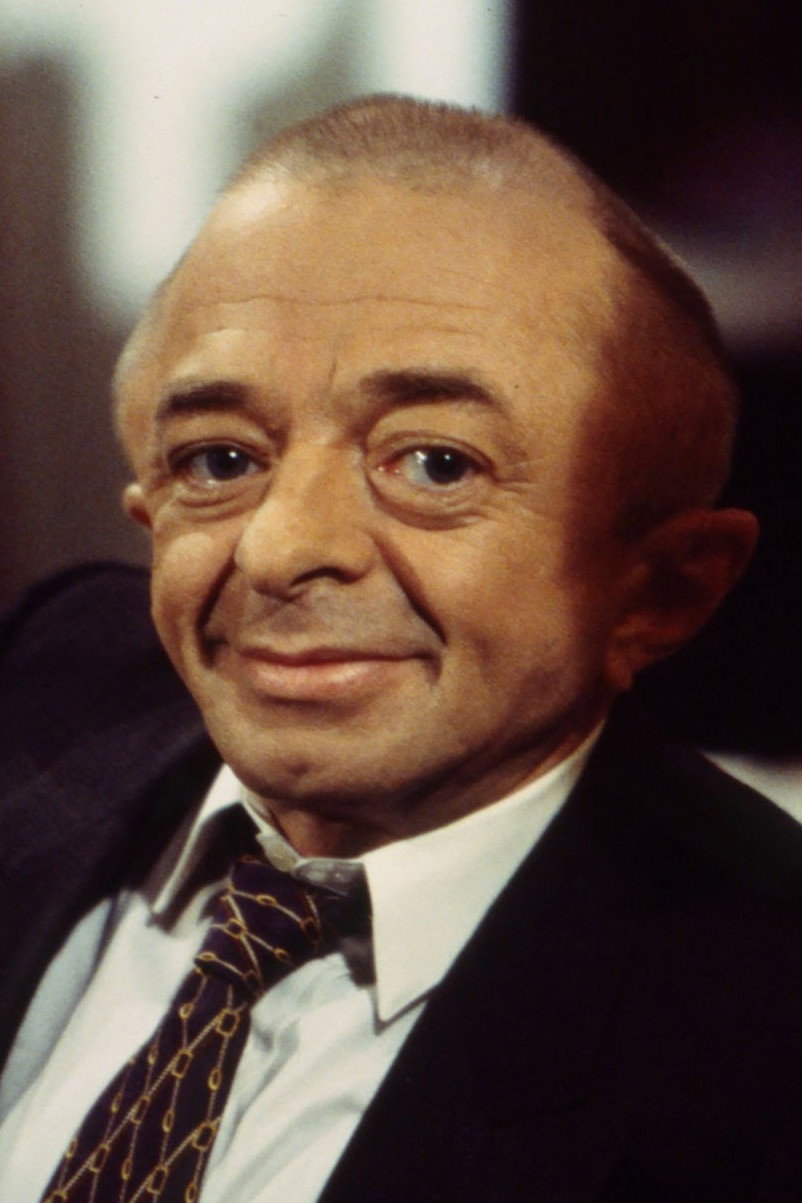
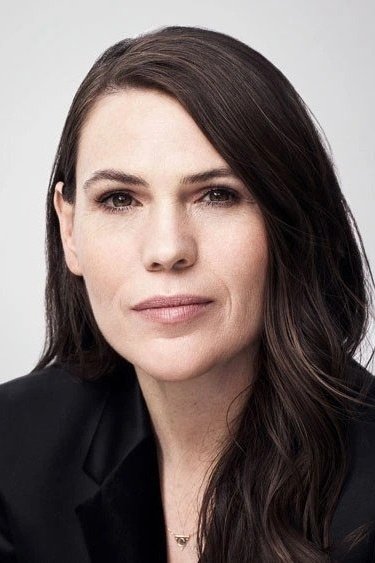
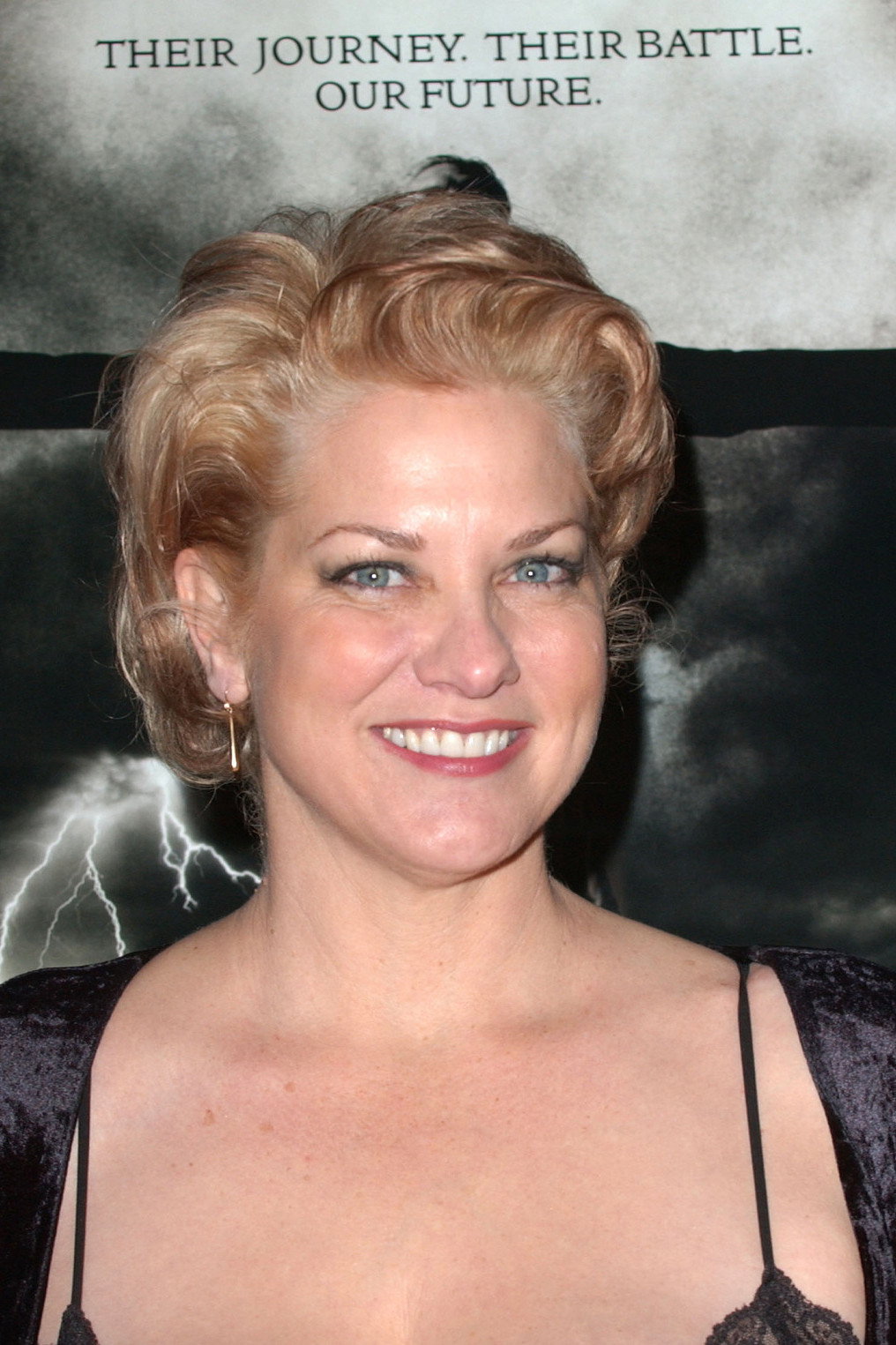
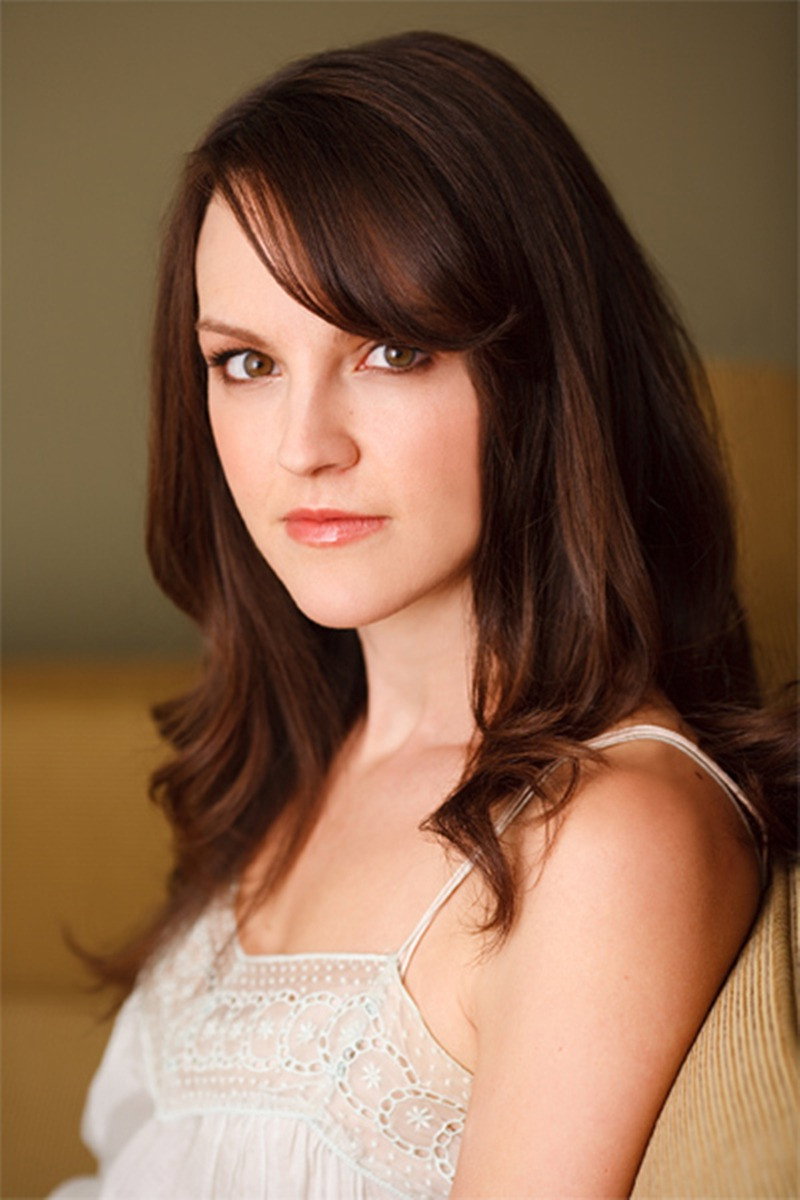
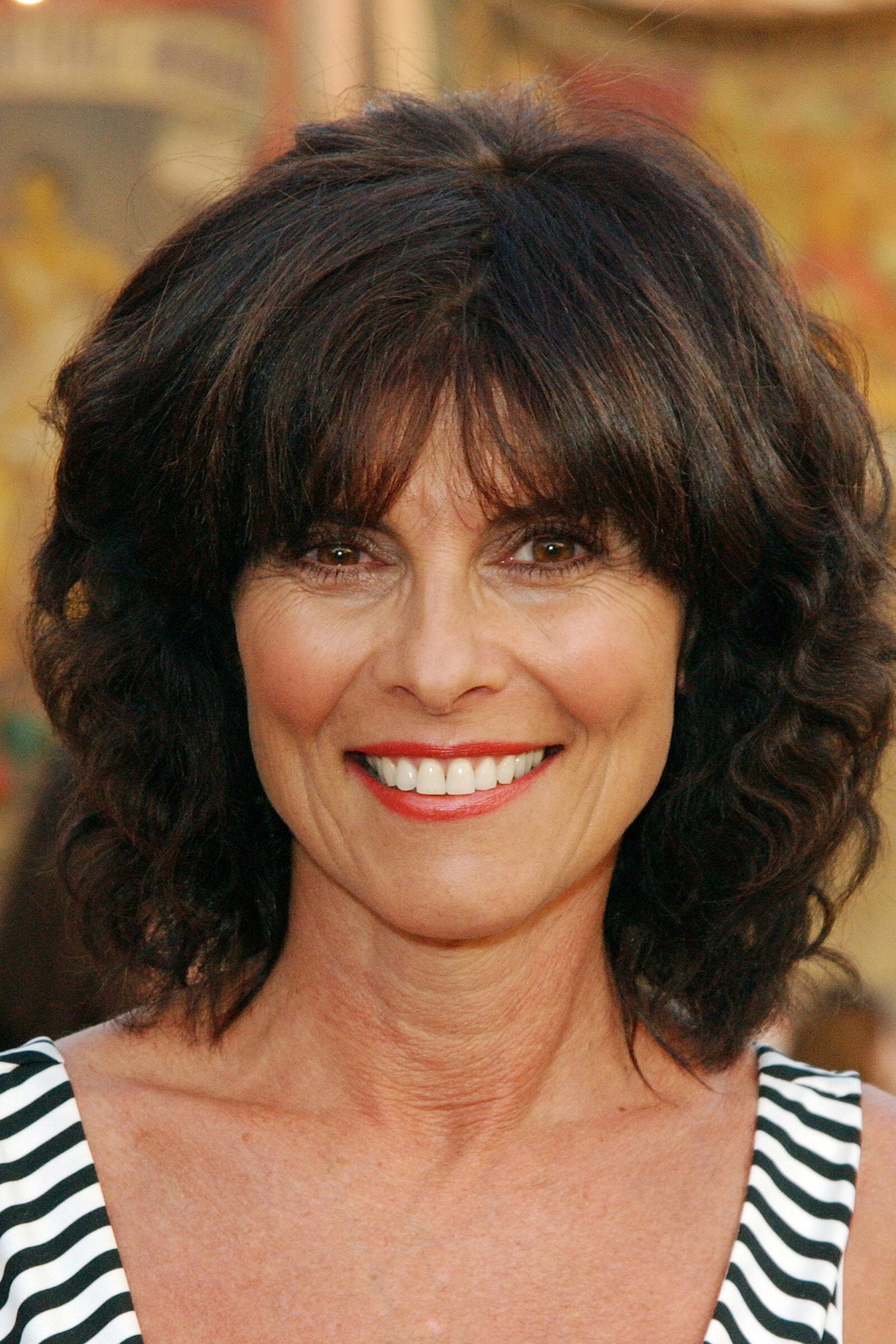
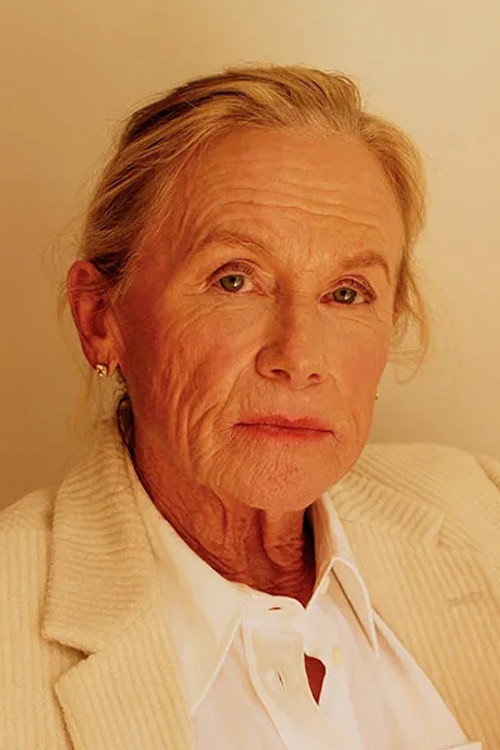
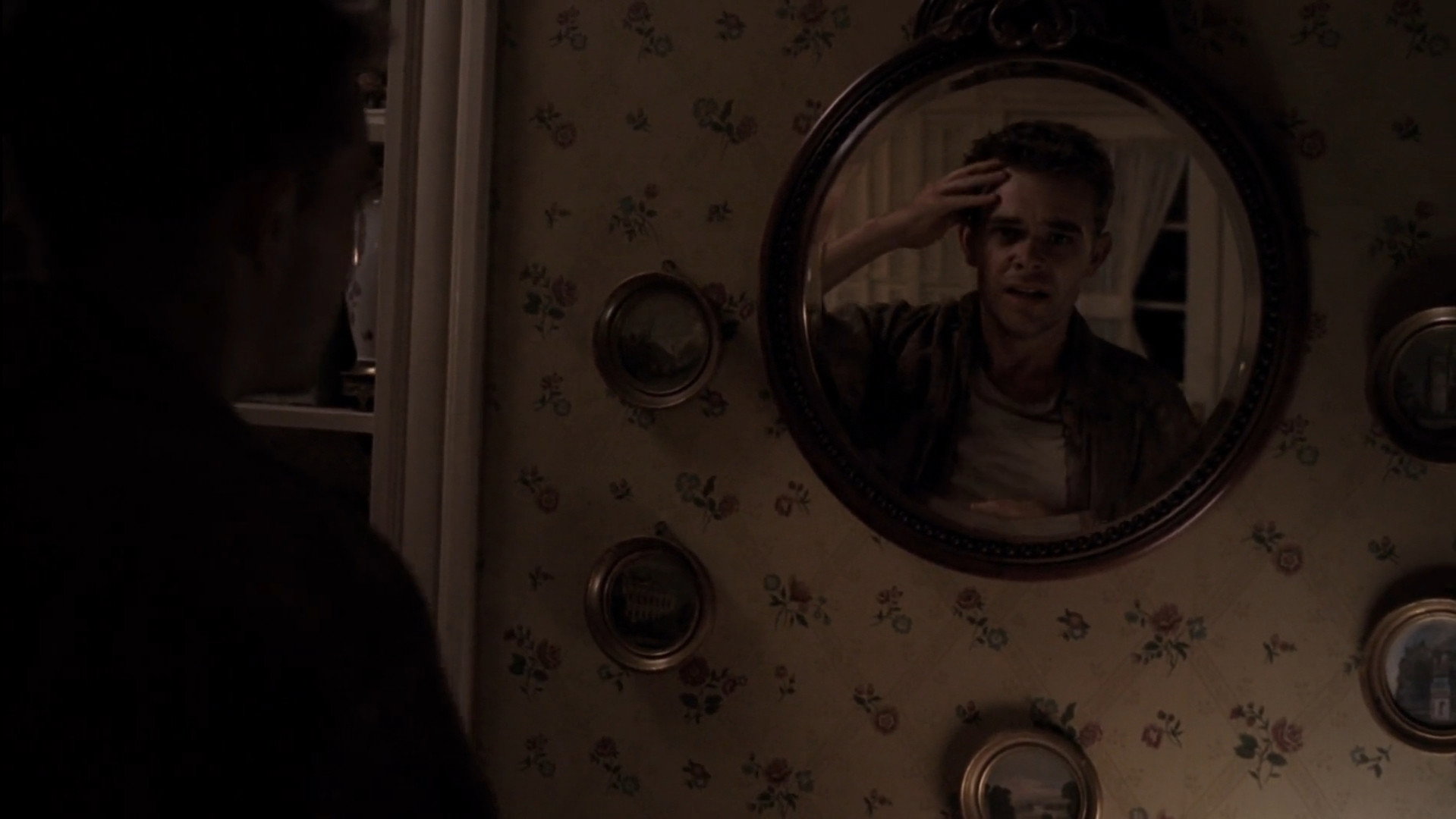
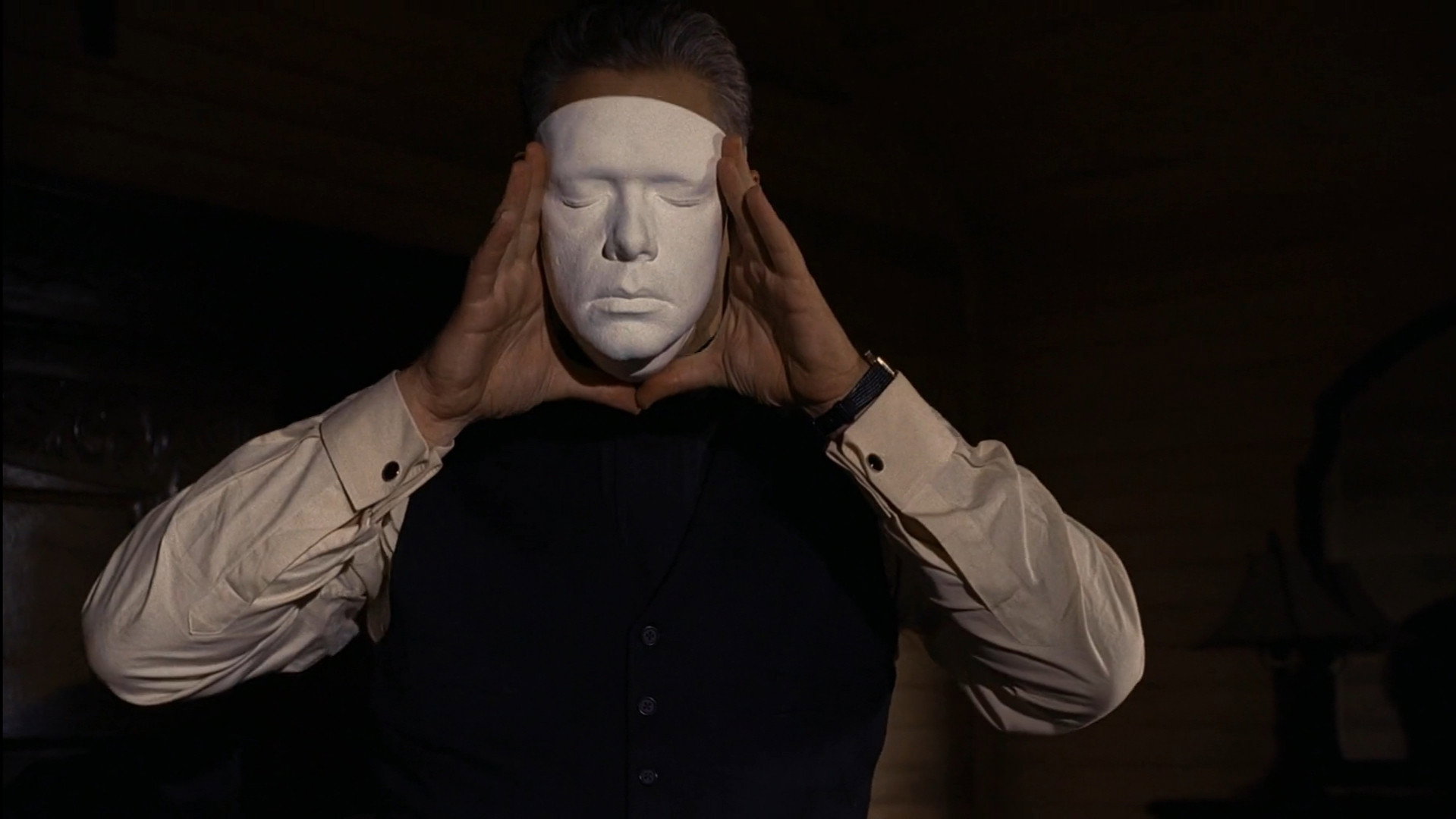
Nick Stahl plays Ben Hawkins, the farm boy the carnival picks up, as a young man who has decided that the safest thing to do with a gift is hide it; he keeps his hands in his pockets for whole scenes. Michael J. Anderson’s Samson runs the show with a cigar and a ledger and takes orders from a boss called Management, who speaks from behind a curtain and is never seen. Clea DuVall’s Sofie is wary and quick to anger, and Diane Salinger plays her mother Apollonia without moving or speaking. Cynthia Ettinger and Carla Gallo, as Rita Sue and Libby Dreifuss, run the strip tent and supply most of the warmth. In California, Amy Madigan’s Iris Crowe watches her brother preach from the back pew with a stillness we found more frightening than anything in the tents.
The moment that told us what the show was came in the first episode, which Rodrigo García directs. Ben lays his hands on a crippled girl at the edge of the lot and she walks, and the crop beside them dies to straw as she does. Nobody remarks on the exchange. We felt the chill of it and understood that healing here has a price, and that the show was not going to tell us the rate. Ben’s dreams work the same way: a cornfield, a man with tattoos down his back, a bear, trenches from a war he was not in. Nobody explains them, and they unsettled us more than most television horror manages, because we were left to do the work.
That is also the problem. Season one spends episode after episode arriving in a town, raising the tents, letting something small and strange happen, and moving on. By the middle of the first run we were bored, then annoyed, because we could see the show knew the answers and was sitting on them. Season two moves faster and over-corrects; the mythology that had been rationed a line at a time arrives in bulk. Four editors are credited, Jacques Gravett, Leo Trombetta, Carole Kravetz Aykanian and Peter B. Ellis, and the cuts between Oklahoma and California are often abrupt, with the preacher’s story starved for episodes at a stretch. Jeff Beal’s score, fiddle and a low churchy drone, carries a good deal of the atmosphere, and in the thin episodes it carries all of it.
The directors who pass through, Jeremy Podeswa, Todd Field, Peter Medak and Alan Taylor among them, all keep to the same low light and slow rhythm, which says how firmly Knauf and his producer Ronald D. Moore set the tone. Nobody gets to be flashy. That is rare in a show with this many hands on it.
It was cancelled after two seasons, well short of what Knauf had planned, and the last episode stops rather than ends; we will not say where. Go in knowing that, and knowing that each of the 24 episodes runs a little under an hour and none of them hurries. If an unfinished story is a deal-breaker, look elsewhere. If it is not, nothing else on television looked like this at the time, and we have not seen much since.