Friese and bo Odar’s time-travel mystery is gloomy, slow and merciless with your attention, and it is one of the few puzzle series that keeps every promise it makes. The people are pieces on a board, but the board is a wonder.
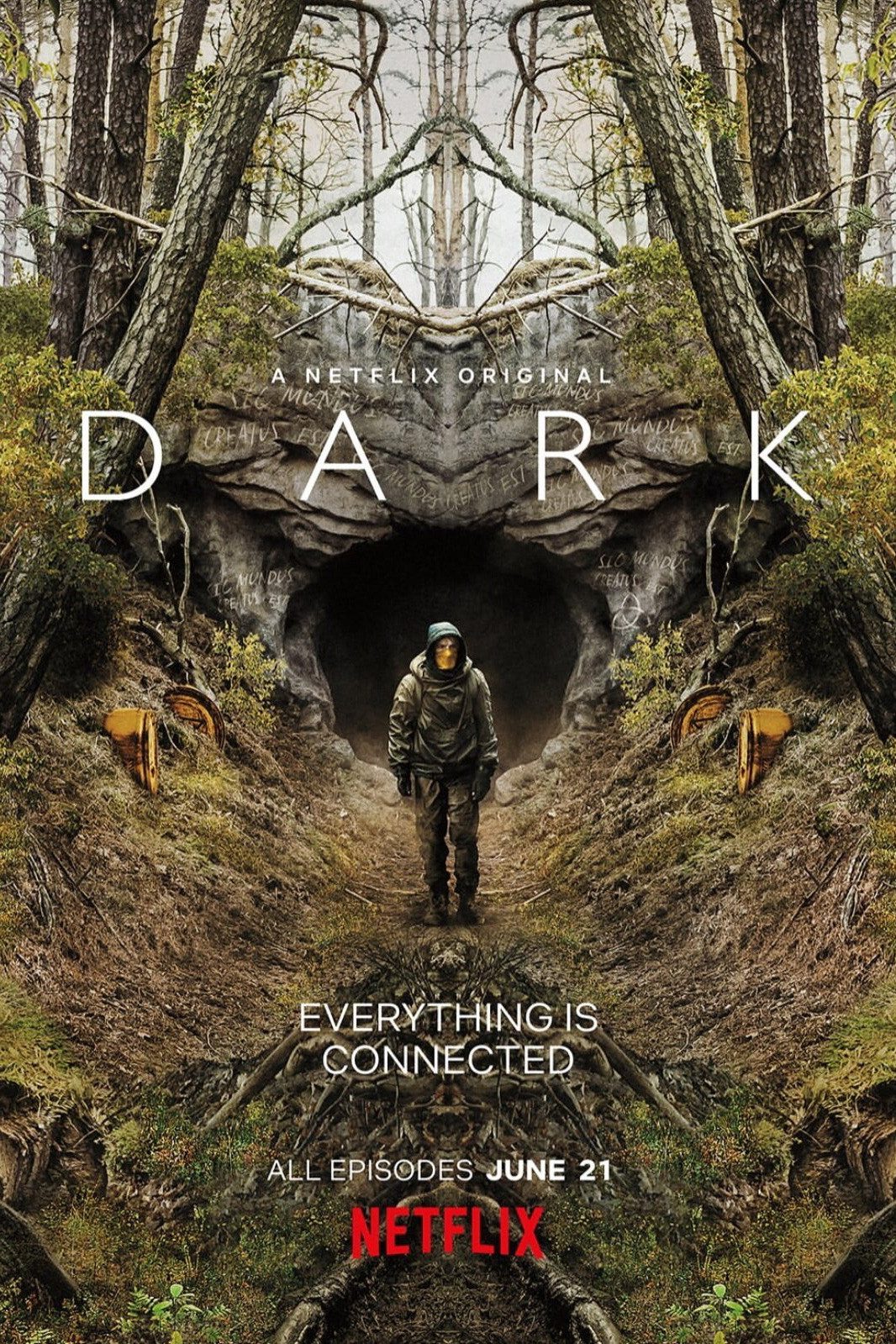
Jantje Friese and Baran bo Odar’s series is set in Winden, a small German town with a forest, a cave and a nuclear power plant, and it begins with a missing child. Over three seasons and 26 episodes, the first shown in Britain on 1 December 2017, it grows into a story about a town in which three different decades are only a walk apart, and the parents’ secrets and the children’s turn out to be the same. It is slow, grey, in German, and the rare mystery serial that has an answer and hands it over. We recommend it, with a warning about the people.
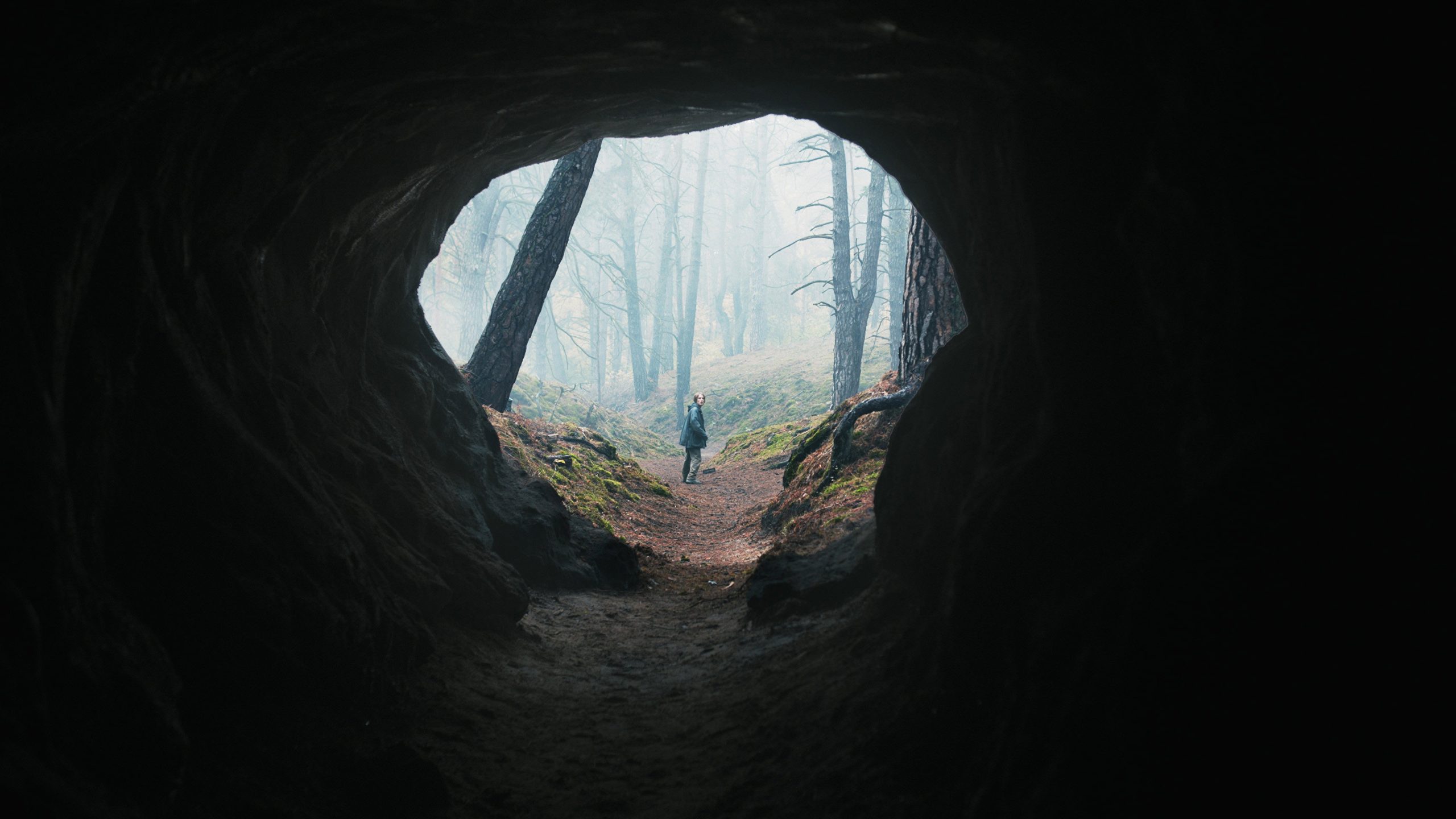
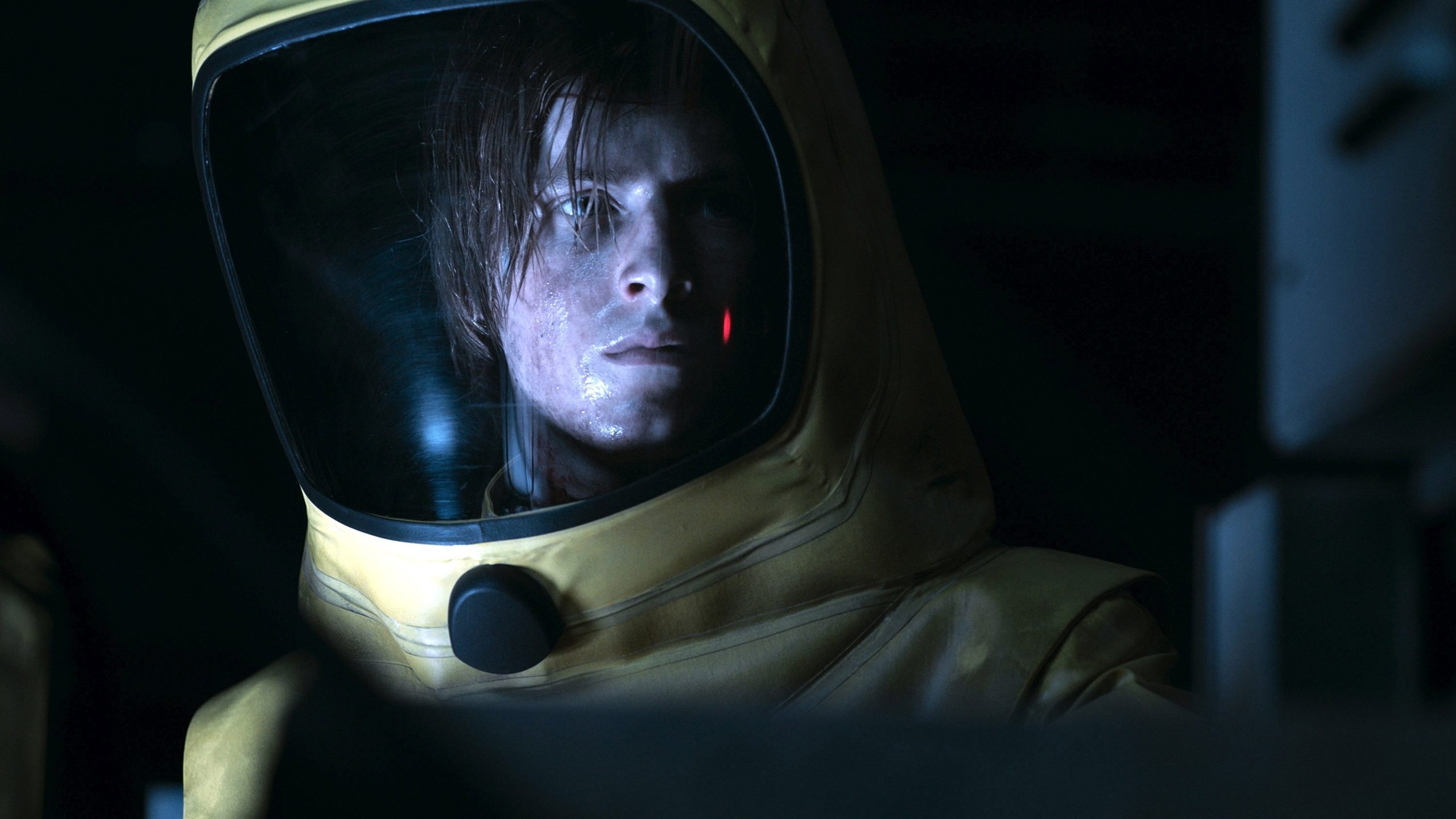
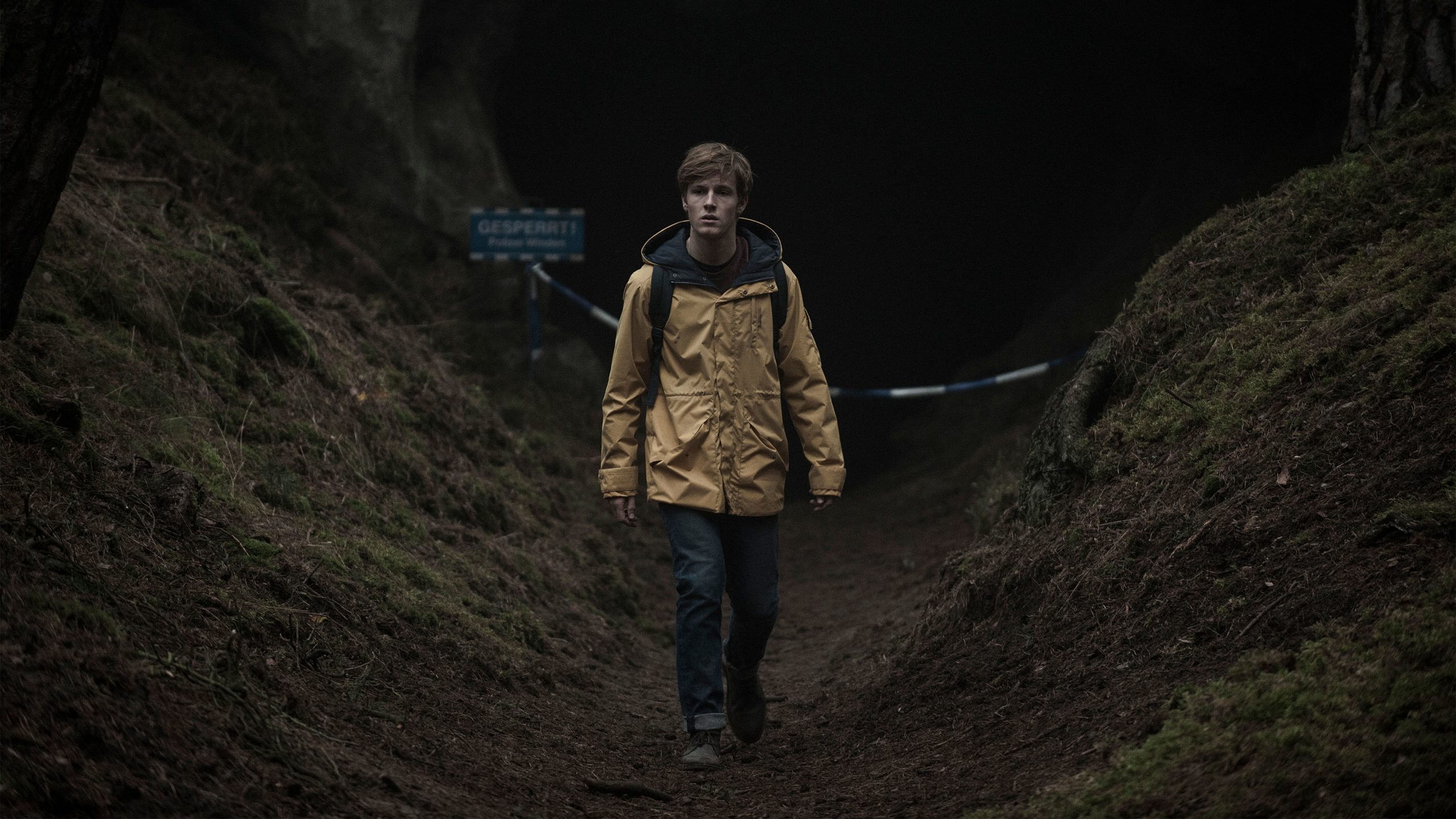
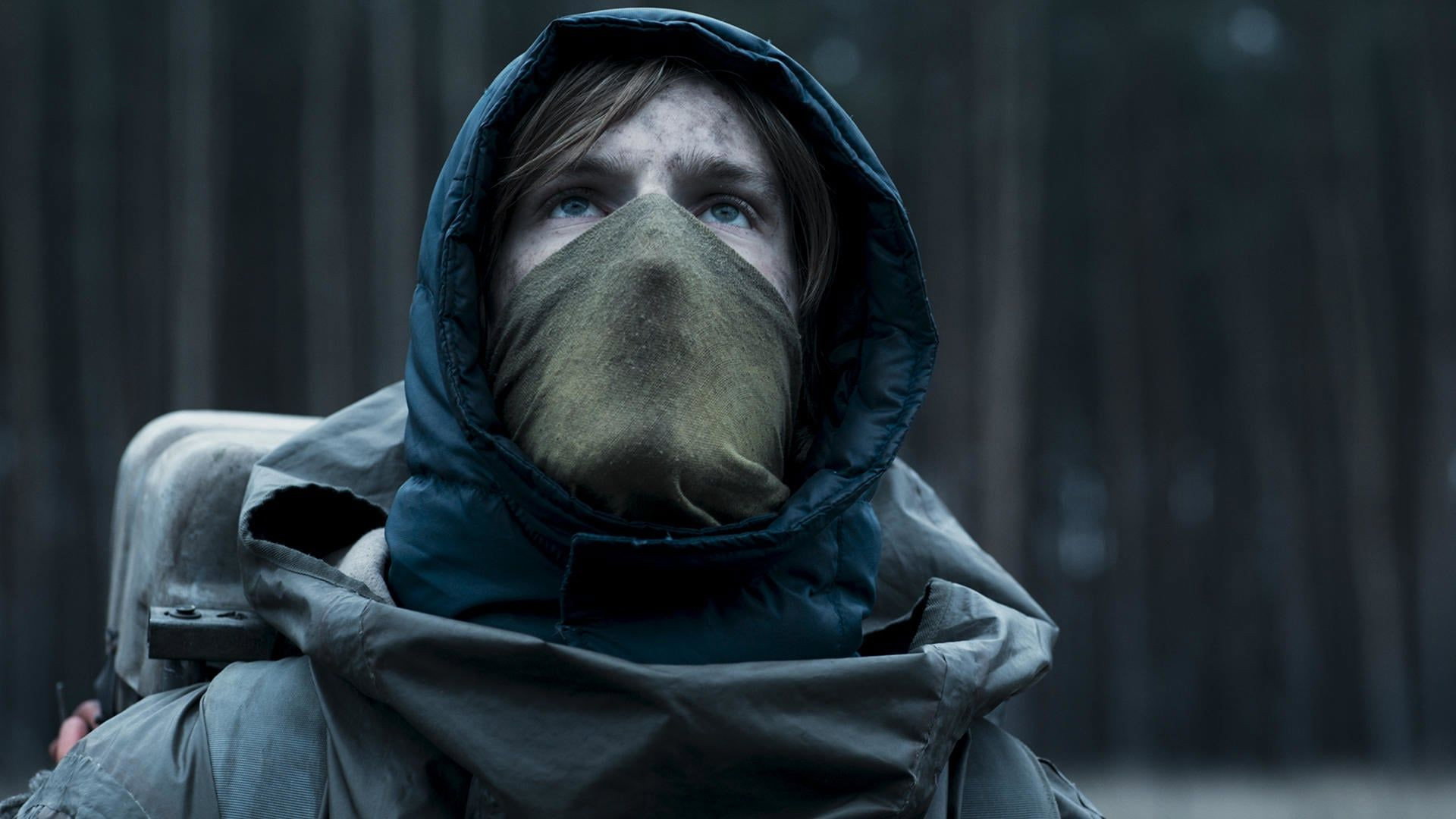
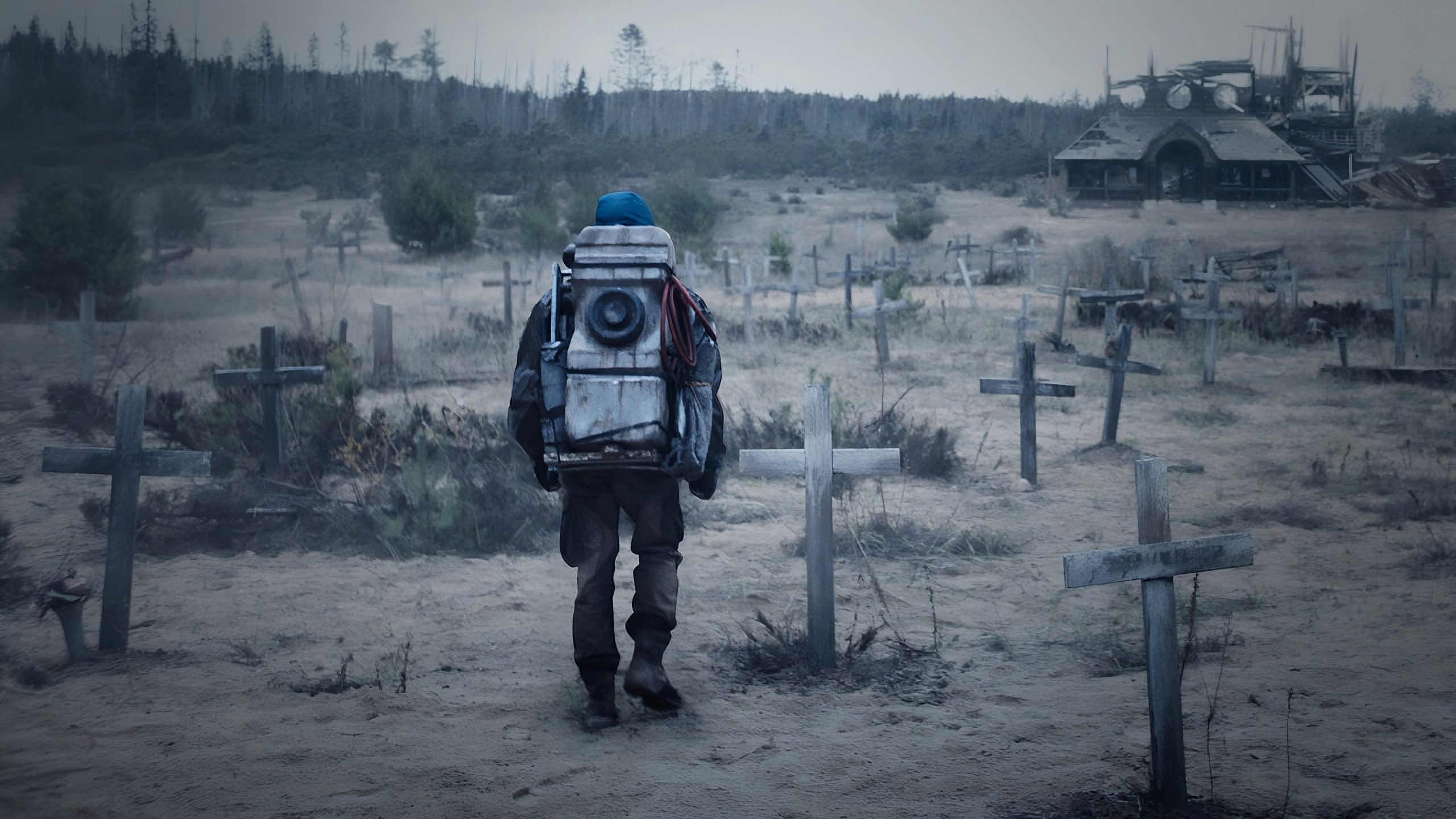
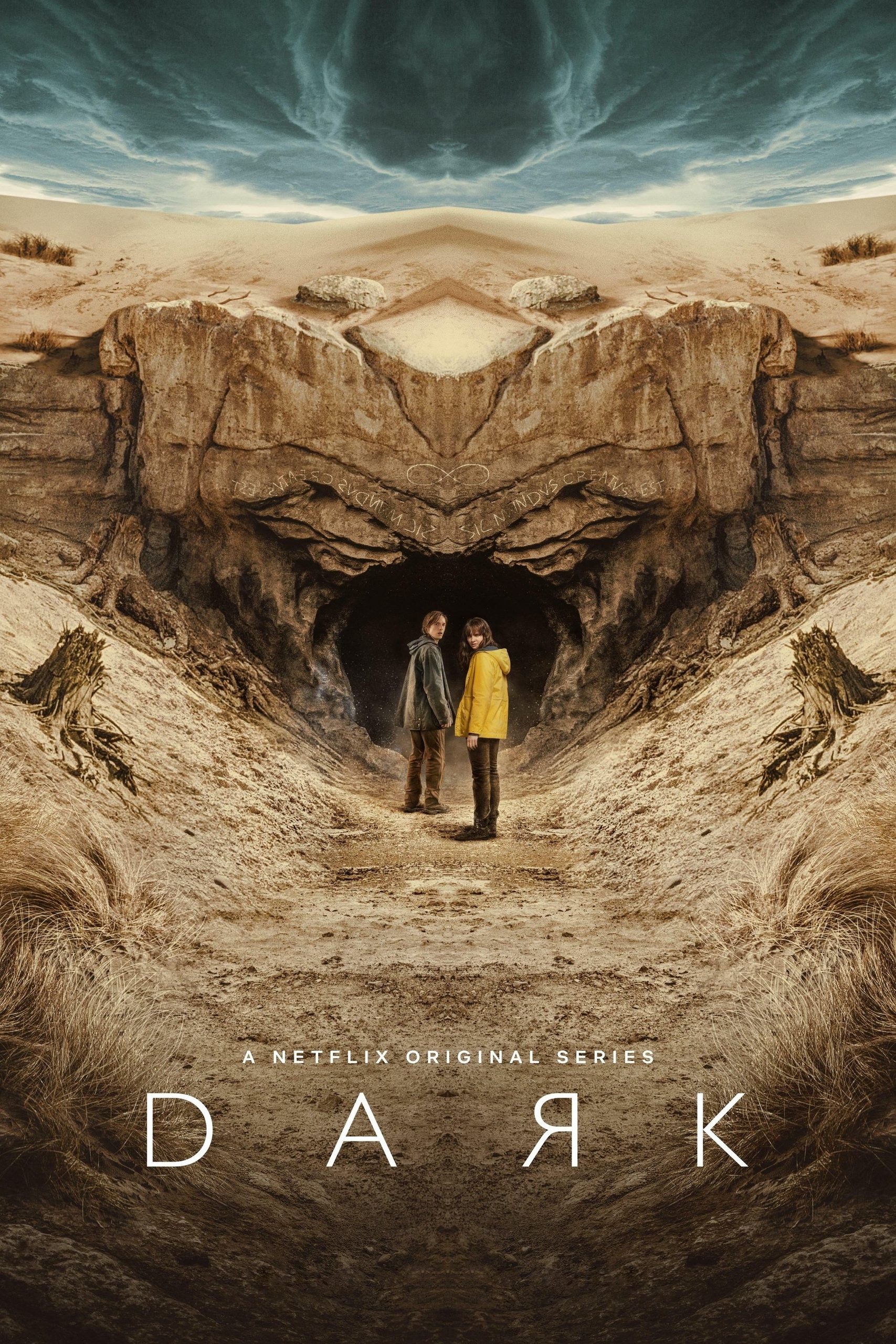
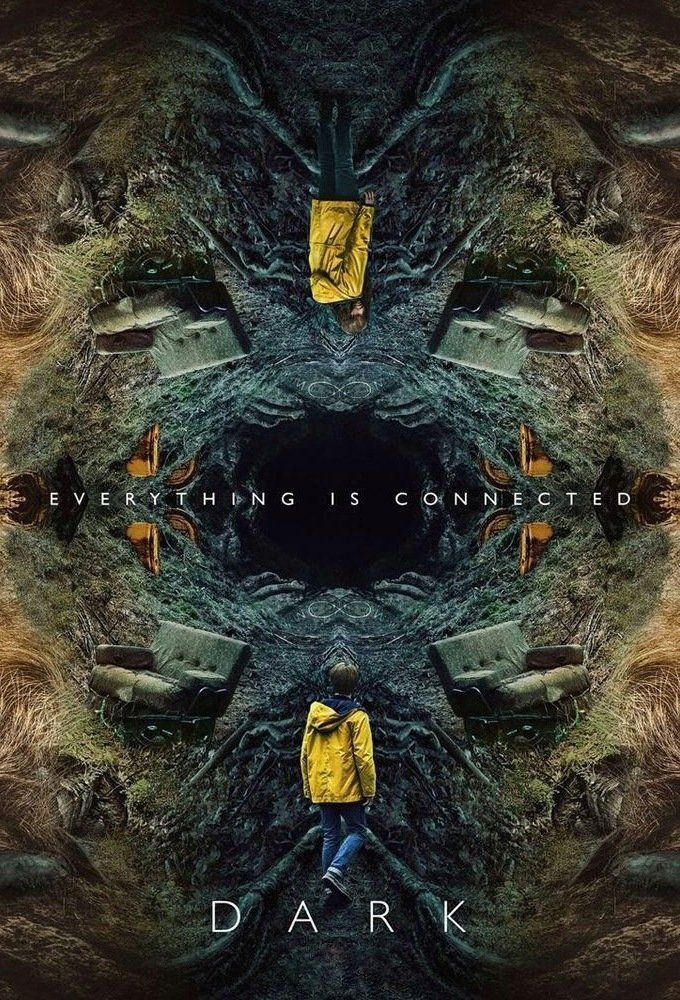
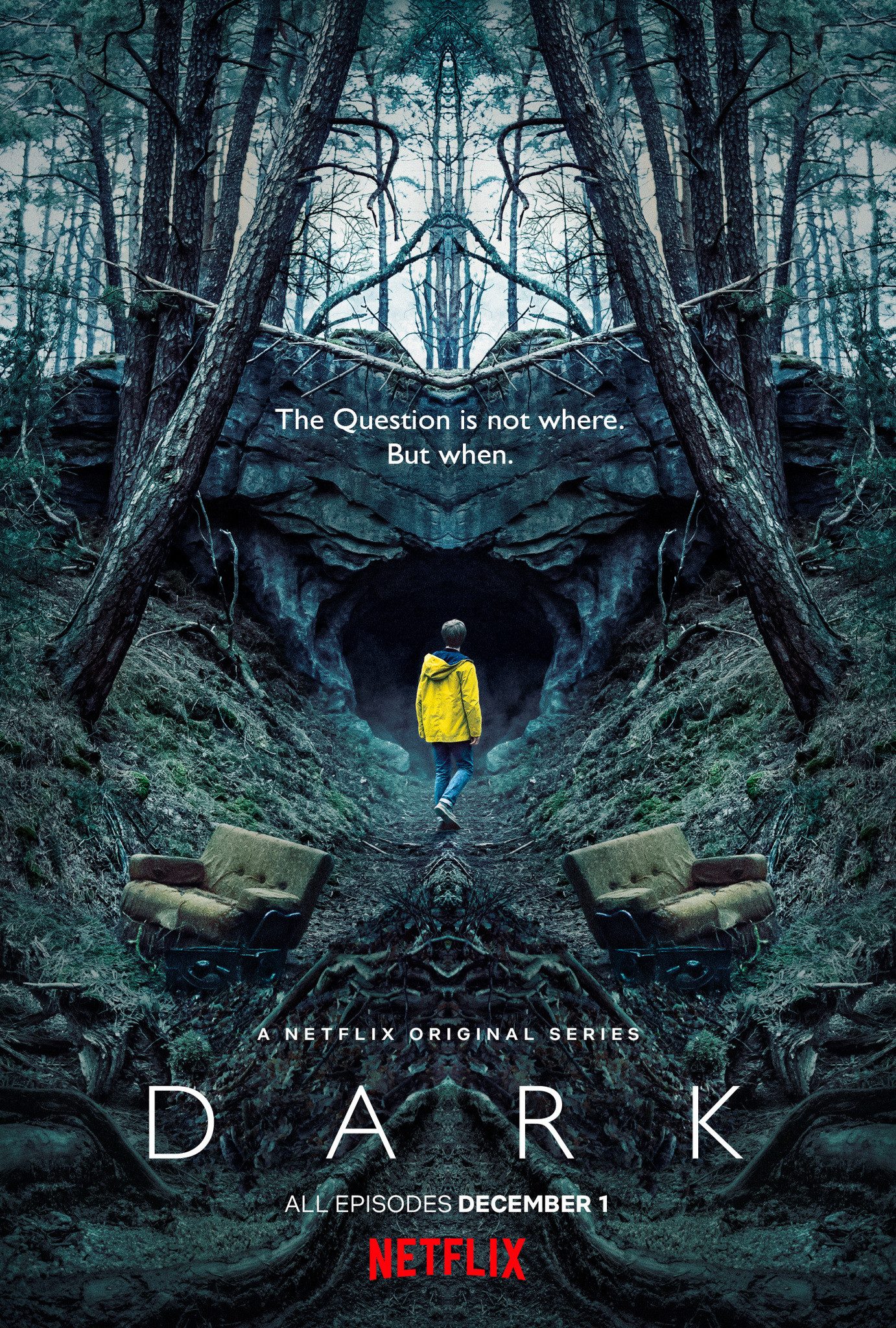
Bo Odar directs, and it looks like nothing else on television. Nikolaus Summerer shoots the forest in a wet green that is nearly grey, the cave mouth as a black hole in the middle of the frame, and the power plant’s cooling towers on every horizon. Udo Kramer’s version of the past is the show’s best trick: the same houses and the same school, with brown wallpaper, a Walkman on a desk and the same faces a generation younger. Ben Frost’s score is a low electronic hum under everything, with a two-note pulse like a clock that has stopped caring about you. Seven editors are credited across the run and the cutting has one idea it uses again and again, a hard match between the same spot in two different years, and it never wears out.
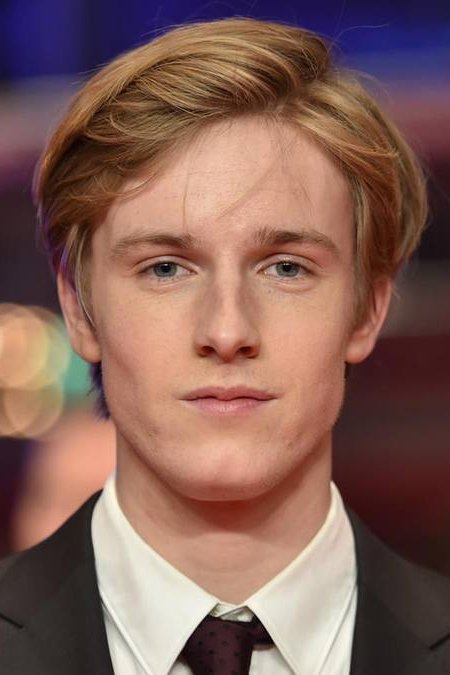
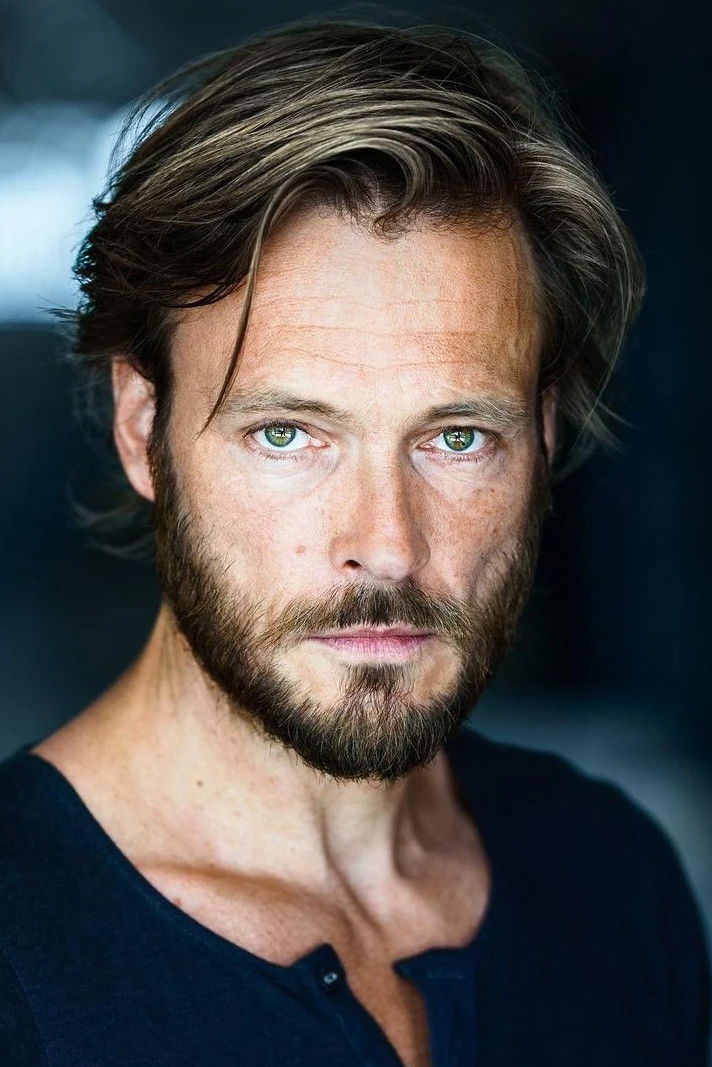
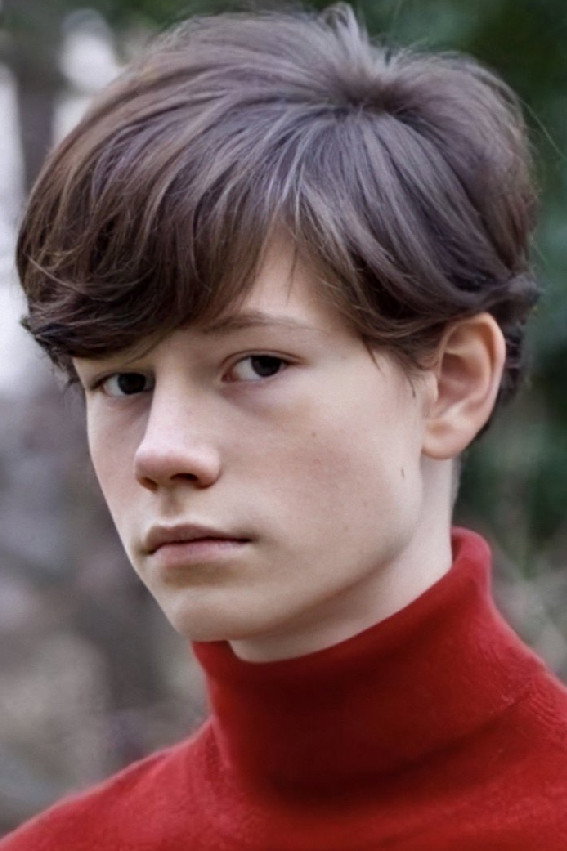
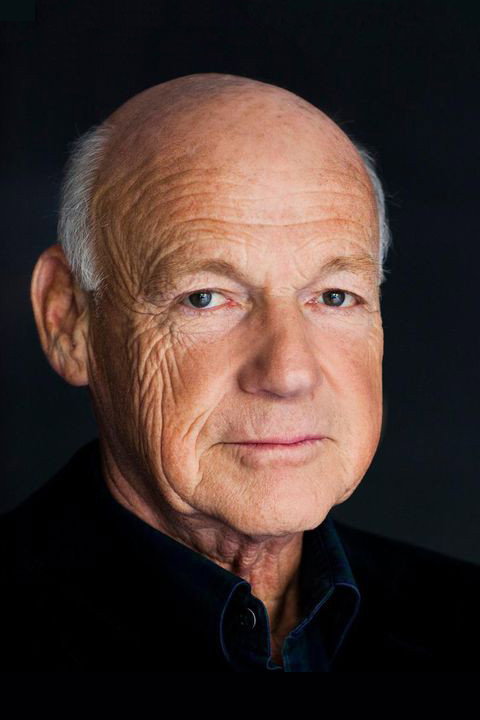
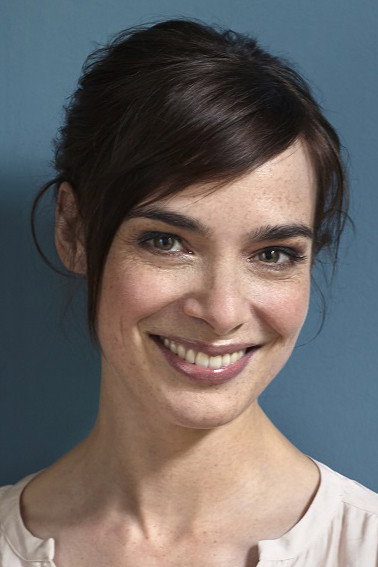
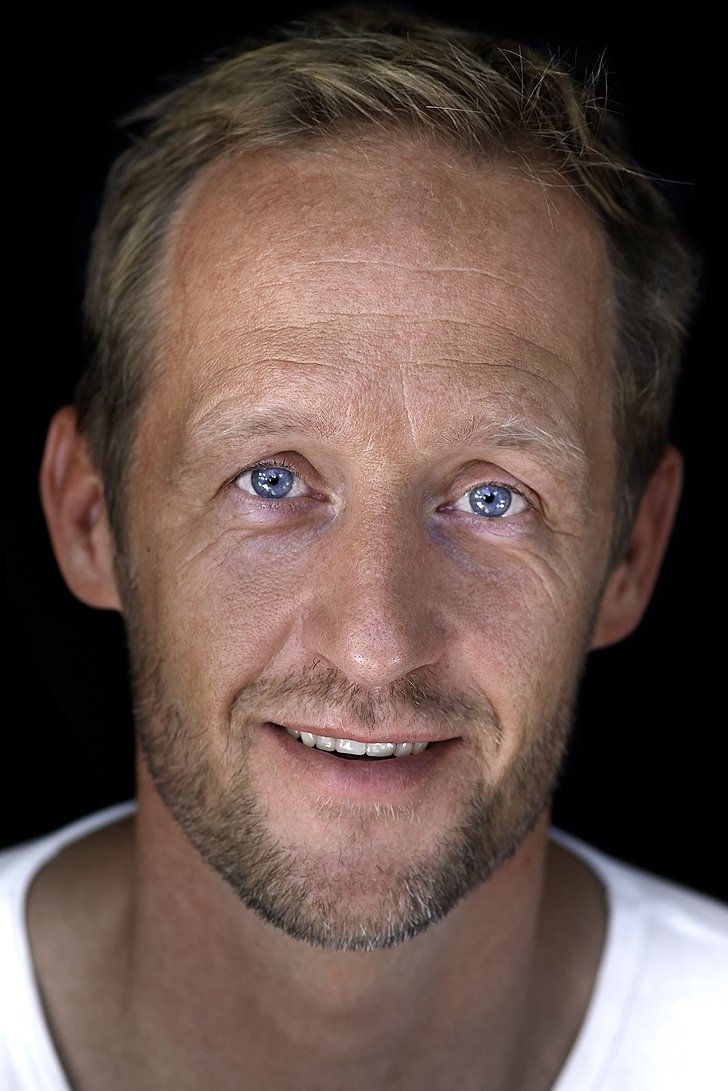
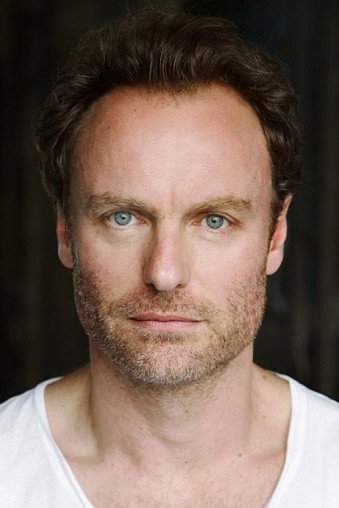
Louis Hofmann carries it as Jonas, a boy back at school after a breakdown that followed his father’s suicide, with a stillness that reads as shock in the first season and as something harder later. Oliver Masucci’s Ulrich Nielsen, a policeman whose brother vanished when they were boys and whose son vanishes now, is the one adult who behaves the way a frightened parent would, which is to say badly. Jördis Triebel’s Katharina shouts and is right to. Karoline Eichhorn plays the police chief Charlotte Doppler as the only person in Winden who writes anything down. Andreas Pietschmann’s Stranger arrives with a hood, a hotel room and a book about time, and Mark Waschke’s Noah, a priest with a tattoo the length of his back, is the only figure enjoying himself.
Here is what got us. The first episode ends with the children in the woods with torches, a noise from the cave, a red light, and a small boy who is no longer there. Frost’s drone drops out and we were properly frightened, the kind of fright that is about a parent rather than a monster. Later, and we will not say when, the series puts two people in a room who should not be in the same year, and plays the scene without a line of explanation. It moved us more than we expected a diagram to.
Because it is a diagram. Friese and her writers have built a machine in which every character is a cog, and a cog does not get to be funny, or vague, or wrong about anything that does not matter. Nobody in Winden laughs. Everyone speaks in the same low voice about time and fate, and by the third season we could finish their lines ourselves. Some critics complained that there was nobody here to care about, and for the first season they were half right. It was the plot we cared about, and the plot looked after us.
Lost (2004) asked questions for six years and shrugged. Twin Peaks (1990) was never interested in answers. Dark has a chart, and by the end of the third season every name on it has been accounted for, which we cannot often say of a mystery series. The cost is that the third season is mostly accounting, and there are stretches where people explain the show to each other while the forest waits outside.
Watch it in German with the subtitles, not the dub, because Hofmann’s silences are the performance. Take it a season at a time, with a gap between, and keep a family tree on a sheet of paper; you will not be the first. It carries a 15, mostly for what happens in the woods.