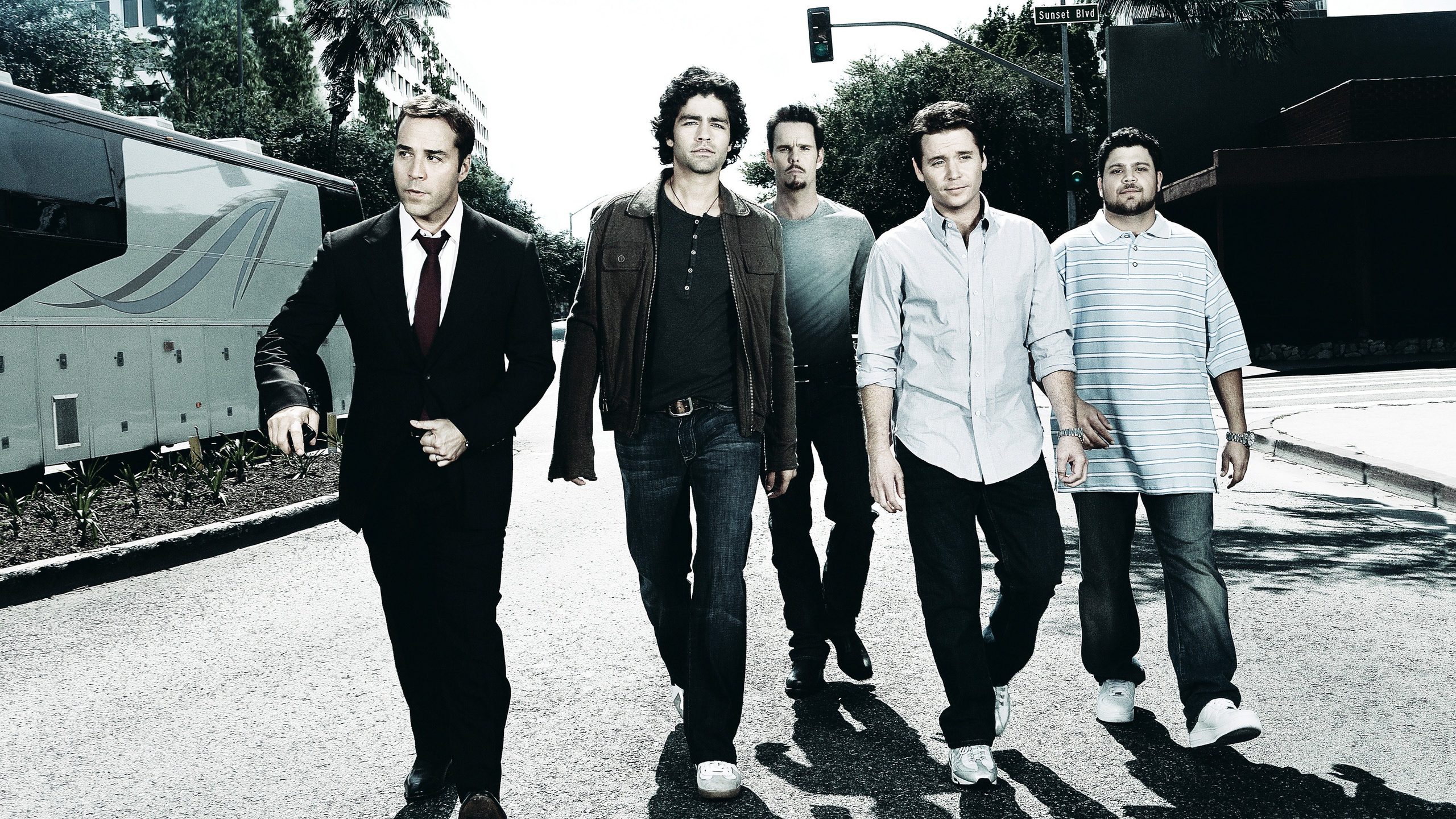
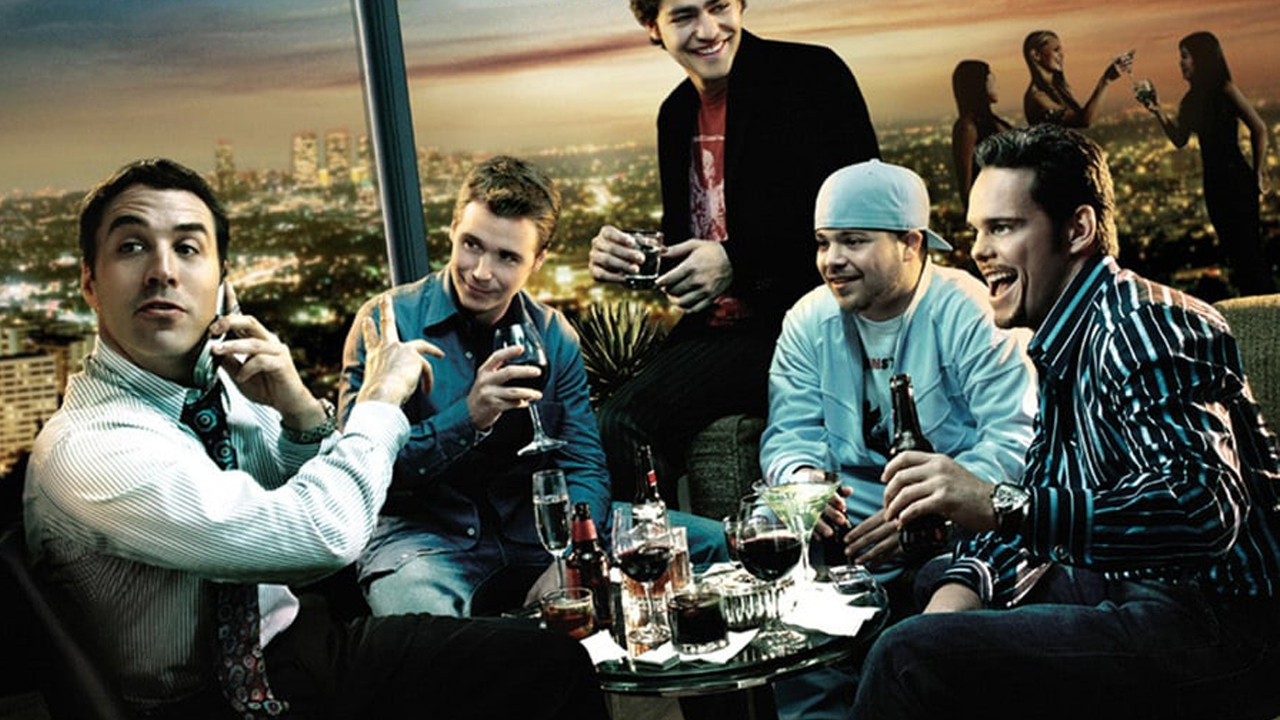
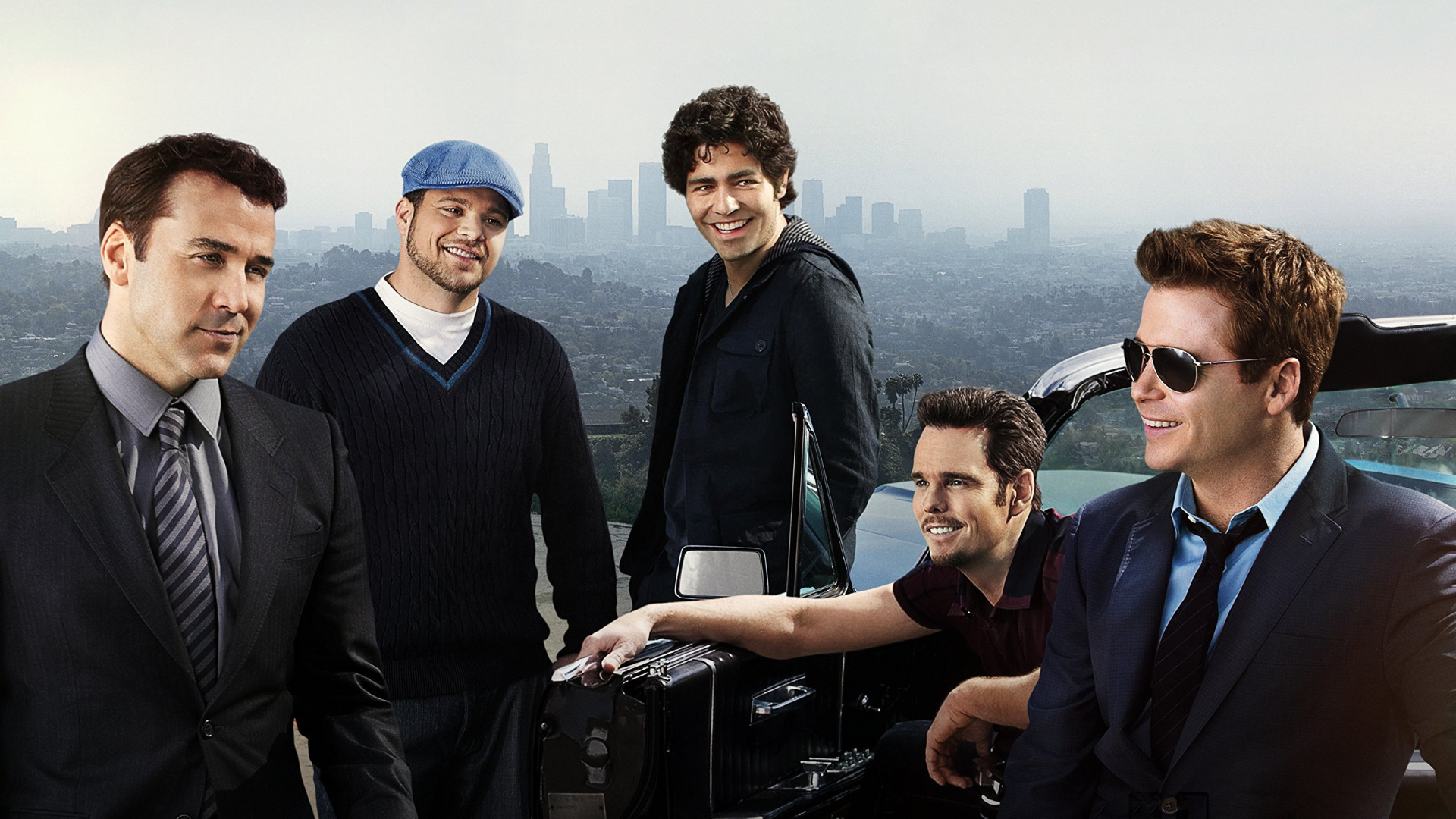
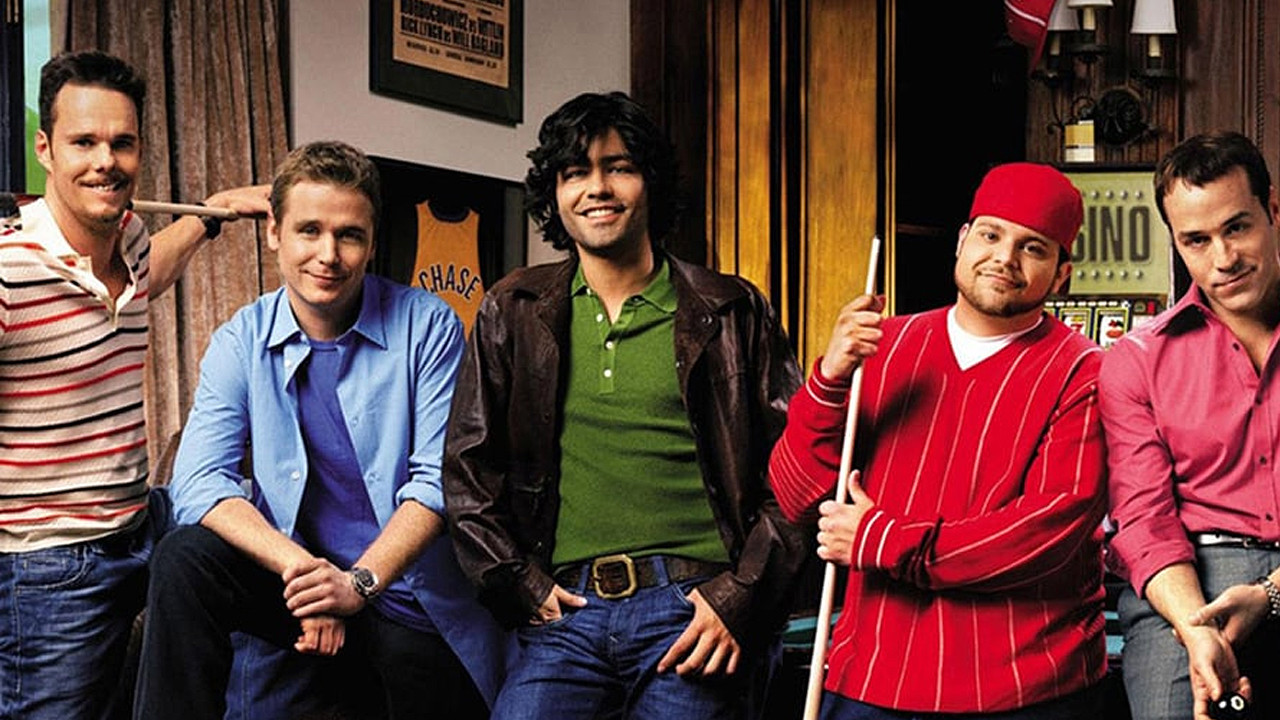
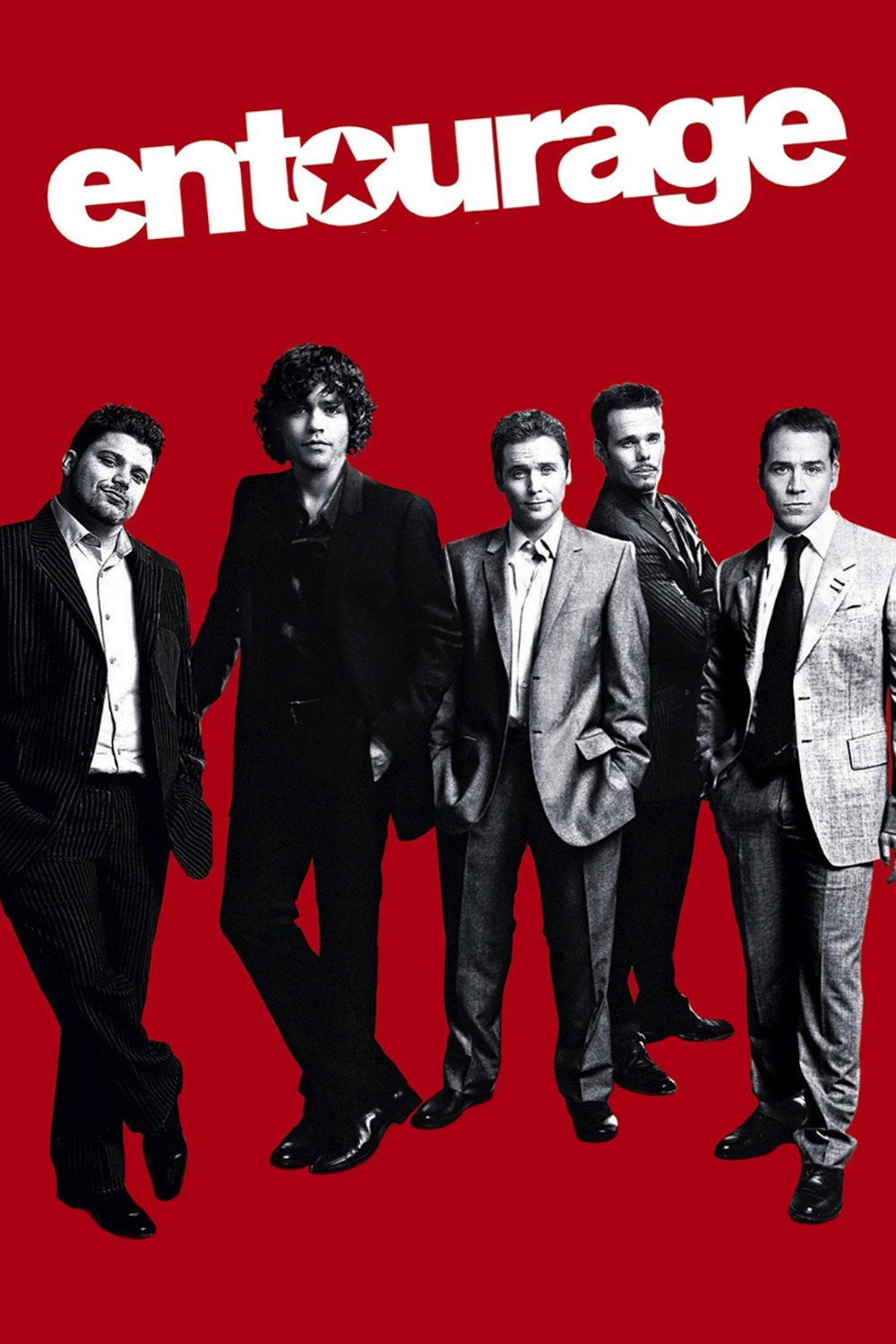
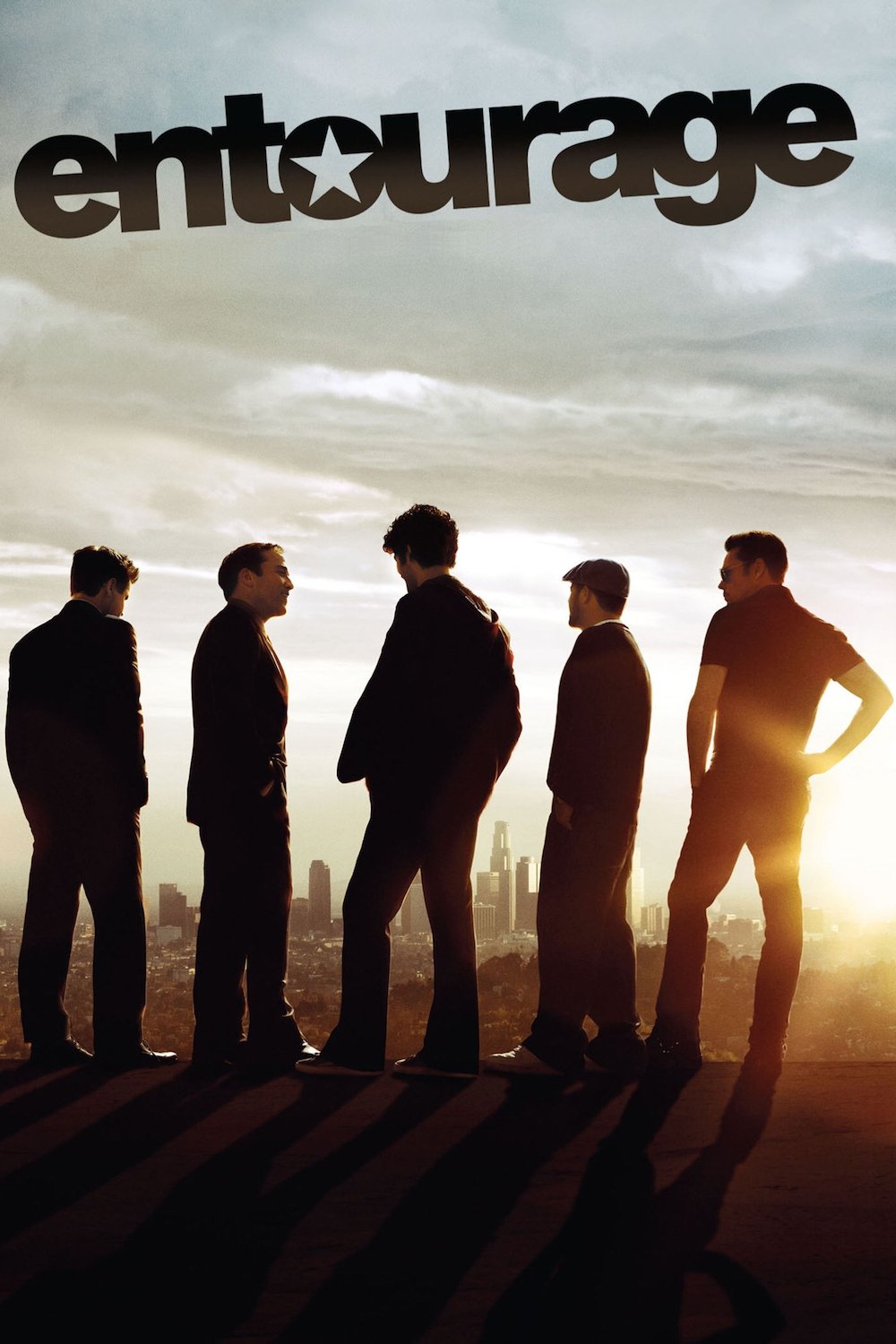
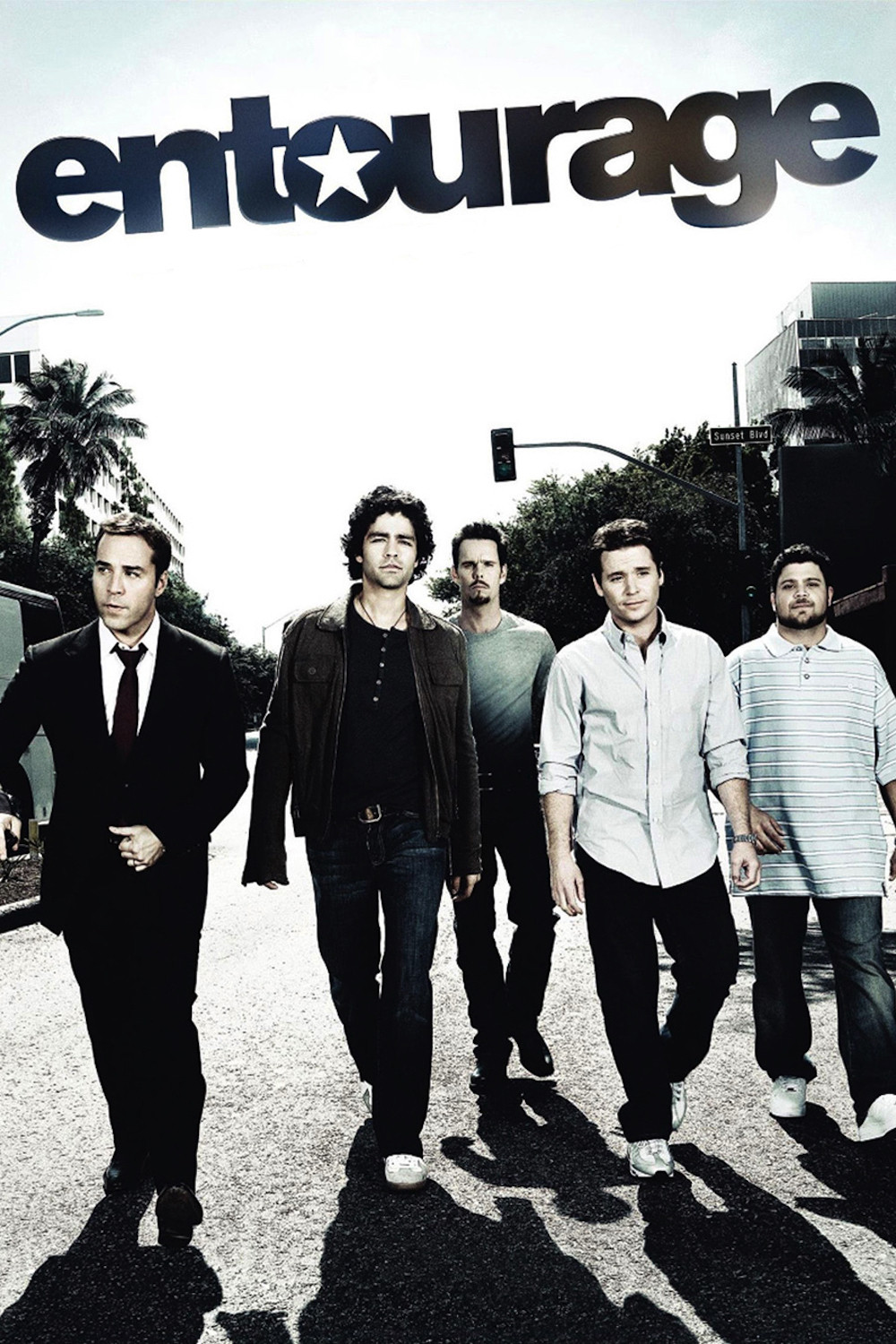
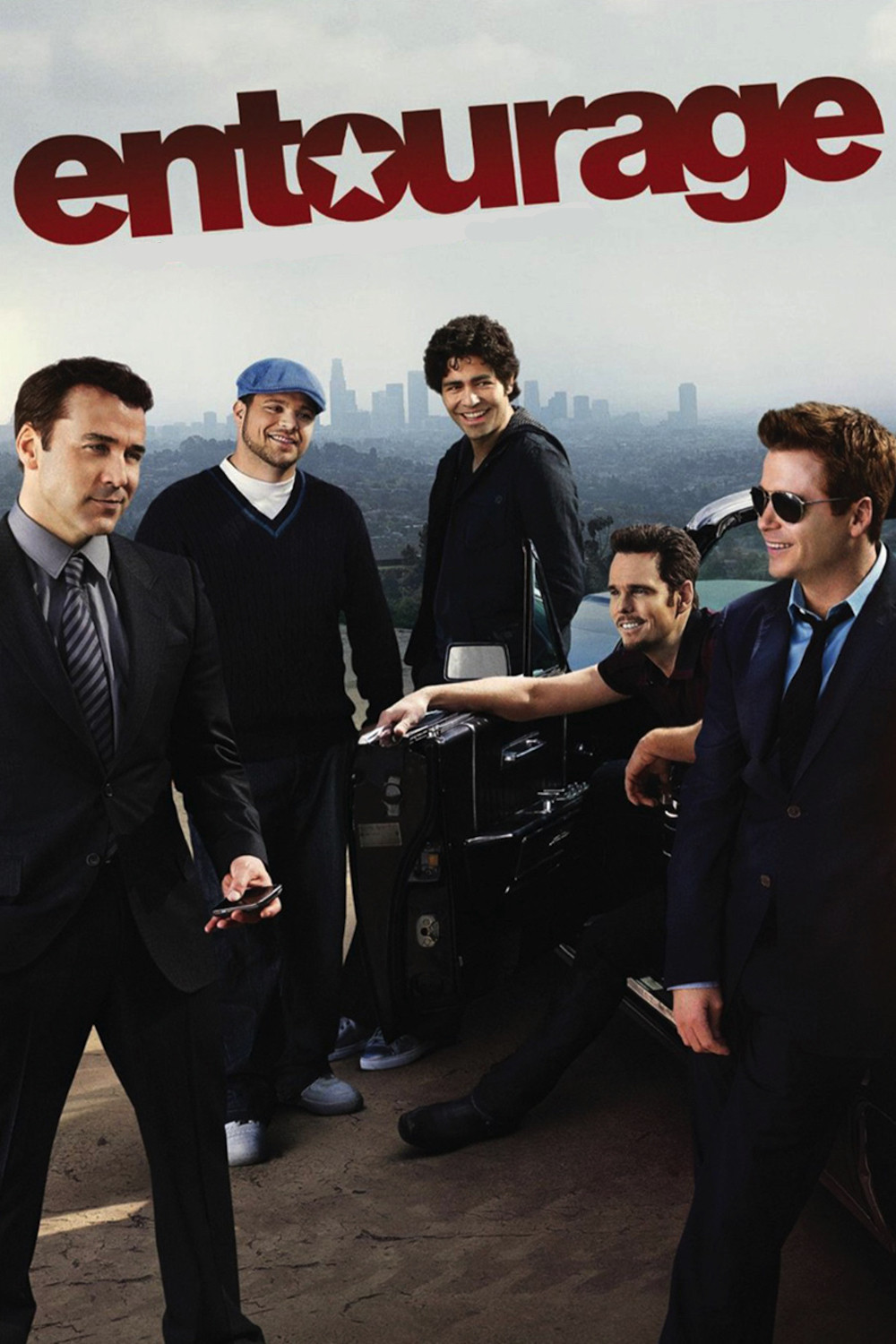
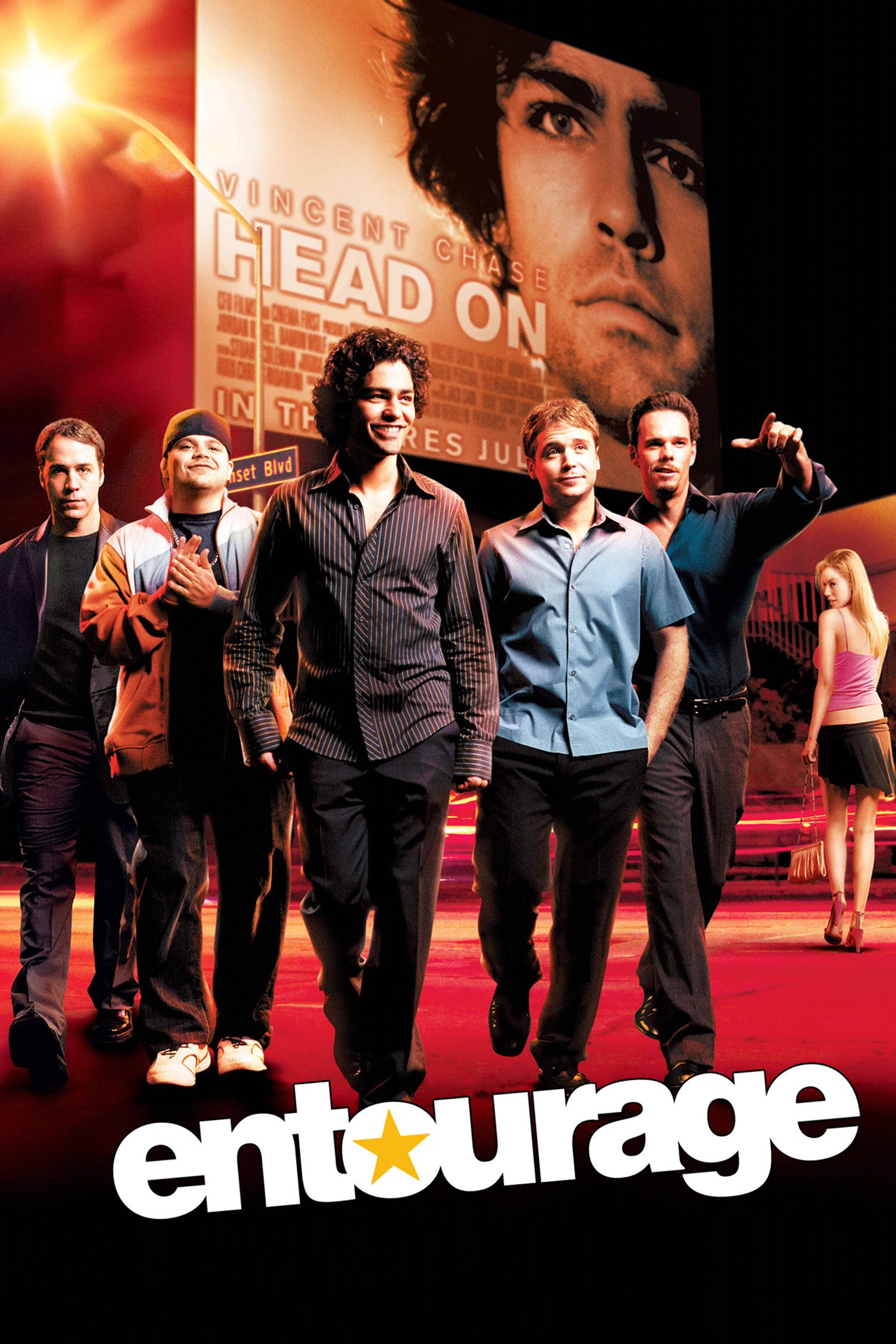
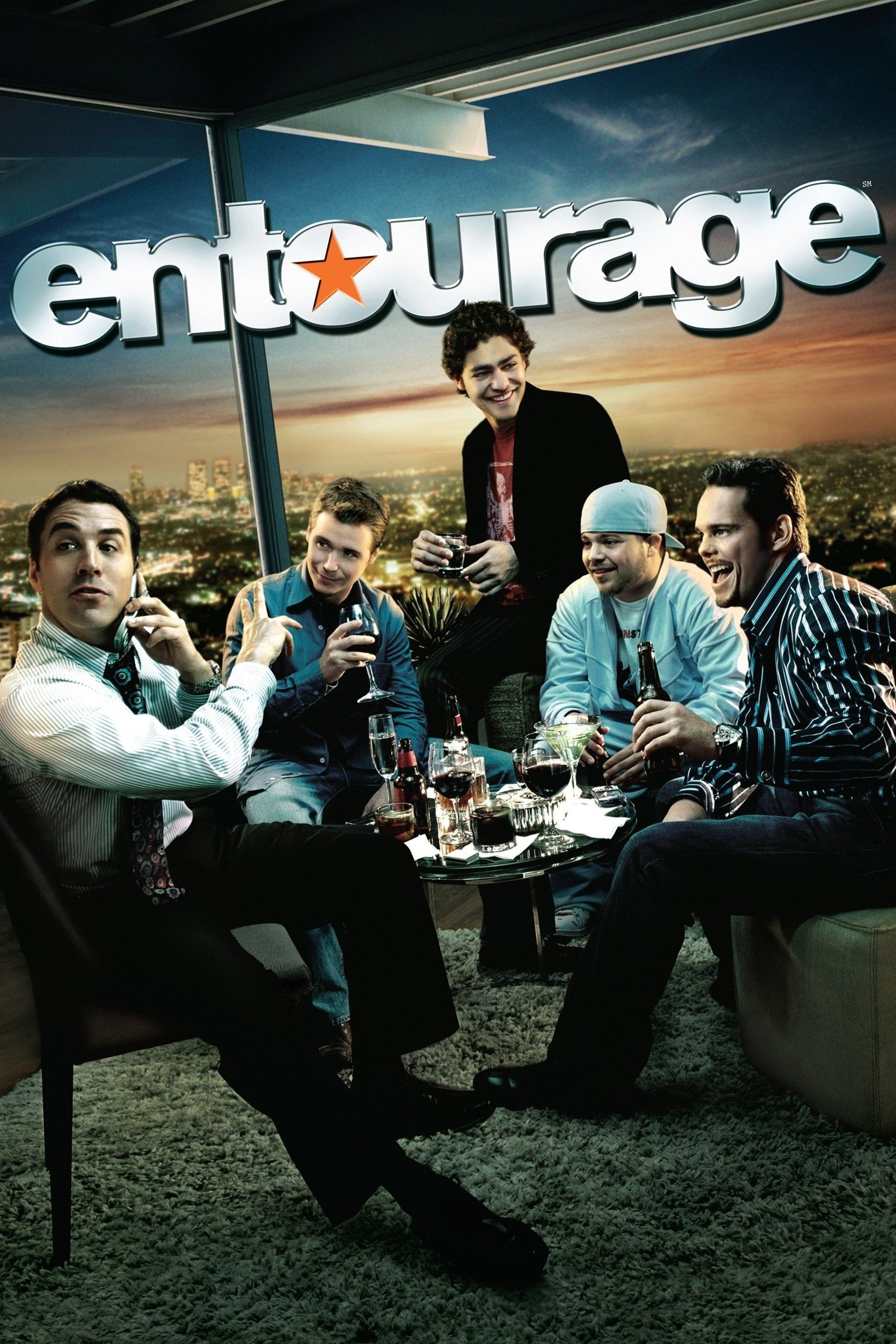
Doug Ellin’s Hollywood comedy has one great character in Jeremy Piven’s Ari Gold and three amiable ones, and runs them for eight seasons on charm and expensive cars. Easy company for a while; it never grows, and never seems to want to.
Doug Ellin’s series carries the tagline “A lifestyle is a terrible thing to waste”, and that is the most honest thing about it. Entourage is about a young film star, Vincent Chase, and the three friends from Queens who live off him, and it wants you to want their life: the house, the cars, the women who arrive and leave without names. For two seasons it does this with enough speed and good humour that we did not mind. Over eight seasons and 96 episodes it becomes plain that nothing will happen to these men that cannot be undone by the next episode, and the good humour wears thin. It is decent company. It is not much more than that.
The reason to watch is Jeremy Piven. Ari Gold, Vince’s agent, is the only character on screen with a job he might lose, a wife (Perrey Reeves’ Melissa Gold) who might leave, and a temper he cannot afford. Piven plays him at full volume, a phone in each hand, abusing his assistant Lloyd Lee (Rex Lee) with an inventiveness Lloyd returns in kind, and the scenes between those two are the best-written thing the show ever does. We laughed at Ari, out loud, far more than we had expected to. He is a monster with a mortgage, and the show knows it.
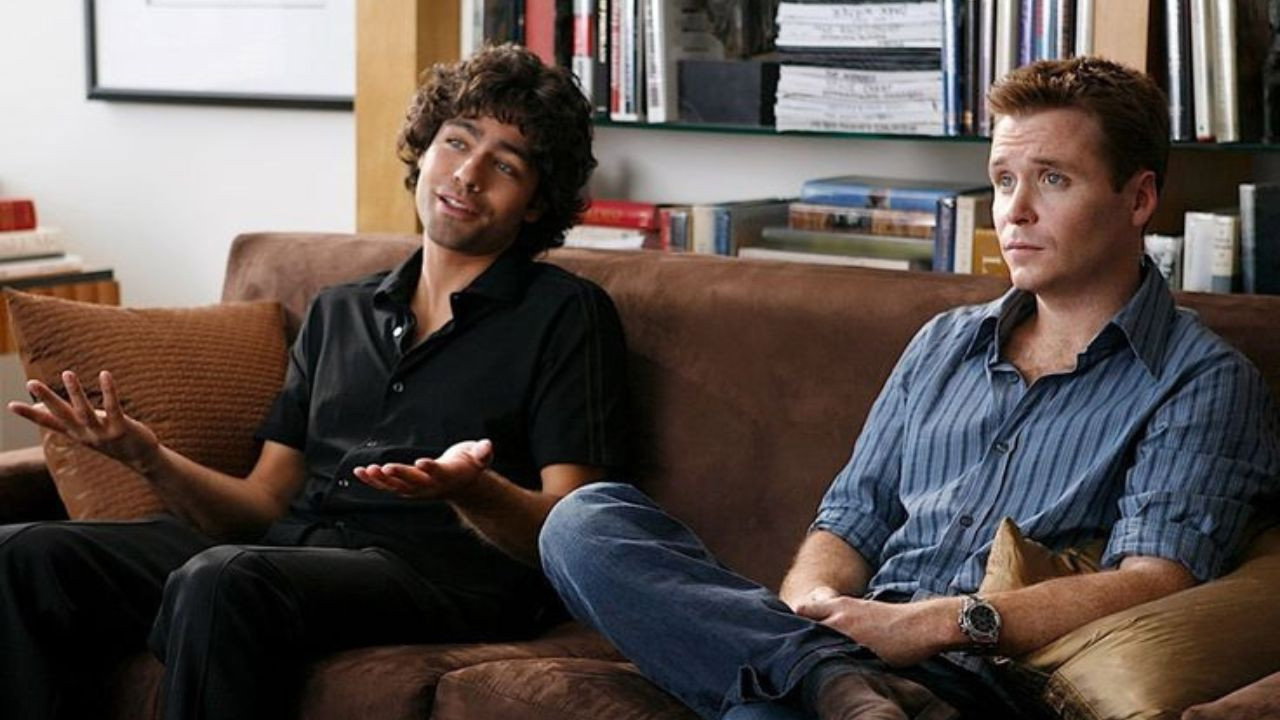
The boys are pleasant. Kevin Connolly’s Eric is the one with a conscience, and the one the writers most often forget to give a joke. Jerry Ferrara’s Turtle drives and eats. Kevin Dillon’s Johnny Drama, the older half-brother whose career has already happened, is the show’s second-best creation: a man auditioning for his own life every day and losing on a technicality, and Dillon gets real sadness into the bluster. Adrian Grenier has the hardest job, because Vince is written as a man things happen to. He is handsome, agreeable and interested in nothing, and Grenier plays that accurately, which is not the same as playing it well.
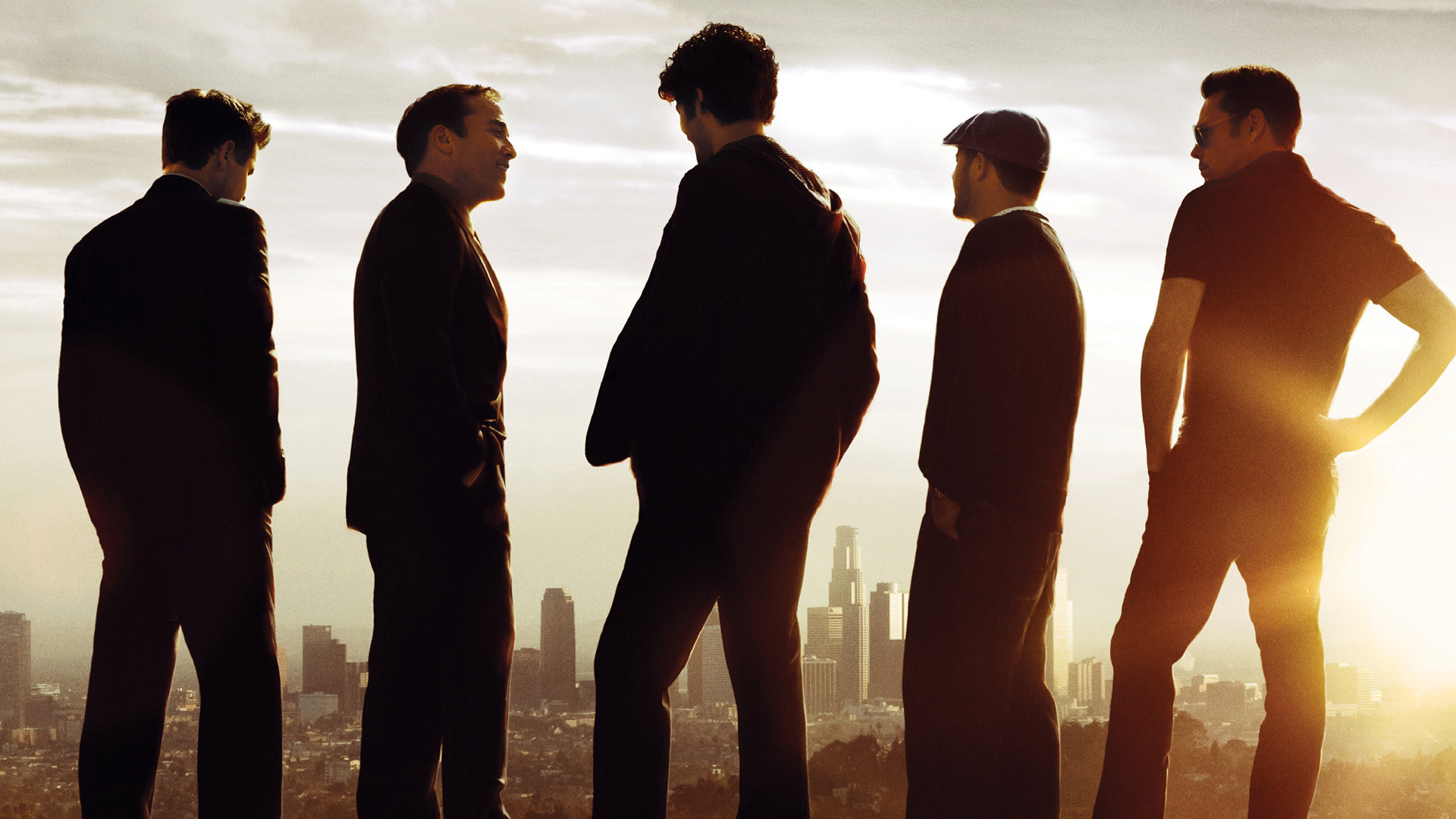
The directors, among them Julian Farino, Mark Mylod and David Nutter, shoot Los Angeles as a place where it is always four in the afternoon. Sunlit boulevards, palms, glass, the car with the top down; Jeff Groth cuts the driving into brisk montages so that getting from one party to the next feels like an event. It is handsome television and it moves. It also looks the same in the eighth season as it did in the first, and by then the sameness is the problem rather than the style.
Somewhere in the fourth season we noticed we had not laughed at anything but Ari for some time, and that the show did not mind. Season 3 alone runs to 20 episodes, and the plots (a film Vince wants, a film Ari wants, a director, Rhys Coiro’s Billy Walsh, who treats every note as an assault) begin to repeat with the names changed. Nothing costs anyone anything. Every setback is reversed within an episode or two, and the boys greet each rescue as if it were the natural order. The women, Emmanuelle Chriqui’s Sloan McQuewick chief among them, are written to wait for the men to grow up, and since the men never do, the women mostly wait. We began amused by the boys’ indifference to consequence and ended up sharing it, which is not what a comedy is for.
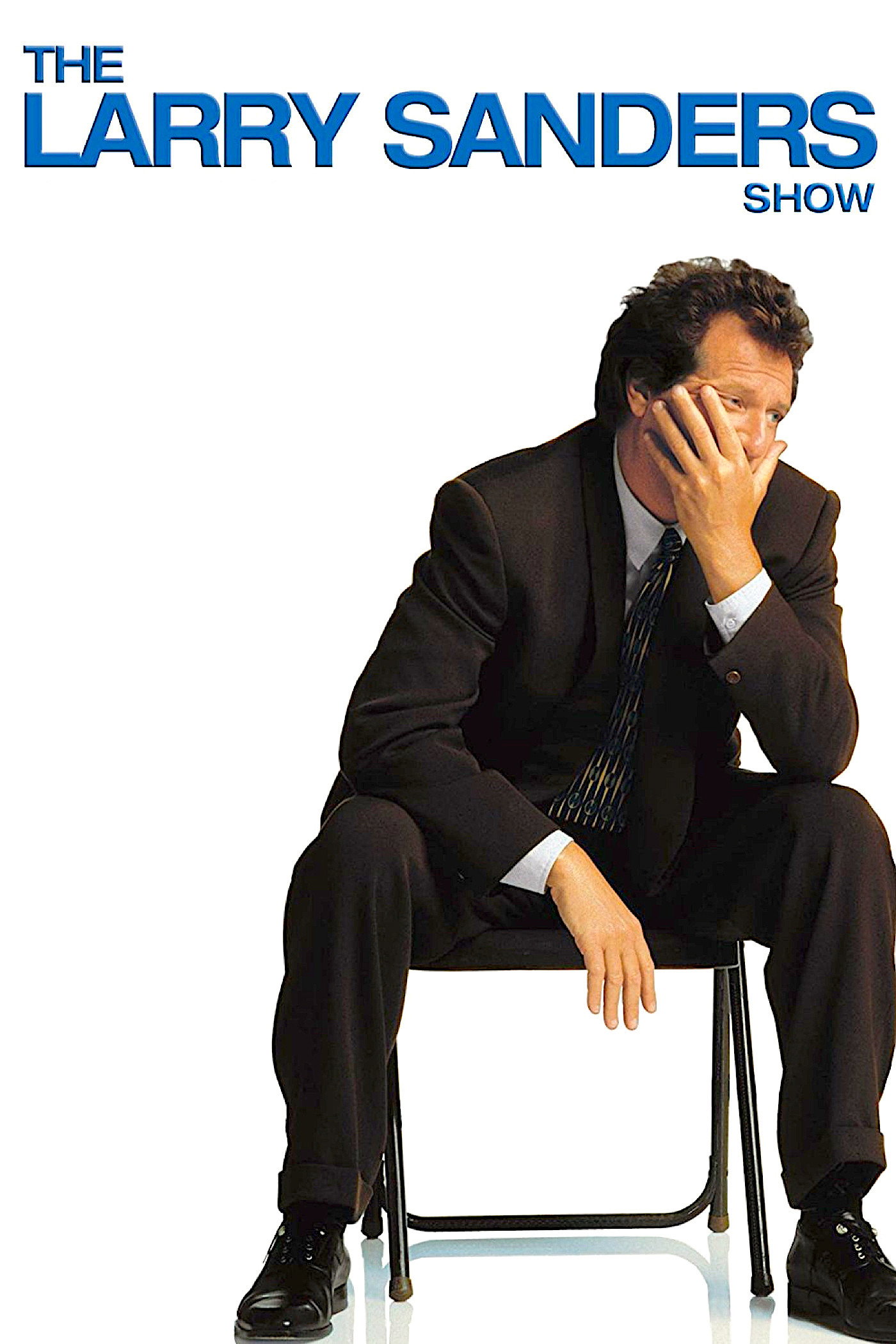
Set against the Hollywood comedies it grew up alongside, The Larry Sanders Show and Curb Your Enthusiasm, it is softer and less curious. Those shows were about people who were awful and knew it. Entourage is about people who are lucky and think it is a virtue. Most critics have been warmer than we are, and about the first two seasons we would not argue with them. The trouble is the other six.
Watch the first two seasons, an episode at a time, with someone who will enjoy shouting along with Ari. Stop when you find yourself checking how many episodes are left in the season. That is the show telling you it has finished, whatever the episode count says.