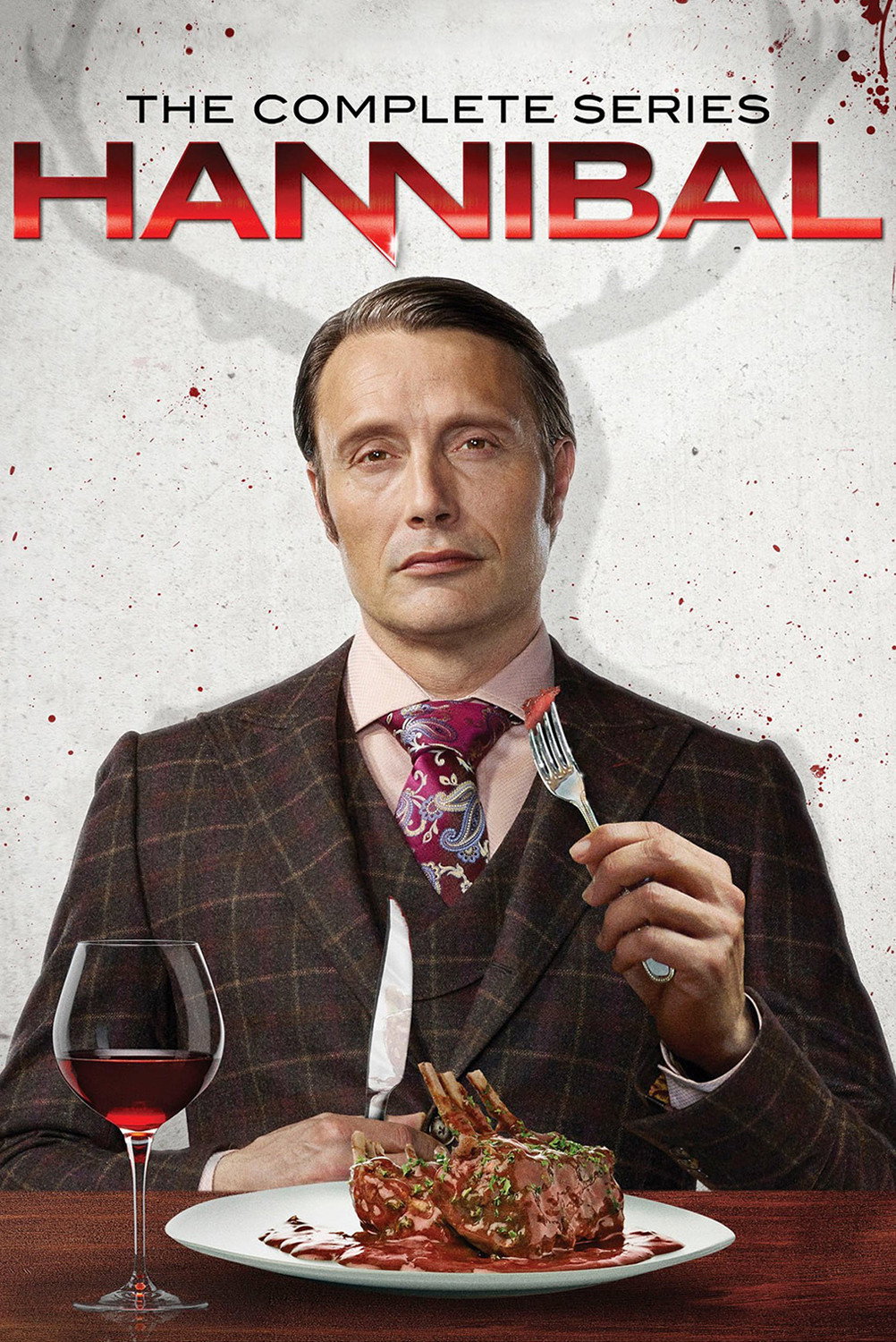
Bryan Fuller’s series takes the most familiar monster in the cinema and makes him new by keeping him at the dinner table. It is as handsome as television gets, and now and then it loves its corpses more than its people.
Bryan Fuller goes back to before Thomas Harris’s Red Dragon, to the point where Will Graham and Hannibal Lecter first sat in a room together, and asks how a man whose job is to see killers failed to see this one. It is a good question and the series gets three seasons and 39 episodes out of it. Hannibal is very good. It is also, at times, so pleased with the way it has arranged a body that it forgets to be about anyone alive.
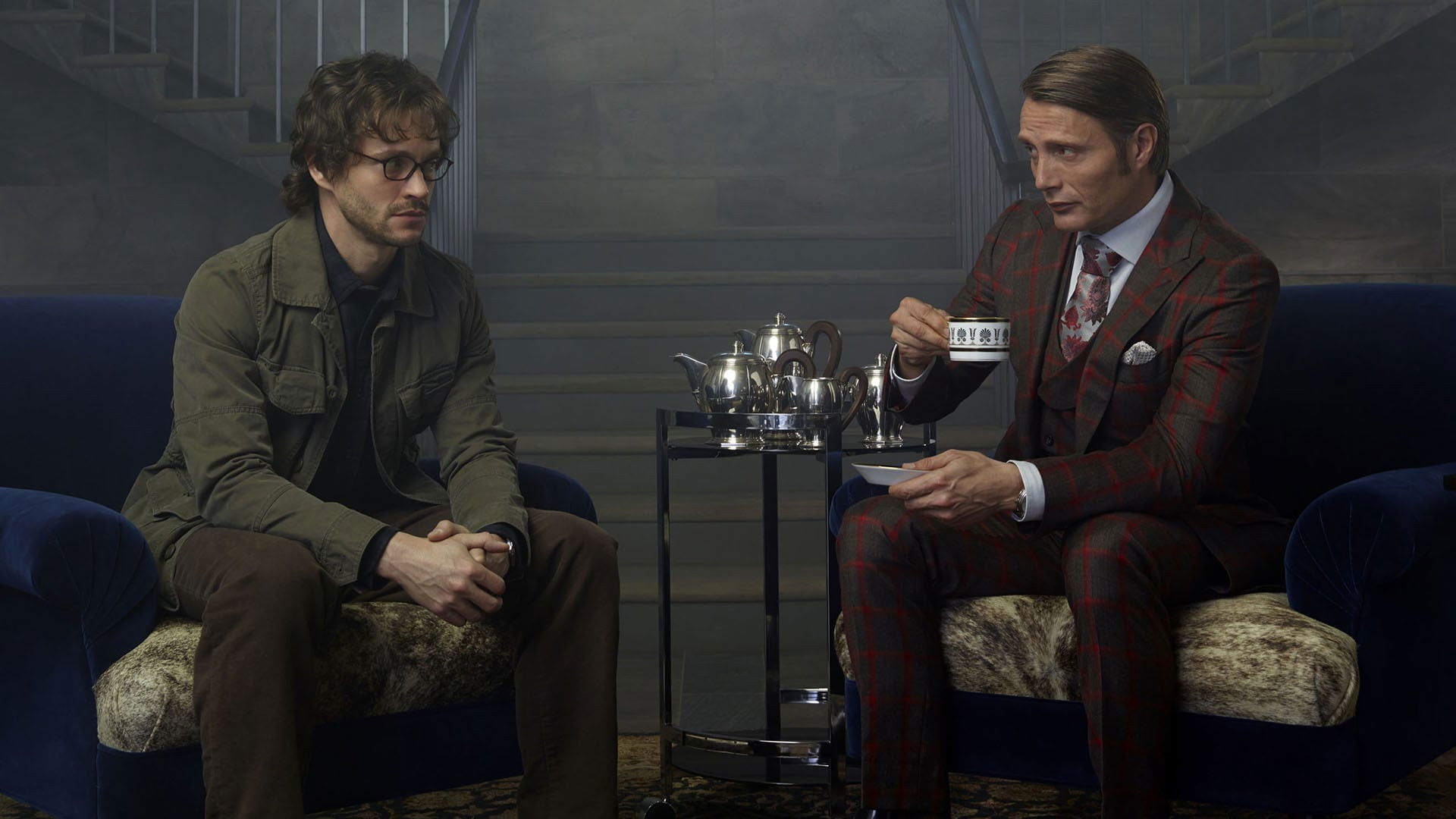
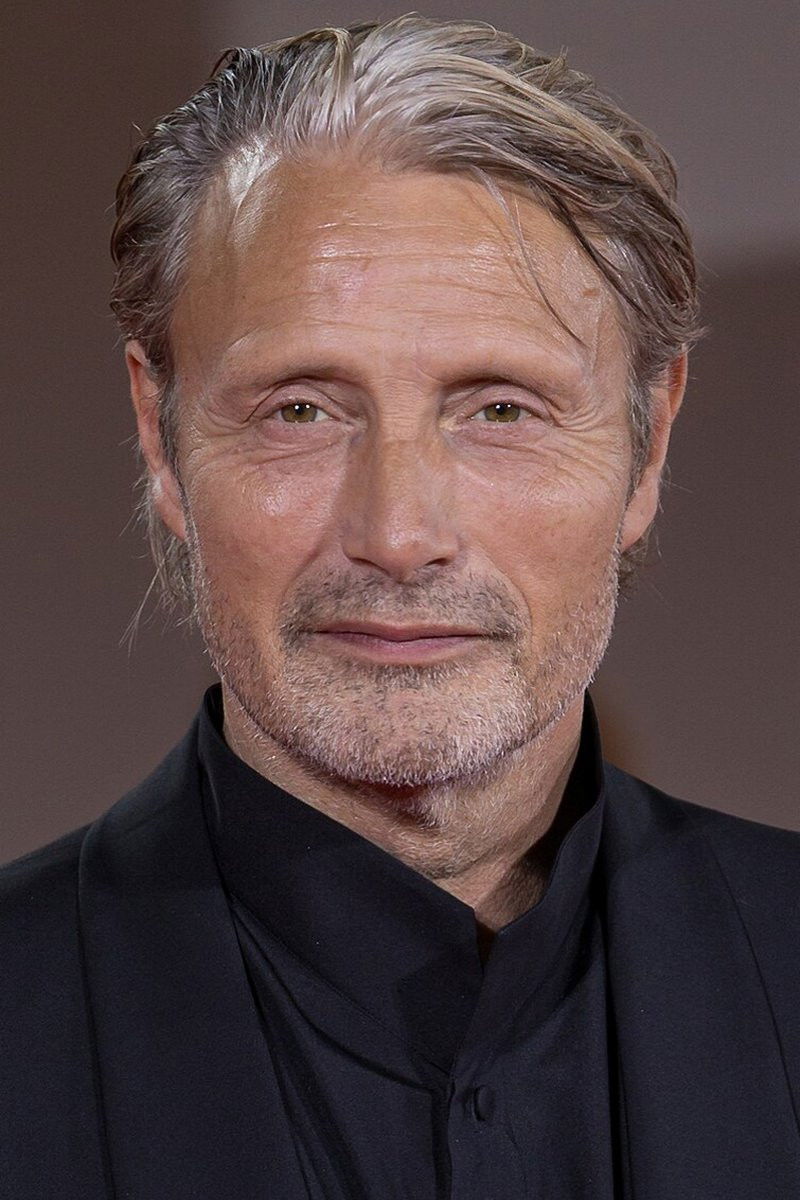
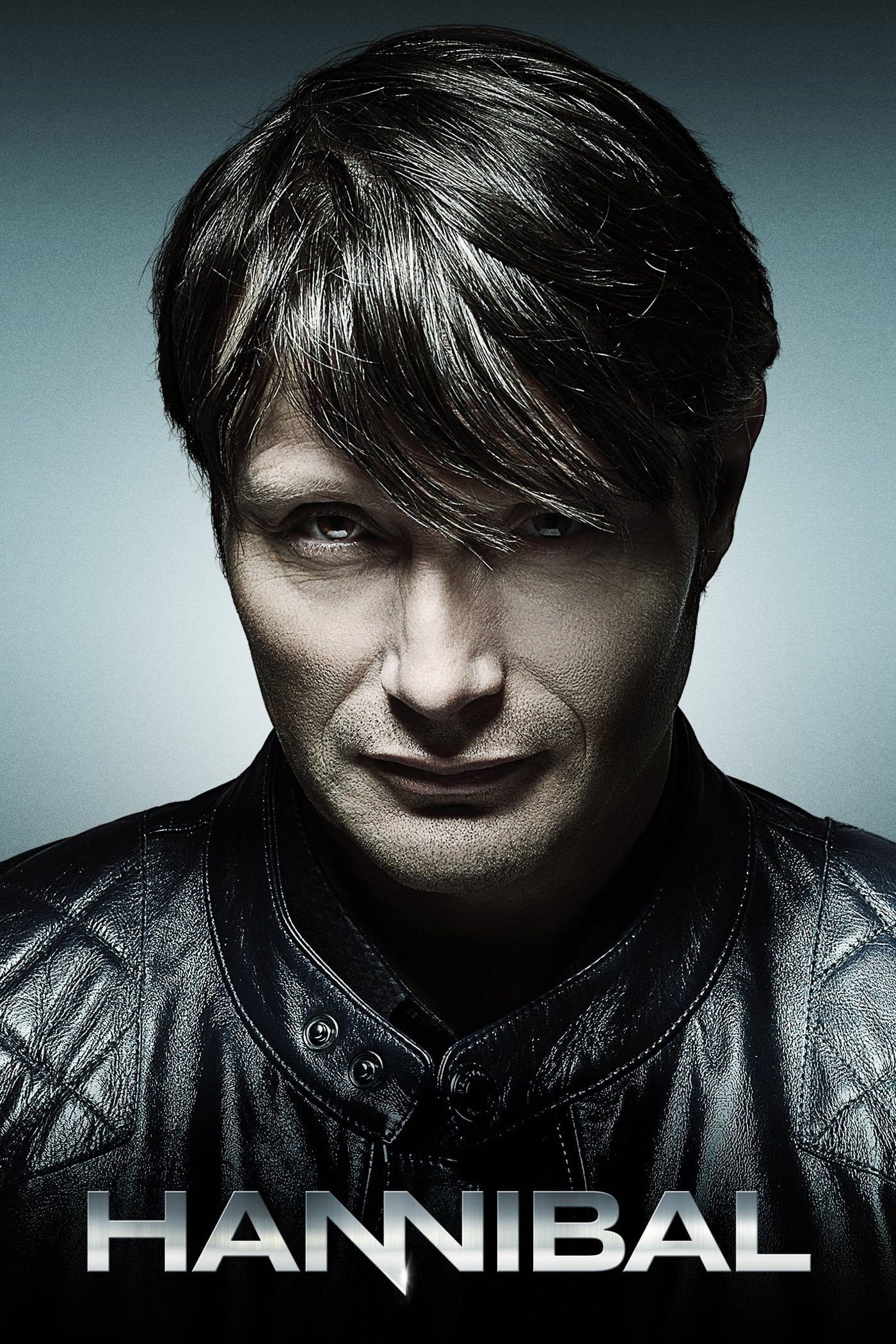
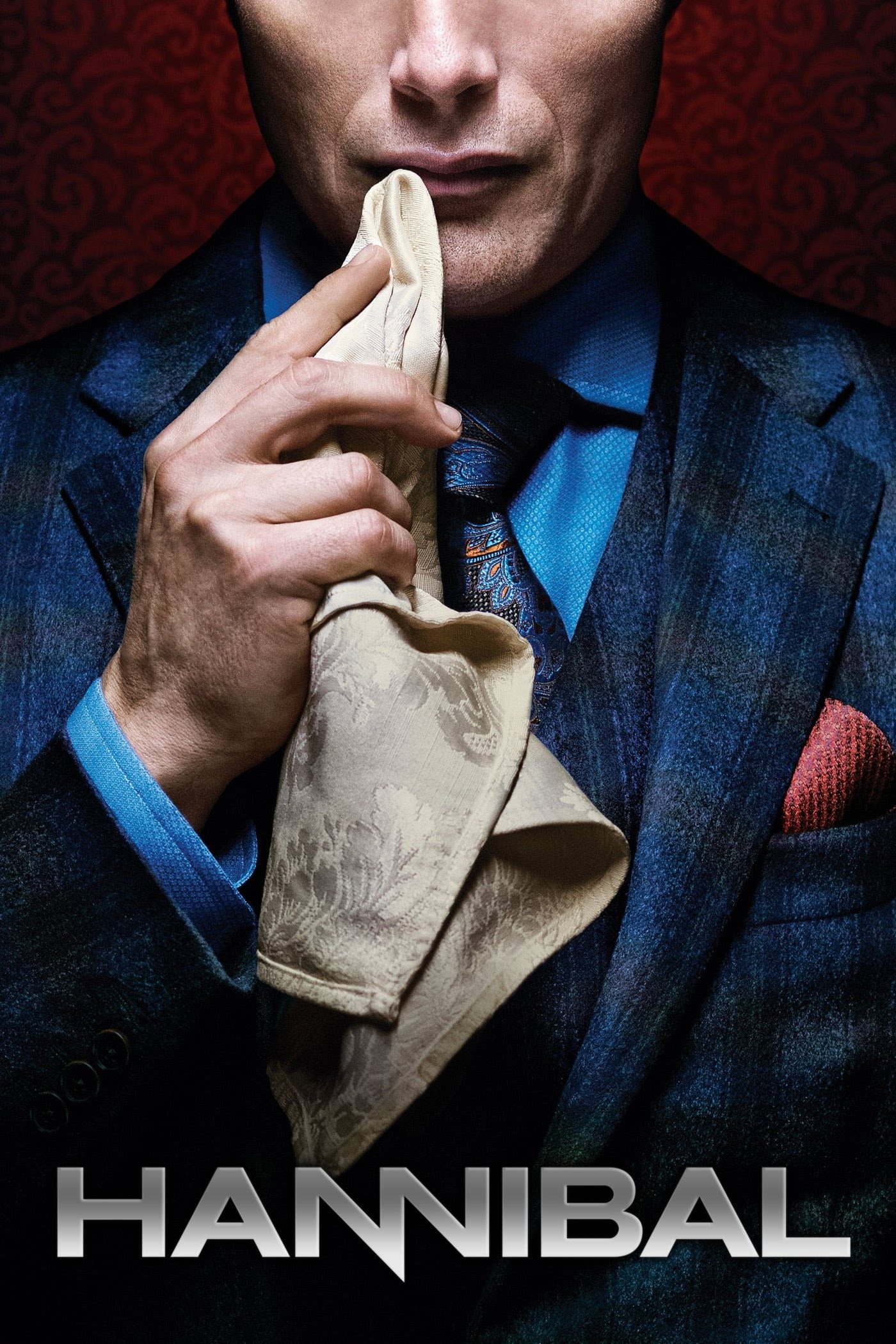
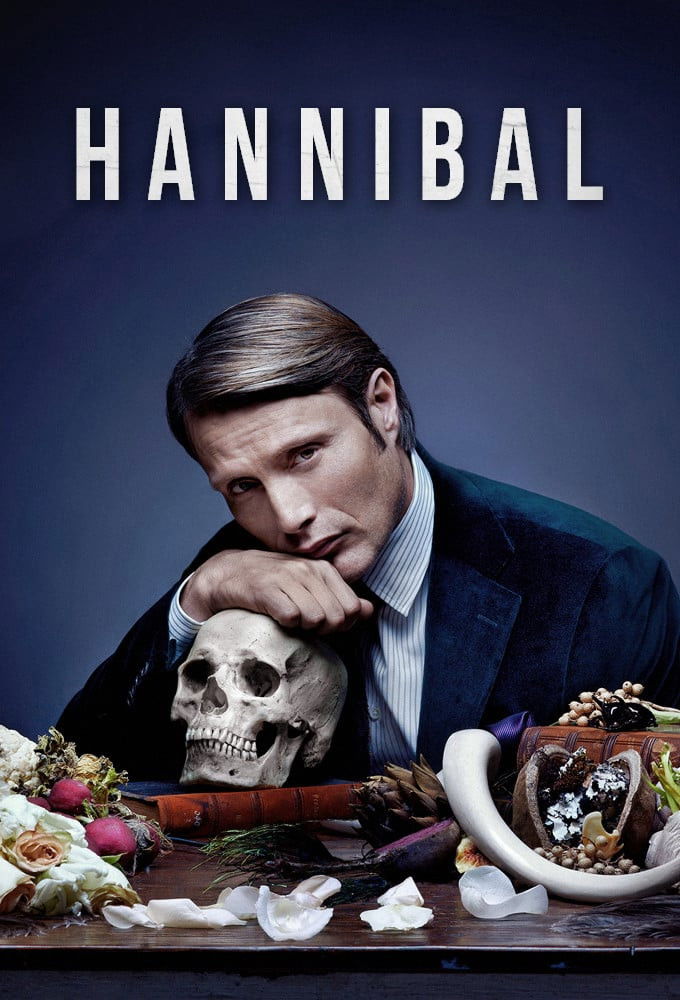
Mads Mikkelsen plays Lecter without the relish Anthony Hopkins brought to him. He barely raises his voice. He tilts his head, waits, and lets a small amusement pass across his face when someone says something he can use later. Christopher Hargadon dresses him in three-piece suits of plaid and paisley that no honest man would wear, and he cooks in long, close, quiet sequences in which a knife goes through something dark and the fat hisses in the pan. We knew what it was. We were hungry anyway, and then a little ashamed of ourselves. That is the trick the whole series plays, and Mikkelsen plays it best.
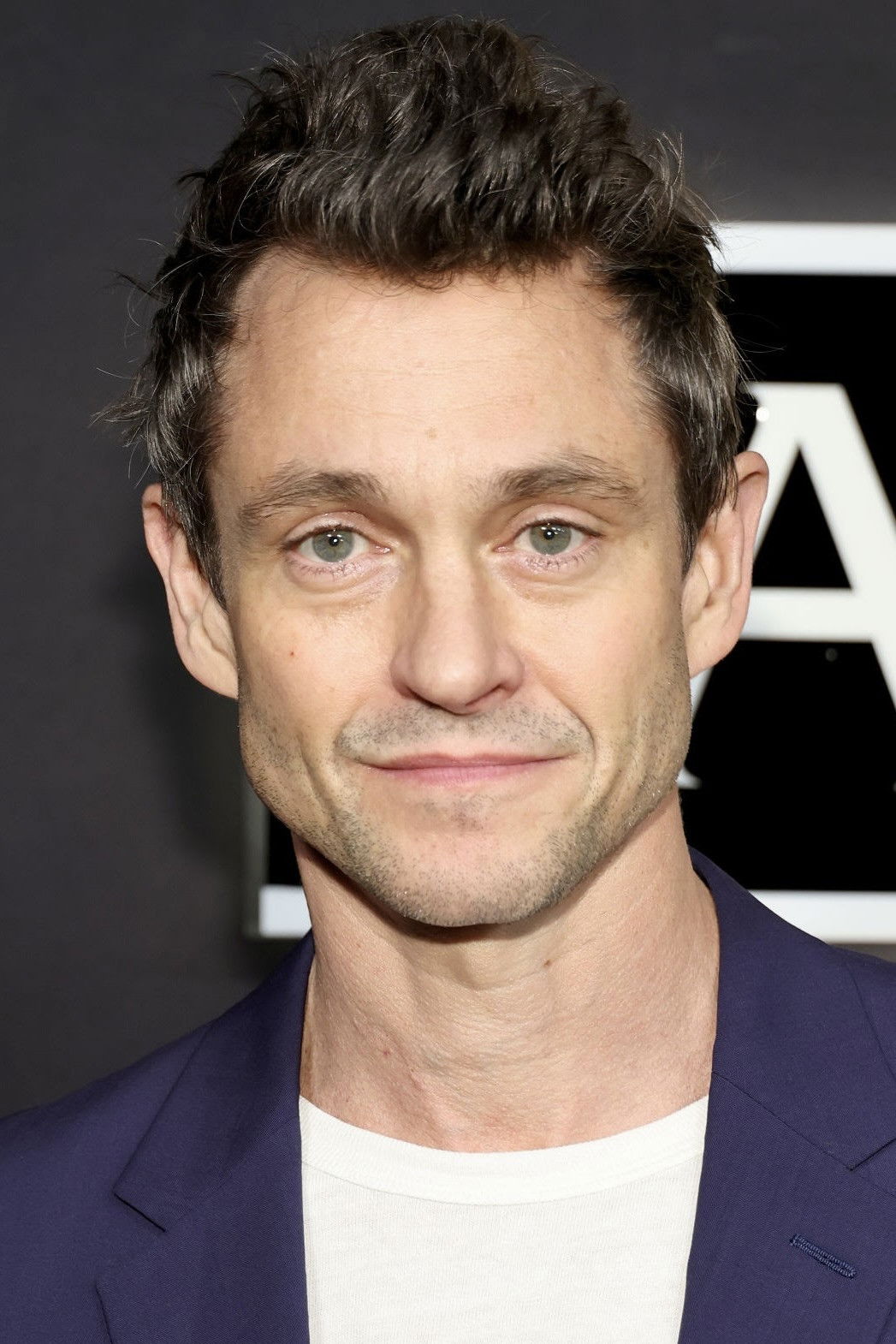
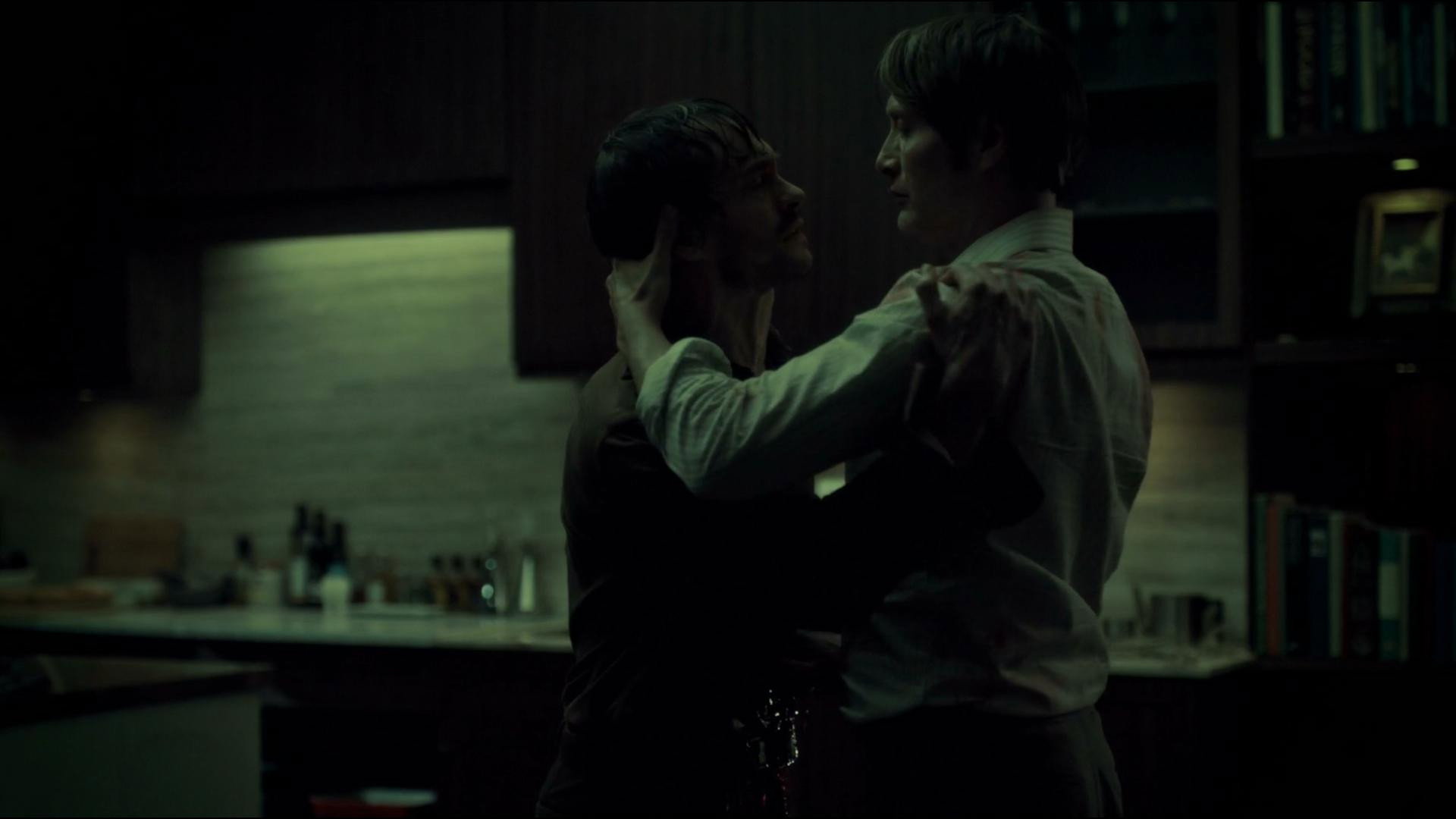
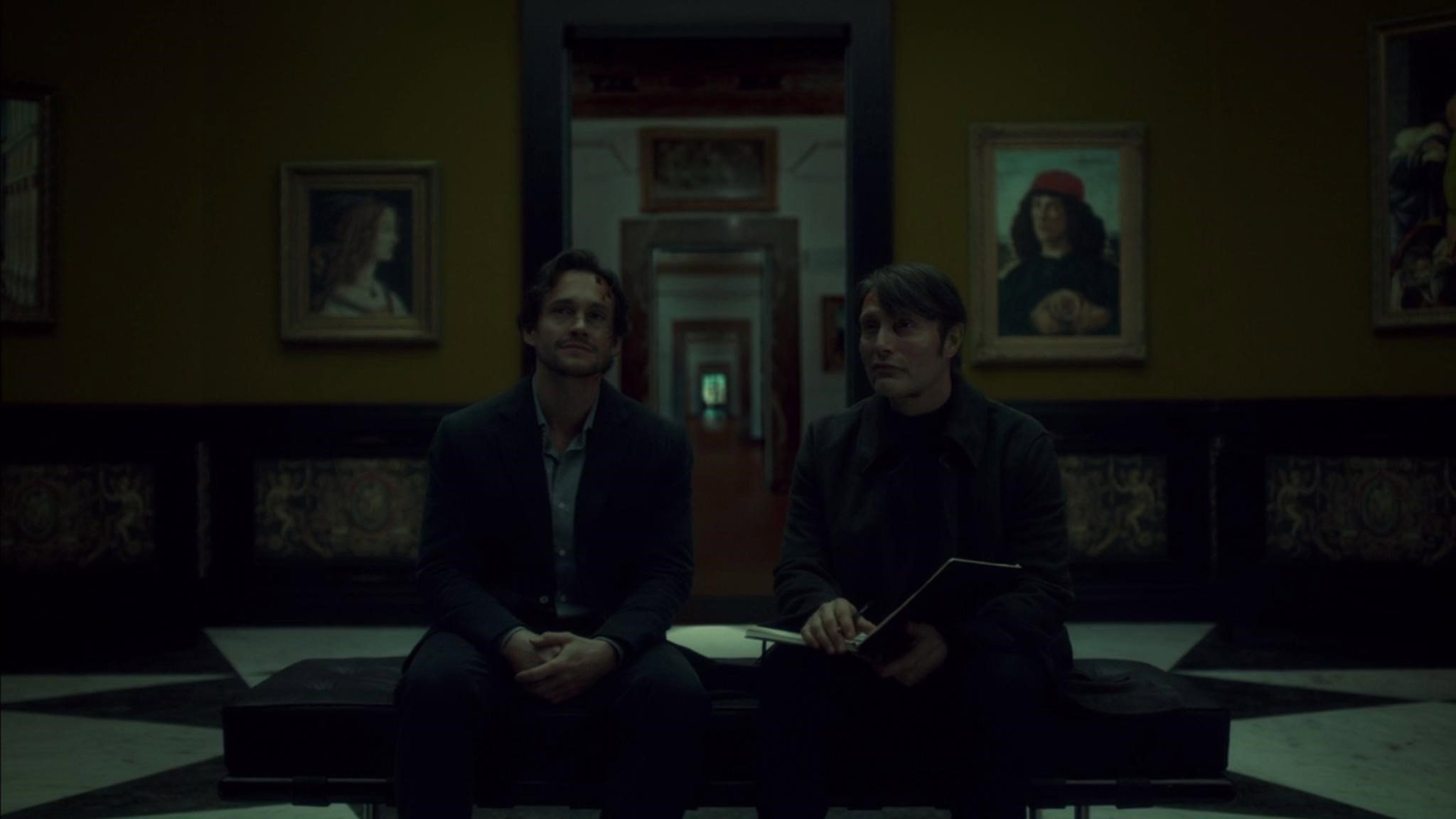
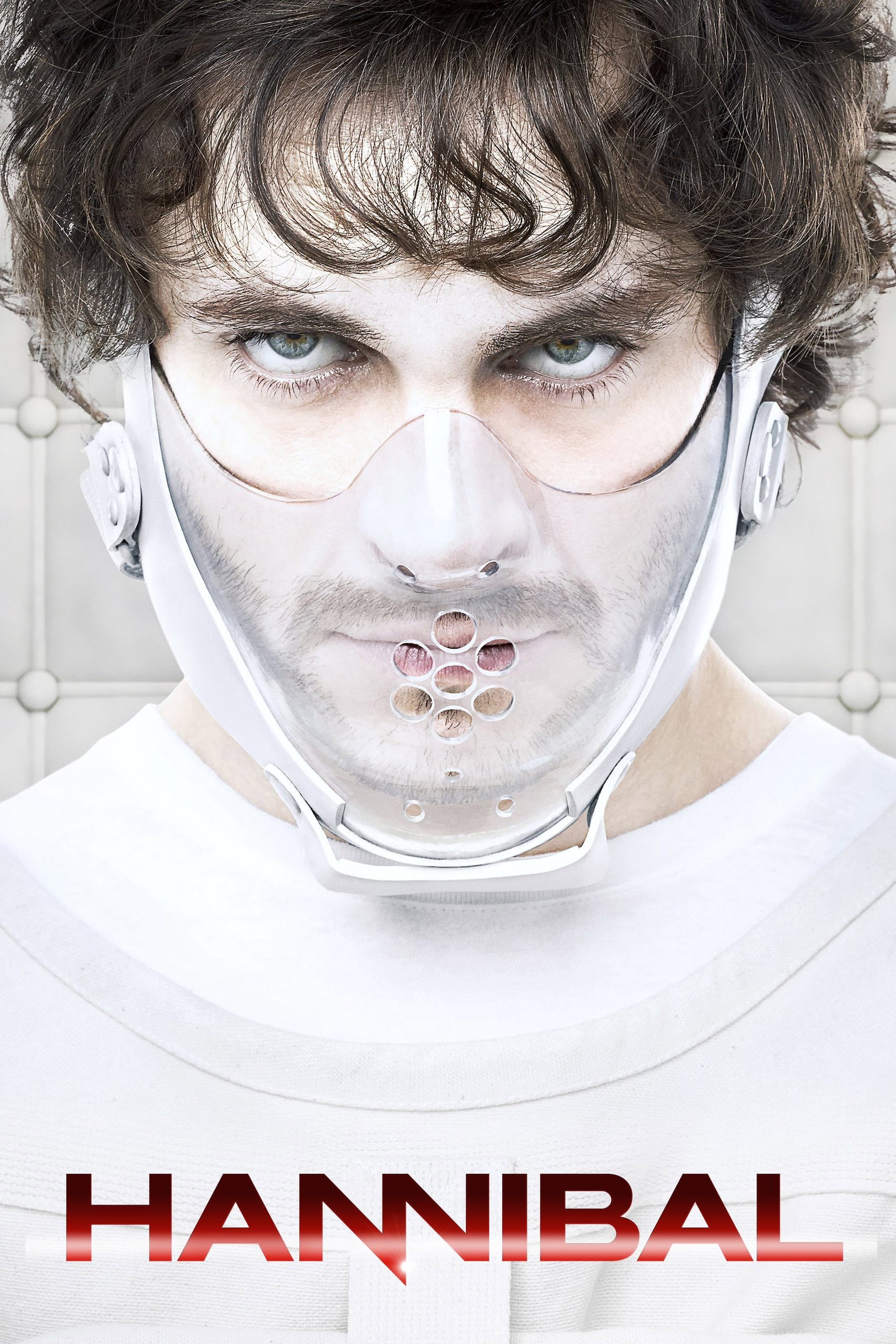
Hugh Dancy’s Will is the opposite instrument. He sweats, pushes his glasses up, will not meet anyone’s eye, and can look at a corpse for an hour. Dancy makes the gift look like an illness, which it is. When the two men talk, which is often and at length, the series is doing the thing nobody else on television was doing: a psychiatrist and a patient, both lying, both aware of it, both enjoying it.
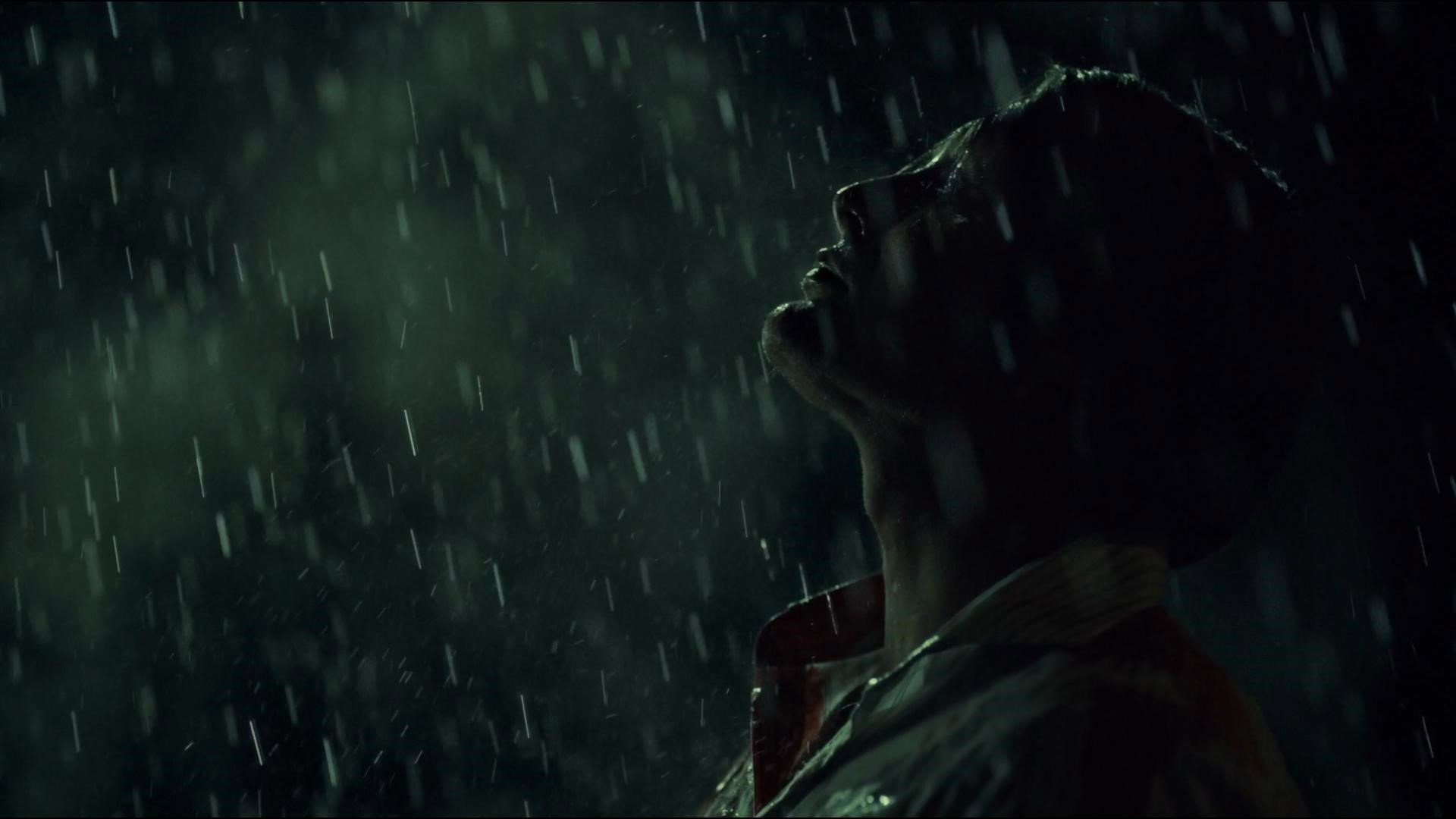
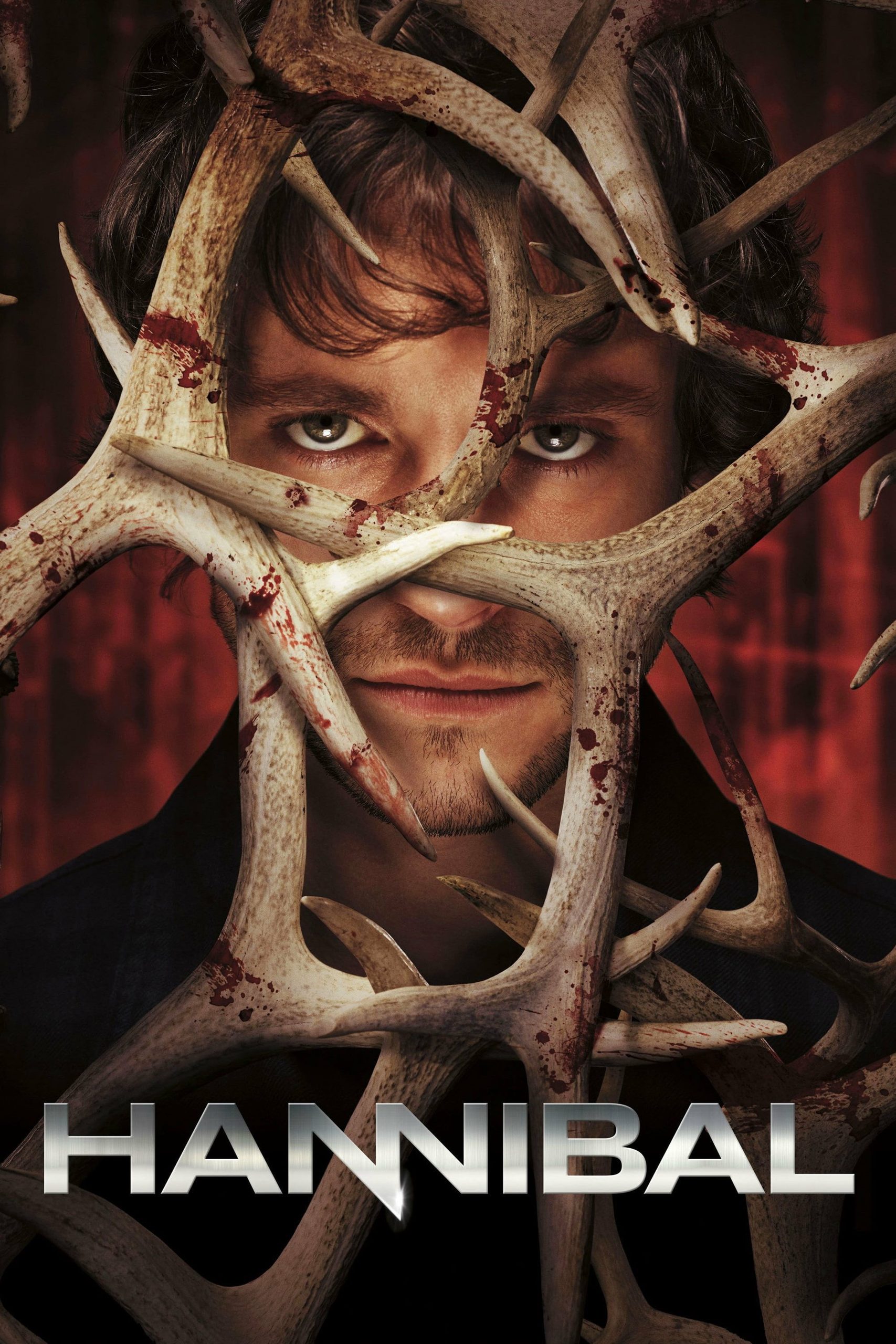
James Hawkinson and Karim Hussain shoot nearly everything in dark rooms with a single warm source and the focus so shallow that a face is sharp and the wall behind it is soup. Crime scenes are lit like paintings, a girl mounted on a stag’s antlers in a field, and the editors, Michael Doherty, Art Jones, Ben Wilkinson and Stephen Philipson, rewind each one with a swinging pendulum of light so that Will can walk through the killing as the killer. Brian Reitzell’s score has no tune. It scrapes, ticks and breathes, and it is often the only thing telling us how frightened to be.
Here is where we were got at. An episode in the first season opens a man’s throat and plays his vocal cords like a cello, and we were horrified, properly, sitting back from the screen. We were also aware, a second later, that we had been shown something composed for us to admire, and that is the series’ weakness. Too many of the first season’s killings are window displays. The case-of-the-week format wants a new monster every 45 minutes and the writers oblige, and for stretches the two men at the table wait in the wings while somebody assembles a totem pole out of the dead. The series improves as it trusts them more and the cases less.
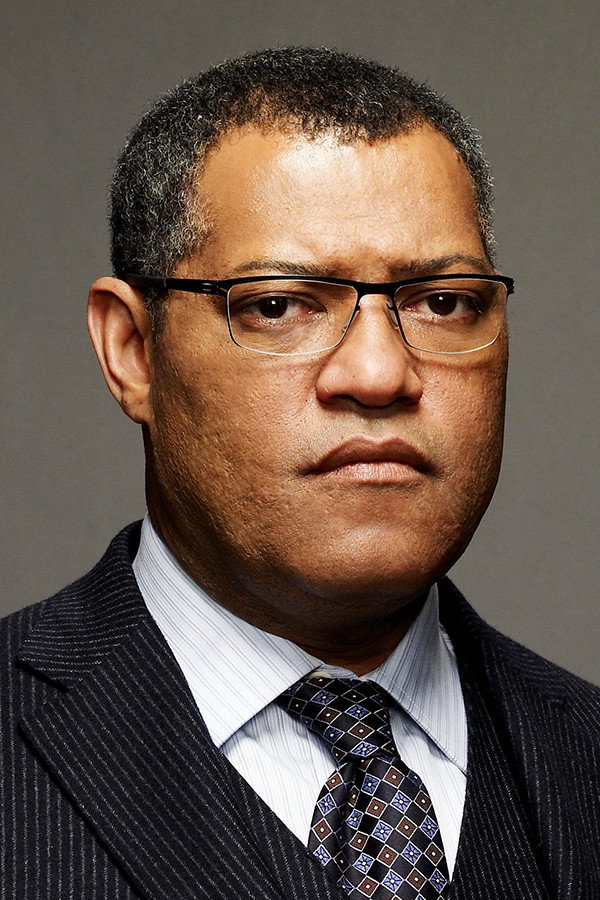
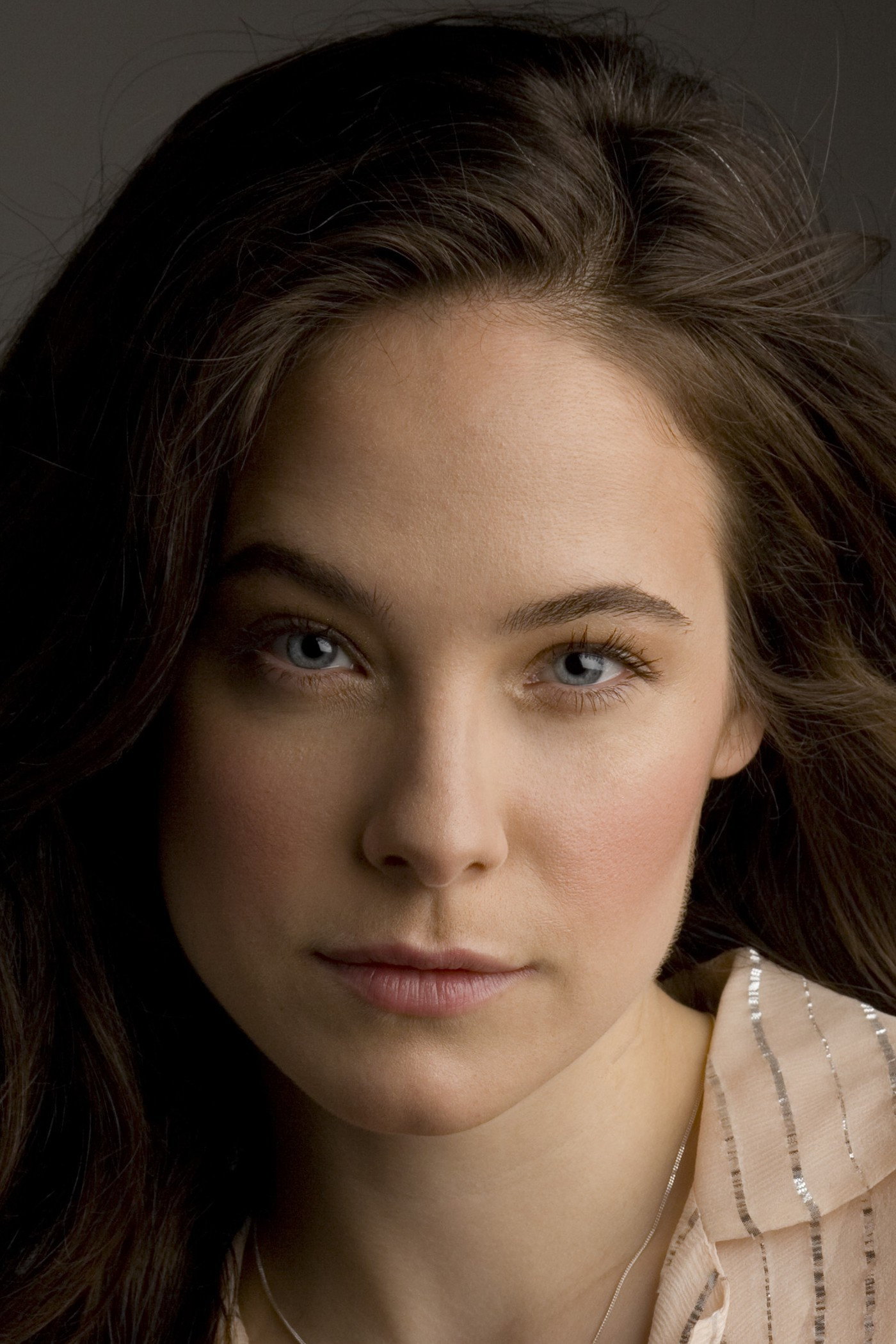
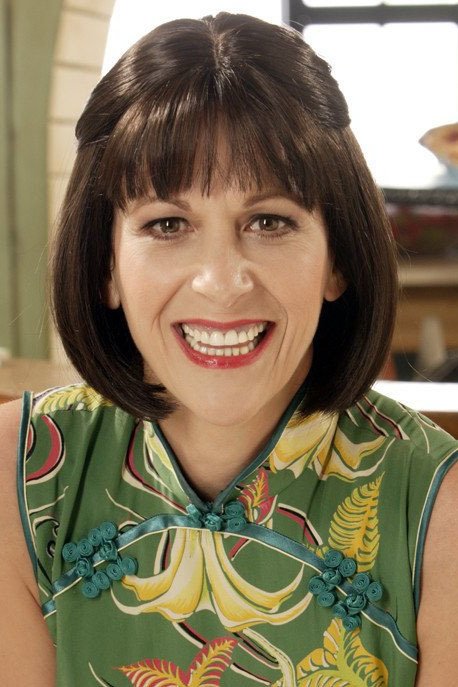
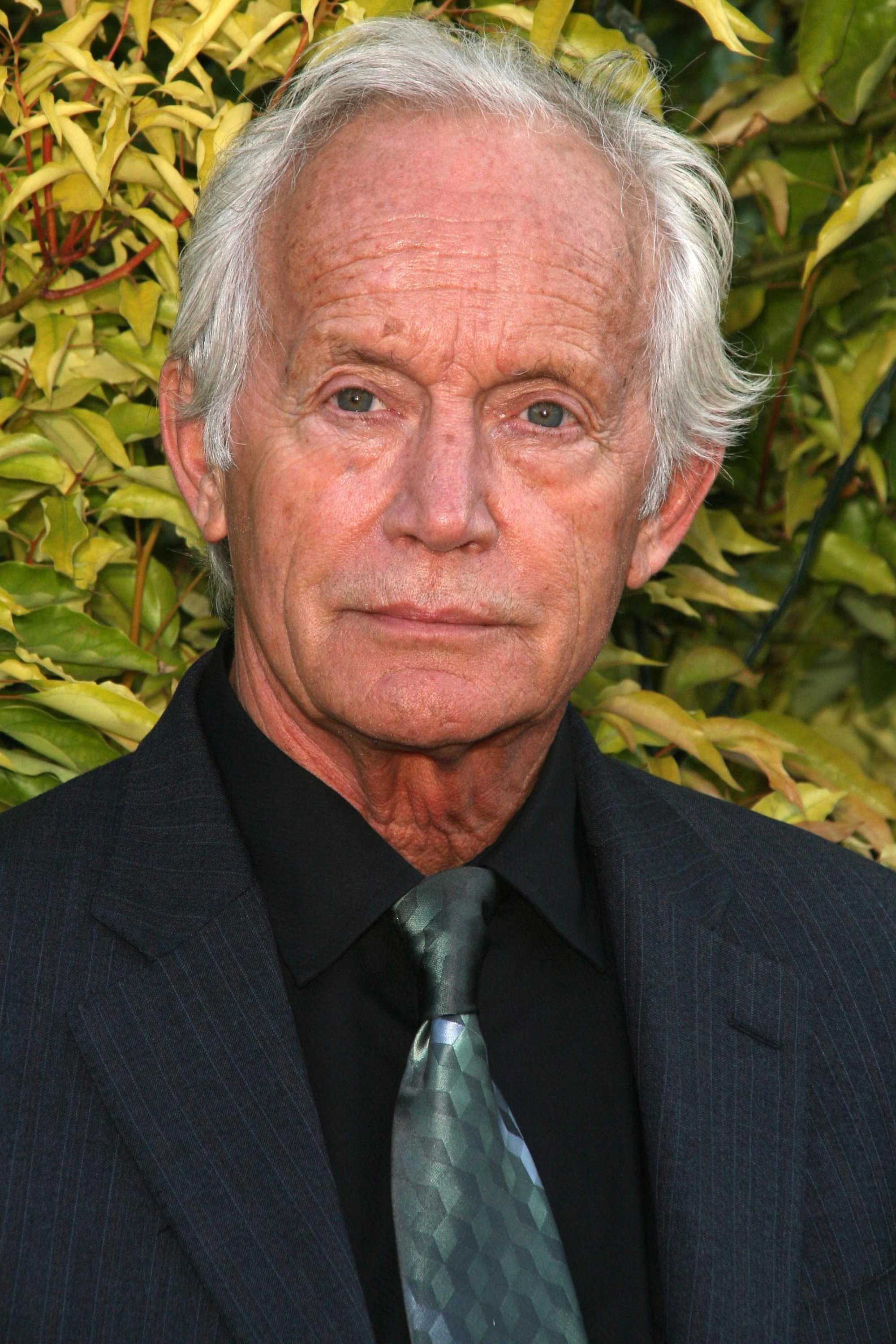
The rest of the cast is better than it needs to be. Laurence Fishburne gives Jack Crawford a heavy, tired authority; he uses Will as a tool, knows it, and cannot stop. Caroline Dhavernas’s Alana is the one voice saying no. Hettienne Park’s Beverly Katz gives the lab scenes a pulse. Gillian Anderson, as Lecter’s own psychiatrist Bedelia Du Maurier, gets a few scenes a season, says almost nothing, hears everything, and is the best thing in the series outside the two leads.
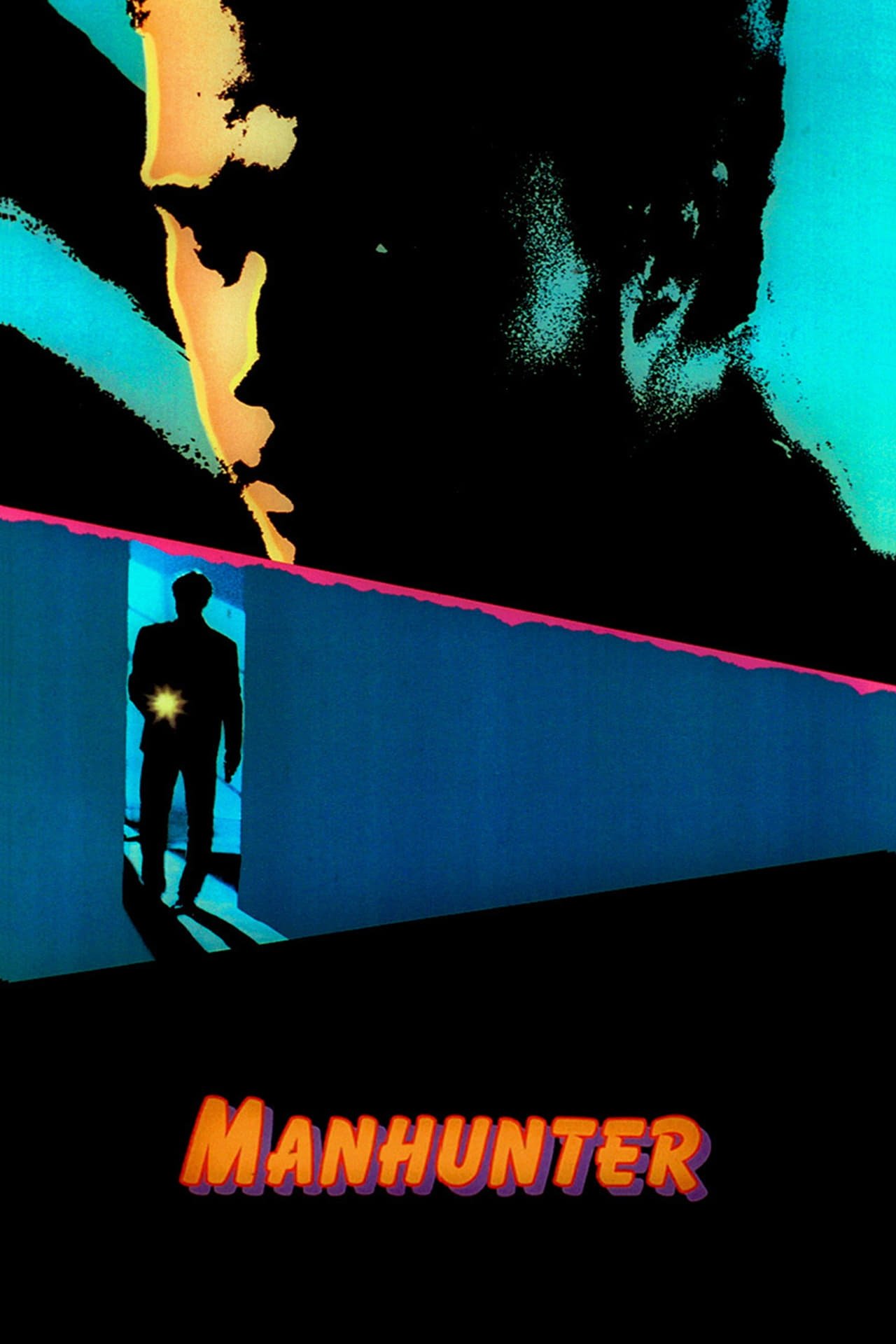
Michael Mann’s Manhunter (1986) treated Graham as a policeman. The Silence of the Lambs (1991) kept Lecter behind glass. Fuller puts him in the kitchen with the door open, which is the boldest choice anyone has made with the character and the one that pays. The cost comes in the third season, whose first half slows almost to a stop and whose dialogue thickens until everyone speaks in aphorisms, like labels on expensive wine. It takes a turn we will not describe, and recovers, but it asks a good deal of patience first.
Watch it at home, in the dark, with the plates cleared away. It runs 45 minutes an episode and carries an 18, and for once the certificate is a description rather than a warning.