Series review

The Boys

2019 · Created by Eric Kripke · Series · MPA TV-MA

In a sentenceA superhero show in which the most frightening special effect is Antony Starr’s smile

Sci-Fi & FantasyAction & Adventure

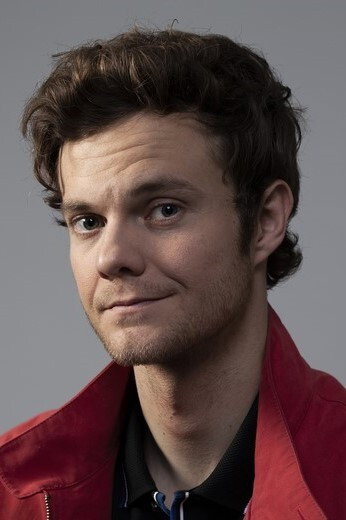
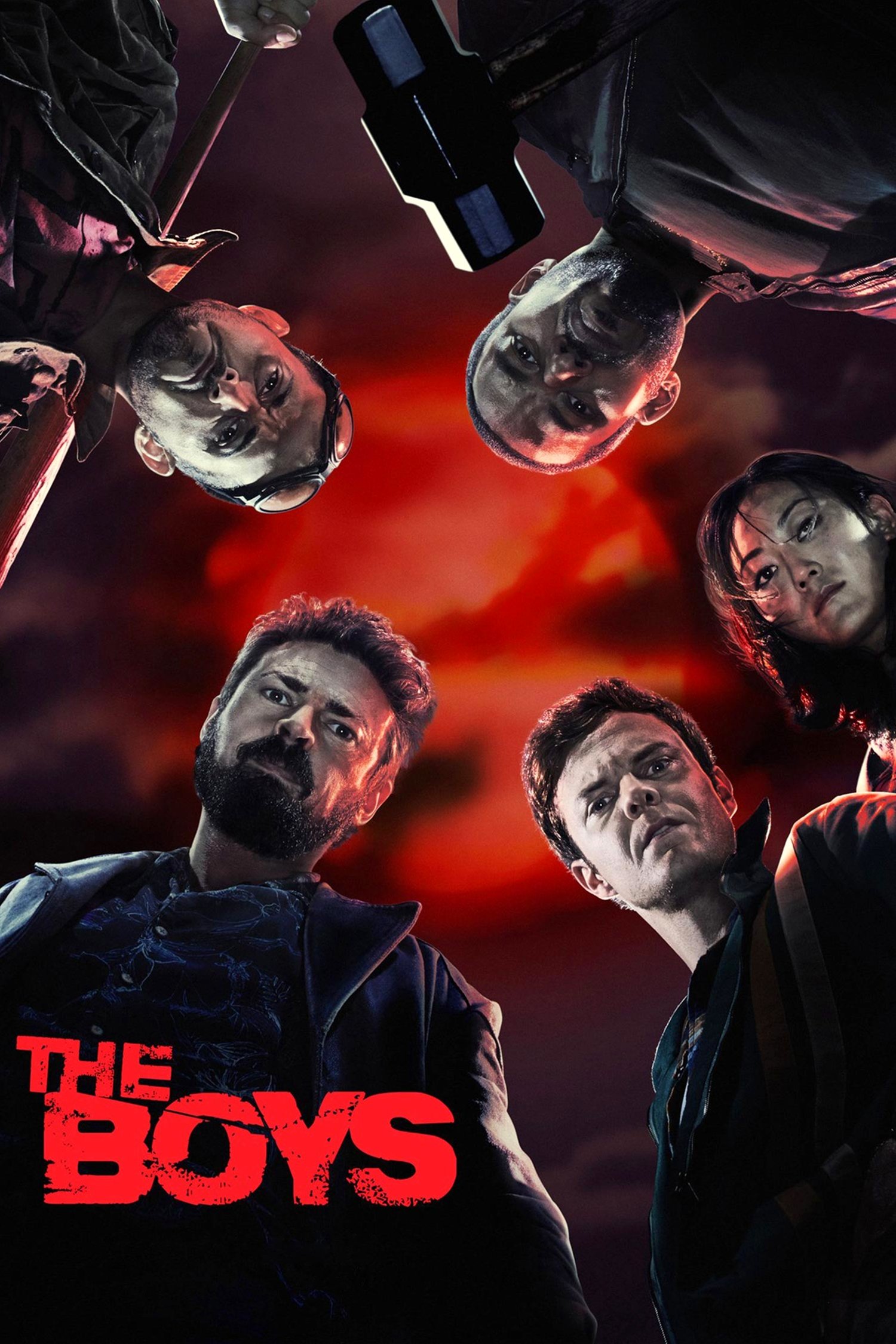
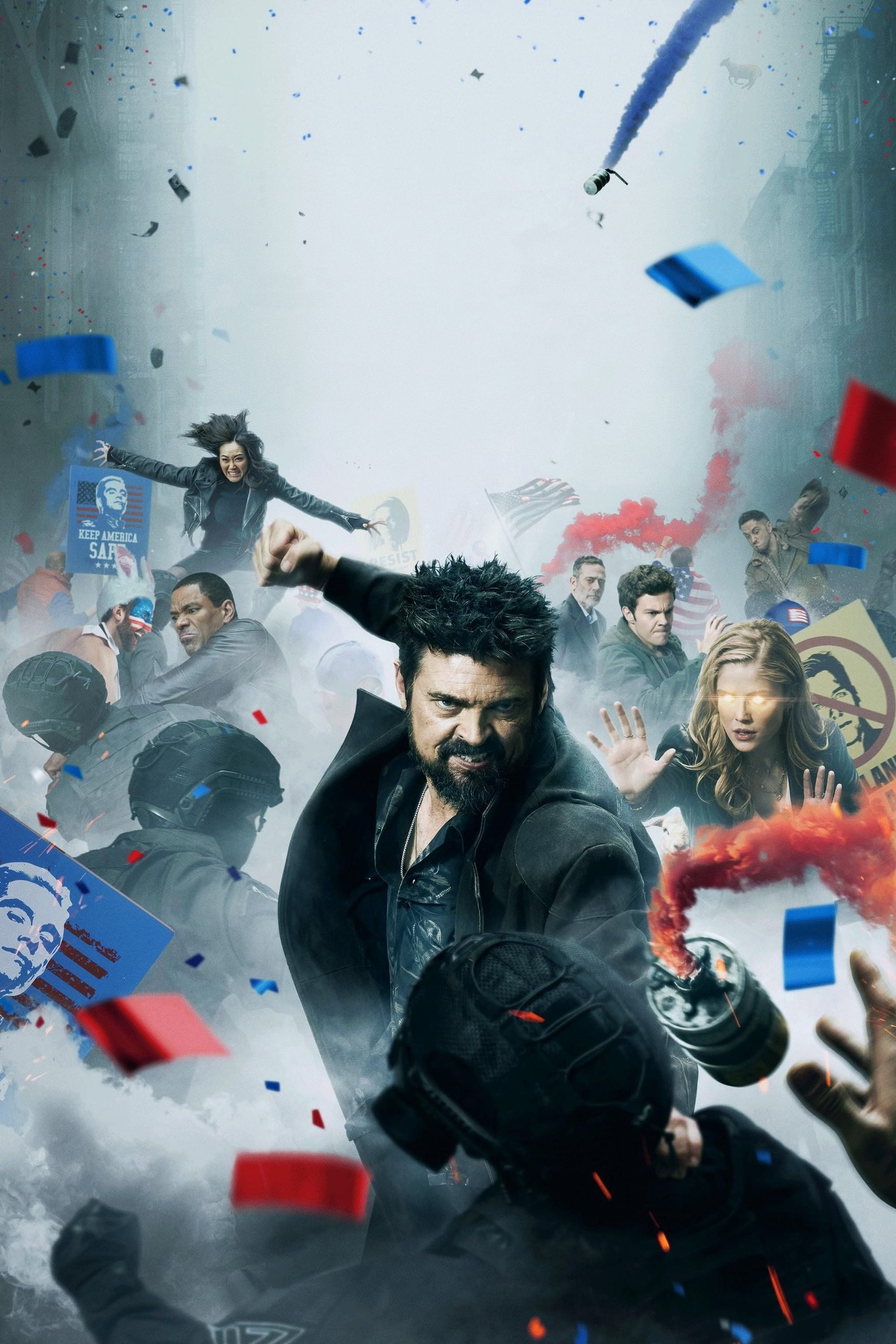
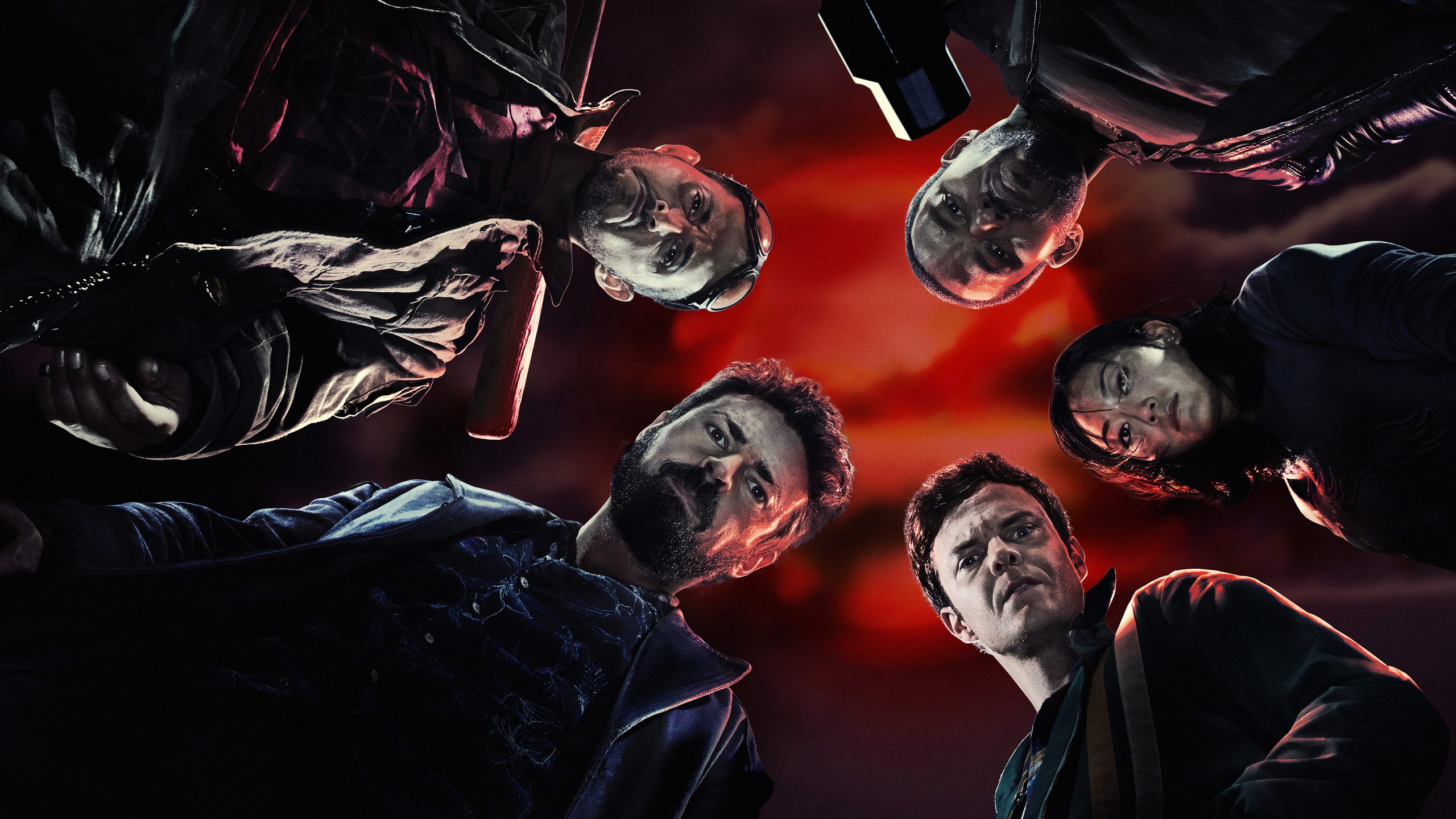
New York, the present day. Hugh ‘Hughie’ Campbell (Jack Quaid) works in an electronics shop and is standing beside his girlfriend when A-Train (Jessie T. Usher), the fastest man alive, runs straight through her and stops just long enough to apologise. A-Train belongs to the Seven, the superhero team owned and marketed by the Vought corporation and led by Homelander (Antony Starr). Billy Butcher (Karl Urban), who has his own reasons to hate the Seven, turns up at the shop and offers Hughie a way to get even. Across town, Annie January (Erin Moriarty) joins the Seven as Starlight and learns on her first day, from The Deep (Chace Crawford), what the job costs.

Plays from YouTube when you press play; nothing loads from them until then.

Fi1m review

Eric Kripke’s adaptation of Garth Ennis’s comic puts superheroes on a corporate payroll and lets them behave accordingly. Antony Starr’s Homelander is a great television monster; the show around him is cruder than it is clever, and it runs long.

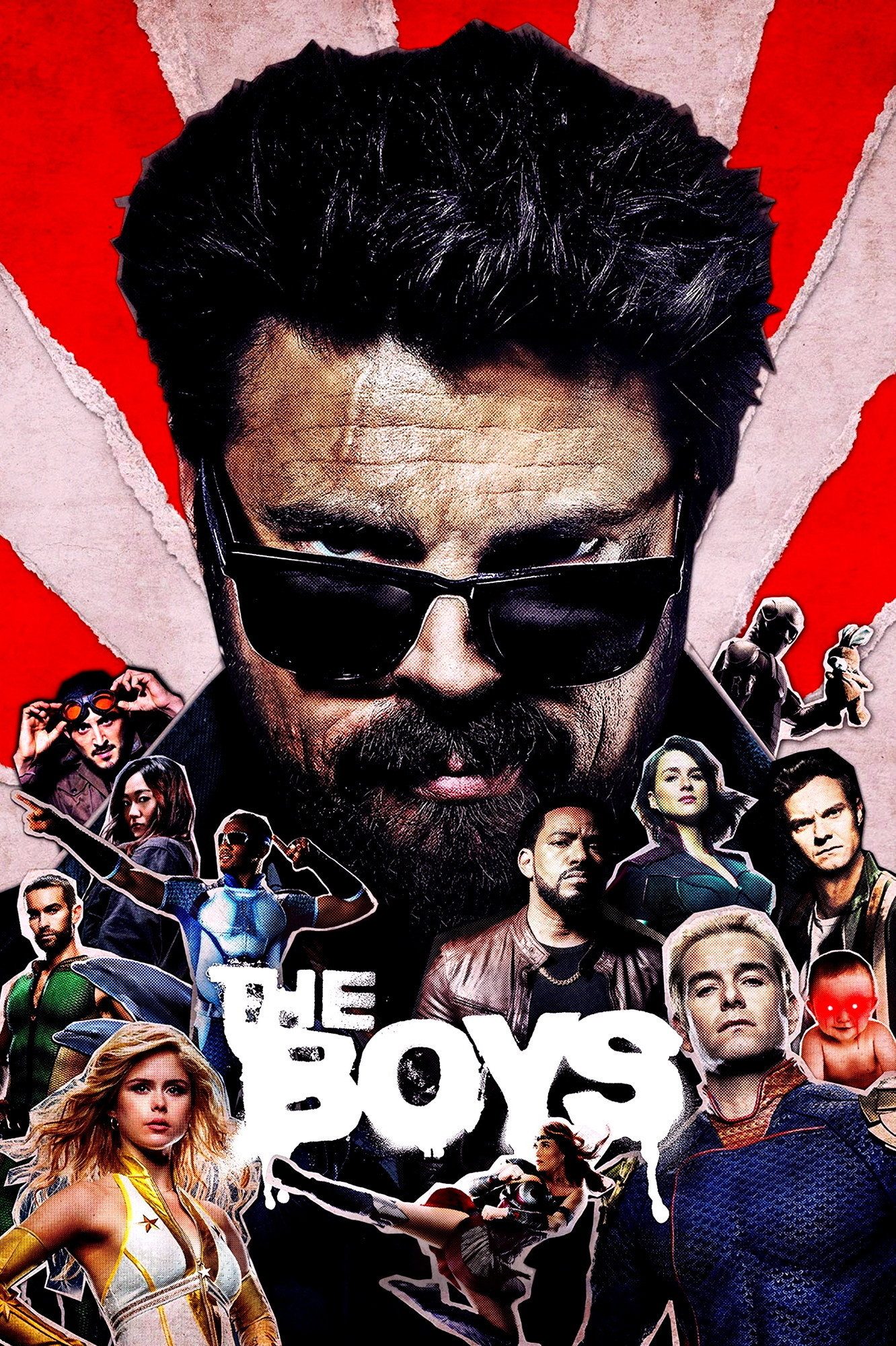
Eric Kripke’s series, adapted from the Garth Ennis comic, starts from a plain question: what would superheroes be like if a company owned them? The answer is Vought, which sells capes the way other firms sell soft drinks, and the Seven, its flagship team, who film adverts in the morning and do as they please in the afternoon. The Boys is about the handful of ordinary people who decide to do something about that. It is good, often better than good, and it has one joke it keeps telling for five seasons of eight episodes.

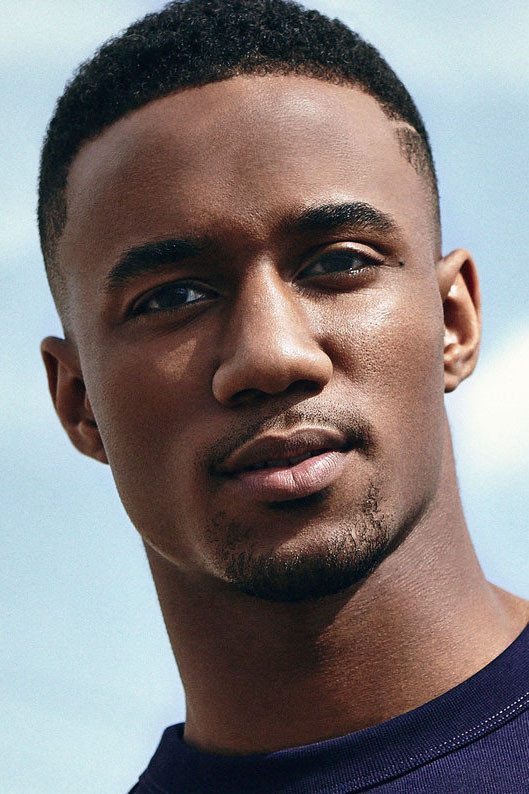
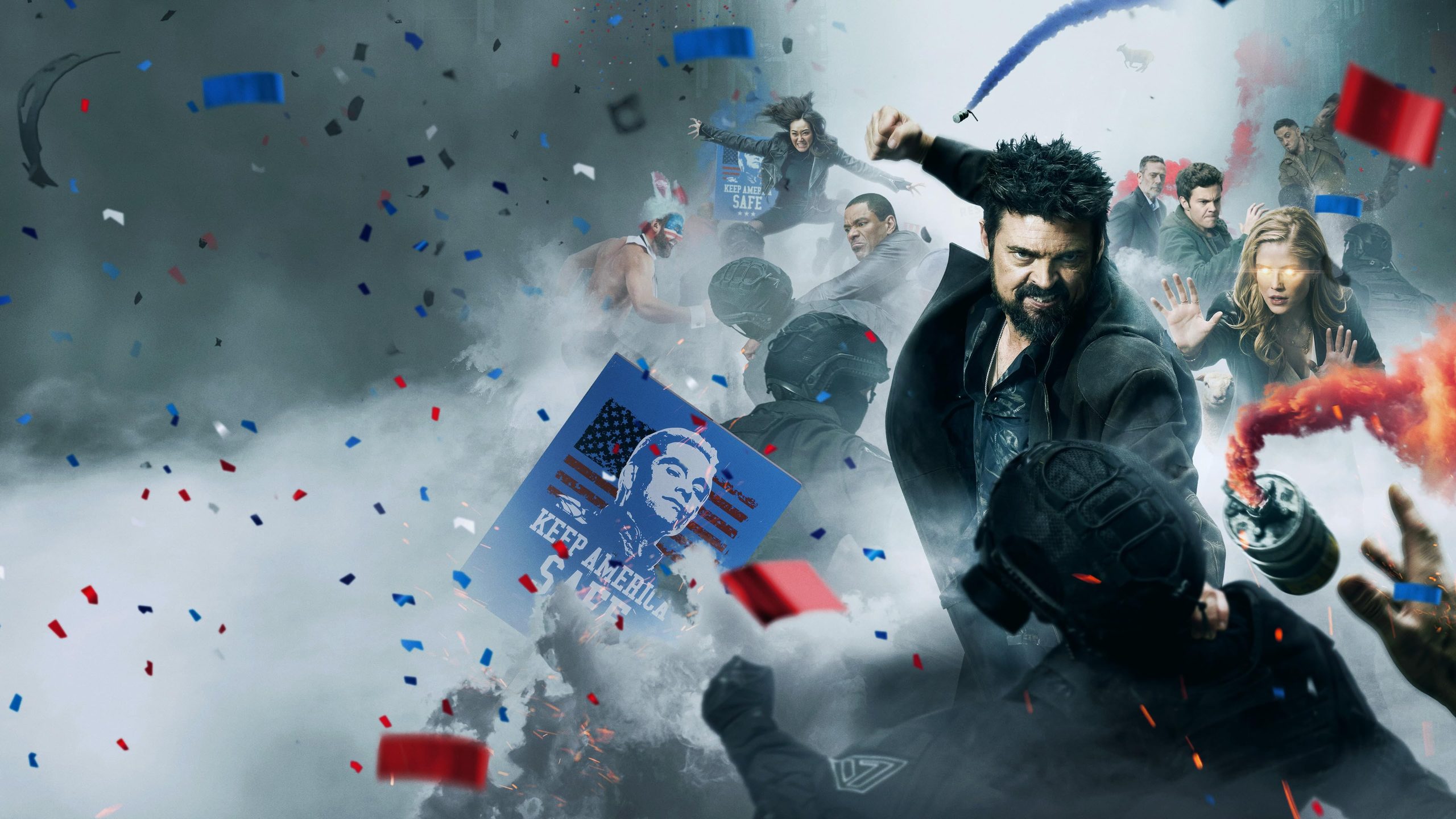
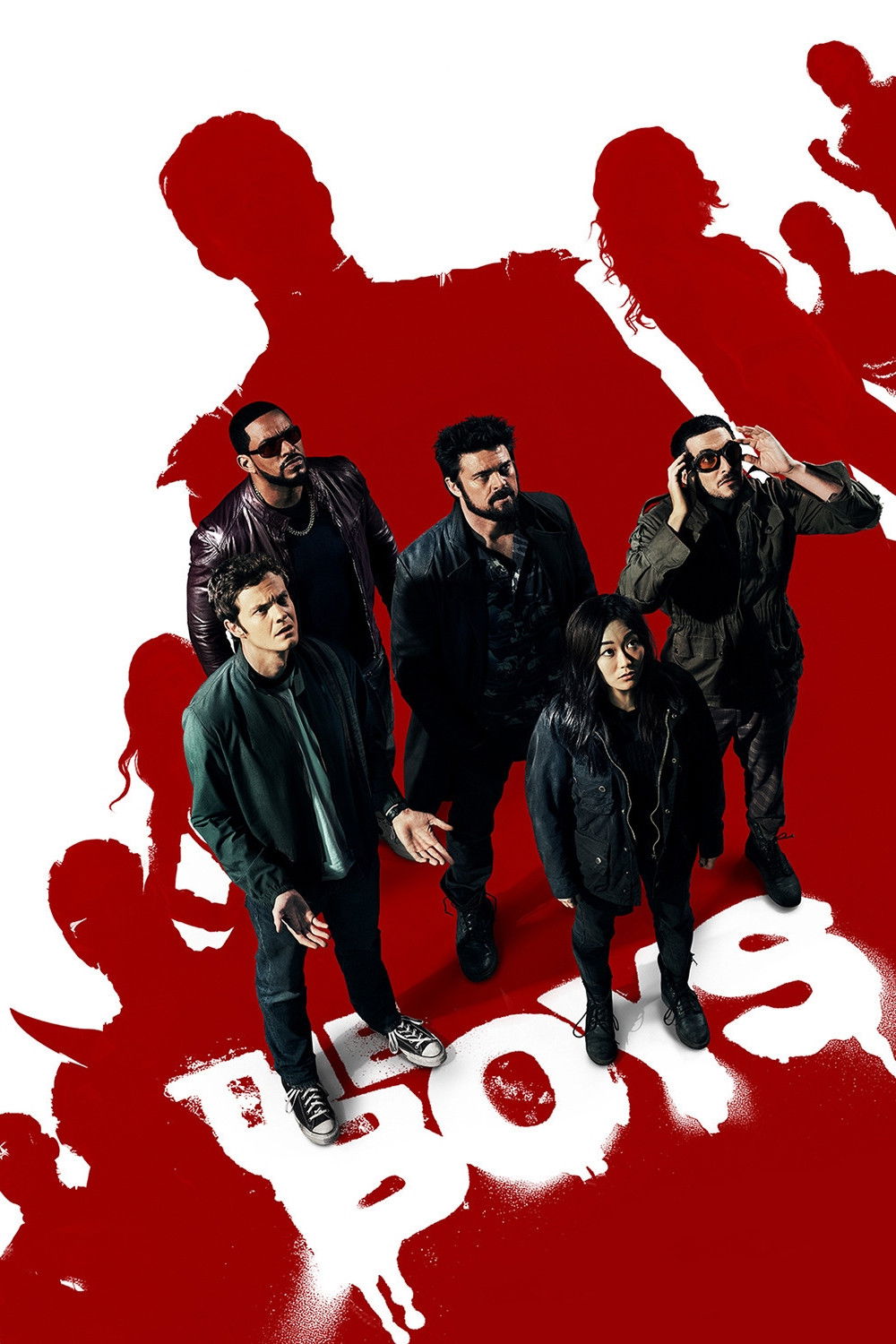
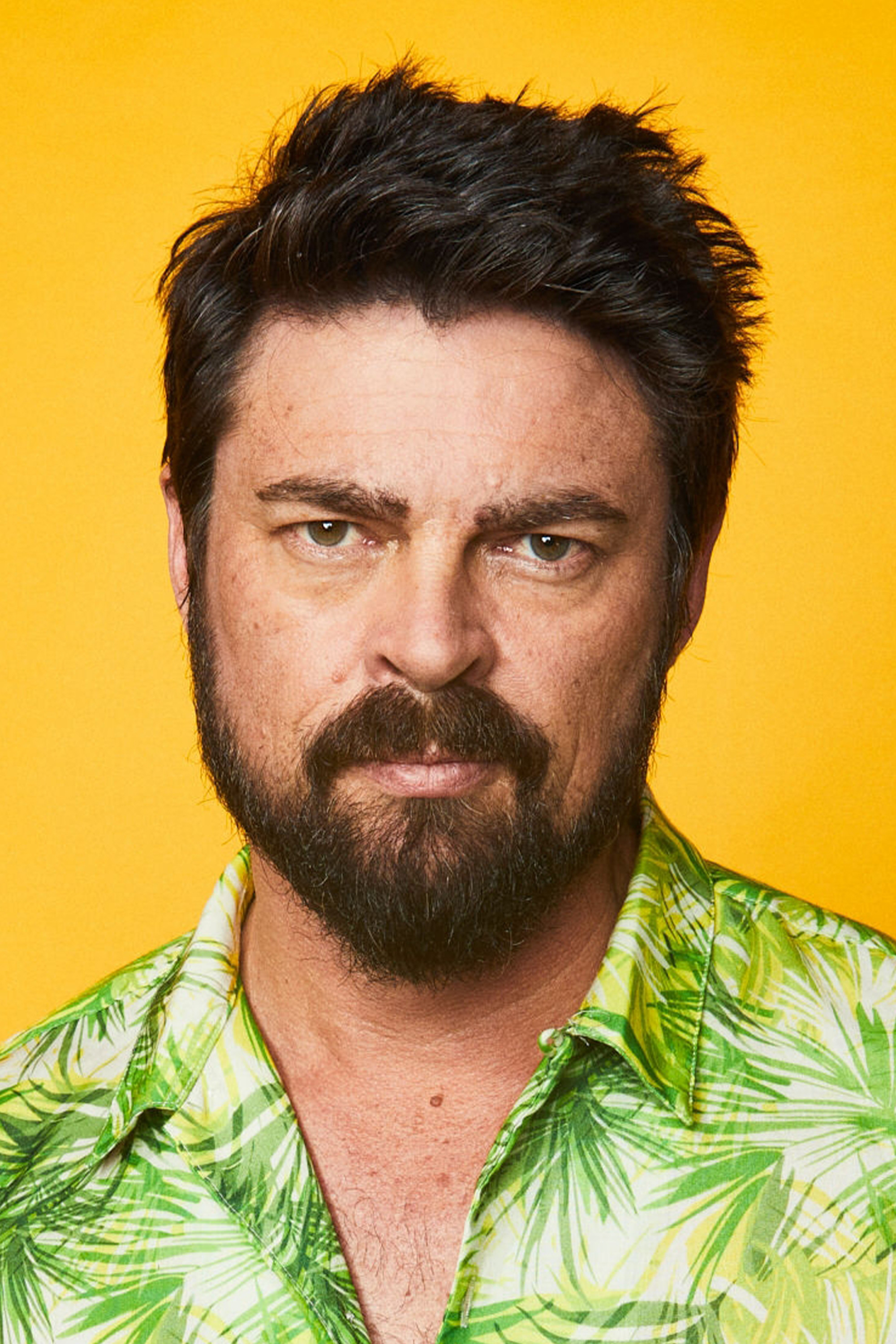
The way in is Hughie Campbell, played by Jack Quaid as a man who apologises to furniture. In the first episode he loses his girlfriend to A-Train (Jessie T. Usher), a speedster who runs through her on a New York pavement and pauses long enough to say sorry. Karl Urban’s Billy Butcher turns up at the electronics shop where Hughie works, talks in an East End growl and offers him a chance to get even. Urban plays Butcher as a man who enjoys the fight far more than he should, and he gets most of the good lines and knows it.

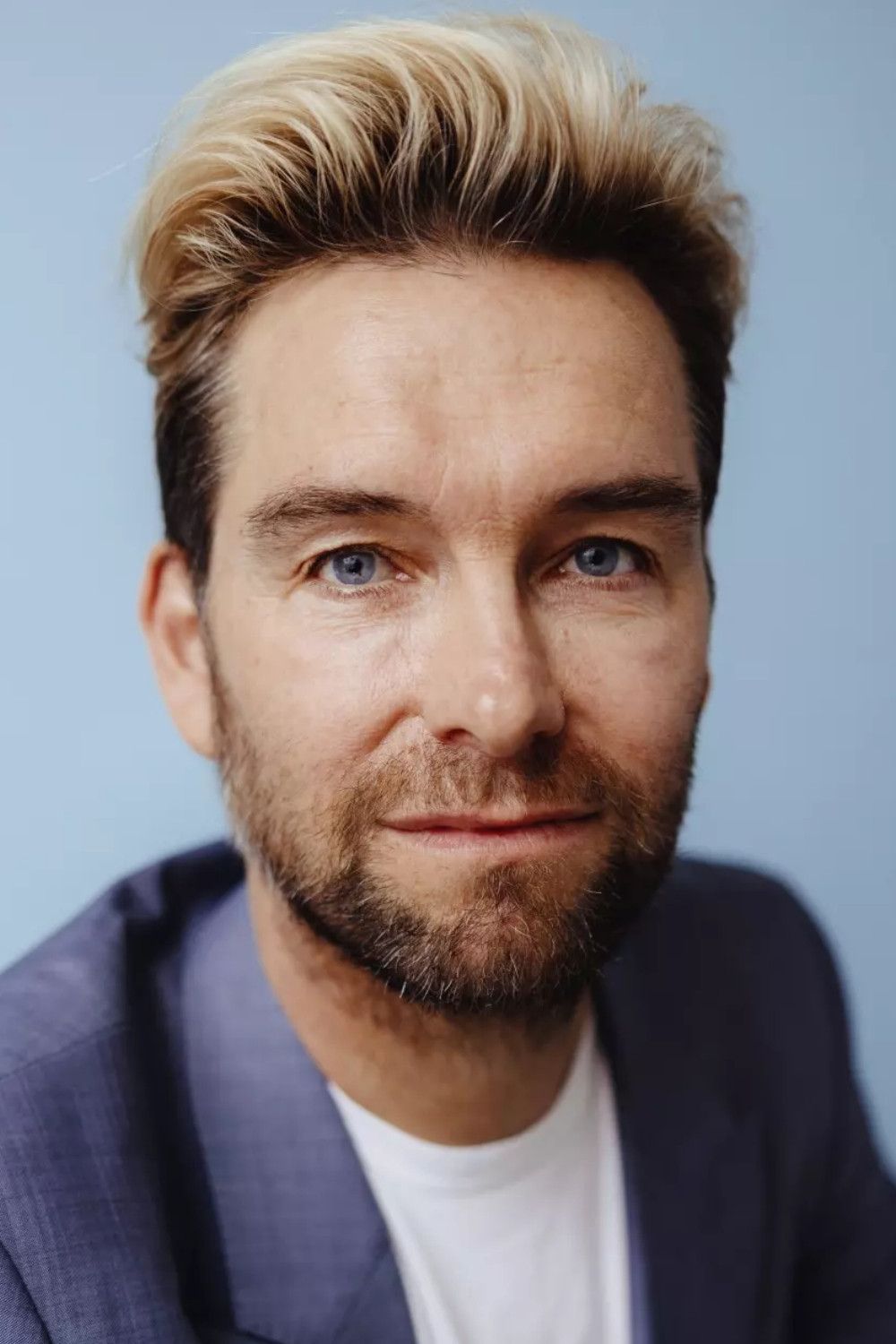
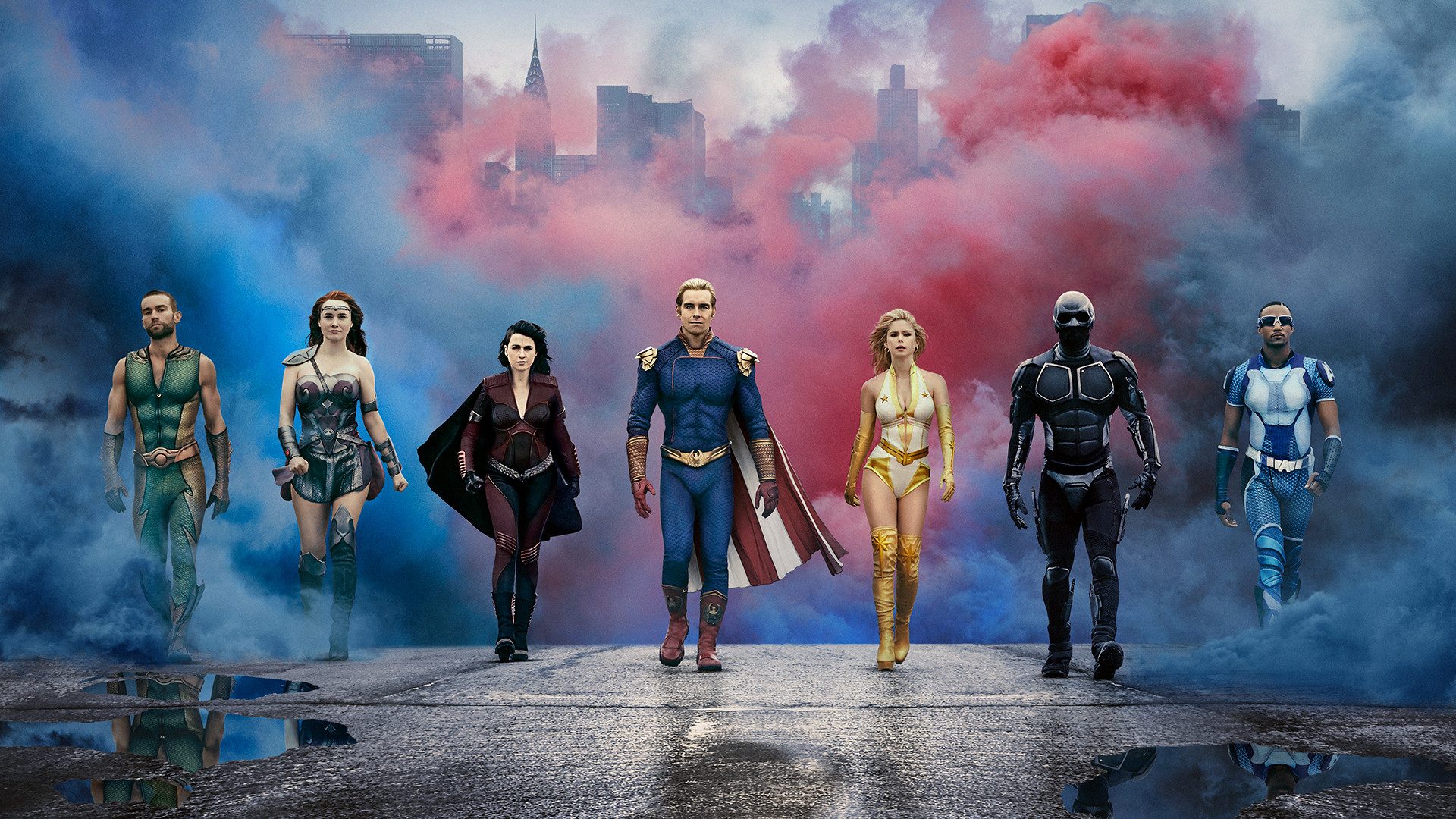
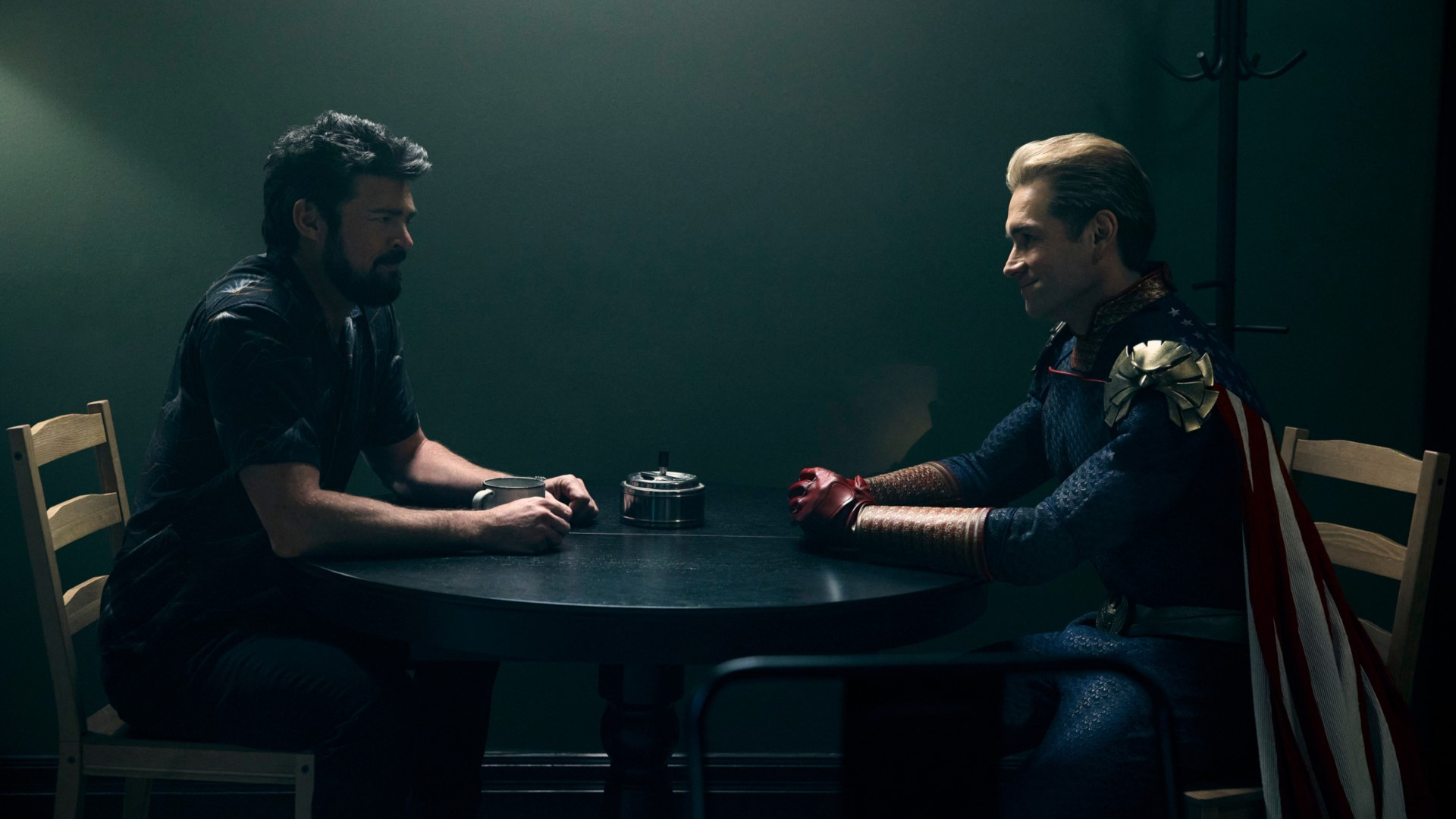
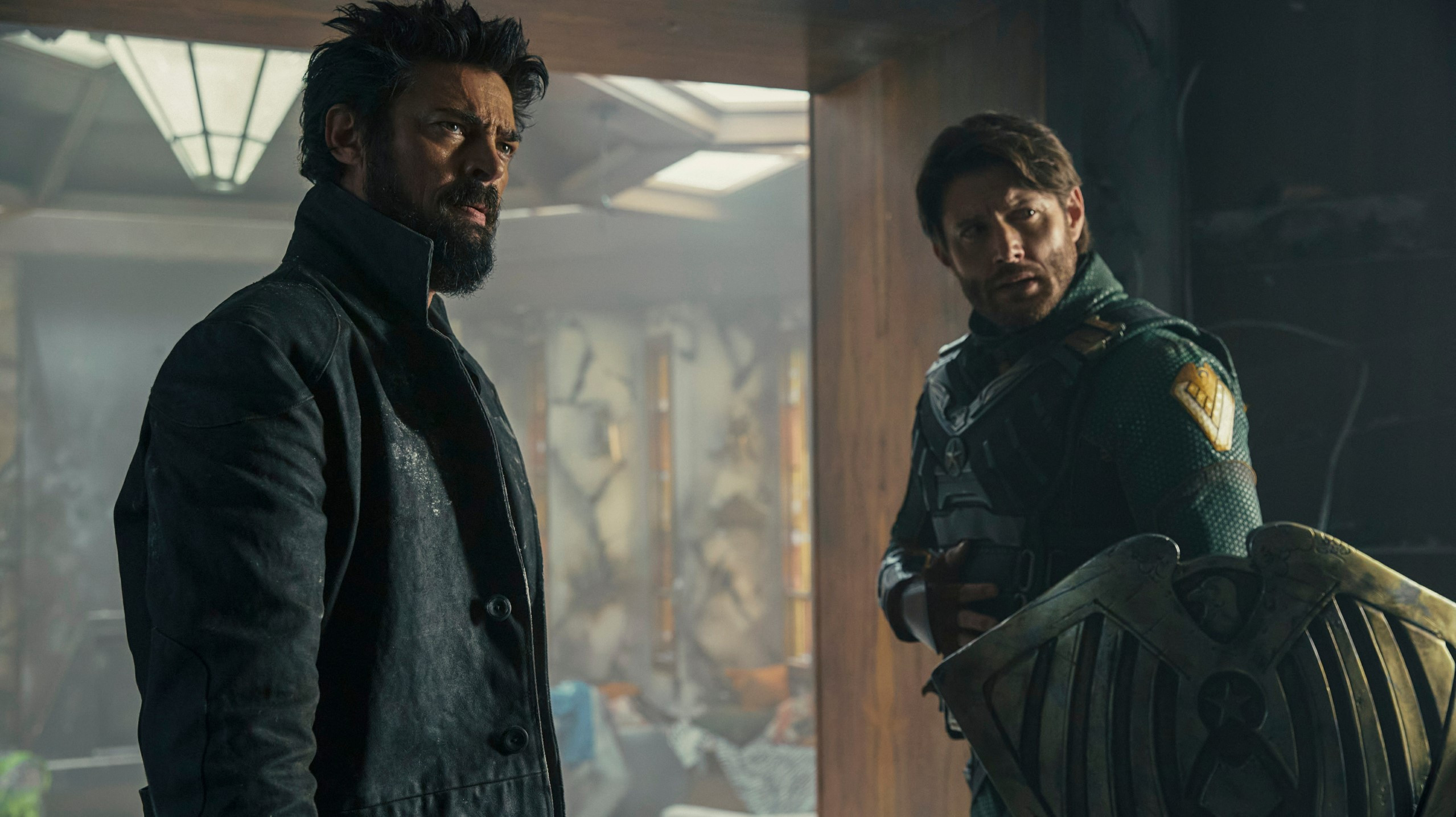
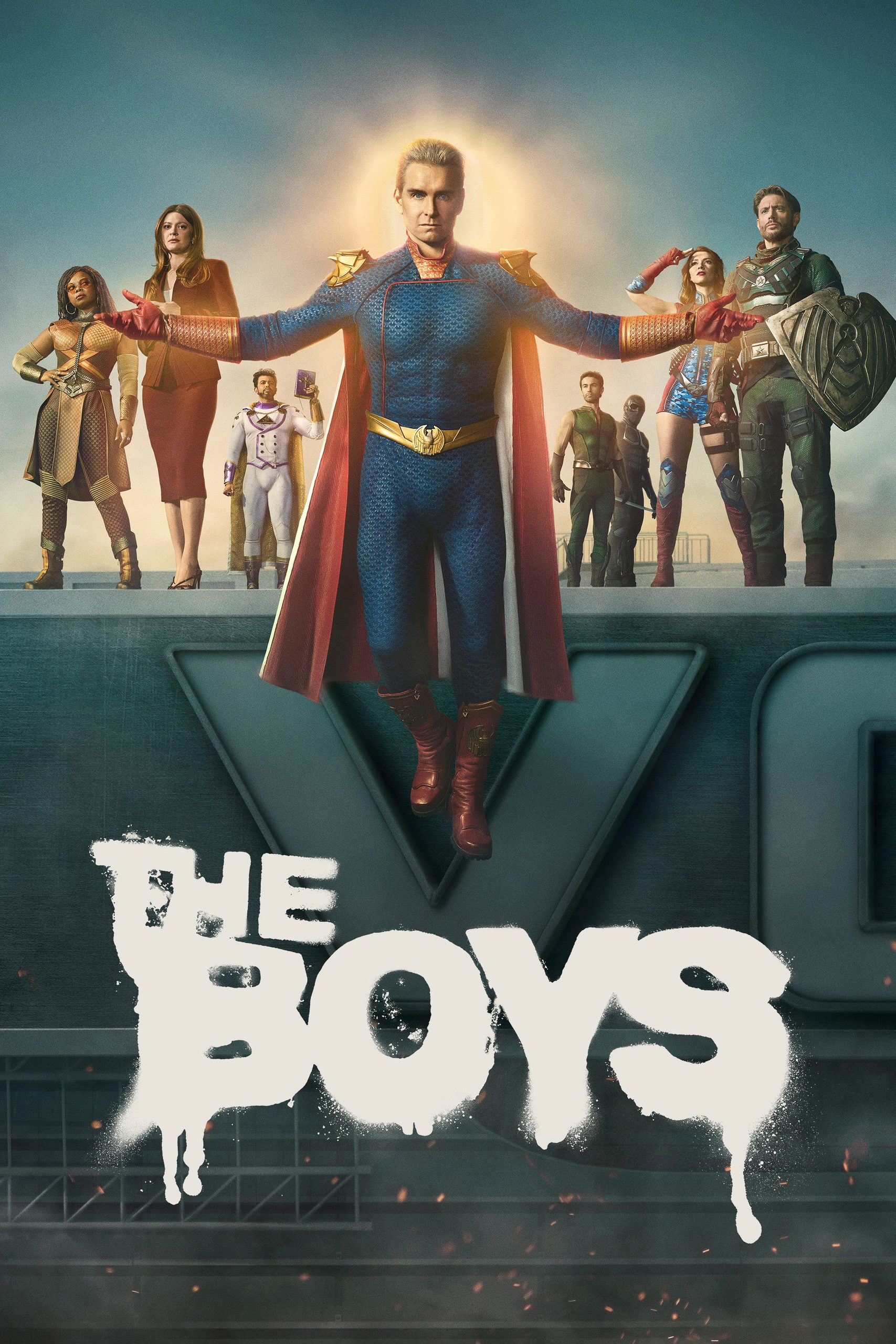
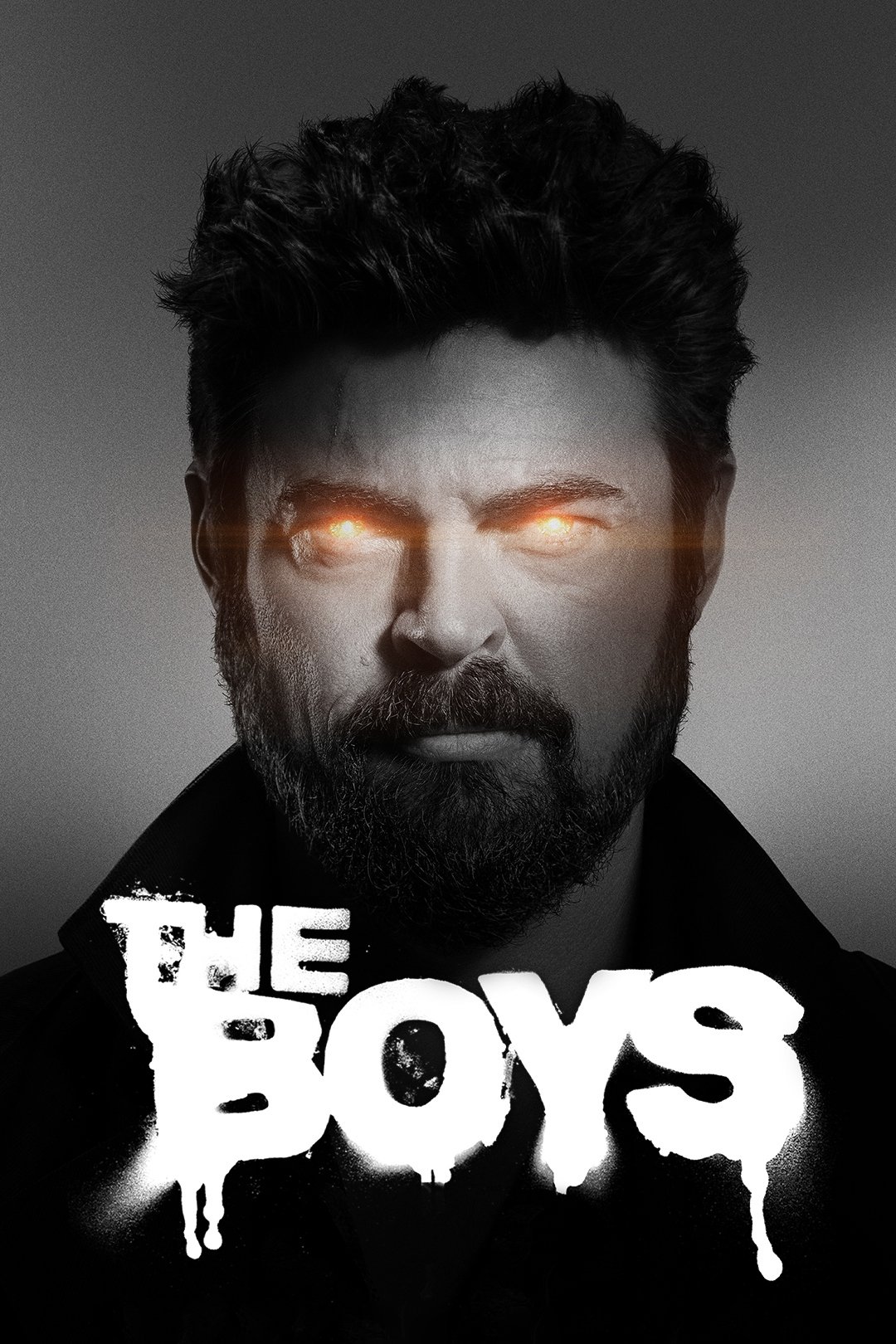
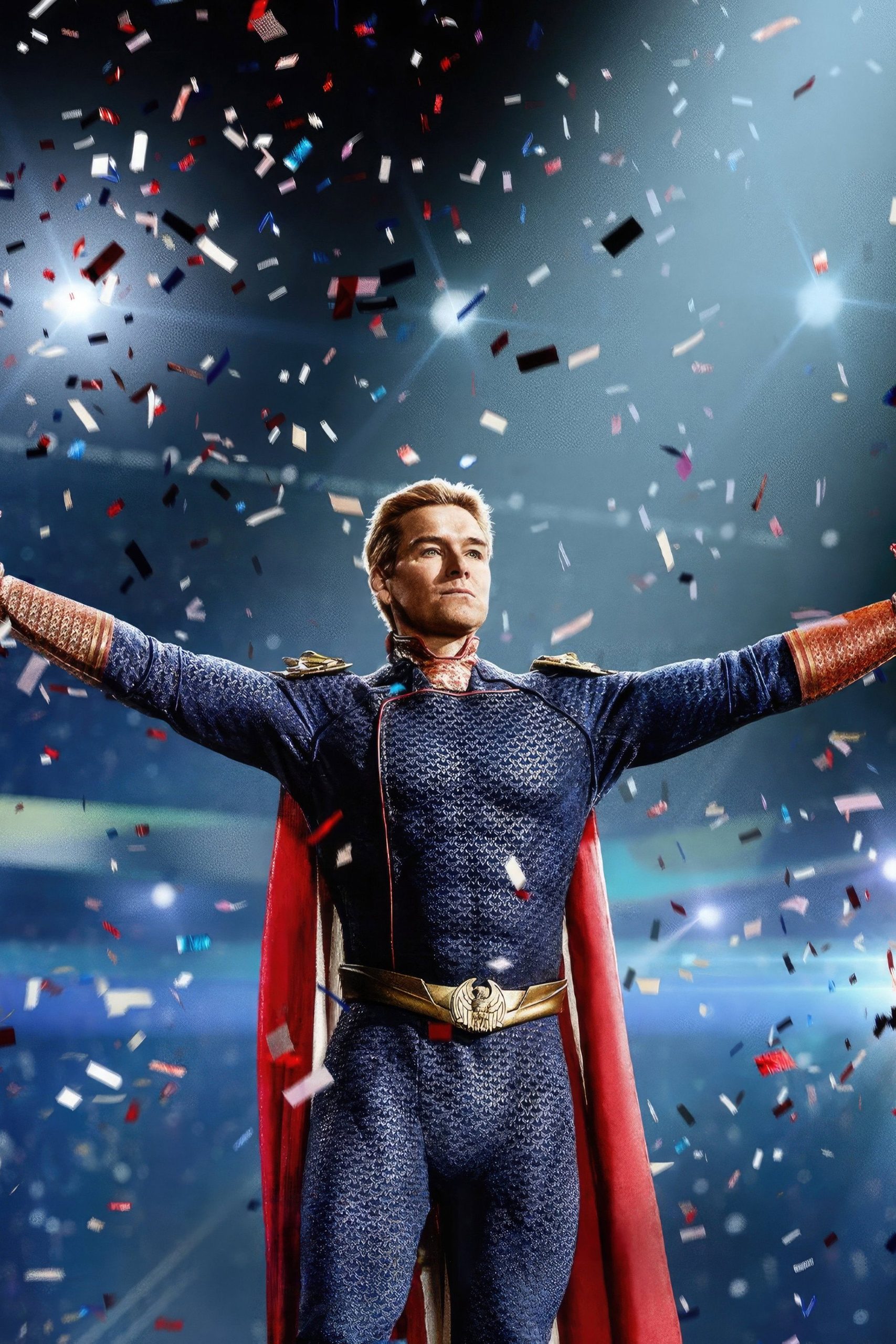
The series belongs to Antony Starr. His Homelander leads the Seven, a Superman with a flag for a cape, and Starr plays him as a man who has never once been told no and has stopped waiting to be. The trick is the smile. It arrives on cue for cameras and children, holds a beat too long, and goes out like a light the moment the crowd looks away. Michael Ground’s costume does the rest: the cape is a stitched flag and the suit is padded until he looks carved rather than dressed. We were frightened by him, properly frightened, in a first-season scene where he does nothing but stand in a room and let someone work out what he could do if he chose. We had not expected that from a man in tights.

The corporate side is where the writing is sharpest. Elisabeth Shue’s Madelyn Stillwell runs the heroes as a brand manager, breastfeeding in one scene and arranging a cover-up in the next, and Shue never once lets us see her sweat. Colby Minifie’s Ashley Barrett is the publicist who cleans up after everyone and appears to age by the hour. Erin Moriarty’s Annie January arrives as Starlight, the new recruit who believes in all of it, and the first episode shows her exactly what the job costs when Chace Crawford’s Deep gets her alone. Moriarty plays the disillusionment slowly, over seasons, and it holds.

It looks expensive in the right places. Six cinematographers are credited, Dan Stoloff and Dylan MacLeod among them, and the look stays consistent across them: Vought’s tower is glass and white and lit like a phone launch, while Butcher’s team hides in a basement under a single bare bulb. Christopher Lennertz’s score plays patriotic brass straight and lets it curdle by the end of the phrase. The violence is the show’s signature, and it is filmed as slapstick: a body comes apart in a puff of red, and the camera stays on the people standing in what is left.

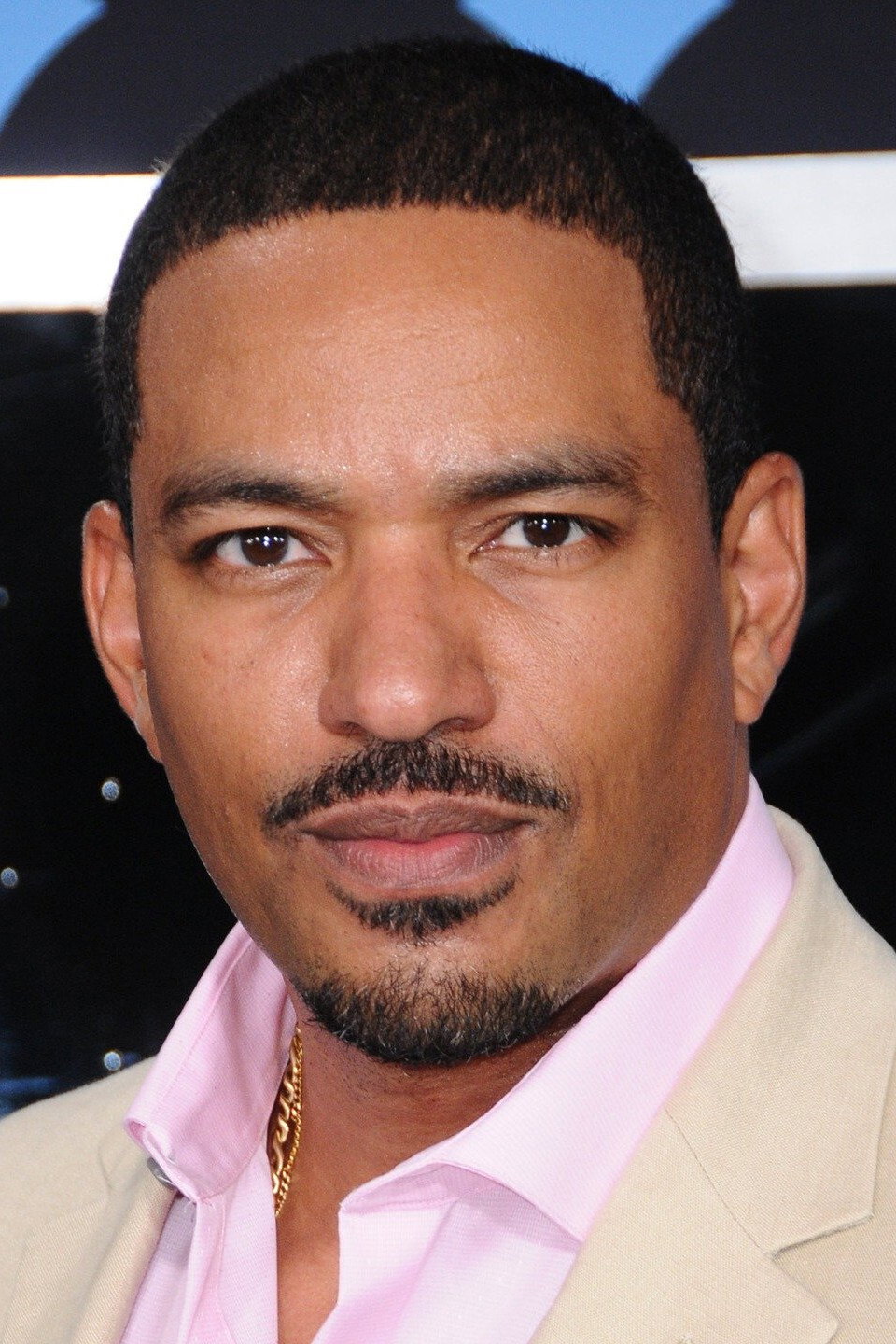
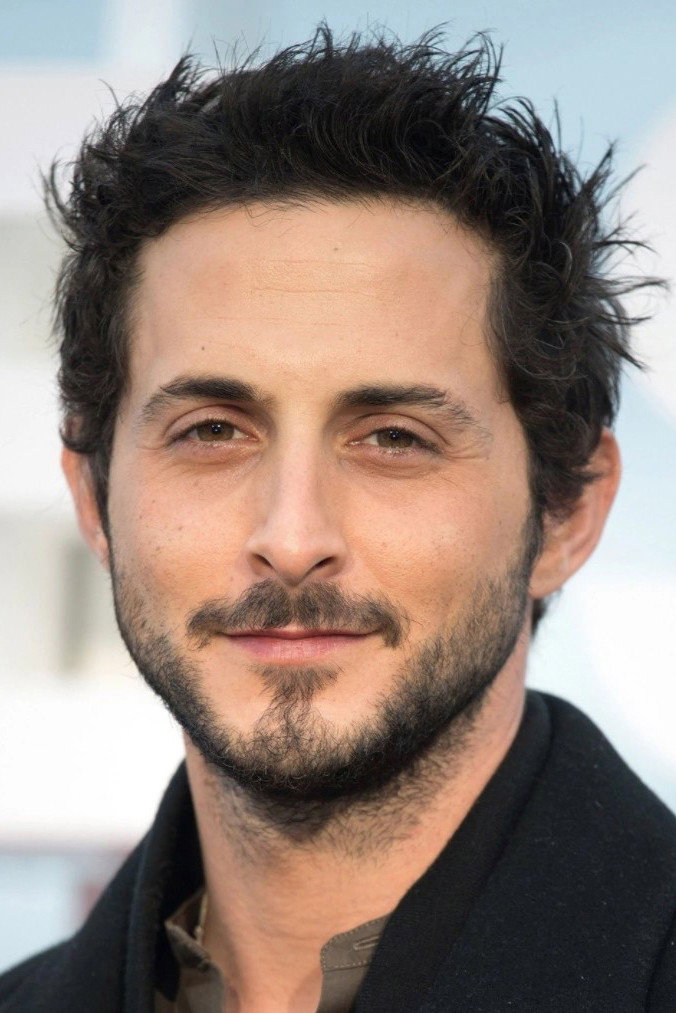
The Boys themselves are the weaker half. Tomer Capone’s Frenchie and Laz Alonso’s Mother’s Milk are handed backstories that arrive in chunks and stall the plot each time. Karen Fukuhara’s Kimiko does not speak for most of the first season, and the show mostly needs her for the fights. The satire is loud. Vought is the villain; the script says so, the characters say so, and by the fourth season we were tired, and then annoyed at being tired of a show that had once surprised us. There are only so many times a hero can do something appalling in slow motion before the shock becomes a schedule.

Set against the Watchmen comic, and the 2019 series made from it, this is cruder, funnier and less interested in ideas. Start with the first season, which is the tightest, and see whether the smile does to you what it did to us. It carries an 18 and earns every point of it.
Critical consensus AI synthesised

70
Positive
10
Mixed
2
Negative
2
Radio Times
31 July 2019 · Huw Fullerton
90*

The critic praises the series as a bracing, viciously fun antidote to conventional superhero stories, highlighting its dark humor, gore, and corporate satire while noting it retains the comic's shocking elements. They single out the world-building and tonal shifts for praise.

Read the full review →
The Telegraph
26 July 2019 · ★★★★ · Ed Power
80

The series depicts superheroes as mad, bad and sexually depraved in a free-wheeling, irreverent adaptation of the Garth Ennis comic. It provides astute commentary on pop culture's obsession with caped crusaders while delivering uproarious, over-the-top violence.

Read the full review →
Vulture
26 July 2019
80*

The series rises above the usual dark-and-gritty superhero tropes by centering corporate capitalism and brand management as the true villains. Strong performances, especially Elisabeth Shue as the calculating executive, give it thoughtful edge amid the ultraviolence.

Read the full review →
The AV Club
5 August 2019 · B · Jesse Hassenger
77

The show offers some fresh elements like character depth and a charming romance subplot but struggles to consistently land as sharp satire of the superhero genre or corporate culture. It is more engaging as drama than as pointed critique.

Read the full review →
IndieWire
29 April 2019 · festival review · Liz Shannon Miller
70*

The series skewers superhero culture by examining how pop culture's obsession with the superpowered exploits both the heroes and their fans. It presents a grim, corporate-driven take on the genre with strong thematic bite.

Read the full review →
The Guardian
26 July 2019
70*

The black comedy offers a gleeful, violent corrective to superhero worship and Marvel overkill. It follows an anti-superhero unit battling commercialised, flawed 'super-abled' figures in an asymmetrical war relying on cunning and luck.

Read the full review →

Cast

Awards

Actor Awards, 2023

Nominated
Actor Awards

Critics' Choice Awards, 2023

Nominated
Best Actor

Golden Trailer Awards, 2023

Nominated
Golden Trailer Awards

Satellite Awards, 2023

Won
Satellite Awards

Visual Effects Society Awards, 2023

Nominated
Visual Effects Society Awards

People's Choice Awards, 2022

Nominated
People's Choice Awards

73rd Primetime Creative Arts Emmy Awards, 2021

Nominated
73rd Primetime Creative Arts Emmy Awards

Astra TV Awards, 2021

Nominated
Astra TV Awards

British Fantasy Awards, 2021

Won
British Fantasy Awards

Golden Reel Awards, 2021

Nominated
Golden Reel Awards

MTV Movie Award for Best Fight, 2021

Nominated
MTV Movie Award for Best Fight

MTV Movie Award for Best Hero, 2021

Nominated
MTV Movie Award for Best Hero

MTV Movie Award for Best Villain, 2021

Nominated
MTV Movie Award for Best Villain

Primetime Emmy Awards, 2021

Nominated
Outstanding Drama Series
Nominated
Outstanding Writing for a Drama Series

Saturn Awards, 2021

Won
Saturn Awards

Writers Guild of America Award, 2021

Nominated
Writers Guild of America Award

If you liked this, try…

Watchmen poster

Watchmen

2019 · The other superhero deconstruction of that year, and the one that thinks harder.

Misfits poster

Misfits

2009 · Young offenders on a Thamesmead estate get powers and do nothing noble with them.

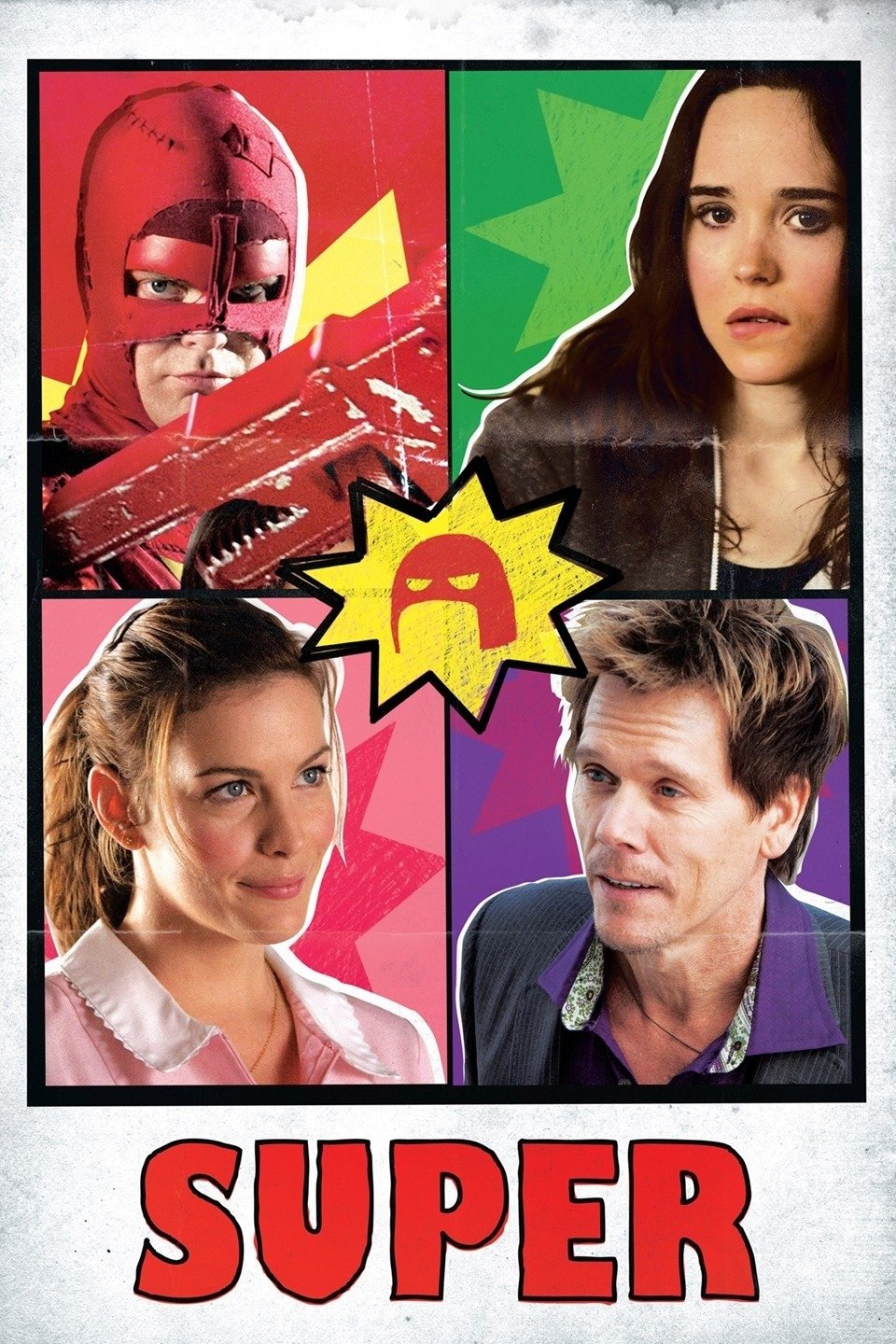
Super poster

Super

2010 · Rainn Wilson hits people with a wrench for justice; the joke turns sour on purpose.

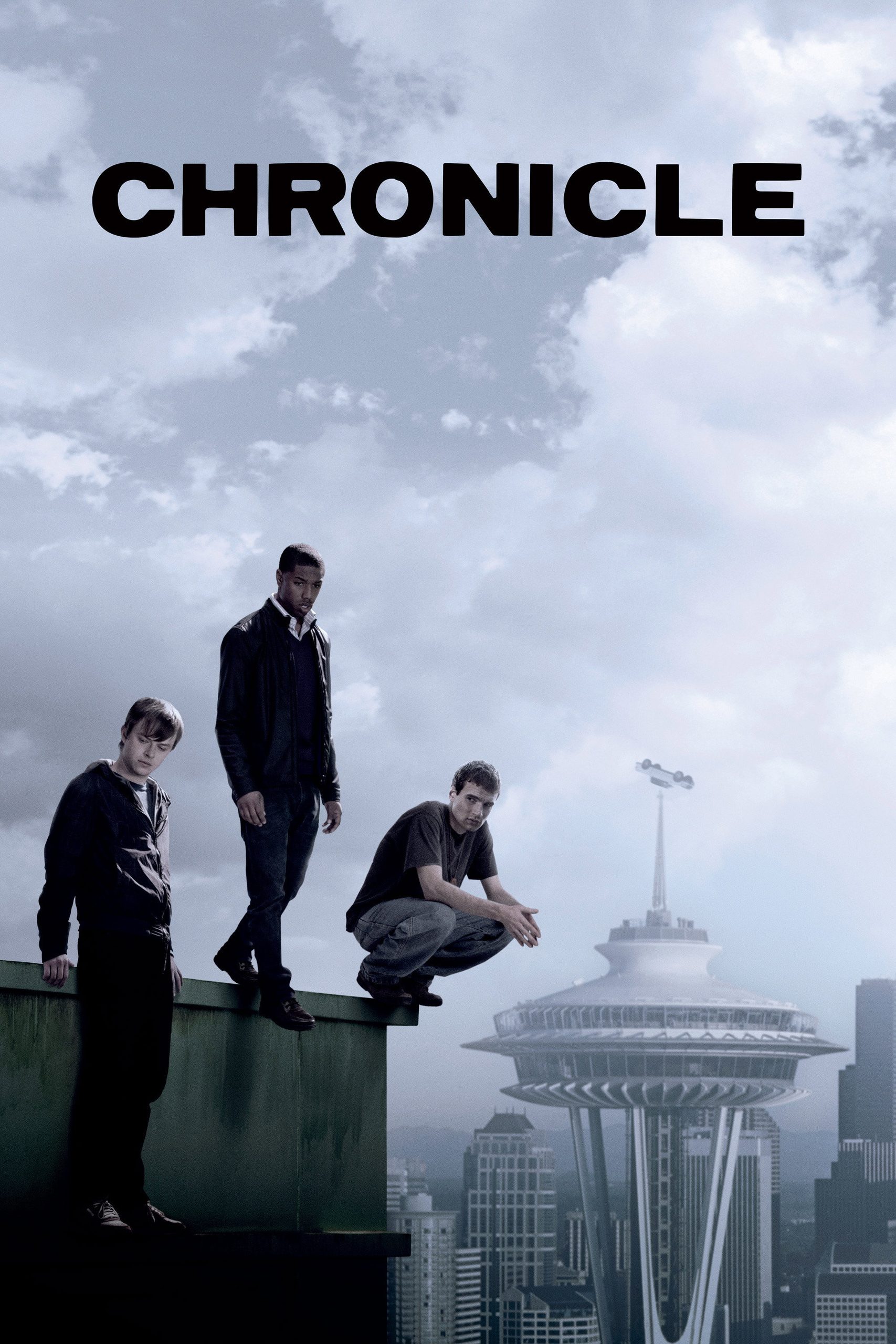
Chronicle poster

Chronicle

2012 · Three teenagers, one camcorder, and a slow lesson in what power does to the lonely.

Invincible poster

Invincible

2021 · Animated, from the same corner of the genre, and its father-son turn cuts deeper.