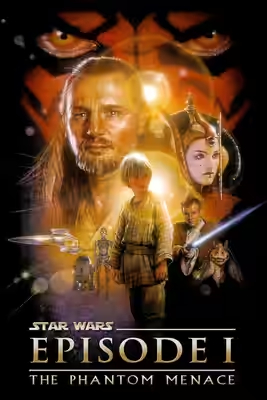
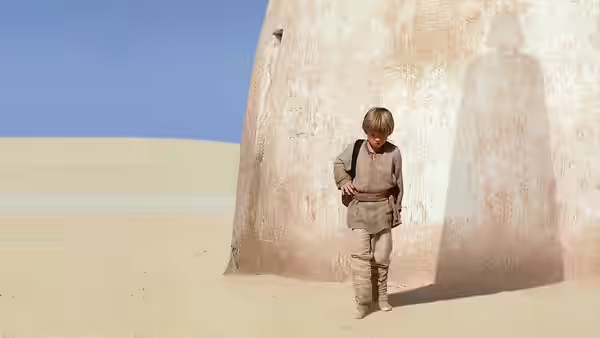
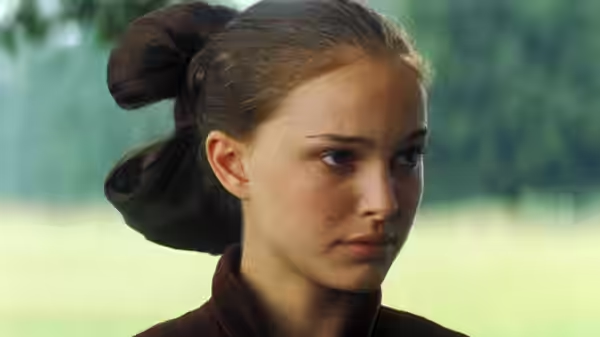
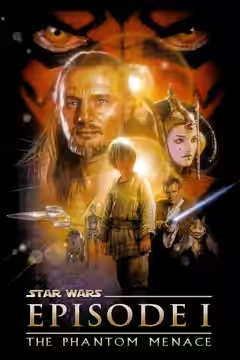
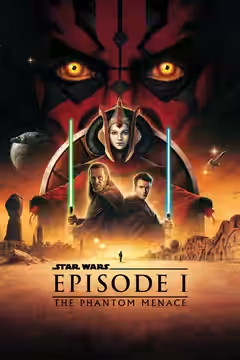
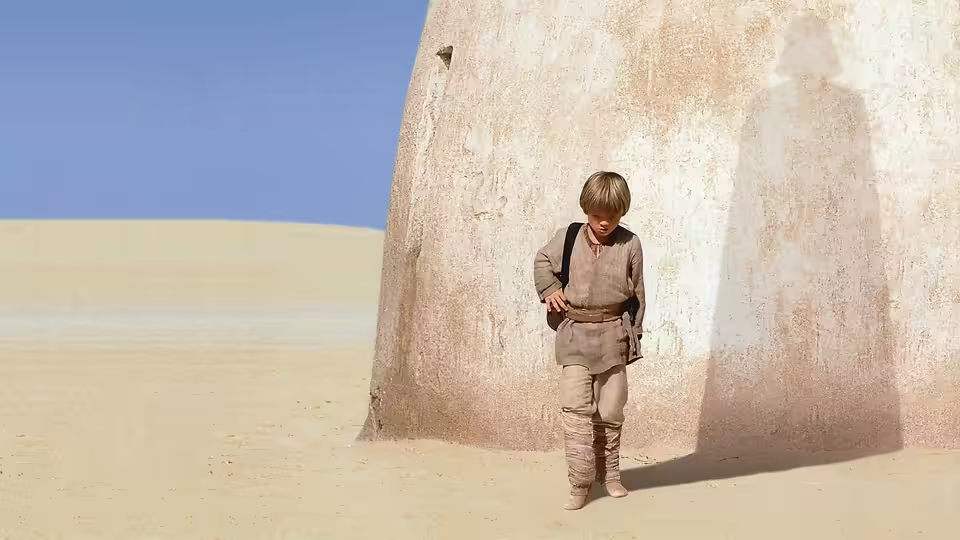
Anakin Skywalker (Jake Lloyd) standing beside a building in the desert
Film review

Star Wars: Episode I - The Phantom Menace

1999 · Directed by George Lucas · 2h 16m · CHVRS PG

In a sentenceThe podrace is exciting enough to make the next conversation feel like a punishment

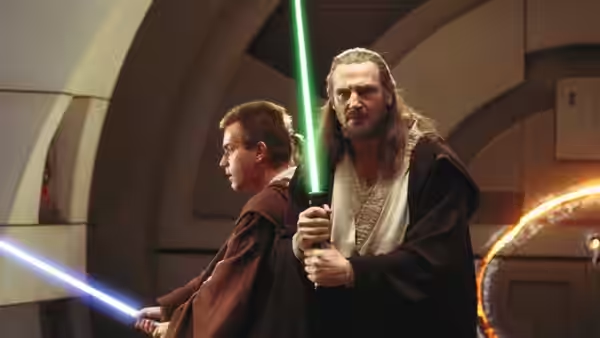
George Lucas’s science-fiction adventure follows Qui-Gon Jinn (Liam Neeson), Obi-Wan Kenobi (Ewan McGregor) and a young Anakin Skywalker (Jake Lloyd). Their stories unfold among unfamiliar creatures, cities and landscapes, with action that includes an escape from Otoh Gunga and a podrace. Padmé Amidala (Natalie Portman) and Senator Palpatine (Ian McDiarmid) also enter the story, alongside Jar Jar Binks (Ahmed Best) and Shmi Skywalker (Pernilla August). Anthony Daniels provides the voice of C-3PO, Kenny Baker plays R2-D2, and Frank Oz voices Yoda.

Plays from YouTube when you press play; nothing loads from them until then.

Fi1m review

George Lucas’s space adventure has fine action and a dispiriting amount of explanation. Liam Neeson and John Williams help, but neither can make the stiff conversations worth sitting through.

George Lucas’s Star Wars: Episode I – The Phantom Menace is a disappointment, despite some exciting action and considerable visual invention. It wants to introduce a galaxy full of people and creatures, but spends so long explaining things that the adventure repeatedly stalls. Lucas the writer gives his actors dialogue that sounds difficult to say with any conviction. At 136 minutes, there is ample time to notice how rarely anyone seems pleased to be talking to anyone else.

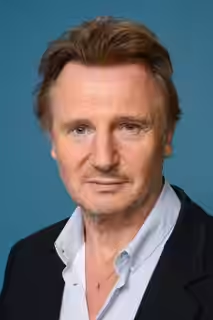
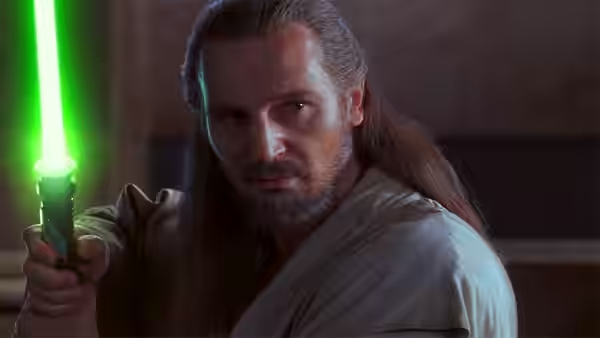
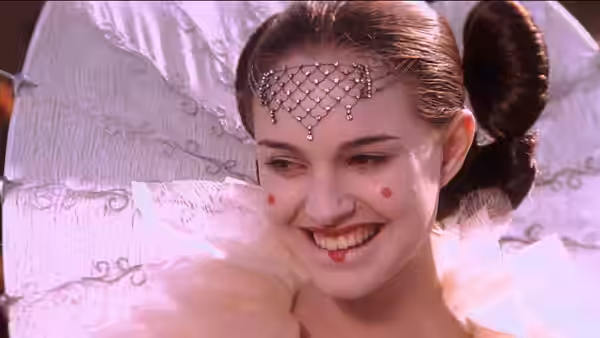
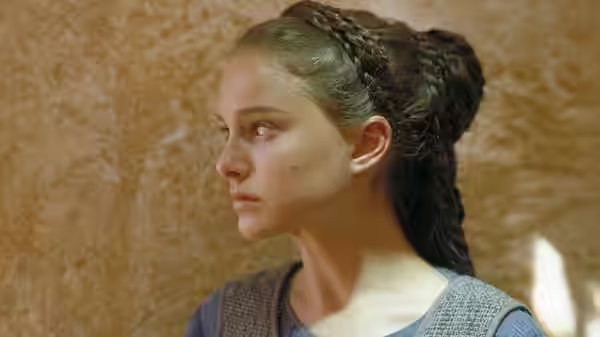
Liam Neeson gives Qui-Gon Jinn a calm authority, speaking the explanatory dialogue as though somebody might reasonably need to hear it. He makes the character good company, which is more useful here than another creature or another impressive view. Ewan McGregor’s Obi-Wan Kenobi and Natalie Portman’s Padmé Amidala are much less engaging, though the stiffness belongs at least partly to Lucas’s writing and direction. Their exchanges seldom reveal enough temperament to make us anticipate the next one.

Jake Lloyd has a harder job still as Anakin Skywalker, because Lucas places so much importance on a child without giving him enough interesting things to say. The performance can be wearing, but blaming the child for the dialogue would conveniently excuse the adult who wrote and directed it. Ahmed Best’s Jar Jar Binks at least provides a different rhythm. The broad comedy grows tiresome through repetition, and it is asked to supply more warmth than it can manage.

Gavin Bocquet’s production design gives Coruscant the scale of a city worth exploring, and the otherworldly settings keep offering something new to inspect. David Tattersall’s cinematography is less consistently helpful to the people occupying them. In the busier images, faces struggle to hold our attention against all the surrounding visual activity. The effects work is often impressive, but admiring the surroundings becomes a distraction when a scene needs us to listen to somebody.

Paul Martin Smith and Ben Burtt’s editing works much better in the podrace, where movement supplies an urgency missing from so many conversations. We were thrilled by it. The speed and danger gave us a reason to care about Anakin that did not require another explanation. It is a substantial pleasure, though the contrast makes the sluggish stretches elsewhere harder to excuse.

John Williams is another reason to stay with it. His music for the lightsaber duel, Duel of the Fates, gives the fighting a gravity that the dialogue has struggled to establish. The sequence can be enjoyed without untangling every preceding explanation, which is a relief. Williams provides a sense of danger and consequence, and the action is strong enough to deserve the music.

Space adventures need companions whose company is worth keeping between the dangerous bits, and Neeson cannot do that job for the entire cast. Lucas’s direction too often leaves the others stranded in solemn exchanges or broad comedy, with little chance to establish a personality. The race and the duel are good enough to explain the film’s defenders, but they do not make the intervening stretches rewarding. Approach it only if an elaborate action sequence is worth a long wait.
Critical consensus AI synthesised

56
Positive
2
Mixed
2
Negative
2

The consensus on The Phantom Menace is mixed, with praise clustering around its visual invention and individual action sequences rather than its storytelling. The pod race and lightsaber duel repeatedly emerge as highlights, while the imagined worlds and cityscapes impress even some disappointed critics. The more enthusiastic reviews find lively family escapism and a recognisable sense of adventure. Several others acknowledge the technical achievement but find little emotional warmth behind it.

Reservations centre on heavy exposition, tangled plotting, stiff performances and digital effects that overwhelm the actors. The spread is wide: The Telegraph celebrates Lucas’s inventiveness and welcomes Jar Jar Binks, while The Guardian finds the film boring, its acting poor and Jar Jar irritating. Even the effects divide opinion, admired for their scope but criticised elsewhere for visual clutter and lack of weight. The central disagreement is how much those spectacles compensate for the weaknesses in character and story.

The Telegraph
15 July 1999 · Andrew O'Hagan
90*

The critic praises the film as one of the most deliriously inventive in years, highlighting George Lucas's genius for adventure narrative and spectacular visual effects. Jar-Jar Binks is singled out as a new star who will soon be as loved as Winnie-the-Pooh.

Read the full review →
Total Film
15 July 1999
75*

The review calls it fantastic fluffy fun-for-all-the-family escapism worth the hype for most viewers, highlighting the pod race, visuals, and action sequences while noting it falls short of being a masterpiece and has flaws in plotting and acting direction.

Read the full review →
Empire
1 January 2000 · Colin Kennedy
60*

The critic finds the film undermined by its choice to introduce a young, whiny Anakin Skywalker and excessive exposition, but praises the visual design on Coruscant, the pod race, the lightsaber duel with Duel of the Fates, and Liam Neeson's performance as Qui-Gon.

Read the full review →
The Guardian
16 July 1999 · Peter Bradshaw
10*

The critic finds the film boring and disappointing, criticizing the uniformly bad acting and irritating characters like Jar Jar Binks. It prioritizes FX and merchandise over any real effort to engage the audience with story or characters.

Read the full review →
Los Angeles Times
18 May 1999 · Kenneth Turan

The prequel is a considerable letdown that is serviceable but noticeably lacking in warmth and humor, and ponderous from a dramatic point of view. Its visual strengths are real and considerable, especially in creating other worlds and cityscapes.

Read the full review →
Sight and Sound
1 July 1999 · Andrew O'Hehir

The critic finds the film a lost opportunity with leaden visuals, a tangled story full of expository waffle, offensive stereotypes, and lacking narrative coherence, though praising the battle sequences and lightsaber duel. It suffers by comparison to the original Star Wars.

Read the full review →

Straight answers AI written, from our review

Is Star Wars: Episode I - The Phantom Menace worth watching?
Star Wars: Episode I - The Phantom Menace is a disappointment we cannot recommend, and we scored it 52. The podrace and the lightsaber duel are exciting, and Liam Neeson and John Williams's music help, but the stiff, explanatory conversations between them stall the adventure for long stretches. Approach it only if one elaborate action sequence is worth a long wait.
How long is Star Wars: Episode I - The Phantom Menace, and what is it rated?
Star Wars: Episode I - The Phantom Menace runs 2h 16m and is rated PG by the CHVRS in Canada. It is an adventure and action film.
Where can I watch Star Wars: Episode I - The Phantom Menace in Canada?
Star Wars: Episode I - The Phantom Menace is streaming on Disney+ in Canada, and it is also available to rent from Amazon Prime Video and Apple TV from CA$4.99. Availability is checked daily; the links above go straight to each service.
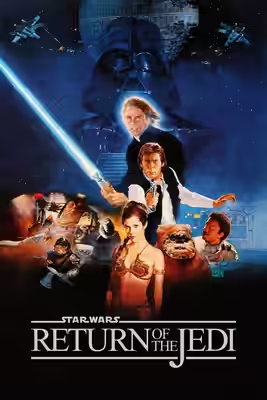
How does Star Wars: Episode I - The Phantom Menace compare to Return of the Jedi?
Star Wars: Episode I - The Phantom Menace is the weaker of the two; Return of the Jedi is the better evening despite its own flaws. The earlier film has a thin romance and overindulged Ewoks, but it is good fun when its creatures and chases have room. The later one has the finer set pieces yet buries them in stiff explanation.
Do you need to have seen the other Star Wars films before Star Wars: Episode I - The Phantom Menace?
Star Wars: Episode I - The Phantom Menace is the first chapter in story order and needs no earlier viewing to follow. It was made after the original films, so knowing them adds recognition rather than understanding. As a starting point it is a poor advertisement for the series, since the sluggish conversations outnumber the strong action.
What should I watch after Star Wars: Episode I - The Phantom Menace?
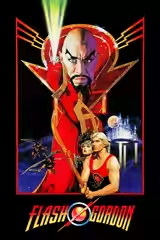
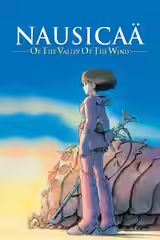
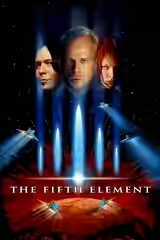
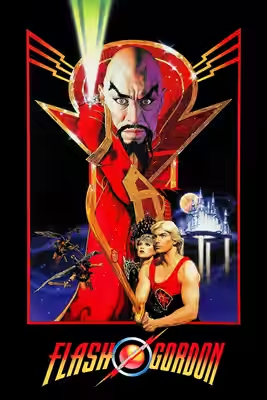
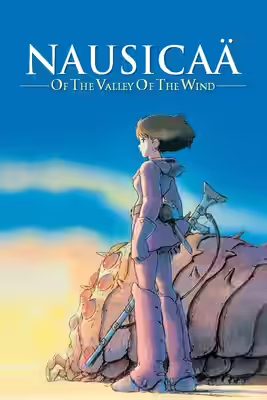
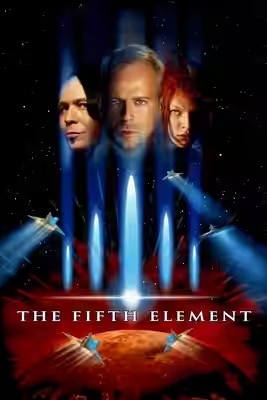
After Star Wars: Episode I - The Phantom Menace, try Flash Gordon (1980, Fi1m 70): For colourful space spectacle with less solemnity and a healthier sense of nonsense. Then Nausicaä of the Valley of the Wind (1984, Fi1m 85): For imaginary landscapes whose inhabitants give us reasons to care about them; and The Fifth Element (1997, Fi1m 73): For crowded future cities, peculiar creatures and performers allowed to have fun.
What order should I watch the Star Wars films in?
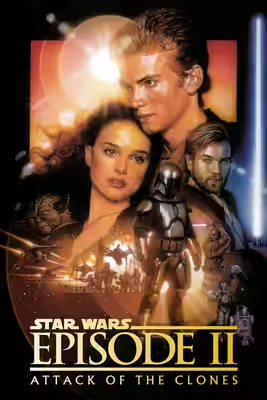
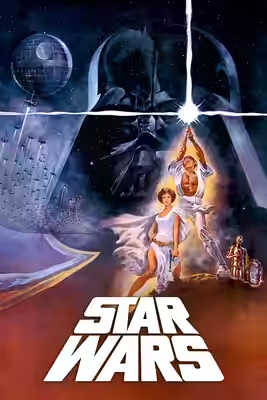
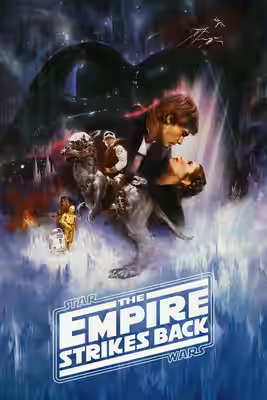
Release order is the safe choice for Star Wars, and it is the order our collection page lists them in. Star Wars: Episode I - The Phantom Menace is number 4 of the 9 Star Wars titles on Fi1m; before it comes Return of the Jedi and after it Star Wars: Episode II - Attack of the Clones. The full order.

Part of · 4 of 9

Star Wars

9 films on Fi1m · 1977–2019 · average 70 · best The Empire Strikes Back 92

All 9 in order

Cast

Awards

Academy Awards, 2000

Nominated
Best Sound
Nominated
Best Sound Editing
Nominated
Best Visual Effects

Golden Raspberry Award for Worst Picture, 1999

Nominated
Golden Raspberry Award for Worst Picture

If you liked this, try…

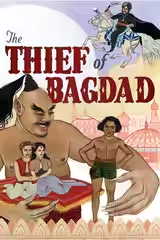
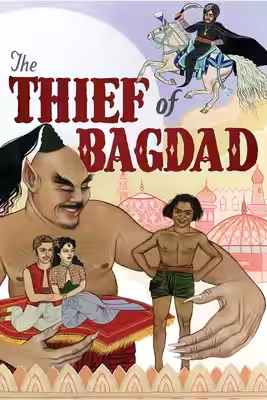
  1. The Thief of Bagdad (1940) · not reviewed yetFor strange creatures, palace intrigue and adventure that remembers to enjoy itself.

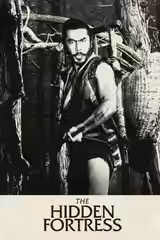
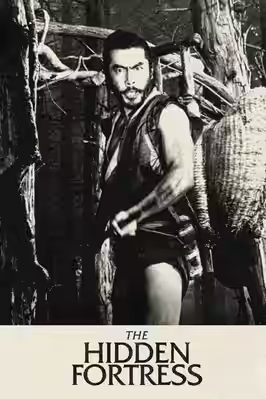
  2. The Hidden Fortress (1958) · not reviewed yetFor an adventure that gives its bickering travellers personalities worth following.

  3. Flash Gordon (1980, Fi1m 70)For colourful space spectacle with less solemnity and a healthier sense of nonsense.

  4. Nausicaä of the Valley of the Wind (1984, Fi1m 85)For imaginary landscapes whose inhabitants give us reasons to care about them.

  5. The Fifth Element (1997, Fi1m 73)For crowded future cities, peculiar creatures and performers allowed to have fun.

Free account

Know what to watch tonight

Two lists that know where things are streaming, collections you can share, your own score beside ours, and Discover that remembers what you have seen.

  • Want to see, sorted by what is streaming now
  • Seen, with your score out of ten
  • No adverts, ever