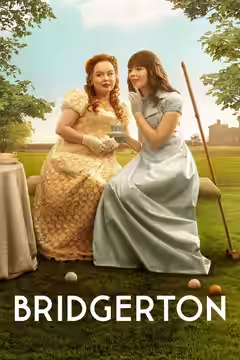
Chris Van Dusen’s Bridgerton makes an inviting romance from family pressure, sexual curiosity and conspicuously fine clothes. The dialogue sometimes labours to impress, but the series takes women’s desire seriously enough to earn its pleasures.
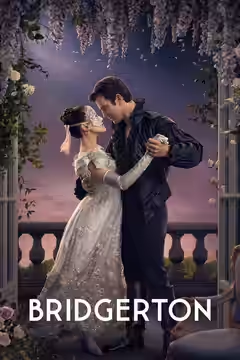
Bridgerton is satisfying romantic television with a weakness for dialogue that announces its own cleverness. Chris Van Dusen’s series wants to make courtship pleasurable to watch while taking seriously the restrictions placed on women who are expected to marry. Its fantasy Regency London is polished enough to discourage any search for dirt, and that seems a reasonable bargain for this kind of entertainment. We recommend it with one reservation: the characters are sometimes made to speak more elaborately than their feelings require.
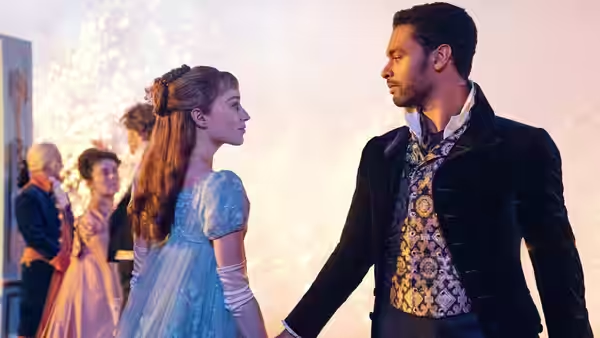
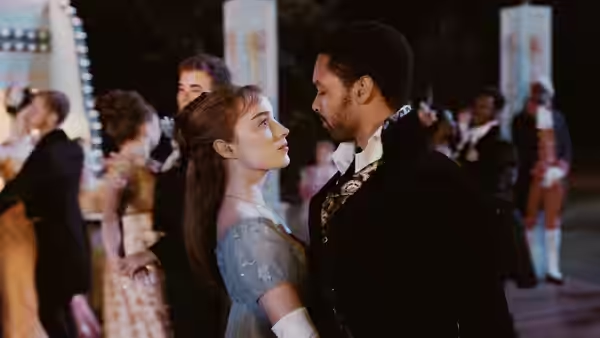
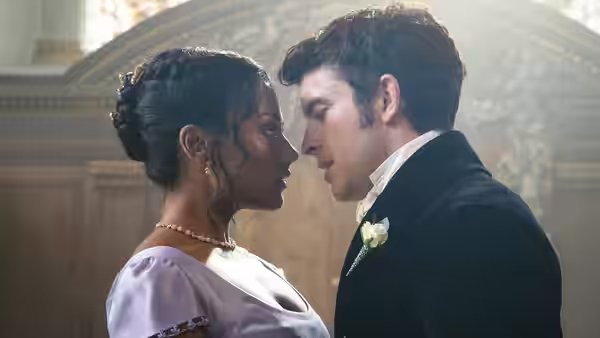
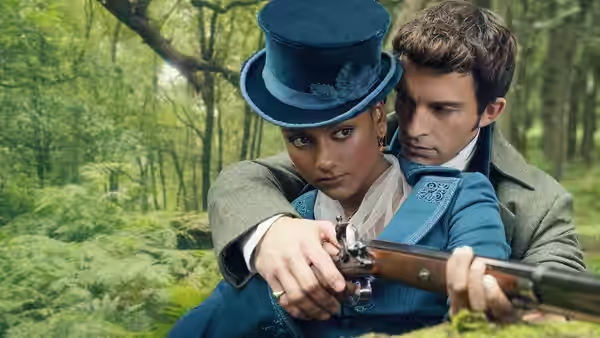
The family gives those feelings somewhere to develop beyond the central romance. Ruth Gemmell’s Lady Violet Bridgerton and Jonathan Bailey’s Lord Anthony Bridgerton help make that appeal persuasive; the sense of belonging matters when so much depends on making a match. Regé-Jean Page’s Simon Basset supplies enough romantic assurance to make the familiar conventions enjoyable. These performances suit a programme that wants attraction to be legible, and subtlety need not be the only measure of success.
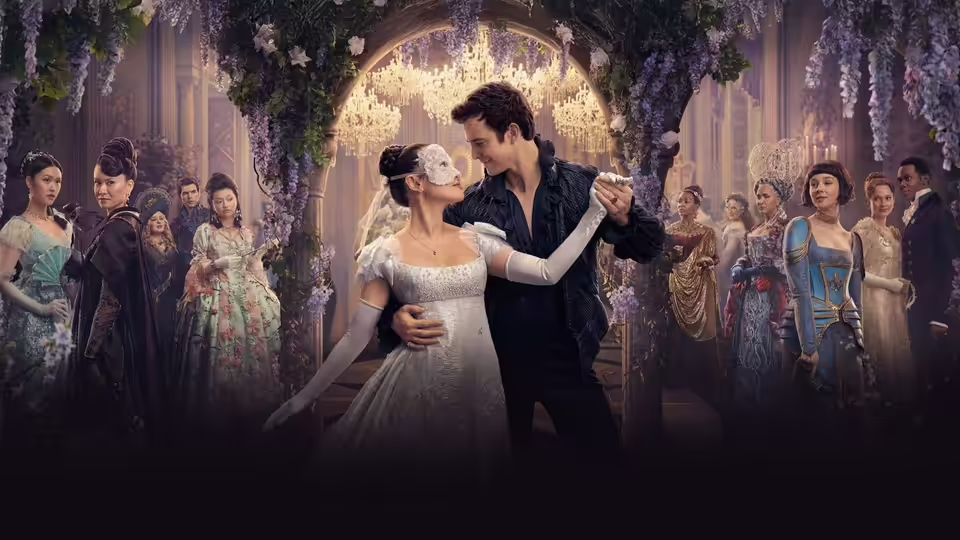
Jeffrey Jur’s cinematography gives the bright colours room to register, while Will Hughes-Jones’s production design provides suitably lavish surroundings for the courtship. The clothes and interiors hold our attention even when the dialogue repeats something already understood. There is a danger that all this finery will make the people seem decorative too. The romantic chemistry usually prevents that, keeping our attention on the people inside the clothes and their interest in one another.
We smiled at the pop music arriving among the period clothes. The anachronism makes the invitation clear: nobody needs a working knowledge of Regency manners to recognise these romantic feelings. Kris Bowers’s music fits comfortably into that approach, helping the emotion come across without making the period setting forbidding. The editing, credited to Gregory T. Evans among others, keeps the romantic complications moving without making them difficult to follow, which matters when the pleasures depend so much on anticipation.
The frankness about sex is more important than the musical joke. Female curiosity and pleasure receive attention, and the marriage plot considers what patriarchal traditions demand of the women living under them. That gives the romance something to deal with beyond the question of who finds whom attractive: unequal freedoms make the search for a partner consequential. The inclusive casting makes the fantasy more welcoming, and the series is comfortable letting pleasure matter without treating its pursuit as foolish.
The writing is less assured when it tries to underline what is already obvious. Some of the heightened dialogue sounds prepared for admiration, and familiar romantic obstacles occasionally become too easy to predict. Chris Van Dusen’s modern treatment of period romance does not always spare it the genre’s old habits, particularly the tendency to prolong a difficulty we have already understood. More restraint would help in those passages, though adding historical grime would do little to improve them.
If romantic melodrama usually irritates, the finery will not change that. We would recommend this to anyone willing to give a familiar courtship time to work, and to accept a little fuss along the way. Watch for the attraction, and forgive the occasional speech.