Noah Hawley’s anthology takes the Coens’ snow, their accents and their opening lie about a true story, and builds five separate crime stories of its own. Three are excellent, one is a slog, and the whole is far better than the idea deserved.
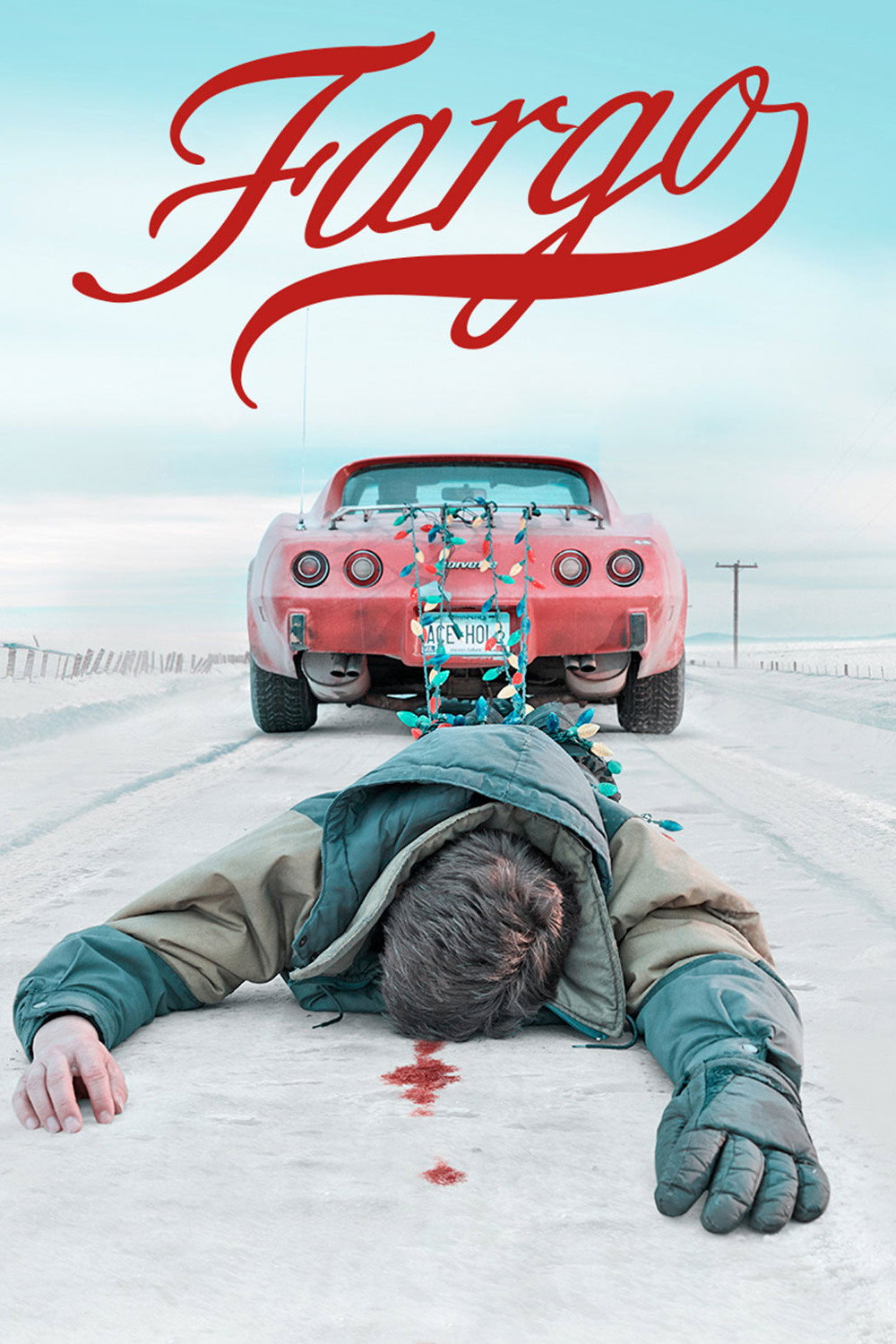
In 2014 the idea sounded like a cash-in: a television series named after the Coen brothers’ 1996 film, with none of the same people. Noah Hawley kept the snow, the accents, the card at the start claiming this is a true story, and the shape of the thing. A weak man does one bad thing, a much worse man arrives, and a police officer nobody listens to works it out. Then he did it five times, across nine years, each season a separate story in a separate decade. Three of the five are excellent. One is a slog.
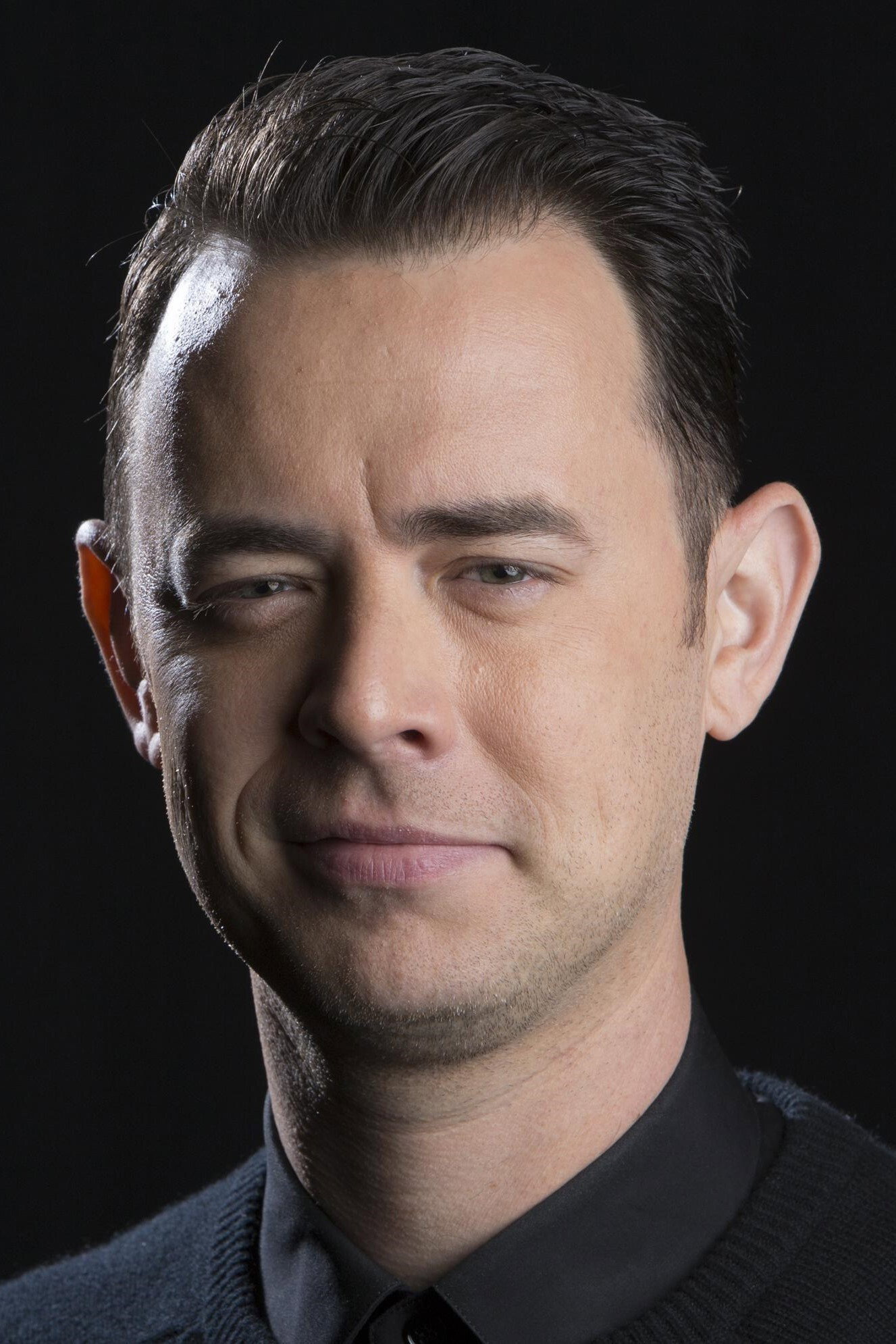
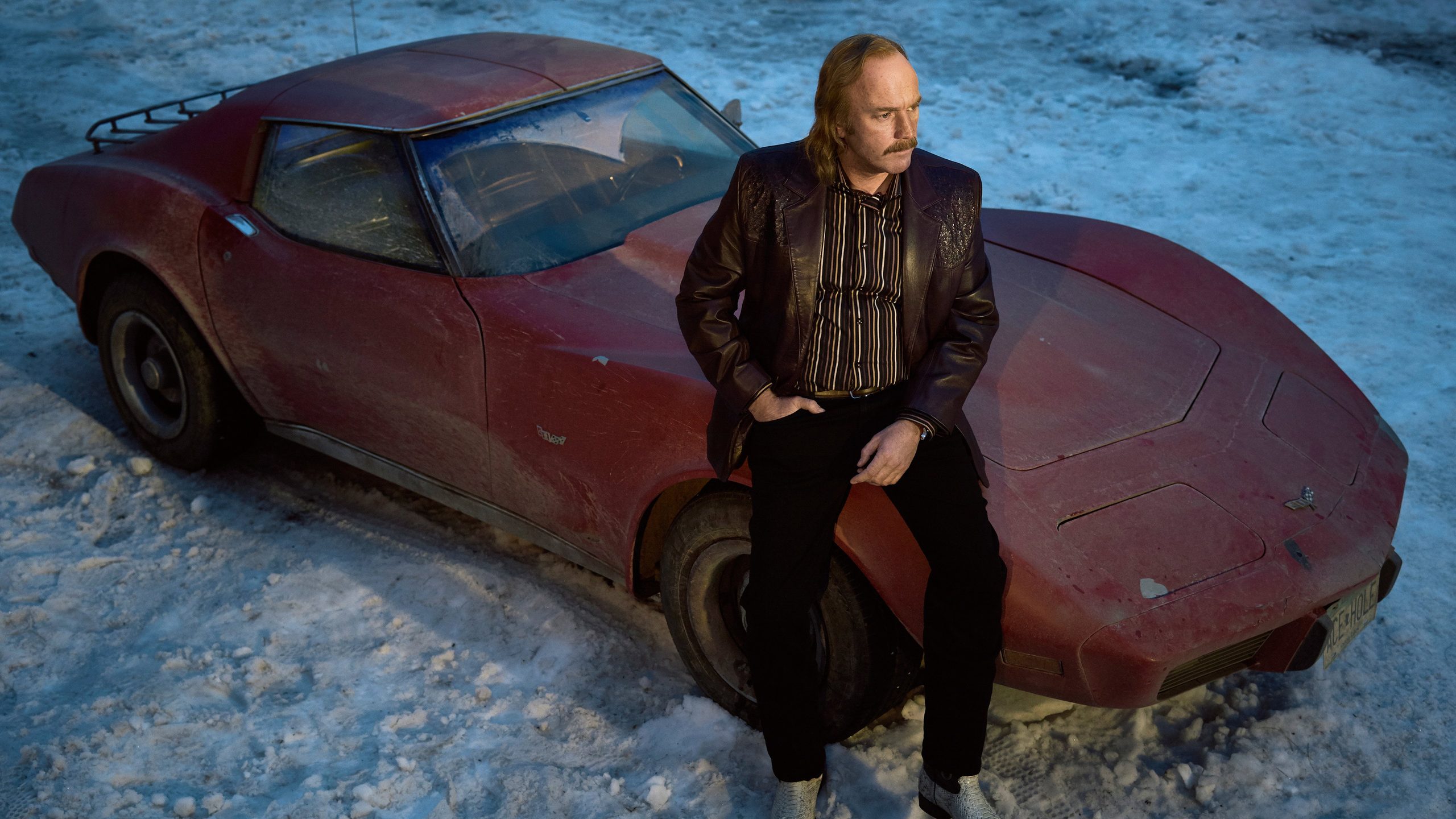
The first season sits a Bemidji insurance salesman, Lester Nygaard (Martin Freeman), next to a stranger called Lorne Malvo (Billy Bob Thornton) in a hospital waiting room, and lets Malvo ask one question. Freeman plays Lester as all wince and shrug, a man apologising for taking up a chair, and Malvo finds this interesting. Thornton barely raises his voice; he tilts his head, asks another question and waits. Allison Tolman’s Molly Solverson, the deputy whom her chief will not hear, is the performance we remember most. Colin Hanks’s Gus Grimly, a Duluth officer who stops Malvo on a dark road and lets him go, spends the season knowing what that cost.
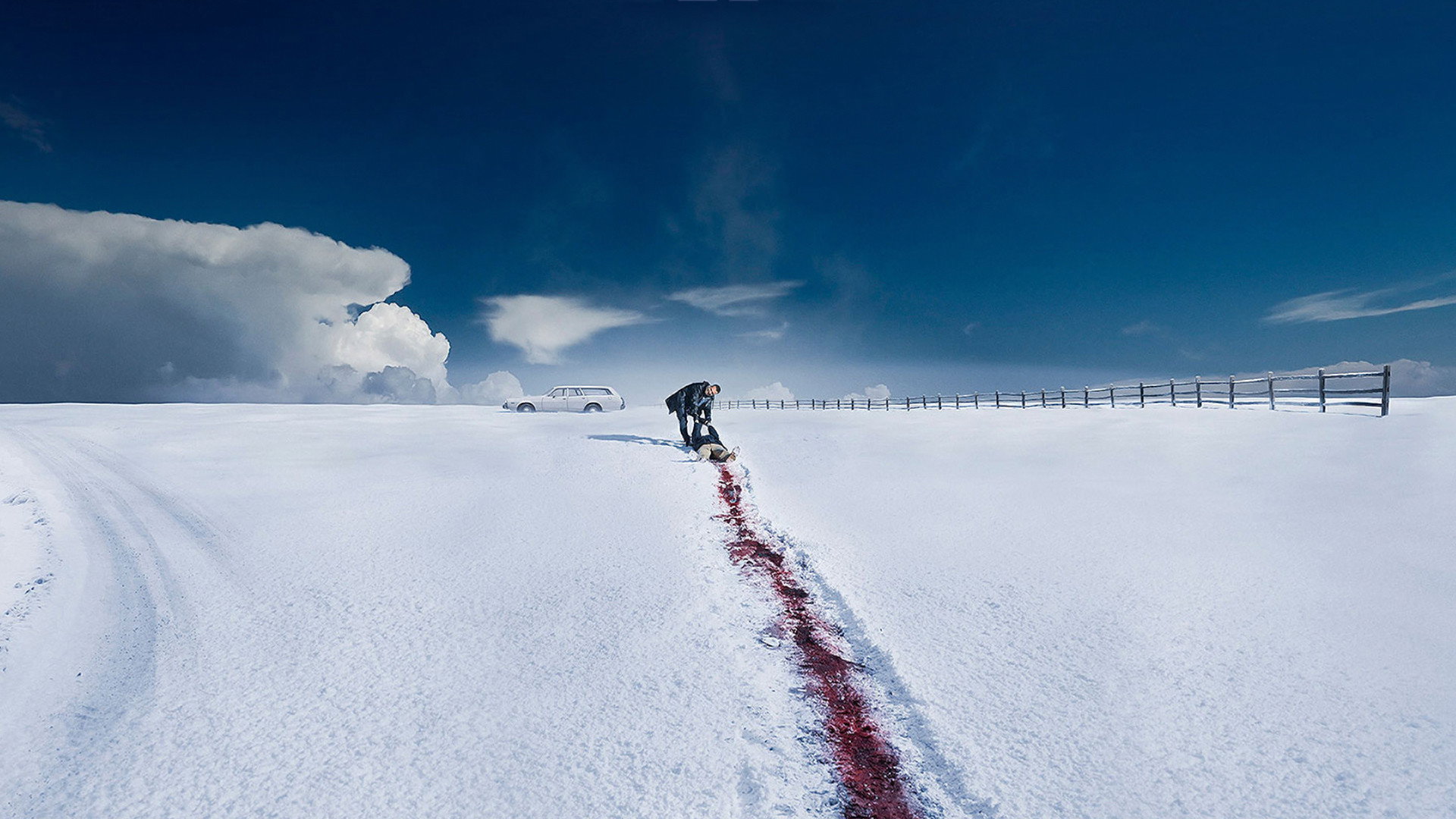
It is shot to look cold. Dana Gonzales, who shoots and sometimes directs it, likes a wide frame with a car as a dot in the white, then a kitchen lit orange. Elisabeth Williams’s production design is wood panelling, drop ceilings and motels with the heating on, and Carol Case puts everyone in parkas that make them slower. Jeff Russo’s score sits on low strings and a slow drum, close enough to the film’s theme to nod at it and far enough not to take it. The editors, Regis Kimble among them, let scenes run a beat longer than television usually allows. The Times found all this dull. We think that wrong: the pauses are where the jokes are, and the jokes are where the dread is.
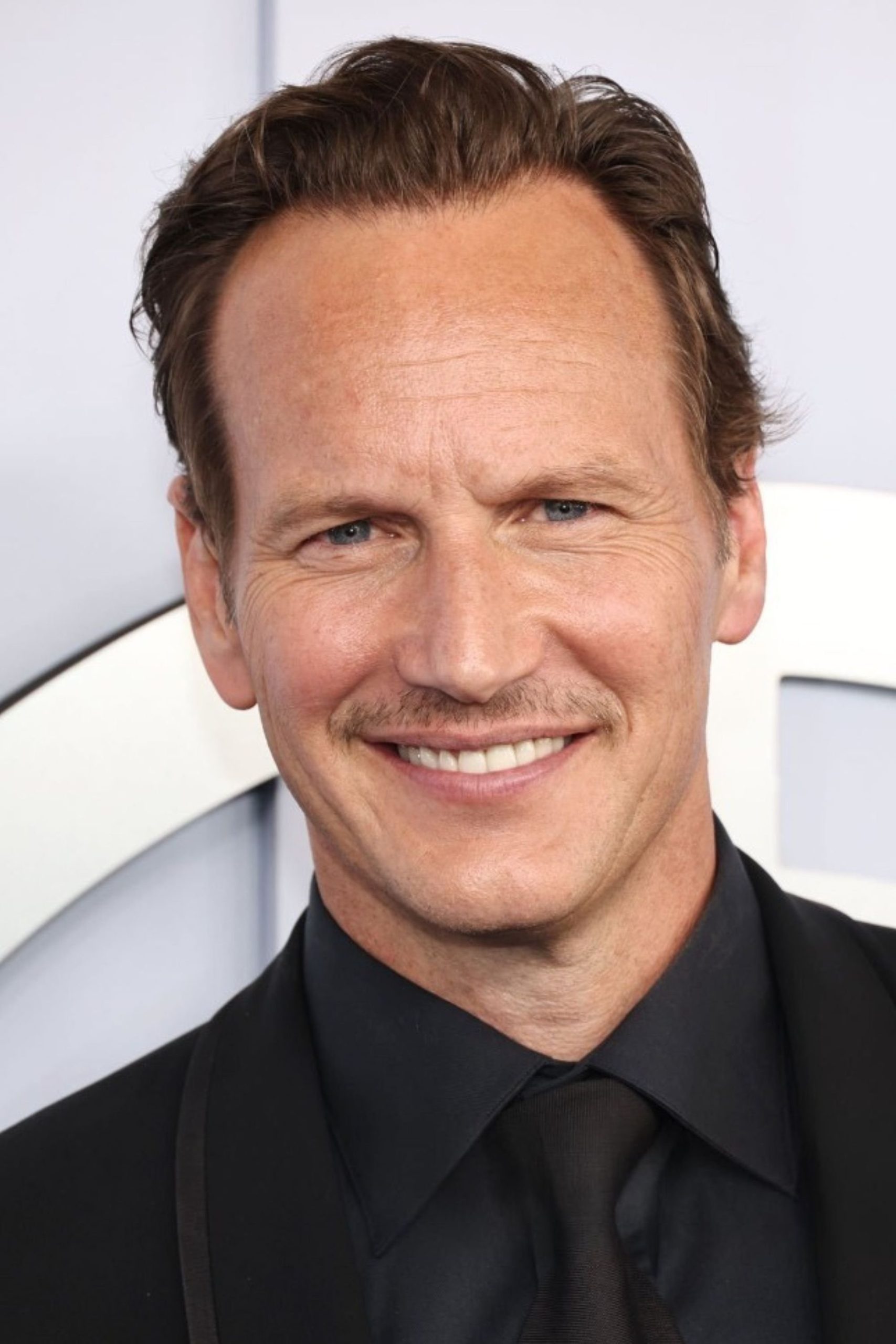
The second season goes back to 1979 and gives Molly’s father, the state trooper Lou Solverson (Patrick Wilson), a war between a Fargo crime family and a syndicate from Kansas City. Wilson is decent, upright and tired, and it is the surest season. The third has Ewan McGregor playing two brothers, Emmit and Ray Stussy, one rich in car parks and one a parole officer with a grudge, and he is convincing as both. It is a sadder season, about who gets to say what is true, and it runs a little long.
Then the fourth. Kansas City, 1950, Chris Rock as Loy Cannon, head of a Black crime outfit keeping an uneasy truce with the Italians. Eleven episodes, a dozen major characters, and a thesis about America and who counts as white, delivered by people who keep stopping to explain it. Rock is stiff, which may be the point and does not help. We were bored, and then we were cross about being bored by something so plainly ambitious.
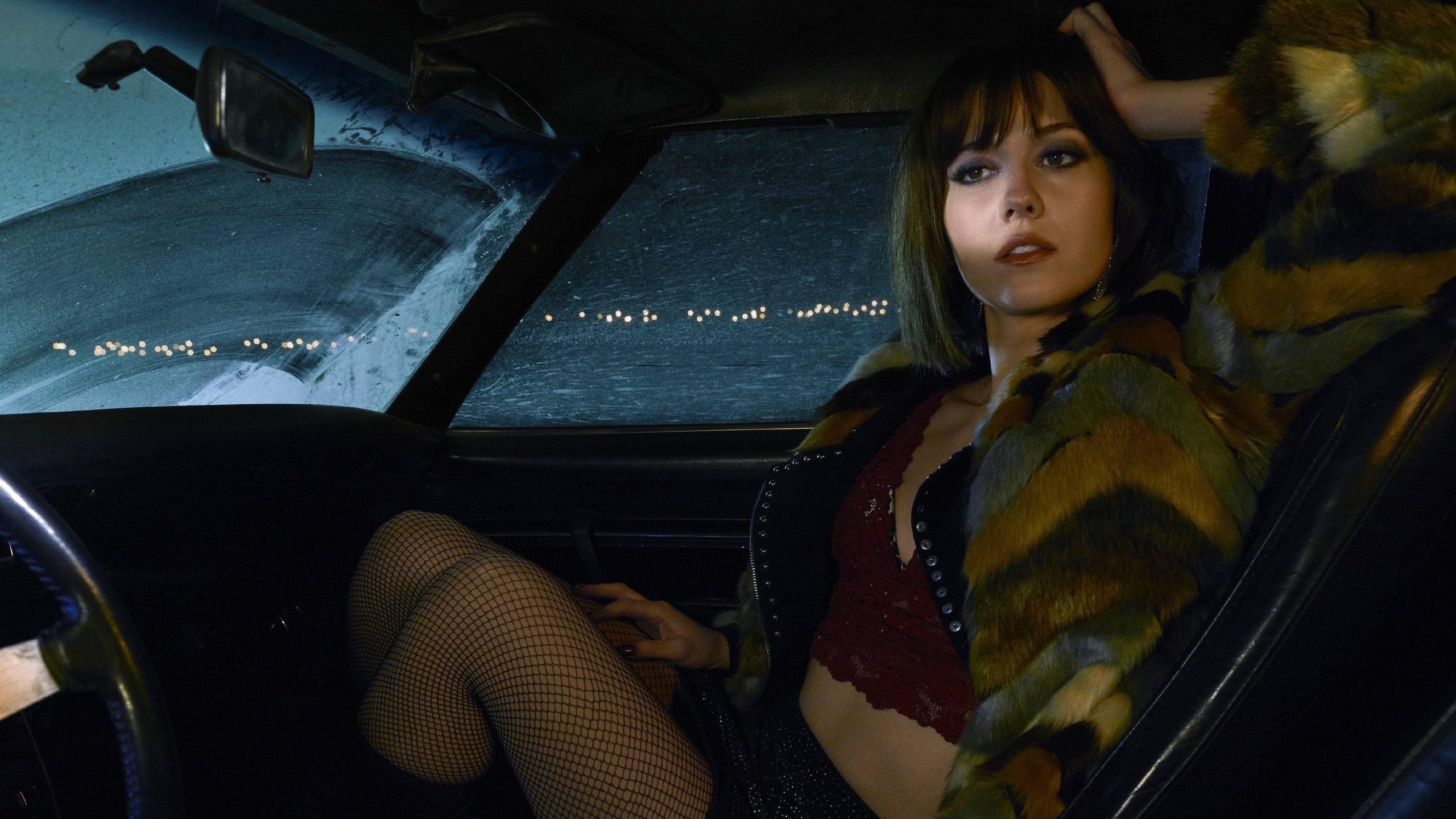
The fifth is the recovery. Juno Temple plays Dorothy ‘Dot’ Lyon, a Minnesota housewife with a husband, Wayne (David Rysdahl), a daughter, and a past that comes through the door in the first episode. Jennifer Jason Leigh, as her mother-in-law Lorraine, runs a debt-collection empire and says unforgivable things at breakfast. Joe Keery’s Gator Tillman is the sheriff’s son and deputy and useless at both; Lamorne Morris’s Witt Farr and Richa Moorjani’s Indira Olmstead are the officers who do the work. Ole Munch, the hired man, frightened us more than anyone since Malvo. Sam Spruell speaks him as though translating from a language nobody else has, and never once winks.
Across five seasons the series has one recurring vice: Hawley’s fondness for a parable. Somebody stops the plot to tell a story about a wolf, or a man who could not stop, and it works about once a season. The rest of the time this is patient, funny, frightening crime drama that takes its decent people seriously. Begin with the first season, skip the fourth if you must, and do not skip the fifth. It carries a 15.