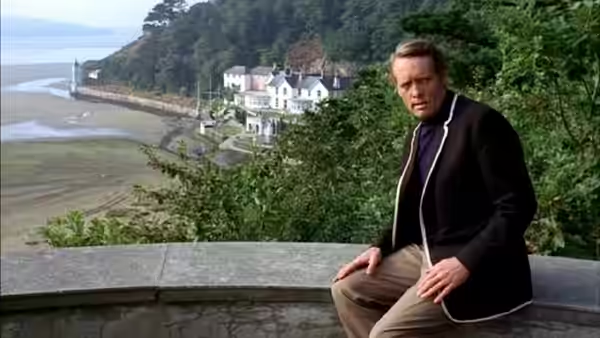
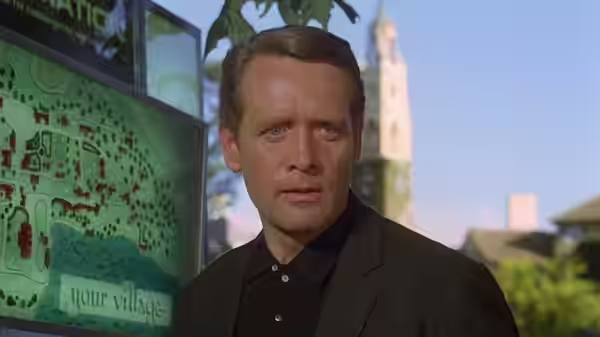
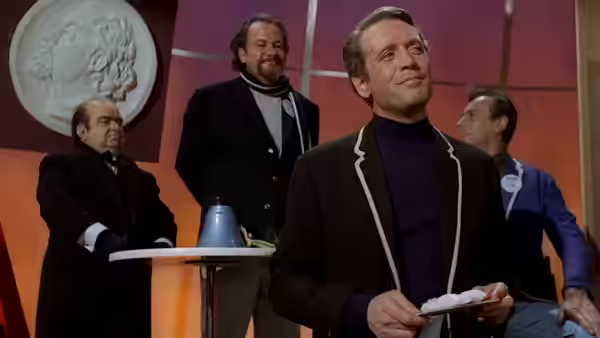
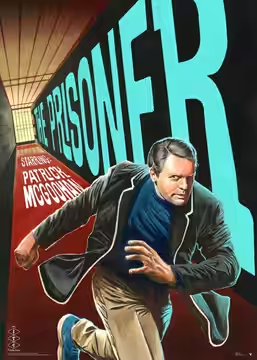
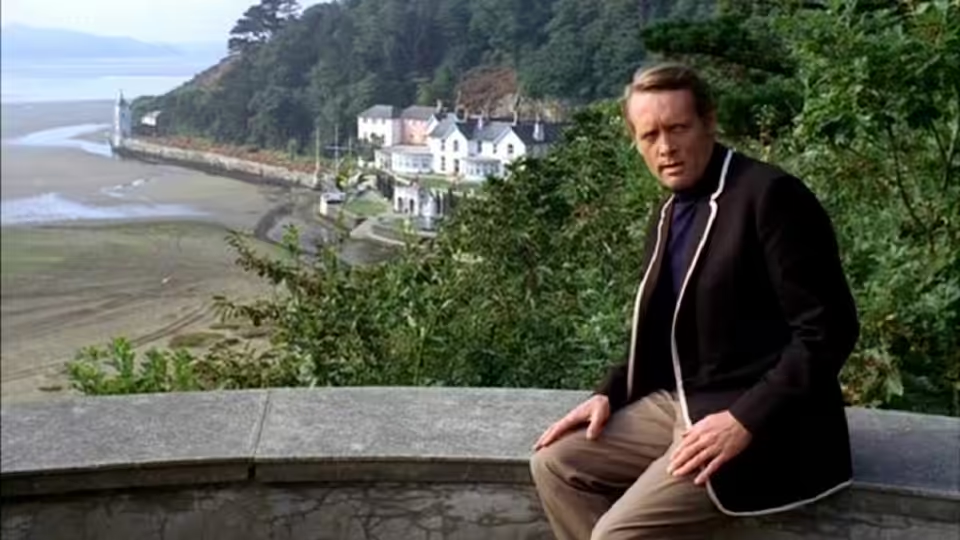
Number Six (Patrick McGoohan) seated on a wall overlooking the Village
Series review

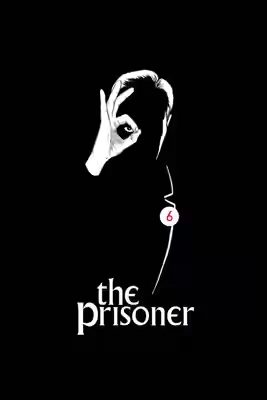
The Prisoner

1967 · Created by Patrick McGoohan, George Markstein · Series · 1h 00m

In a sentenceThe village would be charming if it stopped trying to run everybody’s life

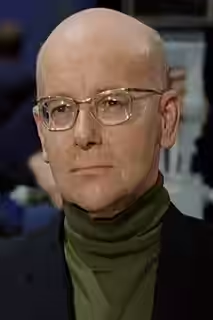
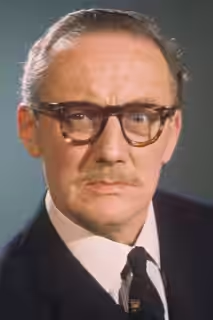
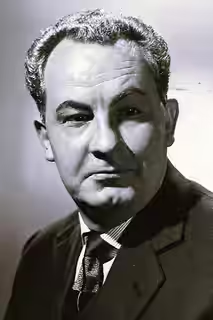
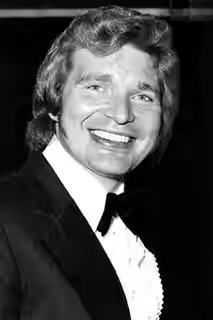
Patrick McGoohan plays Number Six in the Village, a place where nostalgic surroundings conceal technologically enforced control. Personal freedom comes second to the needs of the state, and Number Six faces the people who keep that arrangement in place. They include Number Two, played by Colin Gordon among others, and the Supervisor, played by Peter Swanwick; Fenella Fielding supplies the voice of the Loudspeaker Announcer. This seventeen-episode science-fiction mystery follows the conflict between a man and the authorities around him, asking how much independence anyone can retain when a system puts its own survival first.

Fi1m review

Patrick McGoohan gives The Prisoner the stubborn centre it needs, while the Village makes familiar surroundings feel unsafe. We recommend this gripping, uneasy mystery, with a warning that its solemnity can become wearing.

The Prisoner is an unnerving science-fiction mystery, and we recommend it despite a solemn streak that occasionally becomes hard work. Its central worry is easy to understand: the authorities want to preserve their system, and the person in front of them is an inconvenience. The Village gives that struggle a nostalgic setting, with technology enforcing the rules. The series takes personal freedom seriously enough to make resistance difficult, awkward and sometimes exhausting, including for us.

Patrick McGoohan plays Number Six with the determination the material needs, though warmth is in short supply. We need to believe that this man will remain difficult even when agreement would make everybody’s life easier, and McGoohan makes that stubbornness convincing. His performance can feel forbidding, but making him more companionable would soften the quality the authorities want to overcome. McGoohan also writes, directs and produces, and the severity of his performance feels entirely at home in the programme around him.

The Village is the reason those clashes matter beyond the immediate mystery. Its mixture of nostalgia and technologically enforced control makes familiar surroundings seem unsafe without requiring them to lose their appeal. We were unnerved by that combination: the reassuring appearance of the place does nothing to protect the people inside it. Brendan J. Stafford’s cinematography makes the nostalgic setting persuasive, allowing us to understand its attraction even while distrusting the way it is run.

The people administering that control matter too, and Colin Gordon’s Number Two has the useful quality of seeming to regard authority as entirely reasonable. Peter Swanwick’s Supervisor adds to the sense that keeping people under control is ordinary employment here. Fenella Fielding’s Loudspeaker Announcer is particularly effective: an announcement can enter everybody’s day without inviting a reply. These performances give the authorities enough human presence to stop every confrontation becoming a dispute with a faceless organisation.

Among the editors are Eric Boyd-Perkins and Noreen Ackland, and the cutting works best when it preserves the pressure of a confrontation. The series needs time for stubbornness to become uncomfortable; hurry past it and Number Six would be too easy to cheer. The music, with contributions from Wilfred Josephs and Albert Elms, keeps the Village’s nostalgic appeal from becoming cosy. We remain most alert to the human exchanges, where a disagreement about control can become unpleasant without needing much movement.

The difficulty is that so much determination can grow tiring. McGoohan’s severity sometimes leaves too little room for uncertainty, and the defence of individual freedom begins to feel over-insistent. We do not need the people running the Village to become sympathetic, but the drama loses force whenever their opposition seems to exist merely to prove Number Six right. Some of the writing would benefit from trusting the setting and the performances to make its case.

For a mystery series, The Prisoner puts considerable trust in our willingness to stay with an awkward man. The suspense keeps that gamble working, even when we have had enough of his certainty. With seventeen episodes, there is room for the struggle to develop, though the sternness is reason enough to leave a little space between them. Start it when you are prepared to find the person you support difficult company.
Critical consensus AI synthesised

83
Positive
6
Mixed
0
Negative
0
The AV Club
29 March 2002 · Keith Phipps
90*

The critic calls it one of the strangest and best shows in television history, a remarkable accomplishment driven by clever, evocative, suspenseful and metaphorically rich episodes. They single out its unique dystopian Village as a mix of technologically enforced totalitarianism and nostalgia that comments on larger themes of state preservation over individual concerns.

Read the full review →
The Guardian
26 September 2009
85*

The critic affirms that The Prisoner holds up as a classic equivalent to Citizen Kane for many viewers. McGoohan's experimental 1960s series is singled out for its psychedelic critique of bureaucracy and class structures, along with strong visual presentation on the new DVD/Blu-ray release.

Read the full review →
Den of Geek
29 September 2017 · Jamie Andrew
85*

The critic celebrates the series as imaginative, unfathomable and years ahead of its time, praising its surreal imagery, cerebral plots and iconic title sequence while noting how it defies easy categorization as spy thriller or something more.

Read the full review →
/Film
11 January 2026 · Witney Seibold
85*

Calls the 1967 series one of the best sci-fi shows ever, a deliciously paranoid acid-thriller that turns spy tropes inside out with surreal production design and a cranky individualist protagonist resisting the Village's control.

Read the full review →
Paste
17 April 2023 · Kenneth Lowe
80*

Describes the series as a singular, deeply subversive and angry limited run that encapsulates individual rage against authoritarian control through surreal, cerebral episodes and a stubbornly defiant protagonist.

Read the full review →
Collider
13 December 2009 · Andre Dellamorte
70*

Praises the series as a cult classic defined by complex mind-games and mental chess between Number Six and his captors, noting that most episodes deliver solid viewing even as the concept stretches in later installments.

Read the full review →

Straight answers AI written, from our review

Is The Prisoner worth watching?
The Prisoner is worth watching for anyone who wants an unnerving science-fiction mystery about a man refusing to be managed, and we scored it 84. Patrick McGoohan's stubborn Number Six and the Village's cheerful, closely controlled setting hold it together across seventeen episodes. The solemnity can grow tiring, so leave a little space between episodes.
How long is The Prisoner, and what is it rated?
The Prisoner has episodes of about 1h 00m. It is a drama and sci-fi & fantasy series.
Where can I watch The Prisoner in Indonesia?
The Prisoner is not on any streaming or rental service in Indonesia at the moment. It is available in 5 other countries; change your country at the top of the page to see where. Availability is checked daily.
How does The Prisoner compare to The Conversation?
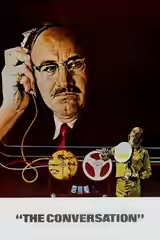
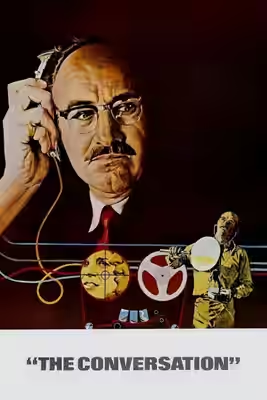
The Prisoner is the stranger and sterner of the two, a serial mystery about a whole community under control, while The Conversation is a tight film thriller about one man listening too closely. The film is the more emotionally direct, with Gene Hackman's loneliness doing the work McGoohan's severity refuses. Choose the series for sustained unease, the film for a single evening's suspense.
What should I watch after The Prisoner?
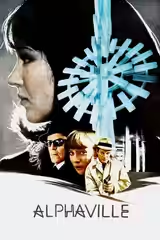
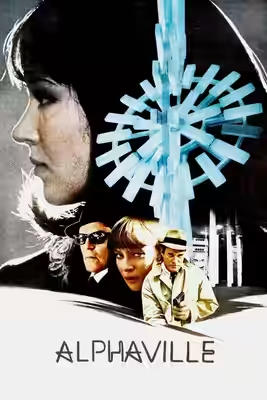
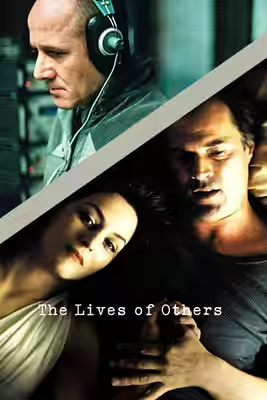
After The Prisoner, try Alphaville (1965, Fi1m 78): Another struggle against organised control, with stranger streets and a similarly stubborn hero. Then The Conversation (1974, Fi1m 92): Surveillance becomes a private torment, with suspense built from listening too closely; and The Lives of Others (2006, Fi1m 84): For surveillance examined through the daily choices of the people doing the listening.

Cast

If you liked this, try…

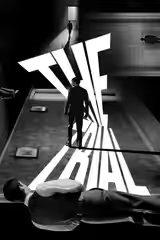
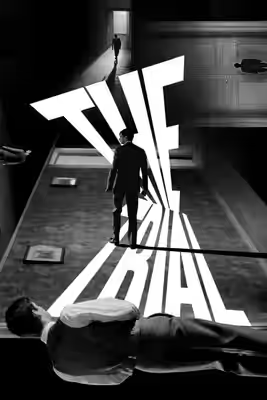
  1. The Trial (1962) · not reviewed yetFor bewildering authority, and officials who make an explanation sound like further punishment.

  2. Alphaville (1965, Fi1m 78)Another struggle against organised control, with stranger streets and a similarly stubborn hero.

  3. The Conversation (1974, Fi1m 92)Surveillance becomes a private torment, with suspense built from listening too closely.

  4. The Lives of Others (2006, Fi1m 84)For surveillance examined through the daily choices of the people doing the listening.

  5. Severance (2022) · not reviewed yetCorporate courtesy makes captivity feel reasonable, until the people inside begin asking questions.

Free account

Know what to watch tonight

Two lists that know where things are streaming, collections you can share, your own score beside ours, and Discover that remembers what you have seen.

  • Want to see, sorted by what is streaming now
  • Seen, with your score out of ten
  • No adverts, ever