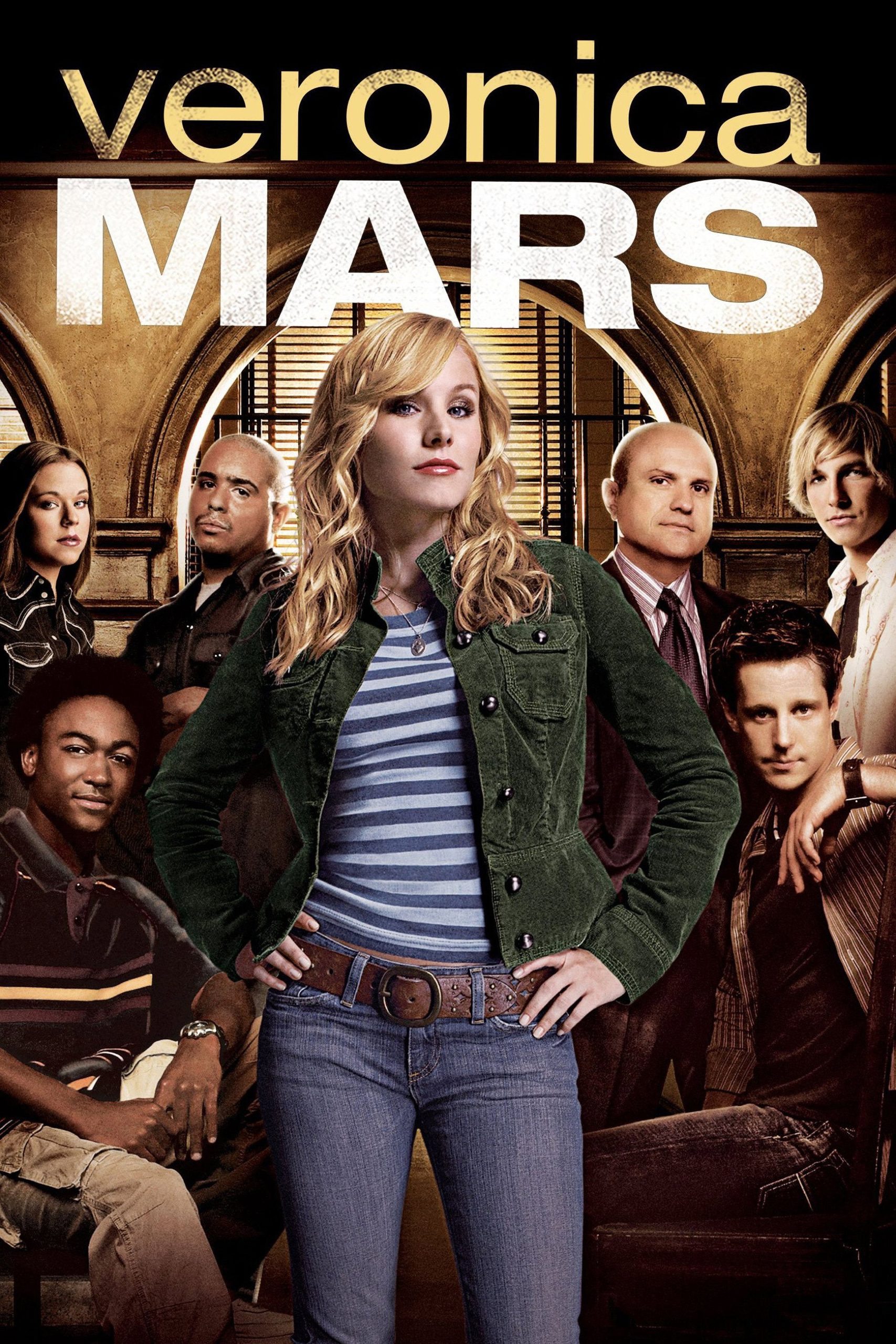
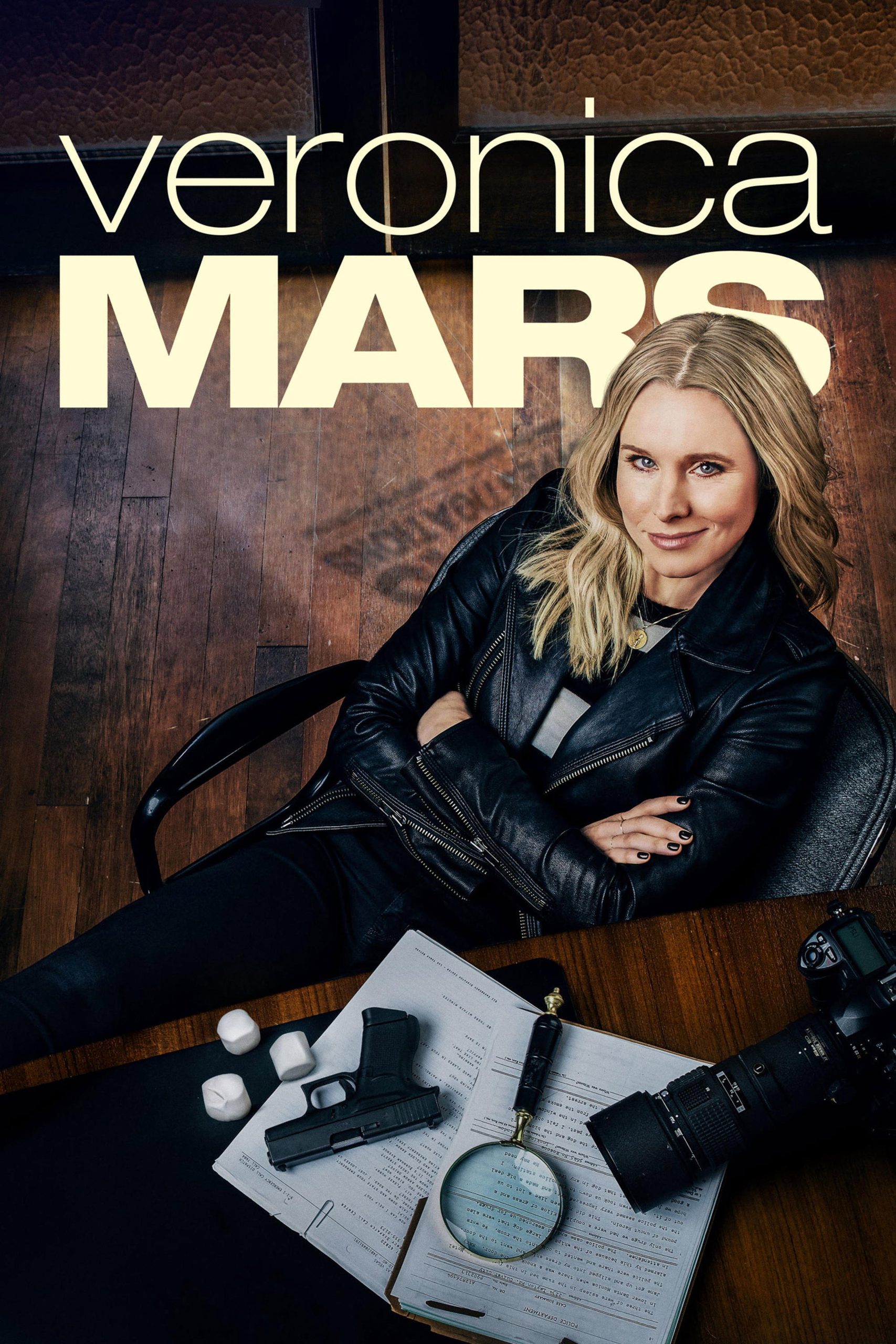
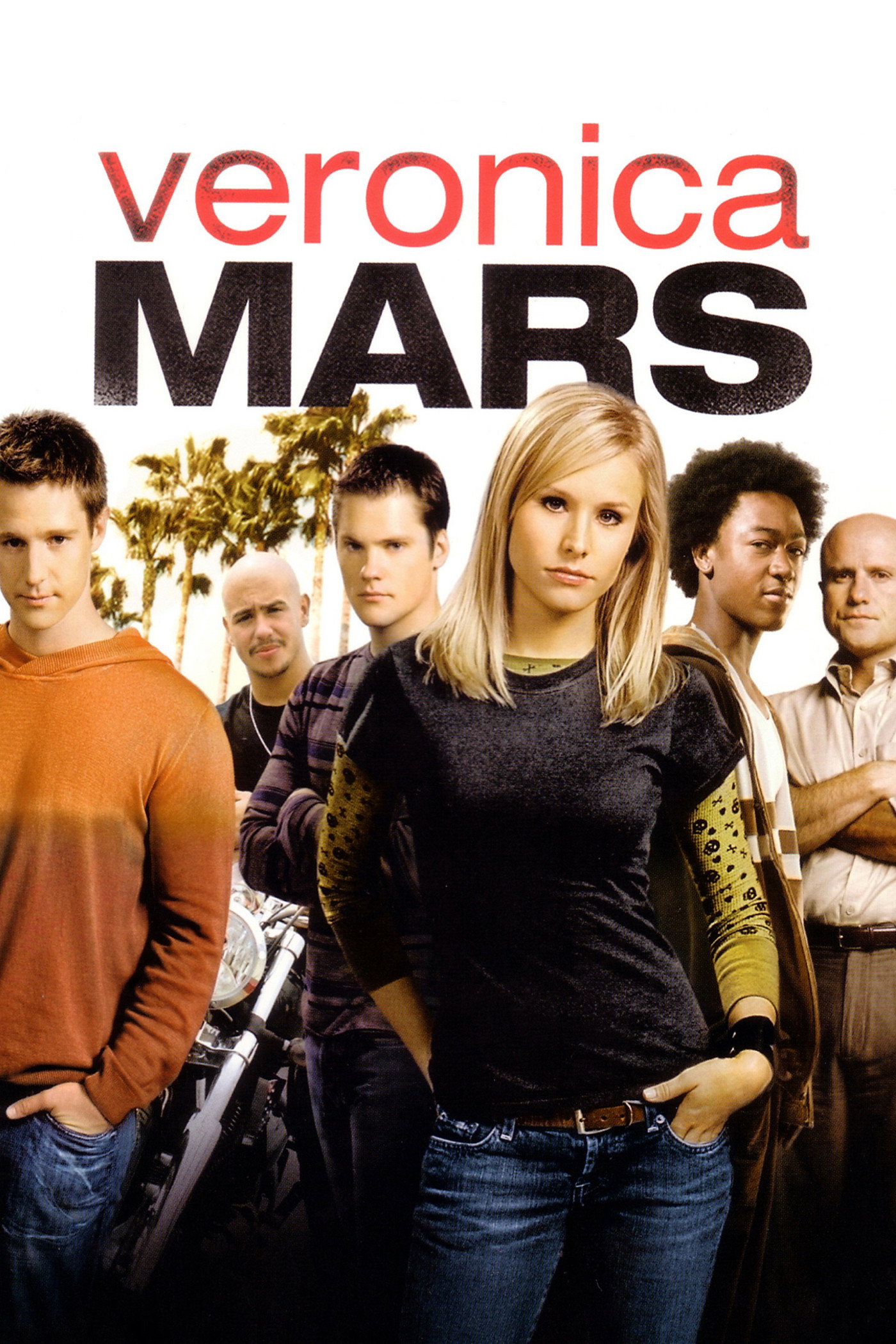
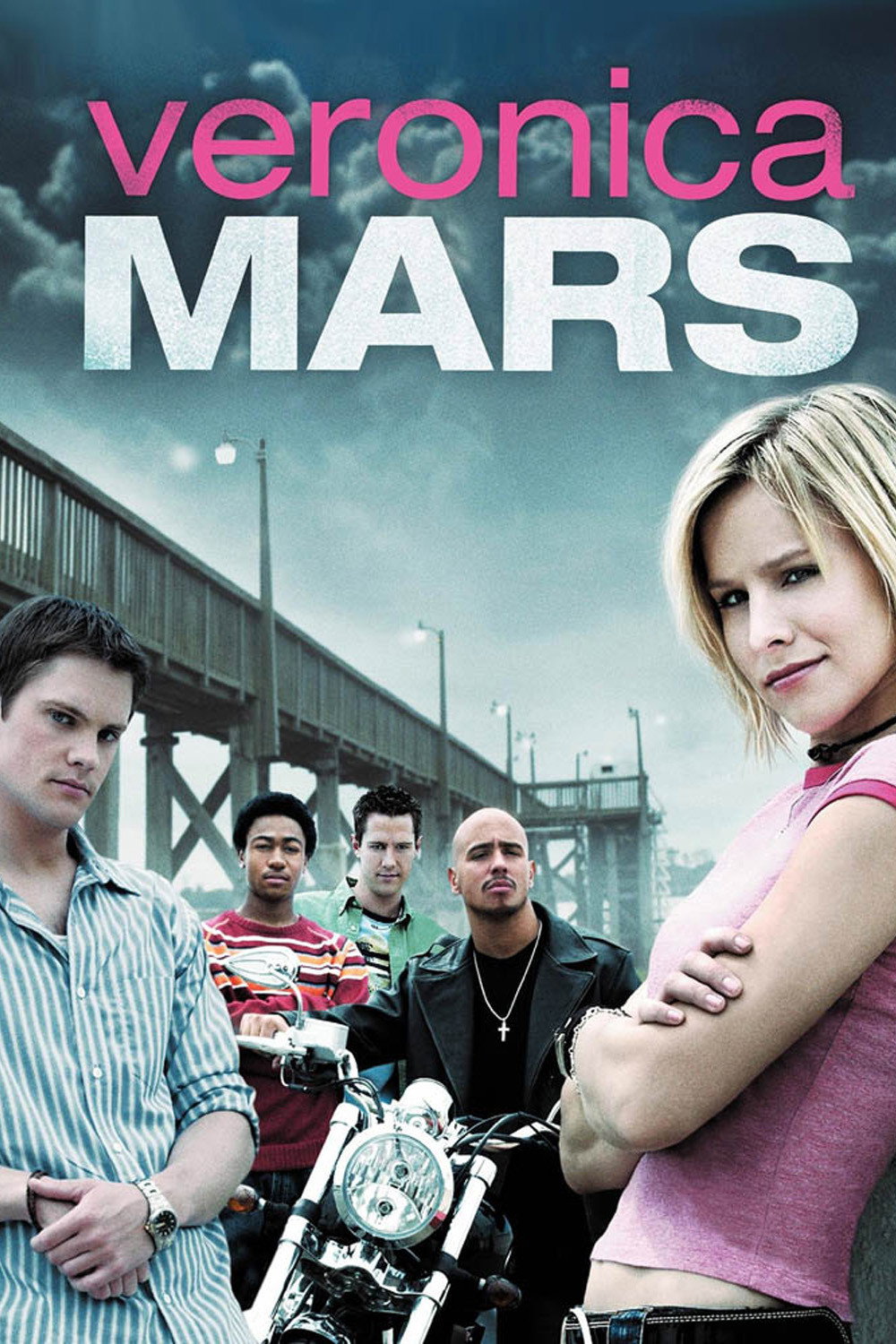
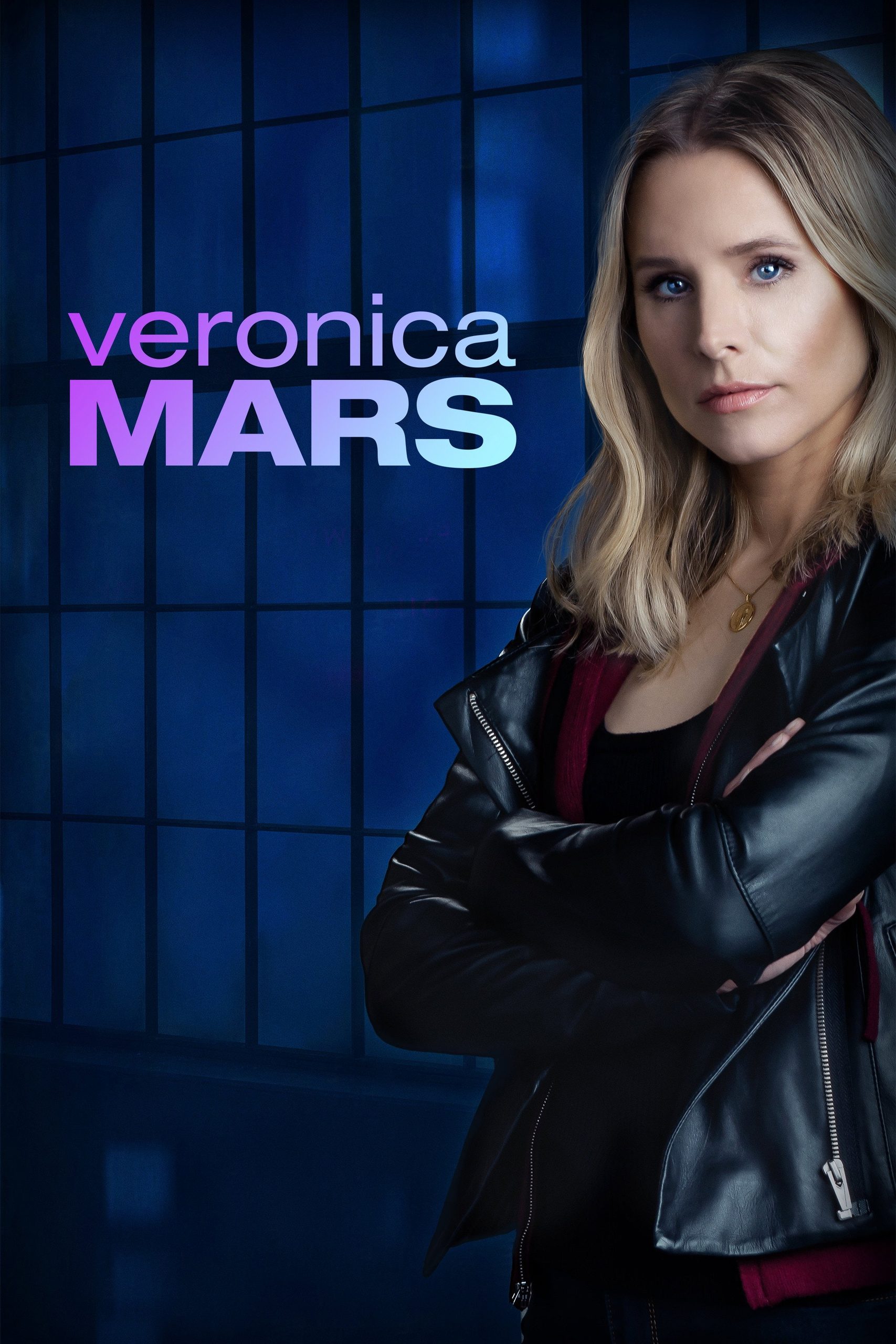
Rob Thomas hands the private-eye story, voiceover and all, to a seventeen-year-old girl, and for one season the result is as good as American teen television has been. The later years are looser and the 2019 return is colder, but Kristen Bell holds it together throughout.
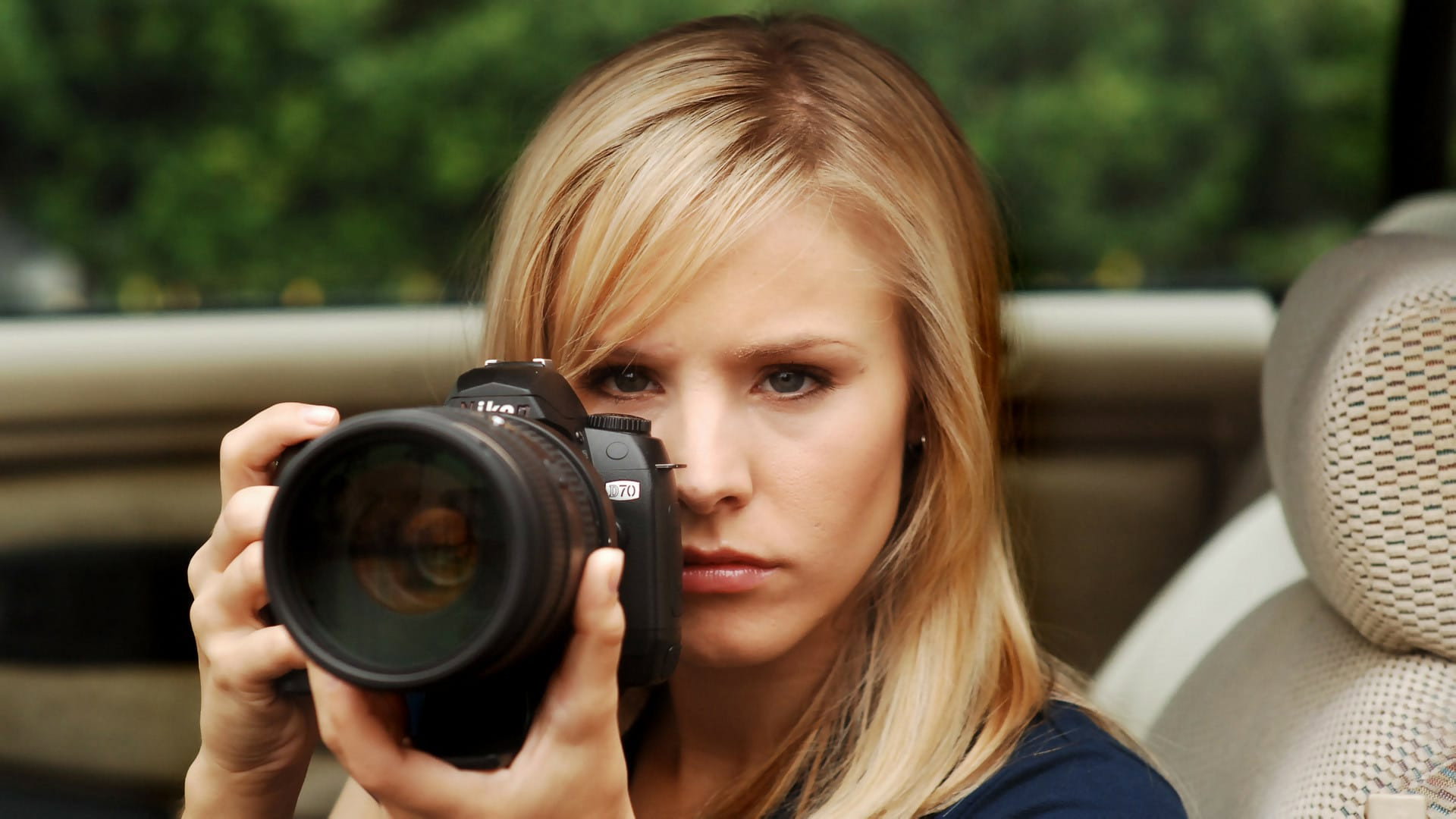
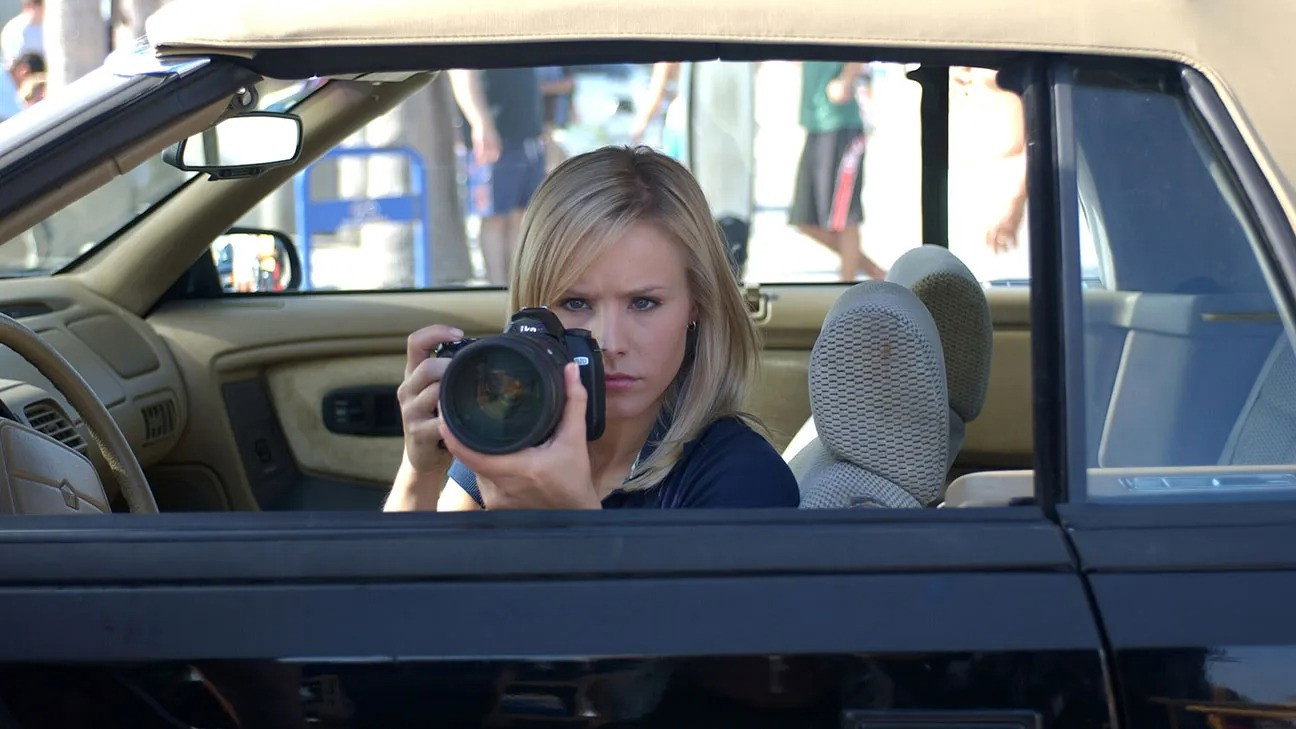
Rob Thomas’s series takes the private-eye story, with its voiceover, its camera on the dashboard outside a motel and its client who lies, and gives it to a seventeen-year-old girl. The town is Neptune, California, split between people who own things and people who work for them, and the school is where the two halves have to sit in the same room. Our verdict: the first season is about as good as network television for teenagers has been, and the two seasons and the 2019 return that follow are worth having even where they are worse. We recommend it, with the caveat that you should not expect the second year to be as clean as the first.
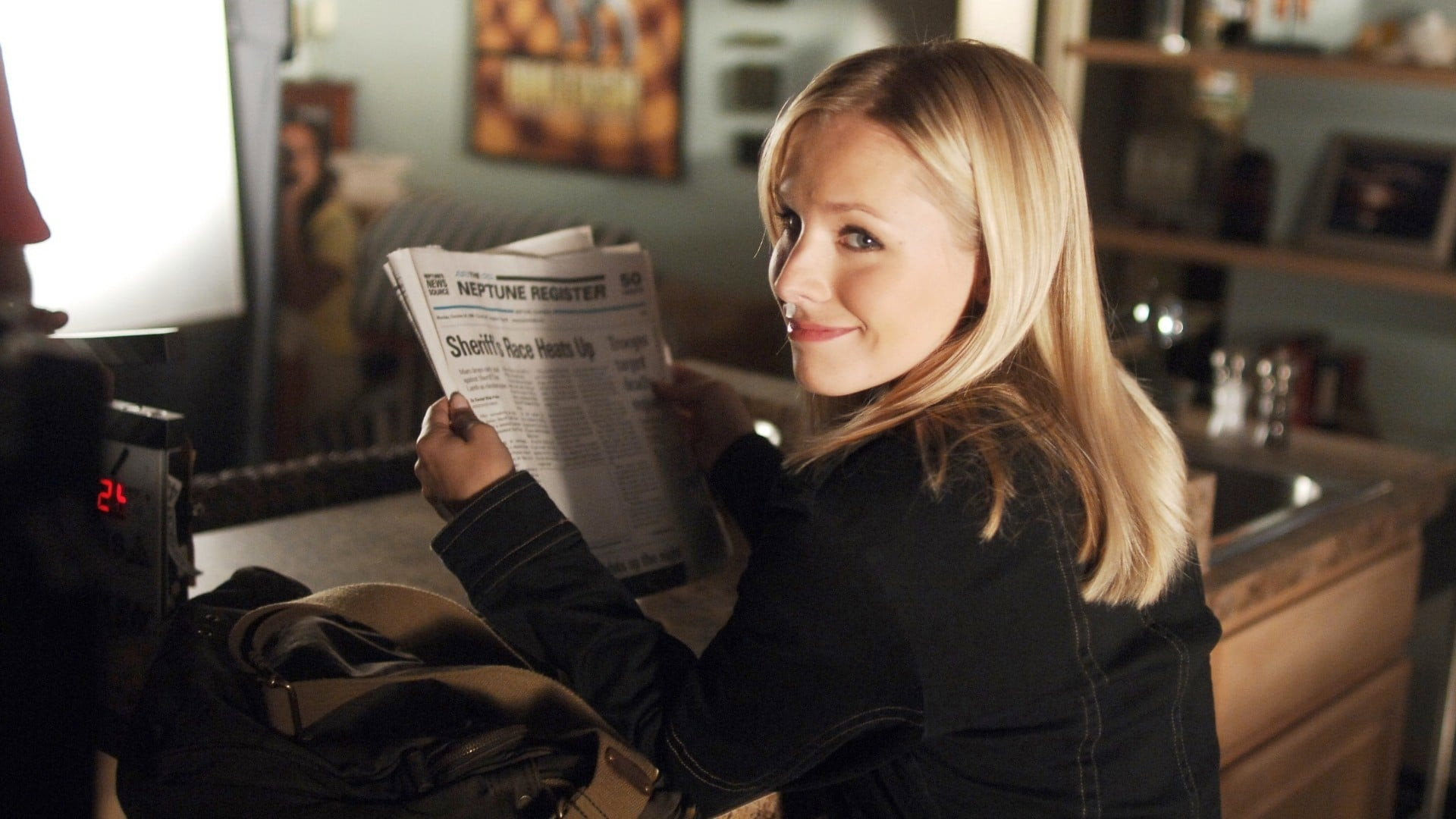
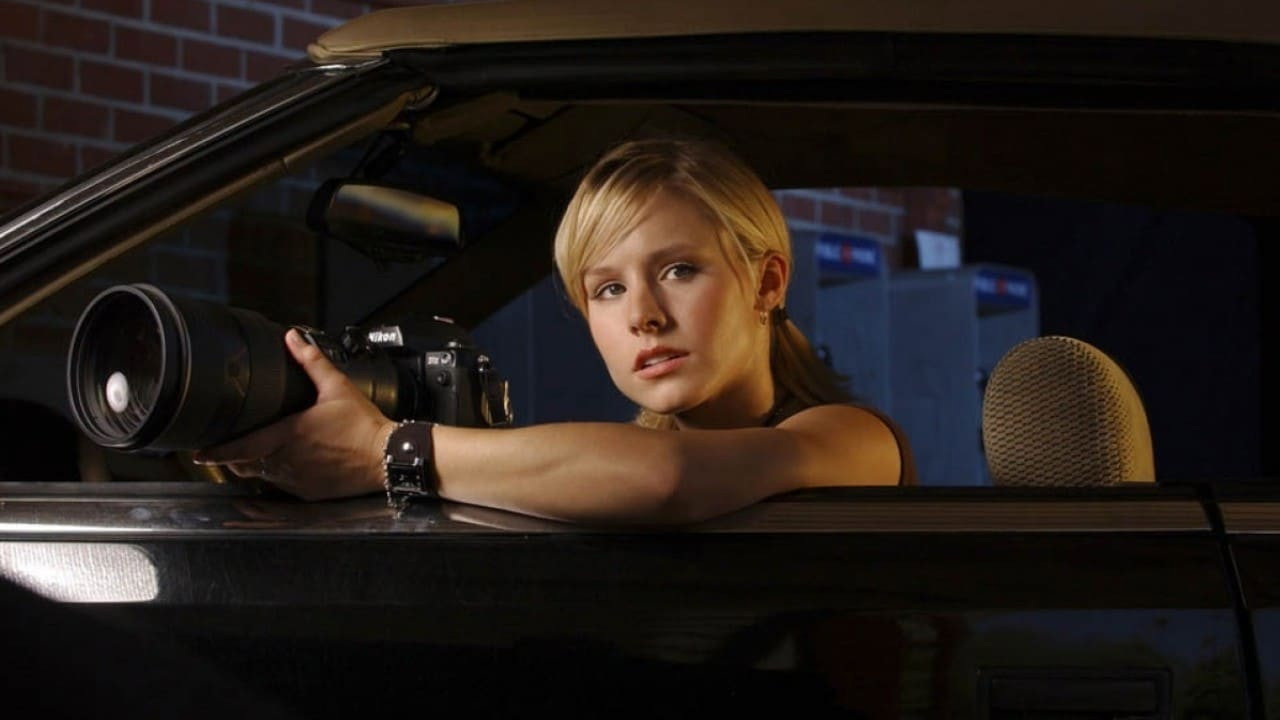
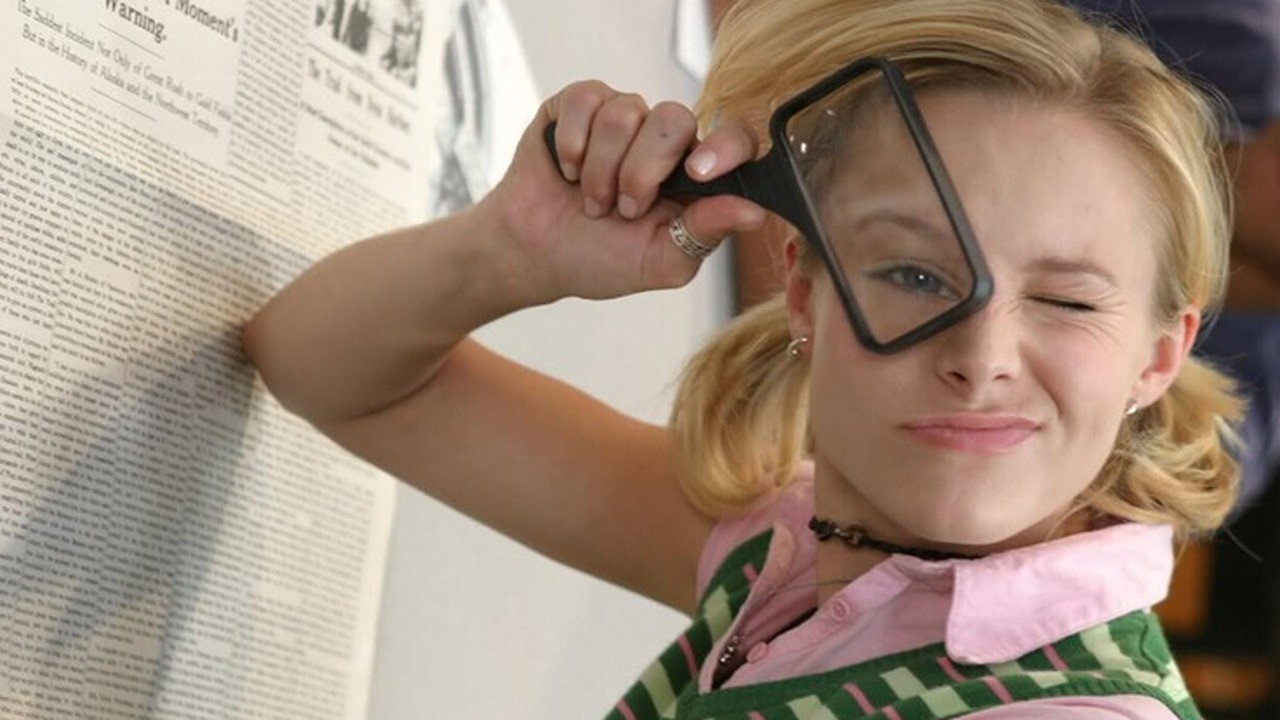
Kristen Bell plays Veronica as a girl who has decided to be disliked before anyone can decide it for her. The lines come fast and she never waits for the laugh. What makes the performance is what she does when nobody is talking: the face going still in a parked car, the small pause before she lies to her father. The show cuts often between the present Veronica and a longer-haired, softer version from a year earlier, and the flashbacks are warmer and brighter, so you know which girl you are watching before a word is spoken. The pilot contains a flashback to a party from which she woke remembering nothing, a minute after a joke about a boy taped to a flagpole, and the swing between the two is the whole method. The jokes are how she gets through the day.
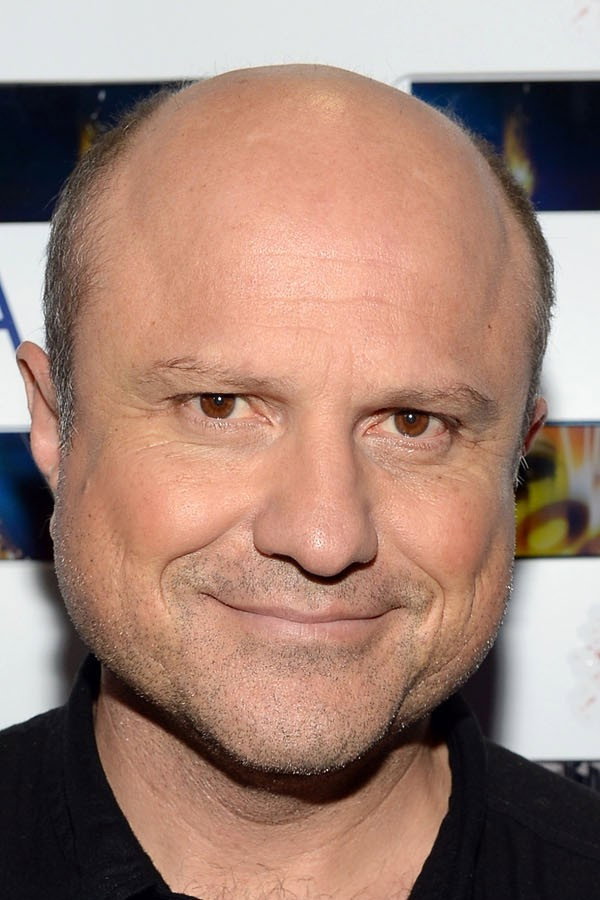
The programme rests on father and daughter. Enrico Colantoni’s Keith Mars is a good detective and a faintly embarrassing dad, and the series lets him be both in the same scene. He worries about her; she lies to him for his own good; both of them know. Their evenings in a small flat, eating out of cartons over case files, got to us far more than we expected, and the reason is that neither actor plays for sympathy. Colantoni underplays and Bell deflects, and it is the deflecting that hurts.
Each 42-minute episode has a case of the week, and each season has a spine; in the first year it is Lilly Kane’s murder, which the town has decided is solved. Rob Thomas, Diane Ruggiero, Phil Klemmer and John Enbom plant details in the early episodes that pay off twenty hours later, and the first season’s ending we will not describe except to say it earns the wait. Josh Kramon’s score stays out of the way, a few guitar figures and a low pulse under the surveillance scenes. The Dandy Warhols’ “We Used to Be Friends” over the titles tells you the show’s subject in four words.
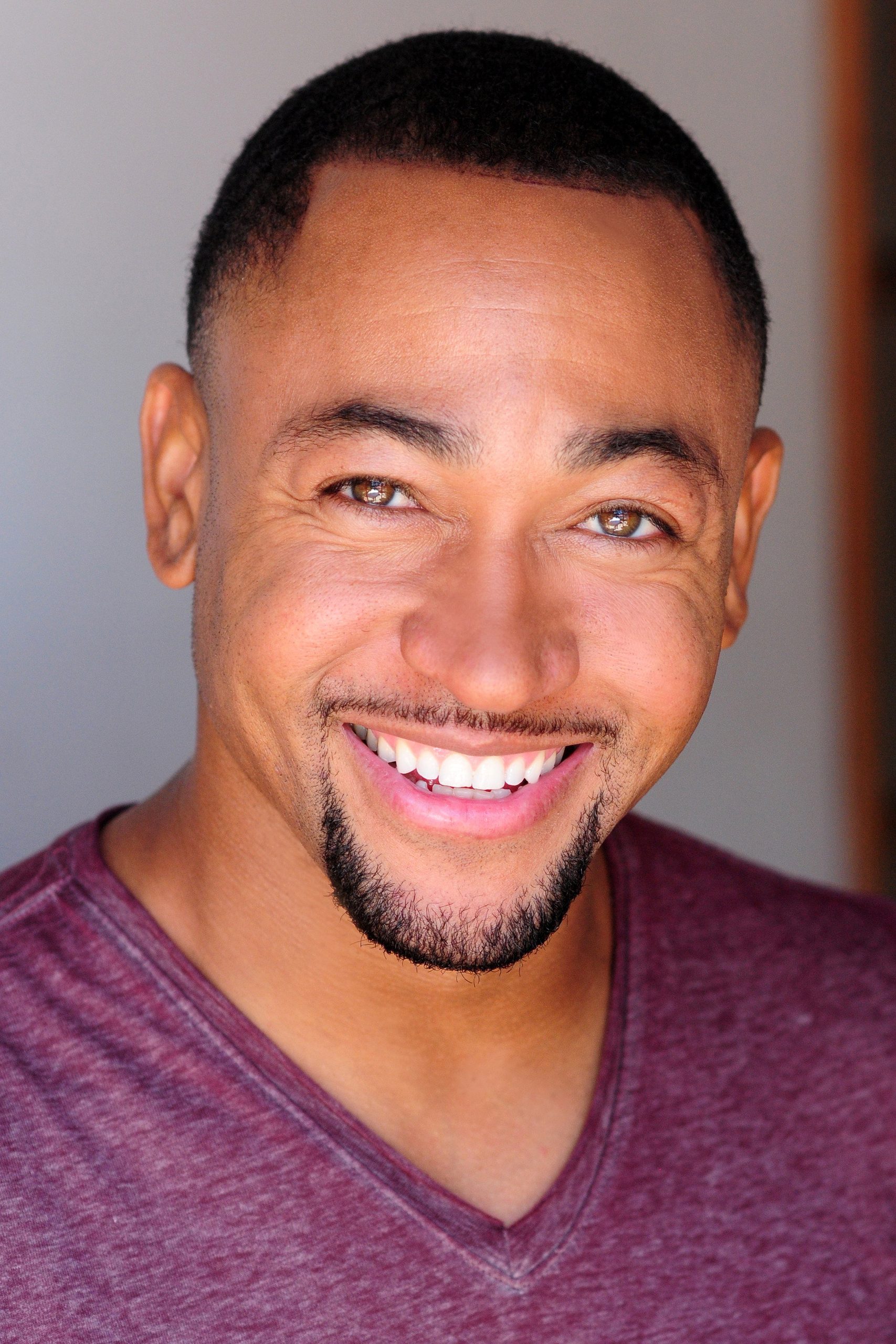
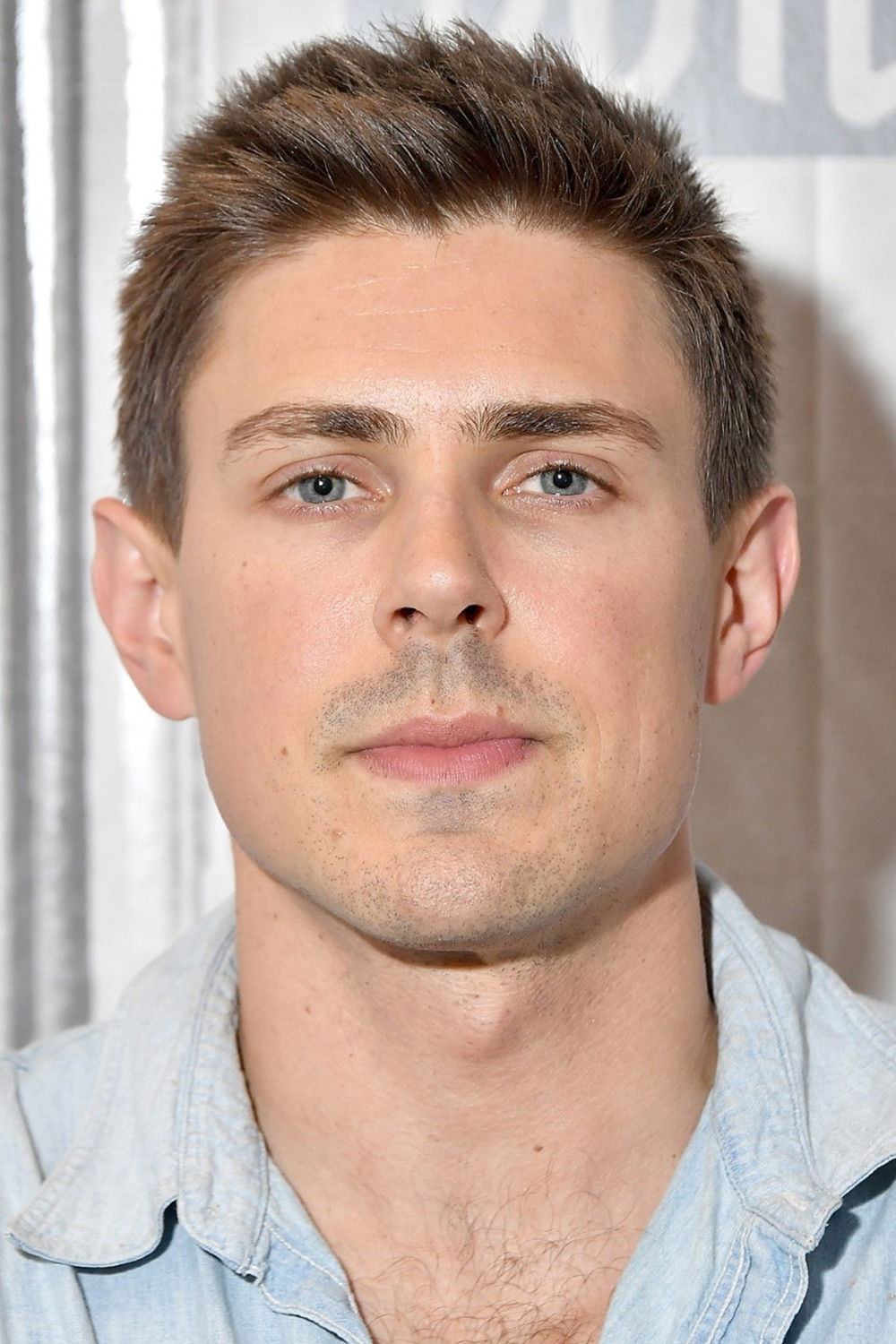
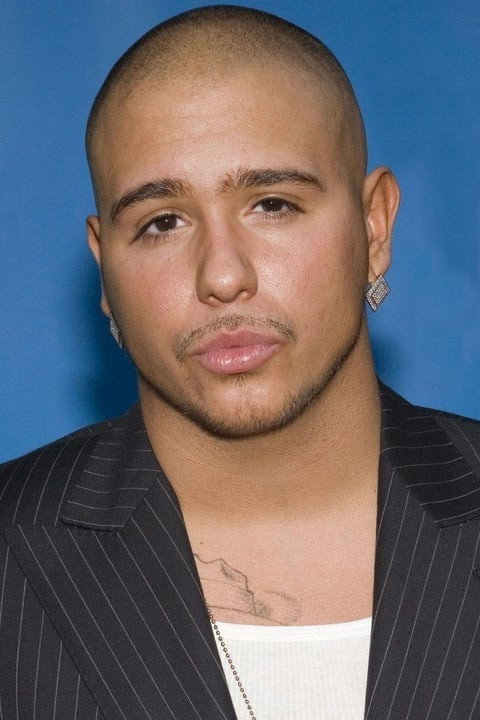
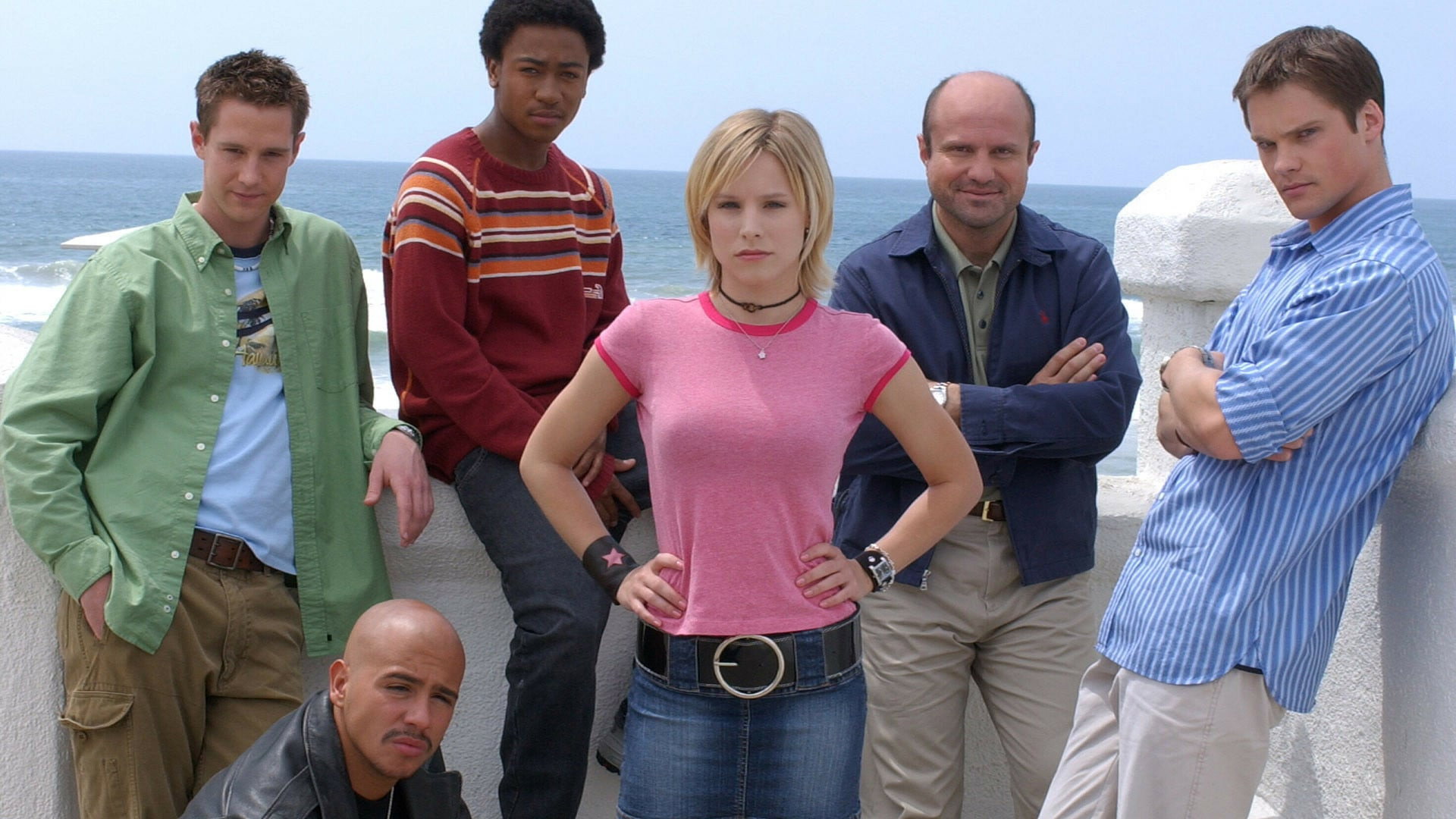
The supporting cast is stronger than the genre usually bothers with. Percy Daggs III’s Wallace is the friend who wants nothing from her. Jason Dohring’s Logan begins as a bully and becomes the most interesting person on screen; the writers noticed what Dohring could do and turned the series towards him, sometimes at everyone else’s expense. Francis Capra’s Weevil and Tina Majorino’s Mac give Veronica allies on both sides of the town’s line, and Ryan Hansen’s Dick Casablancas is an idiot the show is oddly fond of. Later years bring in Tessa Thompson as Jackie Cook and Chris Lowell as Piz, and neither is used as well as they deserve.
Season two runs to 22 episodes and tries to carry two mysteries at once, one of them a bus crash that is bigger than the show’s scale, and the answer arrives with a great deal of explaining. Season three moves to college and breaks the year into shorter arcs, which loses the school, and the school was the point; its last stretch feels like a series hunting for its own ending. The eight episodes of 2019 are tighter, older and meaner, and finish on a decision we will not describe that a fair number of viewers have not forgiven. We were annoyed by it too, and then we admired the nerve.
Set against the teen dramas of its time, it stands up because it treats money as a fact of its world rather than a backdrop: the rich children have a name for themselves, and the poor ones fix their cars. Among the credited writers is Kareem Abdul-Jabbar, which is the sort of thing the show itself would have made a joke about. Watch the first season straight through, and stop wherever you find you have had enough.