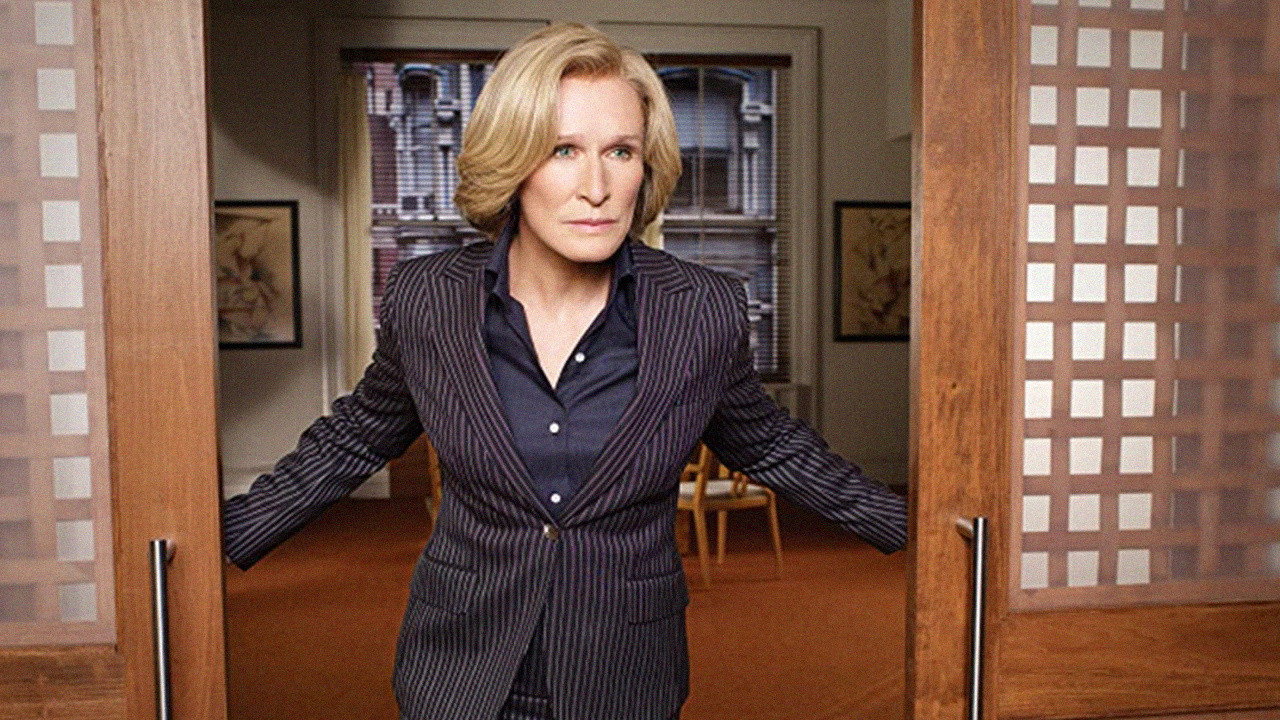
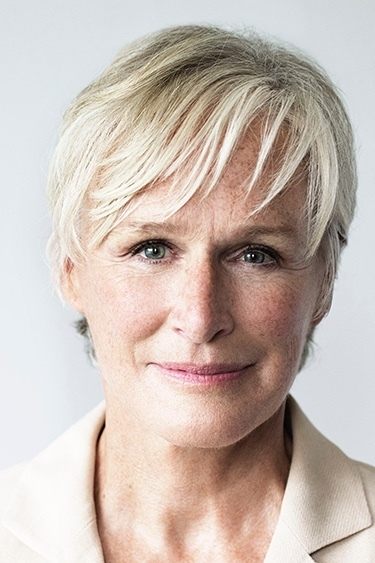
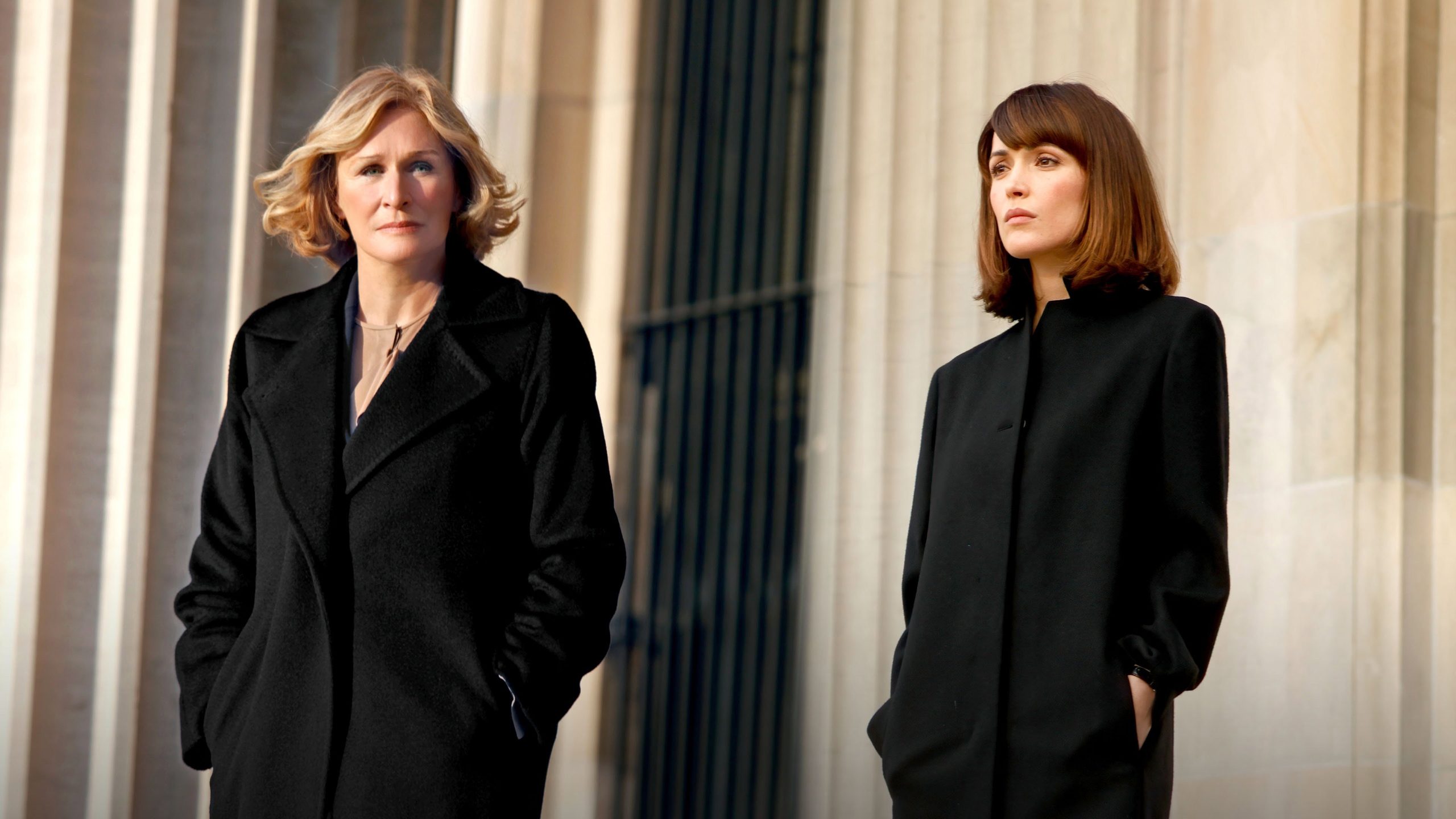
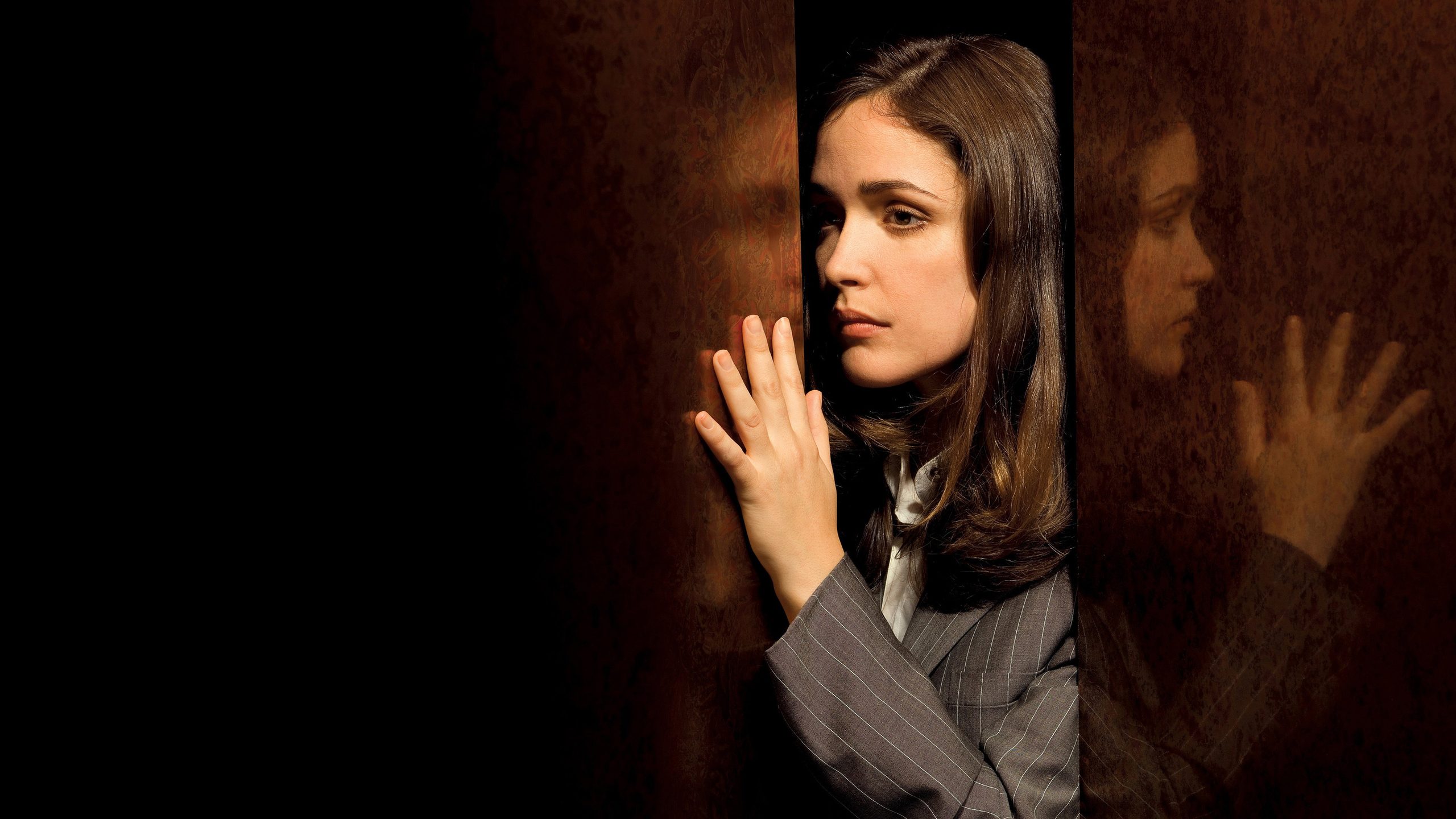
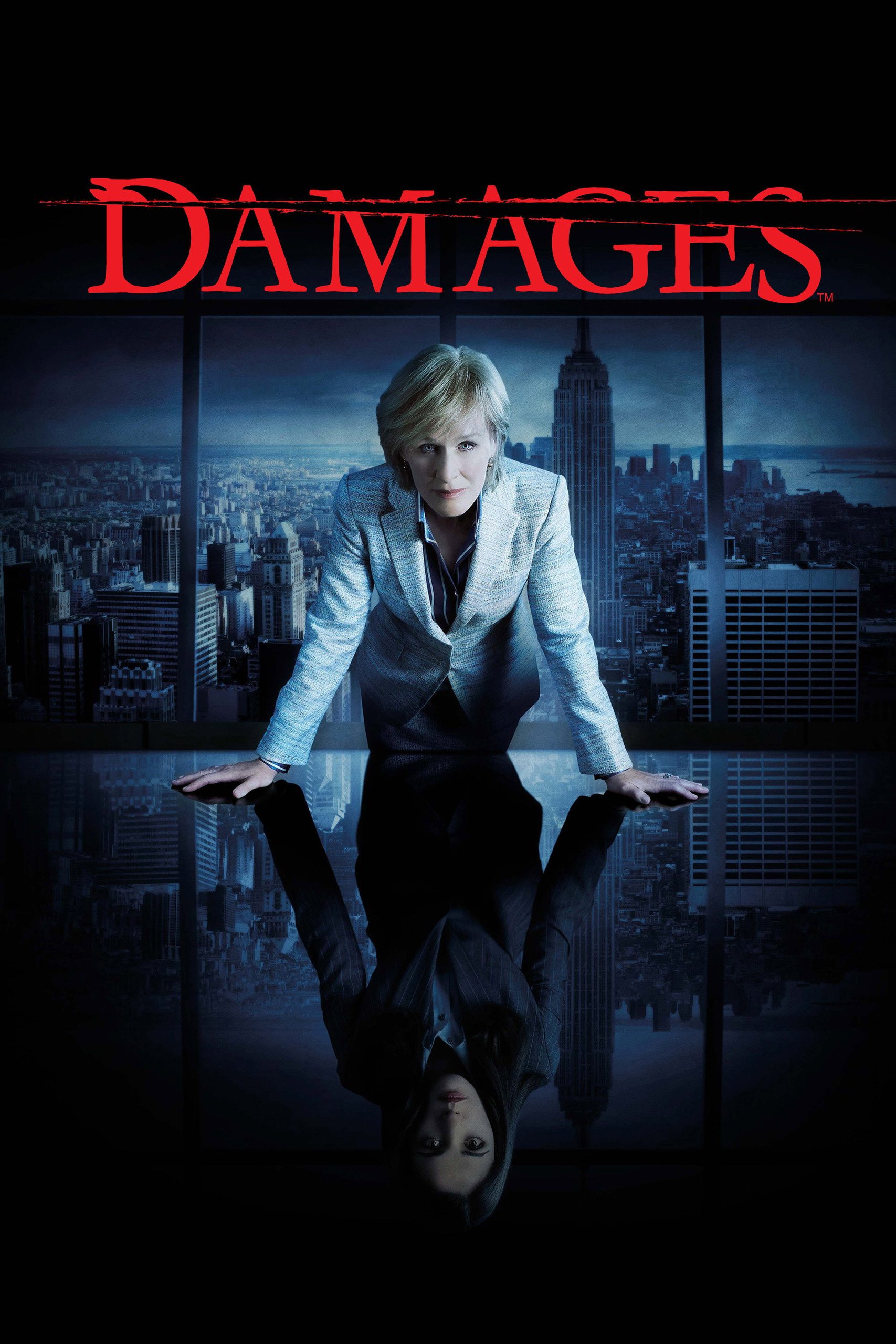
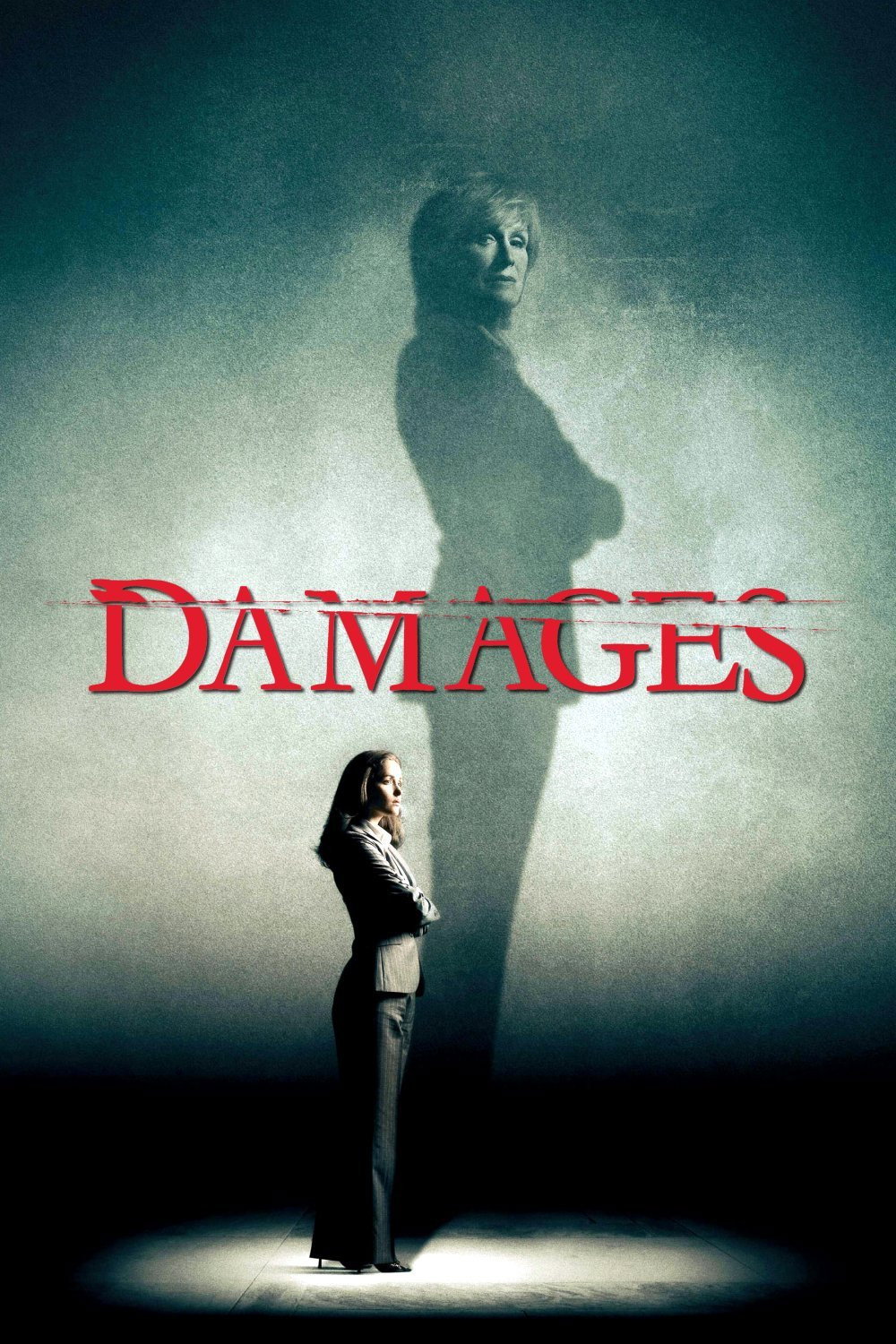
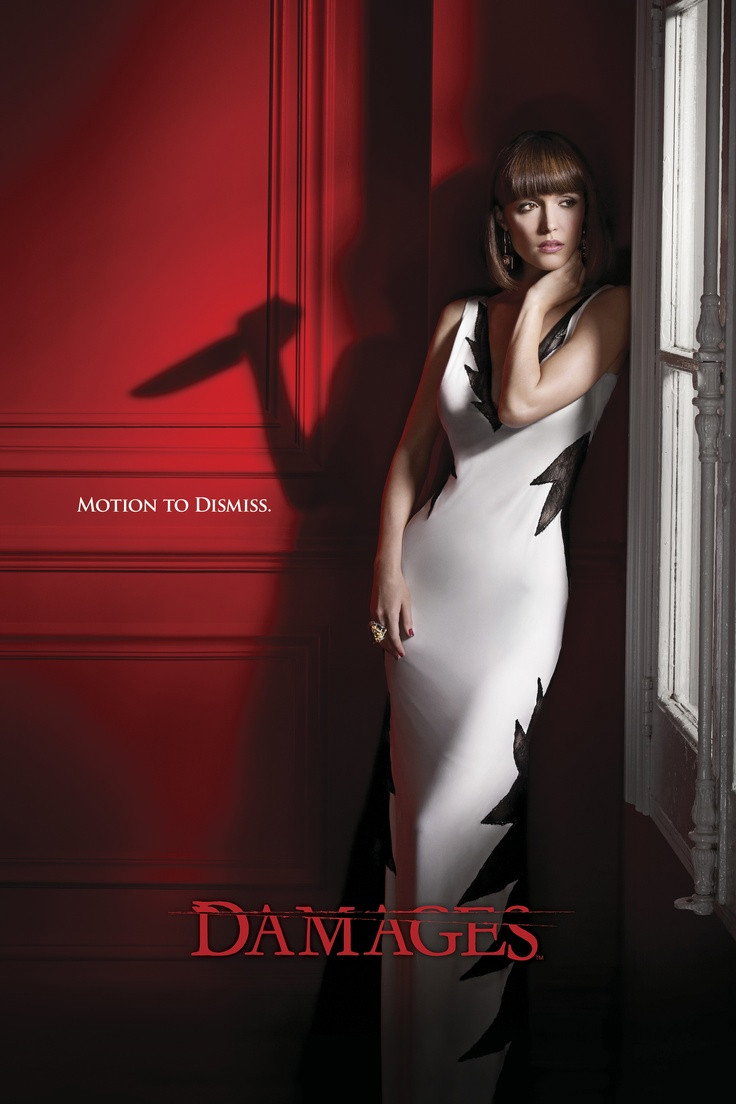
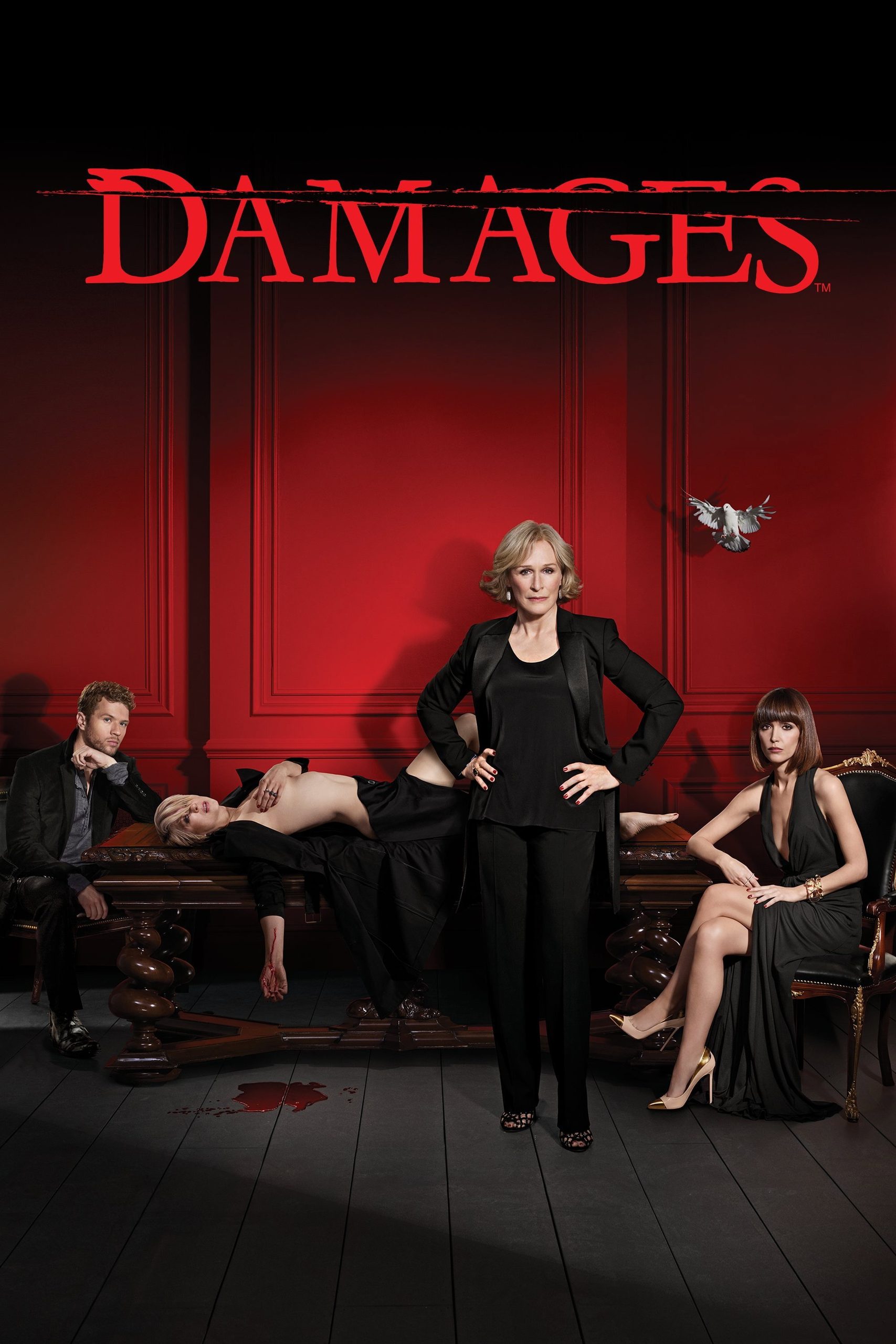
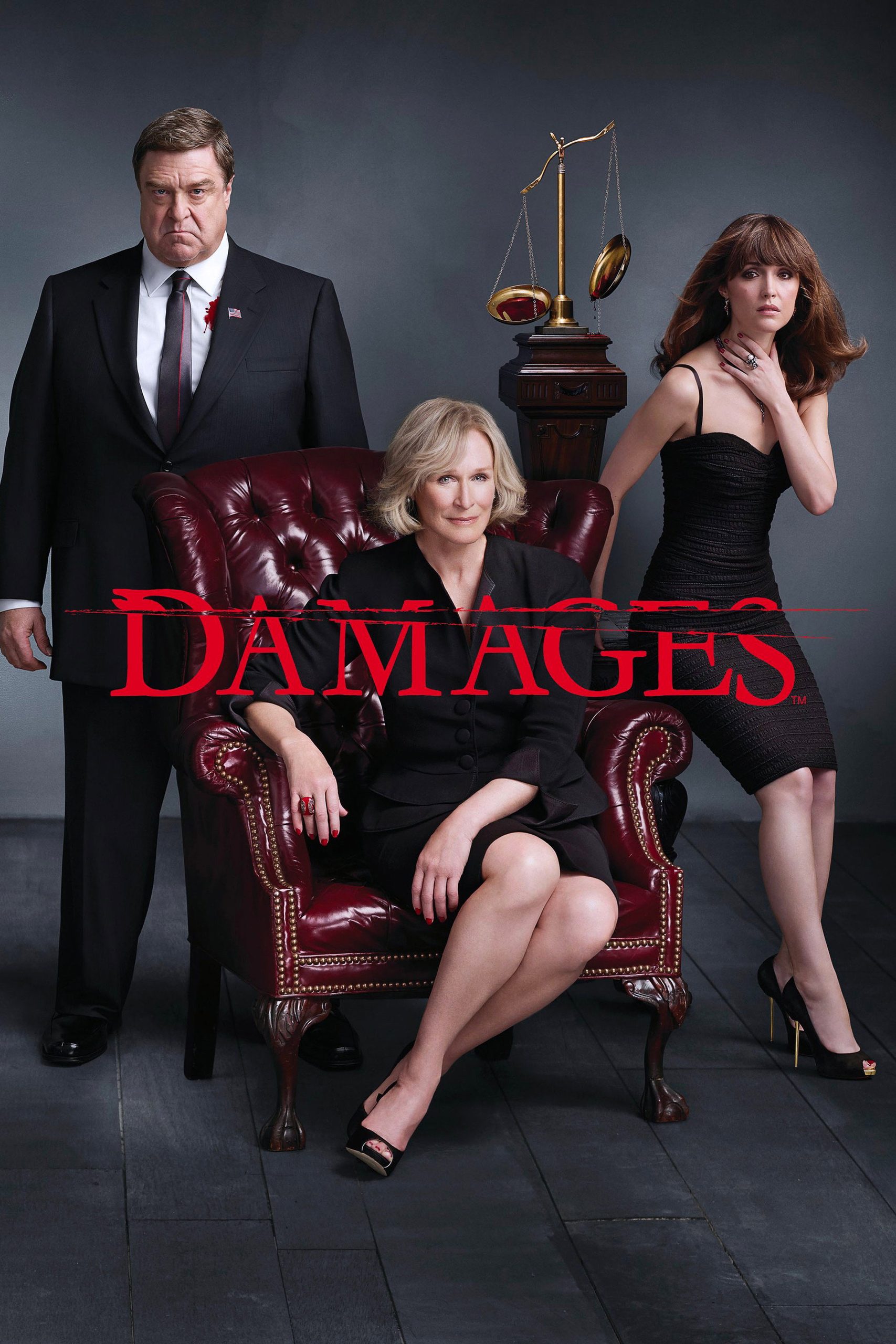
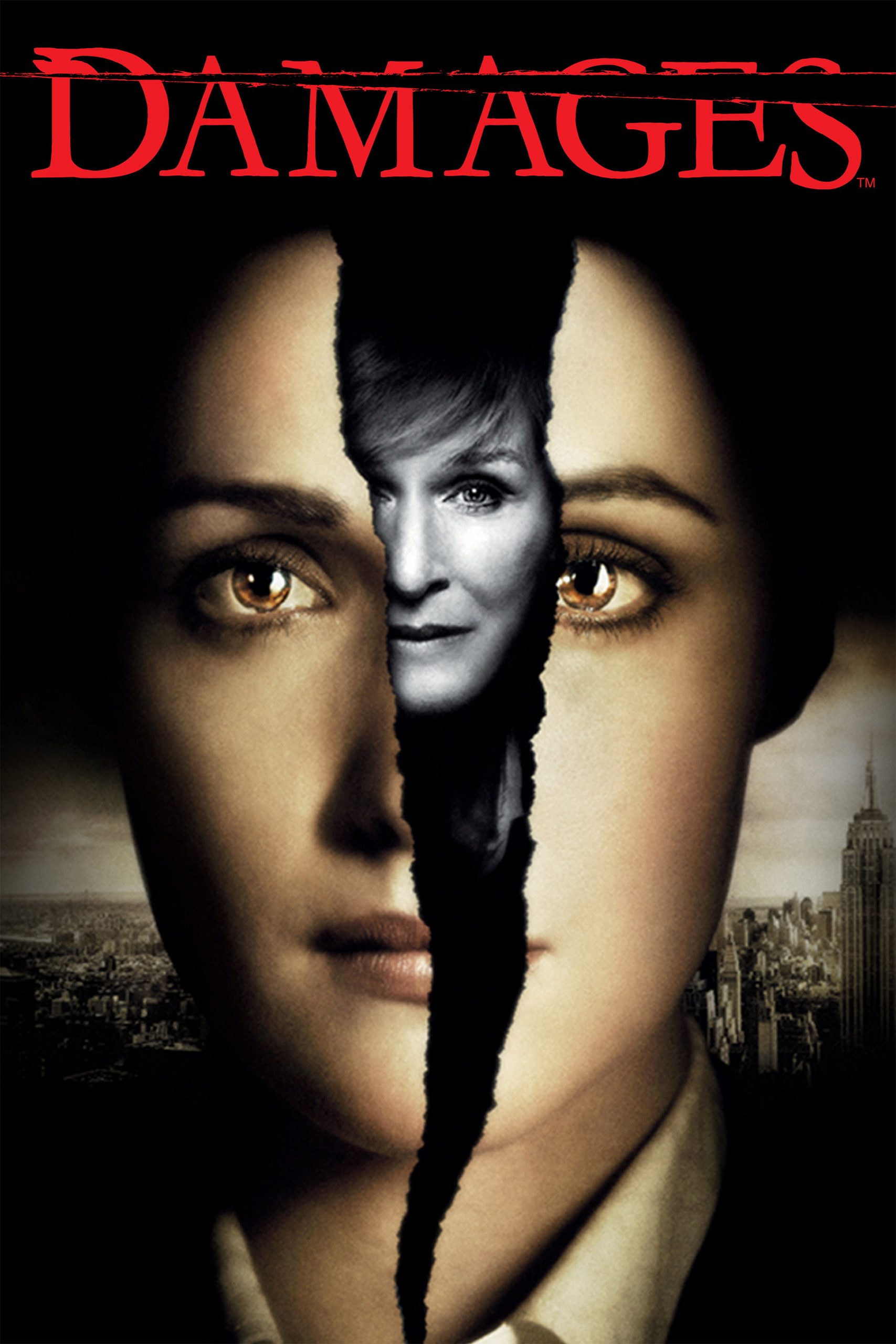
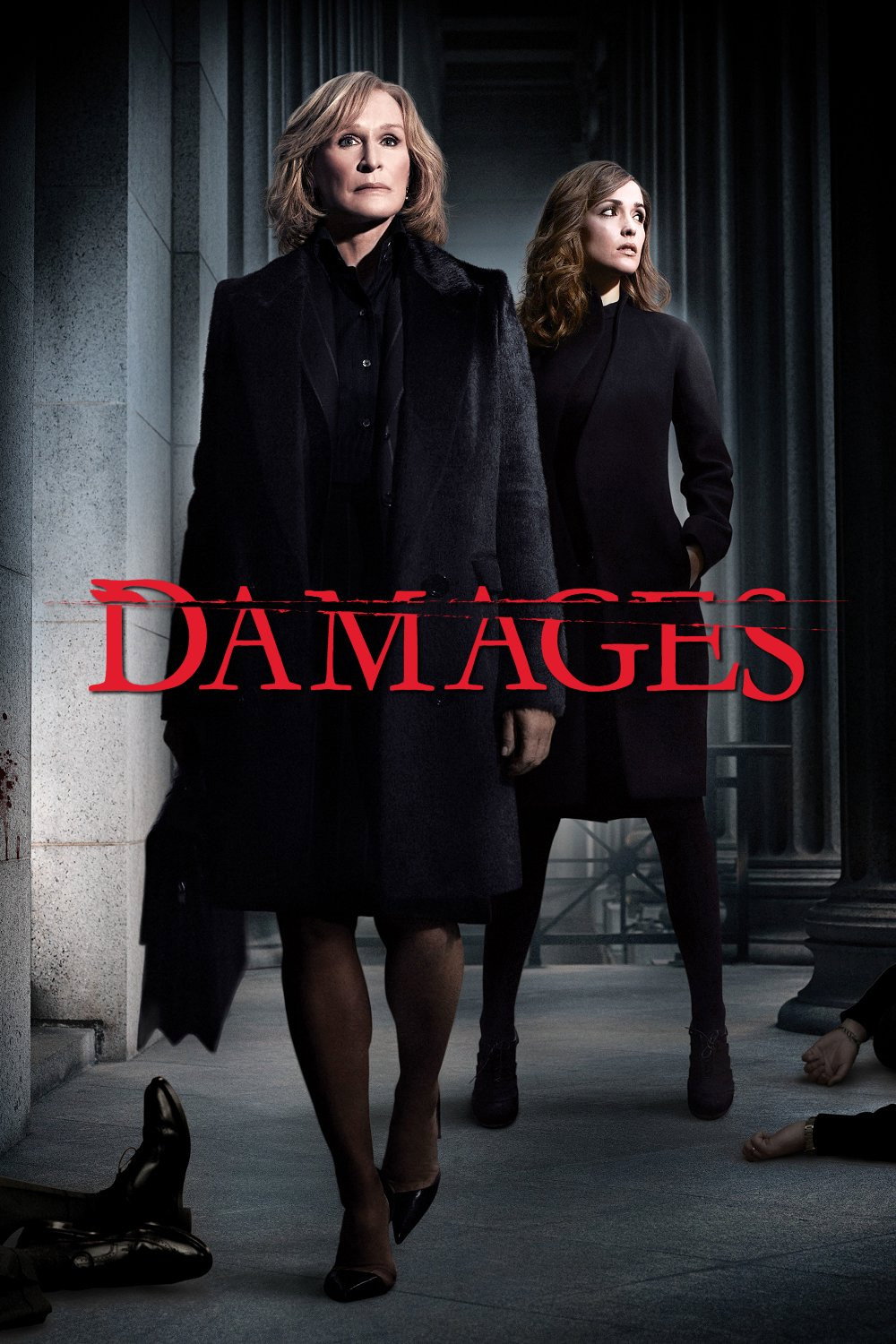
Glenn Close’s Patty Hewes is the most frightening lawyer we have seen on television, and the first season built around her is a thriller told forwards and backwards at once. The trick wears thin over five seasons, but the first thirteen hours are worth anyone’s evening.
The pitch is simple and the telling is not. Ellen Parsons (Rose Byrne) is hired out of law school by Patty Hewes (Glenn Close), the most feared litigator in New York, and within the first minutes of the pilot we have also seen her six months on, half-dressed under a raincoat and covered in someone’s blood. Every episode of the first season moves between the two points, the hiring and the ruin, and the pleasure is watching them close on each other. Todd A. Kessler and Glenn Kessler, who created the series, treat the structure as the main character. It is a legal thriller in which almost nothing happens in a courtroom.
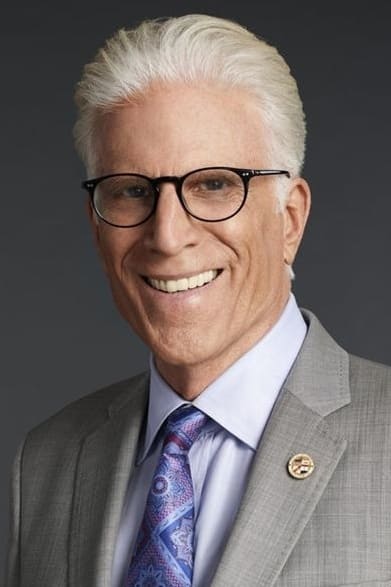
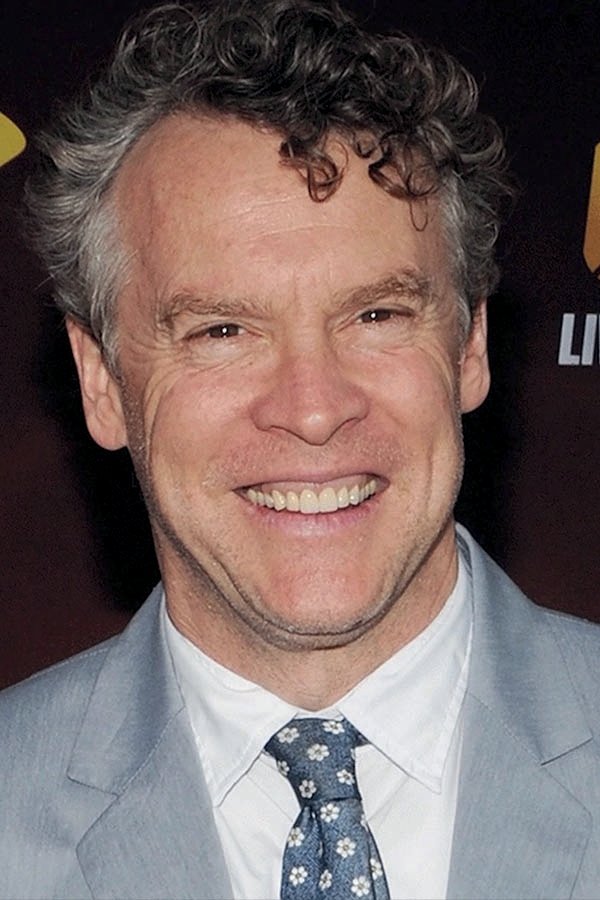
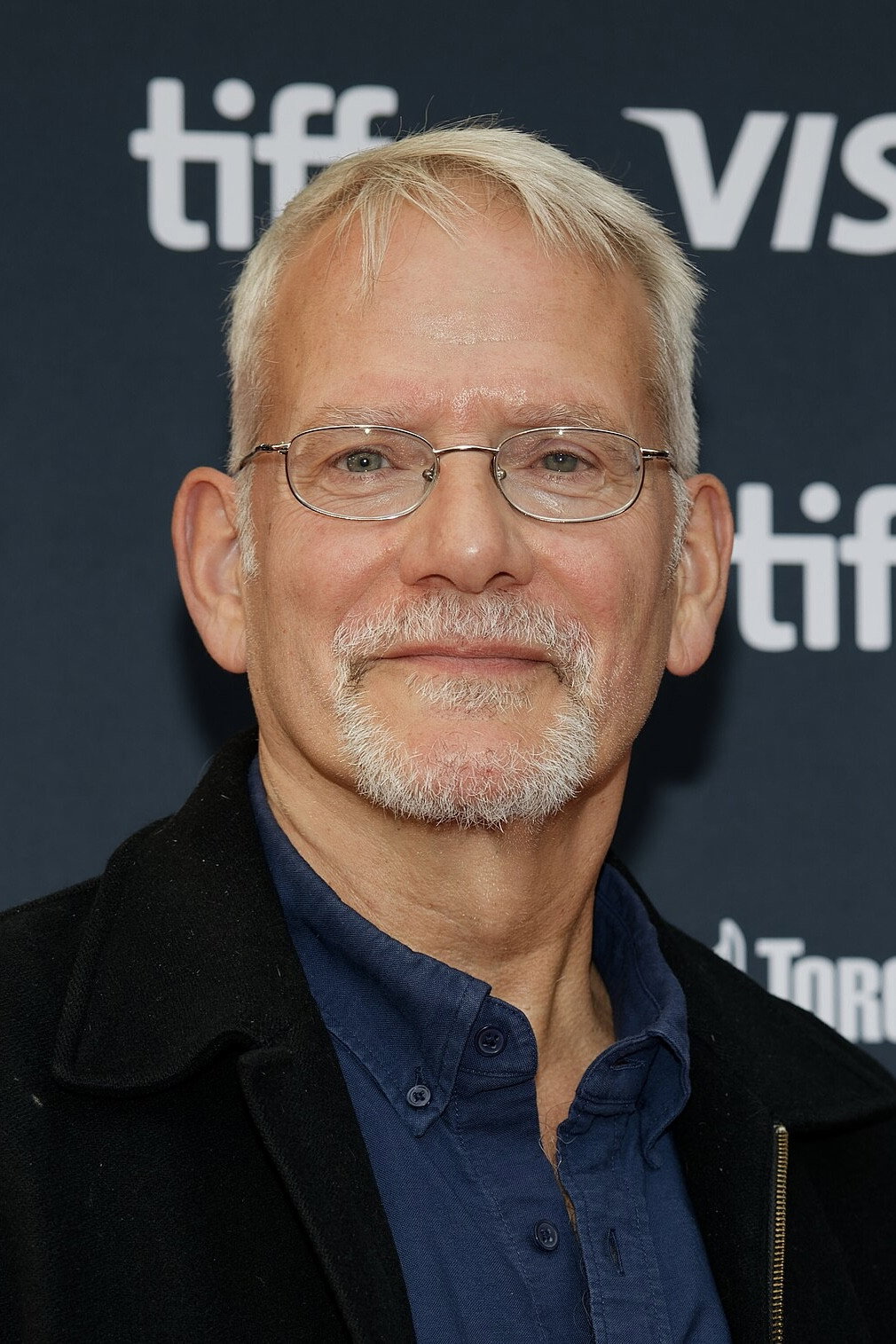
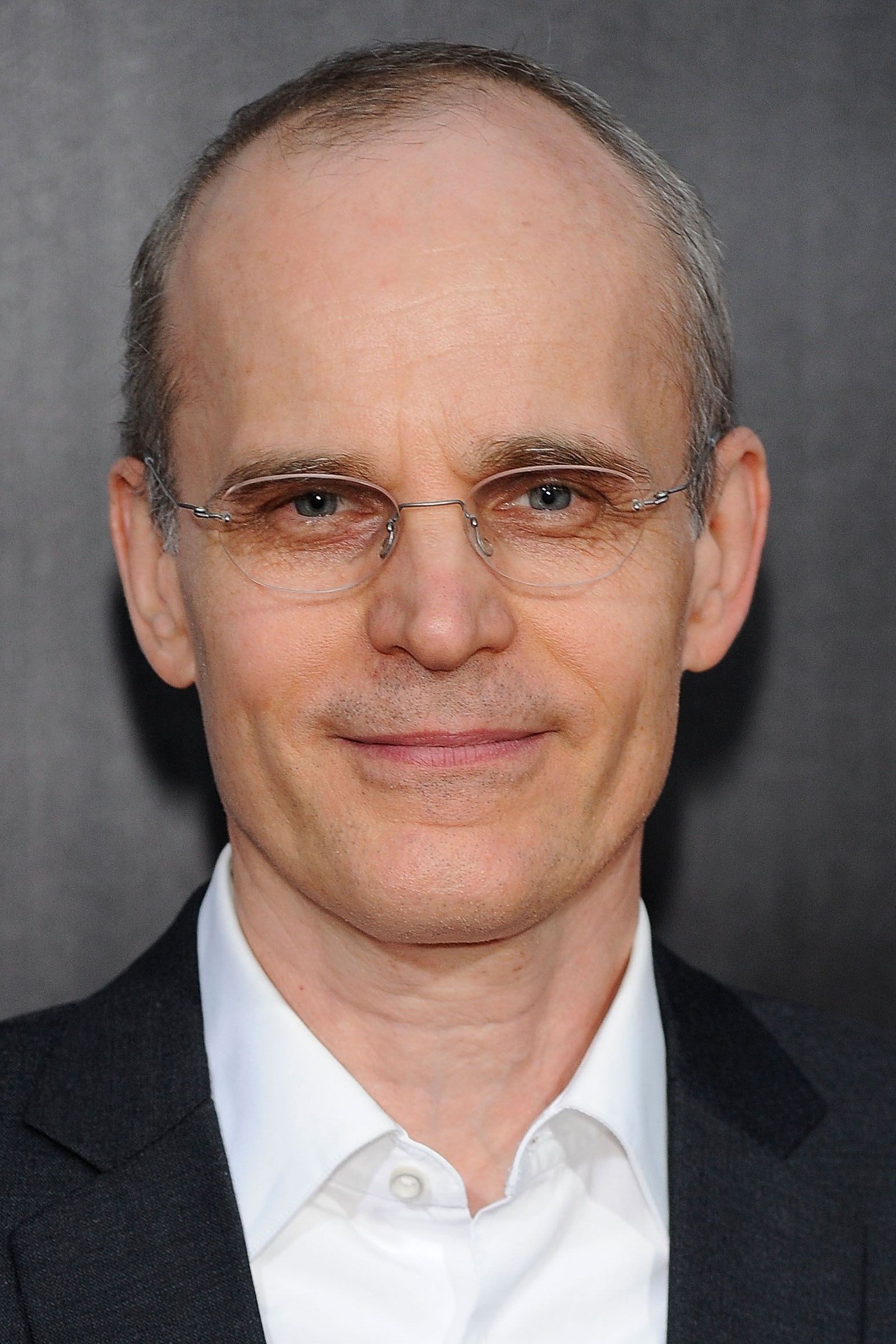
Patty is the reason to watch. Close plays her as a woman who is kindest at the moment she is about to do the most harm. There is a scene early on in which she tells Ellen, gently, over a table, what she expects of her, and we felt the temperature in our own living room drop. Nothing had been threatened. Close had simply lowered her voice and held the look a beat longer than was polite. Ted Danson’s Arthur Frobisher is the other pole, a billionaire who wants to be liked while he lies, and Danson is good enough that we kept catching ourselves liking him. Željko Ivanek, as Frobisher’s exhausted lawyer Ray Fiske, and Tate Donovan, as Patty’s loyal second Tom Shayes, are the two men in the show who know how much they are not being told.
The craft is sober and it earns the structure. Jonathan Freeman and David S. Tuttman shoot the present in cold glass and clean grey, and the flash-forwards in a drained, dirtier palette, so that a single frame tells you which half of the year you are in. The cuts between the two timelines land on a matching object or a matching word, and the show is careful never to hold a flash-forward long enough to explain it. James S. Levine’s score stays low in the strings and refuses a tune. Frank L. Fleming and Mirela Rupic dress Close in dark tailoring that never creases and put Byrne in cheaper suits that quietly improve as the season goes on, which is the character’s arc told in fabric.
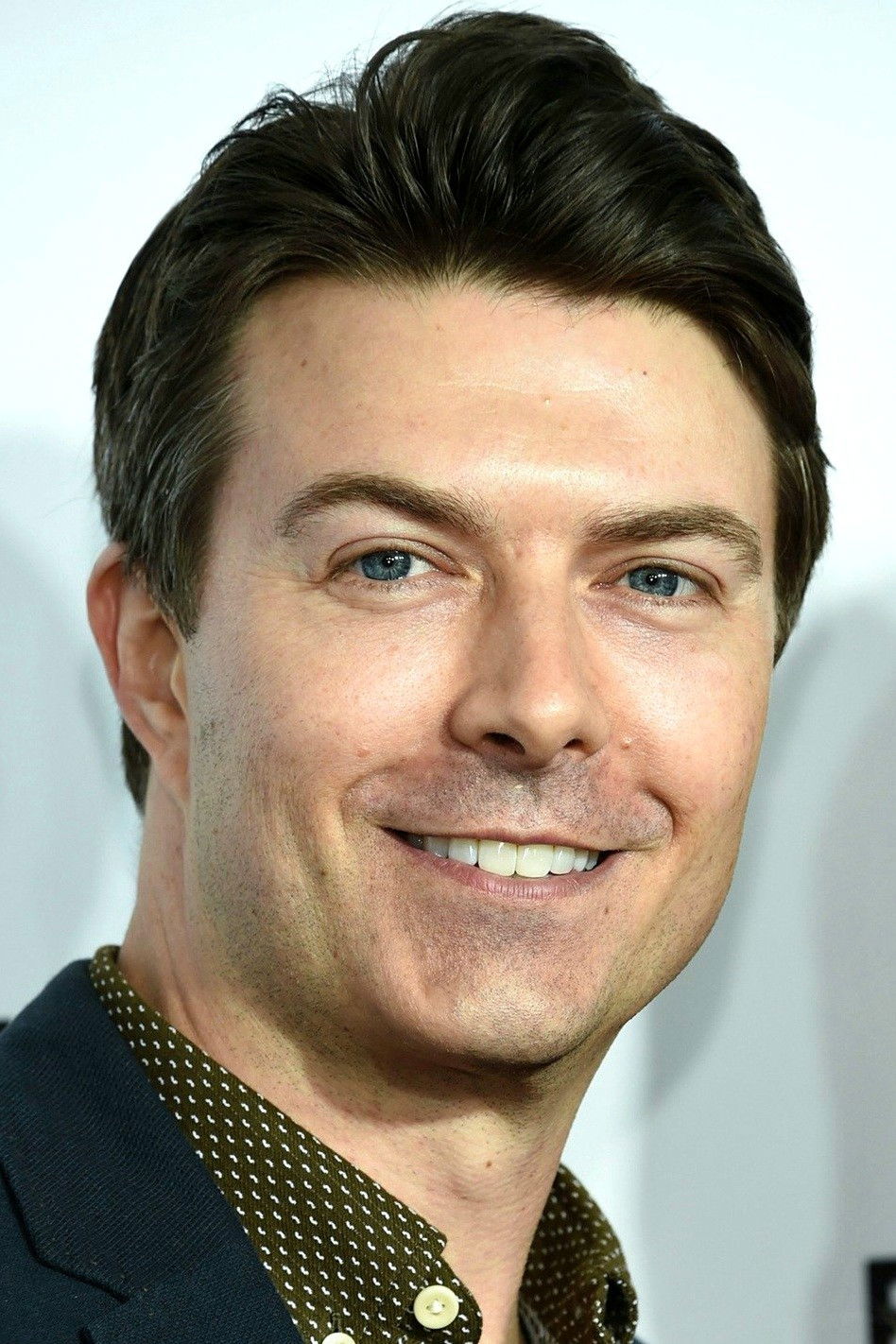
The weakness is Ellen. Byrne plays being watched well, and she is better still when Ellen starts to watch back, but for most of the first season the writers keep her in the dark so that we can stay there too. Noah Bean’s David and Anastasia Griffith’s Katie, the fiancé and the sister, have to carry the ordinary life the show is threatening, and they are written thinner than the people threatening it. The Variety complaint at the time, that unethical lawyers are an old story, is fair as far as it goes; the answer is that the story here is not the lawyers but the girl who took the job.
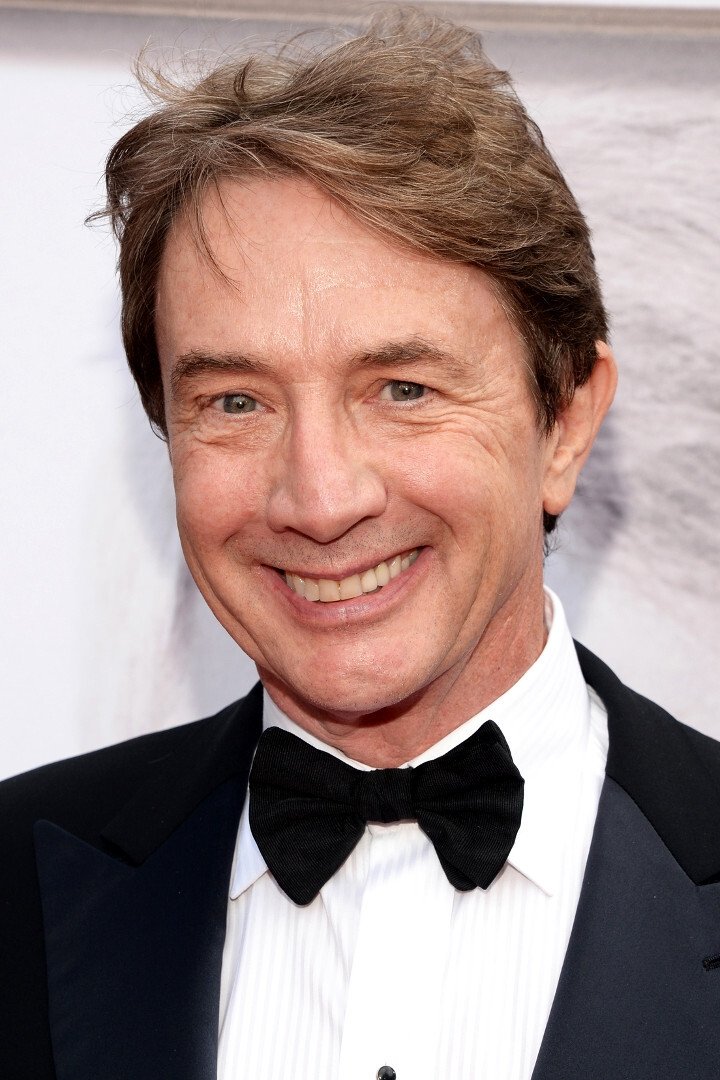
Then the show has to do it again. Season two brings William Hurt as Daniel Purcell, an old friend of Patty’s with a case of his own, and Marcia Gay Harden as Claire Maddox across the aisle. Season three gives Campbell Scott’s Joe Tobin a family fortune that is not what it seems and hands Martin Short, of all people, the role of the family lawyer Leonard Winstone, and Short is a revelation, dry and watchful and not funny once. Seasons four and five drop to ten episodes and bring in Ryan Phillippe as Channing McClaren. Each run opens on a body or a disaster and rewinds. By the fourth we caught ourselves predicting the shape of the reveal, and being right, which is not what a mystery is for.
Set against the legal dramas it grew up among, it is stranger and crueller than most and less interested in the law than any of them. Nobody wins a case here by being right; they win by knowing something first. Set against its own first season, the later ones are competent and Close is never less than watchable, but the surprise has gone out of the surprises.
Certificate 15. Watch the first season as a thirteen-hour film, in the dark, and decide afterwards whether you want more. If you stop there you will have seen the best of it and none of the worst, and we suspect Patty would approve of the decision.