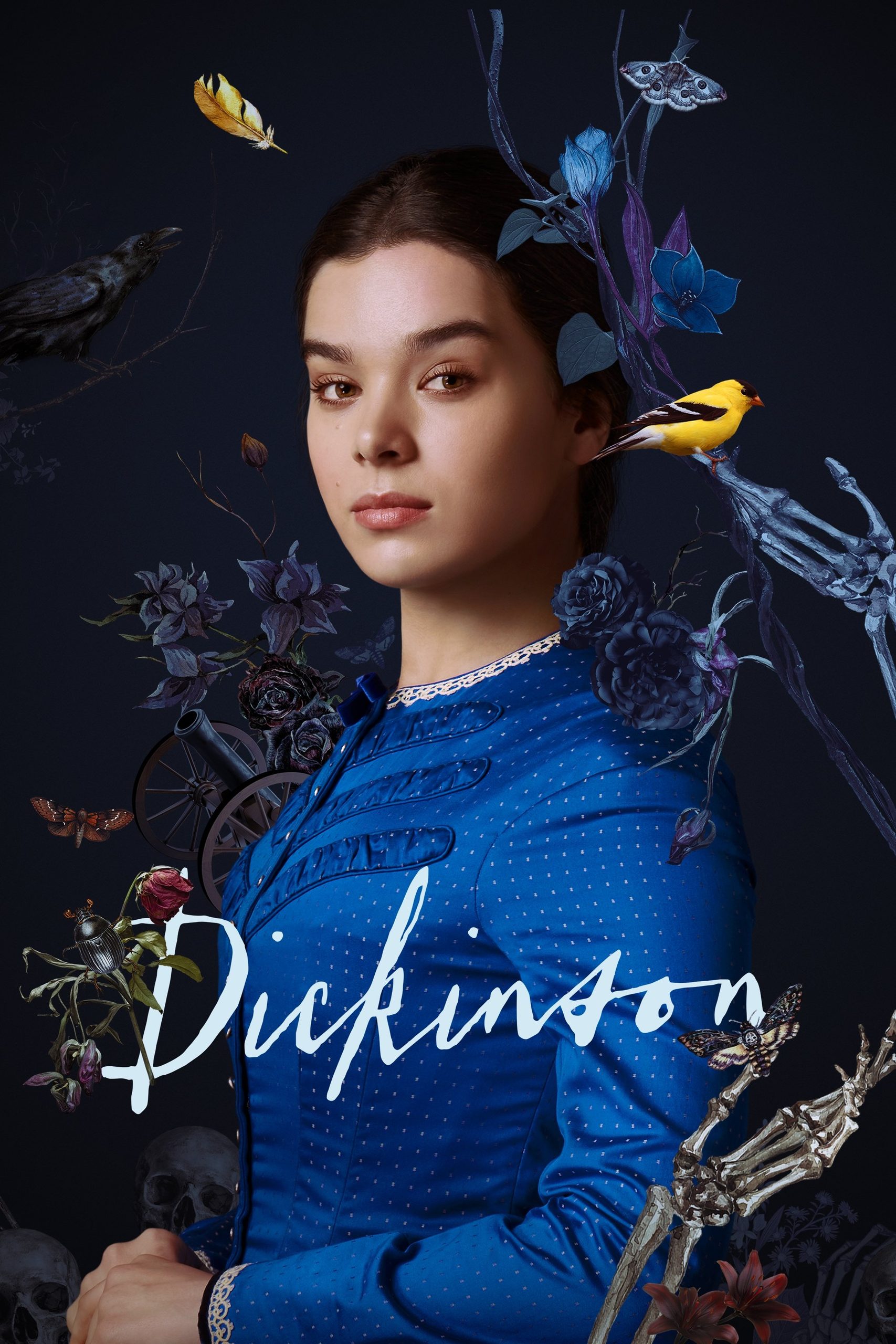
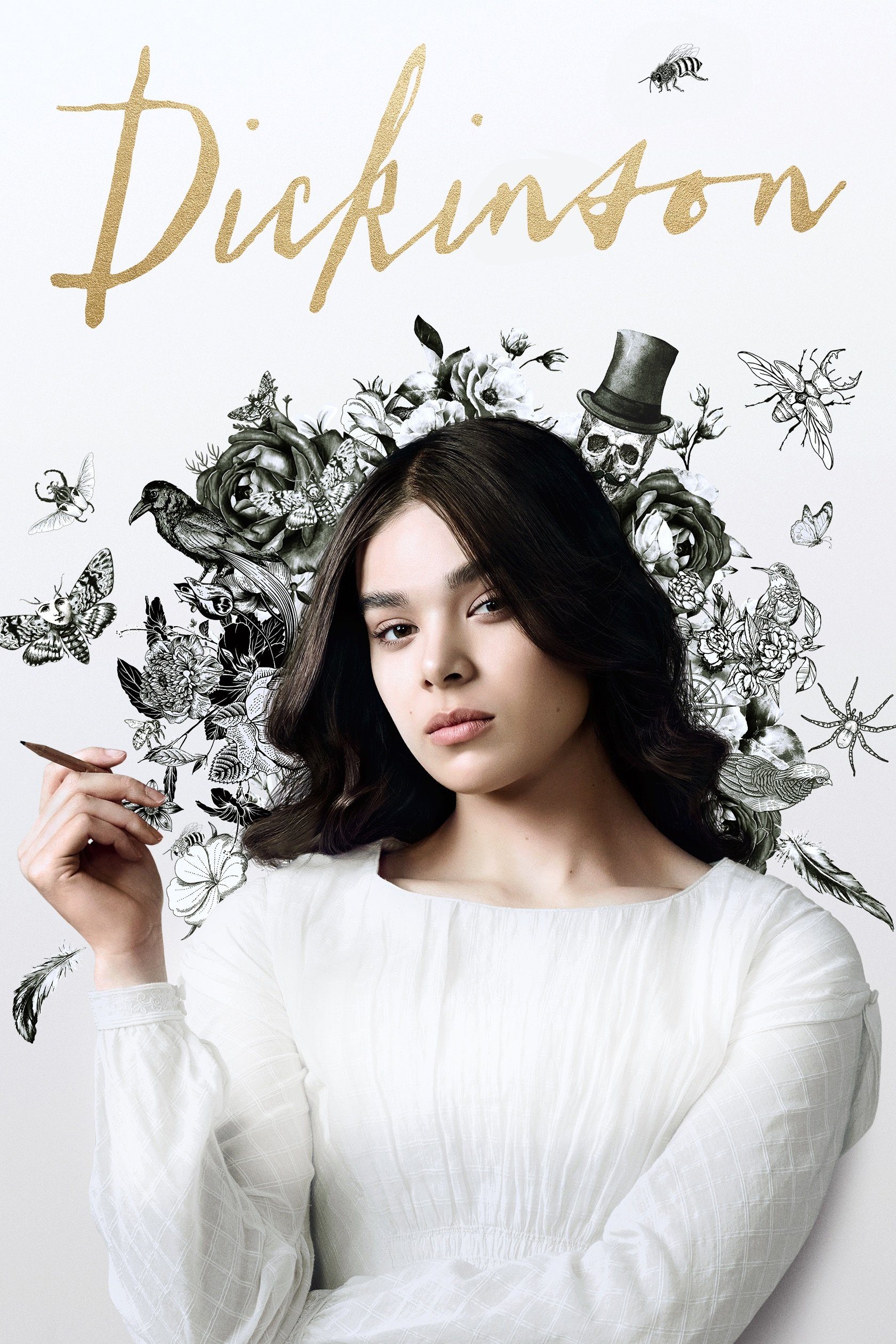
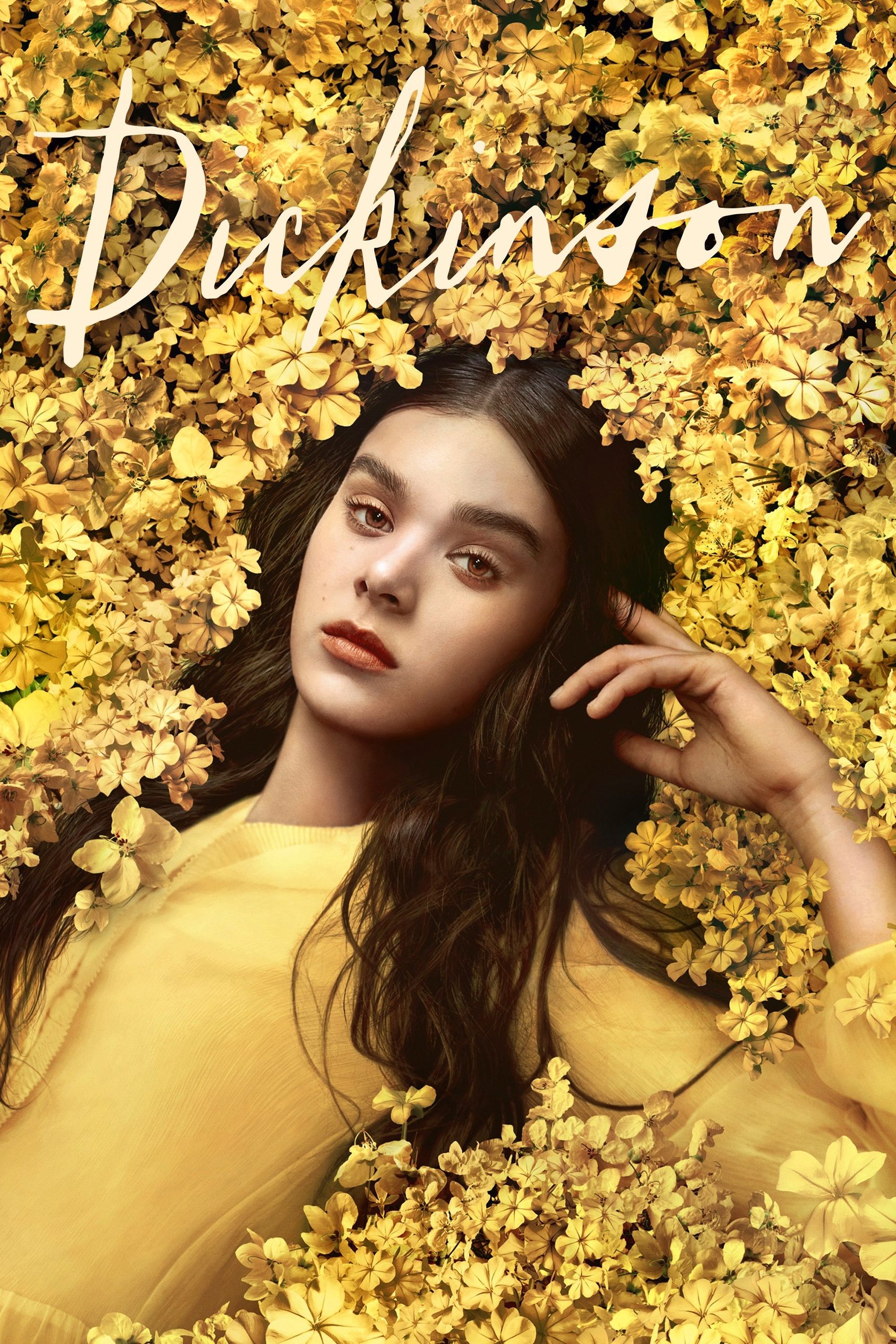
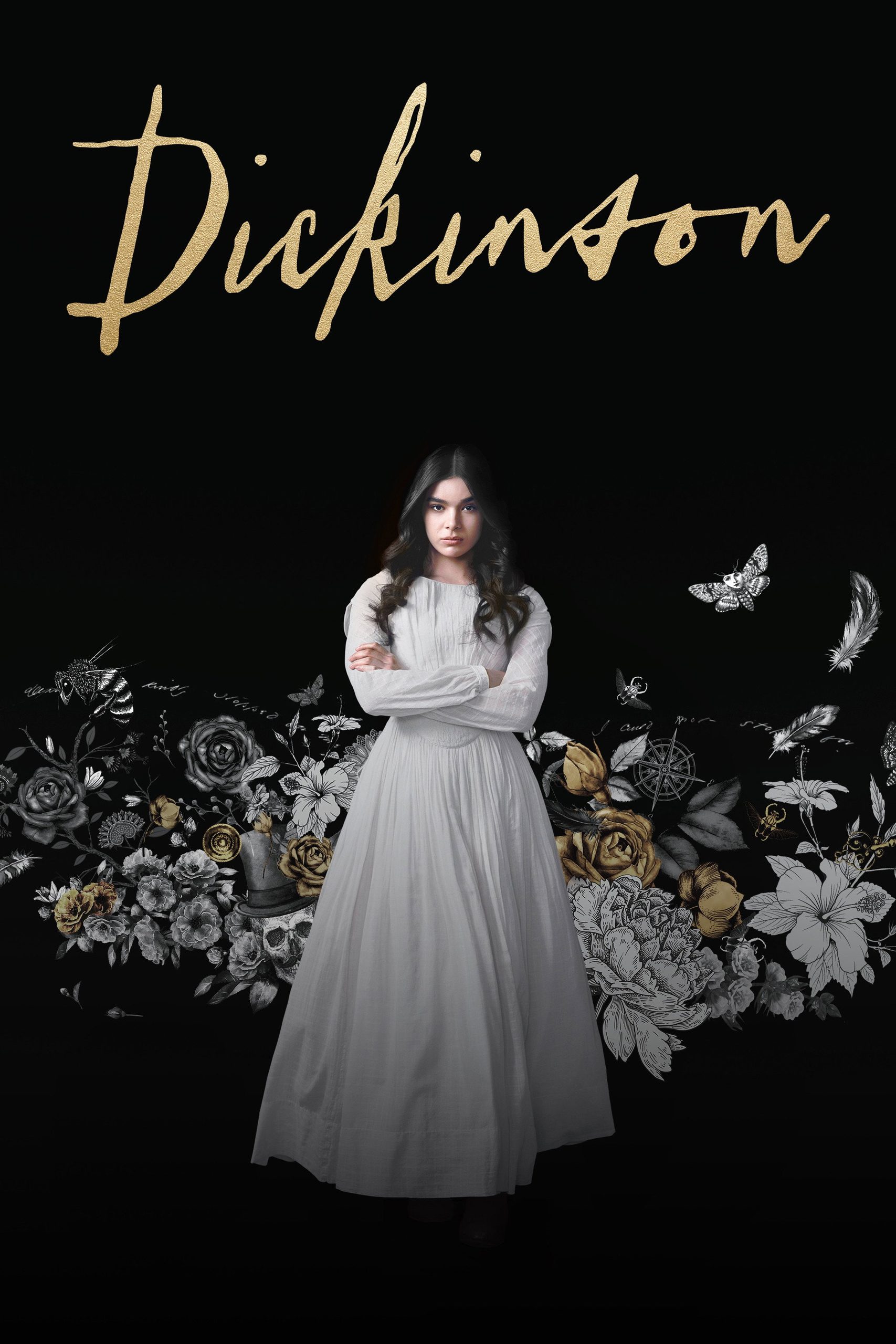
Alena Smith’s comedy gives Emily Dickinson modern slang, a pop soundtrack and a carriage ride with Death, and the slang wears thin long before the poems do. Stay for Hailee Steinfeld and Ella Hunt, who play the love story straight and make the rest worth the effort.
Alena Smith’s series takes Emily Dickinson and gives her a household that talks like a 2019 group chat. Her father forbids her to print a word. Death calls for her in a black carriage and she goes. That is the joke and the argument: that the poems are young, furious and funny, and that a century of lace-and-invalid biography has buried that. The joke wears thin faster than the show notices. The argument holds, mostly because two actors play it straight.
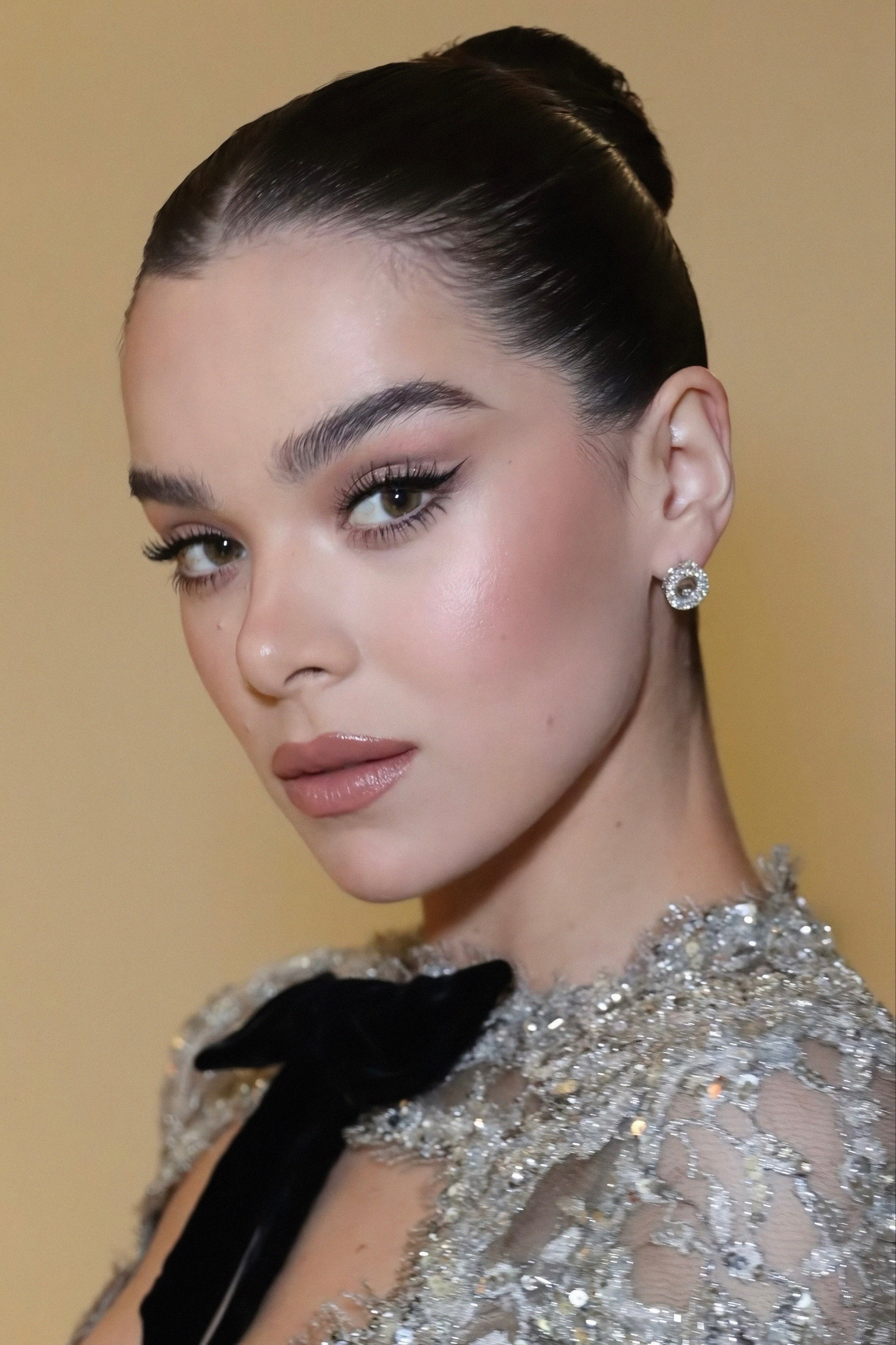
Hailee Steinfeld’s Emily is quick, cross and never still, a woman who leaves a room in the middle of someone else’s sentence because a line has arrived. When it does, the words appear on screen in her handwriting while she says them half under her breath. It could have been twee. It is not, because Steinfeld treats writing as work she is impatient to get back to rather than a visitation. The bee she talks to in the garden is voiced by Jason Mantzoukas, and that is about as much whimsy as she will tolerate.
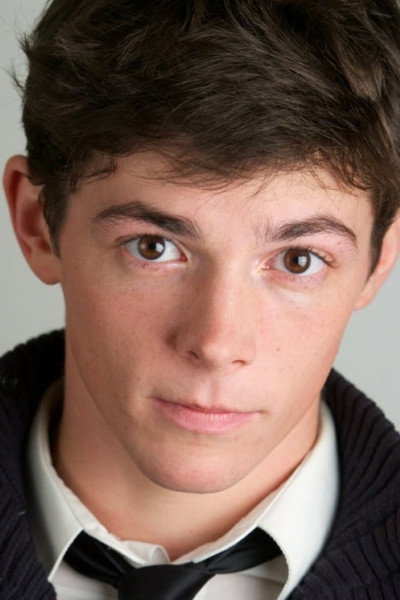
Ella Hunt’s Sue Gilbert is engaged to Emily’s brother Austin (Adrian Blake Enscoe) and in love with Emily, and the scenes between the two women are the only ones where the slang stops. They are shot close, mostly at night, mostly in whispers. We were moved by them more than we expected to be, and what did it was Hunt: she plays Sue as the one person in Amherst who has worked out exactly how much she is being asked to give up, and lets that cross her face without the script pointing at it. Enscoe’s Austin is a decent boy who cannot see what is in front of him.
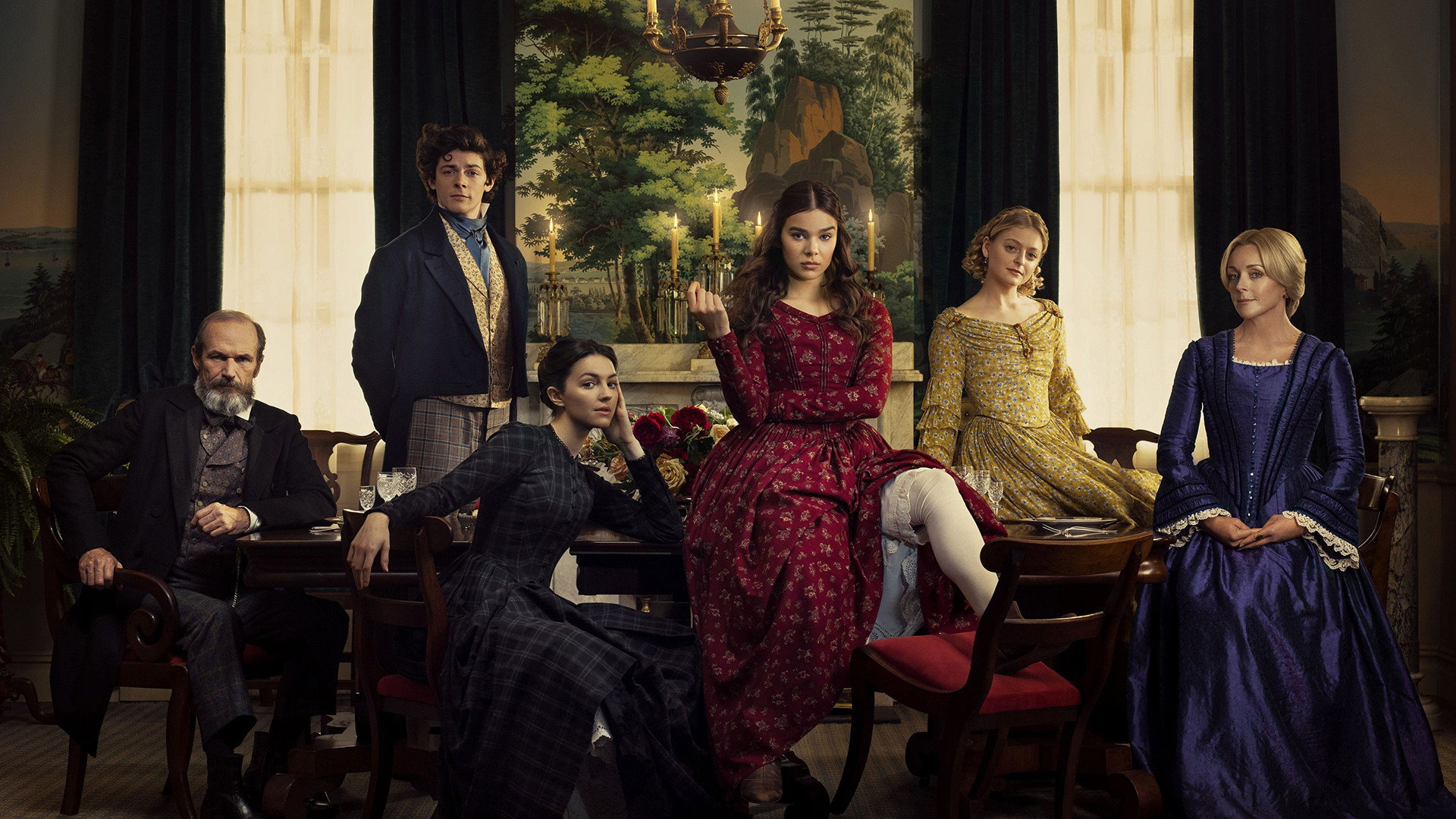
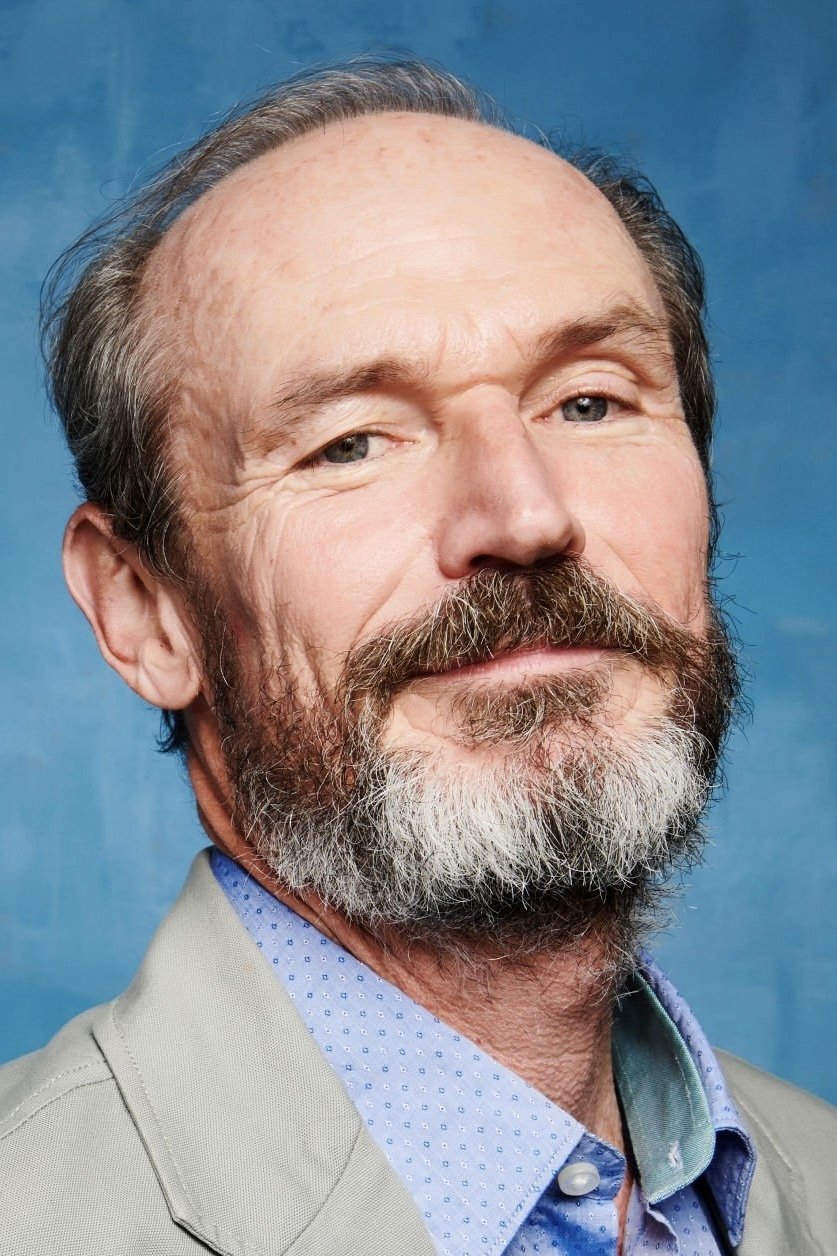
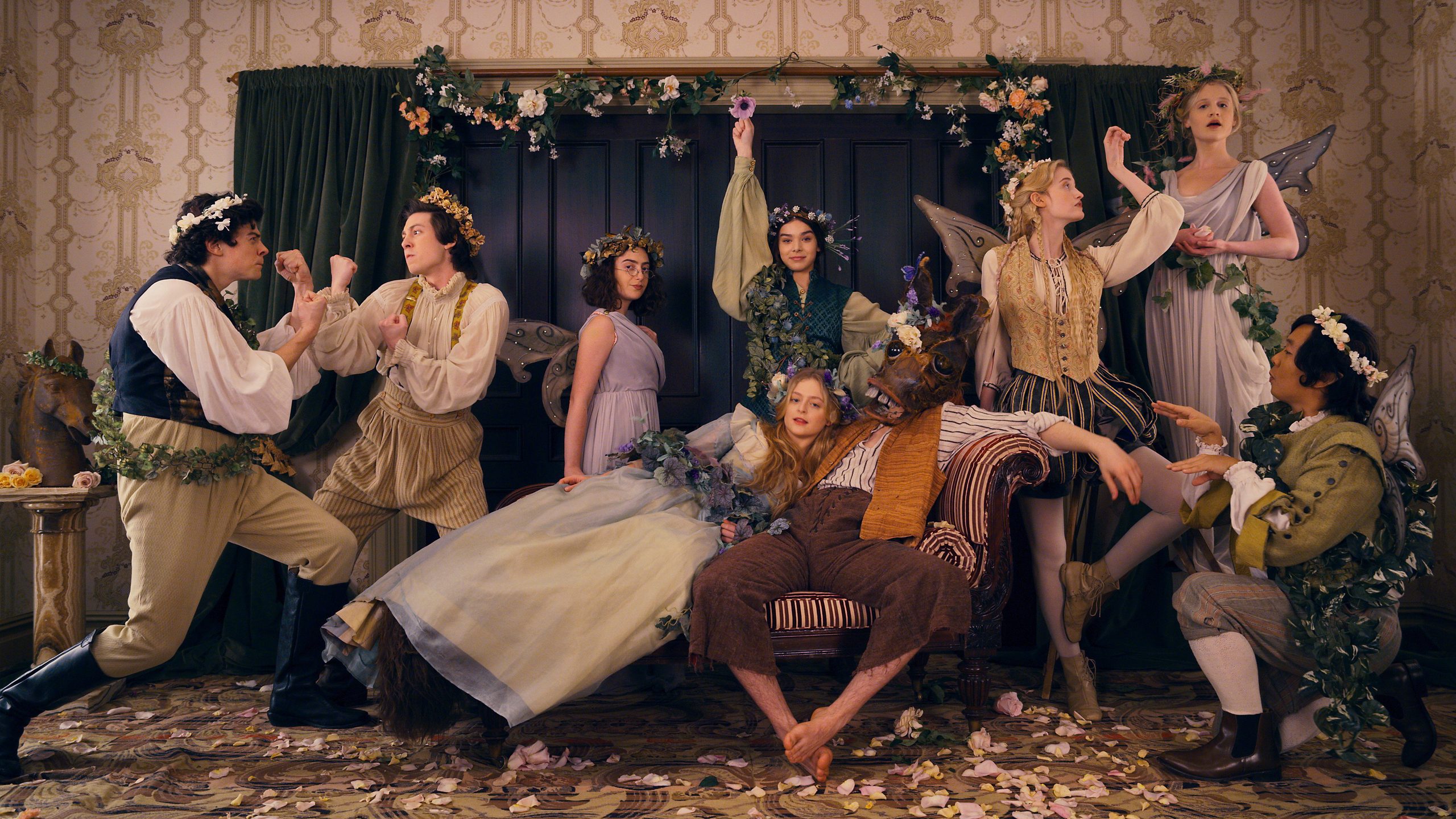
Around them the family is a sitcom. Toby Huss’s Edward is pompous and frightened of his daughter in roughly equal parts. Jane Krakowski does the frantic hostess she has done before. Anna Baryshnikov’s Lavinia, forever between suitors, gets the best throwaway lines. Amanda Warren’s Betty and Chinaza Uche’s Henry have lives in the town the Dickinsons never think to ask about, and the series is better whenever it remembers them.
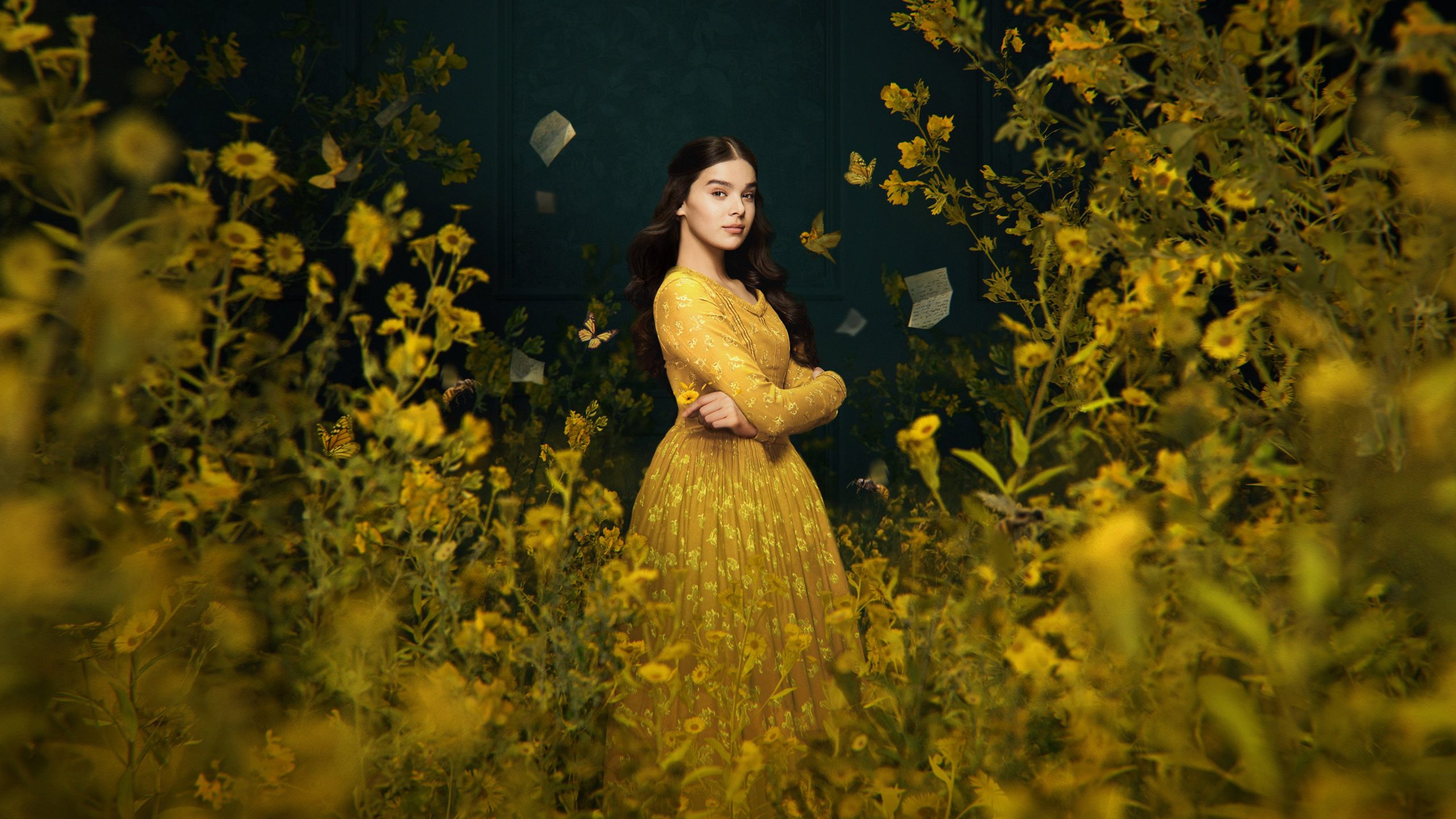
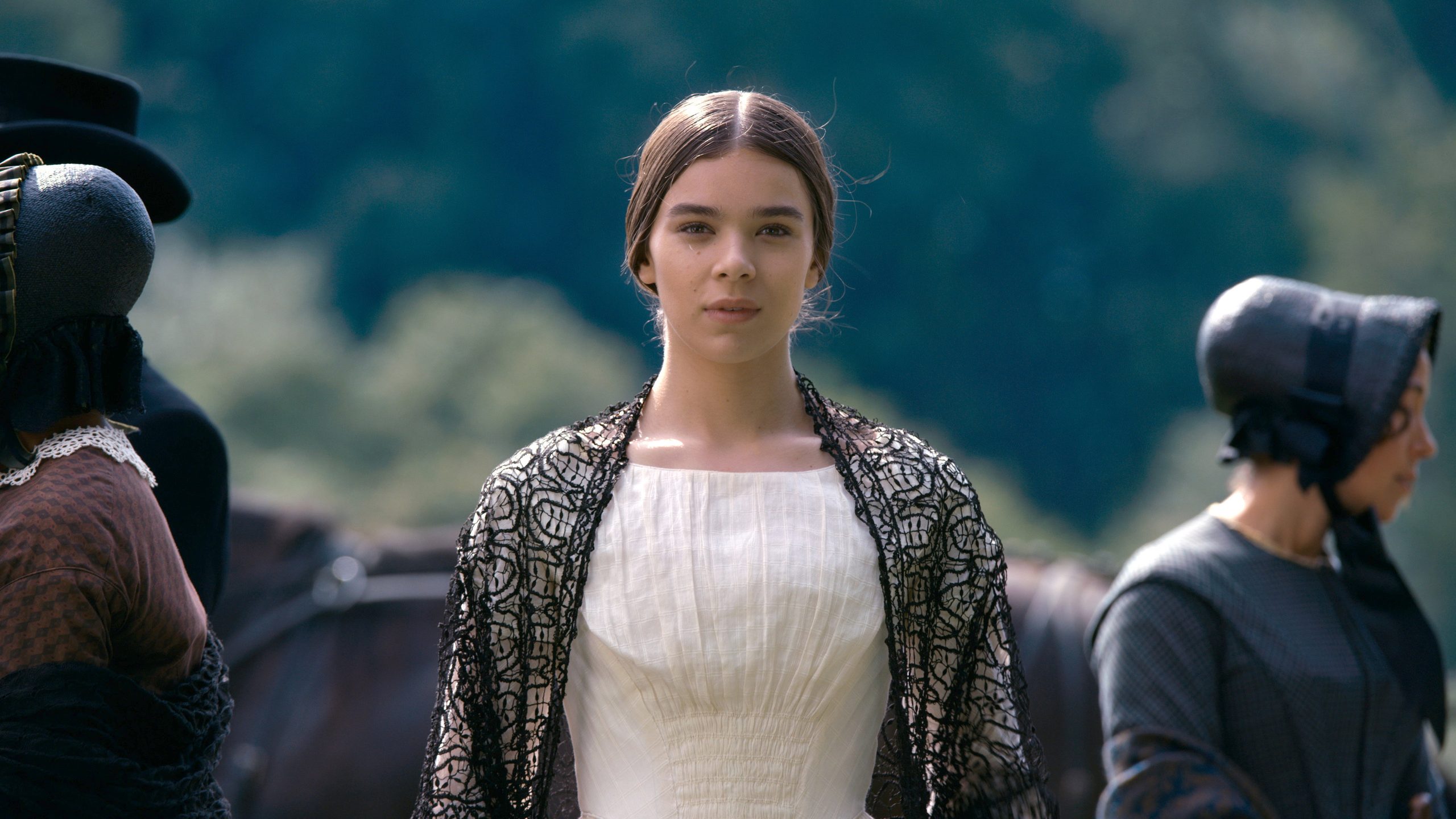
Tim Orr shoots the house in candlelight and warm daylight, so the interiors glow brown and gold and every face in them looks a little too modern for the furniture. Loren Weeks and Neil Patel fill the rooms with period clutter. John Dunn and Jennifer Moeller cut the dresses to the right 1850s shape and then put them in colours no Dickinson would have owned. Drum & Lace and Ian Hultquist supply a hazy electronic score that sits under everything and is the most consistent thing in the series. The pop songs are another matter. They land on the punchline every time, and tell us what the scene had already told us.
The anachronisms are the trouble. Death in a carriage comes from the poem, so it belongs. A dinner table where the young people call things lame does not, and the first season has a great deal of those. A dozen directors, among them David Gordon Green and Lynn Shelton, and seven editors share thirty episodes, and the seams show: a farce about a party gives way to an hour about a funeral. Some evenings a gag about how the 1850s were just like now made us wince, and then a poem appeared on screen and we forgave it. That is the pattern.
Marie Antoinette put trainers in Versailles; The Favourite gave its court modern swearing. What Smith adds is the poems, and the writers’ room she assembled, which includes Ayo Edebiri and Ziwe Fumudoh, is better at jokes that come out of the text than jokes that come out of the calendar. The later seasons are steadier, and the Emily and Sue story goes places we will not describe.
Give it two episodes. If the dialogue has not driven you off by then, it will not, and what is underneath is a love story and a working writer, both played without irony. There are three seasons of ten episodes each, and the first is the roughest.