This origin story for Erle Stanley Gardner’s lawyer is a handsome, slow, 18-rated noir with a fine Matthew Rhys at its centre and about three episodes too many around him. Worth the evening if unshaven detectives are your taste.
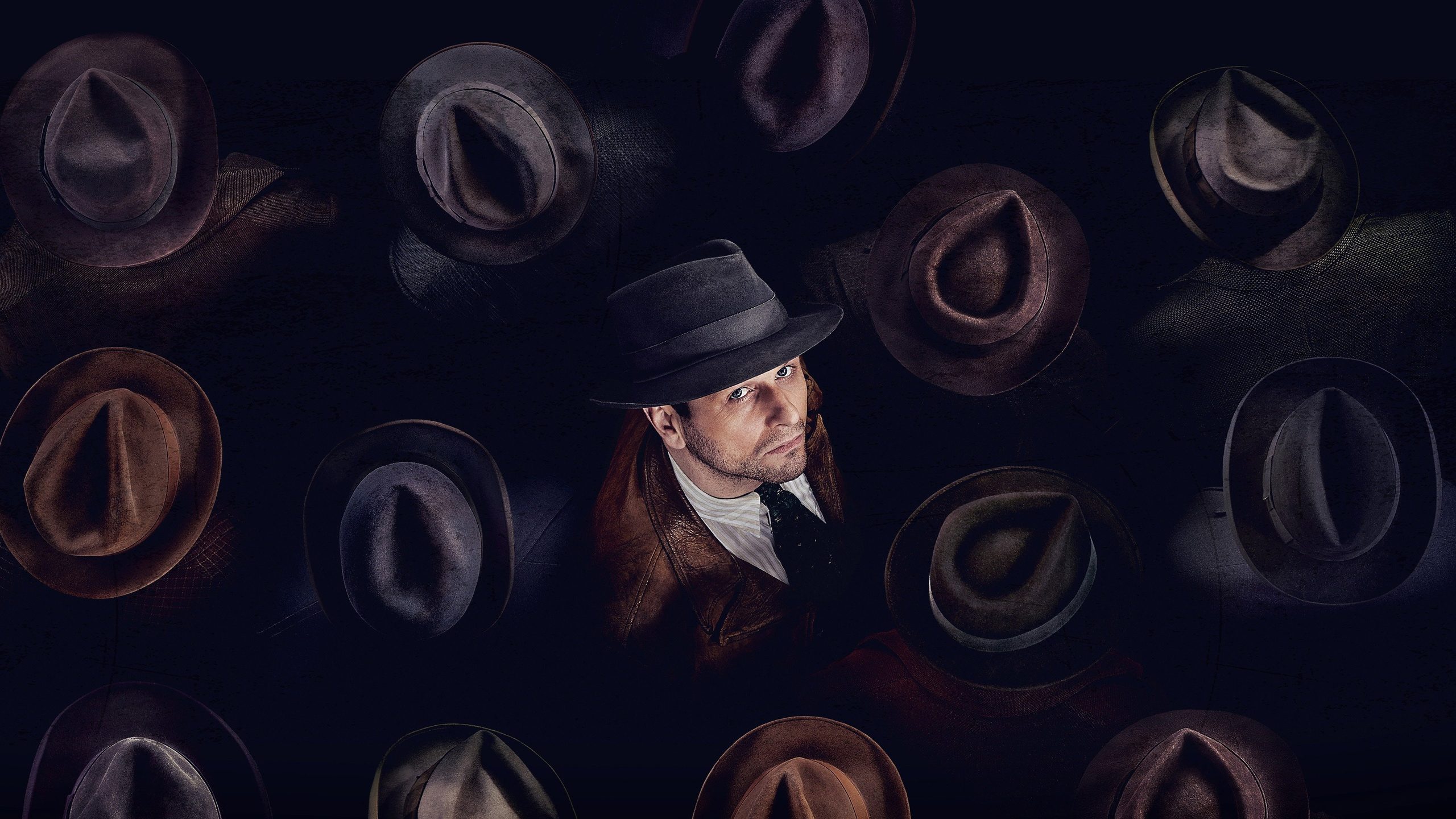
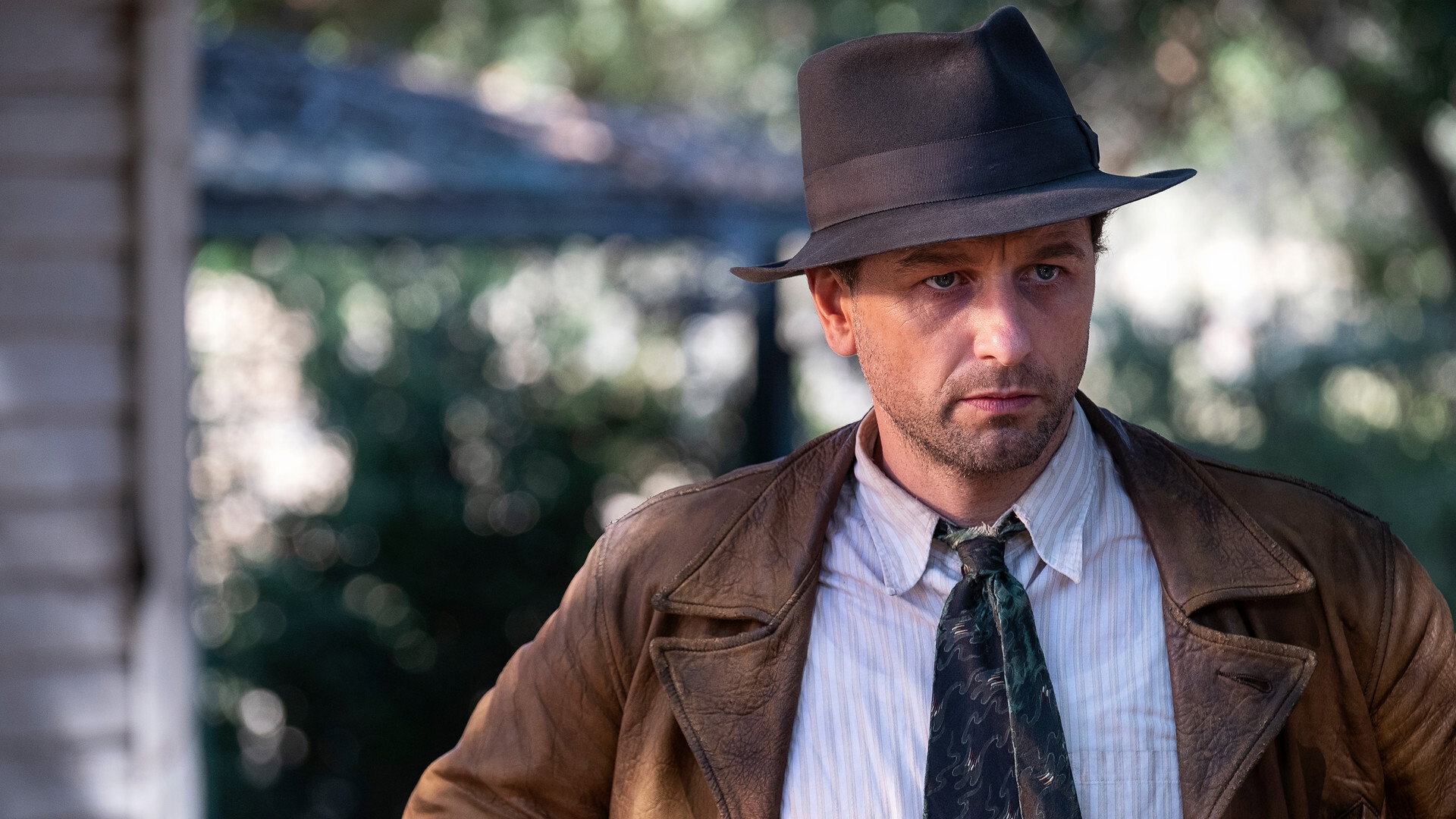
Rolin Jones and Ron Fitzgerald have taken Perry Mason, the tidiest lawyer in American popular fiction, and made him a private investigator who drinks in a dairy barn. It is Los Angeles in 1932. He has a bad war behind him, a divorce, a suit that has not seen a hanger, and a job photographing comedians in bed with the wrong women for E.B. Jonathan, an old lawyer with debts. The eight episodes of the first series are about how this man ends up standing in a courtroom, and they take a long time getting him there. What they make on the way is decent, often beautiful and frequently slow.
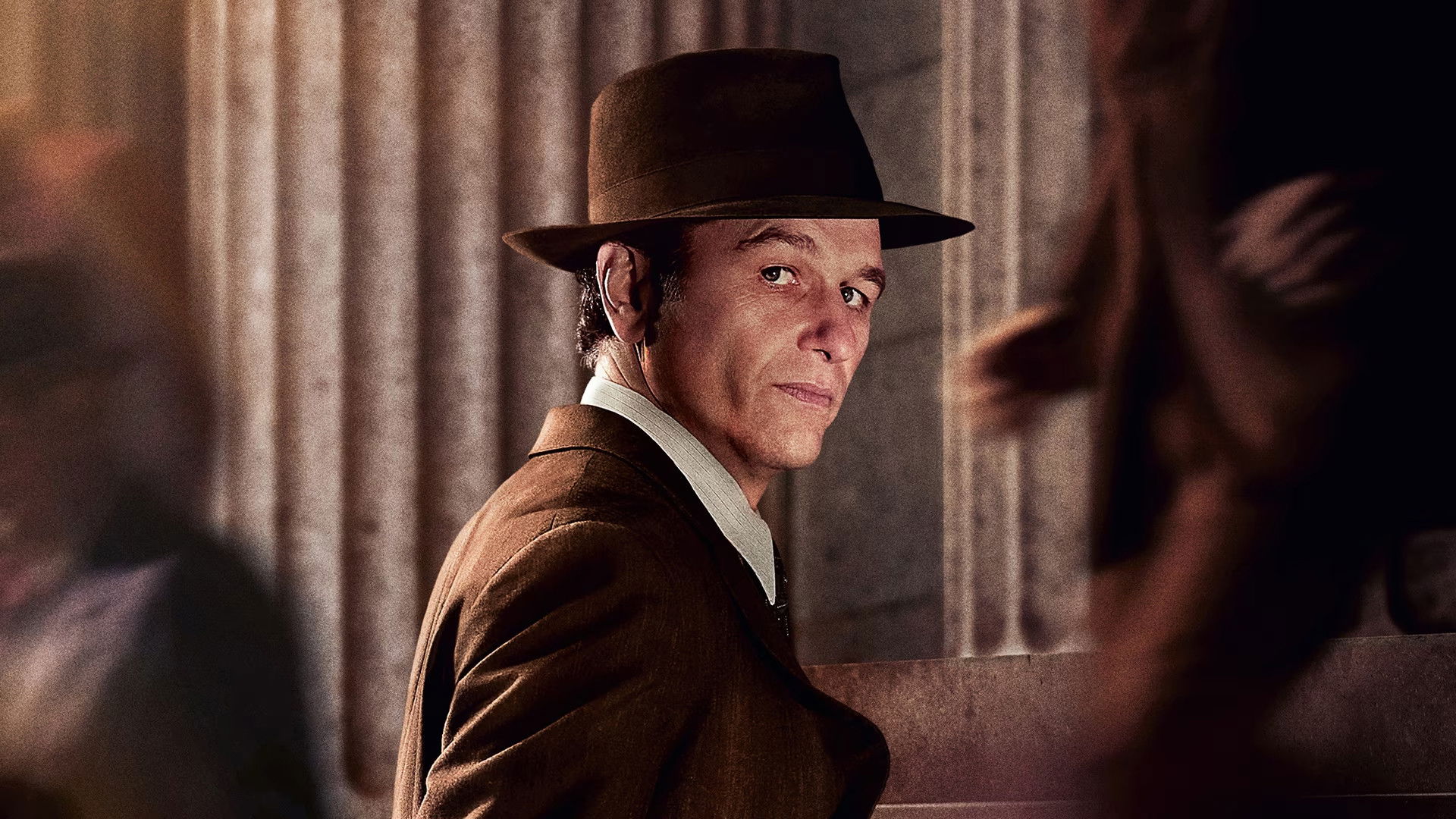
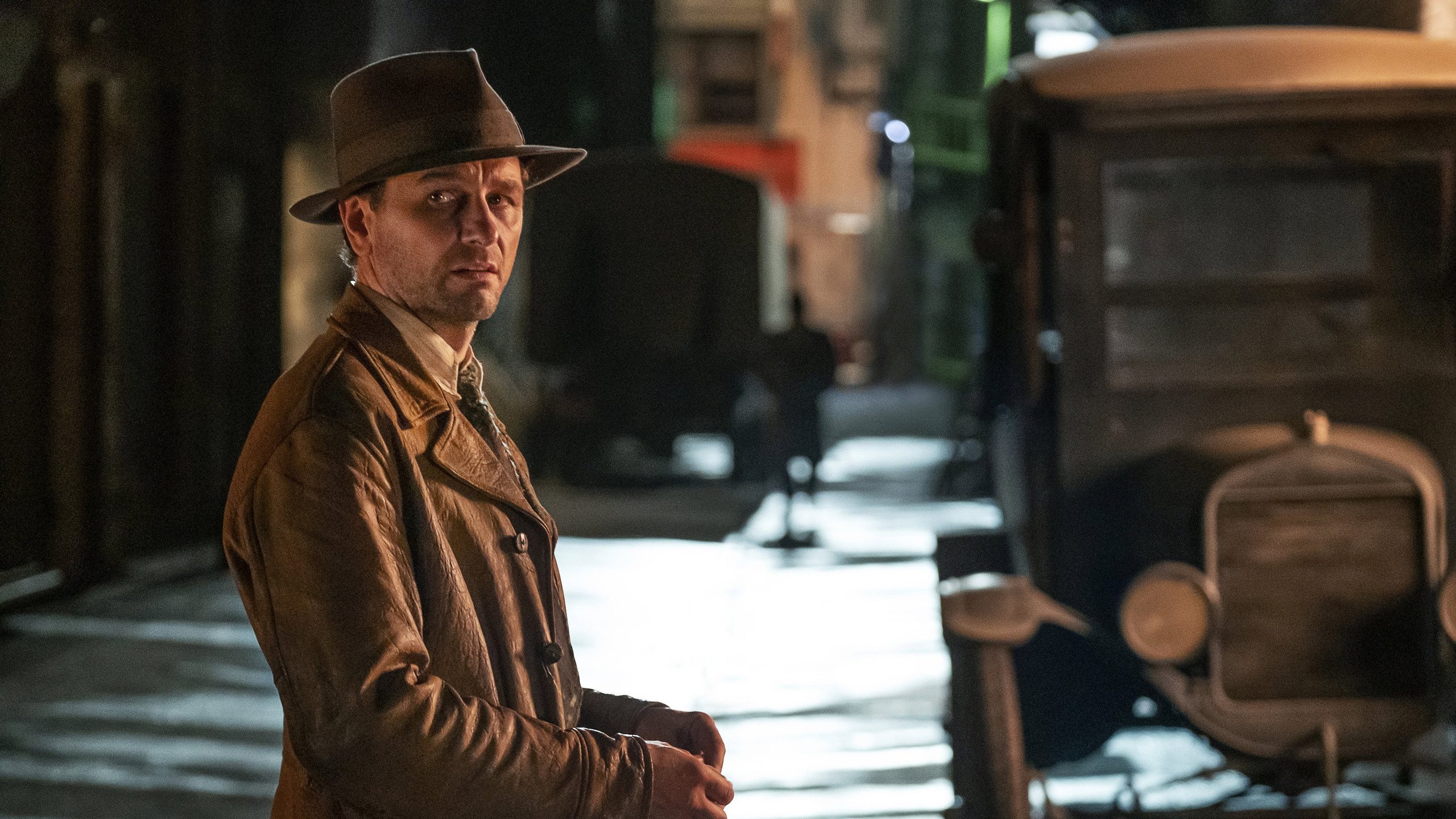
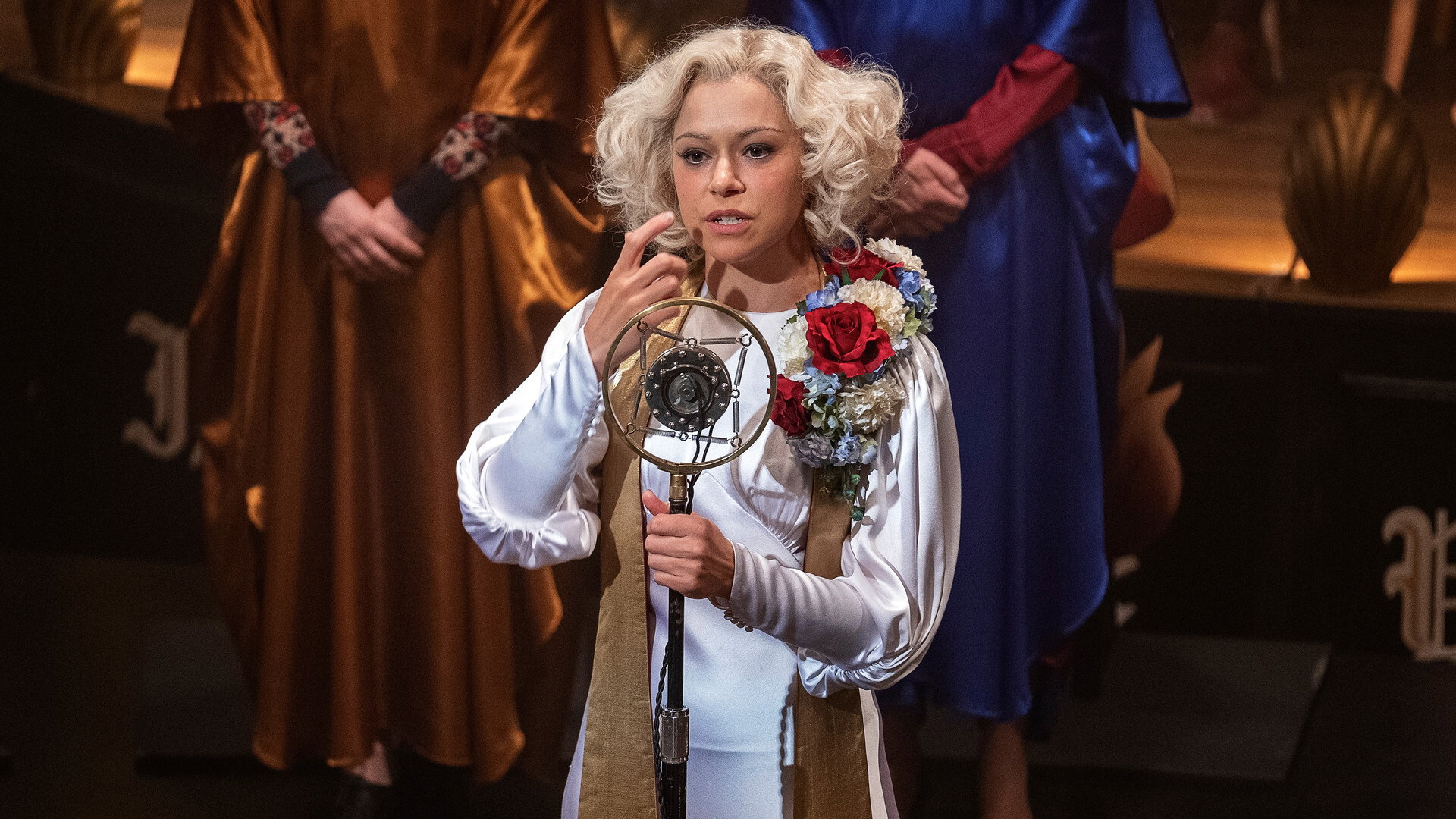
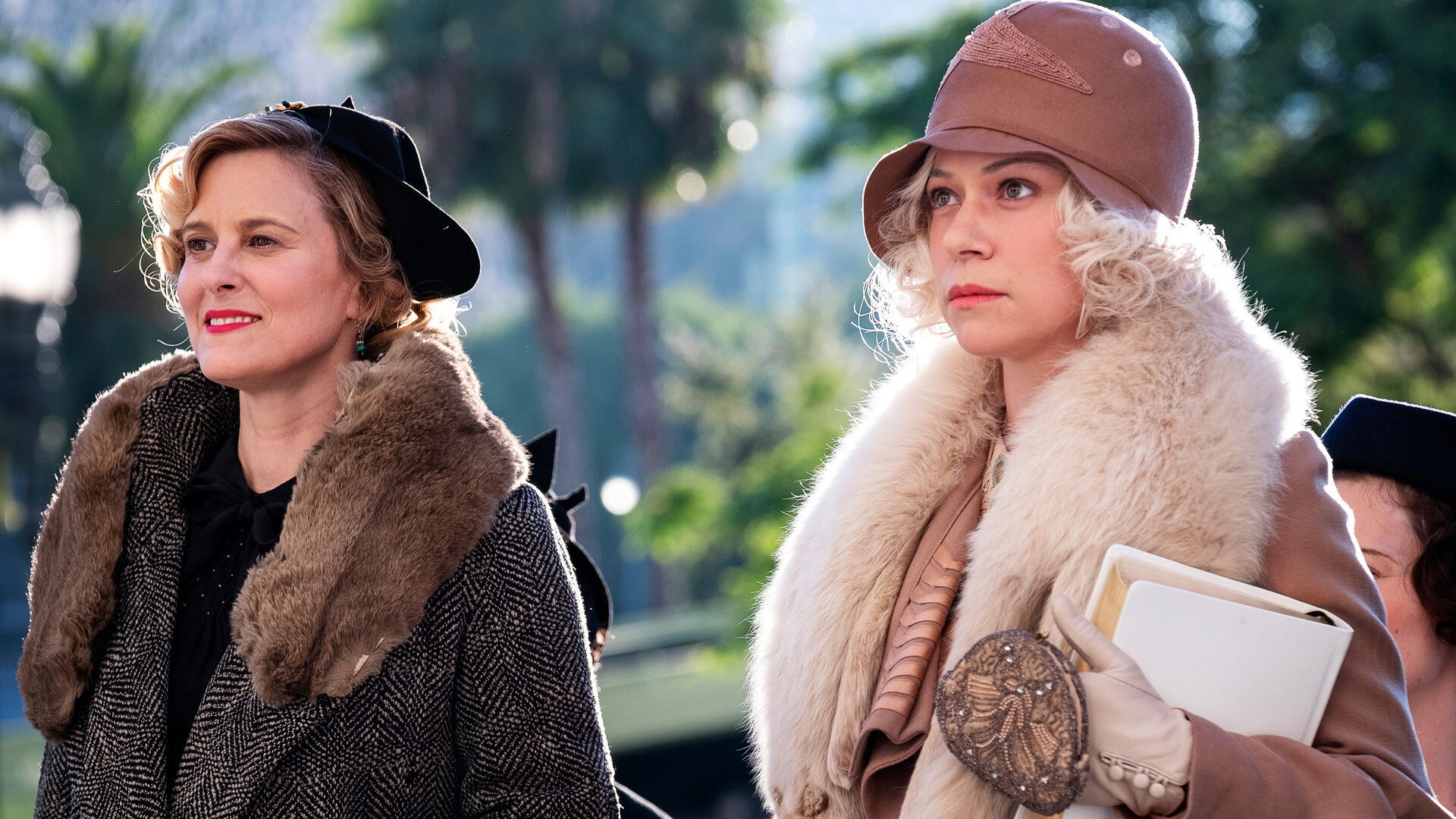
The city is the best thing in it. John P. Goldsmith and Keith P. Cunningham build a Los Angeles of funicular cars, bare hills, a white temple for the Radiant Assembly of God, and Mason’s farm under the flight path, where biplanes go over the cows. Four cinematographers, David Franco among them, keep to one look: interiors the colour of weak tea, nights a deep bruised blue, and dust hanging in every shaft of light. Tim Van Patten directs the opening episodes without hurry, letting rooms fill up before anyone speaks. Emma Potter dresses Rhys in one rumpled brown suit for most of the run, puts Della Street in tailoring sharper than any man’s in the office, and gives Sister Alice robes so white they hurt.
The series opens on the ransom exchange for a kidnapped child, and what is found at the end of it. We were horrified, and the programme knew we would be; it holds the shot longer than most would dare and never turns it into a puzzle. It sets the tone for everything after. This is not a whodunit with a bit of shadow on it. It is a series about grief, corruption and a man who has stopped expecting anything, and it carries an 18 certificate it earns in the first quarter of an hour.
Rhys is good at the stopped man. He plays Mason with his shoulders forward and his eyes down, and when he does look up it is usually because someone has said something he cannot let pass. Lithgow gives E.B. a vanity so gentle it takes two episodes to see how much damage it is doing. Juliet Rylance’s Della is the only person on screen who behaves like an adult, and the programme is wise enough to notice. Chris Chalk’s Paul Drake, a patrolman who has to be twice as careful as any white officer and is still not careful enough, is the strand that tells us most about the city.
The trouble is length. There are perhaps five episodes of story here, and the other three are spent at church. Tatiana Maslany does everything asked of Sister Alice, the evangelist with a radio audience and a promise she cannot keep, but the tent meetings, the mother, the faints and the broadcasts go on for hours and arrive where anyone who has seen a film about a preacher will have guessed. Eight editors are credited and the middle stretch drifts between them. Somewhere in the fifth episode we noticed we were admiring the lamps and had stopped caring who had taken the child, and then we were cross with a programme this well made for letting us.
Terence Blanchard scores it with a muted trumpet over slow strings, which suits the streets and does the sad walks no favours; every time Mason trudges somewhere, the trumpet trudges with him. Shea Whigham is dry and welcome as Strickland. Justin Kirk’s Hamilton Burger and Eric Lange’s Detective Holcomb are the two faces of a city that would rather the case went away.
Then the courtroom comes, late, and the series becomes what it is called. Rhys as an advocate is a different animal, awkward and then suddenly not, and the cross-examinations are the best written scenes in the run. The second series learns the lesson: one case, eight episodes that need all eight, far less time in church.
Anyone raised on the Raymond Burr version should know there is nothing cosy here. Give it two episodes. Anyone still watching after the child, the farm and the suit will stay for the trial, and the second series repays the patience.