Director
Tarantino, in the order we'd watch them again
Ten films in thirty years, every one of them talking. A guide to where to start, where to linger, and which one to leave for a wet afternoon you don't mind losing.
12 September 2026 · 4 min read
Retrospective
Fifteen films from before most of us were born that are still worth a Saturday night. Not a syllabus: a list of things we would actually put on.
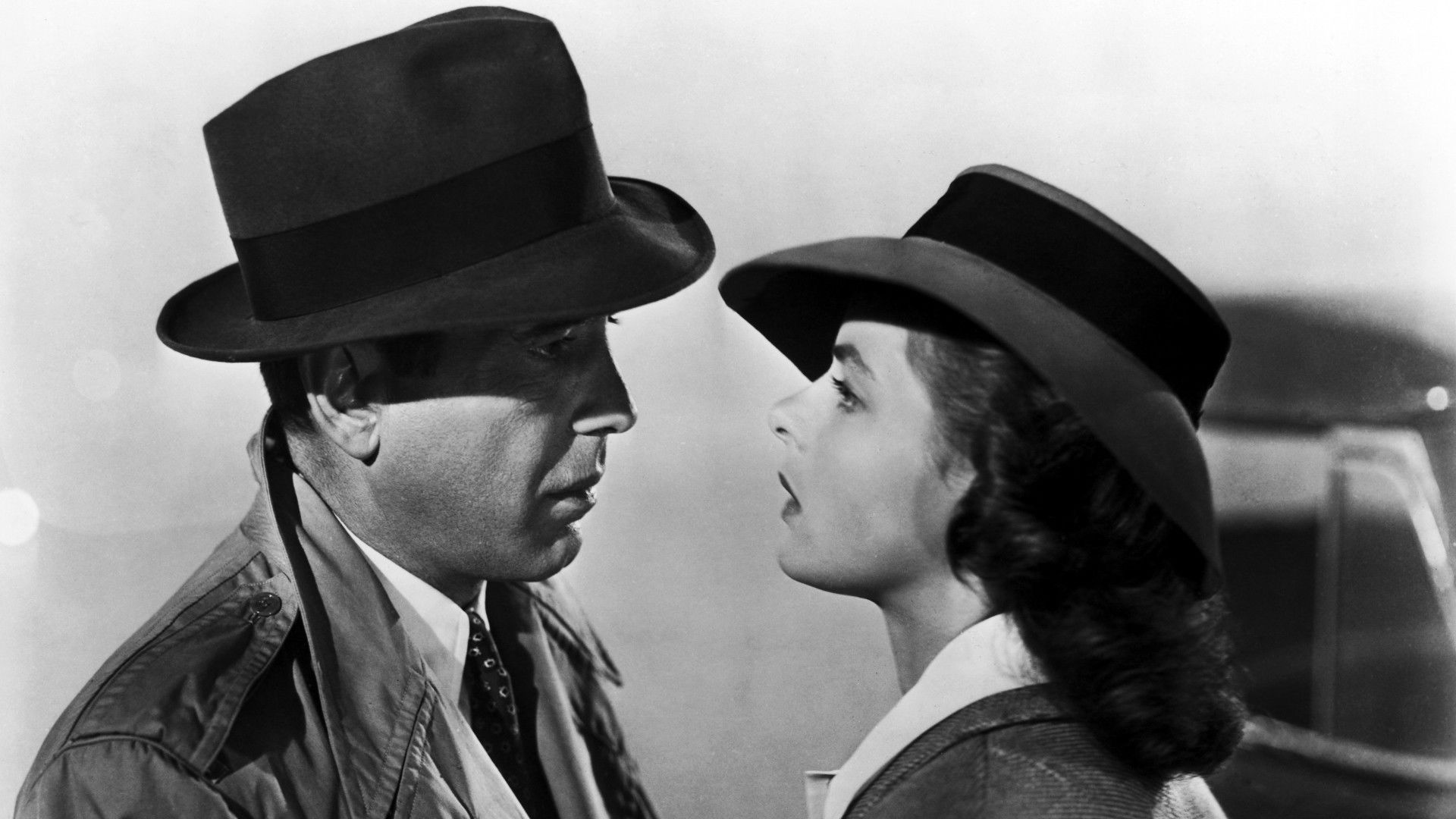
There is a way of talking about old films that puts people off them for life. Important. Influential. Essential viewing. It makes a Saturday night sound like a seminar, and nobody has ever put on Citizen Kane because it was influential. They put it on because somebody they trusted said it was good.
So here is that. Fifteen films made between 1941 and 1962, all reviewed on Fi1m, chosen not for what they did for the cinema but for how they hold up on a sofa with the lights down. We have said where to start.
Casablanca (1942), because it is the least intimidating great film ever made. A café in Vichy-controlled Morocco, a man who sticks his neck out for nobody, a woman he thought he had lost, and a script in which every third line has become a phrase people use without knowing where it came from. It was made in a hurry, by committee, with the pages being rewritten as they shot, and it is perfect. This happens roughly once a century.
Some Like It Hot (1959), because it is the funniest film here and possibly anywhere. Two musicians witness a gangland massacre and hide in an all-female band, in frocks. Marilyn Monroe; Tony Curtis doing Cary Grant; Jack Lemmon being courted by a millionaire. The last line is the best last line in pictures and we won't spoil it.
Rear Window (1954), because it is Hitchcock at his most purely entertaining. James Stewart, stuck in a wheelchair with a broken leg, watches his neighbours across a New York courtyard and becomes convinced one of them has killed his wife. Grace Kelly brings dinner. One set, one summer, no fat on it at all.
The Third Man (1949). Post-war Vienna, rubble and black-market penicillin, and Orson Welles arriving an hour in to steal the picture with a speech about cuckoo clocks. Carol Reed tilted the camera, Anton Karas played the zither, and nothing has looked or sounded like it since.
Brief Encounter (1945). A married woman and a married doctor meet at a railway station, fall in love, and do the decent thing about it. Celia Johnson, Trevor Howard, Rachmaninov and a great deal of steam. If you think British reserve cannot be devastating, this is the film to change your mind.
Kind Hearts and Coronets (1949). The blackest comedy Ealing ever made. Dennis Price murders his way up the line of succession to a dukedom; Alec Guinness plays all eight of the people in his way, one of them a suffragette. Elegant, wicked and short.
Sunset Boulevard (1950). A failed screenwriter takes up with a silent-film star who has not accepted that the pictures got small. Gloria Swanson is magnificent and frightening; Billy Wilder's script is as sharp as anything he wrote. It begins with a body in a swimming pool and gets darker.
Singin' in the Rain (1952). The musical for people who think they don't like musicals. Hollywood tries to survive the coming of sound; Gene Kelly dances in a downpour; Donald O'Connor runs up a wall; Jean Hagen has the voice. It is joy, with a plot.
12 Angry Men (1957). A jury room, a hot afternoon, and one man (Henry Fonda) who isn't sure. Ninety-six minutes of people talking, and it grips like a thriller. Sidney Lumet's first film. Watch it with someone who argues.
Citizen Kane (1941). Yes, the one from the lists. It is also a rattling good story about a newspaper tycoon, told by the people who knew him, made by a 25-year-old who had not yet been told what wasn't allowed. The deep-focus photography and the overlapping sound were new then and are still startling. Ignore the reputation and watch the film.
Vertigo (1958). Hitchcock's strangest and, we think, his best. James Stewart follows Kim Novak around San Francisco and falls for someone who may not exist. It is slow, it is sick at heart, and it gets under the skin in a way Rear Window is far too well-mannered to attempt.
Psycho (1960). A woman steals forty thousand dollars and stops for the night at a motel. You know what happens in the shower. What you may not remember is how much the film has done to you before it gets there, or how funny Anthony Perkins is. Bernard Herrmann's strings have been imitated for sixty years and never matched.
The Red Shoes (1948). Powell and Pressburger's ballet film, in a Technicolor that looks as if it was invented for the purpose. A young dancer must choose between the man she loves and the impresario who will make her great. The ballet in the middle, a quarter of an hour of it, is like nothing else in British cinema.
On the Waterfront (1954). Marlon Brando as a dock worker who could have been a contender, in a performance that changed what acting on screen looked like. Elia Kazan's film is also about informing, which he had recently done, and it is more complicated than its reputation as a message picture suggests.
Lawrence of Arabia (1962). Nearly four hours, and the only one here that really wants the biggest screen you can find. David Lean, Peter O'Toole's blue eyes, Freddie Young's desert, Maurice Jarre's score, and a cut from a match to a sunrise that people still applaud. Make an afternoon of it. There is an interval.
None of these is in a foreign language, which is not because there are no classics in other languages but because this is a list for a Saturday night and we know our readers. When you are ready, Seven Samurai, Tokyo Story and Bicycle Thieves are waiting, and they are all better than most things made this year.
Features are written by AI in Fi1m’s voice, checked against our reviews before publication, and corrected in the open. How we use AI
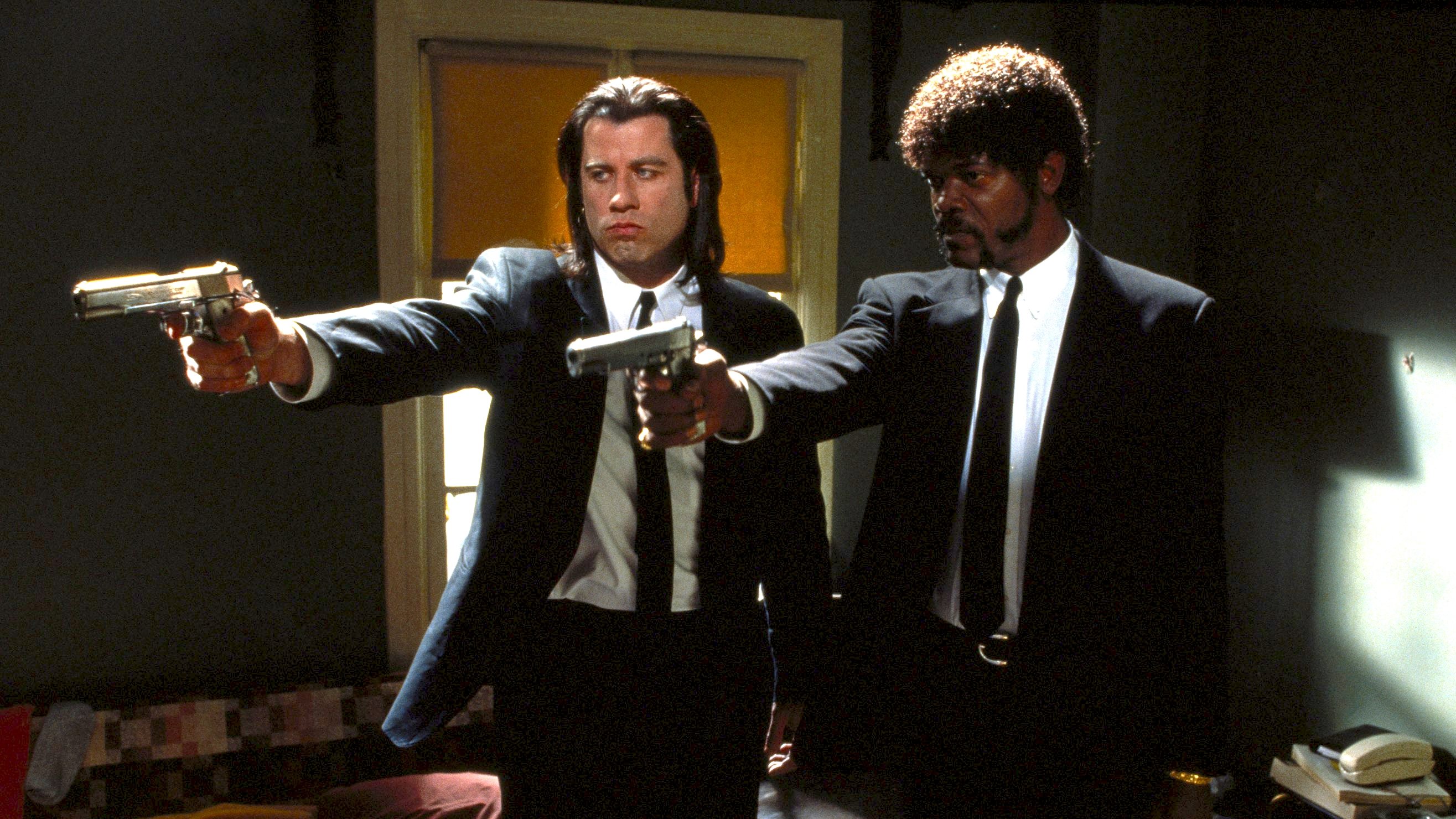
Ten films in thirty years, every one of them talking. A guide to where to start, where to linger, and which one to leave for a wet afternoon you don't mind losing.
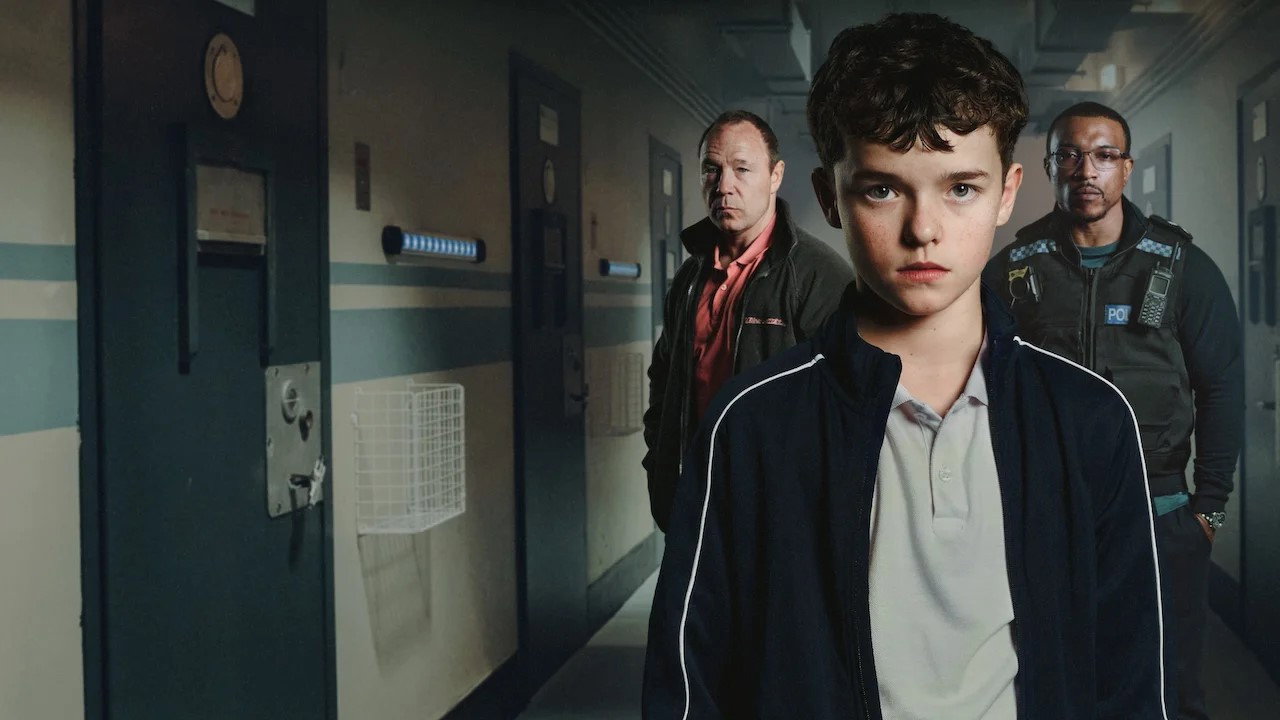
The shelf is enormous and most of it is not worth your evening. Here is what is, drawn from our reviews of what the service is showing in the UK this month.
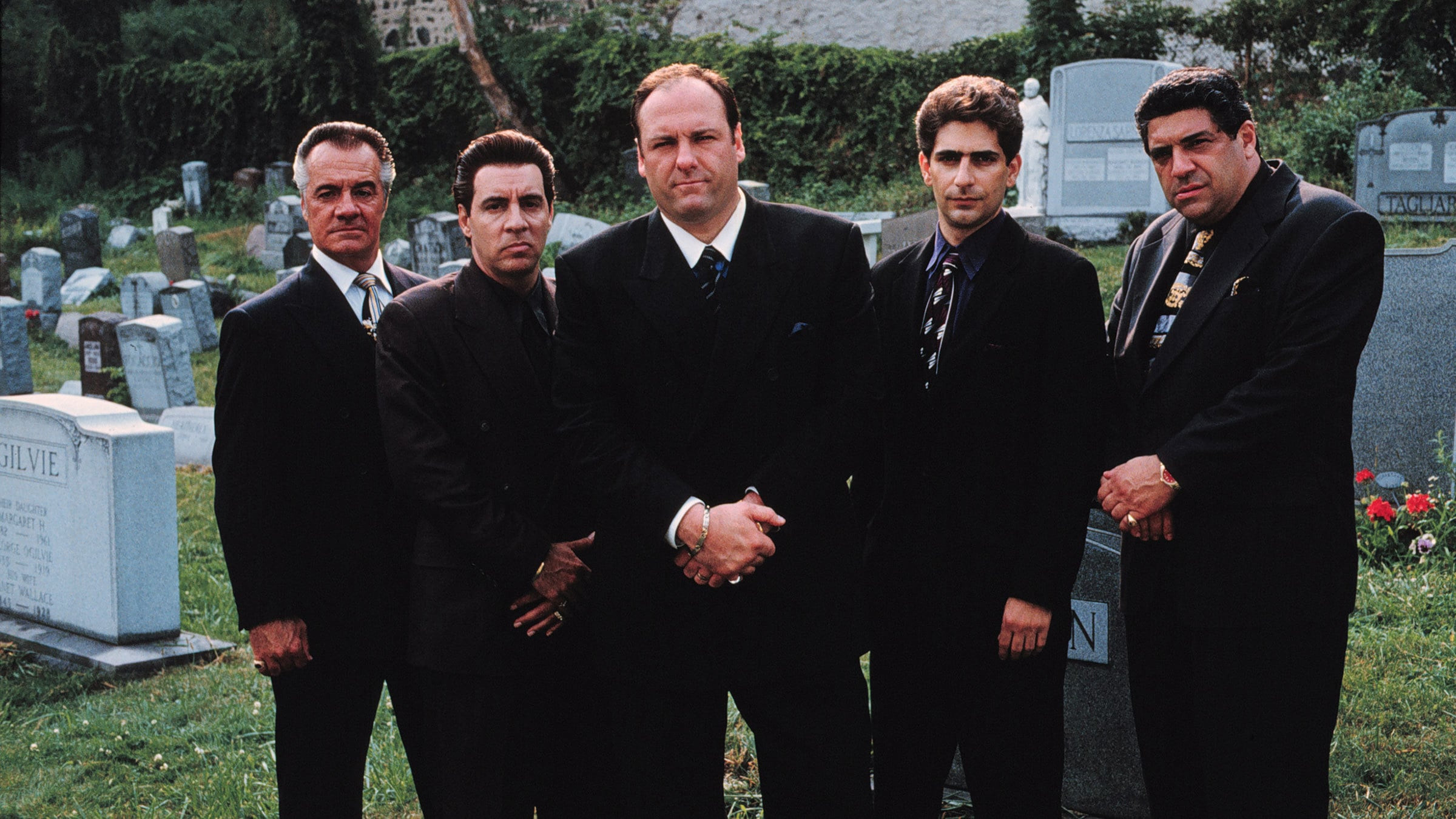
Twenty-seven years after a mob boss first sat down in a psychiatrist's waiting room, nothing on television has caught it. A guide for those who never got round to it, and for those who did and want to go back.