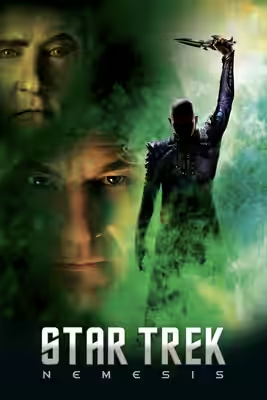
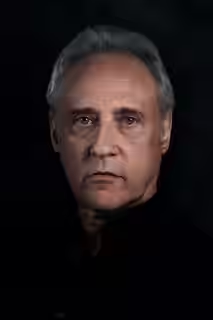
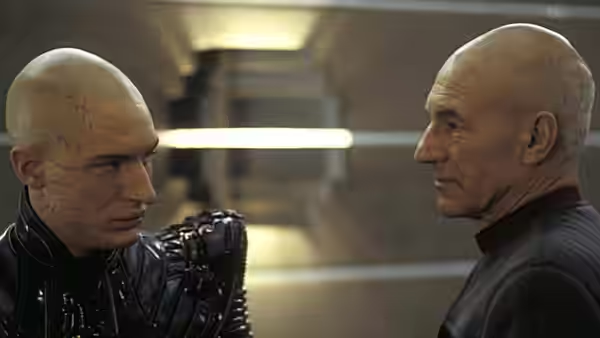
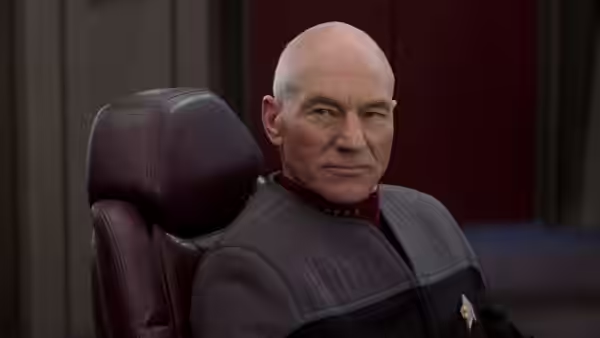
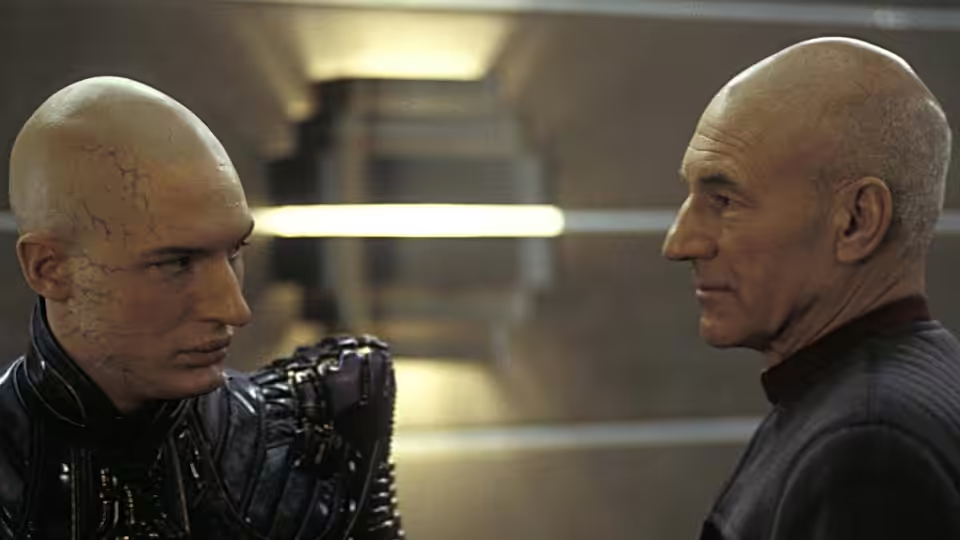
Shinzon (Tom Hardy) and Picard (Patrick Stewart) face each other in a corridor
Film review

Star Trek: Nemesis

2002 · Directed by Stuart Baird · 1h 56m

In a sentencePicard meets a younger, balder version of himself and the film still cannot find anything for the rest of the crew to do

On Romulus, the Senate is wiped out by a weapon that turns the senators to grey dust in their seats, and a young human, Shinzon (Tom Hardy), is installed as Praetor. On Earth, Captain Jean-Luc Picard (Patrick Stewart) gives a speech at the wedding of Commander William T. Riker (Jonathan Frakes) and Counselor Deanna Troi (Marina Sirtis), who are leaving the Enterprise for Riker’s first command. On the way to the honeymoon the crew stop at a desert planet, where Lt. Commander Data (Brent Spiner) finds scattered in the sand the pieces of an android with his own face. Then Shinzon invites Picard to Romulus to talk peace, and the captain sits down to dinner opposite a man who knows a great deal about him.

Fi1m review

Tom Hardy makes a hungry, whispering double for Picard and Jerry Goldsmith writes the crew a proper farewell; between them Stuart Baird stages a car chase, some corridor shootouts and a shaking bridge, and a generation’s last voyage ends as an action film nobody needed.

Star Trek: Nemesis is the tenth film in the series and the fourth with the crew of The Next Generation, and its tagline calls it a generation’s final journey. John Logan’s script opens on Romulus, where the whole Senate is killed in a minute by a weapon that leaves them grey and crumbling in their chairs. A new Praetor, Shinzon (Tom Hardy), takes power and invites Captain Jean-Luc Picard (Patrick Stewart) to talk peace. Before he gets there the Enterprise stops on Earth for the wedding of Riker (Jonathan Frakes) and Troi (Marina Sirtis), and on a desert planet to dig up an android with Data’s face. Then Picard sits down to dinner with Shinzon and finds out what he is, and the film has its one good idea.

Hardy is the reason to watch. Bald, whispering, leaning across the table as if he means to take a bite out of his host, he plays Shinzon as a young man who wants Picard’s approval and Picard’s life in roughly equal measure. Jeffrey L. Kimball lights the dinner low and amber and holds on the two faces, and Stewart plays a man being flattered who knows exactly what flattery is for. For ten minutes the film is a two-hander about a person and the accident of who he is. We would have taken two hours of it.

What we get instead is Stuart Baird’s idea of an action film, and it is a poor one. The desert planet becomes a dune buggy chase, shot flat and cut by Dallas Puett into short pieces we could not follow, with Picard at the wheel grinning like a man on a stag weekend. We were bored by it, and then we were annoyed, because we knew this was meant to be goodbye and the film was spending it on a car chase. Later there are corridor shootouts, a bridge that shakes on cue, and a fist fight between Riker and Ron Perlman’s Viceroy Vkruk that gets more screen time than Riker’s departure for his own command.

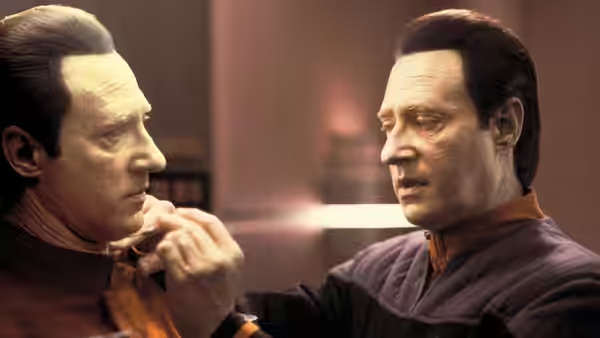
The rest of the crew are onlookers. LeVar Burton’s La Forge reports on things. Michael Dorn’s Worf gets two jokes. Gates McFadden’s Crusher stands behind Picard. Sirtis is given one queasy scene the film plainly thinks is daring, then a console to sit at. Brent Spiner has a story credit and, not by coincidence, the second-biggest part, playing both Data and the simpler android from the sand; the doubling is meant to rhyme with Picard and Shinzon, and Logan’s dialogue says so out loud in case we missed it. At 116 minutes the film feels trimmed, and what was trimmed was these people.

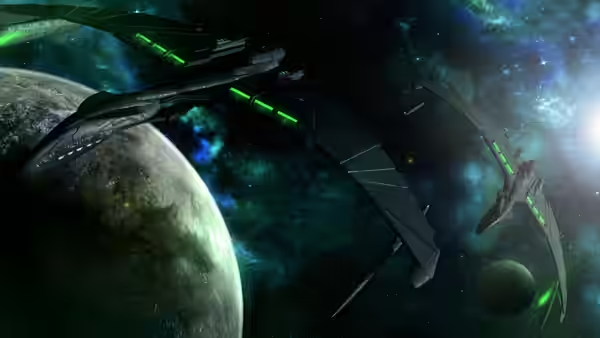
Herman F. Zimmerman’s production design gives Shinzon a warship shaped like a black bat and a throne room in green shadow, and Robert Blackman and Bob Ringwood dress his soldiers in ridged leather and cowls. It is handsome and looks a good deal like every other dark ship in the series. The Enterprise sets are the television sets with the lights turned down. Jerry Goldsmith’s score is the other thing that works. The horn theme from the series comes back at the right moments, and the last cue does more grieving than the script has earned. It moved us in the closing minutes more than anything the actors were allowed to do, and we resented the film slightly for making its composer carry it.

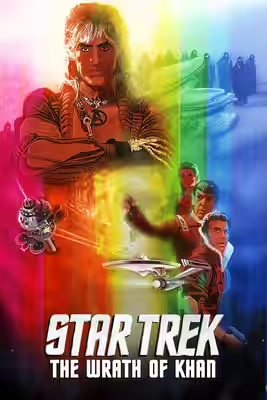
The model is plainly The Wrath of Khan from 1982, the captain and the enemy who is his reflection, and Logan borrows its shape down to the closing gesture. The earlier film knew its people and let them grieve on camera. First Contact, which Frakes directed in 1996, was rougher but gave the whole crew something to do. Baird gives them lines and no scenes.

Most critics landed in the middle, as we have, though a few have since argued the film deserves a second look as a send-off that ties things up. It ties them up the way a landlord ends a tenancy. If you have watched these people for years, the last ten minutes will get you, and you may be cross about how little of the preceding hundred earned them. If you have not, start with the television programme, which knew what it had.
Critical consensus AI synthesised

54
Positive
5
Mixed
5
Negative
4

Most critics settle on the same word for Nemesis: solid. It is judged a competent tenth entry that resolves the Romulan thread and a few crew storylines, and the praise clusters on Patrick Stewart, whose Picard is said to carry the film, and on Tom Hardy as his young clone Shinzon. The long dinner between the two is the scene most often singled out, and several reviews find the action brisker and the effects more efficient than in earlier instalments.

The complaints are about familiarity. Shaking bridges, corridor shootouts, shield-by-shield battles and a shock ending that echoes an older film are cited as signs of a series running on habit. The spread is wide, with positive, mixed and negative verdicts in near-equal number. The Independent finds it slow and is unconvinced by Hardy’s resemblance to Stewart, Collider calls it a failed send-off for the crew, while Polygon argues it deserves reappraisal for balancing ensemble and action better than most Trek films.

Screen Daily
20 December 2002
70*

The review calls the film a solidly entertaining tenth instalment that blends adventure with crew interplay but notes its disappointing US box office and questions the series' future. It praises muscular action sequences and the intriguing Picard-Shinzon confrontation along with some affecting character moments.

Read the full review →
Sight and Sound
· Kim Newman
70*

The review positions the film as a solid but familiar tenth entry that resolves Romulan tensions and some crew storylines while feeling like the franchise is reaching its end. It praises the central Picard-Shinzon dynamic and Tom Hardy's villain but notes it falls short of earlier highlights like The Wrath of Khan.

Read the full review →
Slant Magazine
11 December 2002 · Roxanne Blanford
70*

The critic finds the film genuinely intriguing with a compelling plot that weaves together subtext on themes like good vs. evil and identity. Special effects, space vehicles, and set pieces are singled out for praise, along with respect for audience intelligence.

Read the full review →
The Times
10 August 2003 · David Eimer
70*

It is better paced than many predecessors despite familiar technobabble and idealism; Patrick Stewart dominates as Picard while the effects are efficient and Whoopi Goldberg makes an unbilled cameo.

Read the full review →
Variety
7 December 2002
65*

Trekkers will get their fill but others need not apply; the film is a respectable venture maintaining the even-numbered Trek superiority while lacking broader vision to cross over to mainstream audiences. Director Stuart Baird brings autumnal grandeur to key scenes like the Picard-Shinzon dinner, elevated by Patrick Stewart's regal performance.

Read the full review →
The New York Times
13 December 2002 · Stephen Holden
60*

The film is an amiably klutzy affair that remains comfortingly Earth-centric and addresses cloning with psychotherapeutic earnestness through Picard confronting his evil clone Shinzon. It keeps the franchise chugging along in its nostalgic time warp with a warm fuzzy heart.

Read the full review →

Straight answers AI written, from our review

Is Star Trek: Nemesis worth watching?
Star Trek: Nemesis is a mixed film we scored 50, worth an evening only for viewers who already care about the Next Generation crew. Tom Hardy makes a hungry, whispering villain and Jerry Goldsmith's score gives the crew a proper farewell, but Stuart Baird spends most of the film on a dune buggy chase and corridor shootouts while the rest of the cast stand about.
How long is Star Trek: Nemesis, and what is it rated?
Star Trek: Nemesis runs 1h 56m. It is a science fiction and action film.
Where can I watch Star Trek: Nemesis in Iceland?
Star Trek: Nemesis is not on any streaming or rental service in Iceland at the moment. It is available in 50 other countries; change your country at the top of the page to see where. Availability is checked daily.
How violent or frightening is Star Trek: Nemesis, and is it suitable for children?
Star Trek: Nemesis is a 12A, a step darker than most of the series but not a frightening film. It opens with the Romulan Senate turned to grey dust in their seats, and there are shootouts, a fist fight and one queasy scene involving Troi that unsettled us more than the film seems to realise. Fine for most children over ten; the very young may find the opening grim.
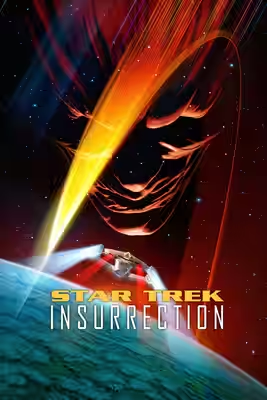
How does Star Trek: Nemesis compare to Star Trek: Insurrection?
Star Trek: Nemesis is the darker, louder and less companionable of the two, and Star Trek: Insurrection is the one that lets the crew be themselves. Insurrection is a pleasant, sunlit episode with a small argument at its centre; Nemesis has the far better villain in Tom Hardy but leaves everyone except Picard and Data with lines and no scenes. Neither is essential.
Do you need to have seen the other Star Trek films before Star Trek: Nemesis?
Star Trek: Nemesis is the fourth and last film with the Next Generation crew, and its plot can be followed without the earlier films. Its meaning cannot: the closing minutes are a farewell that only lands if you have spent years with these people. Newcomers should start with the television programme, not here.
What should I watch after Star Trek: Nemesis?
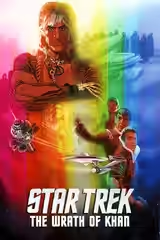
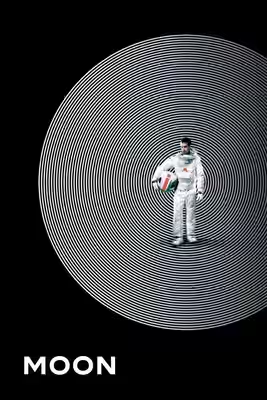
After Star Trek: Nemesis, try Star Trek II: The Wrath of Khan (1982, Fi1m 85): The captain and his mirror, done with the grief this film only gestures at. Then Moon (2009, Fi1m 83): Sam Rockwell meets himself on a lunar base; the clone idea taken seriously and quietly; and Solaris (1972, Fi1m 87): Tarkovsky’s space station, where the visitor with a familiar face is the whole film.
What order should I watch the Star Trek films in?
Release order is the safe choice for Star Trek, and it is the order our collection page lists them in. Star Trek: Nemesis is number 10 of the 13 Star Trek titles on Fi1m; before it comes Star Trek: Insurrection and after it Star Trek. The full order.

Part of · 10 of 13

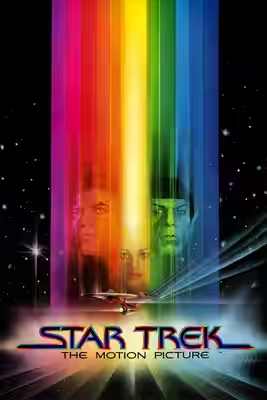
Star Trek

13 films on Fi1m · 1979–2016 · average 66 · best Star Trek II: The Wrath of Khan 85

All 13 in order

Cast

If you liked this, try…

  1. Star Trek II: The Wrath of Khan (1982, Fi1m 85)The captain and his mirror, done with the grief this film only gestures at.

  2. Moon (2009, Fi1m 83)Sam Rockwell meets himself on a lunar base; the clone idea taken seriously and quietly.

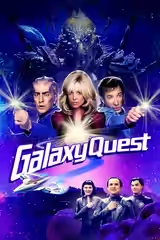
  3. Galaxy Quest (1999) · not reviewed yetThe affectionate joke about this crew, and warmer about them than their own send-off.

  4. Solaris (1972, Fi1m 87)Tarkovsky’s space station, where the visitor with a familiar face is the whole film.

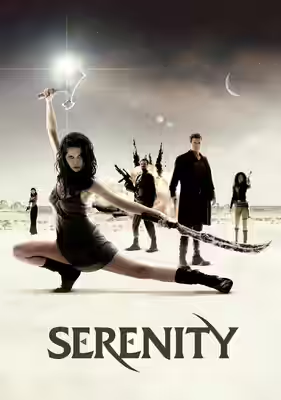
  5. Serenity (2005, Fi1m 77)A television crew’s farewell voyage that remembers to give every one of them a scene.

Free account

Know what to watch tonight

Two lists that know where things are streaming, collections you can share, your own score beside ours, and Discover that remembers what you have seen.

  • Want to see, sorted by what is streaming now
  • Seen, with your score out of ten
  • No adverts, ever
Star Trek: Nemesis (2002) review: tired farewell, fine villain (Iceland) | Fi1m