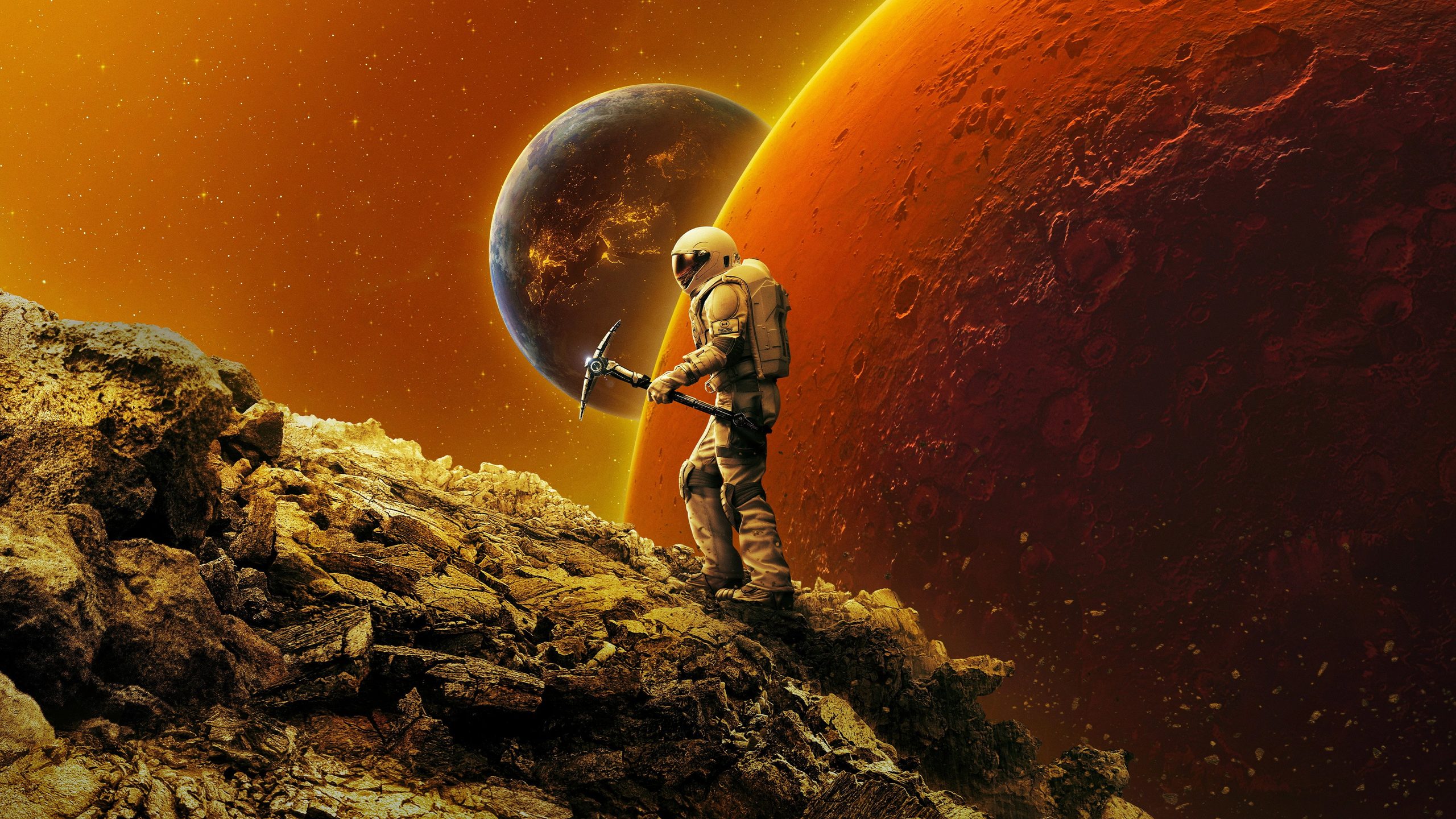
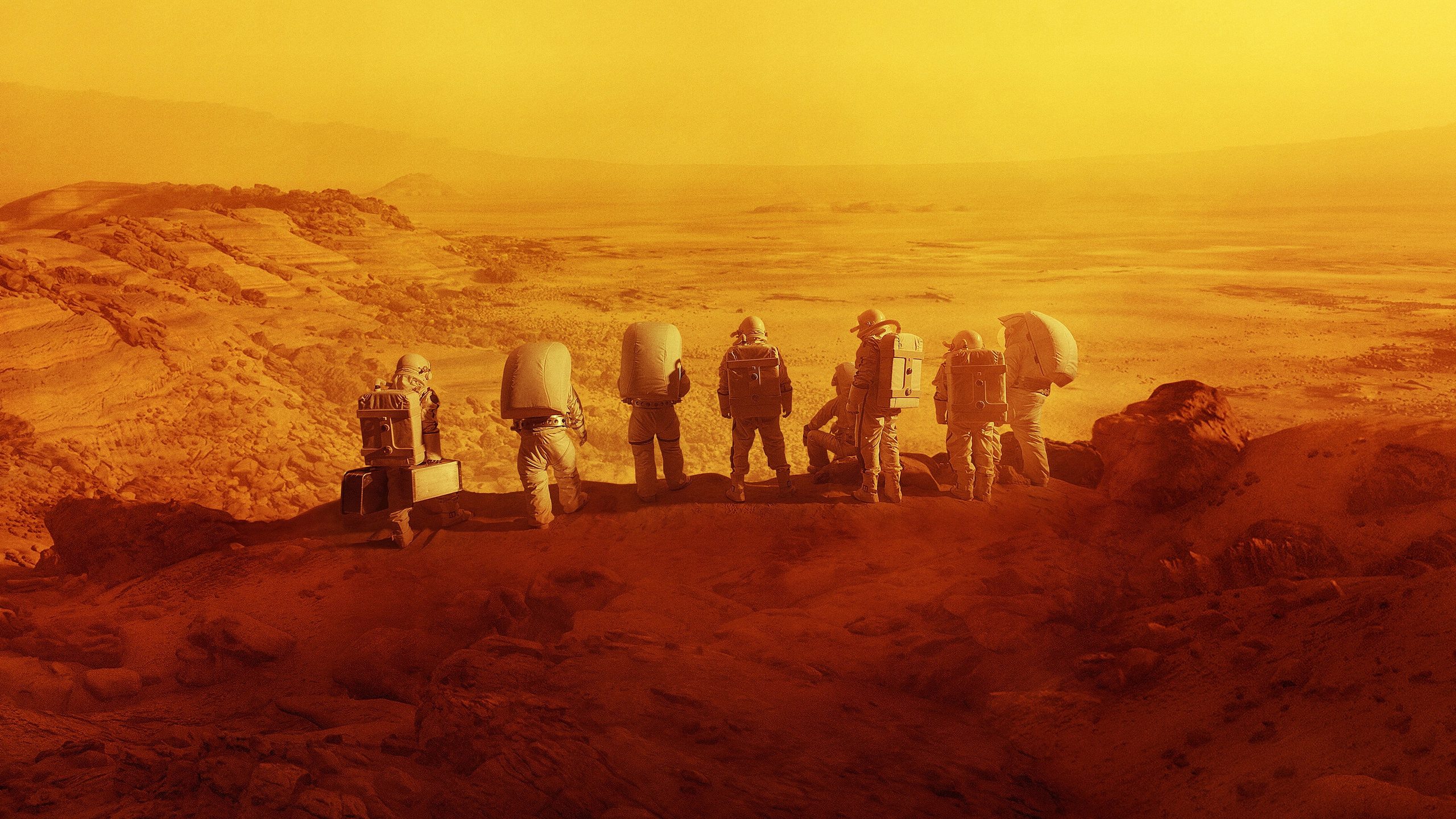
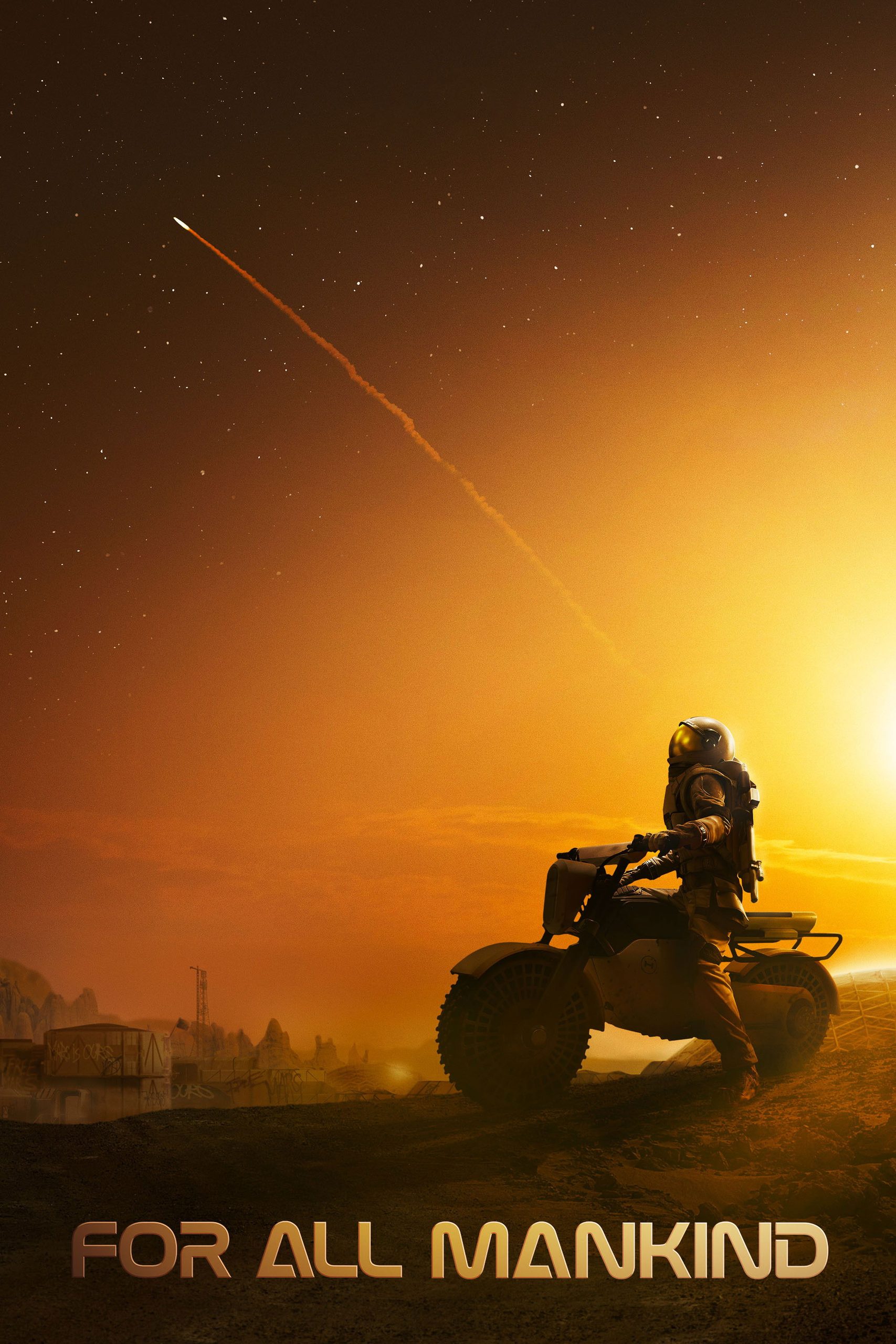
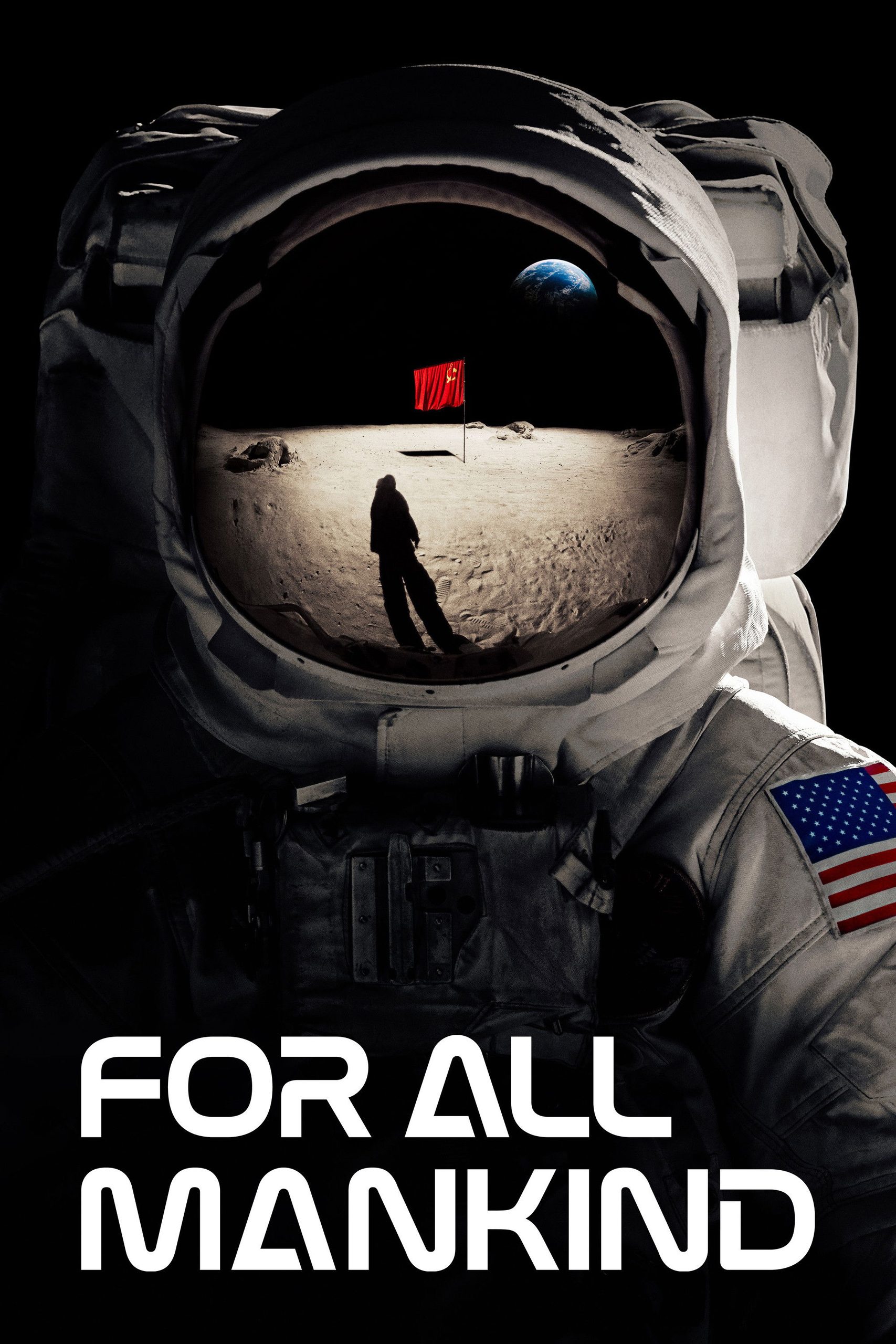
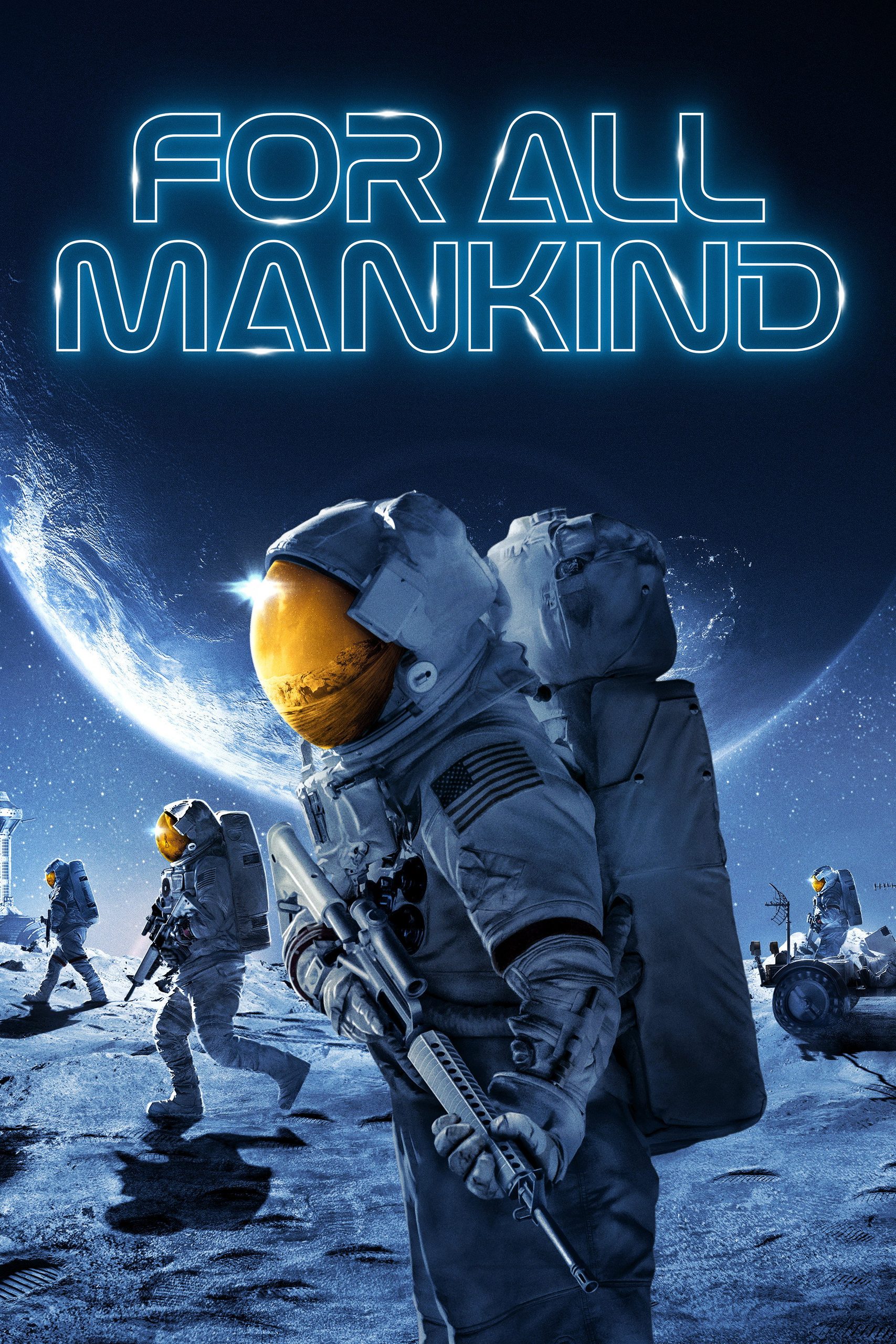
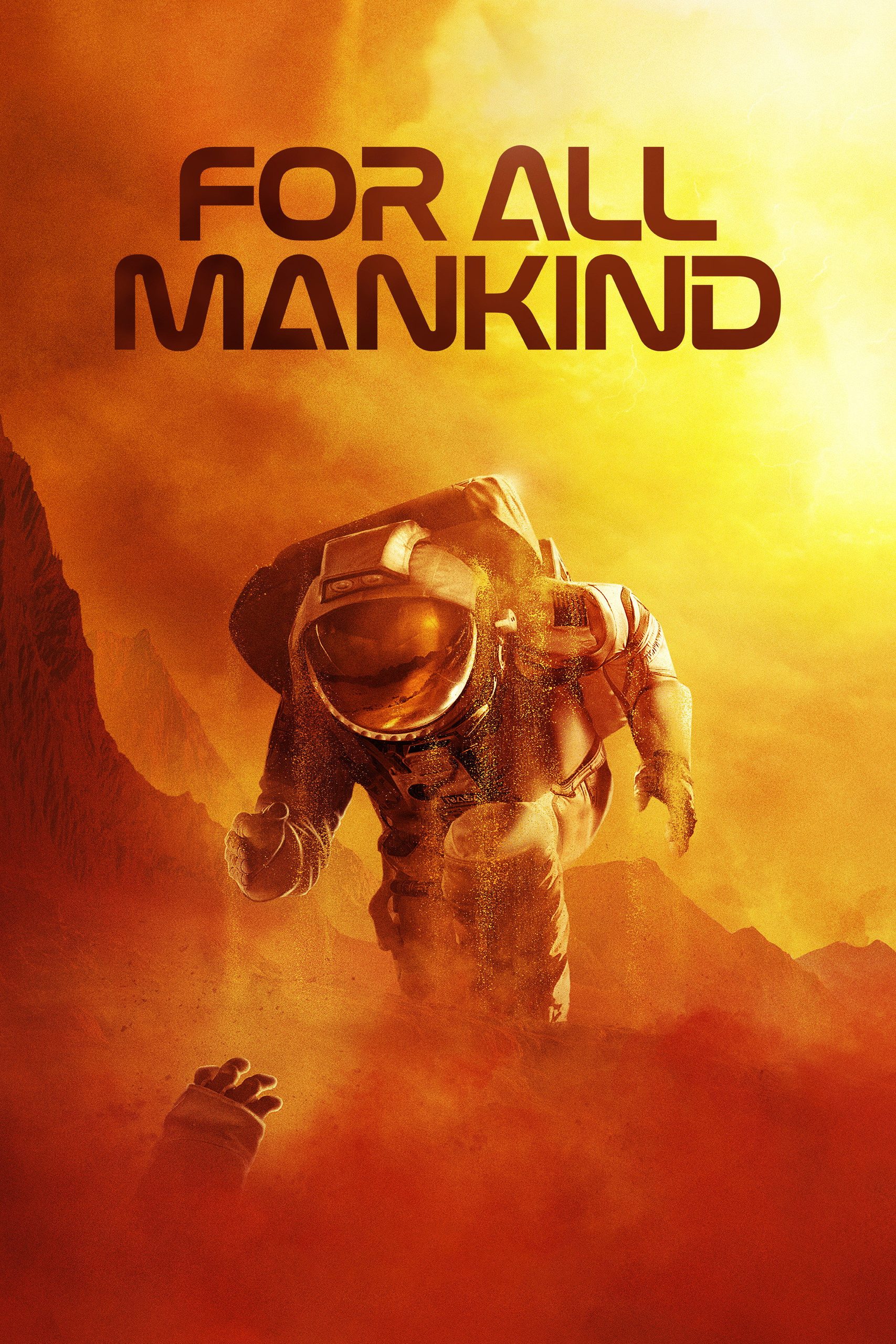
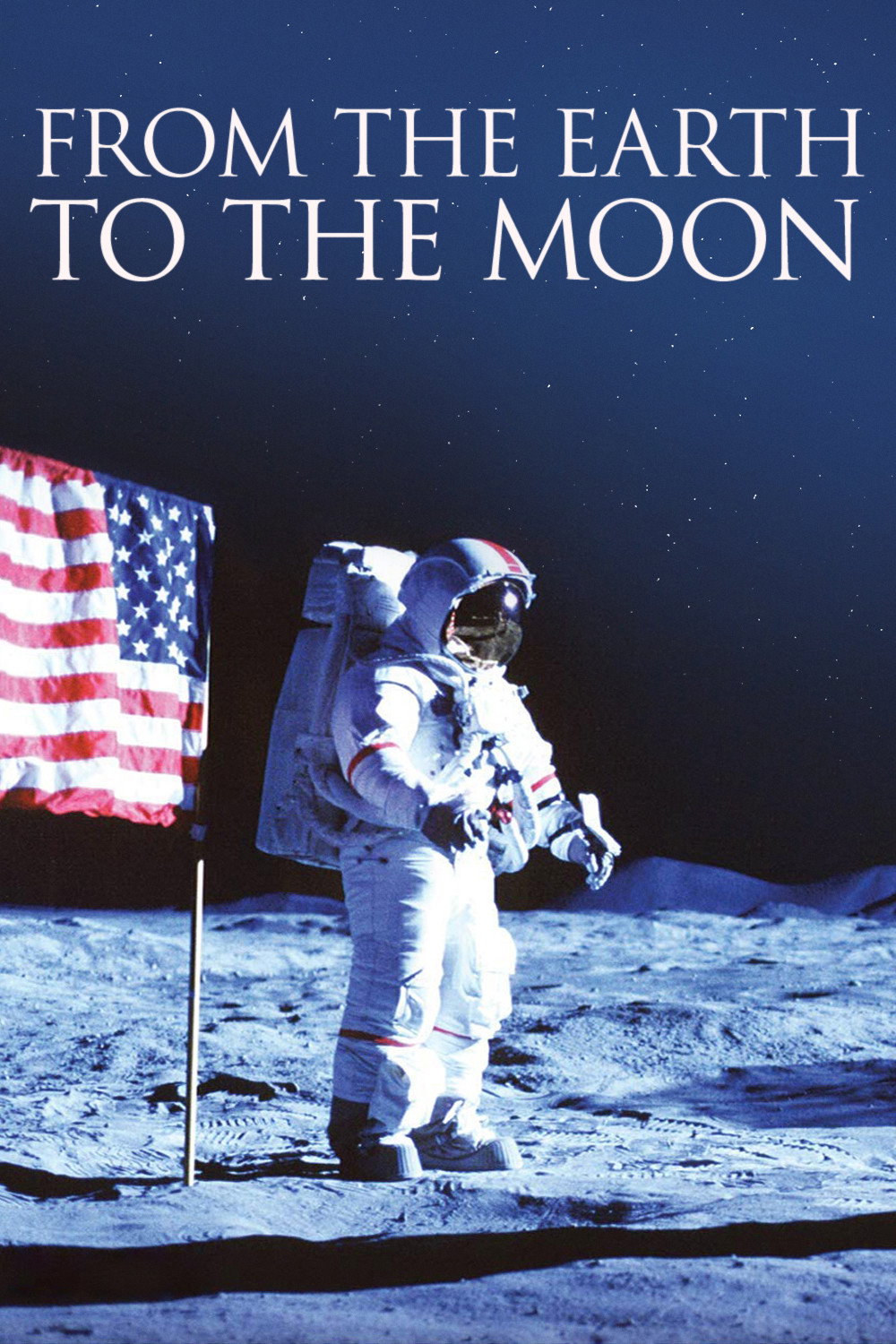
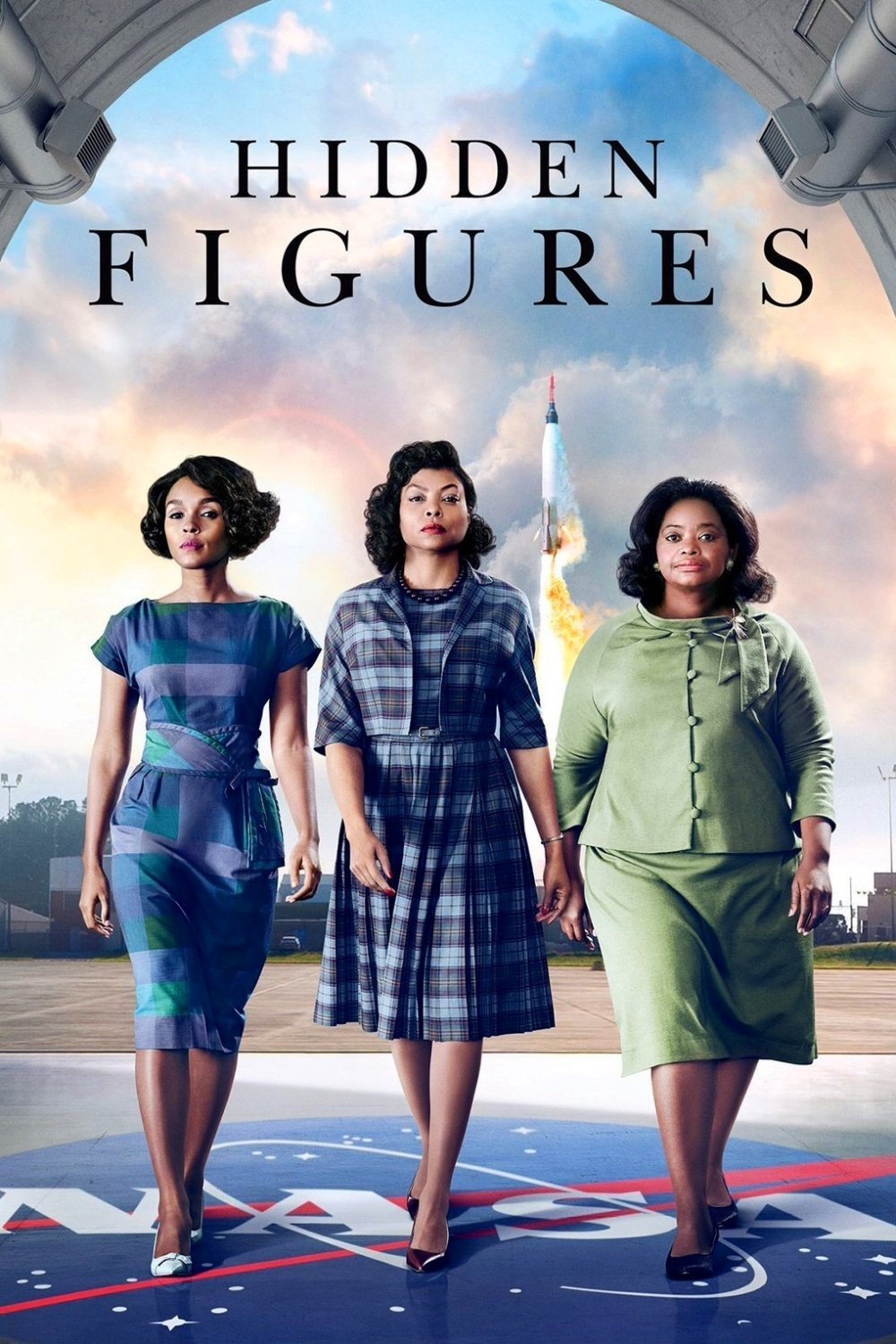
An alternate space race in which the Soviets land first, told with real feeling for hardware and a slow hand with people. The first season takes six episodes to find its footing; when it does, on the moon and in the women’s programme, it is worth the wait.
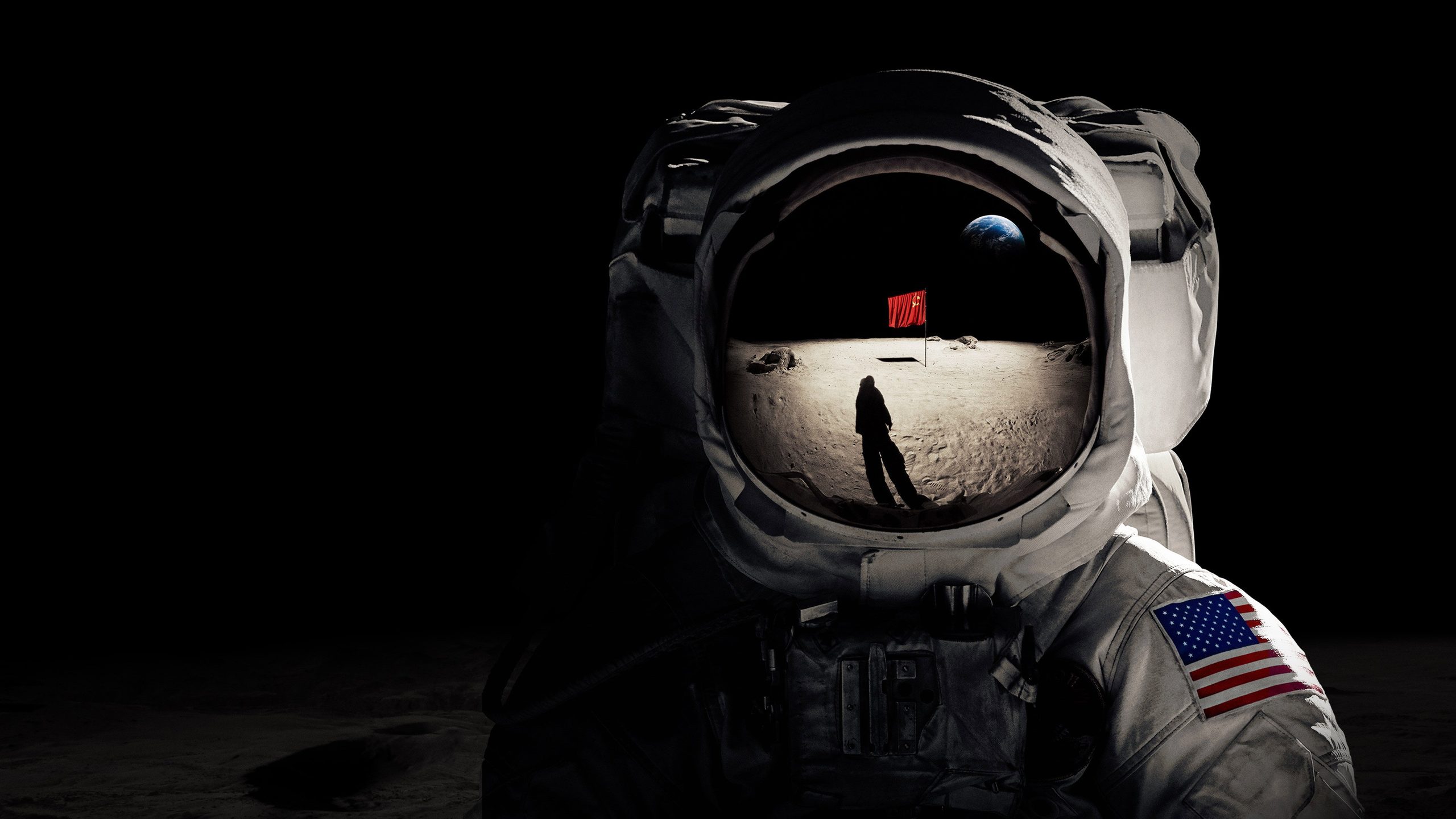
Ronald D. Moore, with Ben Nedivi and Matt Wolpert, starts from one changed fact: in the summer of 1969 a Soviet cosmonaut reaches the moon first, and NASA watches on television like everyone else. From there the series follows the astronauts, engineers and wives of Houston as the race goes on past the point where ours stopped. It is a handsome idea, handsomely built, and for most of its first season it moves at the speed of a committee. Then it goes back to the moon and stays there, and the last four episodes are as good as anything of their kind on television. Getting that far depends on your patience with men being unhappy in kitchens.
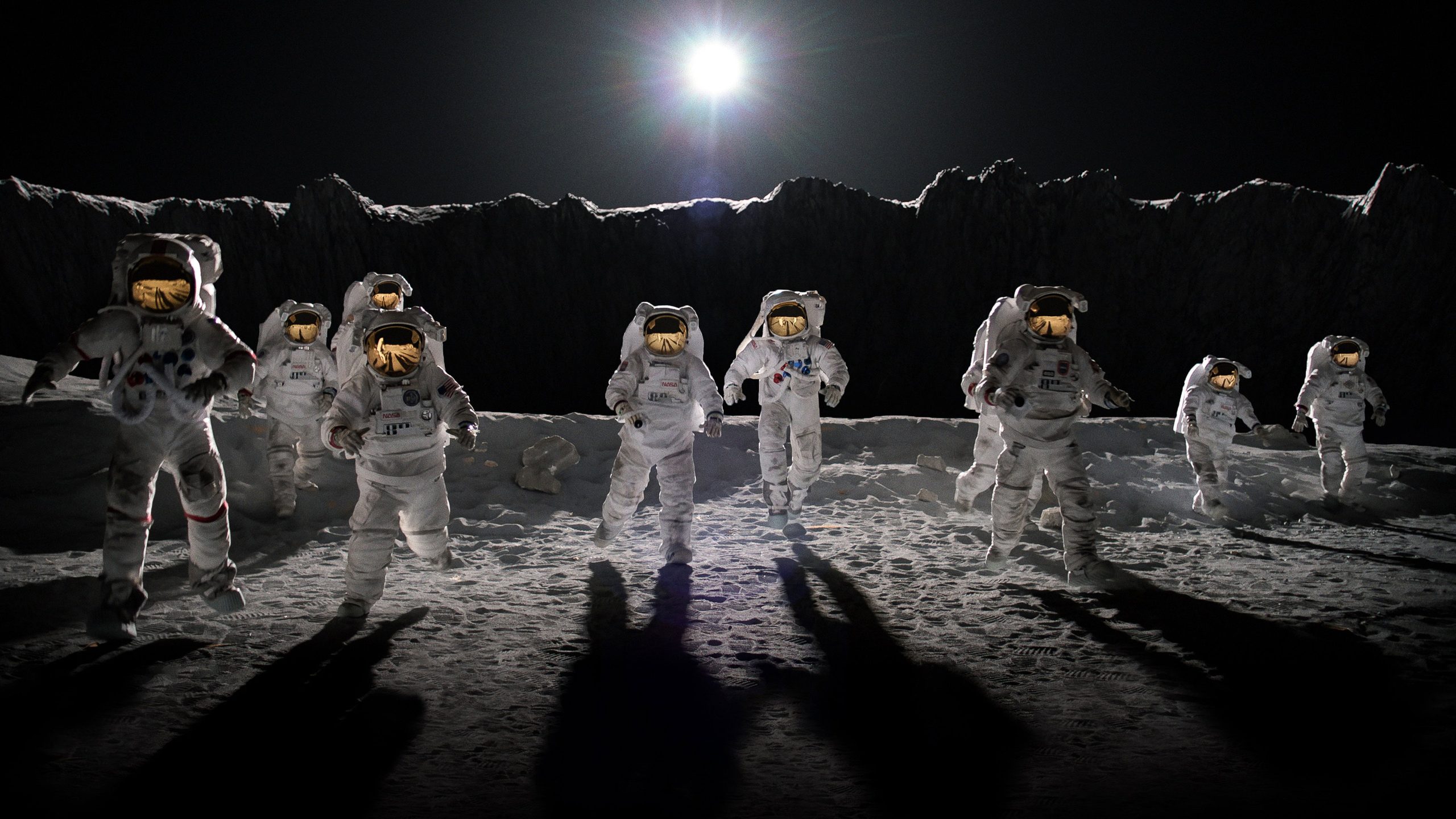
The hardware is the pleasure. Seth Reed and Dan Bishop build a mission control of green screens, ashtrays and rotary telephones, and a lunar surface that is a flat grey floor under a black sky with nothing to soften it. The camera team, Stephen McNutt and Cort Fey among them, light the moon with a single hard source, so the shadows fall like cut paper and a man in a white suit is the brightest thing in the frame. Esther Marquis and Alonzo Wilson put the men in short sleeves and thin ties and the wives in the pastels of a decade about to end. Jeff Russo and Paul Doucette score the launches with brass and leave the surface mostly to breath and radio, which is the right call.
Joel Kinnaman plays Ed Baldwin as a man who cannot say what he feels and so says something rude instead, and it is a better performance than the writing around it. Michael Dorman’s Gordo Stevens is the charmer of the pair, the one who drinks and grins and is plainly heading somewhere bad. The strongest thread is the women’s programme. Krys Marshall’s Danielle Poole and Jodi Balfour’s Ellen Wilson are given the indignities of the job in detail, the suits cut for other bodies, the instructors who want them to fail, and both play it without asking for sympathy. Coral Peña’s Aleida Rosales starts at the edge of the story and, over the later seasons, becomes one of its engineers; hers is the arc we ended up caring about most.
The trouble is that the show keeps cutting away from all of this to watch its men sulk. Ed’s marriage gets scene after scene of the same argument. The first six episodes each seem to contain a meeting, a drink, a row and a launch, in roughly that order, and with fourteen editors credited across the run it is no surprise that the rhythm changes from week to week. Nobody is clearly in charge of the story. Some critics have said the show lacks a protagonist and they are right; it has half a dozen and gives each of them a fraction of a season.
We were not gripped for a long time, and we said so aloud. Then, in the middle of the first season, the show puts a handful of people on the moon with a failing supply line and a radio, and we found we were leaning forward. One broadcast from the surface, late in the run, left us with damp eyes, which surprised us, because the series had done little to earn it in Houston. It earned it on the moon: one face in a helmet, one voice, a long silence and no score.
Moore’s Battlestar Galactica (2004) took a story about spaceships and made it about people who could not stop arguing about how to live. This is built the same way and takes longer to get there. Each later season jumps ahead by roughly a decade and brings in new faces, Toby Kebbell and Edi Gathegi among them, and the show grows steadier as its history moves further from ours and it stops having to check itself against the real dates.
Give it three episodes and then decide. If the sight of the moon as a grey car park under a black sky does nothing for you, nothing that follows will either. If it does, stay, and know that the first season is ten episodes, that the certificate is a 15, and that there is a bigger rocket every decade.