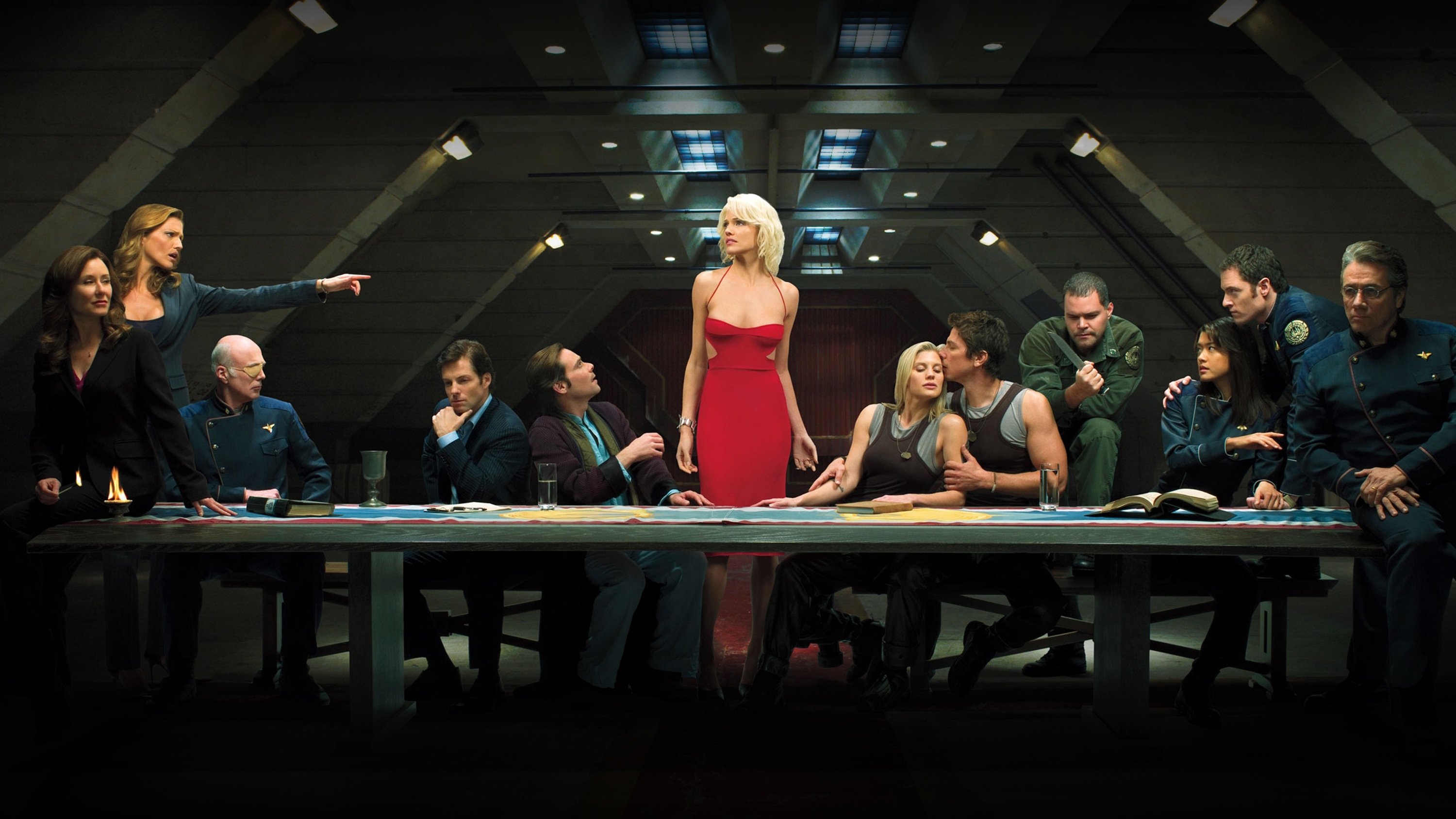
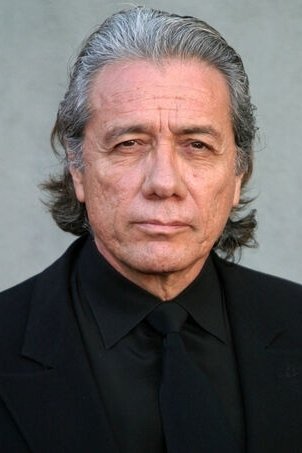
This dark science-fiction series earns its seriousness through tense storytelling and an ensemble led by Edward James Olmos and Mary McDonnell. We recommend it, with a warning: its persistent gloom can become wearing.
Battlestar Galactica is good enough to justify spending considerable time with people who seldom seem to be enjoying theirs. This is politically minded science fiction, and its strongest reason for being so serious is the pressure it puts on its characters. Ronald D. Moore, credited as a creator alongside Glen A. Larson, gives us plenty to worry about and little encouragement to relax. The tense storytelling and the cast make it worth the effort, though the determination to keep everything sombre sometimes becomes a nuisance.
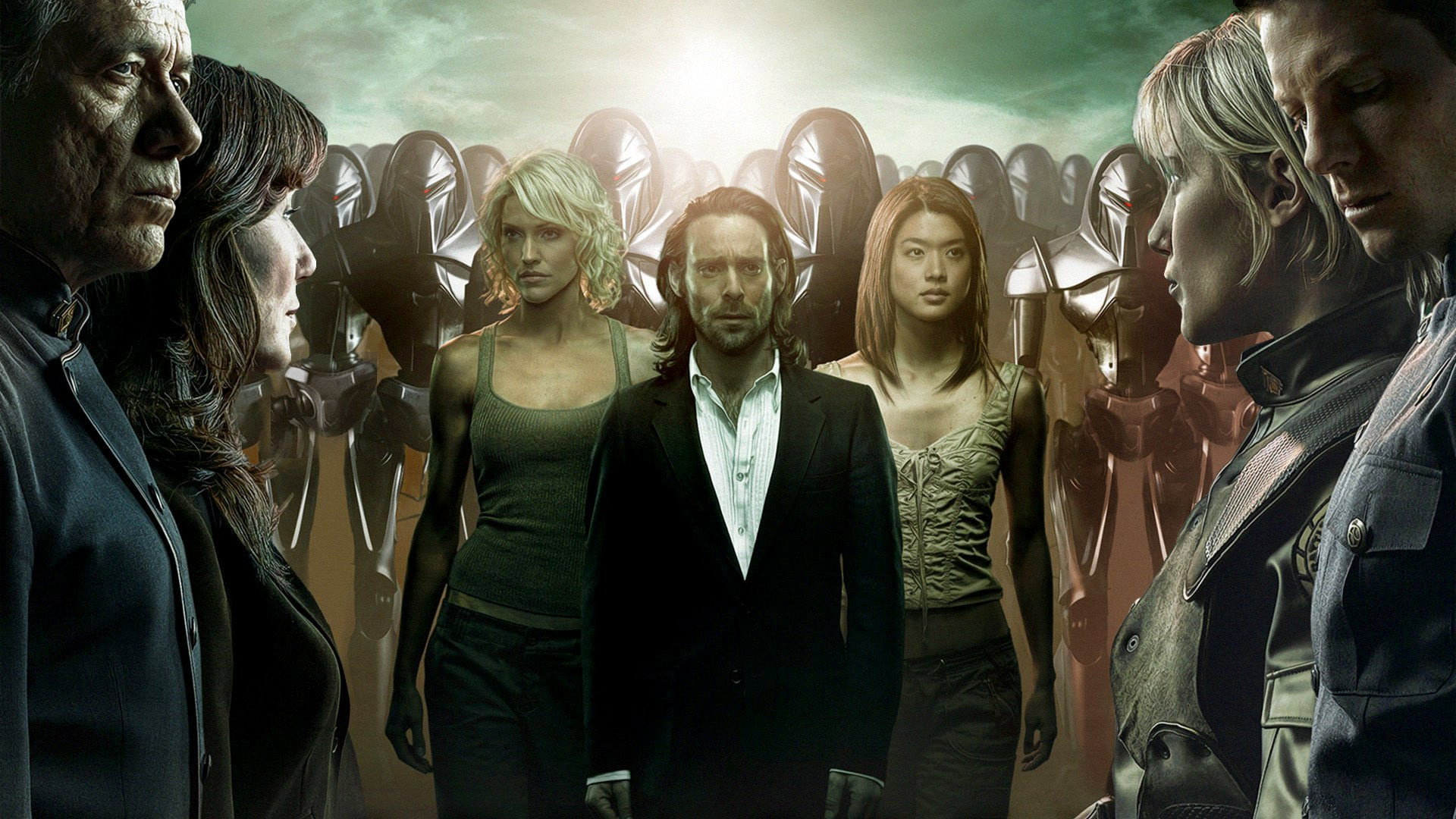
Edward James Olmos makes Admiral William Adama’s authority convincing without making it comfortable. There is a heaviness to his performance that discourages us from treating command as a reward, and he does not need to advertise his importance. Mary McDonnell’s Laura Roslin is equally compelling, bringing enough firmness to prevent the drama from belonging to Olmos alone. Both make the political material approachable: we care about the person speaking before deciding how much to agree with them.
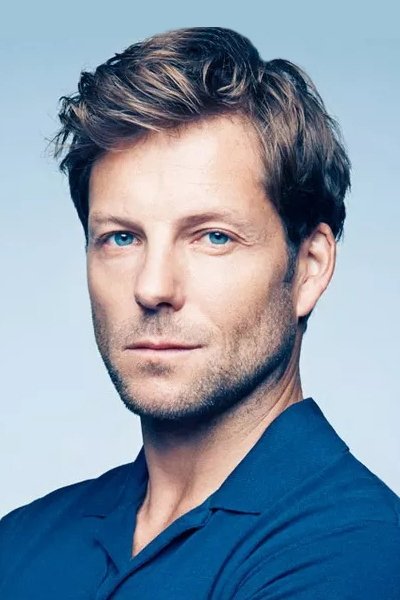
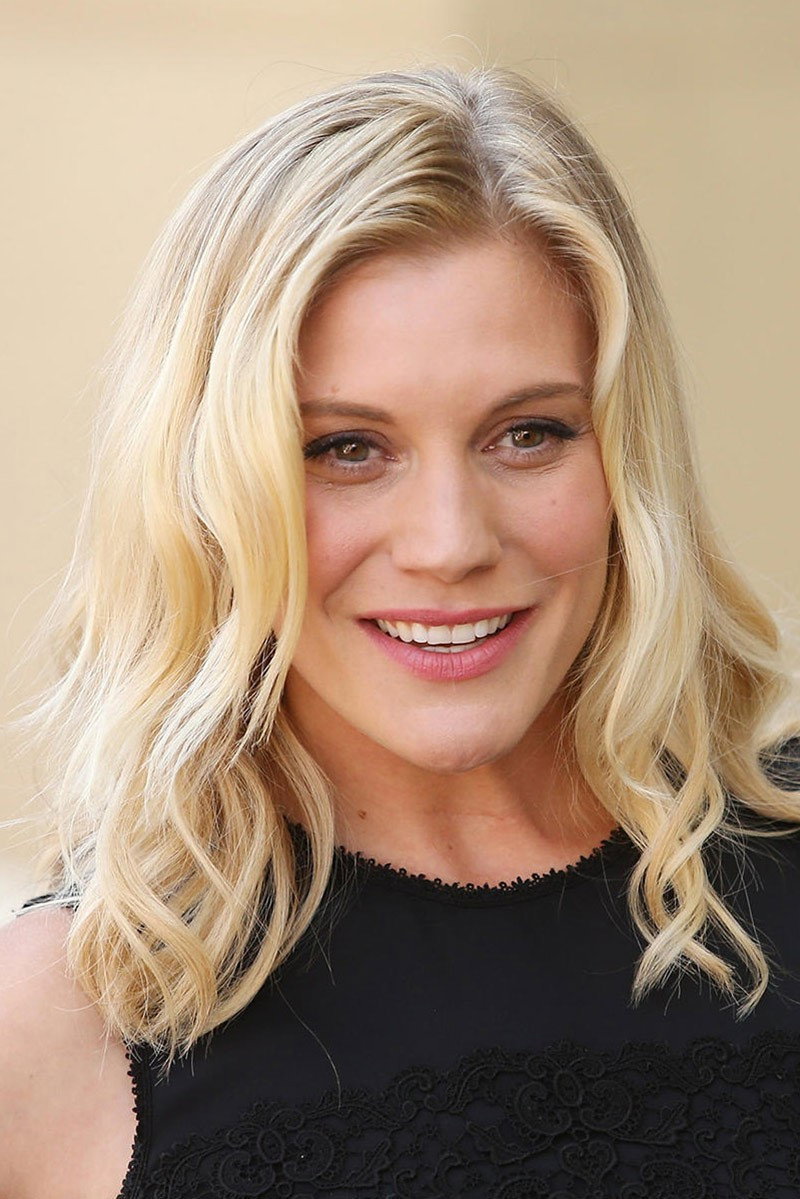
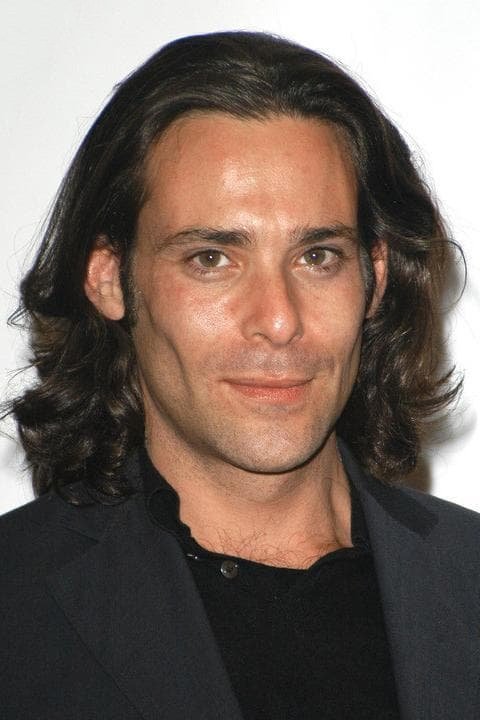
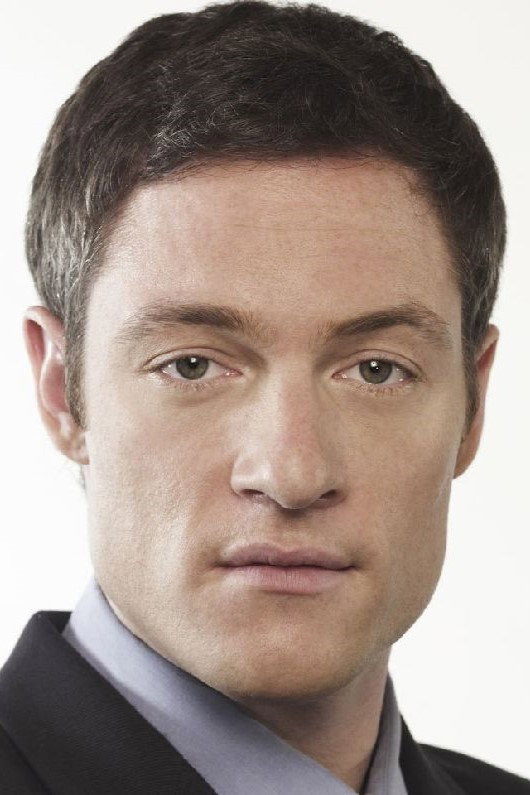
Katee Sackhoff brings a welcome roughness to Kara ‘Starbuck’ Thrace, while Jamie Bamber’s Lee ‘Apollo’ Adama has a more guarded appeal. James Callis gives Gaius Baltar a nervous energy that usefully disturbs the prevailing solemnity, and Tricia Helfer’s Number Six holds our attention with considerably less apparent effort. These performances help sustain the atmosphere of suspicion without making everyone seem interchangeable. Michael Hogan’s Saul Tigh adds another abrasive presence to an already prickly ensemble.
Stephen McNutt’s cinematography serves the actors well; we notice the strain in the performances before we find ourselves admiring the photography. Richard Hudolin’s production design makes the dystopian setting credible without making it somewhere we would care to visit. Bear McCreary’s music helps maintain the tension, although its force sometimes leaves us wishing for less insistence. All three contributions support the same troubled mood, which is effective until we begin to want a little distance from it.
The editing, with Michael Stern and Andrew Seklir among those credited, is persuasive at sustaining tension without making the people seem incidental to the plotting. We were properly anxious during the opening hour. The uncertainty keeps us alert, while the performances make that uncertainty matter beyond the immediate question of what happens next. That early grip is important: a programme this dour needs to give us a reason to remain in its company, and the opening does.
The weakness is how readily the seriousness becomes the expected response to everything. Moore’s approach gives the political concerns weight, but it also encourages us to brace ourselves rather than remain open to a change of mood. We sometimes wanted the programme to stop insisting on how troubled its characters were and let the actors do the work. They are persuasive enough already, and a little more tonal variety would make their harder moments register more sharply.
Science fiction is entitled to imagine circumstances nobody would willingly endure, and this series gives its dystopian premise sustained dramatic attention. Its interest in politics also gives us something to consider beyond the mechanics of the action. Across four seasons, however, the persistent melancholy is a substantial part of the commitment, rather than an occasional price of admission. Give the opening hour your attention, but choose an evening when cheerfulness is optional.