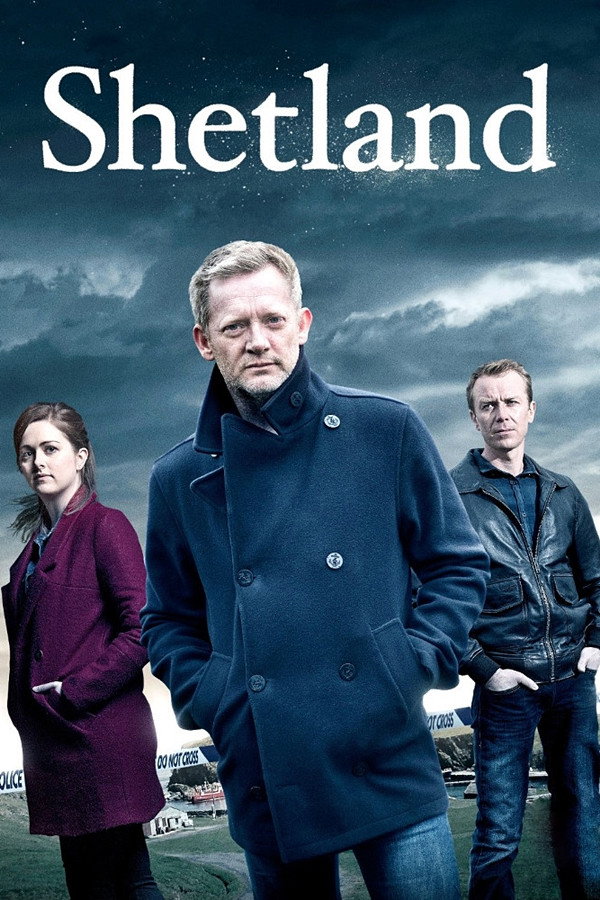
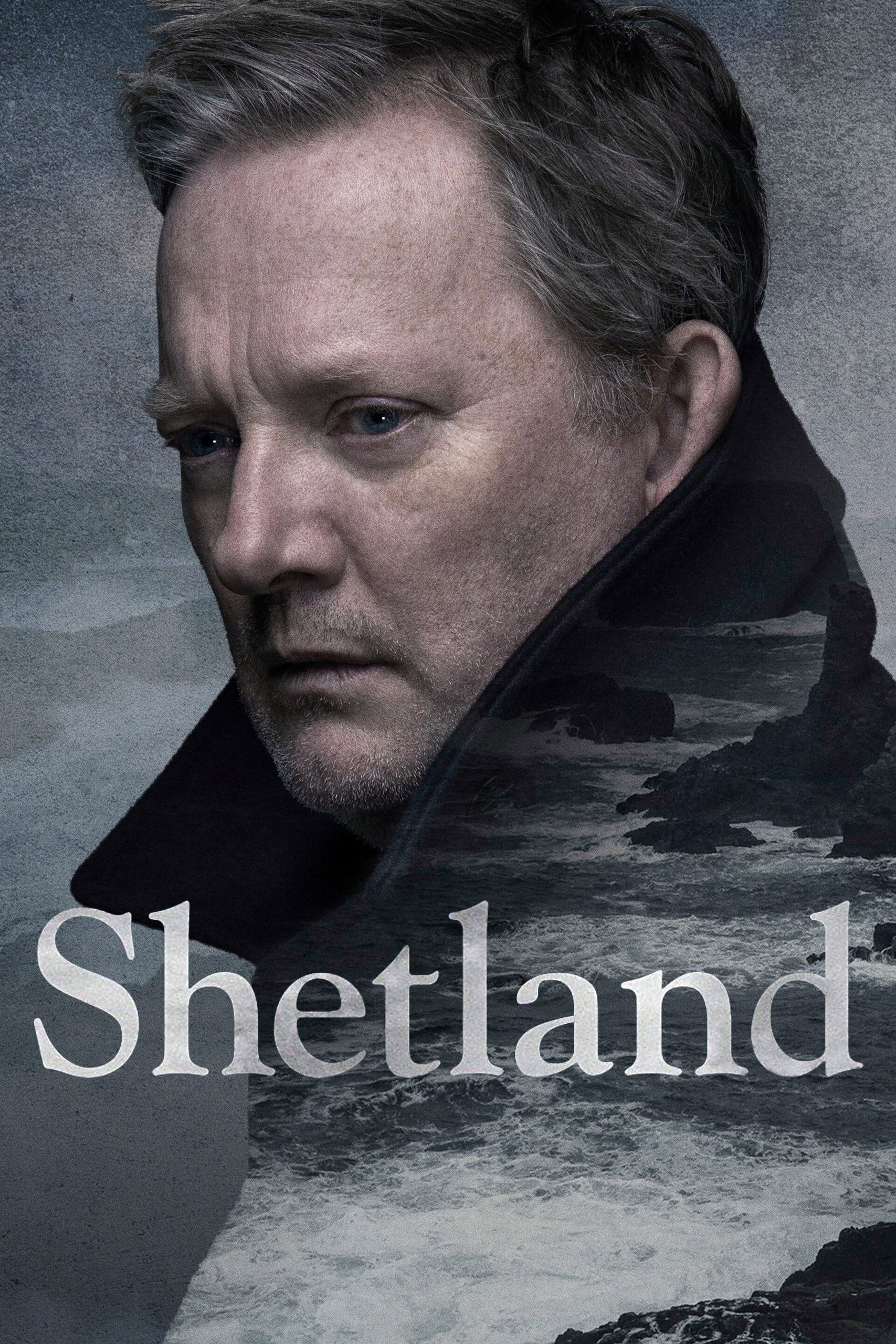
Douglas Henshall makes Shetland worth spending time with, despite a crowded opening mystery that struggles to generate suspense. The scenery and performances are persuasive; the case needs more work.
Shetland is a decent, undemanding crime drama whose opening mystery is less interesting than the detective investigating it. That is enough to make it watchable, though not enough to make every conversation necessary. The first series has two episodes, and its ambition is sensible: establish a detective worth returning to, give the setting some weight, and make the case matter beyond the identity of the culprit. Douglas Henshall does his share. The storytelling is less reliable.
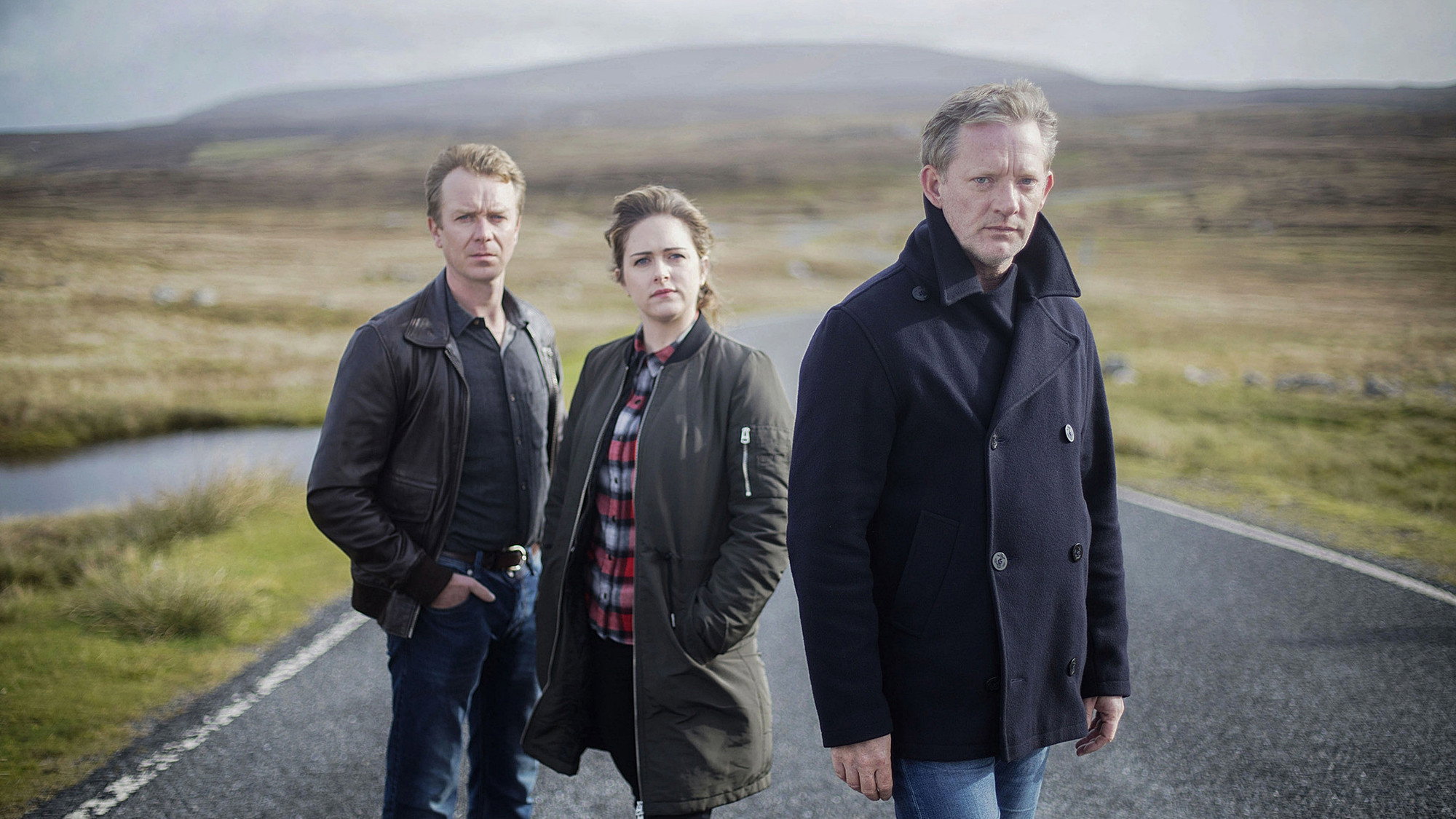
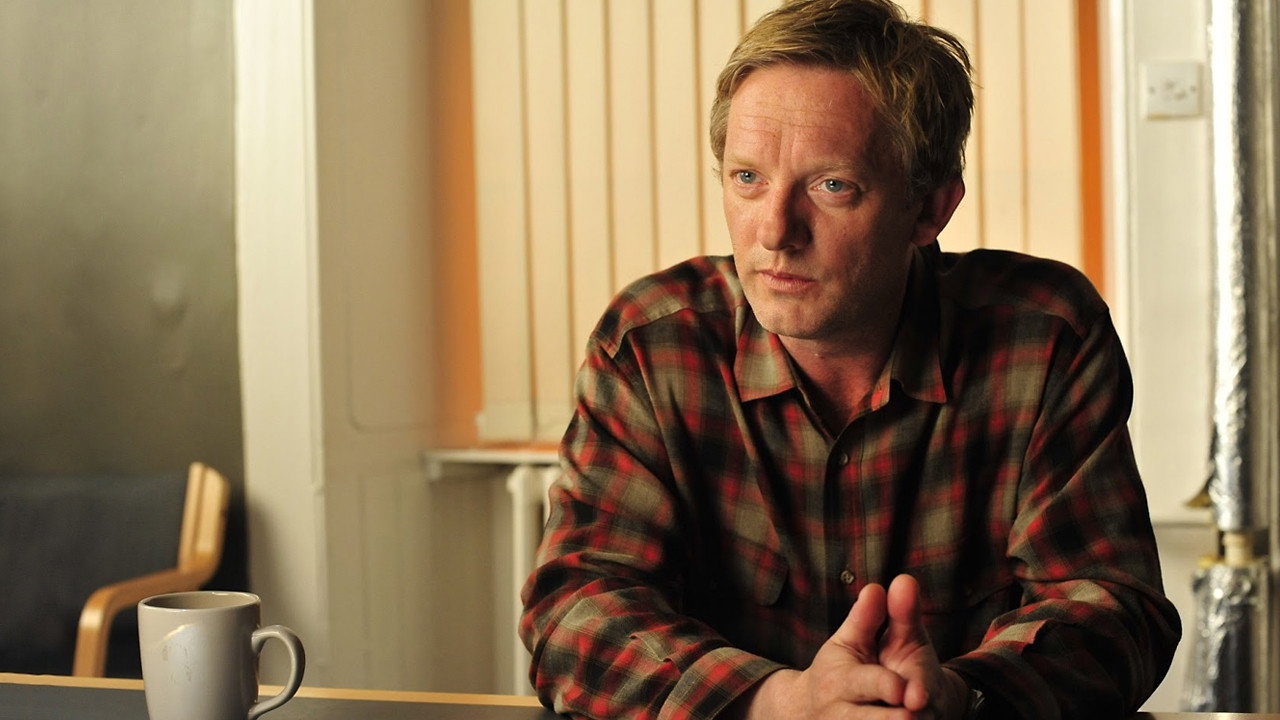
Douglas Henshall gives DI Jimmy Perez a warmth that makes the familiar business of a police investigation worth following. He does not need to bully the scenes into importance. We warmed to Perez because the performance makes his interest in other people convincing, even when those people are being introduced too quickly. A procedural depends on our wanting to accompany somebody through a great deal of questioning, and he makes that part easy.
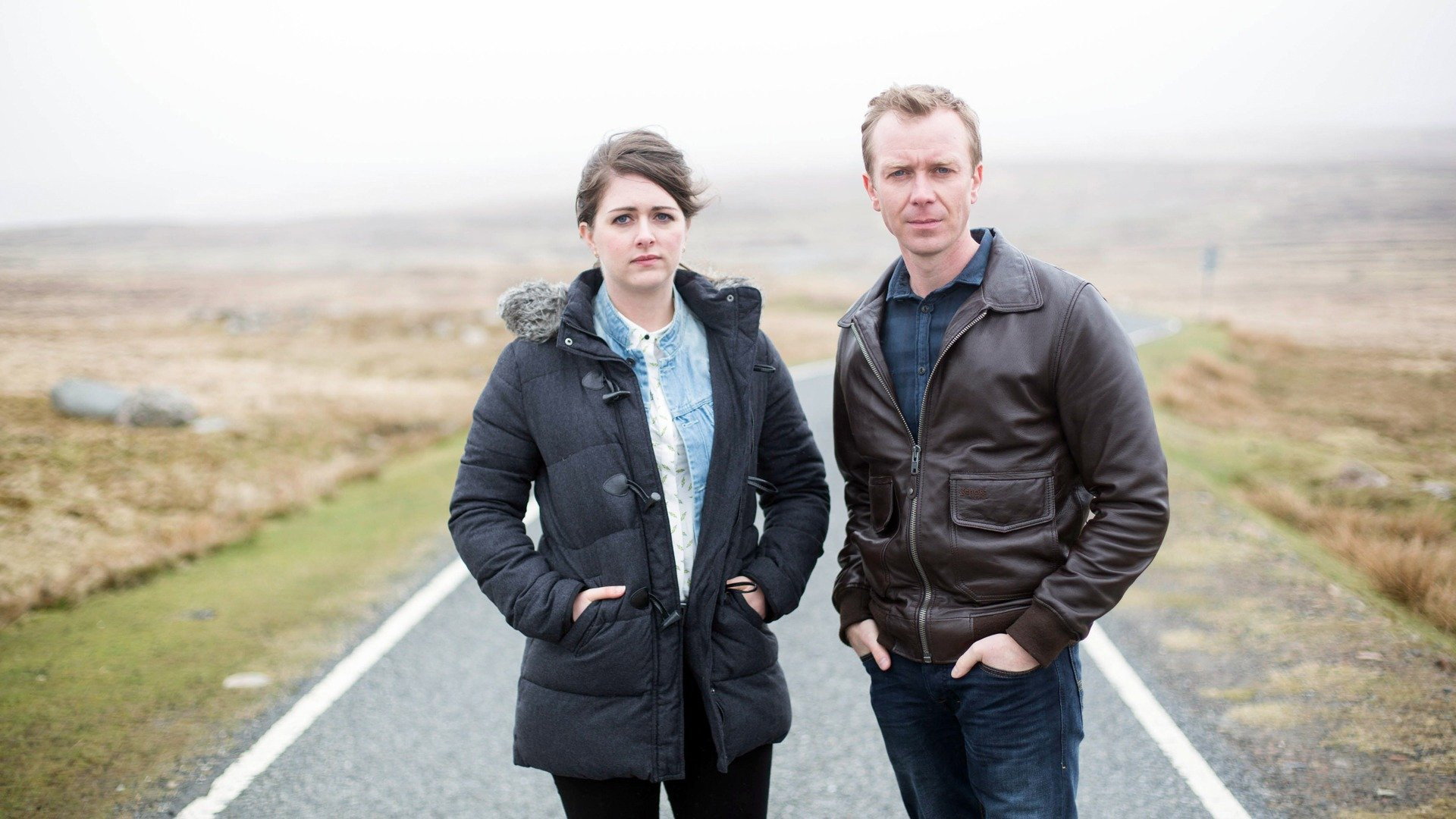
Alison O’Donnell gives DI Alison ‘Tosh’ McIntosh a useful eagerness, and the police ensemble also includes Steven Robertson as DC Sandy Wilson. Her energy helps when the surrounding story begins to feel overpopulated. The opening is keen to acquaint us with everybody, but names arrive faster than reasons to remember them. That weakens the mystery at precisely the point when we should be sorting our suspicions, because keeping track of the people starts to become the main task.
The landscape is a substantial pleasure. Cinematographers credited across the series include Jean-Philippe Gossart, Cinders Forshaw and Gavin Struthers, and the exposed surroundings give the programme its strongest sense of unease. The scenery sets a demanding standard for the production design, credited to Patrick Bill and Mike Gunn. We retain a stronger impression of the islands than of the places where the characters meet.
The editing cannot entirely resolve that crowding; Elen Pierce Lewis and Tim Porter are among the series’ credited editors. Once the characters have been presented, the investigation offers too little fresh uncertainty to justify its unhurried progress. John Lunn’s music helps sustain the atmosphere without making the case itself more involving. Some stretches need a firmer sense of where our attention should go.
The difficulty is its position between reassuring detective television and something harsher. There is no obligation for an island murder mystery to be brutal, and we do not need a damaged genius every time somebody joins the police. But a quiet procedural still needs to conceal its workings. Here the family feuds and wartime secrets too often feel like information being laid out for inspection, leaving little pleasure in trying to get ahead of Perez.
The wartime history in this adaptation of Ann Cleeves’s fiction gives the enquiry something worth exploring beyond the usual list of suspects. The acting suggests the programme could carry a more demanding case, which makes this one’s shortcomings frustrating. It remains reasonable company for an evening, particularly if a patient investigator is the chief attraction. Try it for Perez, provided a leisurely murder enquiry is what the evening requires.