Hans Rosenfeldt’s cross-border crime series is as good as its reputation for two series and better than most for the other two. Sofia Helin’s Saga Norén is a detective we would recognise from across a street; the plots strain, she does not.
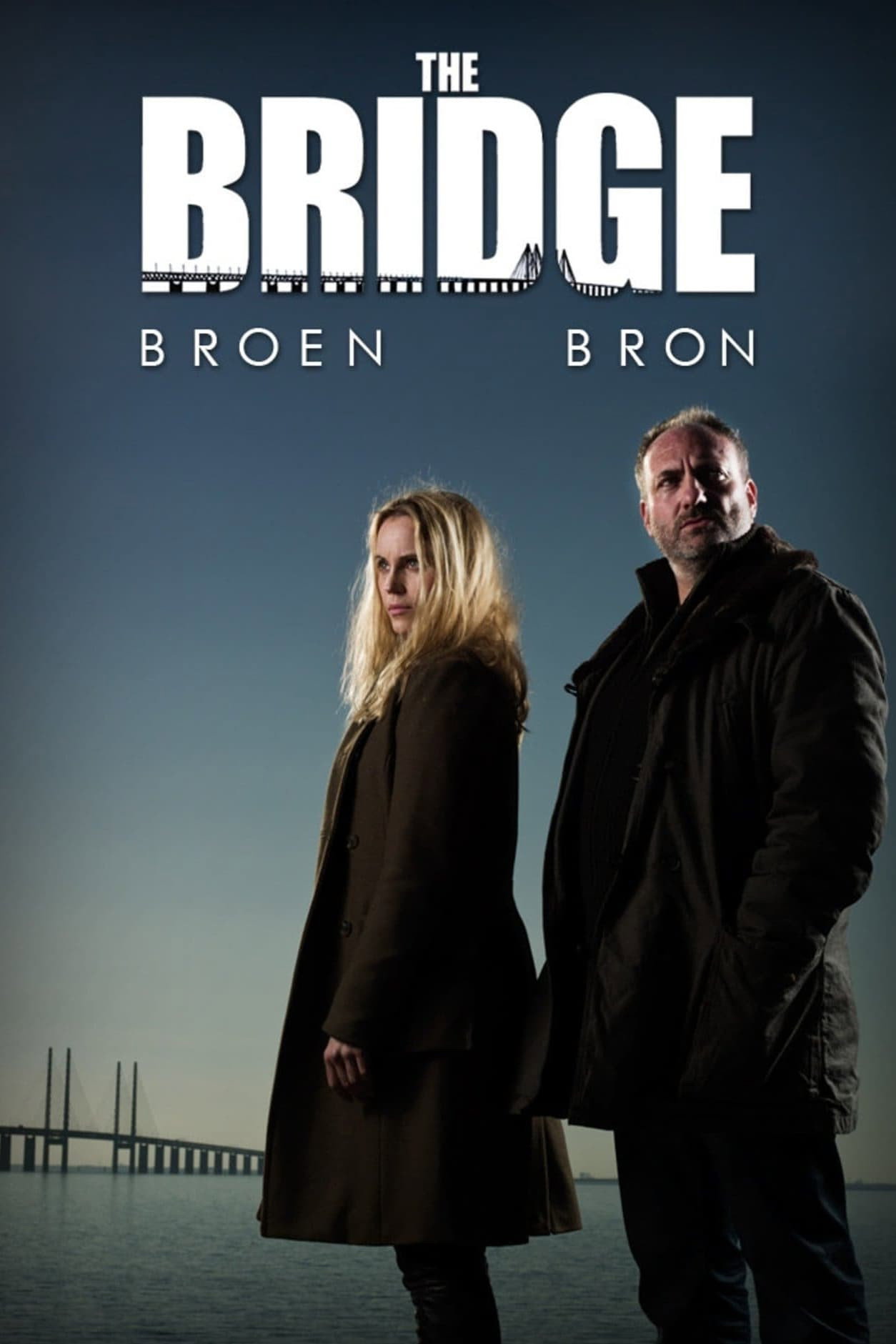
Hans Rosenfeldt’s series begins with an idea so simple it is odd nobody had tried it: put a corpse on the exact border between two countries, so that two police forces have to share it. It runs for four series and 38 episodes, from 21 September 2011 to a final run in 2018, and it is as good as Scandinavian crime television has been. Two of the four series are close to faultless. The other two have a lead performance that covers for a great deal.
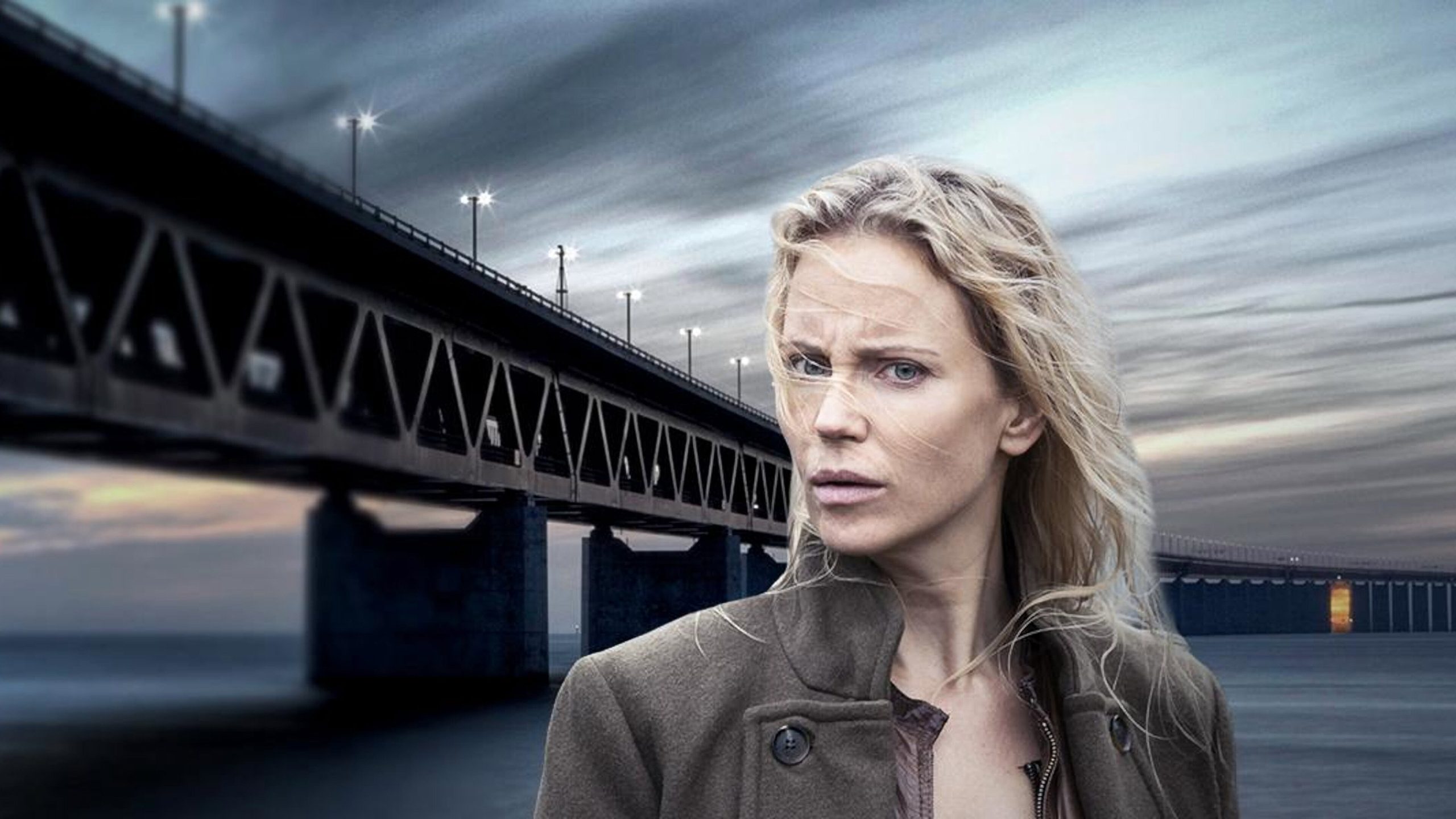
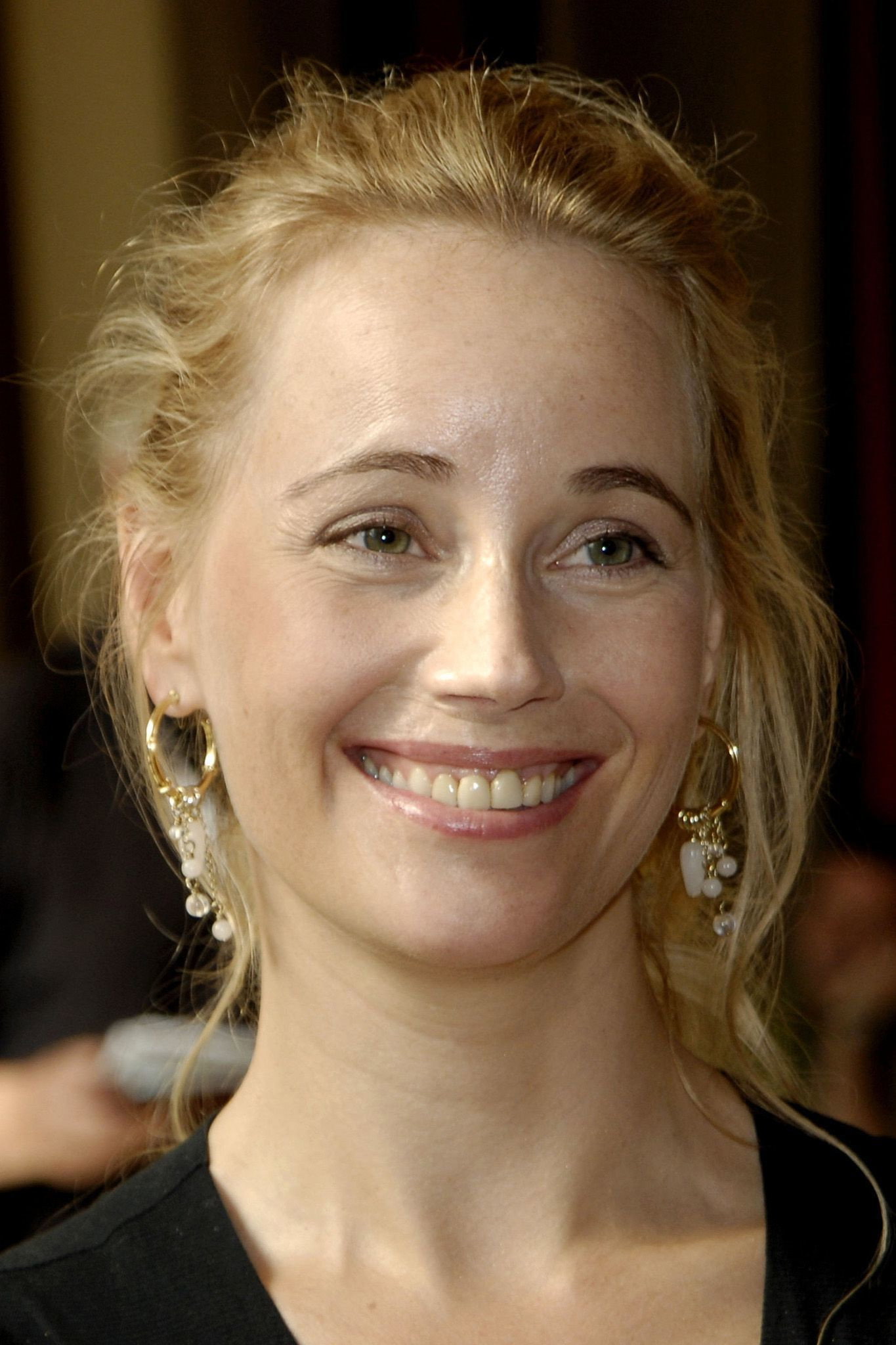
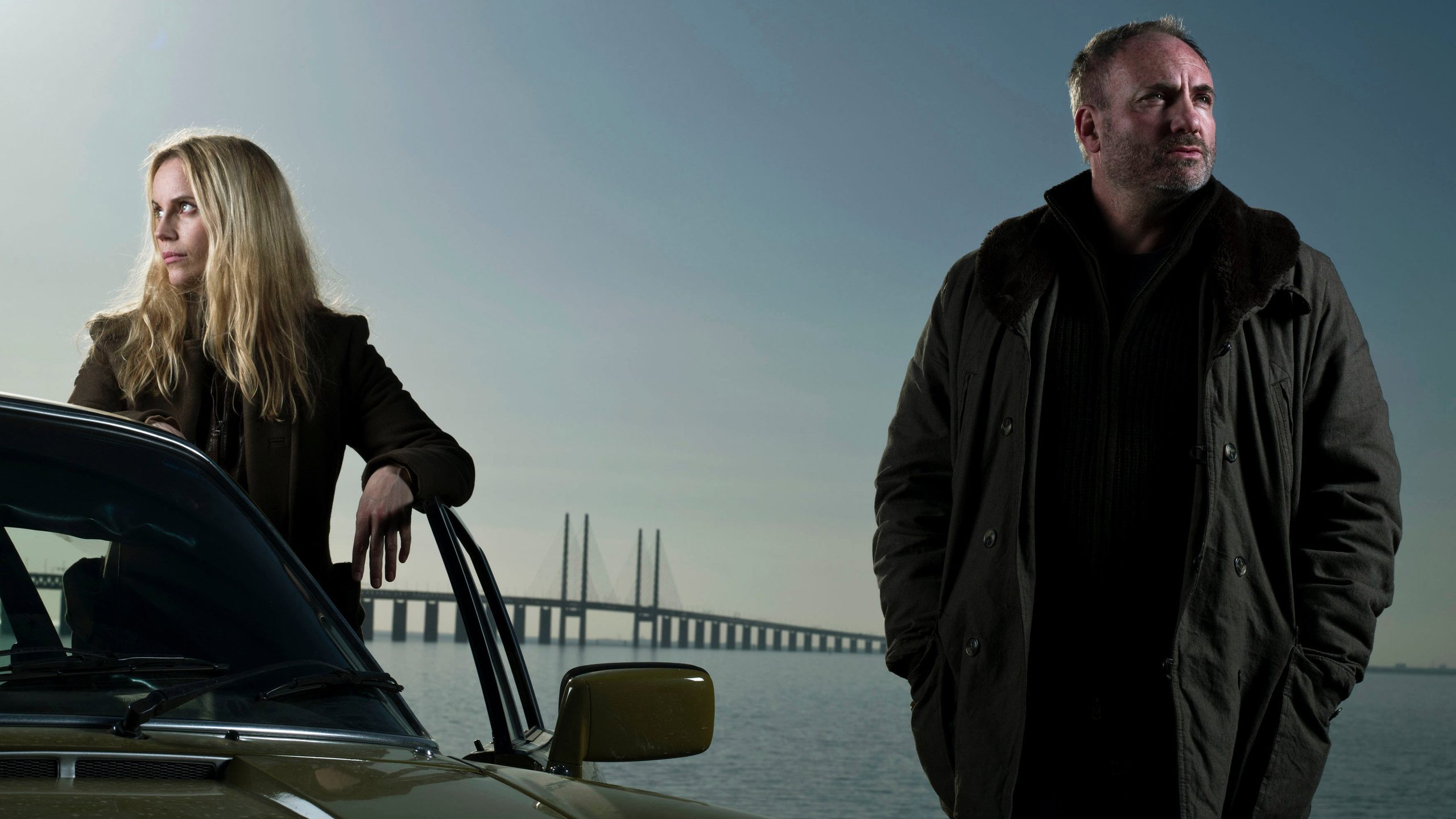
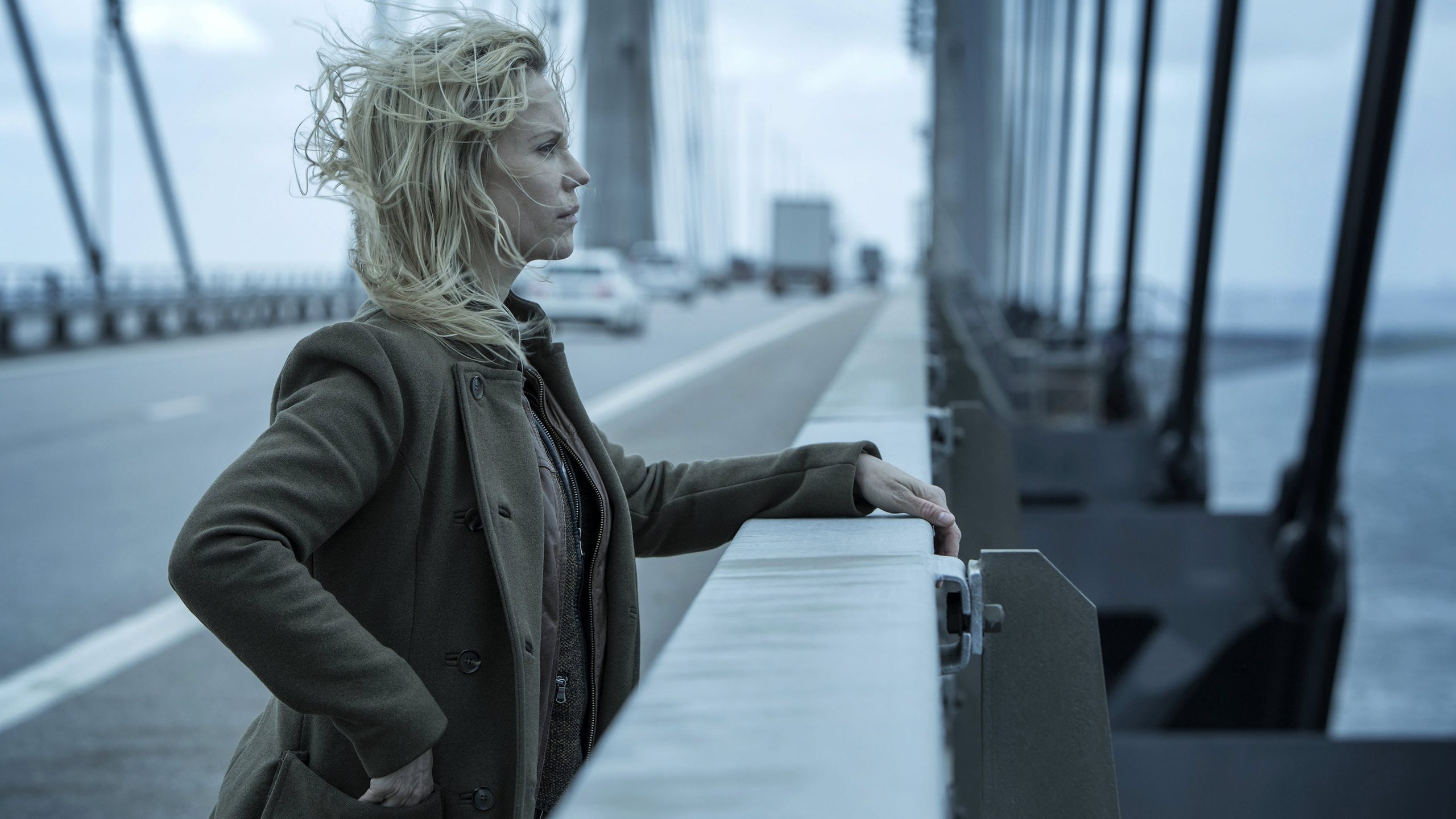
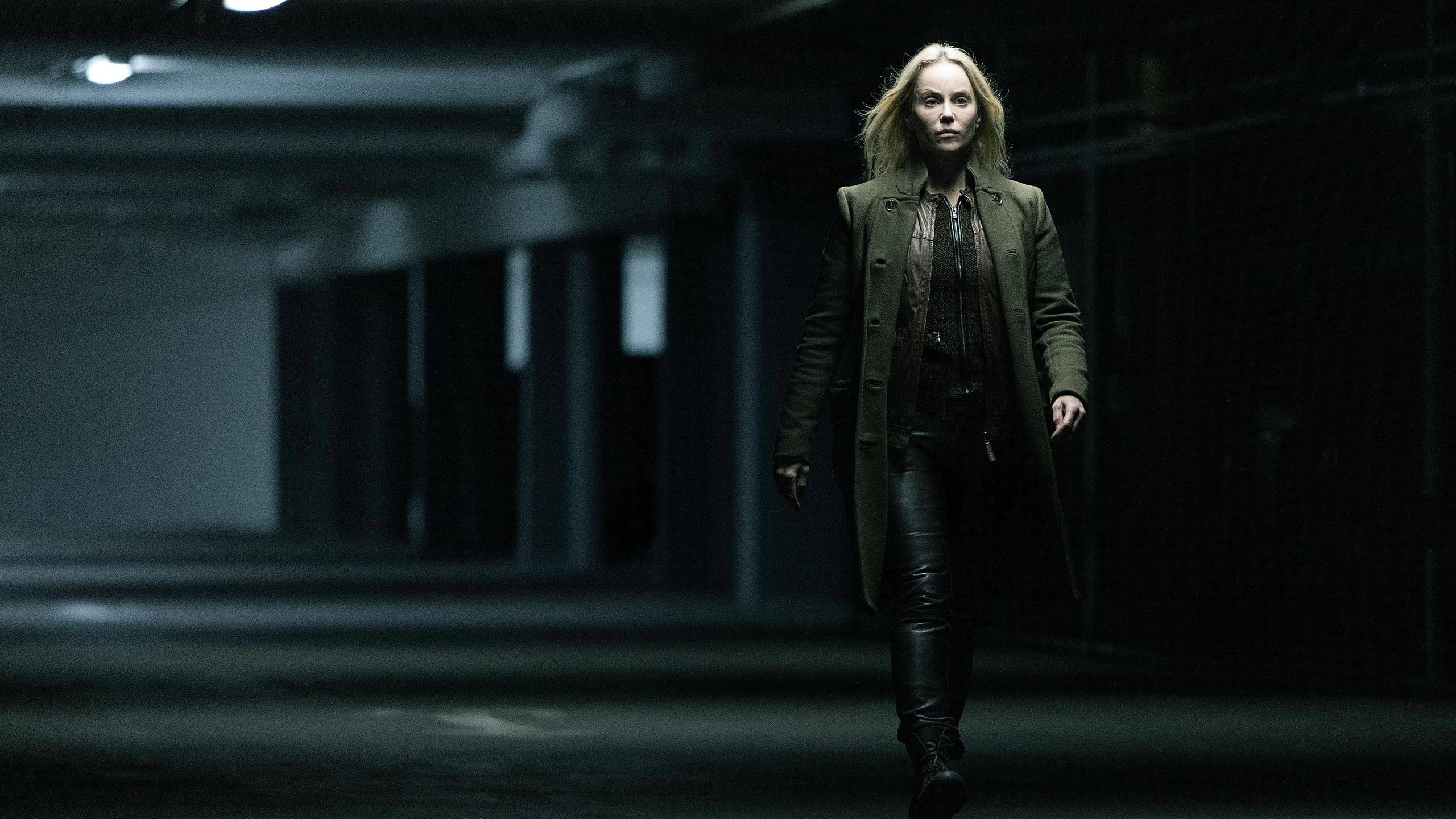
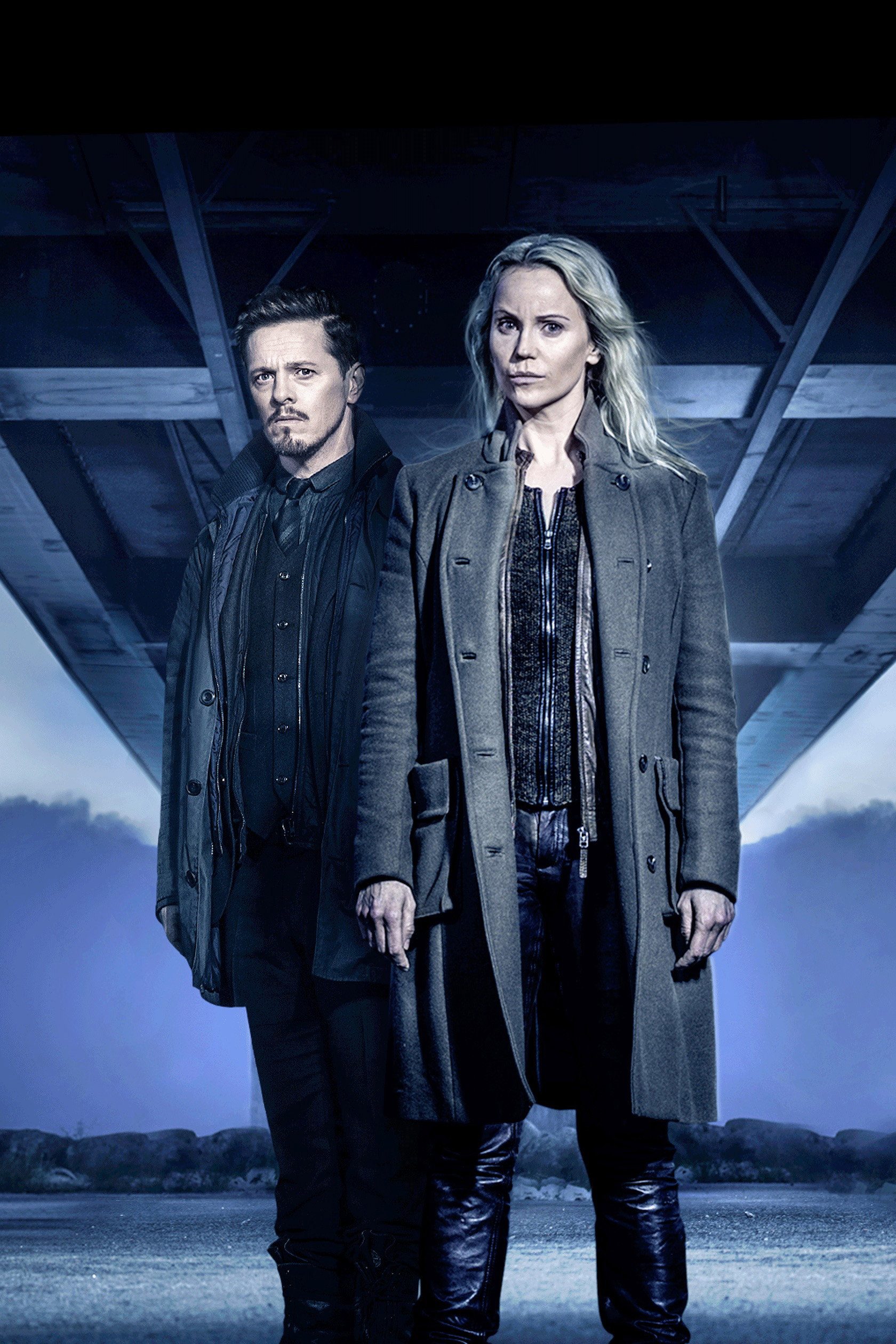
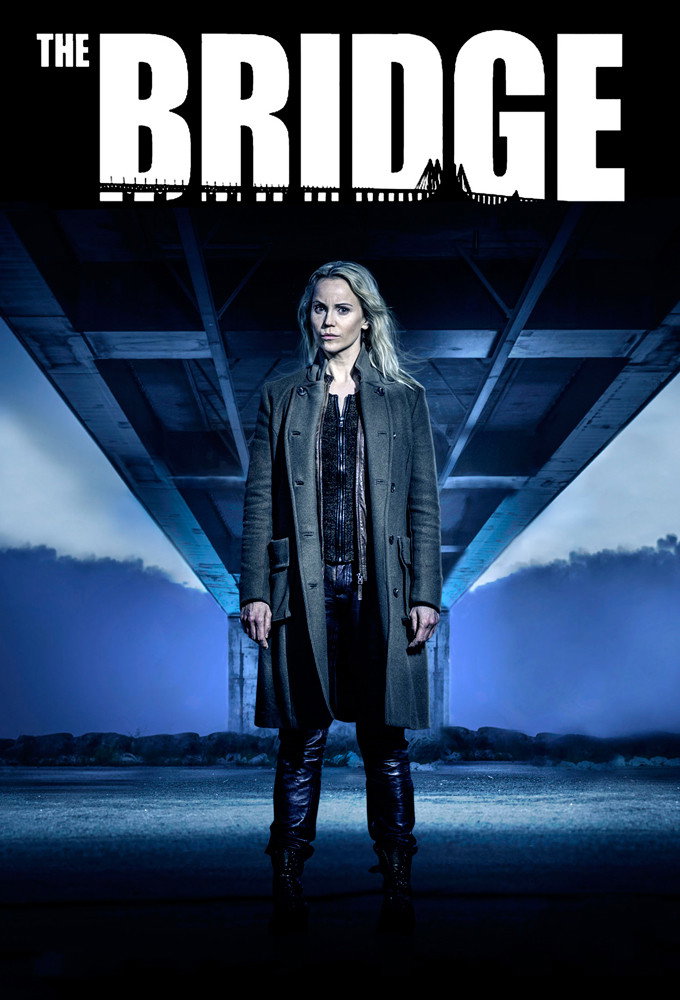
That performance is Sofia Helin as Saga Norén of the Malmö police. Saga says what is true in all circumstances, does not understand why anyone is upset by it, and drives to murders in a green Porsche wearing the leather trousers and long coat Kerstin Halvorsson gives her for all four series. The writers never put a diagnosis on her and never let anyone else do it either. In the first episode she changes her shirt in the middle of the open-plan office, and we laughed, then noticed nobody on screen was laughing and that Helin had not played it for one, and we stopped. The show does that repeatedly: sets Saga up as the joke and then hands the joke back to us.
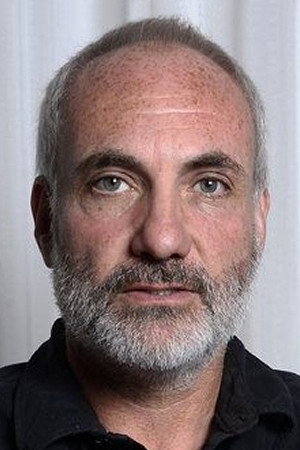
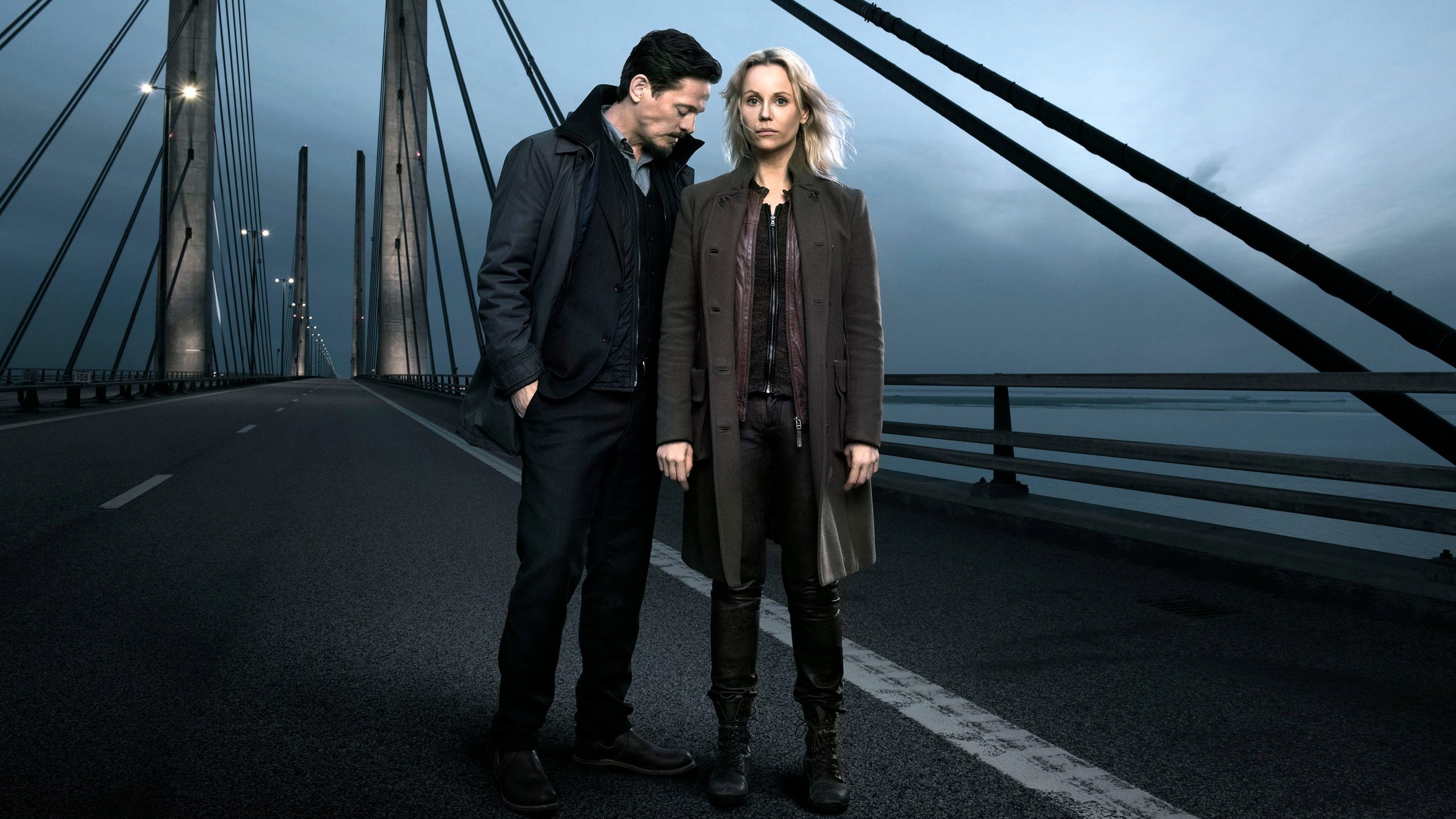
Kim Bodnia’s Martin Rohde is the other kind of policeman: warm, lazy, unfaithful, and good with people in the ways Saga is not. He has a house in Copenhagen full of children from more than one marriage and a grown son, August (Emil Birk Hartmann), who is old enough to notice what his father is like. Bodnia plays Martin as a man who finds Saga funny and then, slowly, finds her admirable, and lets us watch the second thing replace the first. Their conversations in the car, with Saga asking whether something was a joke and Martin explaining that it was, are the scenes we remember, and there is not a corpse in any of them.
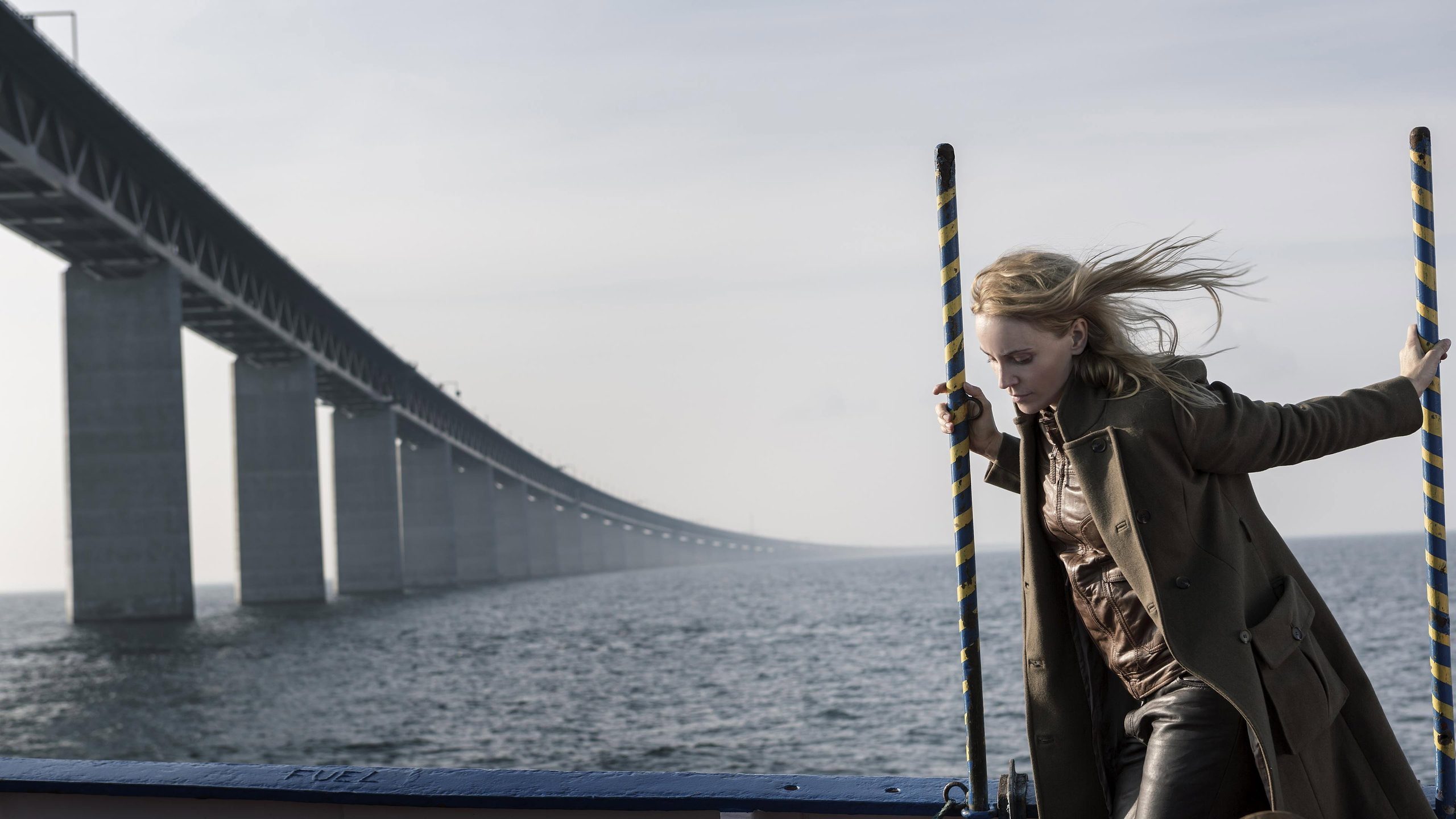
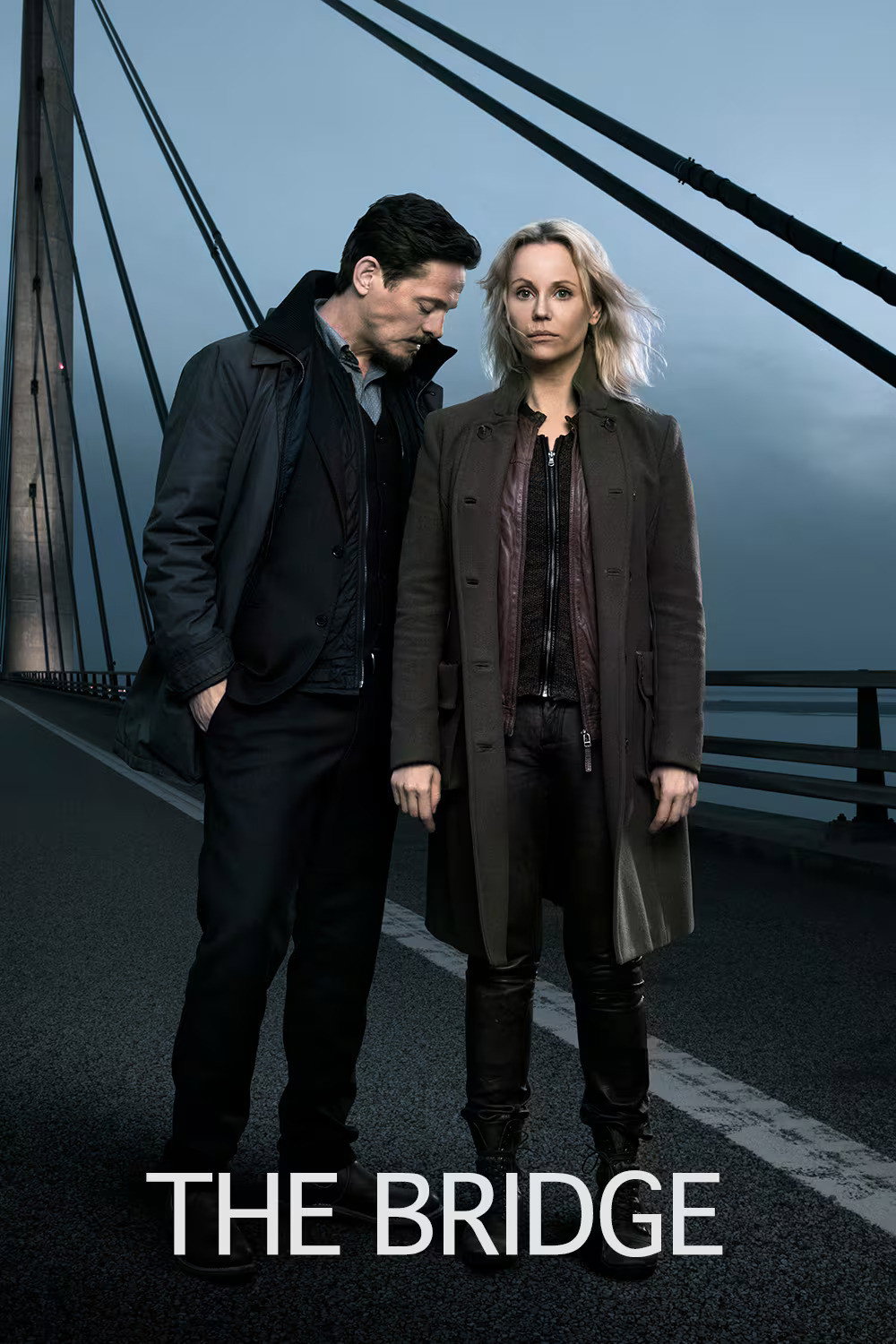
The look is grey-blue and cold. The bridge is lit at night like a runway, and the directors, Charlotte Sieling and Henrik Georgsson among them, keep returning to it from the same angles until it is a character. Production designers Rickard Wirén and Olle Remaeus give Saga a flat with a bed, a table and little else, and Martin a kitchen you cannot cross without stepping on a toy. Johan Söderqvist, Uno Helmersson and Patrik Andrén keep the score to long low notes under the dialogue, and the title sequence, set to Choir of Young Believers’ Hollow Talk, settles the tone in ninety seconds. Eight editors are credited, and between them they cut from Copenhagen to Malmö as if they were two rooms of one house.
The plots are where it strains. Every series has a killer with a plan, the plan has stages, and the stages need the killer to know things no killer could. The first series gets away with it because the killings are staged for the press and the show admits this is theatre. Ten episodes is two more than each story can fill, and somewhere around the sixth there is a stretch where Saga interviews people who turn out not to matter. When the body on the bridge is lifted in the first episode and comes apart at the waist, we were horrified, because the shot holds and nobody on screen screams. Nothing later frightened us half as much, though several series tried harder.
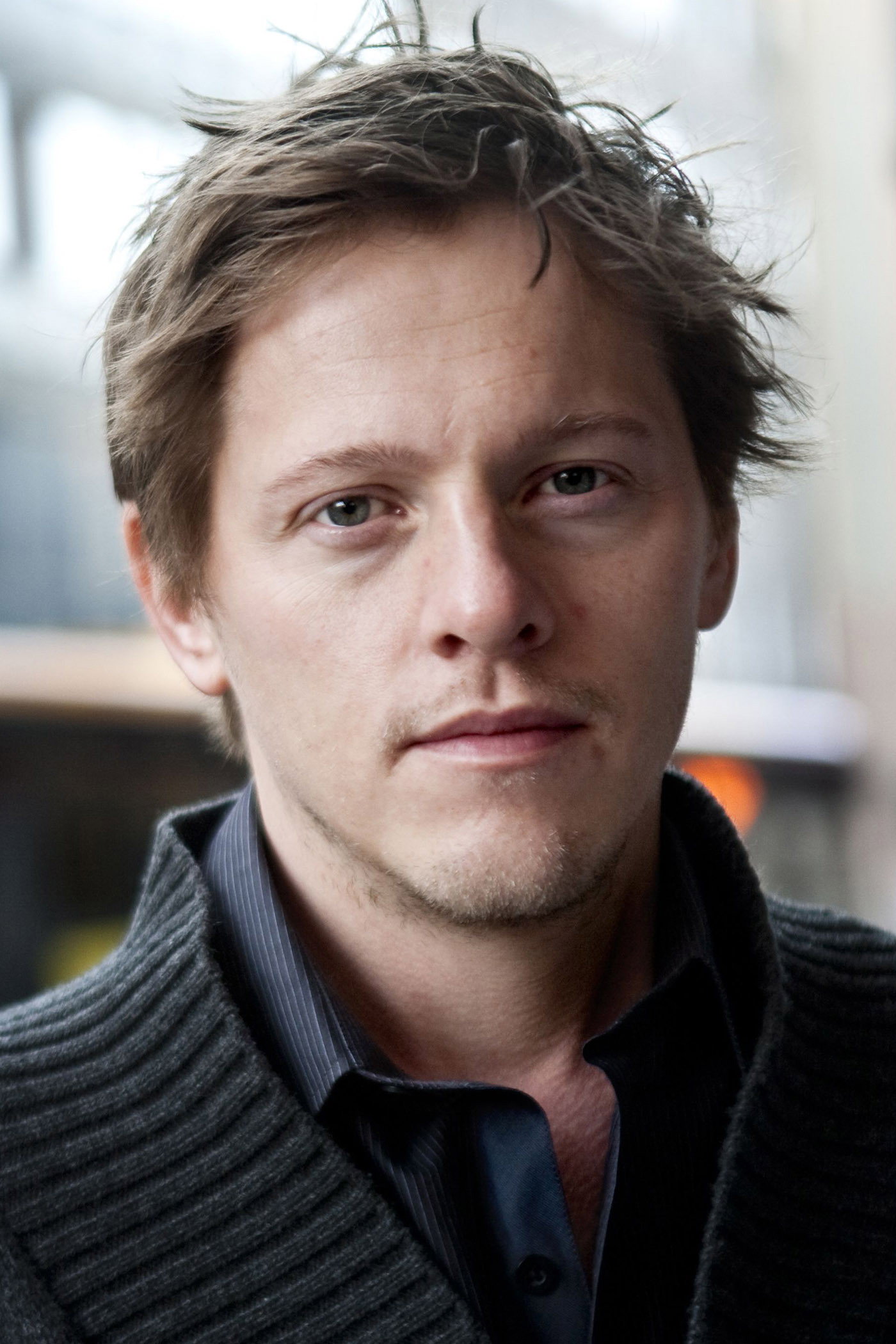
From the third series Bodnia is gone and Thure Lindhardt arrives as Henrik Sabroe, a Copenhagen detective with something badly wrong at home. His scenes with Helin run at a different temperature, two damaged people rather than one damaged person and one ordinary one. But the third series is the weakest, crowded with more suspects than it can hold, and it takes the fourth, at a tighter eight episodes, to find its shape. One early review found Saga hard to warm to beside Sarah Lund of The Killing. We think that is backwards. Lund chooses not to let people in; Saga cannot, and Helin lets us watch her try, which is the harder thing to sit through.
Watch it in Danish and Swedish with subtitles, two episodes an evening. If you have time for two series, stop after the second and you will have seen the best of it. If you go on, go on for Helin.