Film review

Predator

1987 · Directed by John McTiernan · 1h 47m · MPA R

In a sentenceArnold Schwarzenegger has brought all those muscles to a fight with something he cannot see

Science FictionActionAdventureThriller

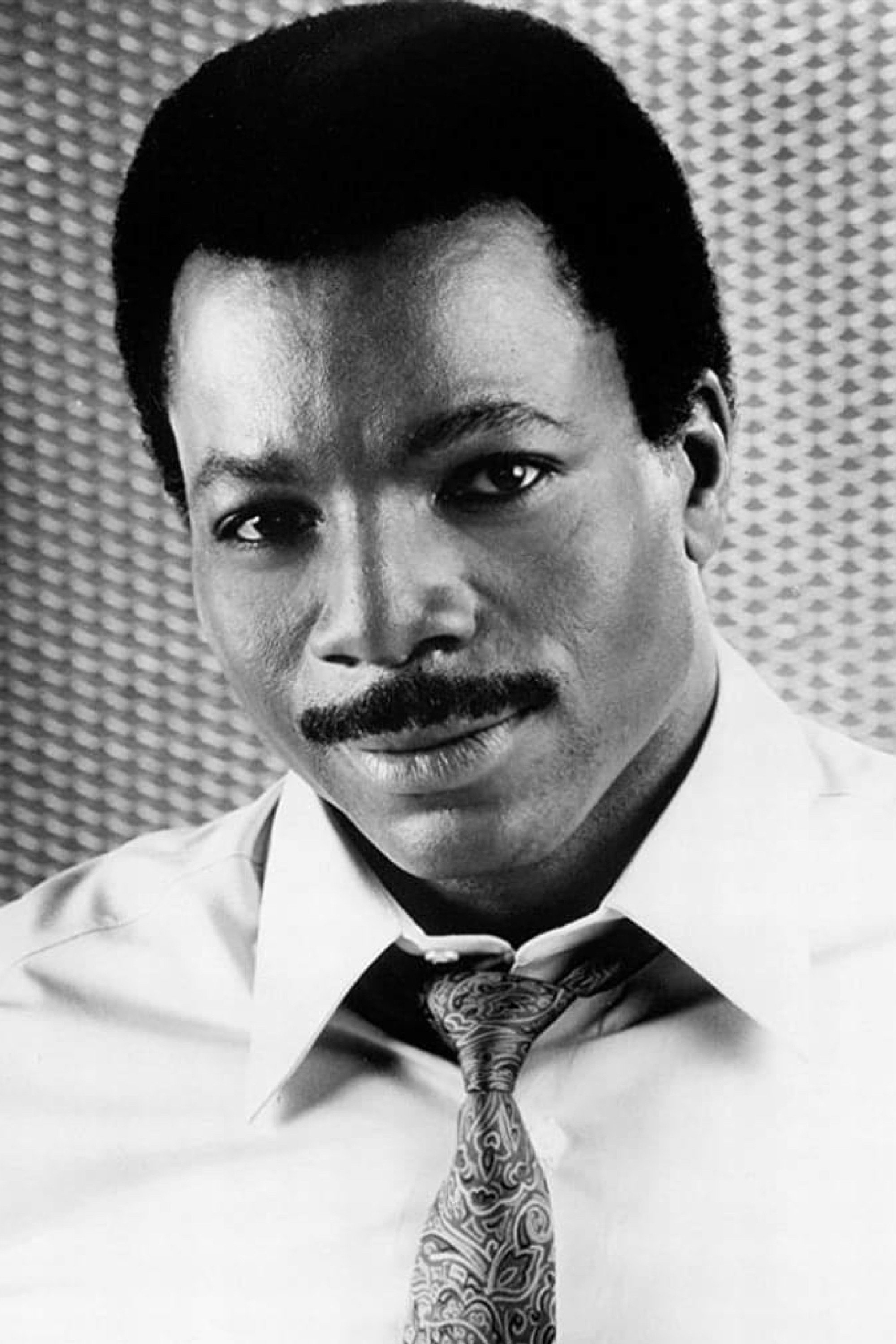
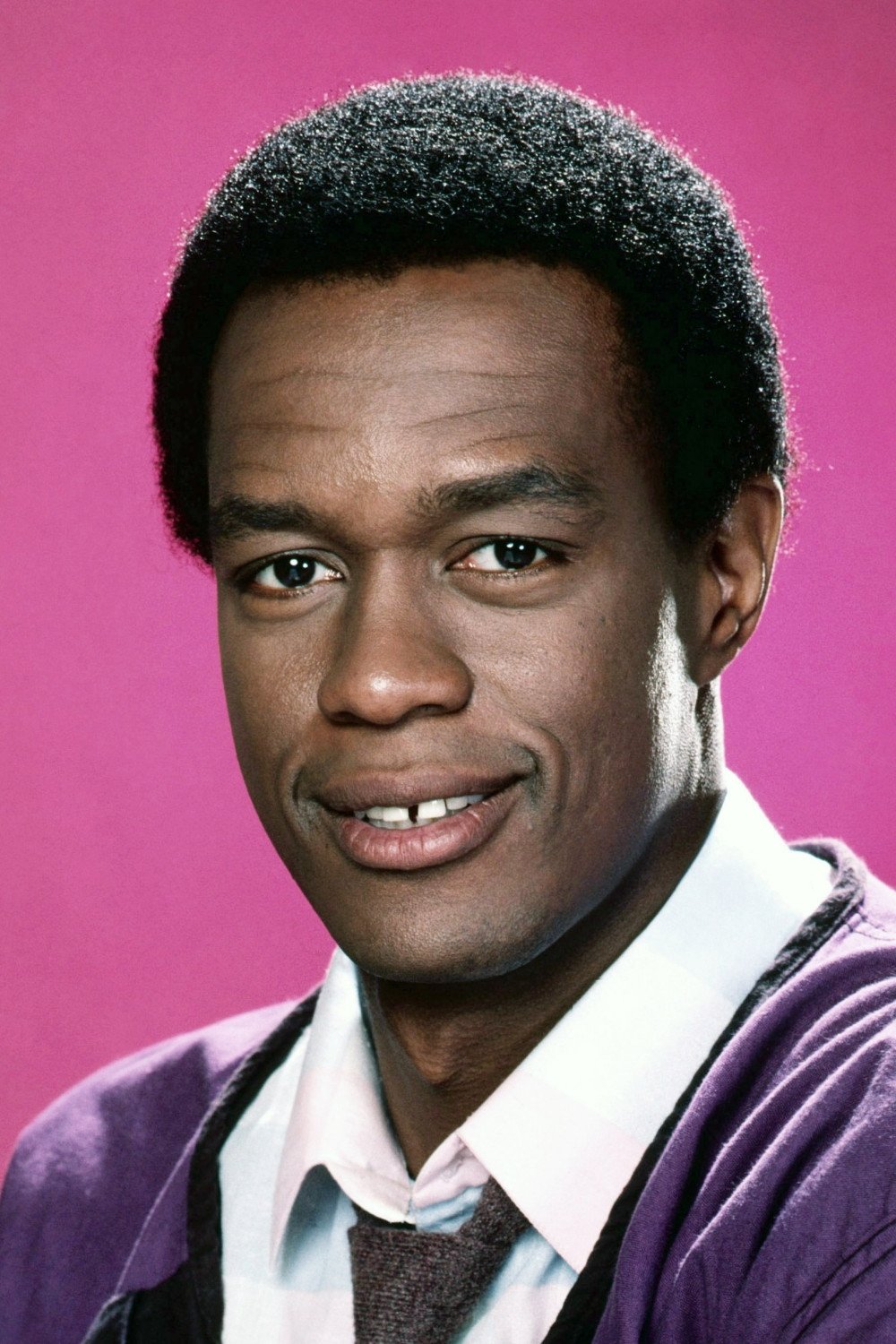
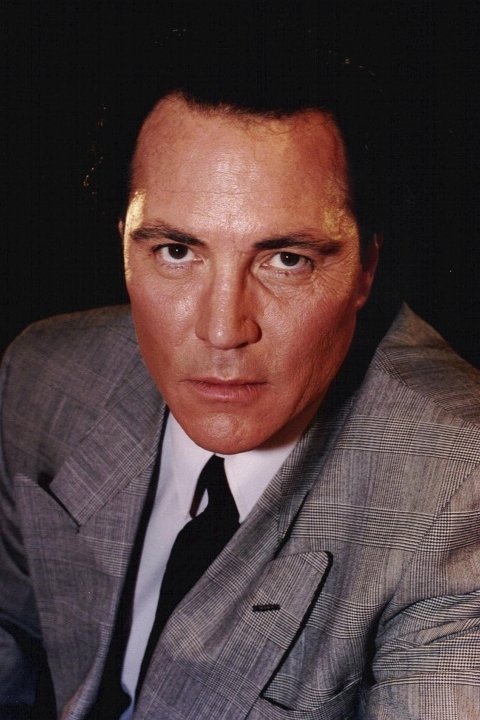
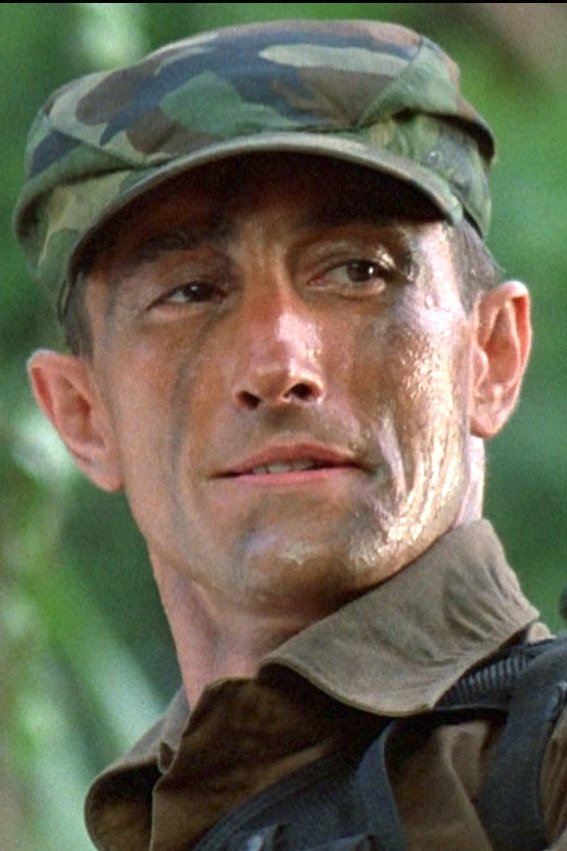
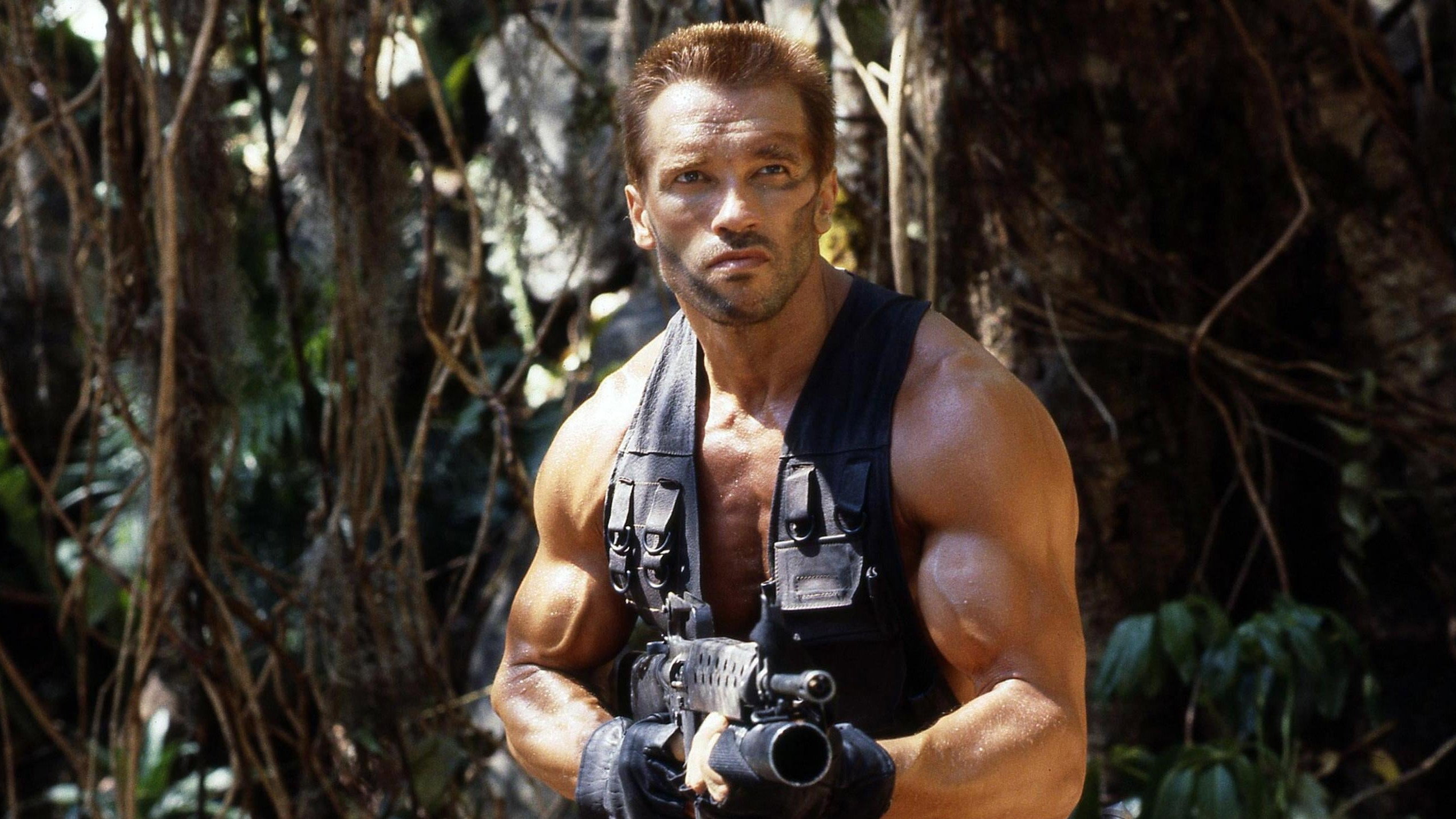
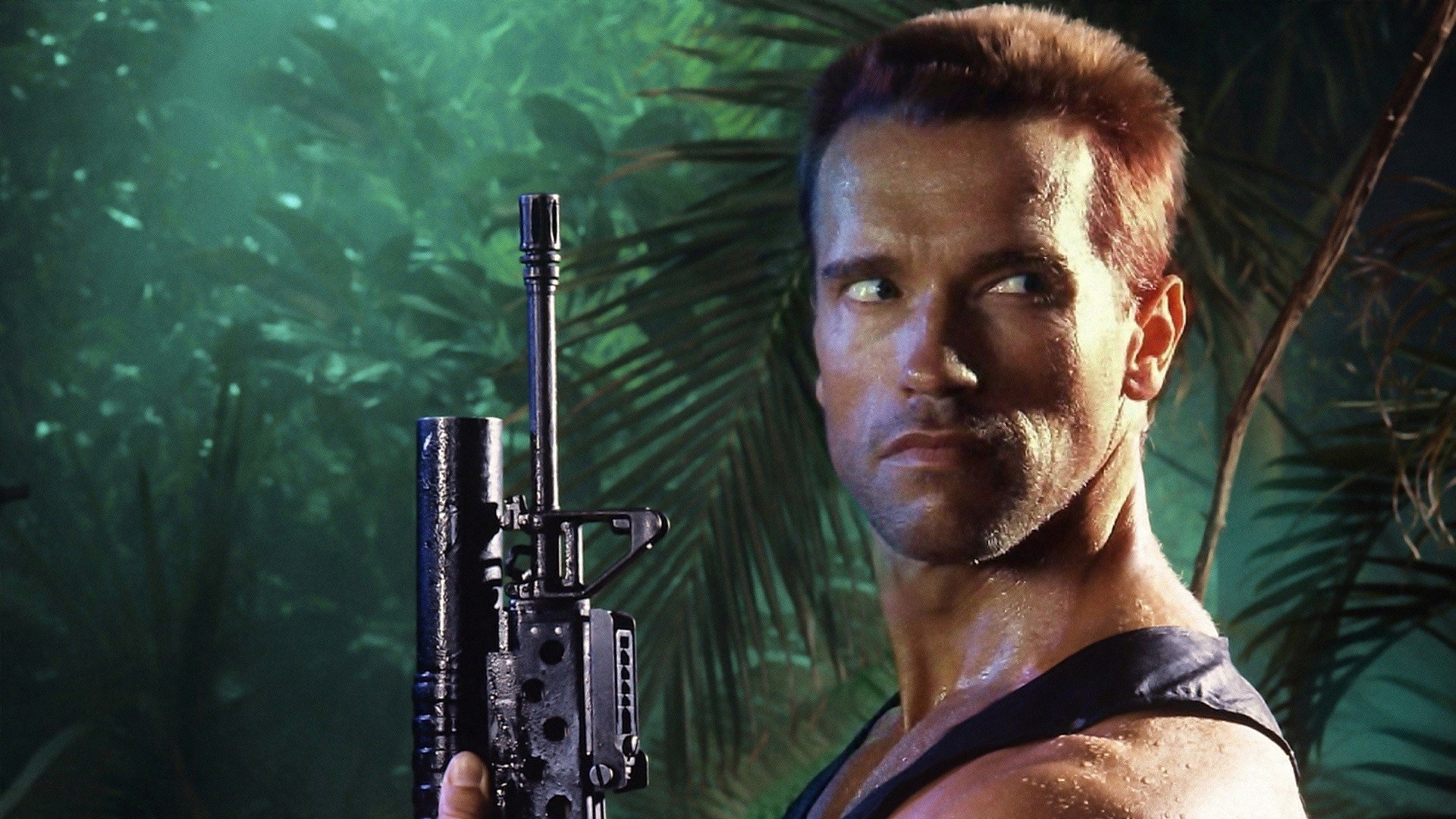
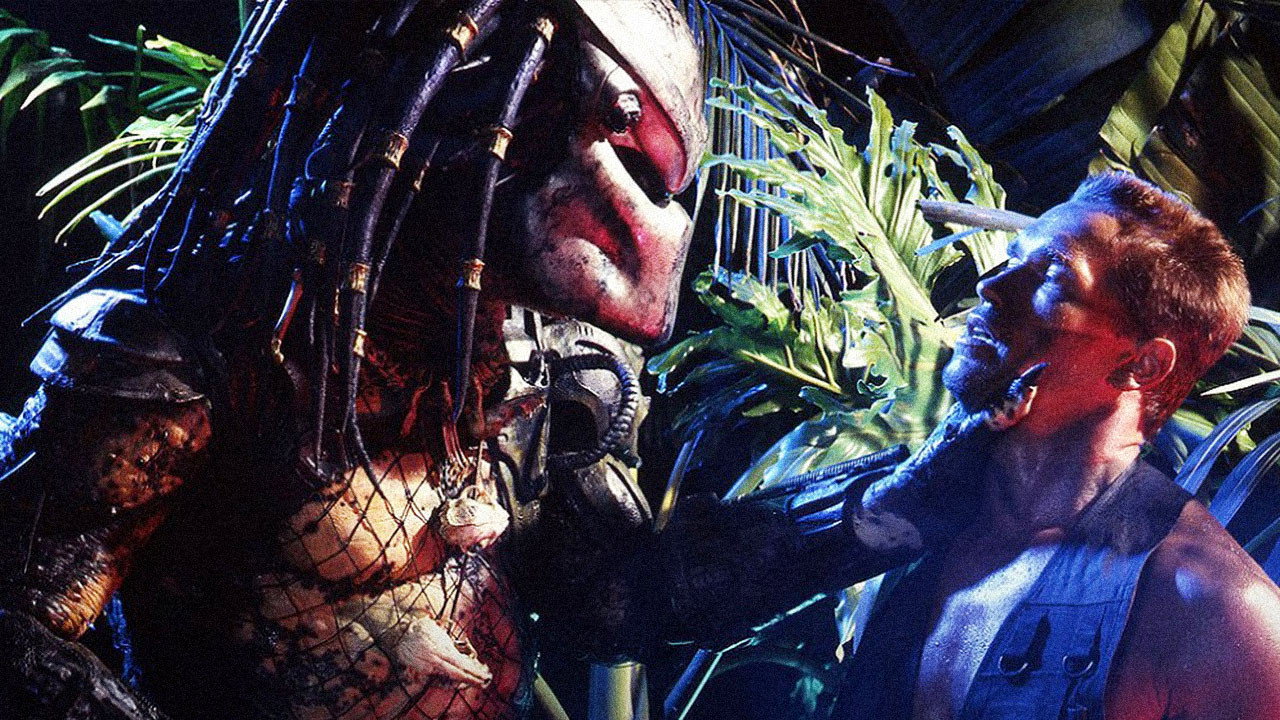
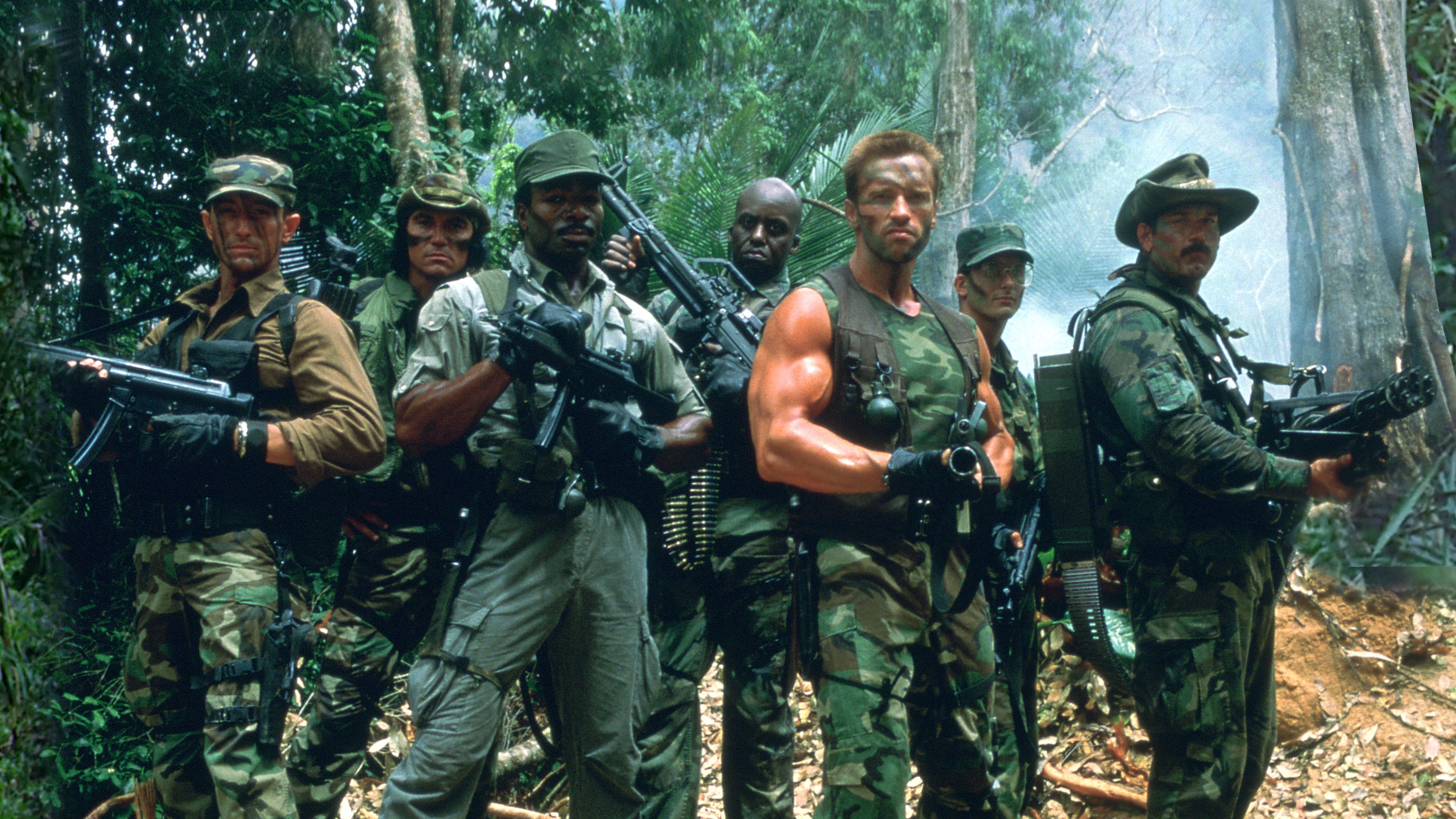
Major Alan “Dutch” Schaefer (Arnold Schwarzenegger) leads a platoon on a commando mission in the jungle. Among the men are Al Dillon (Carl Weathers), Mac Eliot (Bill Duke), Blain Cooper (Jesse Ventura) and Billy Sole (Sonny Landham). An alien hunter, played by Kevin Peter Hall, stalks the group while a cloaking device keeps it out of sight. The soldiers bring weapons and combat experience to a fight against something they cannot see. John McTiernan directs a science-fiction action film in which a military mission becomes a struggle to survive.

Plays from YouTube when you press play; nothing loads from them until then.

Fi1m review

John McTiernan turns a jungle commando film into a gripping alien hunt, with Schwarzenegger convincing as a man who can be hurt. Crude dialogue and thin characterisation are the caveats; the suspense earns the evening.

The useful thing about casting Arnold Schwarzenegger against an alien hunter is that we begin with a fairly firm idea of who ought to be dangerous. John McTiernan uses that expectation to make Predator a tense, carefully staged action film. It starts with a commando mission in the jungle and lets an unseen opponent disturb the soldiers’ confidence. There is pleasure in watching capable people confront a problem their normal methods cannot solve, and McTiernan knows how long to keep us looking for it.

Schwarzenegger’s Dutch is persuasive because the part needs physical authority before it needs eloquence. He looks capable of leading these men, which gives their predicament more weight than a collection of anonymous victims could manage. Carl Weathers, Bill Duke and Jesse Ventura help give the platoon the feeling of a group accustomed to one another, even when the script supplies dialogue that confuses aggression with wit. Their camaraderie gives us enough reason to care where the men are, without requiring much knowledge of their lives.

Donald McAlpine’s cinematography makes the jungle difficult to read without making the action impossible to follow. The vegetation gives the eye too many places to check, so we keep examining the surroundings even when nothing appears to be happening. John Vallone’s production design keeps the military surroundings functional and recognisable, giving the alien technology a familiar world to intrude upon. Together, they make the setting convincing enough that we accept the difficulty of moving through it and finding anything within it.

Editors Mark Helfrich and John F. Link give the action a pace that feels forceful without making every passage equally frantic. They leave room for waiting, which matters when the chief attraction is something we cannot see clearly. Alan Silvestri’s percussive score supplies a military insistence that suits the soldiers and keeps the quieter stretches from feeling comfortable. It can press hard, but the music earns its place by making the pauses feel like temporary interruptions to the pursuit.

We were unnerved by the cloaking effect: knowing that the hunter is somewhere in the greenery does not make it easy to find. The thermal-vision images work for the opposite reason, picking the men out when the jungle has been concealing so much. Their bodies become conspicuous in a view they do not share. These effects are simple to understand, and McTiernan uses them to make the soldiers’ disadvantage visible without stopping for an explanation of the equipment.

The screenplay is less resourceful about the people. John Thomas and Jim Thomas rely on familiar macho types, and some of the banter is tiresome enough to make silence welcome. Nor does every return to thermal vision add anything we have not already understood about the hunt. The critical consensus is cooler than we are, finding too little story beneath the effects; we think it gives too little credit to the suspense those effects help create. The thin characterisation matters, but it rarely stops us worrying about the immediate danger.

Creature thrillers are more frightening when the people in danger seem capable of putting up a fight, and Predator makes good use of that. Its 107 minutes are well spent for anyone who enjoys patient stalking as much as forceful action. Just do not expect the men to be as interesting when they open their mouths.
Critical consensus AI synthesised

65
Positive
4
Mixed
1
Negative
2

Most critics lean towards Predator as an effective action thriller, with praise clustering around John McTiernan’s tense direction, the jungle setting and the special effects. Schwarzenegger’s physical presence is another asset, particularly when the film makes its imposing hero seem vulnerable. Favourable reviews value the stripped-down storytelling and brisk action rather than looking for much characterisation. The photography and oppressive atmosphere also earn some respect from critics who find little else to admire.

The spread is wide, however, and the main disagreement concerns whether the craft compensates for the thin script. Some reviews find the effects sustain tension; others see them replacing suspense. The New York Times finds the action alternately grisly and dull, preferring the jungle habitat to what happens in it. The Los Angeles Times is harsher about the empty, derivative writing, while allowing limited praise for McTiernan’s visual flair and the cinematography.

RogerEbert.com
12 June 1987 · ★★★½/4 · Roger Ebert
88

Ebert finds the film an effective, high-energy action picture that begins like Rambo and ends like Alien. He singles out the beautiful and convincing jungle locations in Mexico for particular praise.

Read the full review →
Radio Times
★★★★ · John Ferguson
80

This is one of Schwarzenegger's most efficient movies, a stripped-down thriller that sacrifices characterisation for exhilarating action and special effects. McTiernan keeps the tension at snapping point with the cloaking device gimmick.

Read the full review →
Variety
31 December 1986 · Variety Staff
60*

The review calls it a slightly above-average actioner that compensates for a tissue-thin plot with grisly death sequences and impressive special effects. It notes that director John McTiernan relies too much on special effects thermal vision photography.

Read the full review →
The New York Times
12 June 1987 · Janet Maslin
40*

Maslin describes the film as alternately grisly and dull with few surprises, noting that it starts as a commando mission before turning into a monster movie. She singles out the interesting jungle habitat over the action itself.

Read the full review →
Los Angeles Times
12 June 1987 · Michael Wilmington
30*

Wilmington calls the film an ominous high-tech Stone Age mixture with an empty, feeble, and derivative script. He singles out the visual flair of director John McTiernan and the cinematography for limited praise amid the vacuity.

Read the full review →
Empire
1 January 2000 · Chris Hewitt

The critic finds Predator more than a dumb 80s actioner and a sci-fi/action classic thanks to McTiernan's assured, tense direction. The Predator creature and Schwarzenegger's heroic performance at his physical peak are singled out as memorable highlights.

Read the full review →

Cast

Stills

Awards

Academy Awards, 1988

Nominated
Best Visual Effects

If you liked this, try…

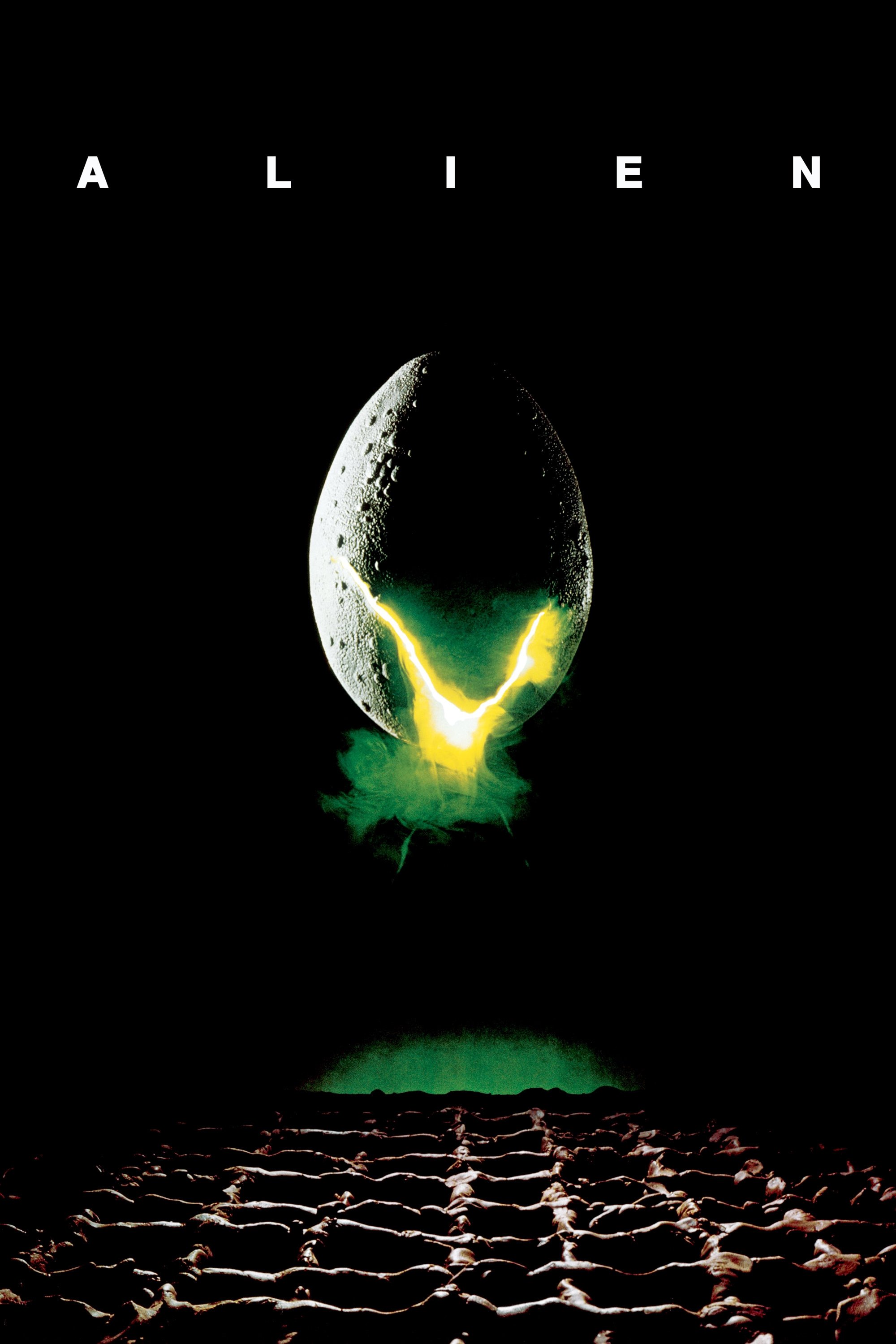
Alien poster92

Alien

1979 · Another capable crew discovers how little professional competence matters against an unfamiliar predator

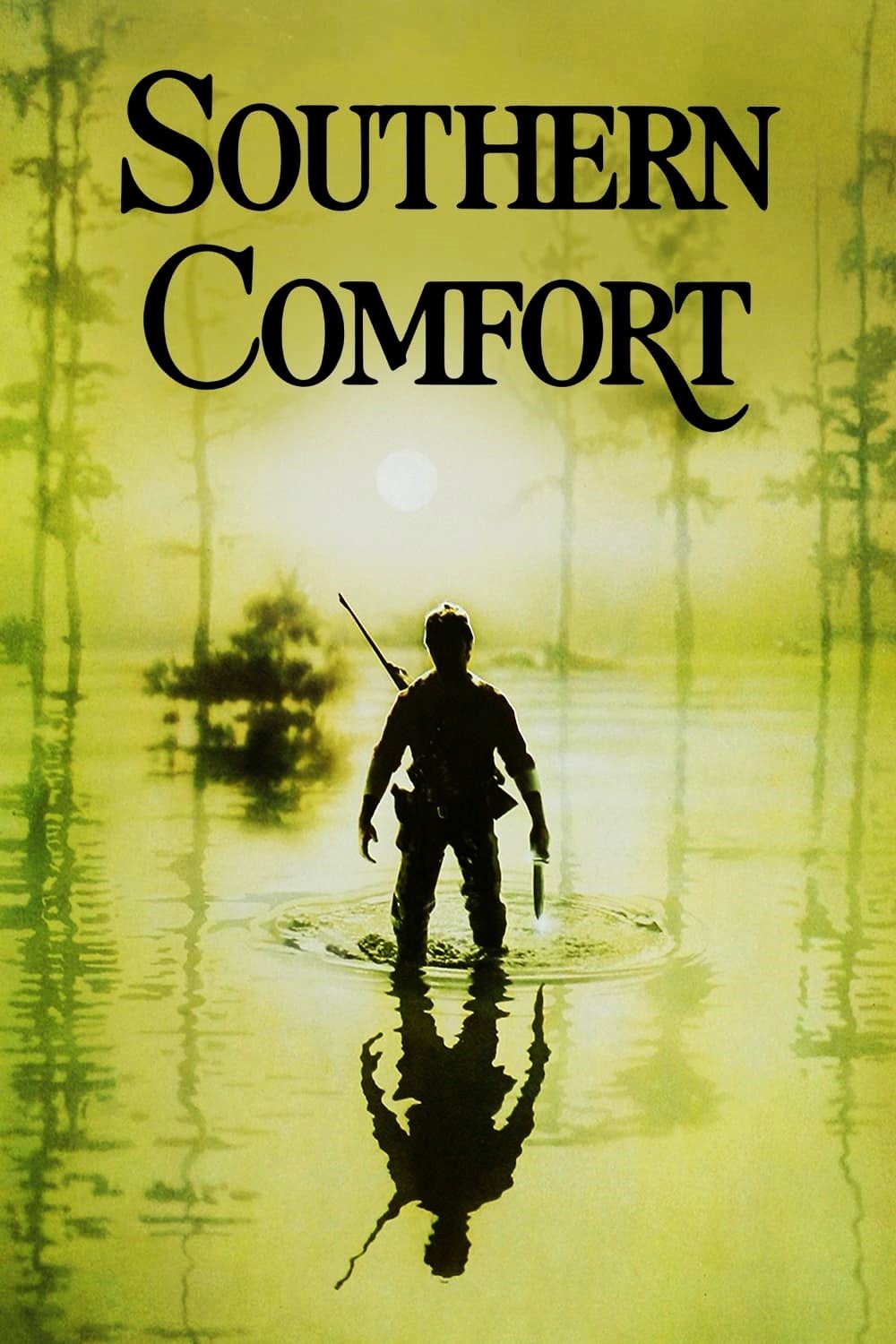
Southern Comfort poster

Southern Comfort

1981 · Military confidence proves poor preparation for hostile terrain and people who know it

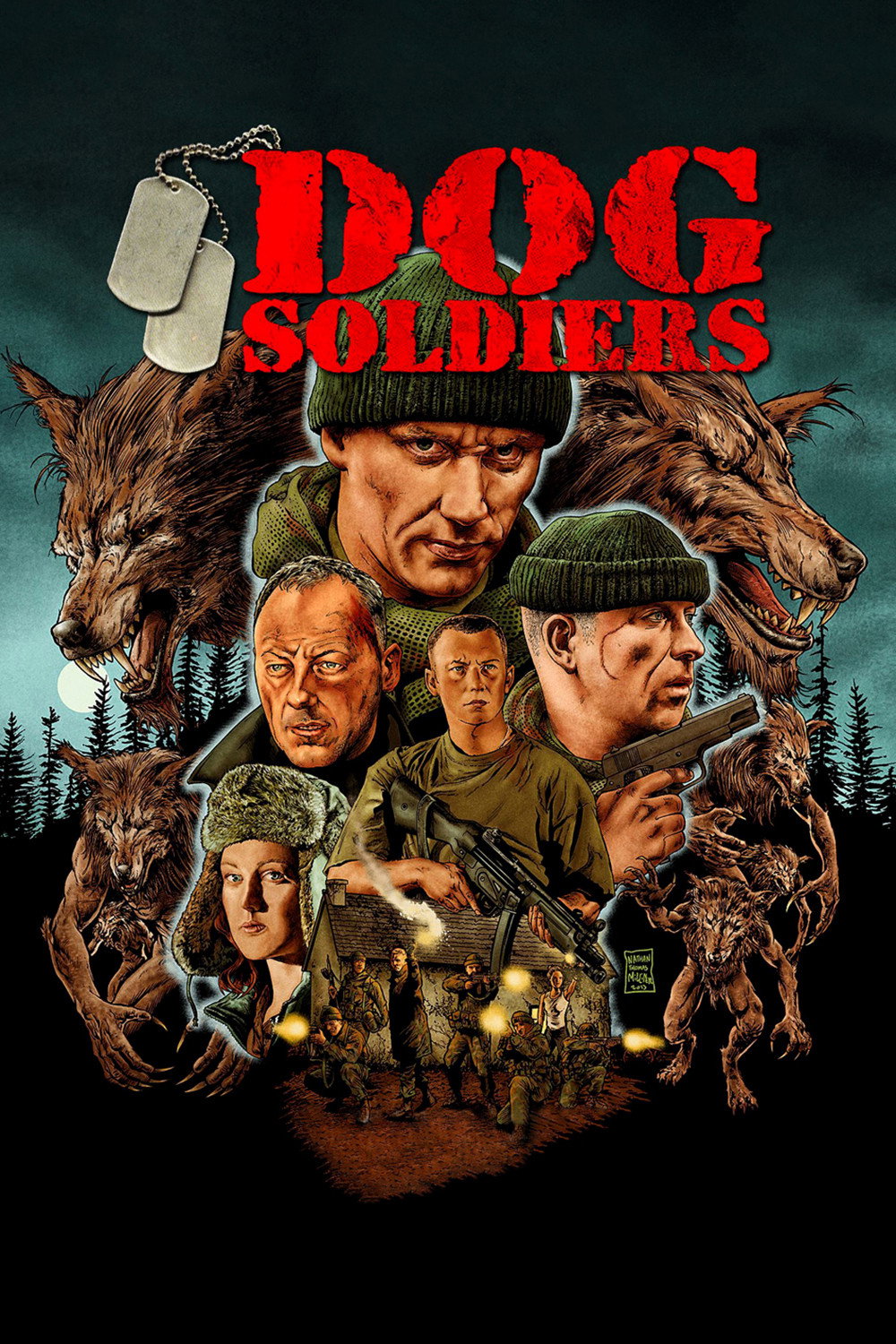
Dog Soldiers poster

Dog Soldiers

2002 · Soldiers, monsters and barracks humour, with more warmth than the premise promises

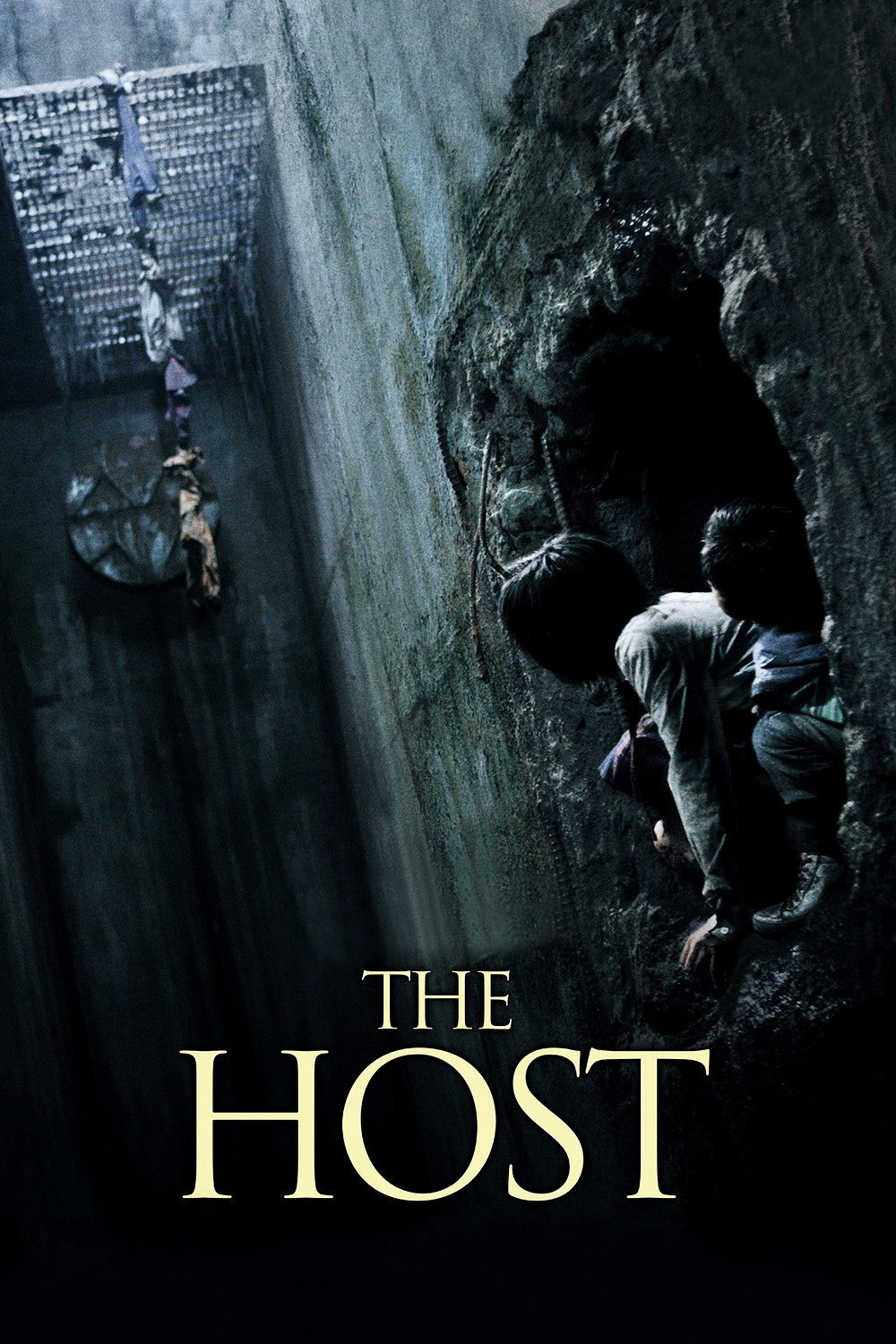
The Host poster

The Host

2006 · A Korean creature film whose family troubles remain urgent throughout the monster hunt

Prey poster

Prey

2022 · The hunt starts afresh, with a resourceful opponent and fewer men shouting