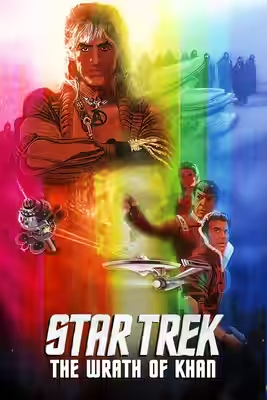
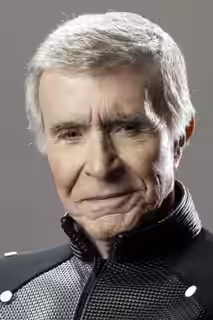
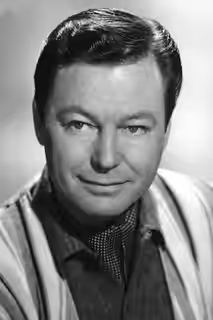
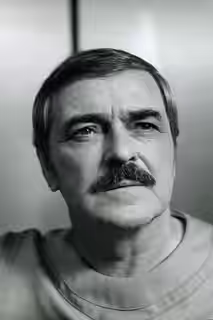
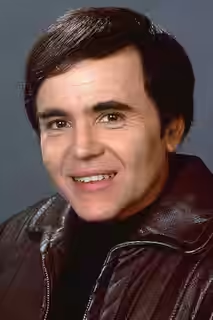
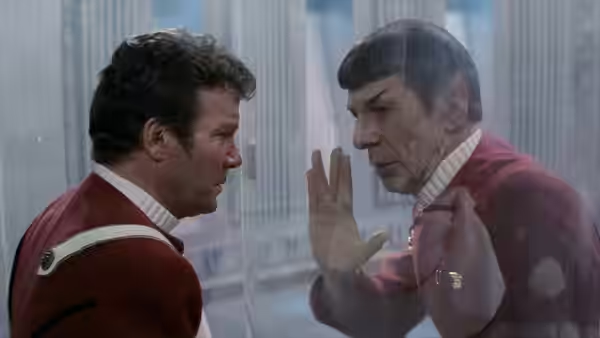
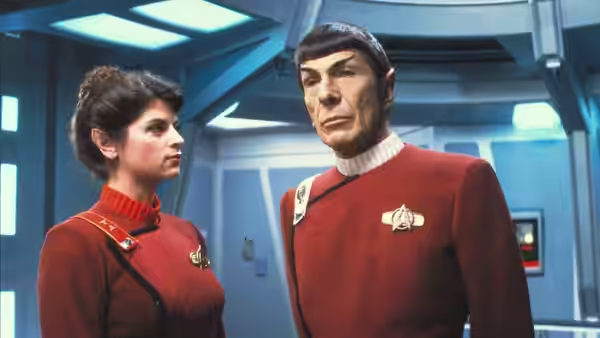
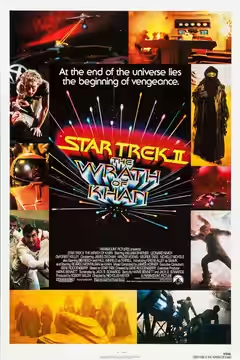
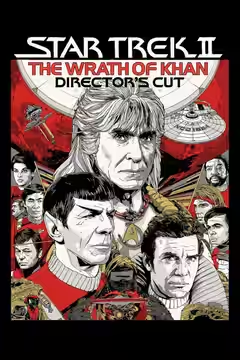
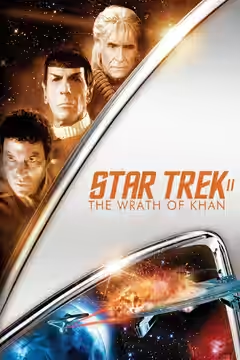
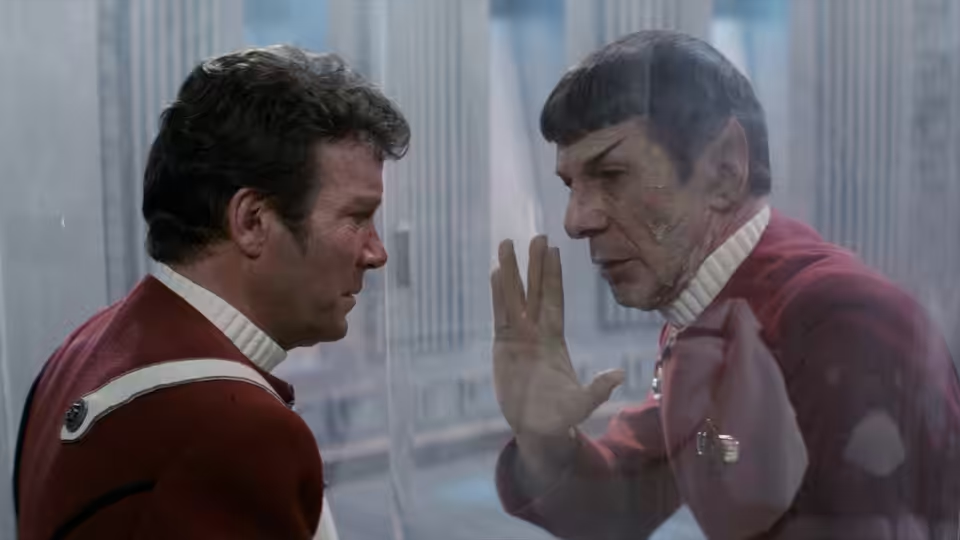
Kirk (William Shatner) facing Spock (Leonard Nimoy) through transparent glass
Film review

Star Trek II: The Wrath of Khan

1982 · Directed by Nicholas Meyer · 1h 53m

In a sentenceTwo starships, one grudge, a lot of maroon wool and William Shatner reaching for his reading glasses

Admiral James T. Kirk (William Shatner) has a birthday he does not enjoy, and Dr. Leonard ‘Bones’ McCoy (DeForest Kelley) marks it by giving him a pair of antique reading glasses. Meanwhile the USS Reliant, under Captain Clark Terrell (Paul Winfield) and Cmdr. Pavel Chekov (Walter Koenig), is surveying dead planets for Project Genesis, a device built by Dr. Carol Marcus (Bibi Besch) that can turn barren rock into a living world. On what they take for an empty desert they find Khan Noonien Singh (Ricardo Montalban), the tyrant Kirk marooned there fifteen years earlier. Khan seizes the Reliant and wants two things: Genesis and Kirk. When the Genesis station goes quiet, Kirk takes the Enterprise, on a training cruise under Captain Spock (Leonard Nimoy), to find out why.

Plays from YouTube when you press play; nothing loads from them until then.

Fi1m review

Nicholas Meyer takes a television cast, a small budget and a villain from an old episode, and makes the one Star Trek film about growing old. Ricardo Montalban rages, William Shatner listens, and the last reel earns every tear it asks for.

The first Star Trek film was long, slow and solemn, and The Wrath of Khan is Nicholas Meyer’s answer to it: a chase, a grudge and a crew who have noticed the grey in the mirror. Meyer had never seen the television series when he took the job, and it seems to have helped. He treats the Enterprise as a warship and Kirk as a man promoted past the work he was good at. The story, by Harve Bennett and Jack B. Sowards, brings back Khan, a villain from an old television episode, and lets the two men hunt each other for 113 minutes. It is the best of the Star Trek films and we would recommend it to people who have never watched a minute of the series.

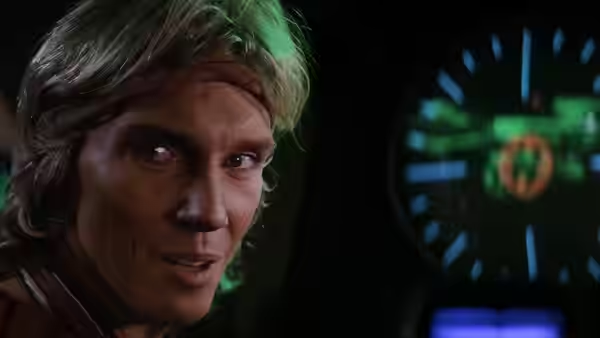
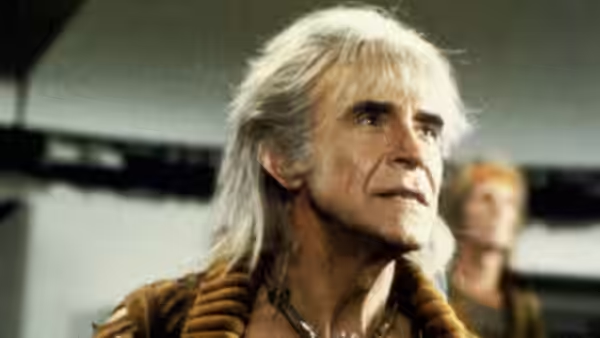
Ricardo Montalban is the reason it works. Khan quotes Melville, strokes his followers’ faces and delivers every line as if to a mirror he admires; Montalban plays him big and never plays him stupid. Meyer’s trick is that Kirk and Khan are never in the same room. They speak by viewscreen, so Montalban acts most of his part at a camera lens, which suits a man who has spent fifteen years talking to himself in a desert. Shatner does less than he has ever done and is better for it. He listens. Early on McCoy (DeForest Kelley) gives him a pair of reading glasses for his birthday and he looks at them as though they were a diagnosis. We did not expect to be touched by William Shatner’s eyesight, and we were.

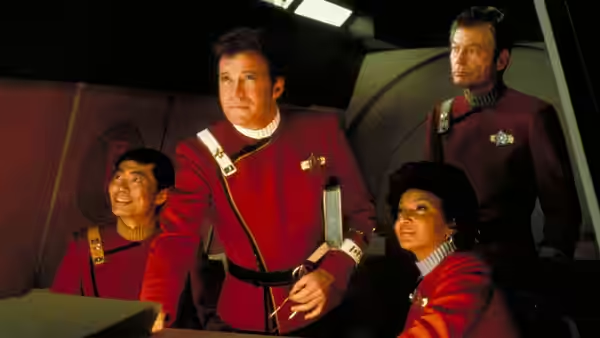
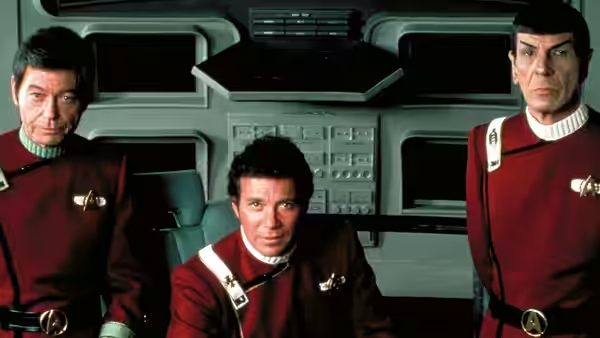
The film was made for a fraction of what the first one cost. Gayne Rescher lights the bridge in reds and ambers where the earlier film was grey and blue, so the ship looks lived in rather than hosed down. Robert Fletcher puts the crew in maroon wool jackets with white collars, and they stop looking like hotel staff and start looking like a navy; Khan’s people wear rags cut from the wreck they crawled out of. Joseph R. Jennings’s corridors are television corridors, but his torpedo bay full of cadets in hard hats and his orange desert on Ceti Alpha V do what is asked of them. James Horner’s score is the biggest thing in the film: sea horns for the Enterprise, low growling brass for Khan, and a main theme that sounds like a ship leaving harbour rather than a rocket leaving a pad.

William Paul Dornisch cuts the space battles like a submarine film: the enemy, the bridge, a man waiting to be told he is dead. The nastiest thing in the film is not a battle at all. It is a pair of small creatures Khan lifts from a tank and slides into two men’s ears, and the way Meyer holds on Paul Winfield’s face while it happens. It horrified us as children and it horrified us again, because Winfield plays what follows as a man who knows what has been done to him and cannot say so. The 12 certificate is fair.

Not everything holds. Kirstie Alley’s Saavik is written as a Vulcan and played as a head girl, and the script uses her mostly to have the rules explained. Merritt Butrick’s David Marcus is a sulk in a jumper, and Bibi Besch, warm and quick in her first scenes, is given less to do as the film goes on. The model shots wobble when the ships turn. Shatner, so restrained for an hour, is let off the leash mid-film for a shout that has kept impressionists in work ever since.

Against the series’ own standards it sits at the top. Against the space films of its decade it is smaller than The Empire Strikes Back or Alien and more interested in people. One dissenting review called it camp melodrama. It is, and the melodrama is what carries it. The second half takes a turn we will not describe. Watch it with someone who thinks they dislike Star Trek. It is about getting old, and it has the decency to be a thriller while it says so.
Critical consensus AI synthesised

83
Positive
10
Mixed
0
Negative
1

Most critics like it, and nearly all of them like it for the same reason: it is the film the first one should have been. Nicholas Meyer’s direction is credited again and again with getting the pace right, restoring the wit and warmth of the television series, and putting the cast ahead of the effects. Ricardo Montalban’s Khan is the performance singled out most often, a vengeful, Melville-quoting villain who gives Kirk something to push against. Several reviews note how well the script wears its themes of ageing and mortality, and most treat the final reel as the emotional high point.
The spread is narrow at the top and then falls off a cliff. Ten of eleven reviews are positive. The Los Angeles Times is warm but cooler than the rest, approving mainly of Meyer’s affection for the characters. Time Out is the lone dissenter, finding it low camp and the ageing crew faintly embarrassing, a view no other critic shares.

The AV Club
3 April 2009 · A · Zack Handlen
95

The critic praises the film's expert pacing, sense of adventure, terrific script, superb performances (especially Shatner's), and iconic action set pieces, calling it the best Star Trek film and something one never tires of watching. The emotional weight of Spock's death is singled out as what elevates it beyond typical Trek.

Read the full review →
Empire
1 January 2000 · Angie Errigo
90*

The review praises Nicholas Meyer's direction for balancing character interplay with effects and highlights the return of Ricardo Montalban as the vengeful Khan as energizing the film. It singles out the story's focus on aging, comradeship, and a shocking self-sacrifice for praise while noting the film's witty, literate script.

Read the full review →
RogerEbert.com
1 January 1982 · Roger Ebert
90*

The review praises the strong villain performance by Ricardo Montalban as Khan and the film's focus on character relationships and sacrifice over special effects.

Read the full review →
The New Yorker
21 June 1982 · Pauline Kael
90*

The review finds the film invites wonderful callow dumb fun with the right amused self-mocking note from director Nicholas Meyer, praising the cast's toned-up energy and the inexpensive epic's yarn-spinning.

Read the full review →
The New York Times
4 June 1982 · Janet Maslin
90*

The critic calls the sequel swift, droll, adventurous and gadget-happy, a vast improvement over the first film with a stronger plot and peppier direction by Nicholas Meyer.

Read the full review →
The Times
17 June 2022 · ★★★★☆ · Kevin Maher
90*

The second and finest Star Trek movie is a low-budget corrective to the first film, delivering a slick and seductive cat-and-mouse narrative between Kirk and Khan. The critic singles out the emotive finale that restates themes of ageing and mortality, along with slick effects and the memorable villain quoting Melville.

Read the full review →

Straight answers AI written, from our review

Is Star Trek II: The Wrath of Khan worth watching?
Star Trek II: The Wrath of Khan is worth watching, and we scored it 85. It is a chase and a grudge between two ageing men, and we would recommend it to people who have never seen a minute of the series. The supporting cast is thinly written and the model shots wobble, but Ricardo Montalban and the last reel carry it.
How long is Star Trek II: The Wrath of Khan, and what is it rated?
Star Trek II: The Wrath of Khan runs 1h 53m. It is an action and adventure film.
Where can I watch Star Trek II: The Wrath of Khan in South Korea?
Star Trek II: The Wrath of Khan is available to rent from Apple TV from ₩2,500. Availability is checked daily; the links above go straight to each service.
How violent or frightening is Star Trek II: The Wrath of Khan, and is it suitable for children?
Star Trek II: The Wrath of Khan carries a UK 12 certificate, and we think that is fair. The space battles are cut like a submarine film, tense rather than gory, but one scene in which Khan slides small creatures into two men's ears horrified us as children and horrified us again. Squeamish or younger children should sit this one out.
How does Star Trek II: The Wrath of Khan compare to Star Trek: The Motion Picture?
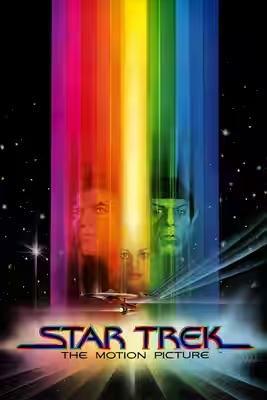
Star Trek II: The Wrath of Khan is the better film by some distance, and the more welcoming one. Star Trek: The Motion Picture is long, slow and solemn, with a middle hour that tests patience; The Wrath of Khan is a 113-minute thriller with a villain worth the name. Only viewers who prize the earlier film's score and ship design over story will prefer it.
Do you need to have seen the other Star Trek films before Star Trek II: The Wrath of Khan?
Star Trek II: The Wrath of Khan stands alone and is a good place to start. Khan comes from an old television episode and the film picks up his grudge fifteen years on, but it tells you everything you need. We would recommend it as a first Star Trek film over the one that came before it.
What should I watch after Star Trek II: The Wrath of Khan?
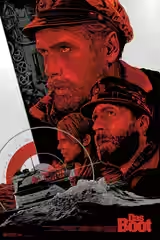
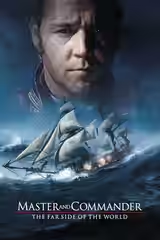
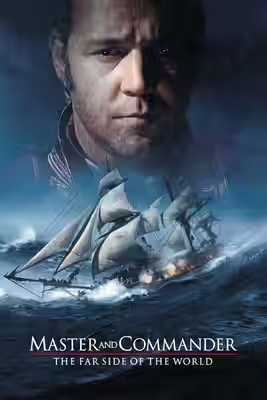
After Star Trek II: The Wrath of Khan, try Das Boot (1981, Fi1m 89): Men in a metal tube waiting to hear whether they are dead, at length. Then Star Trek VI: The Undiscovered Country (1991, Fi1m 74): Meyer returns to the crew, older still, and gives them a Cold War to end; and Master and Commander: The Far Side of the World (2003, Fi1m 86): Wooden ships, a long chase and a captain who feels the years in his knees.
What order should I watch the Star Trek films in?
Release order is the safe choice for Star Trek, and it is the order our collection page lists them in. Star Trek II: The Wrath of Khan is number 2 of the 13 Star Trek titles on Fi1m; before it comes Star Trek: The Motion Picture and after it Star Trek III: The Search for Spock. The full order.

Part of · 2 of 13

Star Trek

13 films on Fi1m · 1979–2016 · average 66 · best Star Trek II: The Wrath of Khan 85

All 13 in order

Cast

If you liked this, try…

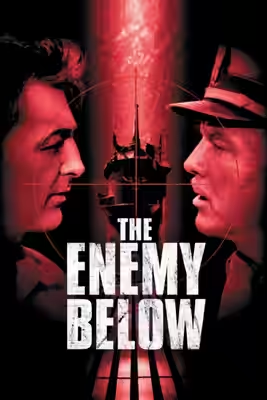
  1. The Enemy Below (1957) · not reviewed yetTwo captains who never meet, hunting each other by instrument; Meyer’s template, plainly.

  2. Das Boot (1981, Fi1m 89)Men in a metal tube waiting to hear whether they are dead, at length.

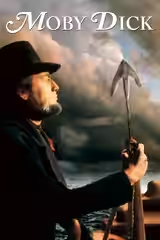
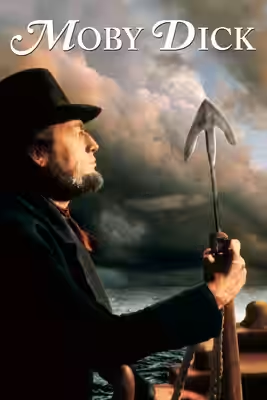
  3. Moby Dick (1956) · not reviewed yetWhere Khan got his lines; Gregory Peck’s Ahab is nearly as grand a grudge.

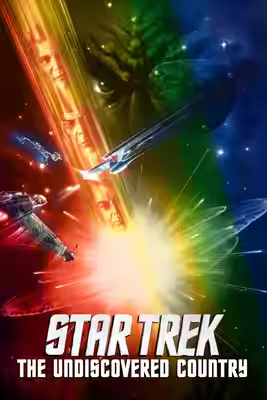
  4. Star Trek VI: The Undiscovered Country (1991, Fi1m 74)Meyer returns to the crew, older still, and gives them a Cold War to end.

  5. Master and Commander: The Far Side of the World (2003, Fi1m 86)Wooden ships, a long chase and a captain who feels the years in his knees.

Free account

Know what to watch tonight

Two lists that know where things are streaming, collections you can share, your own score beside ours, and Discover that remembers what you have seen.

  • Want to see, sorted by what is streaming now
  • Seen, with your score out of ten
  • No adverts, ever