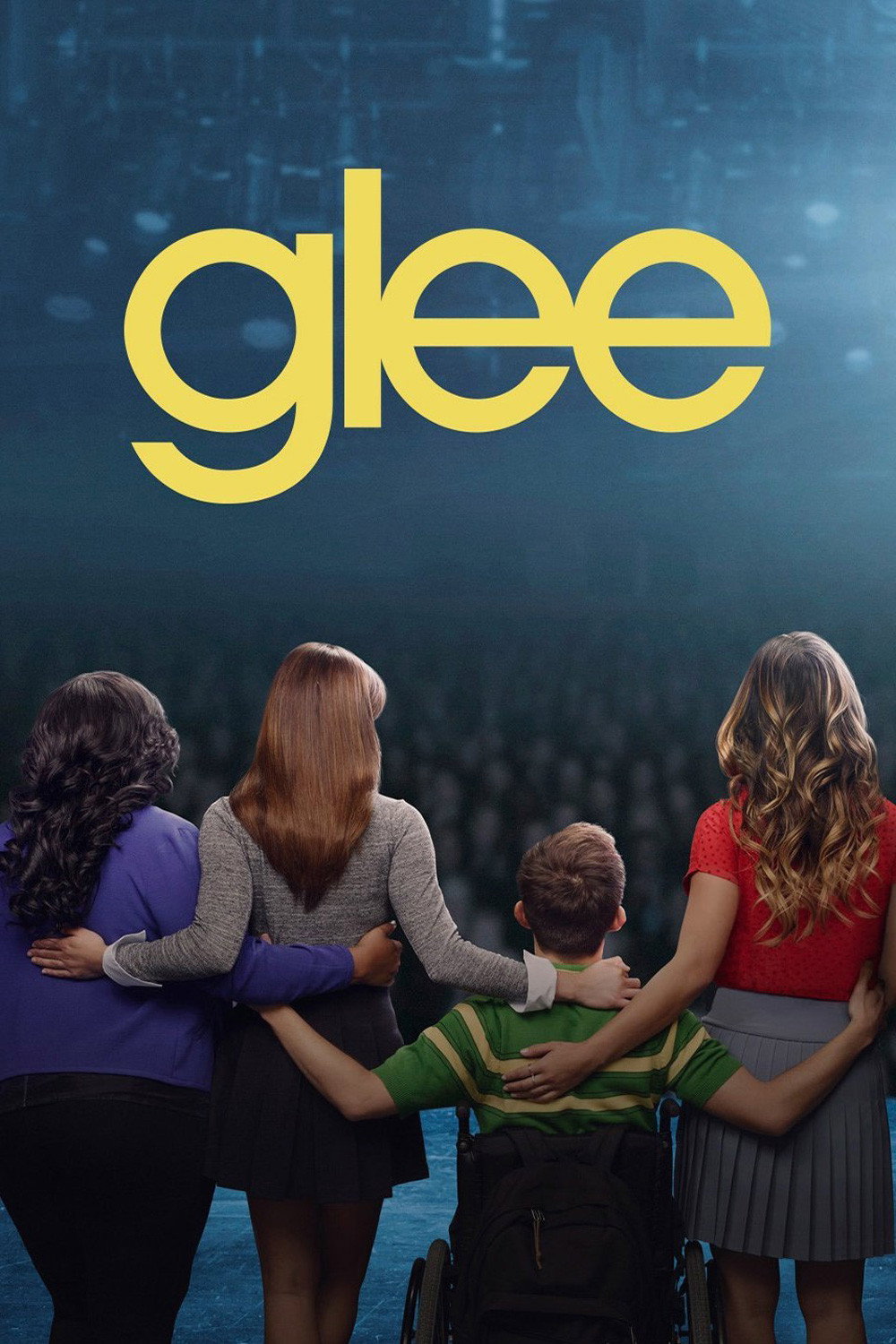
For one season Ryan Murphy, Brad Falchuk and Ian Brennan had the sharpest, oddest comedy on American television, with Jane Lynch as its poison. Five more seasons followed, and the programme forgot which parts of itself were the good ones.
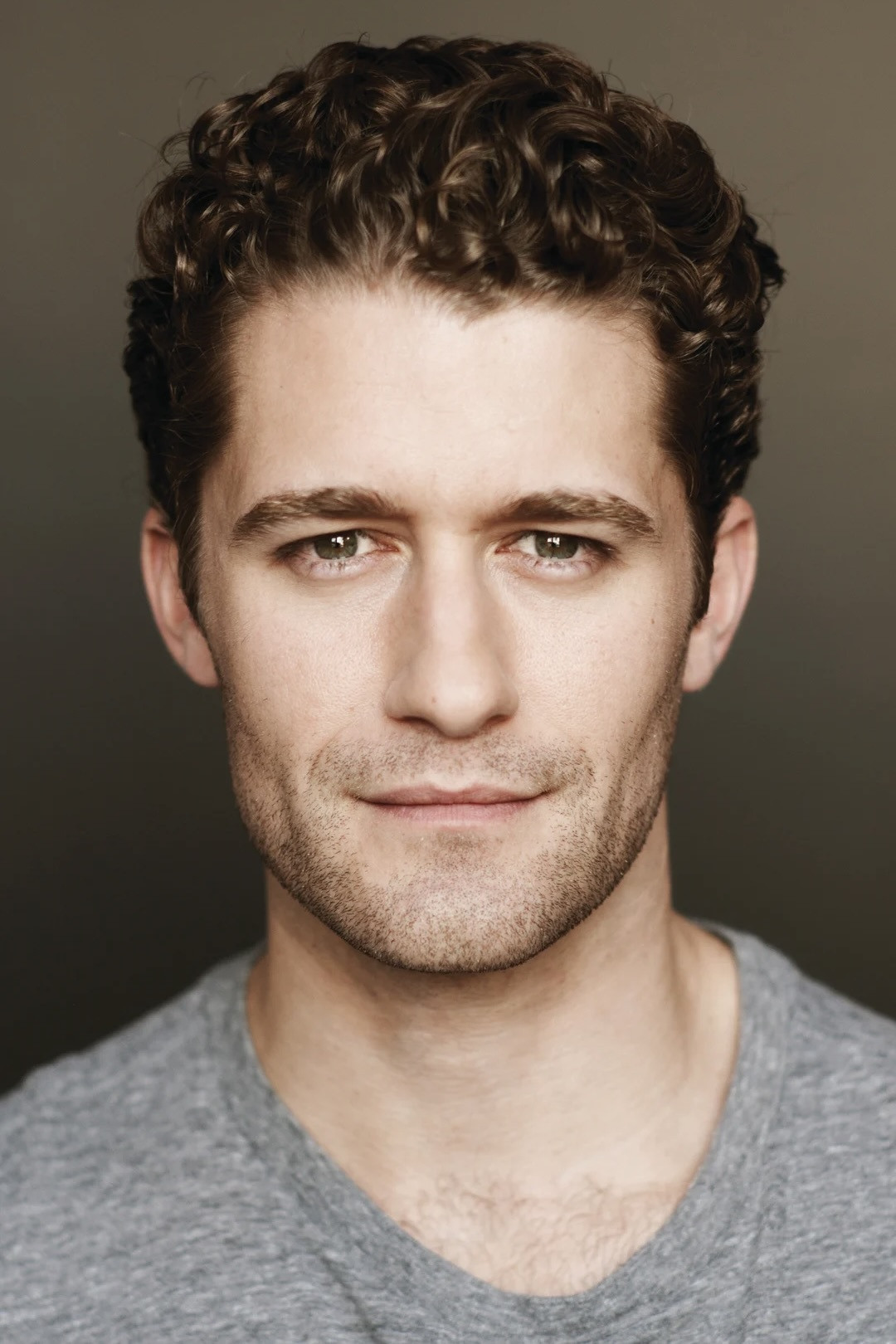
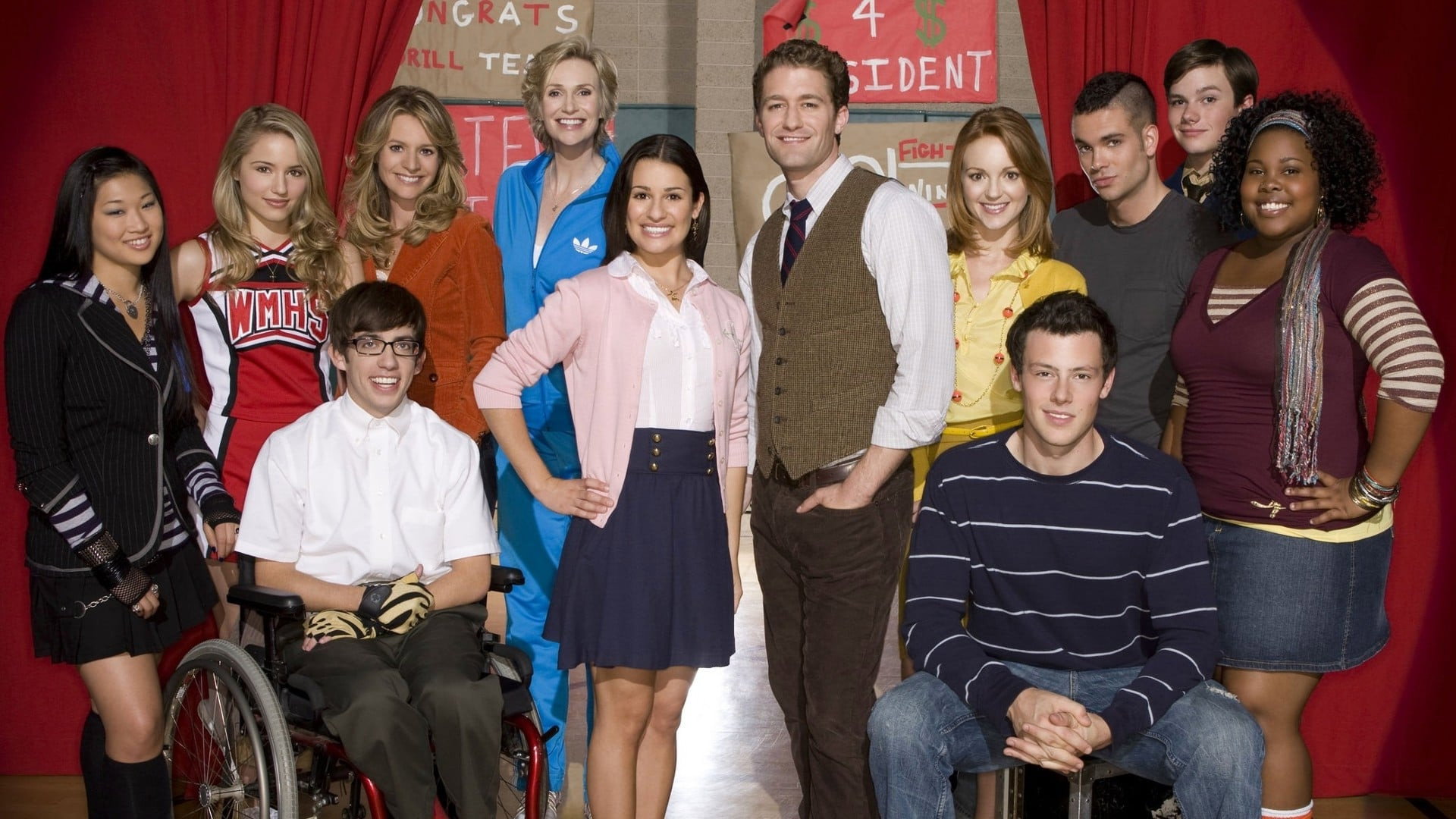
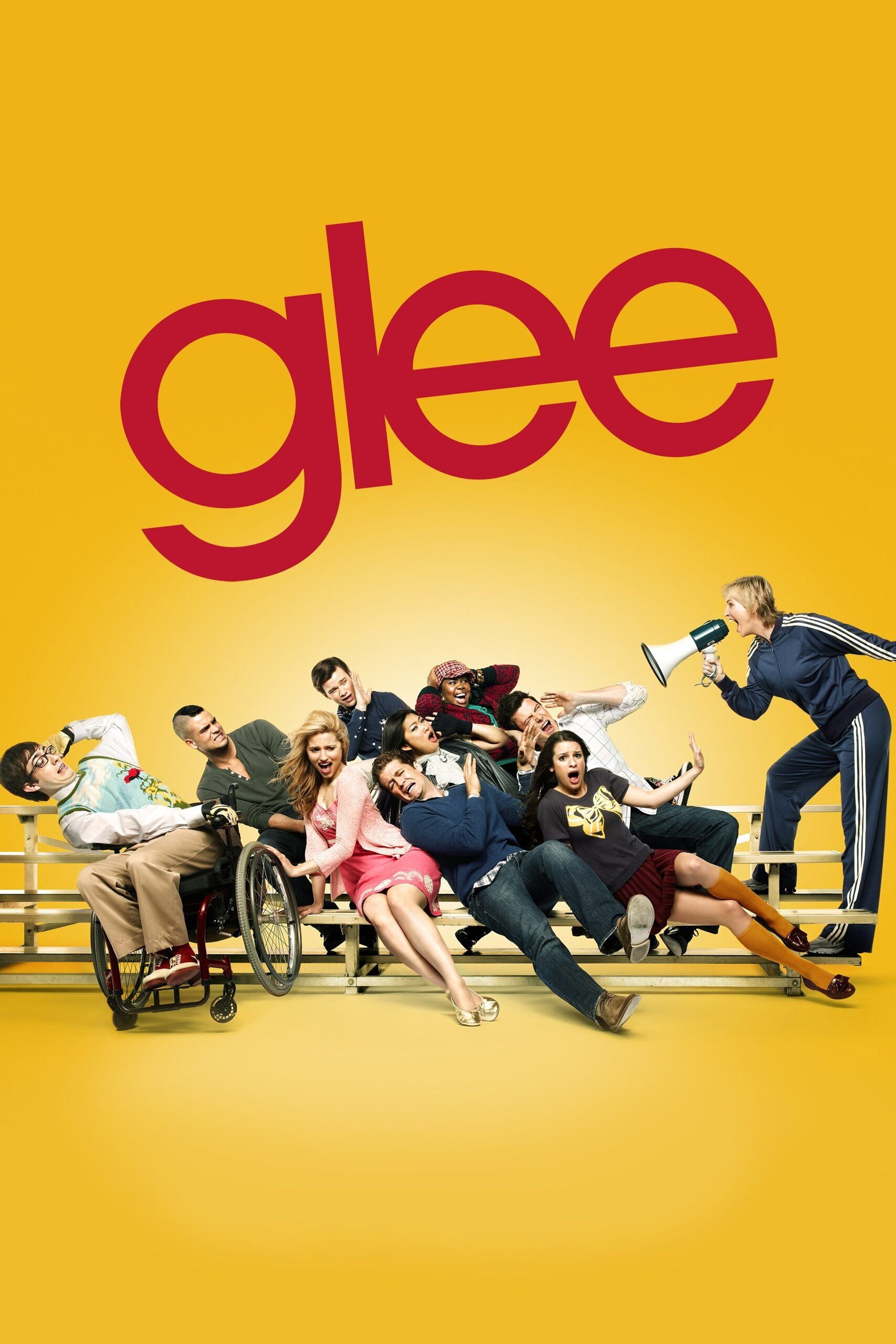
Glee is a comedy about a failing show choir at an American high school, and about the Spanish teacher, Will Schuester (Matthew Morrison), who decides to rescue it. Ryan Murphy, Brad Falchuk and Ian Brennan built it from three things that should not fit: a teen soap, a sitcom with a mean streak, and a musical that stops three or four times an episode for a pop cover. For the first season, which began on 19 May 2009, the join barely showed. It then ran for six seasons and 121 episodes, and the later ones are why we cannot score it higher. Watch the first year; treat the rest as optional.
Jane Lynch is the reason the first year works. Sue Sylvester coaches the cheerleaders, wants the glee club dead, and says so in long, calm sentences delivered as though reading the weather. Lou Eyrich puts her in a zipped tracksuit in a different colour each week, and the tracksuit does half the acting. Lynch never plays Sue as a woman with a wound; she plays her as a natural disaster with a filing cabinet. Whenever the show goes soft, and it often does, she walks in and it stiffens.
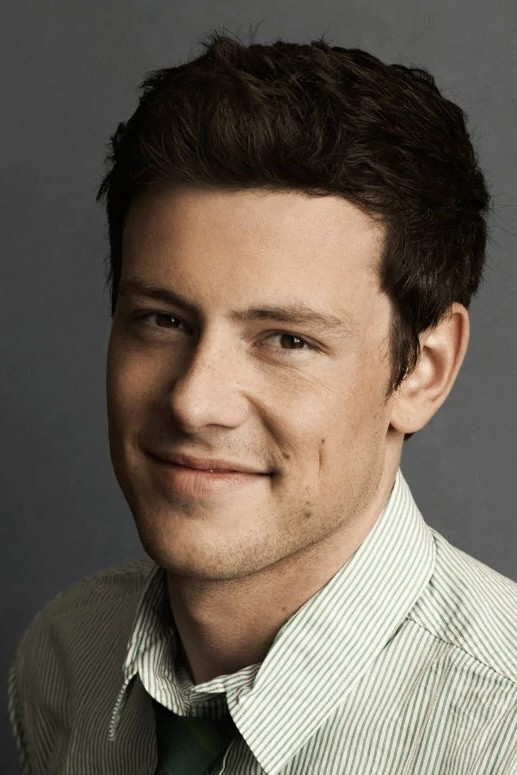
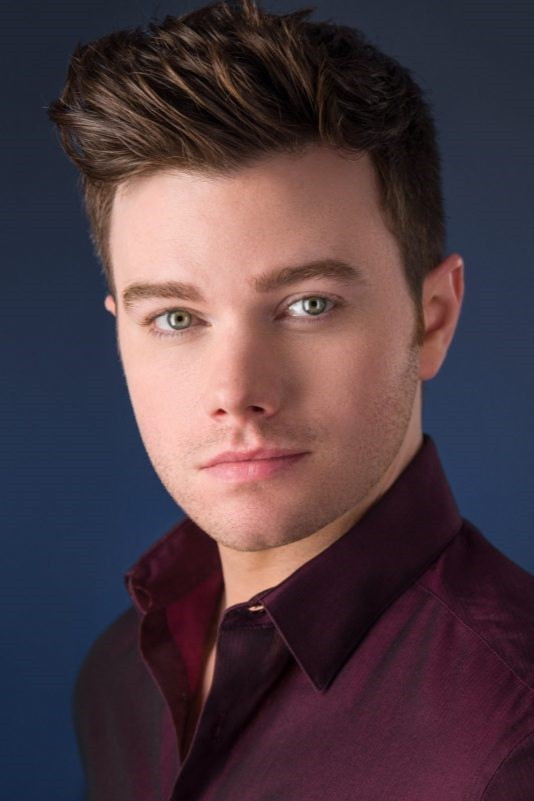
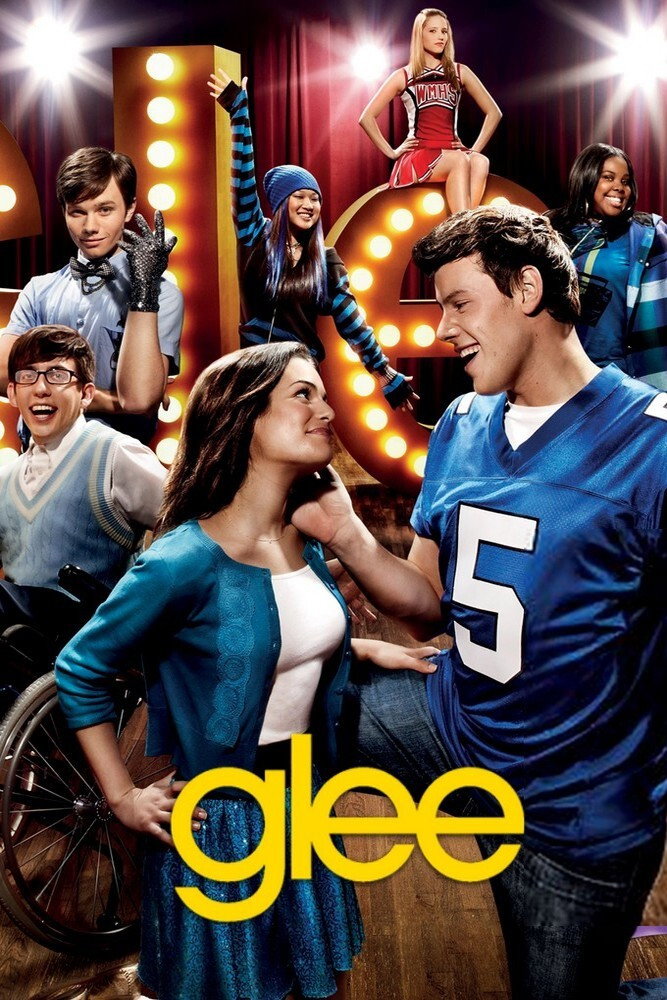
The songs are the other reason. The pilot ends with the club singing ‘Don’t Stop Believin’’, and we had come expecting to be irritated. For four minutes we were not. It was the smallness that got past us: the song too big for them, and Lea Michele’s voice, which is not small at all. Michele plays Rachel Berry as a girl who has decided to be famous and will be disliked for it if necessary, and the show is honest about how tiring she is. Cory Monteith’s Finn Hudson is a big, kind boy who looks puzzled by his own singing, and he is the easiest person on screen to like. Chris Colfer’s Kurt Hummel gets the steadiest writing in the series, which may be because Colfer went on to write for it himself.
Christopher Baffa lights the school flat and bright, the lockers a clean primary blue, so that when a number begins and the light drops to a single spot, the change registers before the first note. Mark Hutman’s choir room is risers, a piano, red plastic chairs and a whiteboard with the week’s theme on it, and the show never finds a better room. Bradley Buecker, who edits and directs, cuts the songs on the beat and cuts away from the feet whenever anyone has to dance, which is a kindness to several of the cast. James S. Levine’s incidental score, plucked strings creeping under Sue’s plotting, is wittier than much of the dialogue it sits beneath.
The adults were the problem from the start. Will’s marriage to Terri del Monico (Jessalyn Gilsig) is written as a sitcom nightmare and played as one, and Morrison, who can sing and dance and is game for anything, is never told whether Will is the hero or the joke. The pupils are left to carry all of the feeling, and the more the writers noticed that the audience liked the feeling, the more of it they ordered.
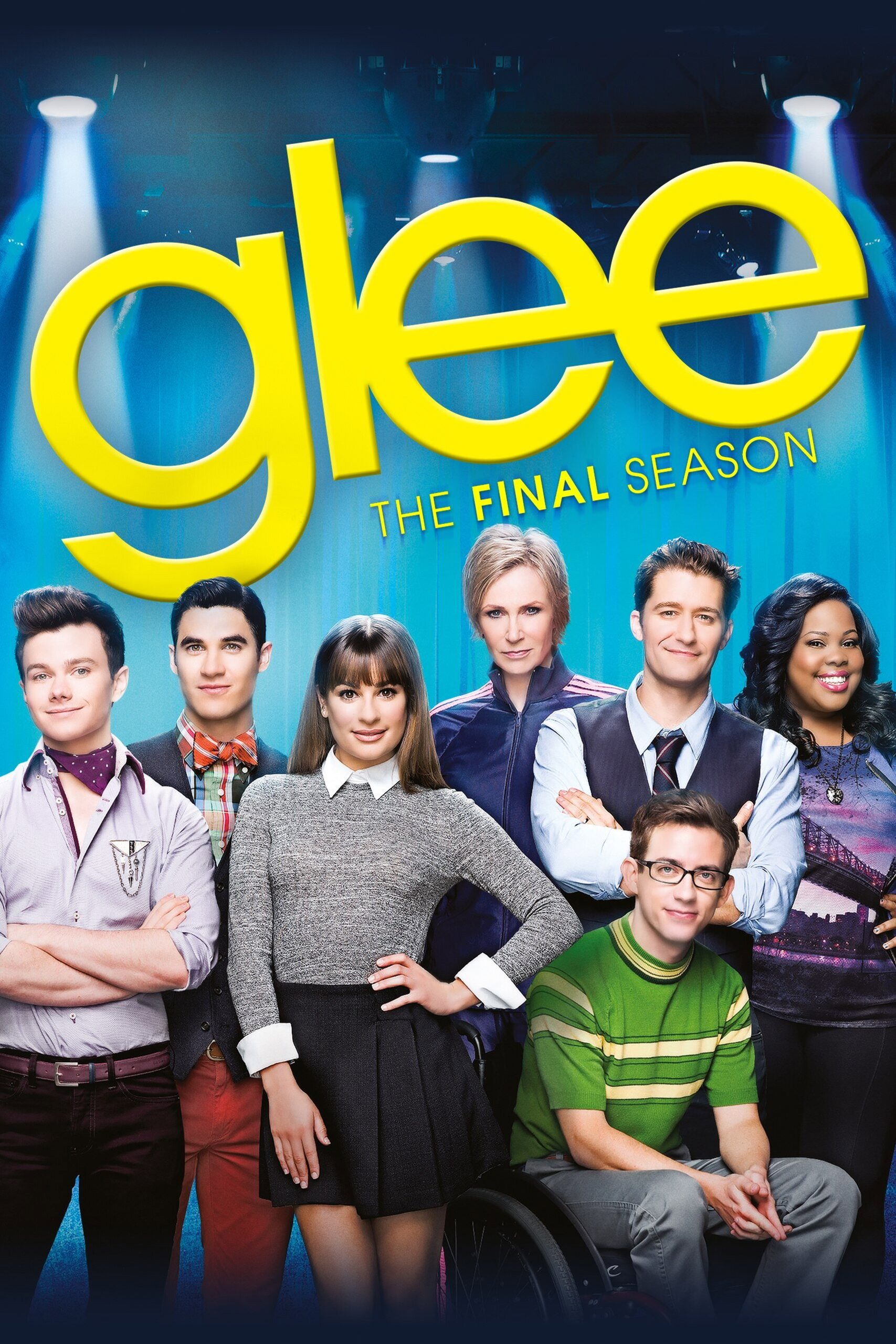
That is what happened to the later seasons. Songs arrive before the reasons for them, whole episodes are built around a single artist’s back catalogue, and characters change their minds between scenes because the next number needs them to. A new class turns up, Marley Rose (Melissa Benoist), Jake Puckerman (Jacob Artist) and Kitty Wilde (Becca Tobin), and is asked to be the old class again. By the fourth season we were bored, and by the fifth we were irritated, because a show that had been sharp about high-school sentiment was now producing it by the yard. The one steady gain is Naya Rivera, whose Santana Lopez grows from a cheerleader in the back row into the funniest and saddest person in the building.
Most critics scored it on the pilot, and on the pilot they were right. Our advice is the advice we give about most long American series, and we mean it more firmly here: watch the first 22 episodes, notice the moment the songs start turning up before the scenes that need them, and stop. The show did not.