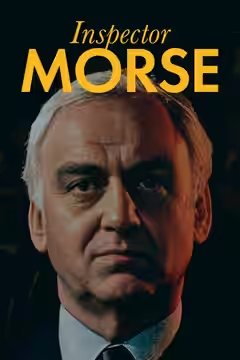
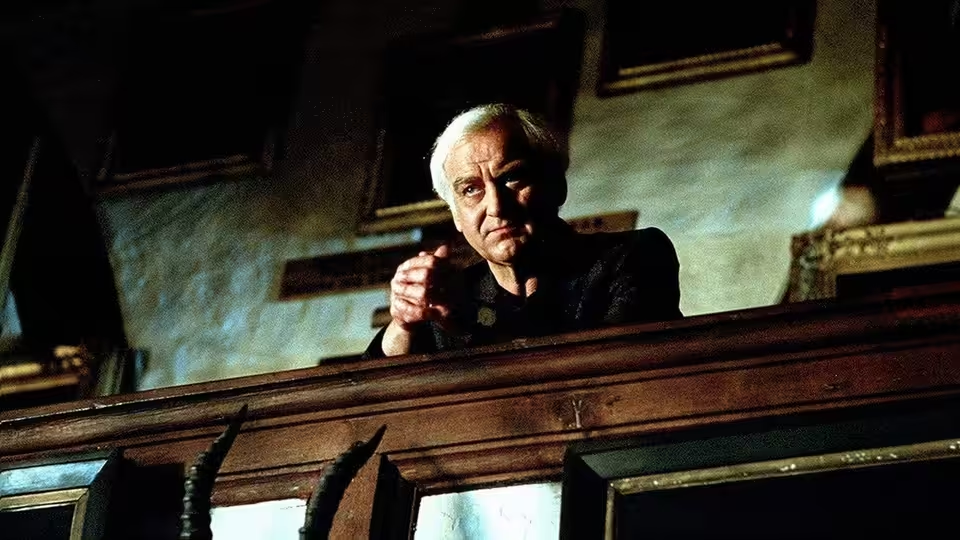
An older man leans forward over a wooden railing in a formal hall
Series review

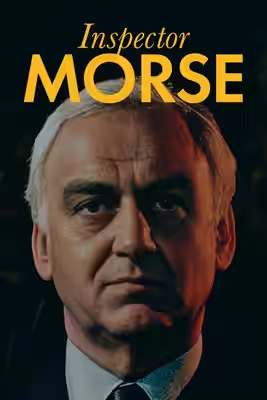
Inspector Morse

1987 · Created by Tony Warren, Colin Dexter · Series · 1h 40m

In a sentenceA hundred minutes with a gruff detective, and somehow we would still invite him back

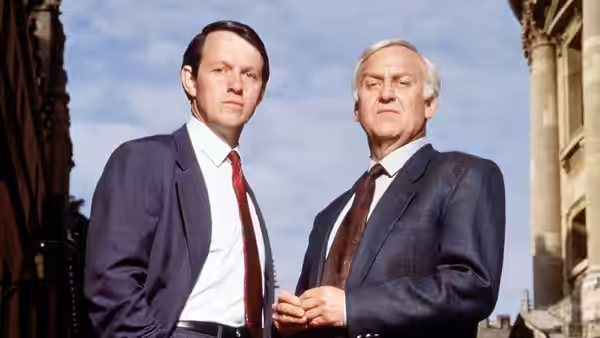
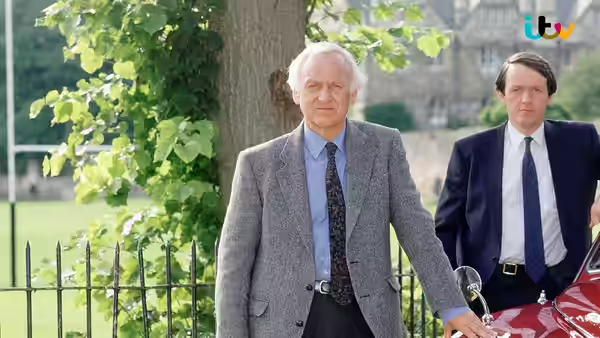
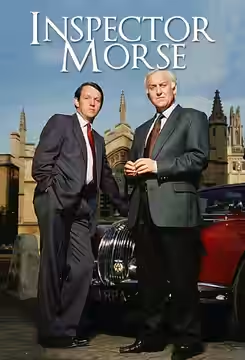
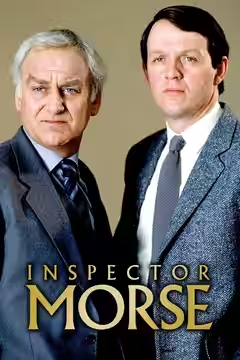
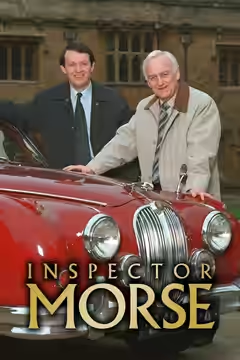
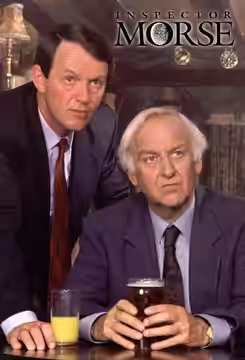
In Oxford, Chief Inspector Morse (John Thaw) works through complicated criminal cases alongside Detective Sergeant Lewis (Kevin Whately). Morse brings a gruff manner and a romantic temperament to the partnership; their exchanges supply the running banter as the investigations unfold. Dr. Max DeBryn (Peter Woodthorpe) and Chief Superintendent Strange (James Grout) are among the professional figures around them. Each case puts Morse in search of an explanation, with the complexity of the mystery standing between the detectives and an answer.

Fi1m review

John Thaw and Kevin Whately make these slow Oxford mysteries worth settling into. The cases can take too long to untangle, but the prickly company and quiet humour earn our patience.

Inspector Morse is good company for a long evening, though the cases sometimes ask for more patience than they earn. The programme gives its detective time to be difficult and expects us to remain interested. John Thaw justifies that confidence, making Chief Inspector Morse’s gruffness something we can put up with without pretending it is always charming. The mysteries matter, but the reason to return is the uneasy warmth between Morse and Kevin Whately’s Detective Sergeant Lewis.

John Thaw understands how much a romantic streak can change our response to a bad-tempered man. Morse is allowed to seem susceptible as well as difficult, and that keeps the performance from becoming a demonstration of superior intelligence. We need to believe there is something in his life beyond getting the answer right. The performance supplies that suggestion without making the character so agreeable that the gruffness ceases to matter.

Lewis is just as important to the pleasure. The banter gives Morse somebody to answer to in the moment, and Kevin Whately makes the exchanges sound like part of a working day. We laughed because the humour comes from the familiarity between these colleagues; neither needs to announce that a joke has arrived. That ease is harder to achieve than the writing can make it look. It helps us stay with the detectives while the case takes its time.

The Oxford setting helps with that patience. It gives the investigations a place we want to spend time in, without requiring a new attraction every few minutes. Barrington Pheloung’s music suits the romantic side of Morse and encourages us to hear some sadness beneath his manner. The measured pacing also gives the two leads room to make an exchange count. These are sensible choices for a programme whose chief attraction is the experience of being with its detectives.

Writers including Anthony Minghella, Julian Mitchell and Alma Cullen have to keep those exchanges alive while sustaining complicated investigations. The partnership is the more dependable pleasure. A case can take a long time to untangle without every delay feeling necessary, and the series sometimes leans too heavily on our willingness to wait. That is where the slow pace becomes a weakness. We can enjoy the company and still wish the investigation would move along.

Directors including John Madden, Peter Hammond and Antonia Bird contribute to a programme that makes a useful choice about its central character. Morse’s difficult manner does not have to fill every available minute. For a detective drama, that restraint matters: an investigator’s personality can become exhausting when it is the only thing being offered. Here the setting, the cases and Lewis’s presence give us other reasons to stay, even when Morse is being hard work.

The 100-minute running time is worth taking seriously when choosing an evening’s viewing. The pleasure depends on having enough patience for the case as well as the conversation. Give it an evening when the slow work of detection is part of the attraction.

Critical consensus AI synthesised

1 of 6
Positive
1
Mixed
0
Negative
0
Den of Geek
10 January 2017 · Gem Wheeler
85*

The critic celebrates Inspector Morse as a king among detective dramas whose appeal endures through its lead performance, witty sidekick relationship, atmospheric Oxford settings and complex cases. Thaw's gruff yet romantic Morse, the banter with Lewis and the slow-burn mysteries stand out as highlights in this retrospective ranking of the best episodes from the 1987-2000 series.

Read the full review →

Straight answers AI written, from our review

Is Inspector Morse worth watching?
Inspector Morse is worth watching for anyone who enjoys a slow detective drama built on the company of its leads, and we scored it 84. John Thaw and Kevin Whately make the gruff partnership between Morse and Lewis the main pleasure. The cases can take longer to untangle than they need to, so give it an evening when you have the patience.
How long is Inspector Morse, and what is it rated?
Inspector Morse has episodes of about 1h 40m. It is a crime and drama series.
Where can I watch Inspector Morse in South Africa?
Inspector Morse is not on any streaming or rental service in South Africa at the moment. It is available in 5 other countries; change your country at the top of the page to see where. Availability is checked daily.
How violent or frightening is Inspector Morse, and is it suitable for children?
Inspector Morse carries a UK 15 certificate, so it is not intended for children, and its Oxford murder cases are adult in subject. It is a measured detective drama rather than a frightening one; the appeal is the conversation between Morse and Lewis, not shocks. Older teenagers with a taste for crime stories should be fine, though the slow pace may test them.
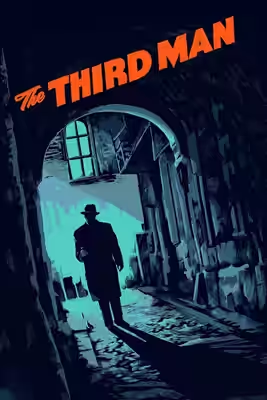
How does Inspector Morse compare to The Third Man?
Inspector Morse is a slow, talkative television detective series, while The Third Man is a tight, gripping feature-length mystery, so they suit different evenings. Carol Reed's film is the more urgent and the better made, with a romance worth distrusting at its centre. Morse offers something the film cannot: the long, prickly companionship of two colleagues you come to know over many cases.
What should I watch after Inspector Morse?
After Inspector Morse, try The Third Man (1949, Fi1m 92): A city worth exploring, a mystery worth following, and romance worth distrusting. Then Memories of Murder (2003, Fi1m 91): Patient detective work, fallible investigators and humour that grows harder to enjoy; and Prime Suspect (1991, Fi1m 88): For a police drama less inclined to make difficult work comfortable.

Cast

Awards

BAFTA Television Awards, 1993

Won
Best Actor

If you liked this, try…

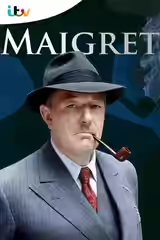
  1. Maigret (1992) · not reviewed yetAnother detective whose company matters as much as the solution he reaches.

  2. The Third Man (1949, Fi1m 92)A city worth exploring, a mystery worth following, and romance worth distrusting.

  3. Memories of Murder (2003, Fi1m 91)Patient detective work, fallible investigators and humour that grows harder to enjoy.

  4. Prime Suspect (1991, Fi1m 88)For a police drama less inclined to make difficult work comfortable.

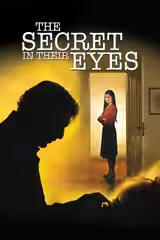
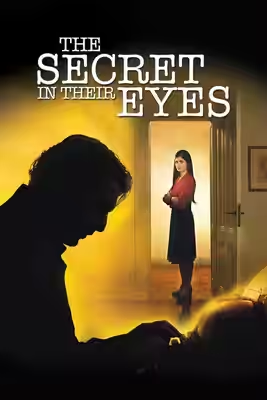
  5. The Secret in Their Eyes (2009, Fi1m 78)An investigation where romantic longing proves as persistent as the unanswered questions.

Free account

Know what to watch tonight

Two lists that know where things are streaming, collections you can share, your own score beside ours, and Discover that remembers what you have seen.

  • Want to see, sorted by what is streaming now
  • Seen, with your score out of ten
  • No adverts, ever