Series review

Masters of Sex

2013 · Created by Michelle Ashford · Series · 1h 00m · MPA TV-MA

In a sentenceMichael Sheen stares at an orgasm the way other men stare at a tax return

Drama

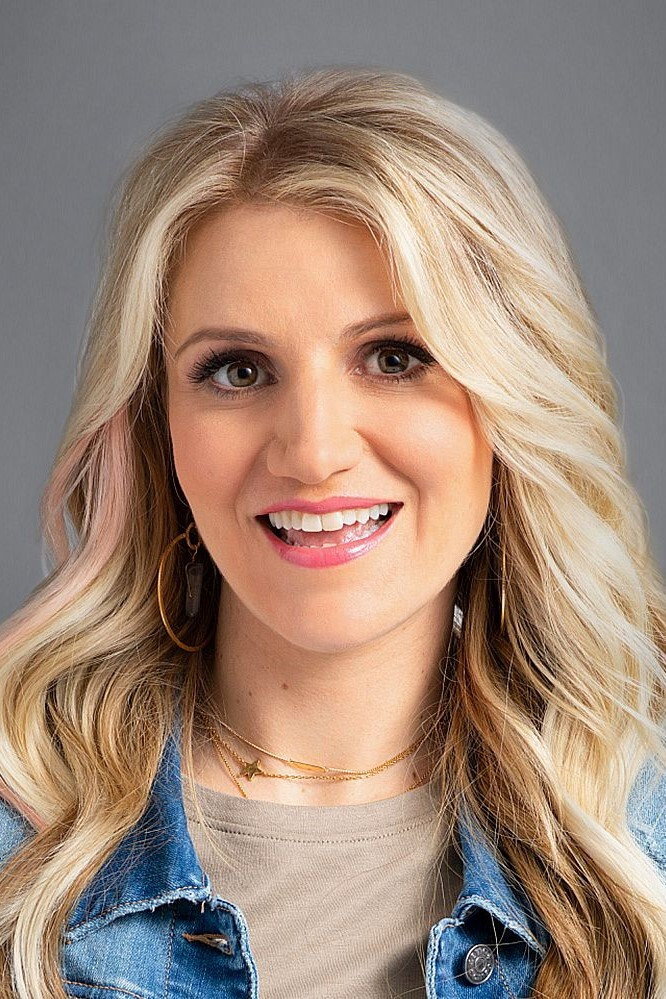
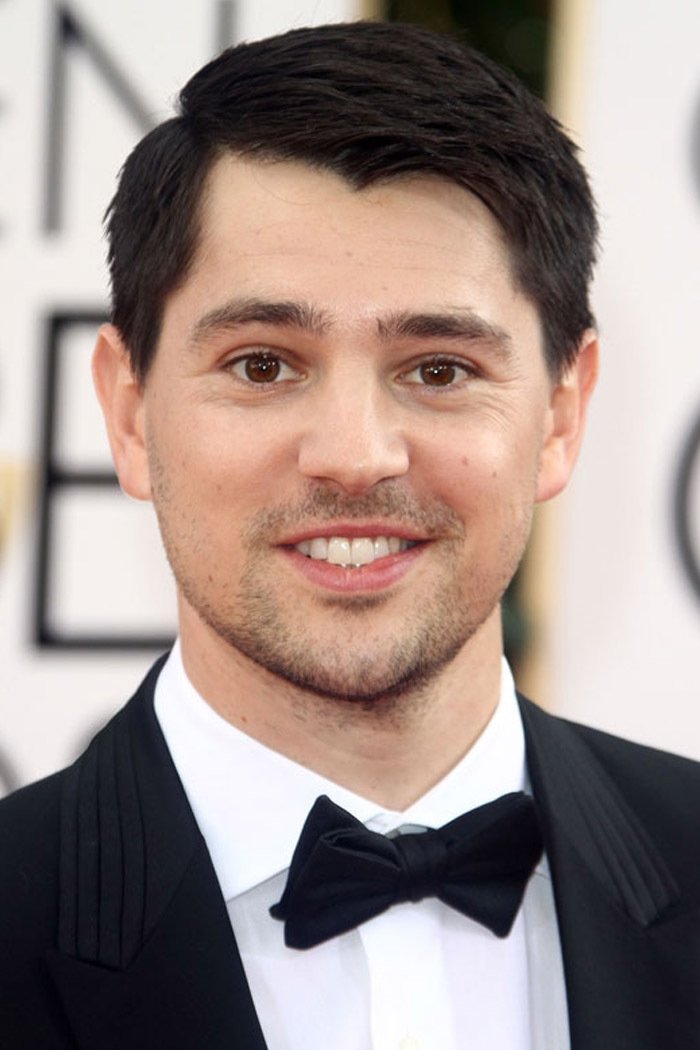
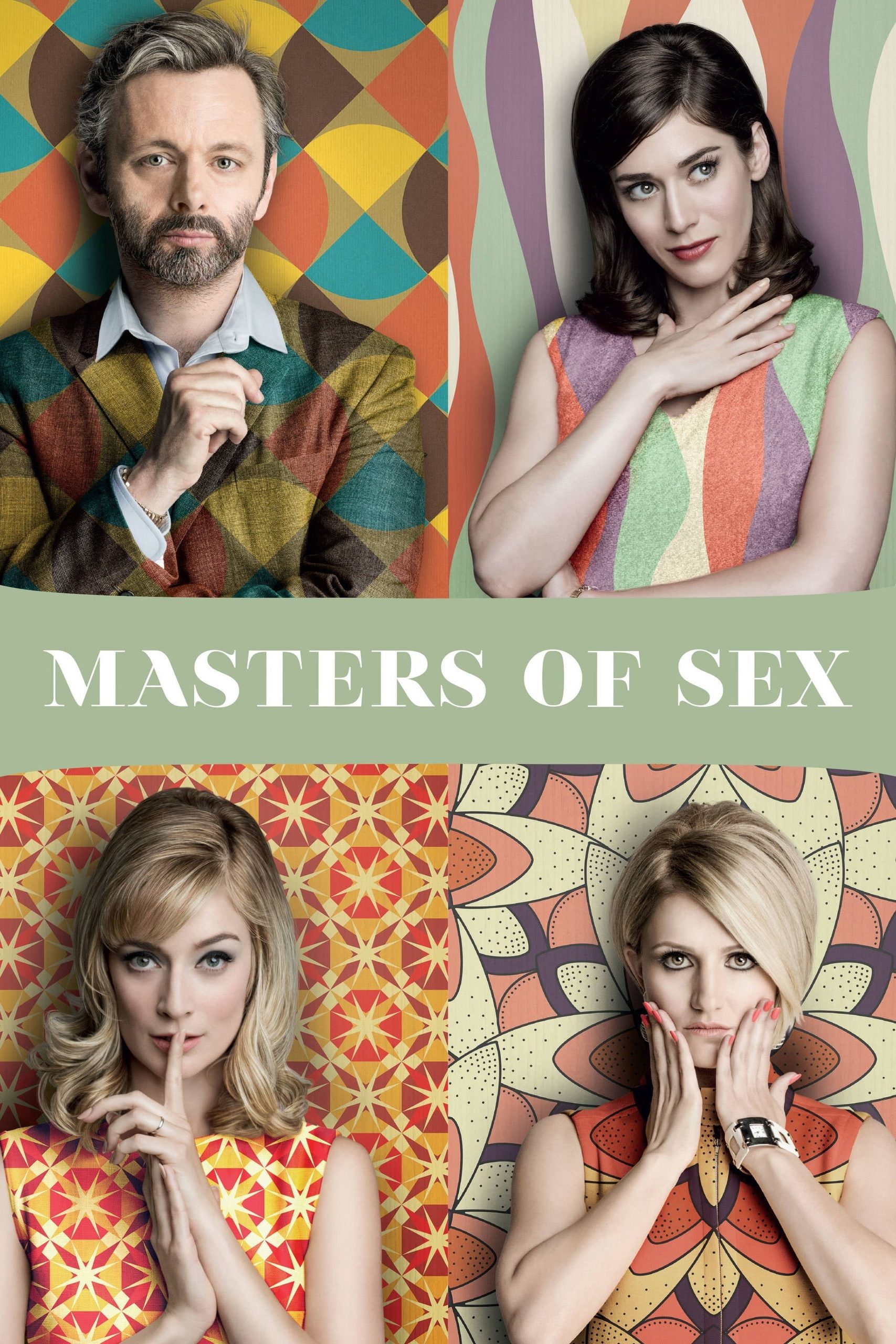
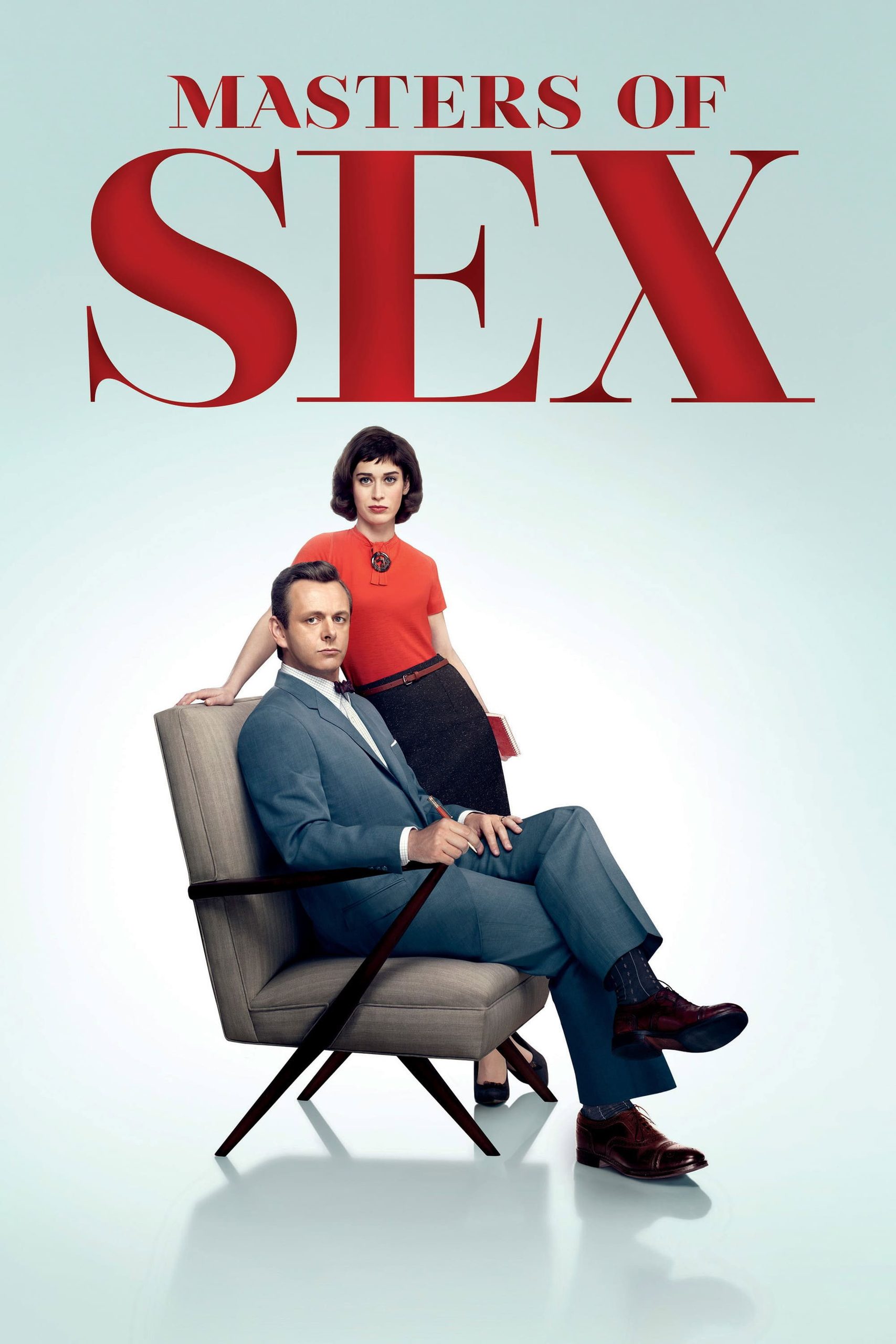
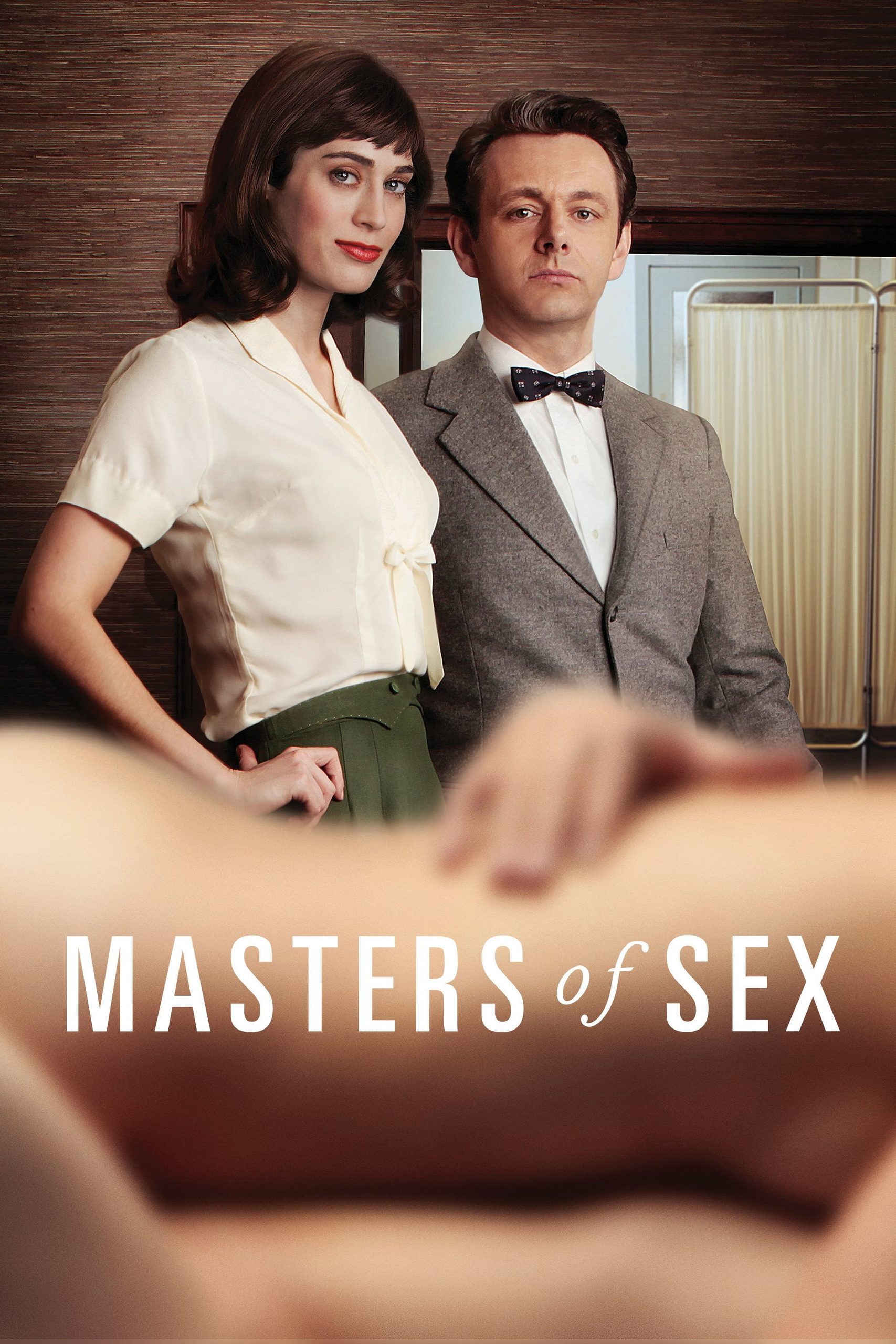
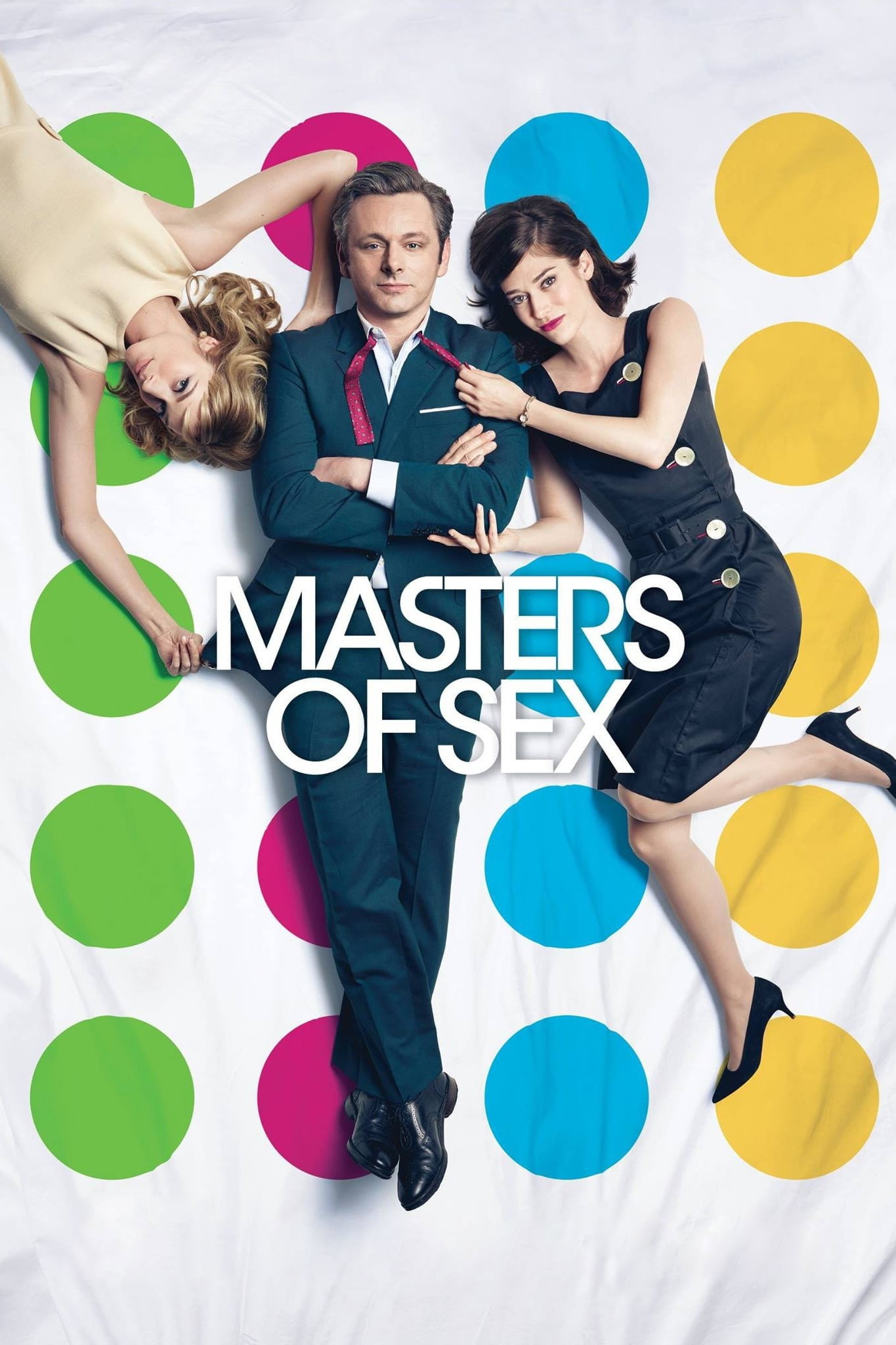
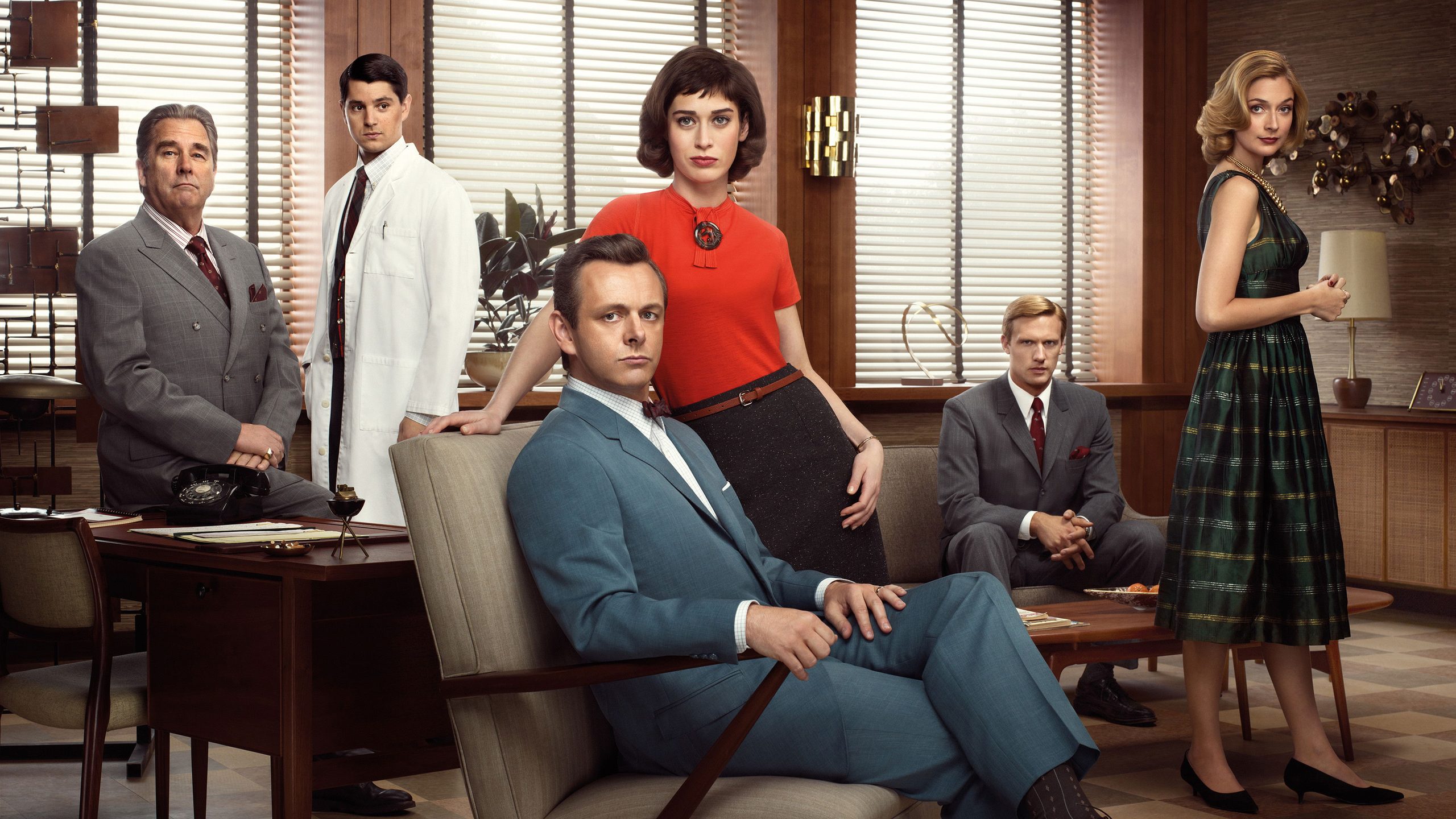
Dr William Masters (Michael Sheen), a fertility specialist at a university hospital, delivers other people’s babies by day and spends his nights in a brothel, watching a prostitute, Betty DiMello (Annaleigh Ashford), through a hole in a wardrobe door with a stopwatch in his hand. He wants to measure what happens to the human body during sex, and he needs the hospital’s blessing and money to do it. Virginia Johnson (Lizzy Caplan) applies for a job as his secretary and makes herself indispensable to the study. At home, his wife Libby (Caitlin FitzGerald) wants a baby and does not know why one has not come. Ethan Haas (Nicholas D’Agosto), a young doctor, wants Virginia for himself.

Fi1m review

Michelle Ashford’s drama about the researchers who put sex under the lamp is handsome, well acted and cleverer than its subject suggests. It is at its best in the basement with Sheen and Caplan, and it weakens whenever it leaves them for the suburbs.

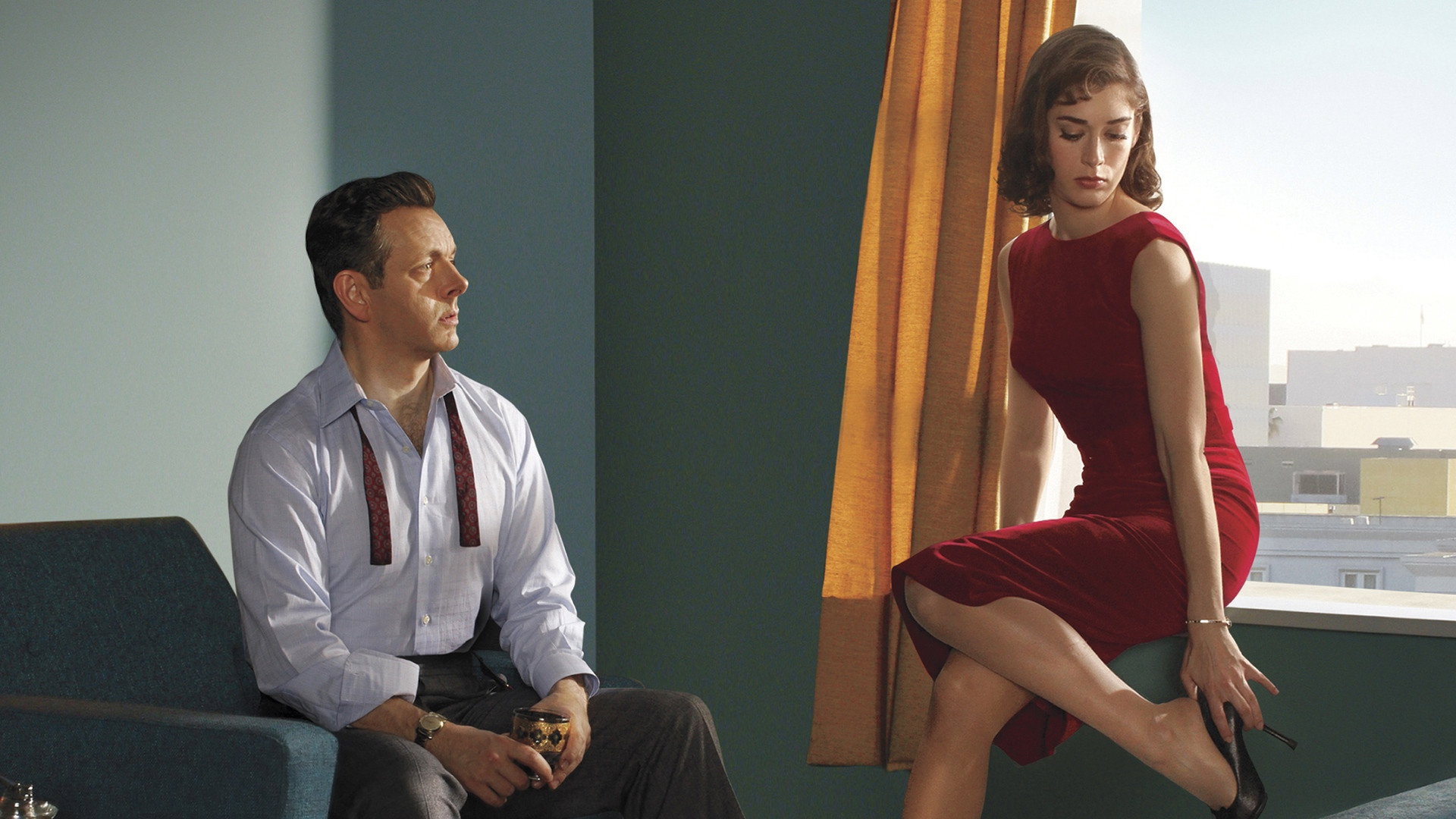
Michelle Ashford’s programme, drawn from Thomas Maier’s book, tells the story of William Masters and Virginia Johnson, who set out to measure what happens to the human body during sex. The easy version of this would be a run of tasteful nudity with a bow tie in the corner. Ashford has done something harder: she has made a drama about work. The sex is there, but the scenes that hold are the ones about who gets funded, who gets credited and who is allowed to watch.

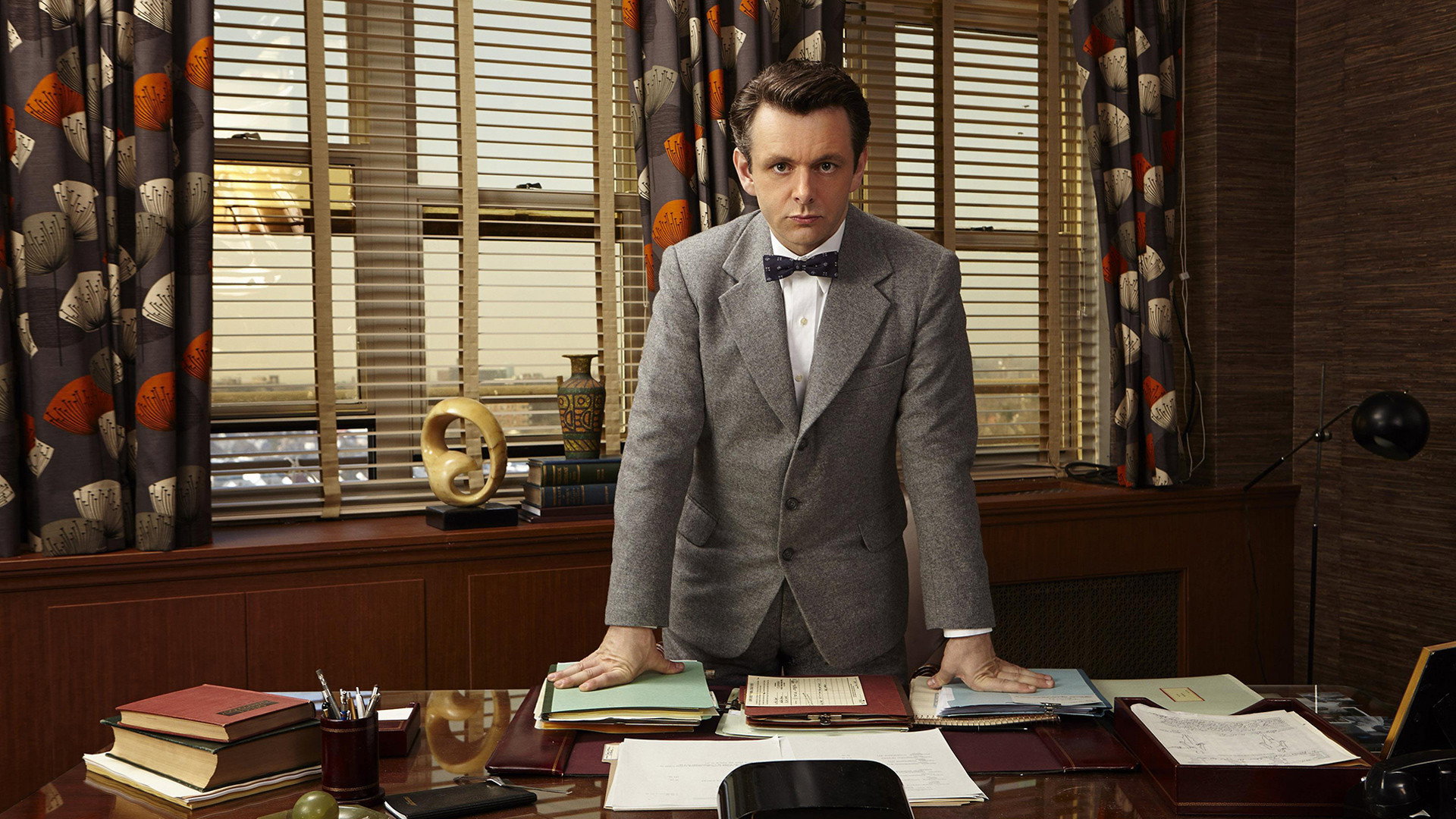
Michael Sheen plays Masters as a man who has decided that feeling is a form of error. He speaks in short, complete sentences, holds his cigarette like an instrument, and looks at a naked woman the way a surveyor looks at a field. The performance gives the audience almost nothing to like for several hours, and at least one review found the pilot cold for that reason. We think the cold is the point. Every small crack in the man, a hand left a moment too long on a shoulder, a lie told to his wife, registers because the surface around it is so smooth.

Lizzy Caplan is the reason to keep watching. Her Virginia Johnson walks into the hospital knowing more about the subject than any of the men studying it, and Caplan plays her as practical rather than knowing, a woman who has worked out how the world runs and has stopped being offended by it. When she tells Masters that women sometimes pretend, and he stares at her as if she has reported a new element, we laughed out loud, then realised the programme had just made its whole argument in one exchange. He has the machines. She has the information.

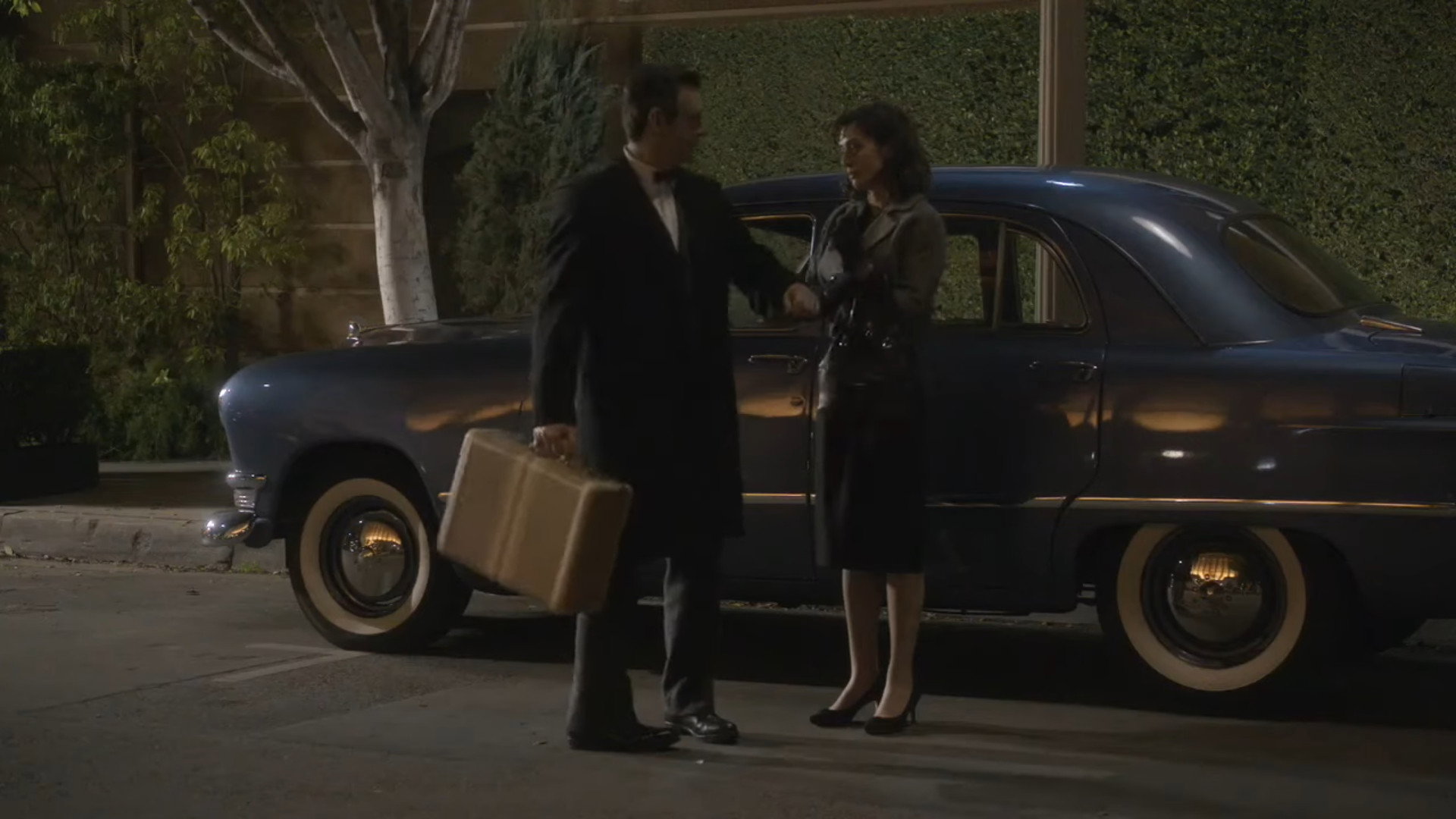
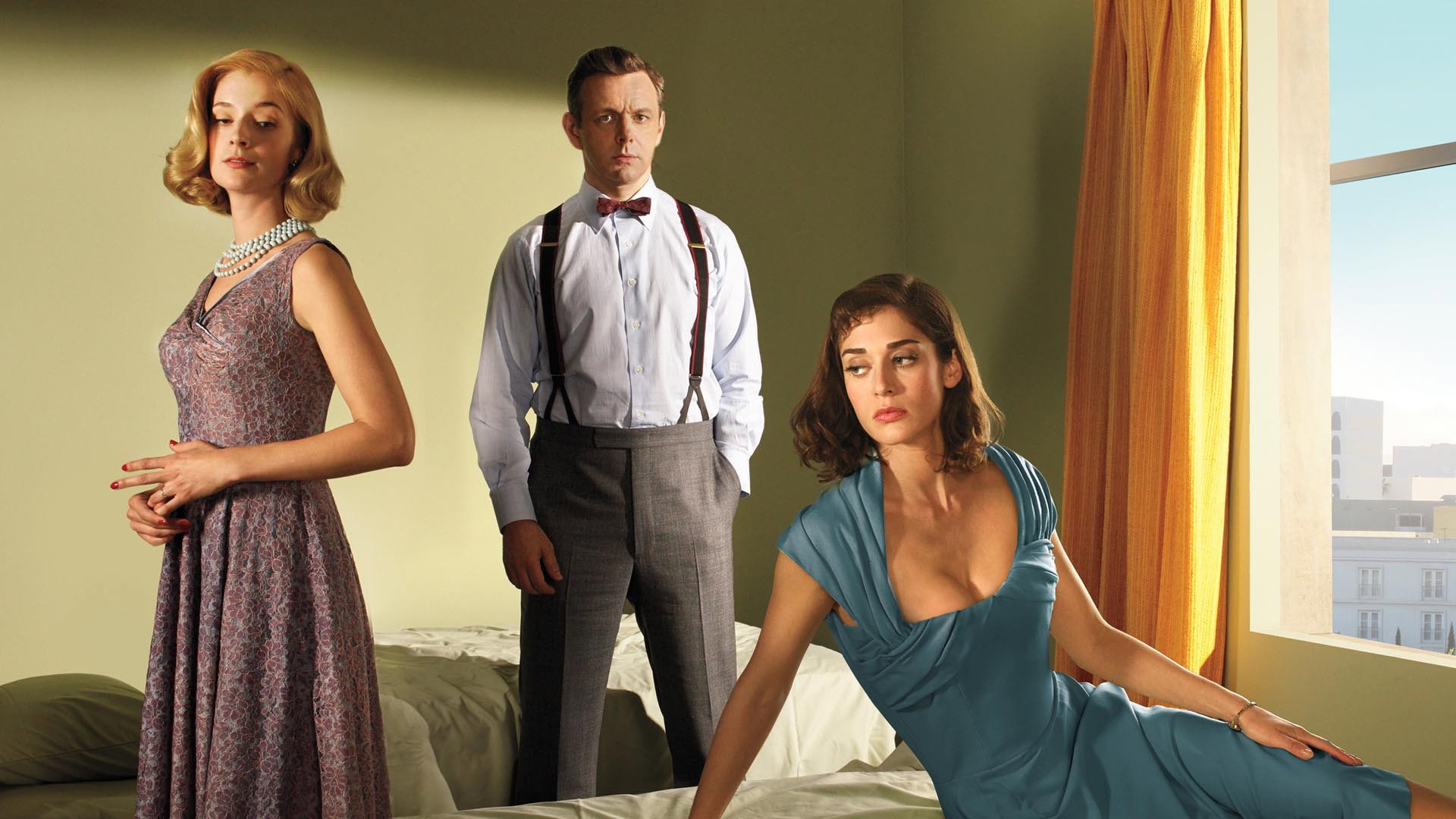
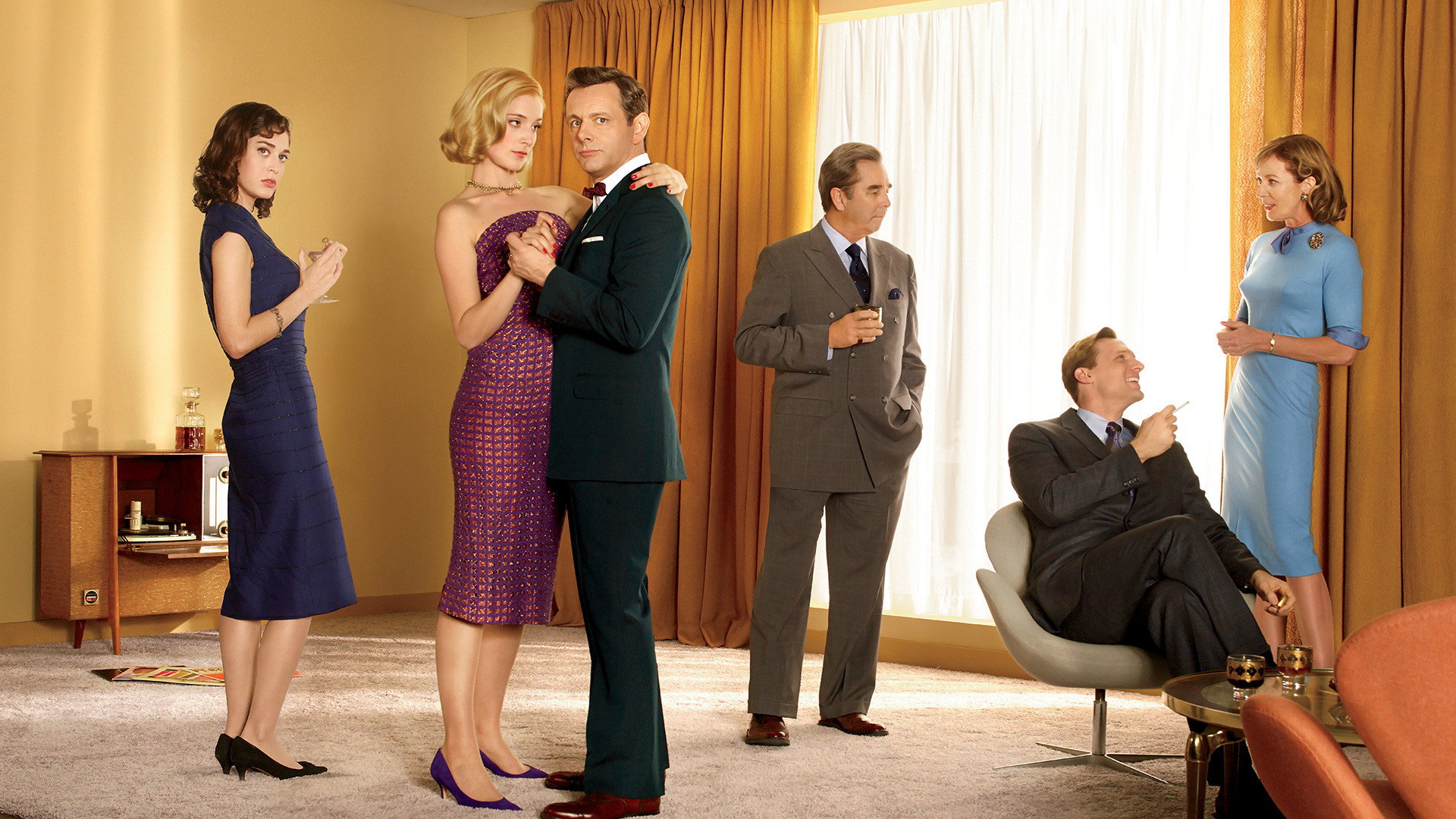
The look is careful without being fussy. Ane Crabtree’s costumes do a lot of the character work: Virginia in fitted blouses and pencil skirts a shade brighter than anyone else’s, Libby Masters in the soft pastels of a magazine advertisement, Bill in the same dark suit and bow tie in every scene as if he had bought a dozen. Michael Penn’s music is light, jazzy and slightly mischievous, and the title sequence, all fruit and pistons and trains entering tunnels, promises a programme funnier than the one we get.

Because it is not, quite. The trouble is the house. Caitlin FitzGerald is good as Libby, and the early stretch in which Bill lets his wife believe their childlessness is her fault, when he knows it is his, made us properly angry with him. But the writers keep returning to the marriage as if it owed them a second show, and the suburban scenes, all cocktails and casseroles, feel borrowed from other period dramas. Nicholas D’Agosto’s Ethan Haas, a young doctor who wants Virginia to want him, is written as a plot device in a white coat. Every time the story leaves the lab, the pulse drops.

Then it goes back to the lab and picks up again. Annaleigh Ashford’s Betty DiMello, the prostitute who helps recruit the first volunteers, is the one supporting character who talks to Masters as an equal, and the programme is sharper whenever she is on screen. Margo Martindale turns up as Miss Horchow and takes what she is given and keeps it. The episodes in which volunteers are wired to machines and asked to carry on regardless are shot with a straight face that is funnier and sadder than any wink would have been.

It ran four seasons, forty-six hours, and the first is the one to see. The later runs spend more time on the two of them and less on the work, and the programme wanders. But that first year, two clever people in a basement counting heartbeats and pretending not to notice each other, is proper drama, and Sheen and Caplan are well matched.

Watch it at home, two or three episodes at a sitting, and do not be put off by the pilot’s chill. Each episode runs an hour and the first season is twelve of them. Bring someone you can argue with about whether Masters is a monster.

Critical consensus AI synthesised

73
Positive
7
Mixed
0
Negative
1

Most critics take to it, and the praise gathers in the same two places: Michael Sheen and Lizzy Caplan, and the way the series treats sex as a subject rather than a selling point. Reviewers who braced for a parade of nudity report instead an intelligent, assured period drama that stays restrained, even coy, and is better for it. More than one ranks it the strongest new drama of its season, and the office and medical strands are singled out for giving the research a life beyond the bedroom.

The reservations are narrower. The Guardian finds Sheen’s Masters too detached and one-dimensional, a portrait that leaves dramatic depth on the table, and The Independent, writing at the end of the first run, thinks the finale settles for cliché after a stronger penultimate episode. The lone dissenter is The Times, which finds the pilot solemn and uneven, with no real bond between its leads. Otherwise the spread is tight, sitting between good and very good.

The AV Club
25 September 2013 · A- · Emily St. James
90

The series starts as a somewhat conventional biopic but quickly becomes the best new show of the fall season by mixing a forthright look at sexuality with engaging office stories and medical drama elements. It stands out for making subjects like life, birth, love, and sex feel vitally important.

Read the full review →
The Hollywood Reporter
23 September 2013 · Tim Goodman
85*

The review praises the depth and substance of the series beyond its initial explicit content, highlighting the strong performances by Sheen and Caplan and the promising dramatic material.

Read the full review →
Variety
24 September 2013 · Brian Lowry
80*

The critic sees it as a triumph of concept and casting for a Showtime series about sex researchers, praising the performances of Michael Sheen and Lizzy Caplan and the handling of the period drama elements without relying solely on explicit content.

Read the full review →
Vulture
29 September 2013 · Matt Zoller Seitz
80*

The critic describes the series as intelligent and assured, noting that it stays sexy by playing coy rather than being overly explicit. They single out the playful, role-playing approach to sexually charged material and the strong central performances for praise, while offering minor criticism of some anachronistic character elements.

Read the full review →
The Guardian
9 October 2013
70*

The critic finds the series merely very good rather than first-rate, with strong dialogue but a portrayal of William Masters that is too detached and one-dimensional, missing opportunities for dramatic depth.

Read the full review →
The Independent
17 December 2013
70*

The series has developed into a quality drama with strong performances, particularly from supporting actors like Allison Janney and Beau Bridges, though it ends the first season on a clichéd note rather than a stronger penultimate episode.

Read the full review →

Cast

If you liked this, try…

Mad Men poster

Mad Men

2007 · The same decade and the same offices, with more smoke and fewer clipboards

Kinsey poster

Kinsey

2004 · Liam Neeson as the man who counted first; drier, and just as awkward

The Knick poster

The Knick

2014 · Soderbergh’s hospital drama: earlier, bloodier, the same faith in doctors who behave badly

Far From Heaven poster87

Far From Heaven

2002 · Haynes’s suburban 1950s, where every pastel dress hides something the neighbours must not know

A Dangerous Method poster

A Dangerous Method

2011 · Freud, Jung and a patient; another clinical study that stops being clinical