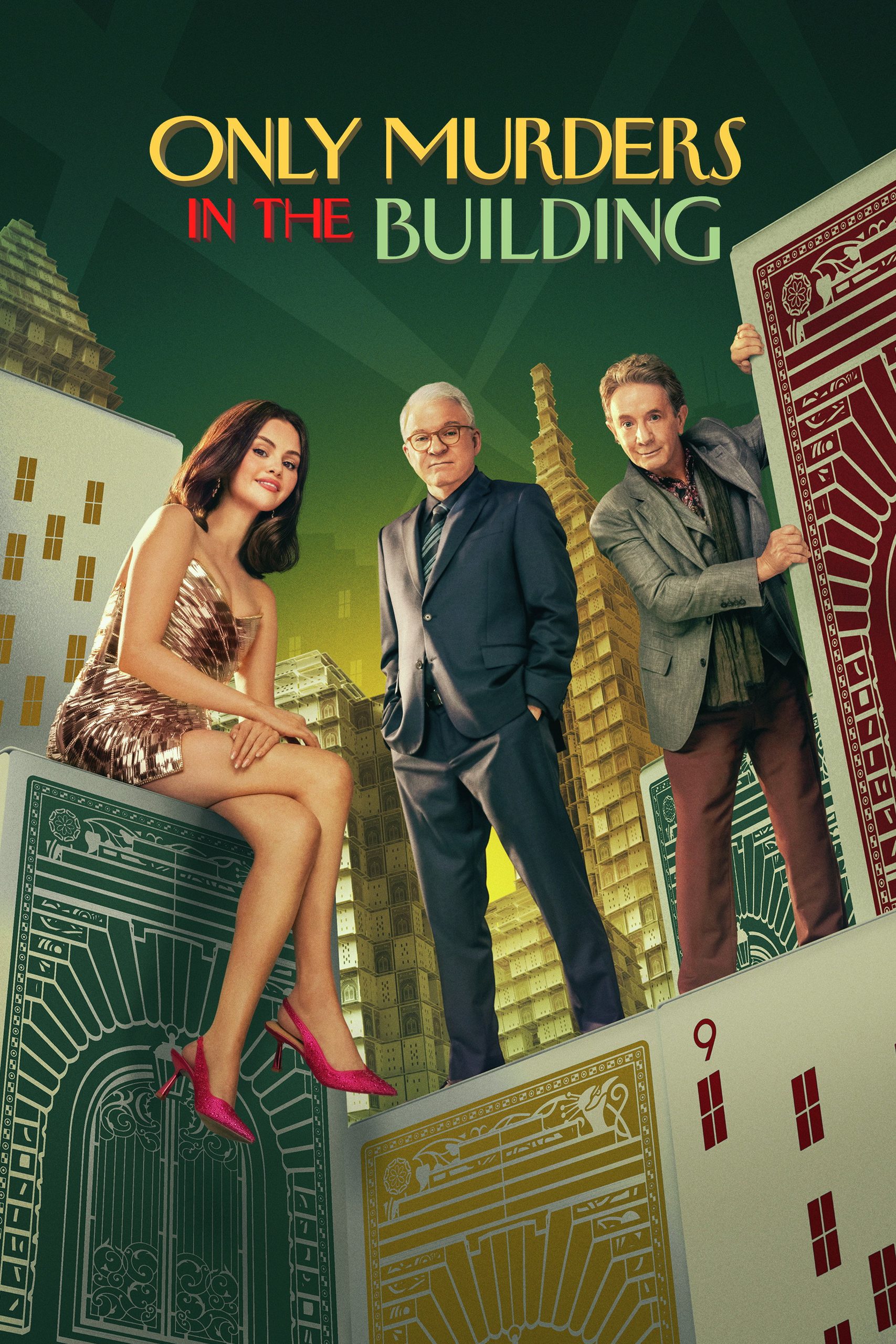
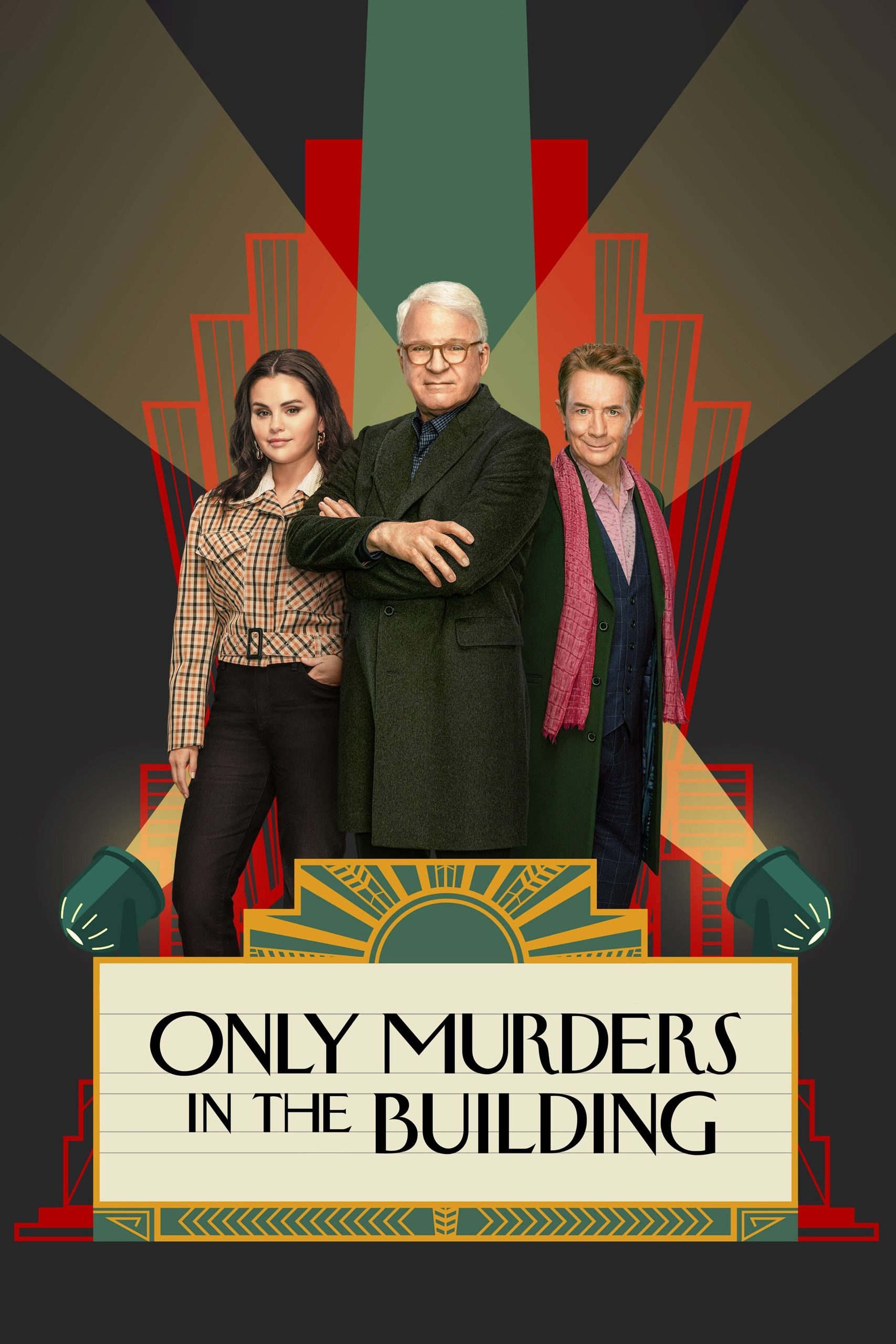
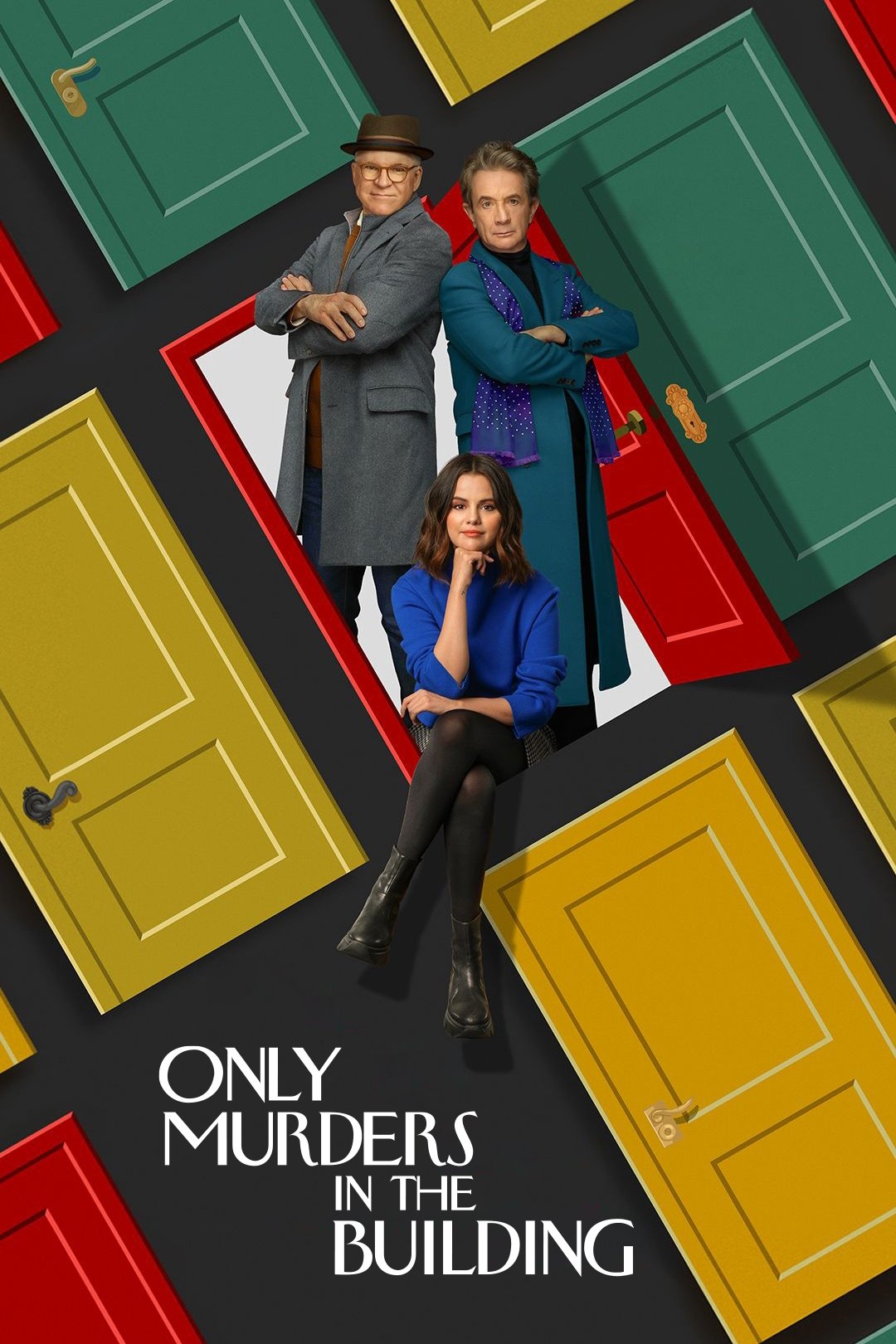
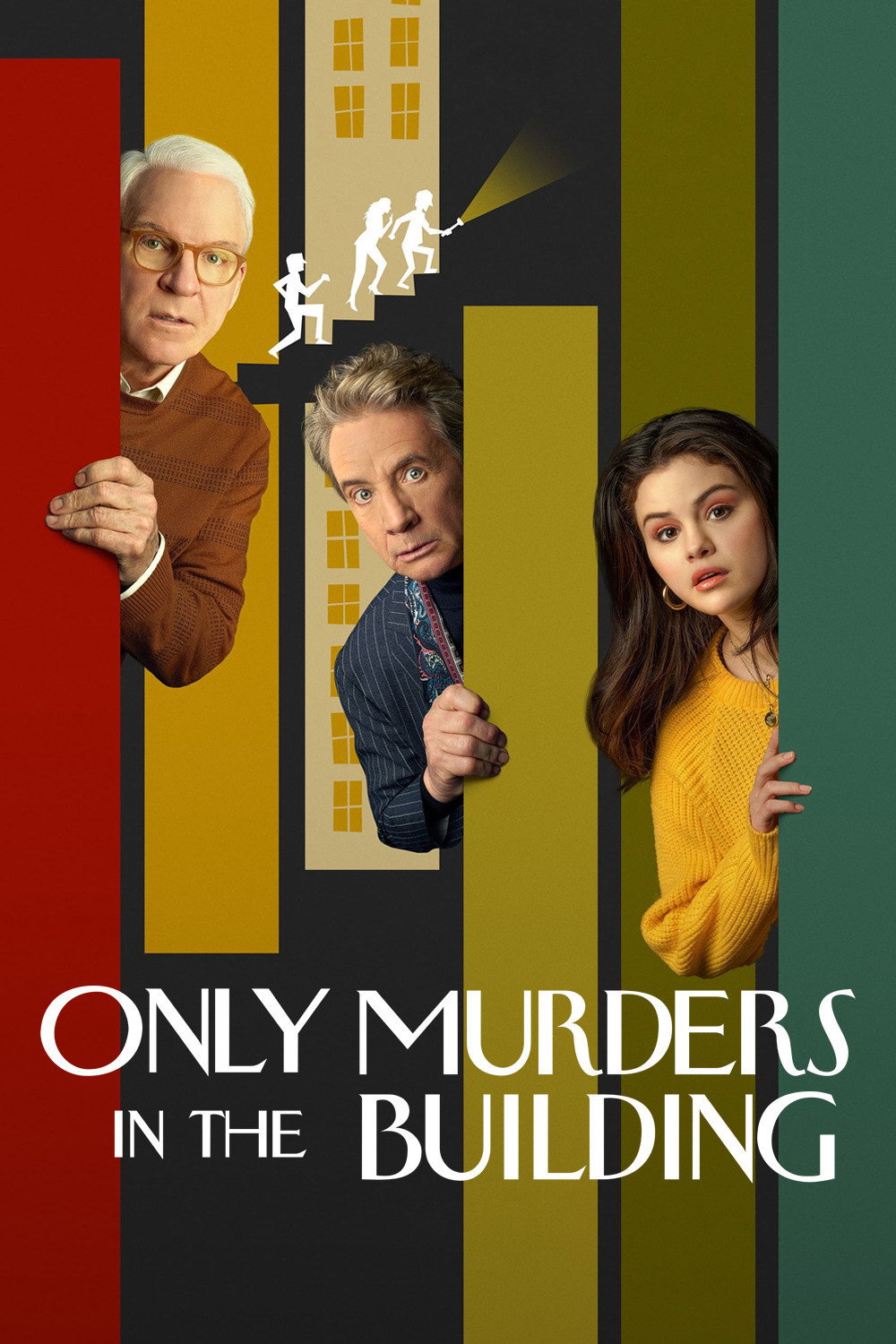
Steve Martin and Martin Short are a double act worth a series on their own, and Selena Gomez, deadpan and watchful, stops them running away with it. The murders matter less than the company, which is mostly a compliment.
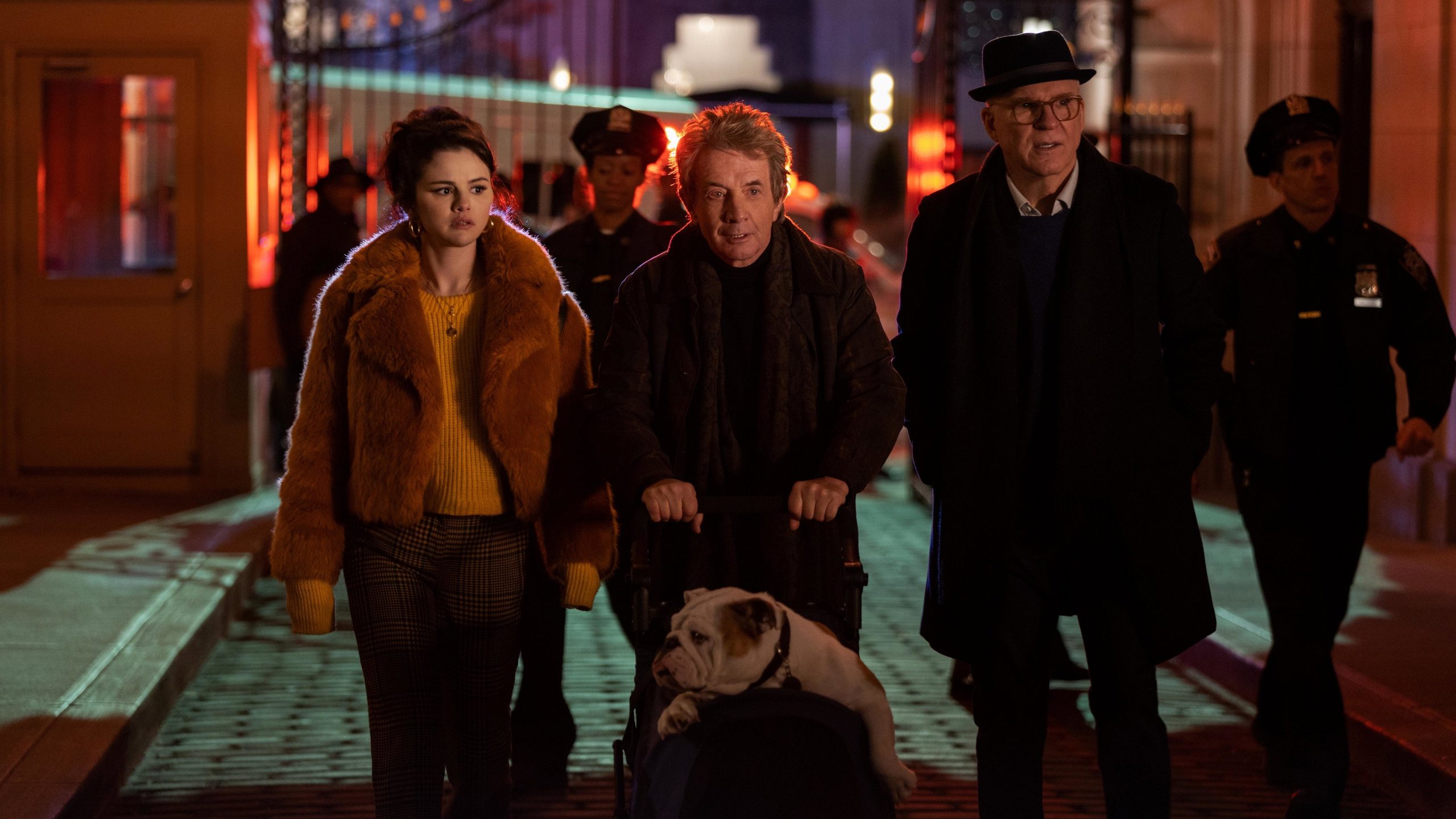
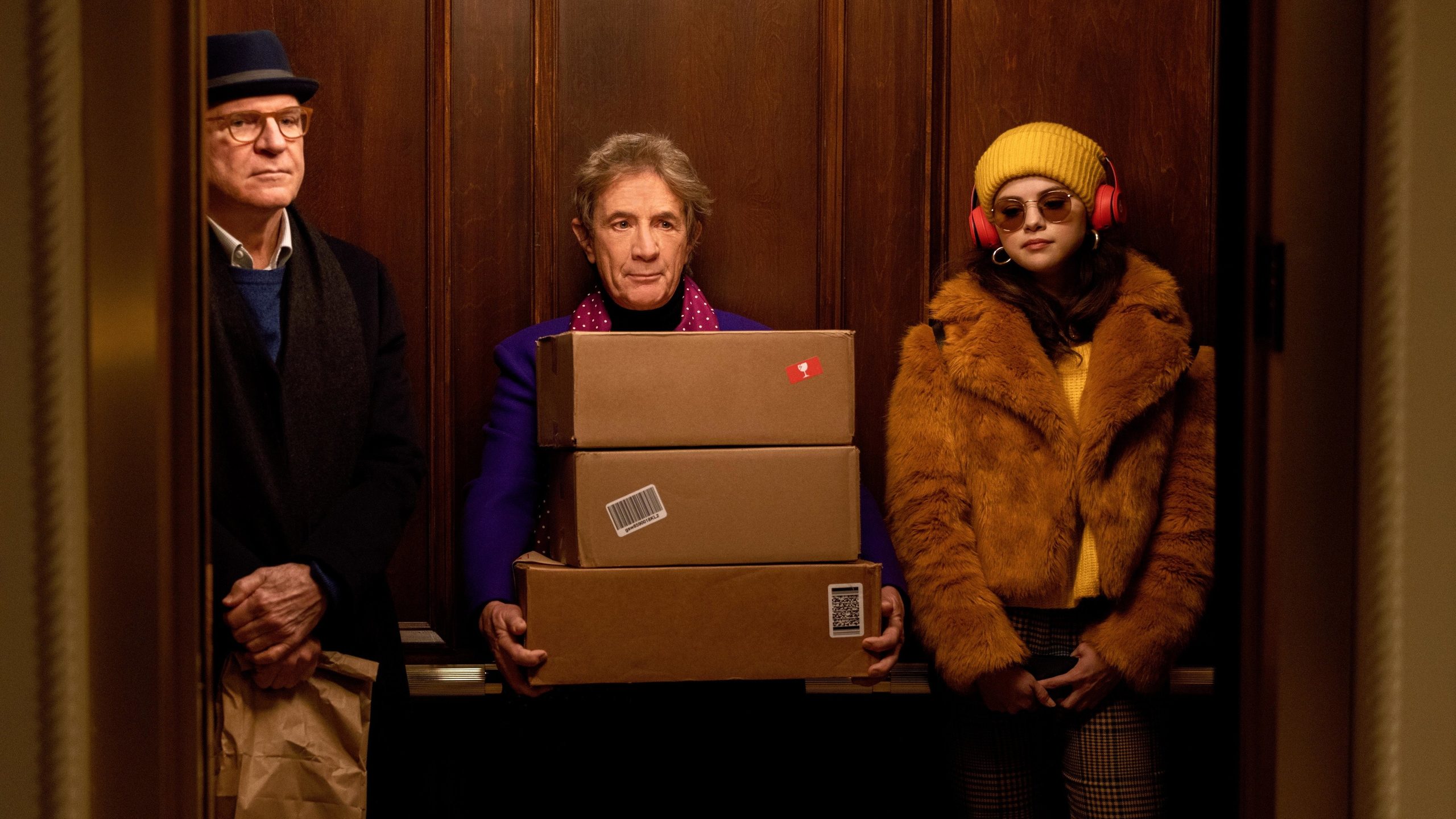
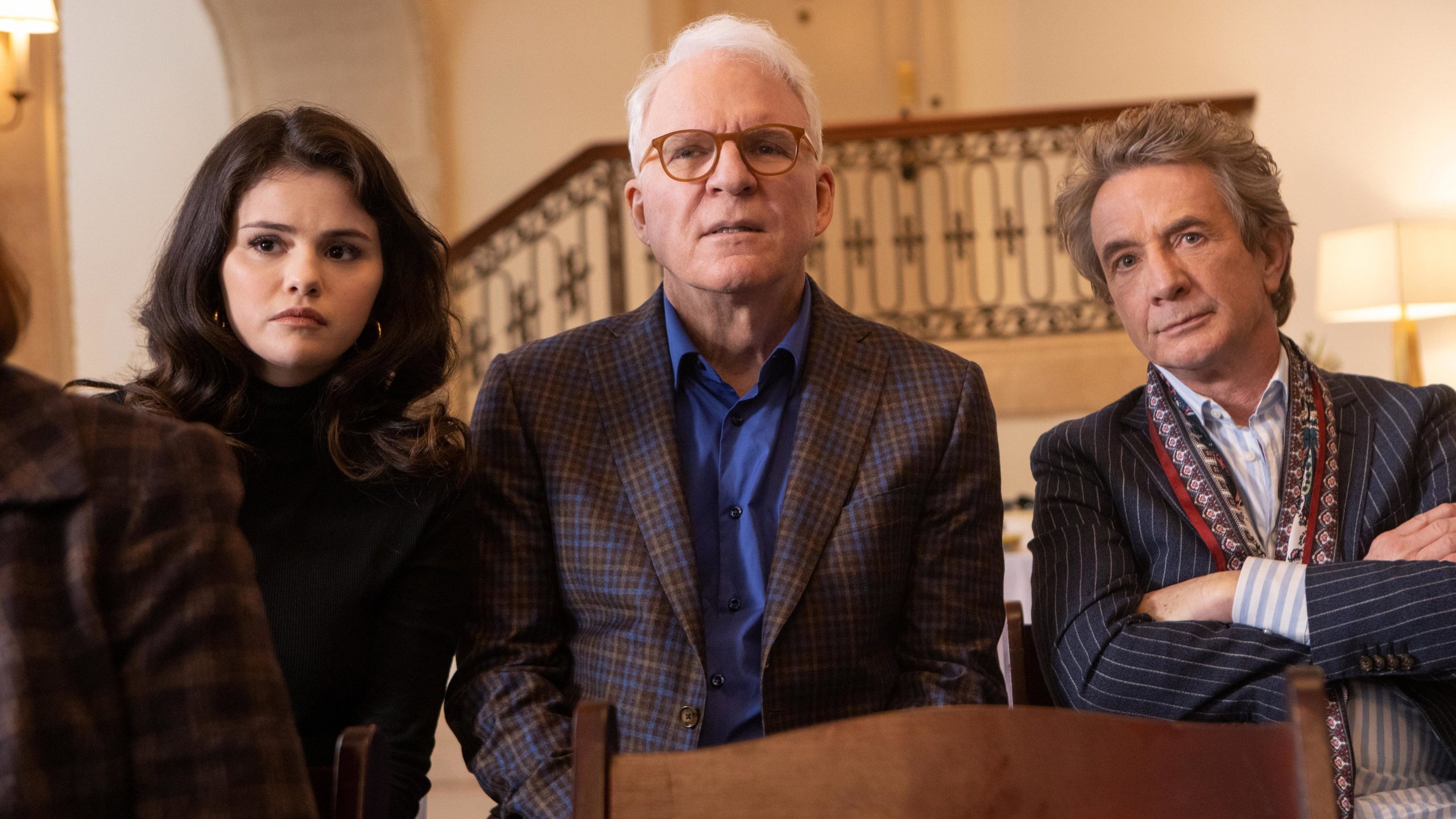
Steve Martin and John Robert Hoffman have built a series around a simple observation: the people who listen to true-crime podcasts would rather be in one. Their three listeners live in the Arconia, an old block of flats on the Upper West Side of Manhattan. Charles-Haden Savage (Martin) once played a detective on television and has been dining out on it for decades. Oliver Putnam (Martin Short) directed Broadway musicals until one of them sank him. Mabel Mora (Selena Gomez) is stripping wallpaper in her aunt’s flat and would like to be left alone. They start a podcast about the death, and the podcast starts a friendship. It is a warm, funny, well-dressed series, and the murder is the least interesting thing in it.
Curt Beech and Patrick Howe’s production design does more work than the plot. The Arconia has a courtyard, a doorman, brass lifts and corridors long enough to be sinister after dark, and the three flats tell you who lives in them before anyone speaks: Charles’s is tidy and beige, Oliver’s is crammed with posters and dip, Mabel’s is half-demolished. Chris Teague, who also directs, shoots it in lamplight and amber, so that even the corpse looks comfortable. Dana Covarrubias wraps Short in scarves and cravats and keeps Martin in a blazer he never undoes. Siddhartha Khosla’s score is plucked strings and a short, repeating theme that says mystery without saying danger.
Martin and Short have been performing together for years, and the ease shows. Short plays Oliver as a man who cannot say good morning without blocking it; he directs the other two, the doorman, the corpse. Martin plays straight here and is better for it. Charles is buttoned, lonely and faintly ridiculous, and Martin lets that through in small doses. We laughed, repeatedly, at Short’s readings of lines that on paper are not jokes. In one early scene he tries to borrow money from a neighbour, and the neighbour’s replies matter less than what Oliver’s face does between them.
Gomez gets less credit and deserves more. Mabel talks flat and slow while the two men gabble, and the joke is the gap between them; without her the show would be louder and worse. She is also the one carrying the actual grief, for a reason set out early, and Gomez plays it without asking for anything. Aaron Dominguez, as her old friend Óscar Torres, and Michael Cyril Creighton, as Howard Morris, a resident with a cat and a grievance, fill in the building. Amy Ryan is a neighbour called Jan Bellows who has decided, quite late, to be interested in someone.
The mystery is where the series is thinnest. The deaths are solved by overheard conversations, planted clues and convenient confessions, and you can feel the writers shuffling suspects to fill ten episodes. The podcast conceit means a good deal of voiceover, and voiceover is the enemy of comedy: every time Charles narrates in his hushed radio voice the pace drops and we noticed the sofa under us. The satire of true crime is gentle; the show never decides whether the genre is ghoulish or simply a way of passing the time, and settles for the second, which is honest and less funny.
This is quieter and kinder than most of Martin’s film comedies, and as a whodunnit it sits closer to Murder, She Wrote than to Christie: the death is a device for putting people in rooms together. Watch it one episode a night, with someone who will do the Oliver voice at breakfast. Binged, the mystery shows its joins.