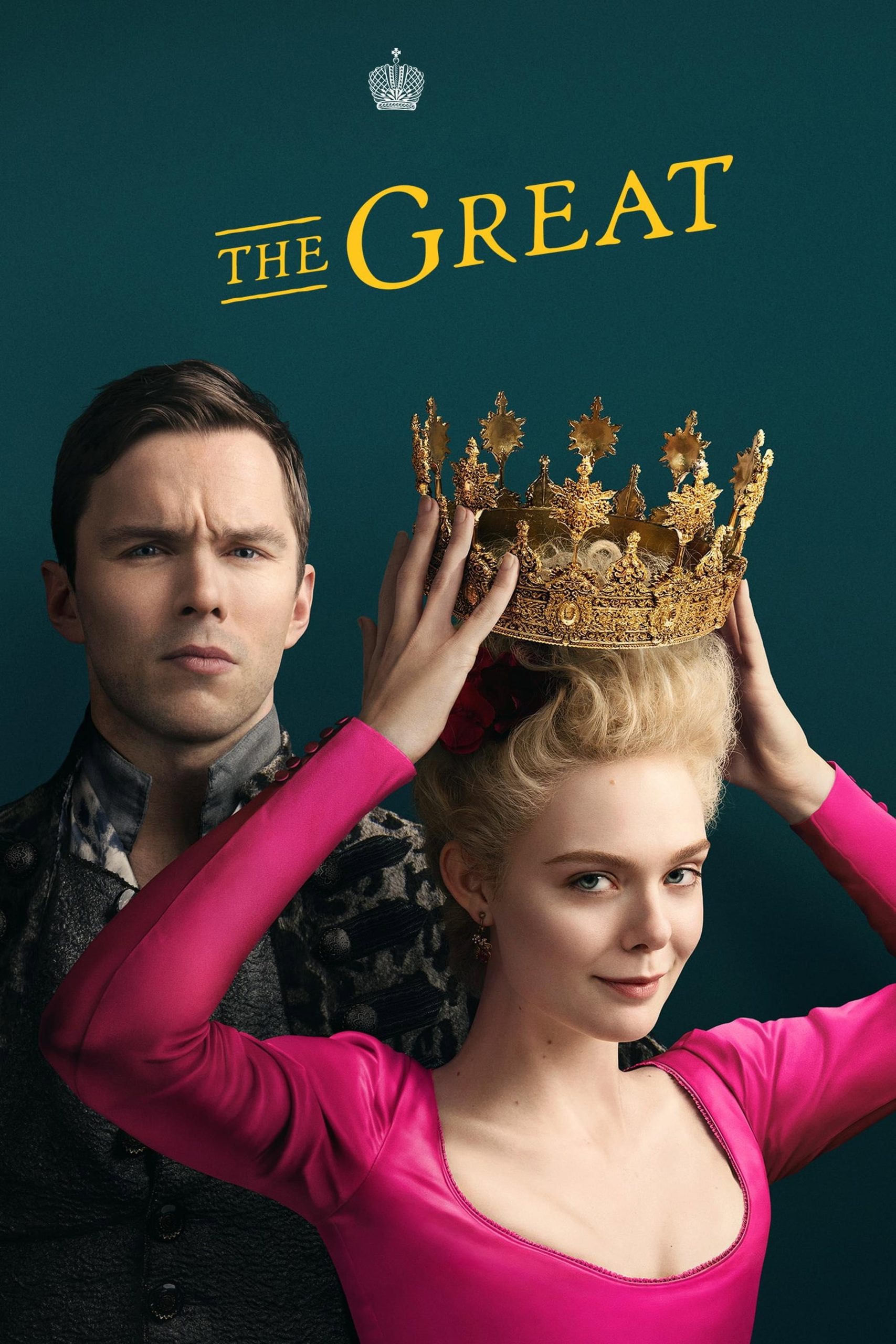
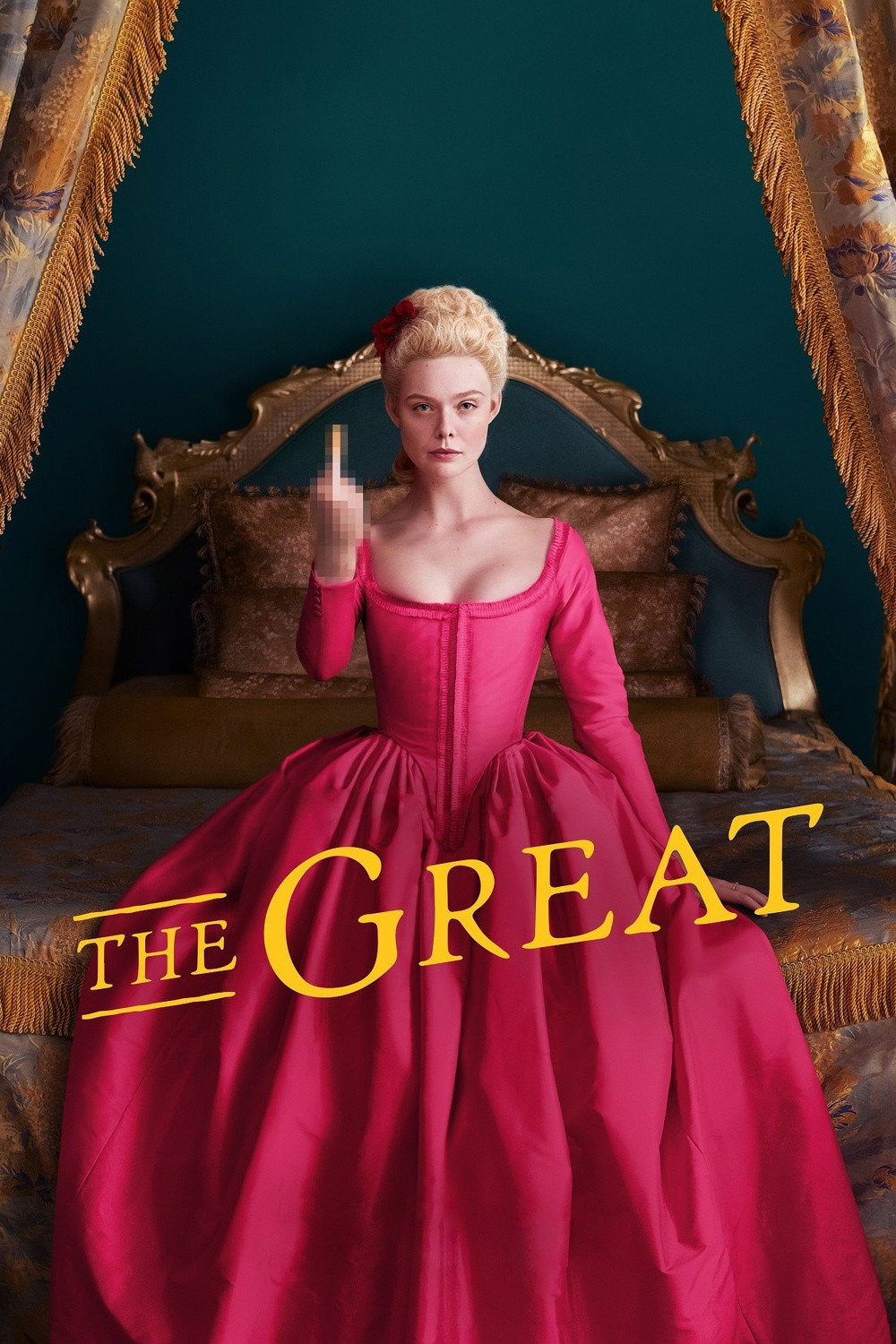
Tony McNamara’s court comedy gives Elle Fanning and Nicholas Hoult the filthiest, funniest lines on television and a coup to plot between them. It is a pleasure an hour at a time and a slog at ten; ration it.
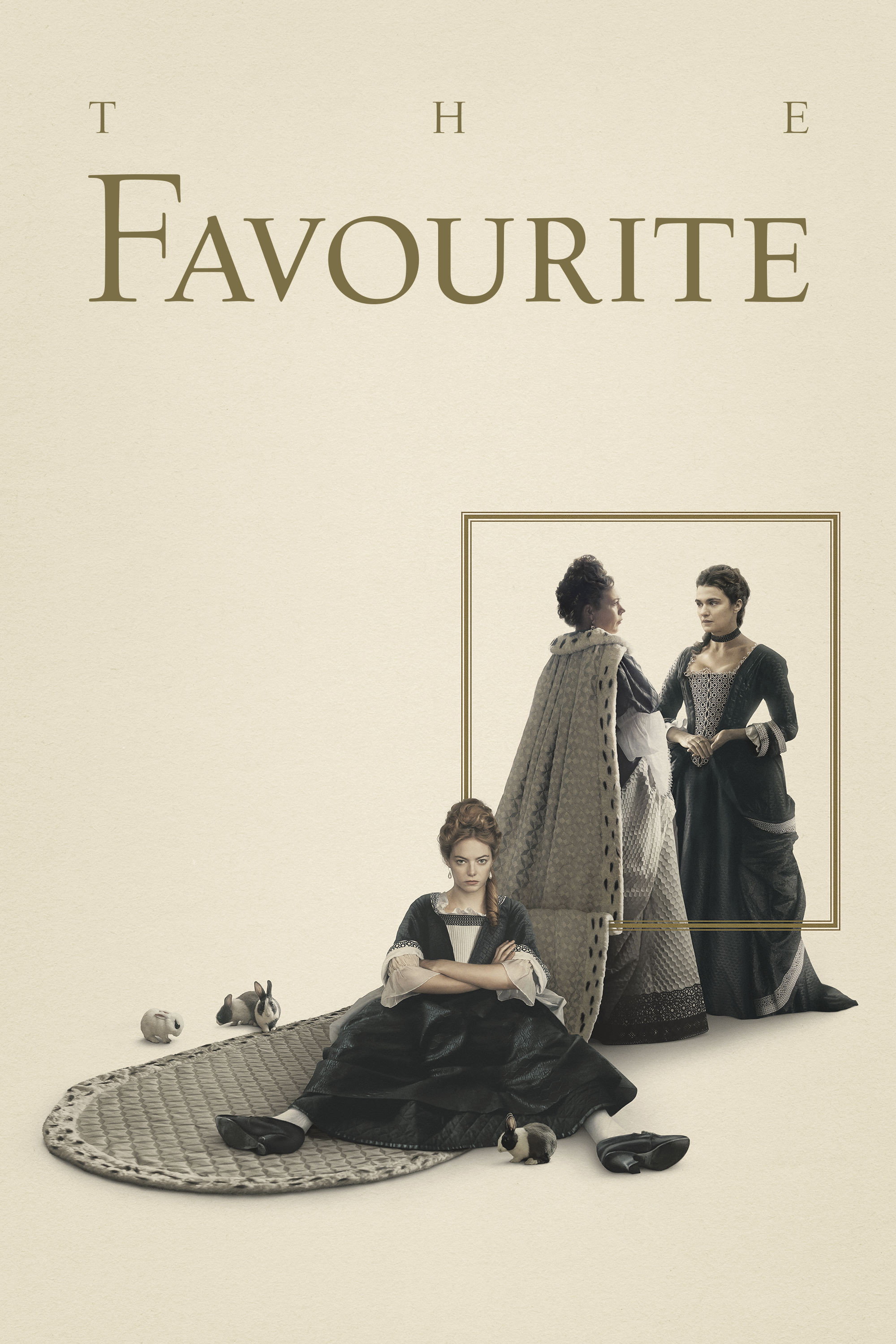
Tony McNamara co-wrote The Favourite (2018), a film about a court in which everybody was clever and nobody was kind, and The Great is what happens when he is given thirty hours instead of two. It calls itself, in its own tagline, “an occasionally true story”, which is generous. Catherine arrives in Russia with a head full of philosophers and a heart set on love; Peter greets her with a bear and a war he is losing. The show is a comedy of manners with a coup in it, and it is at its best when it remembers the coup is the point. We liked it a good deal, an hour at a time. Ten hours at a time is another matter.
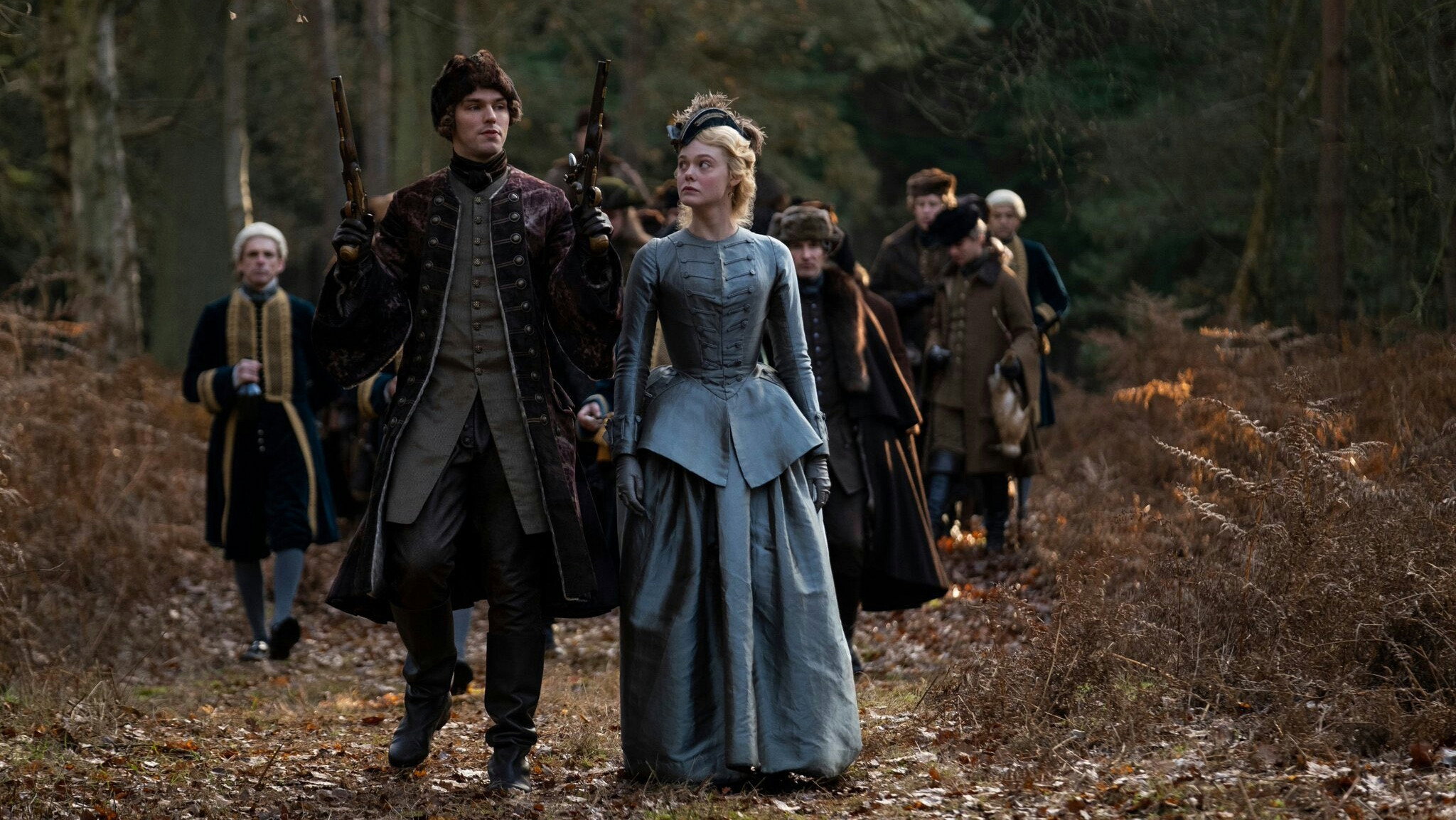
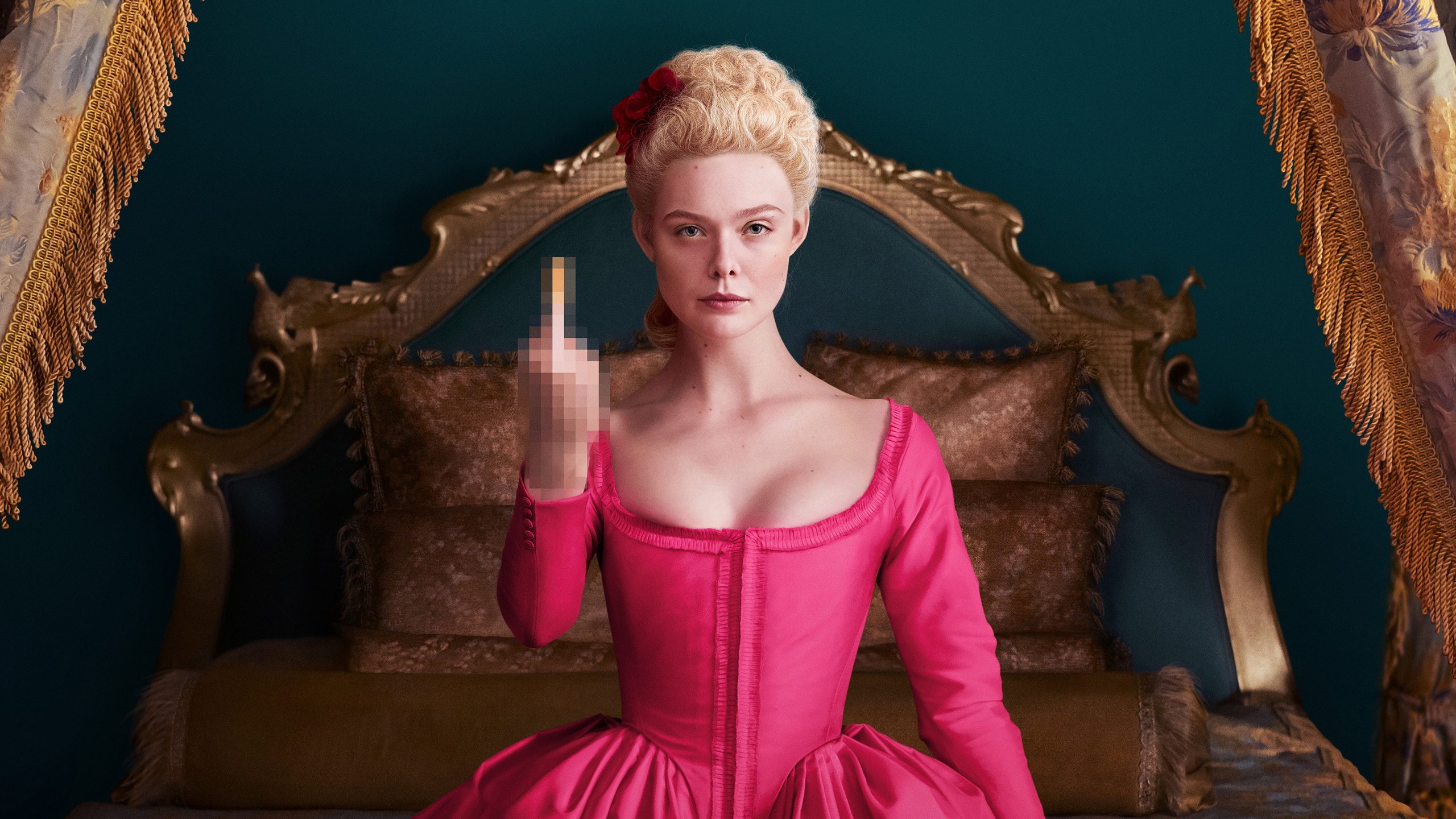
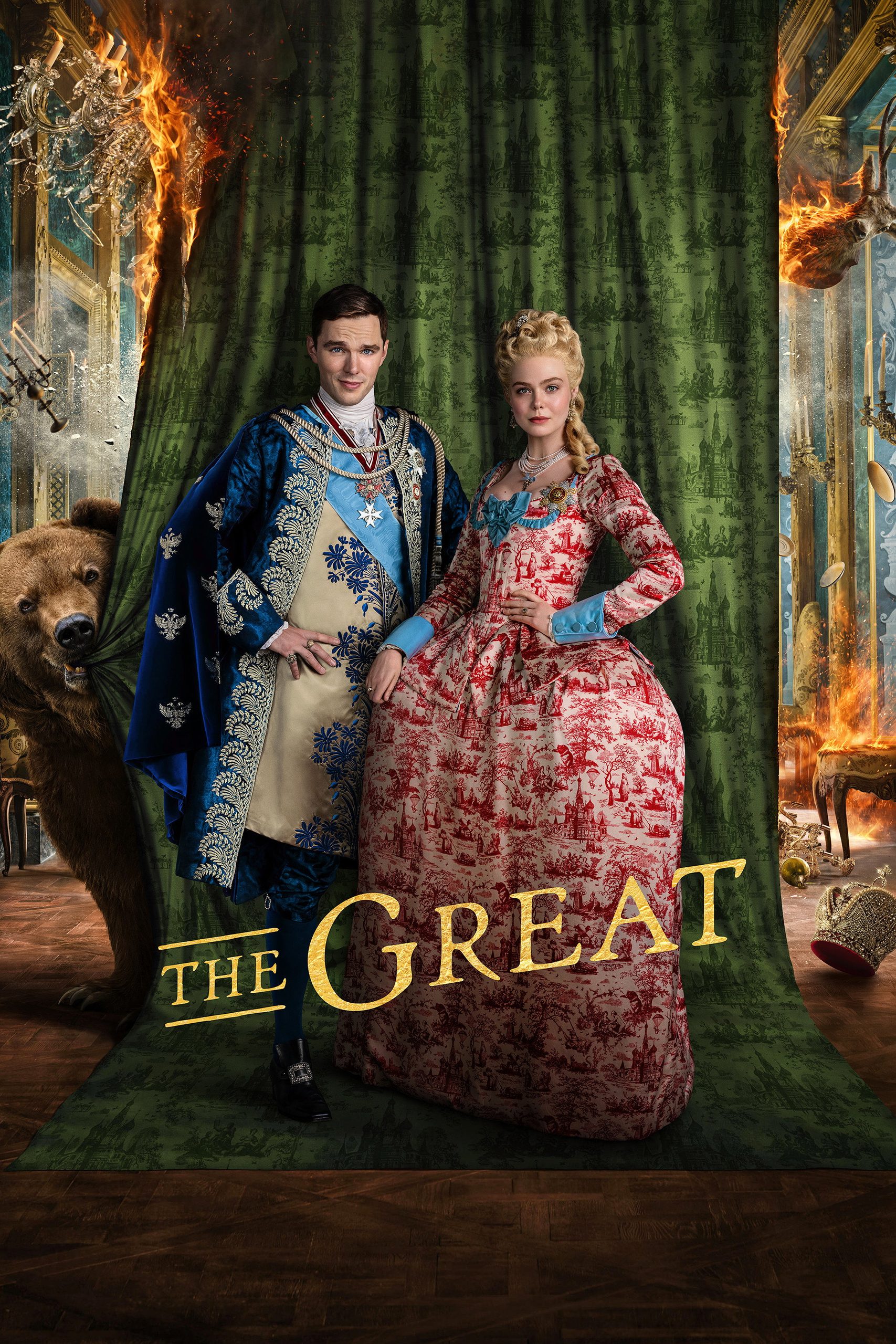
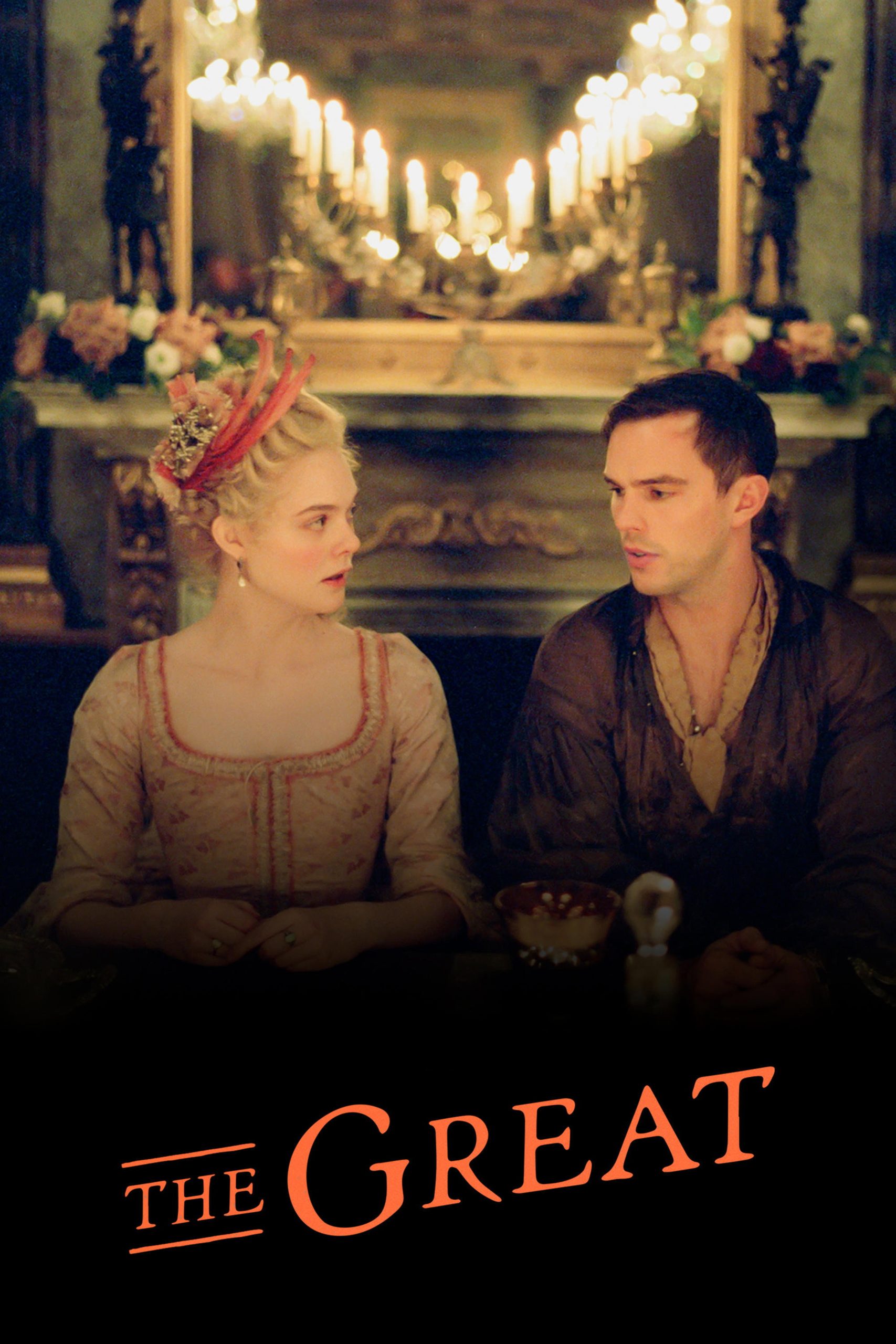
Fanning plays Catherine as an idealist who is right about everything and cannot yet get anything done, and she has a gift for saying the word “Russia” as if it were a project she has been assigned. Hoult is the discovery. His Peter is a spoilt child of enormous charm who has people killed between courses, and Hoult never winks at us; he plays the cruelty and the neediness as one trait, and he says “Huzzah” like a man who has never had a thought contradicted. The two of them across a dinner table are the show.
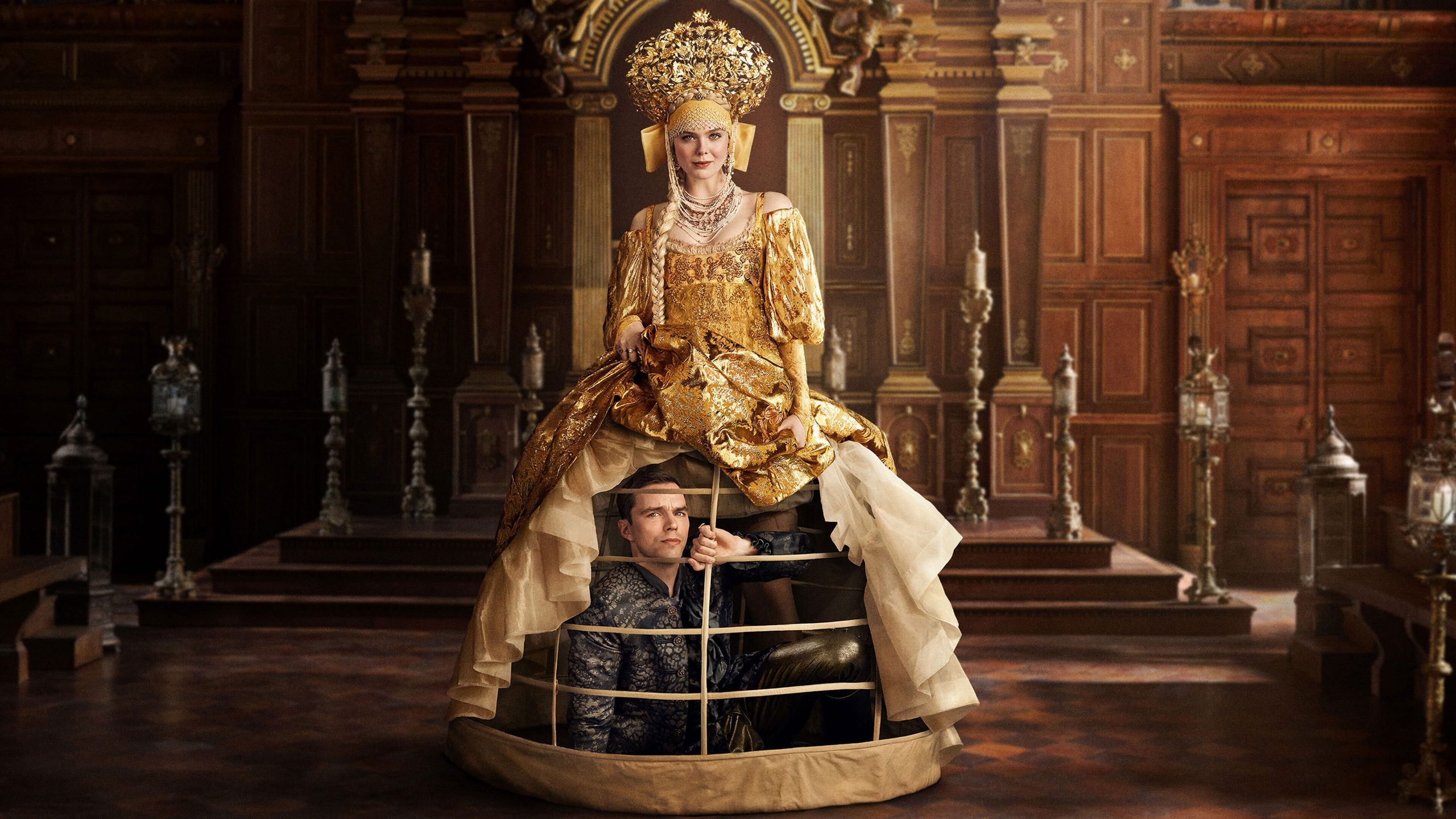
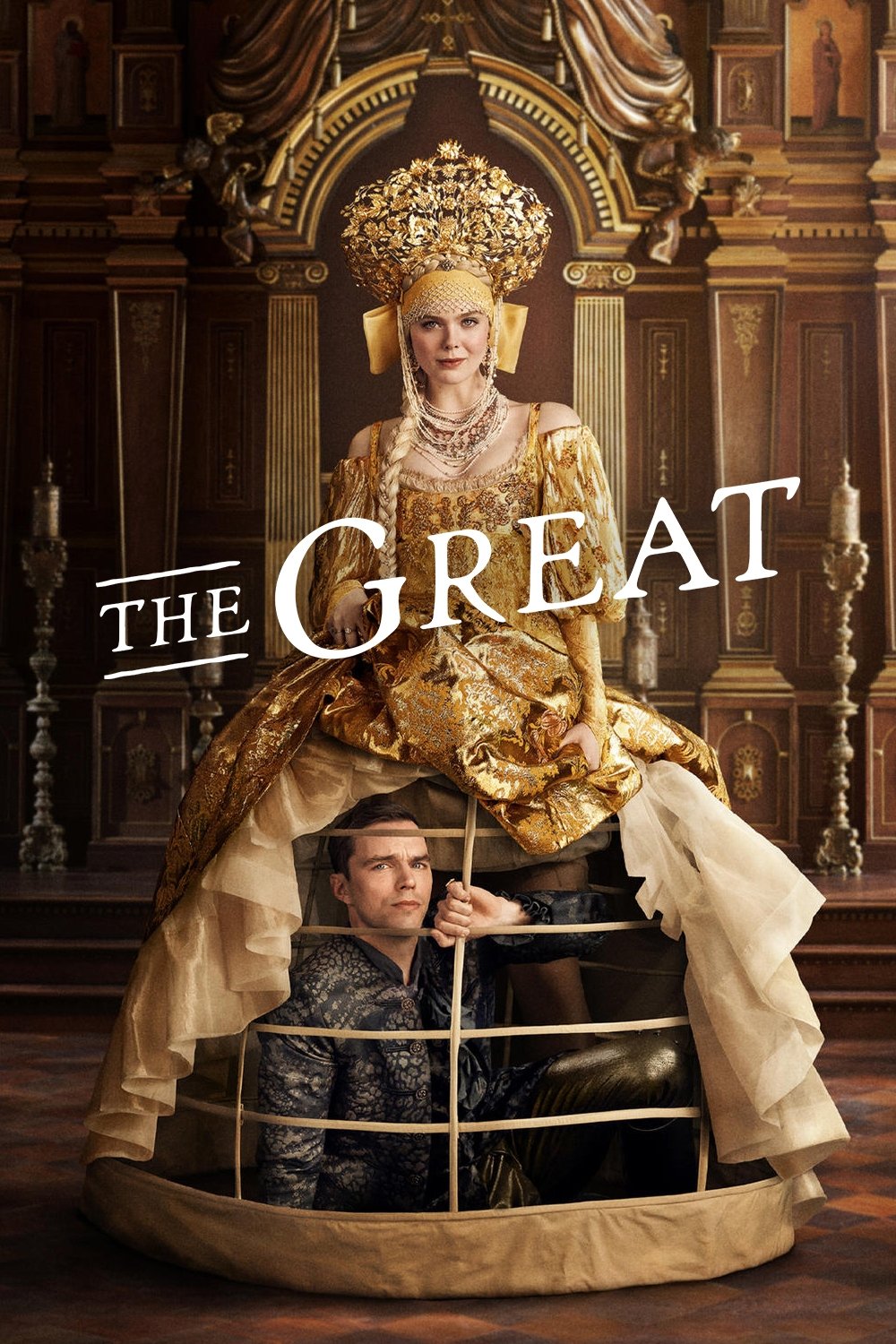
Kave Quinn and Francesca Di Mottola build a palace of long gilt corridors and rooms with too much furniture in them, and John Brawley, Maja Zamojda and Anette Haellmigk light it with candles and grey window light, so the gold looks slightly dirty, which is right. Sharon Long, Holly Waddington and Emma Fryer put Catherine in pale silks that stay clean for less of each episode as the series goes on, and Peter in embroidered coats worn open, like a man dressed for a party in somebody else’s clothes. Nathan Barr’s score takes harpsichord and strings and puts a drum kit under them, which tells you the game within ten seconds.
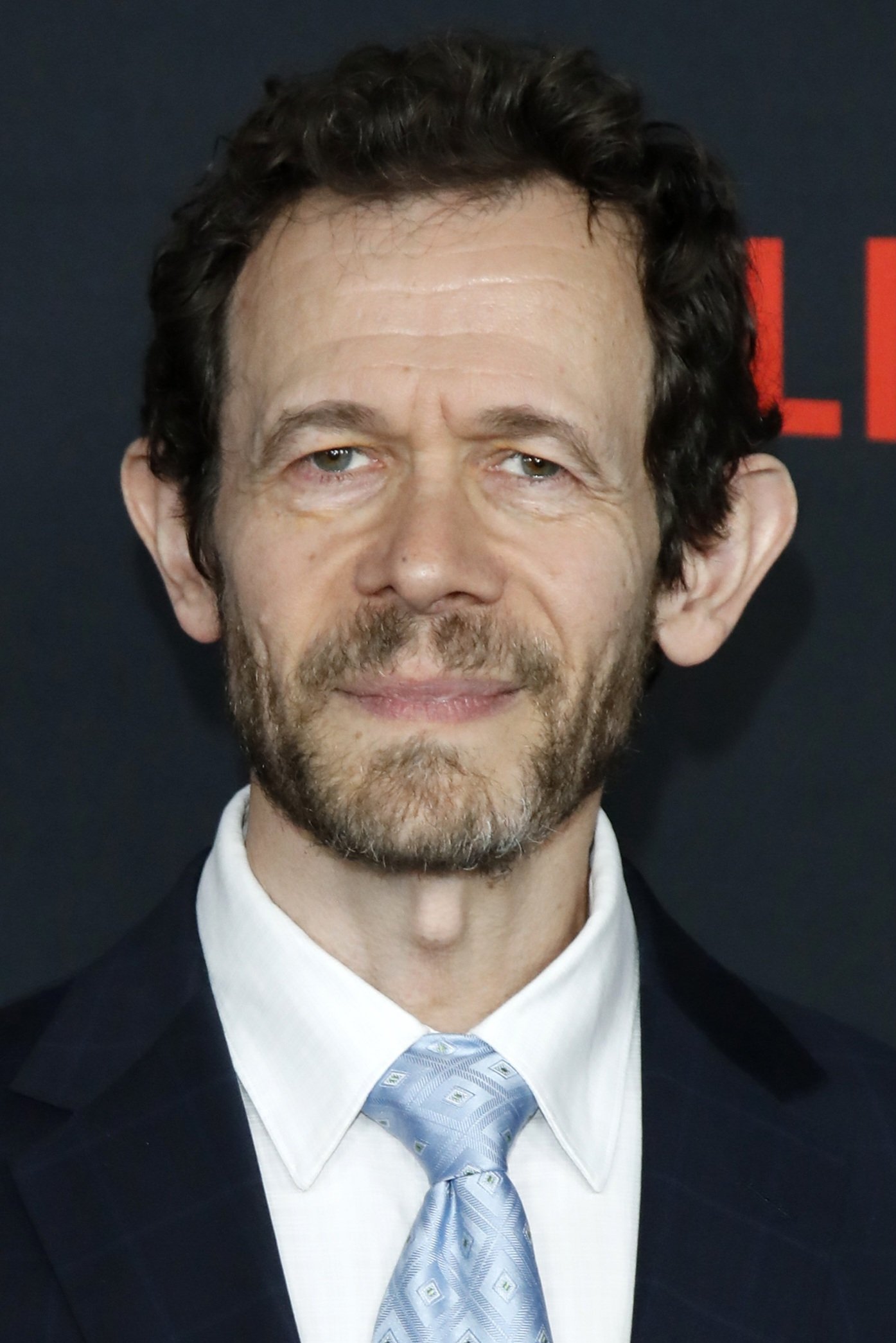
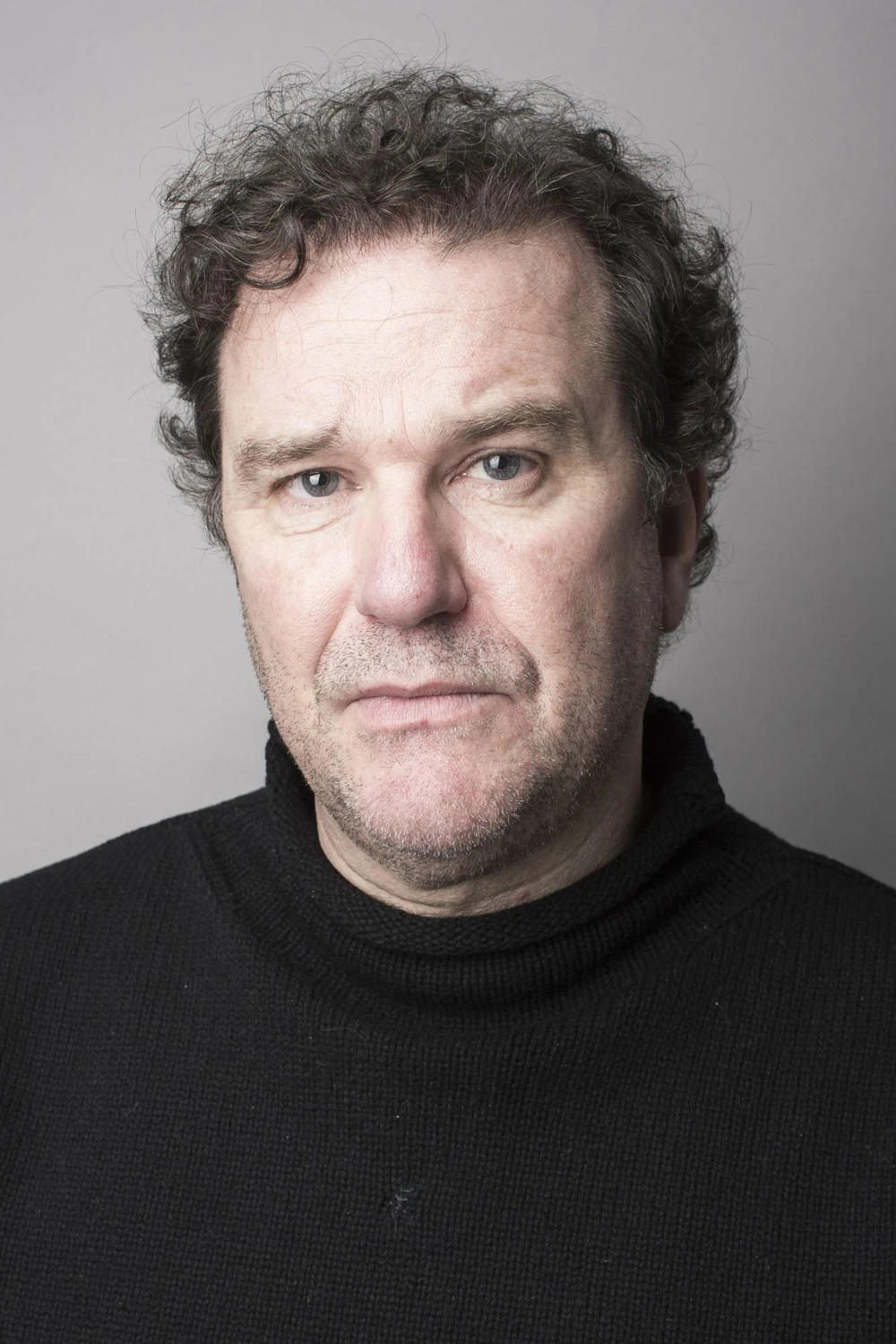
The supporting cast is uniformly good. Phoebe Fox’s Marial, reduced from noblewoman to emptying chamber pots, is the sharpest tongue in the palace and the only honest one. Sacha Dhawan’s Orlo wants a revolution provided nobody is hurt. Gwilym Lee’s Grigor watches the emperor take his wife to bed and smiles, because the alternative is a grave. Adam Godley’s Archbishop is a politician in a cassock, Douglas Hodge’s General Velementov is drunk for the war and sober for the crisis, and Belinda Bromilow’s Aunt Elizabeth drifts through the corridors with her butterflies and turns out to understand the place better than anyone.
Here is where it strains. McNamara’s writers, among them James Wood, Gretel Vella, Tess Morris and Ava Pickett, have one great trick, the modern sentence in the old room, and by the sixth episode of any season the trick is doing the work the plot should. The coup advances an inch and retreats an inch. Catherine and Peter fall out, then in, then out. We laughed, loudly, at the scene in the first episode where she presents him with her twig and he looks at it in honest confusion. A little later somebody was shot for sport and the show asked us to laugh at that too, and we did not, and it did not seem to notice. The violence is filmed as a punchline and lands as one perhaps half the time. The other half we felt slightly grubby, and we do not think that was the intention.
The Favourite ran two hours and knew that cruelty is funniest when it costs something. The Great runs three seasons of ten episodes each and stretches to fit, so the middle of every season has the feel of a good party that has gone on past the point when anyone remembers whose house it is. Even this cast cannot make the sixth argument about the same coup feel different from the fifth. The editors, Billy Sneddon, Edel McDonnell, Nicolas Gaster and Anthony Boys among them, keep individual scenes brisk; it is the episodes that sag.
Watch it two episodes at a time, with a drink, and stop for the night when Peter has said Huzzah more often than you have laughed. It carries an 18, which it earns in the first ten minutes and keeps earning, and it arrived in Britain on 15 May 2020.