Alan Ball’s Louisiana vampire saga is lurid, funny and far better written than it needs to be, for about three seasons. Anna Paquin holds it together long after the plotting has stopped trying. Worth your evenings, with a firm sense of when to stop.
Two years before the first episode, vampires announced themselves to the world, helped by a synthetic blood sold in bottles that means they no longer need to bite anyone. Alan Ball, whose last series was Six Feet Under, takes that premise from Charlaine Harris’s novels and sets it in Bon Temps, a small Louisiana town where the heat never breaks. For three seasons the result is among the most enjoyable things television has done with the undead: filthy, funny and quicker on its feet than it looks. It then runs for four more, and by the end we were watching out of loyalty.
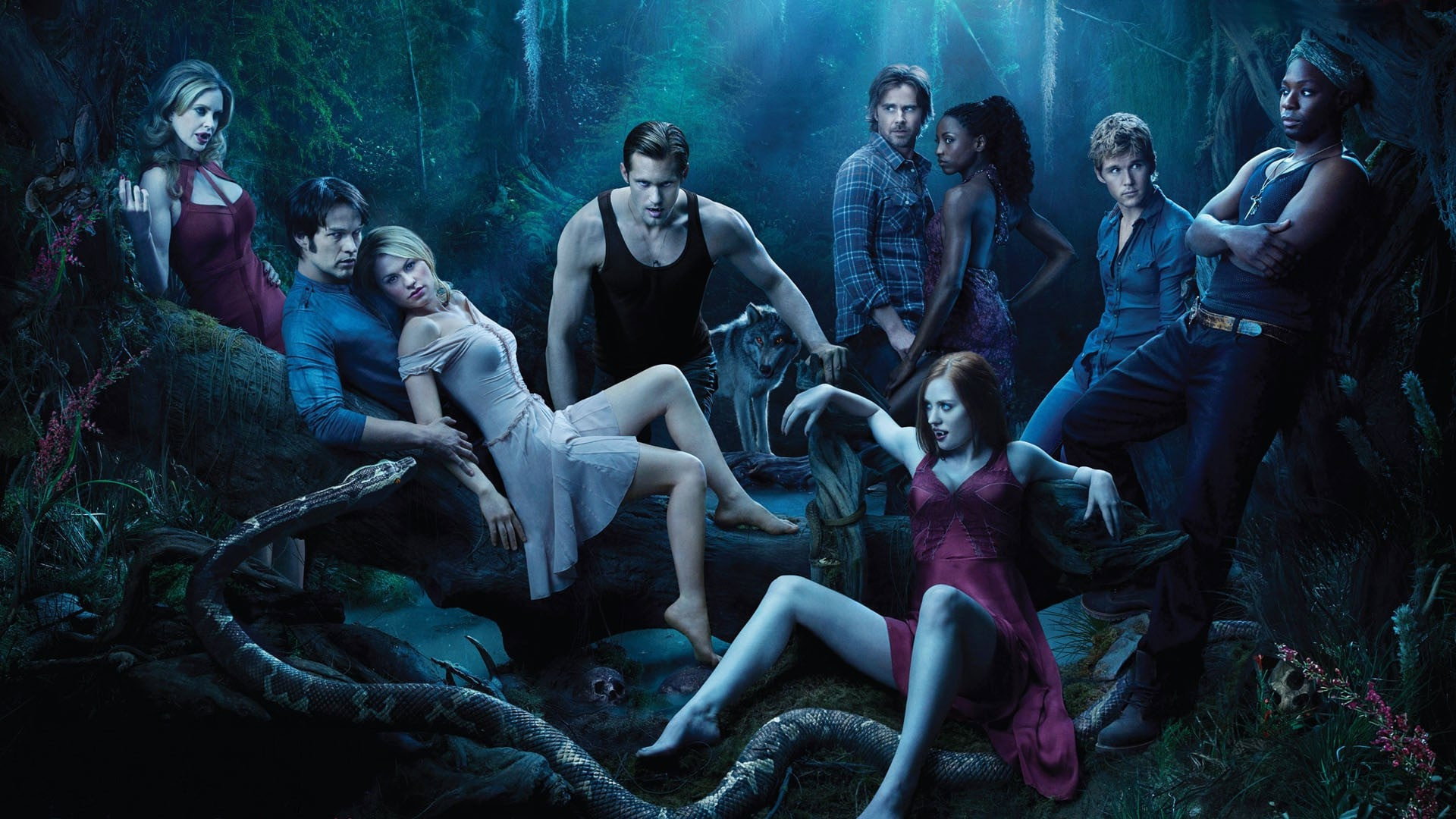
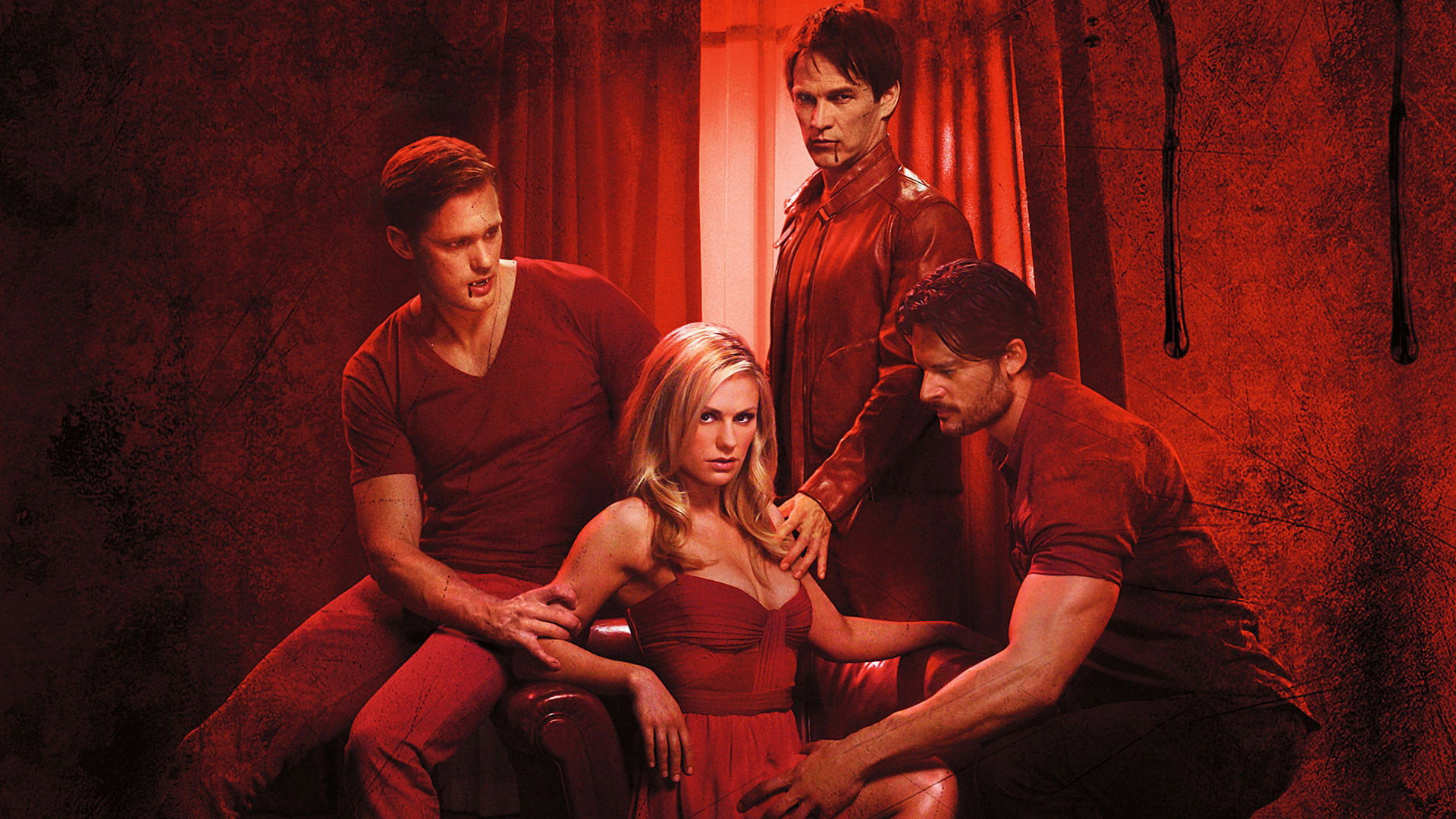
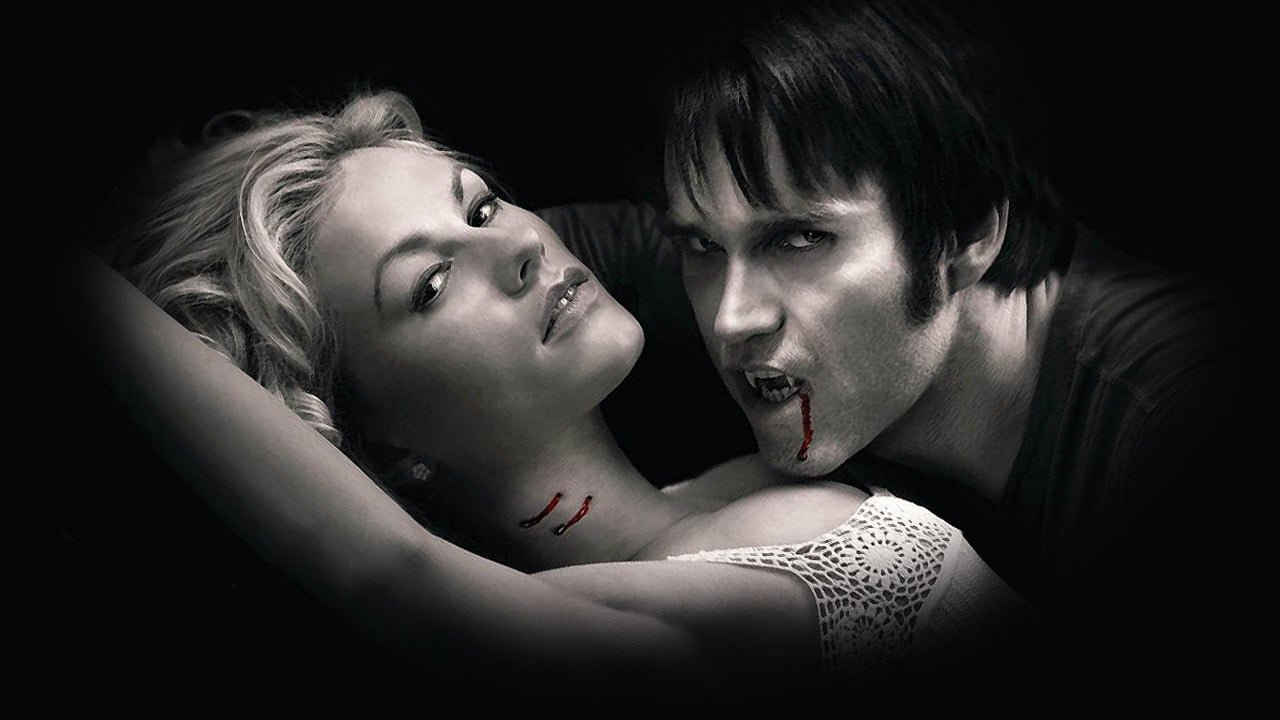
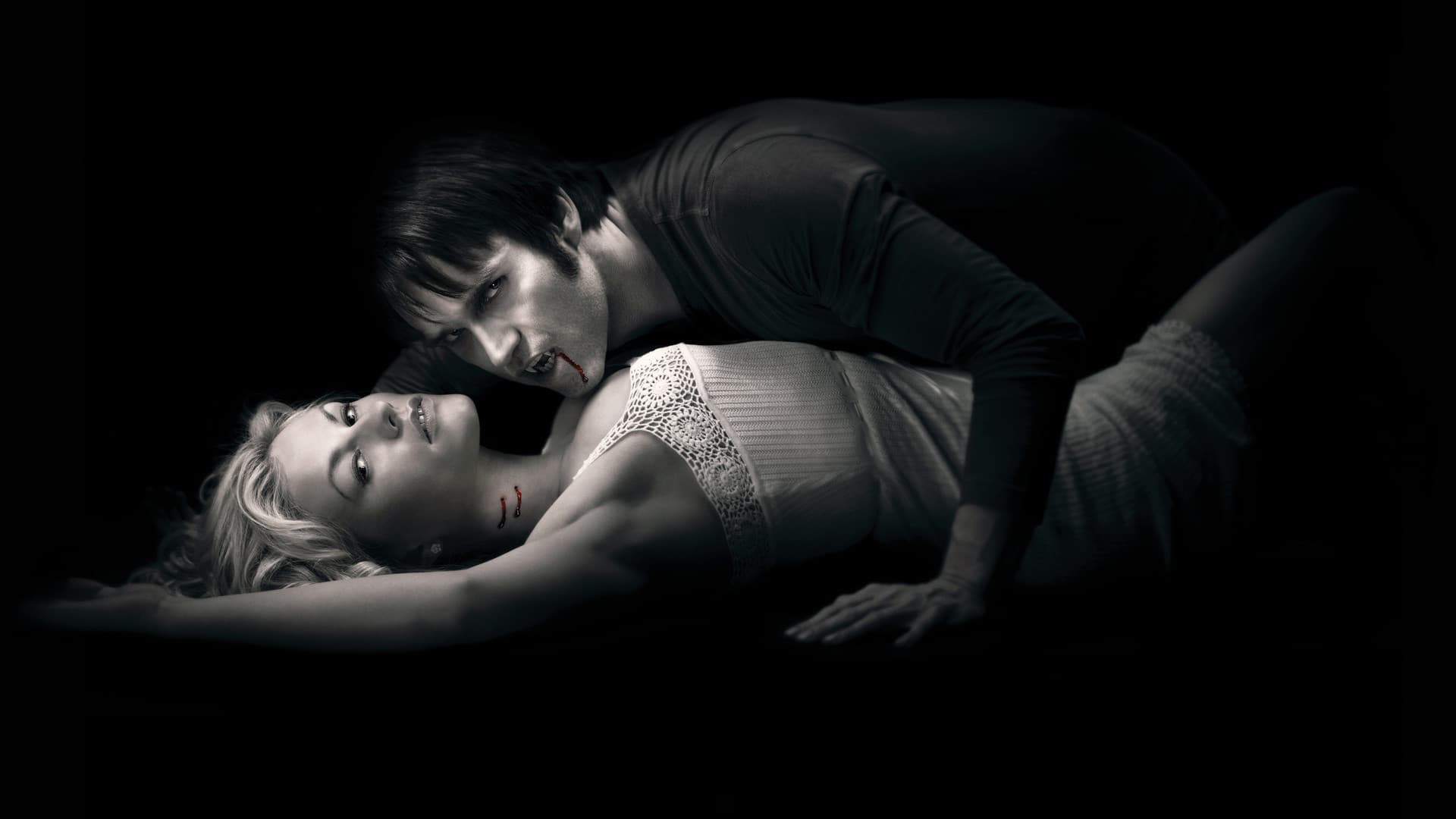
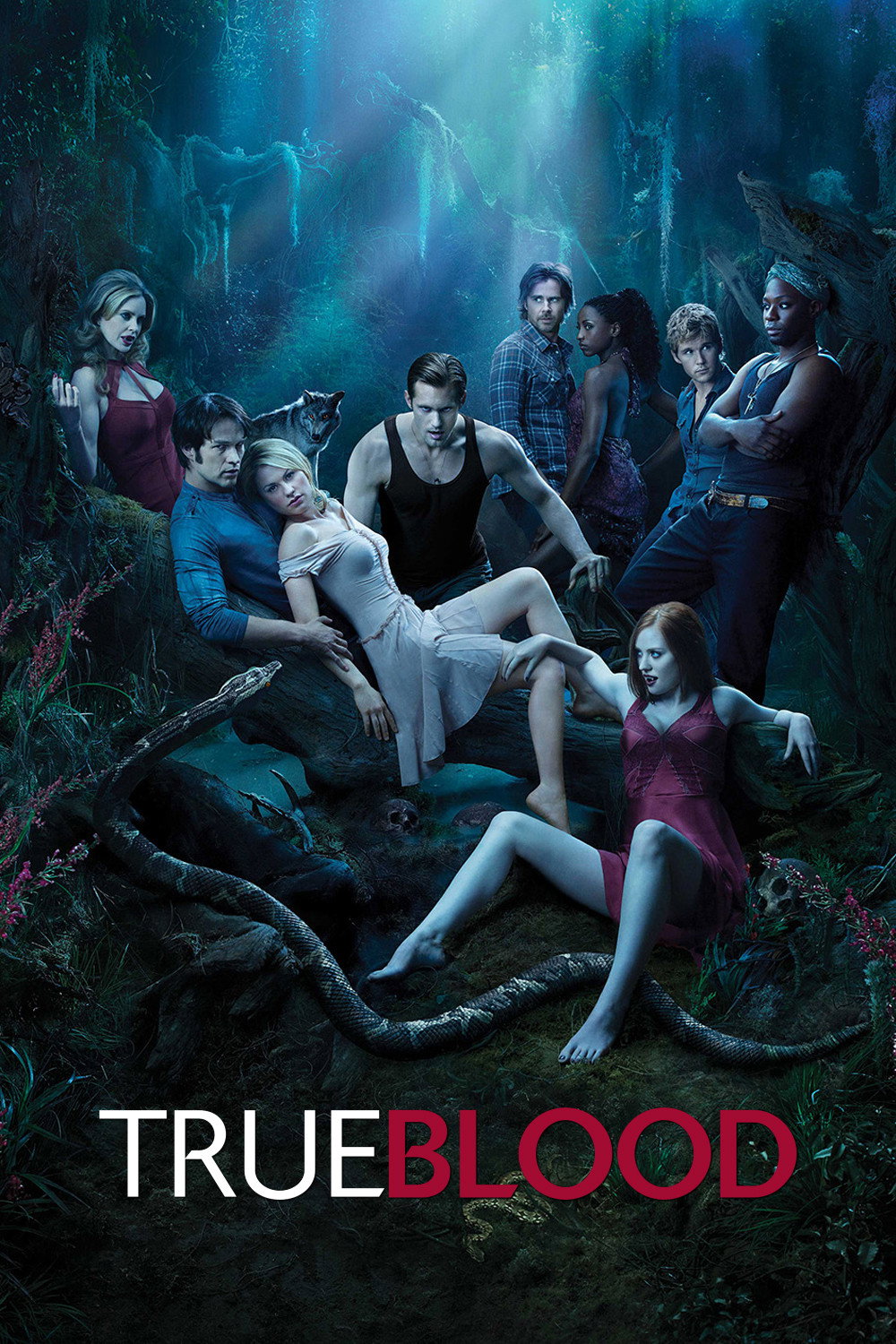
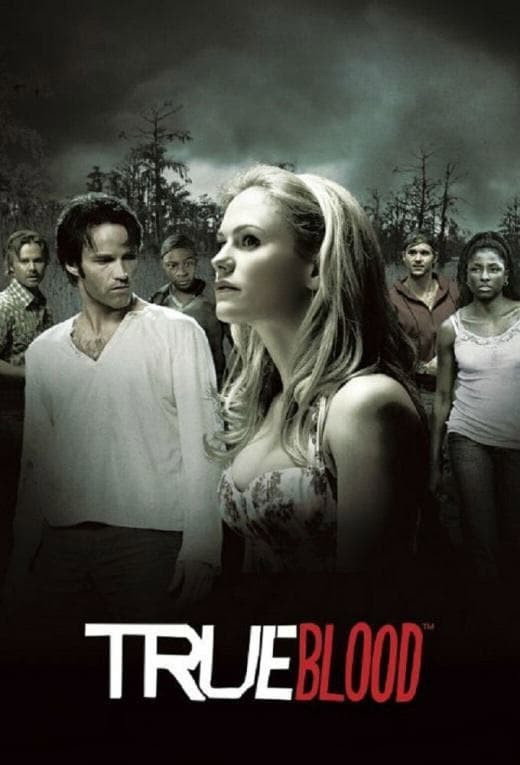
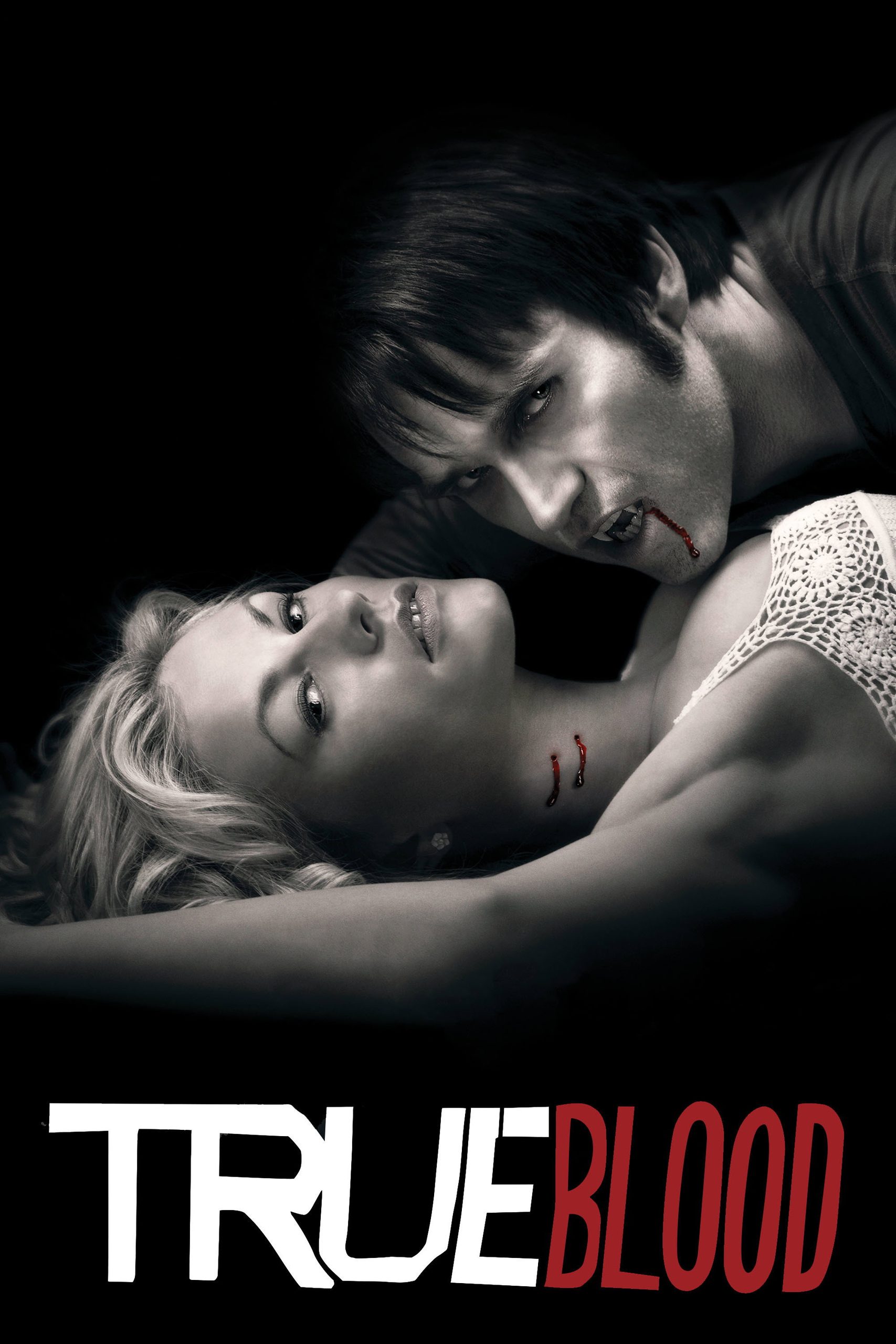
The series belongs to Anna Paquin. Sookie Stackhouse is a waitress who hears everybody’s thoughts, and Paquin plays her as a woman permanently tired of other people, cheerful and sharp with it. When Bill Compton (Stephen Moyer) walks into Merlotte’s and she hears nothing from him at all, her relief is the whole romance in one look. Moyer plays Bill stiff and courtly, a gentleman who has not updated his manners, and the two have a real heat. Then Alexander Skarsgård arrives as Eric Northman, tall, amused and bored by everyone, and takes the series off both of them.
The bar staff are as good as the leads. Nelsan Ellis’s Lafayette Reynolds, the cook, can end an argument with one eyebrow. Rutina Wesley gives Tara Thornton a fury the writing does not always deserve, and Adina Porter, as her mother Lettie Mae, is frightening in a way the vampires seldom manage. Ryan Kwanten plays Sookie’s brother Jason as a beautiful idiot and never once sneers at him. Carrie Preston, Chris Bauer and Jim Parrack fill out the town with people who have somewhere to be after the scene ends.
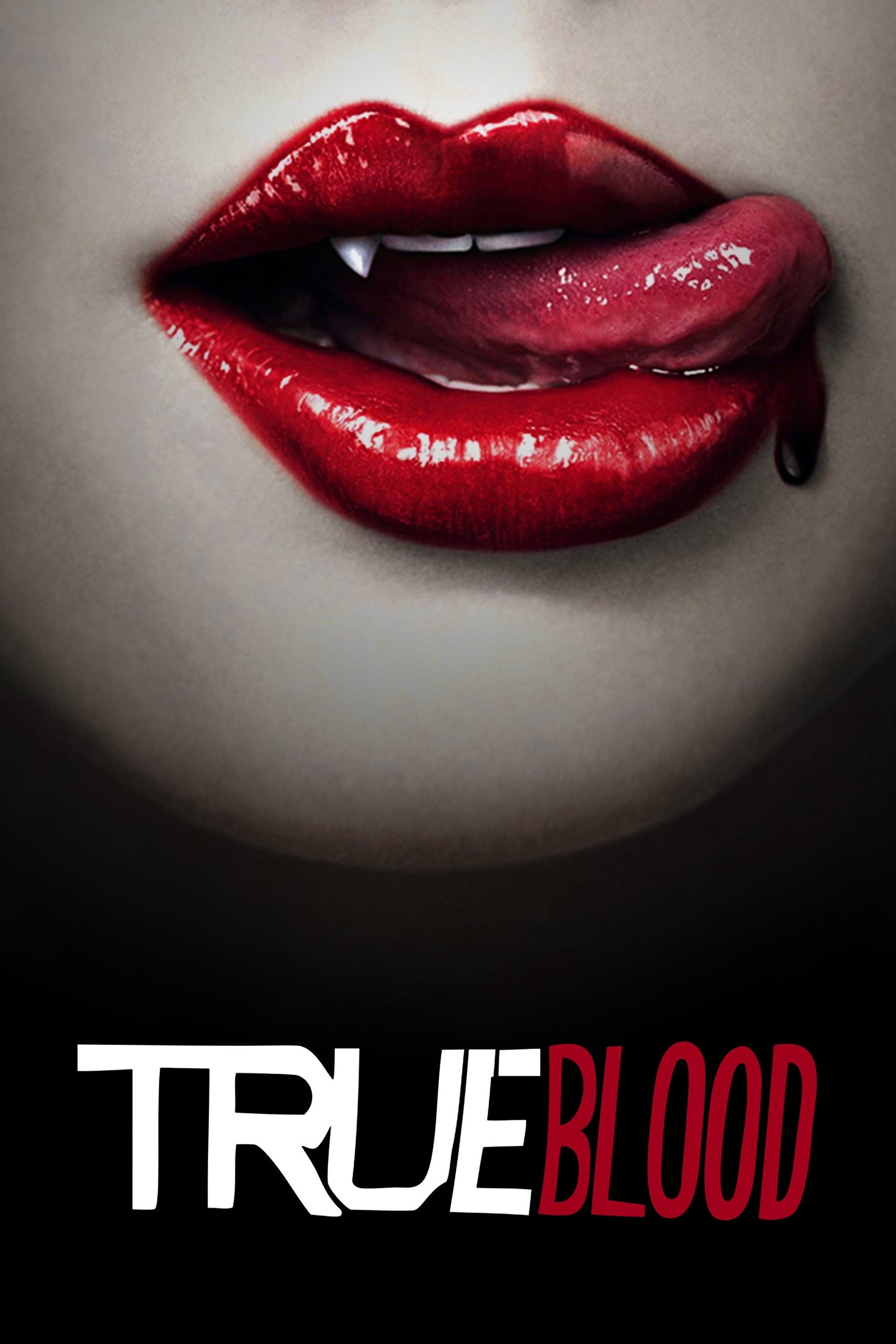
Suzuki Ingerslev’s production design makes Bon Temps feel lived in. Merlotte’s is wood, neon and ceiling fans; Bill’s house is a plantation pile with the paint coming off; the vampire bar over in Shreveport is red light, leather and a throne. The night scenes are lit as if by porch bulbs, so the vampires have to step into the yellow to be seen. The title sequence, a fast cut of swamp, roadkill, revival tents and a church sign reading “God hates fangs”, tells you more about the show’s appetites than any single episode.
In the first episode Sookie finds Bill chained in silver in the car park behind Merlotte’s, being drained by a couple with a pickup, and the soundtrack goes quiet around him while every other head in the frame keeps buzzing. We were not expecting to be moved by a series with this much nudity in it, and we were: the silence told us what she had been living with before anyone wrote her a speech about it. The show is worst when it explains its metaphor, vampires as a minority demanding rights, then drops it whenever the plot needs the vampires to be monsters again.
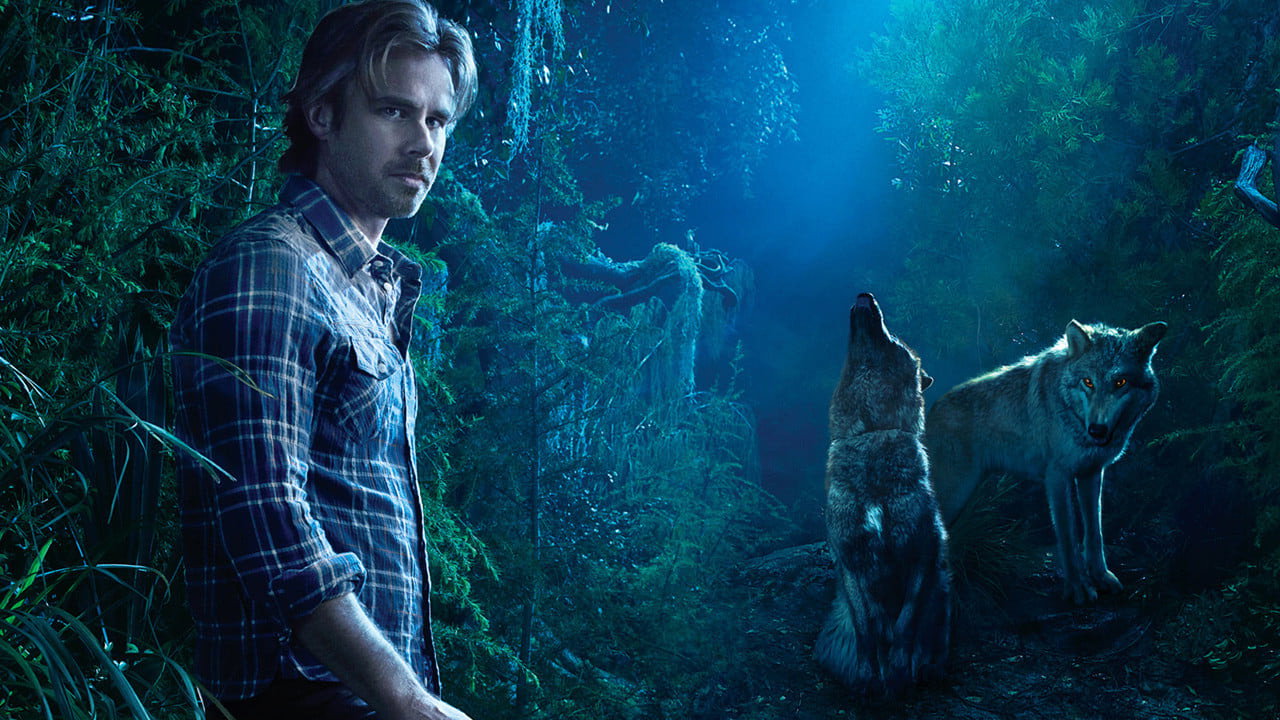
The plotting is the trouble in the long run. Each season adds a species, shapeshifters, then werewolves, then witches, then fairies, until Bon Temps has more kinds of creature than it has parking. The fourth season is lifted by Fiona Shaw as Marnie Stonebrook, a shop owner frightened of her own power, played with a trembling politeness. After that the writing thins, the cast is split across four or five stories an episode, and the sixth and seventh seasons, shorter at ten episodes each, feel longer than the ones before. We were bored for stretches of the last year, and cross about it, because the people on screen were still good company.
It has Buffy the Vampire Slayer’s wit without its discipline, and a frankness about sex and blood the teenage vampire romances of the same years would not go near. The 18 certificate is honest. Watch the first three seasons without guilt. If you carry on, and you probably will, do it for Paquin, Ellis and Skarsgård rather than for answers, which the series stopped caring about before you did. Eighty hour-long episodes is a long time to spend anywhere, even a town this hospitable.