A willing cast cannot rescue this film from sketches that mistake a grotesque premise for a finished joke. There are scattered laughs, but the repetition makes this a dreary evening.
The film is a dreary gross-out sketch anthology with too few jokes to justify 98 minutes. With directors including Peter Farrelly and Elizabeth Banks, it aims for the pleasure of watching familiar actors abandon good manners. A filthy joke still needs timing, a change of direction or somebody worth watching as the situation deteriorates. Too often, this film announces something disgusting, waits for a reaction, then keeps announcing it. Most critics found it tedious; we agree, chiefly because the sketches seldom develop beyond their starting point.
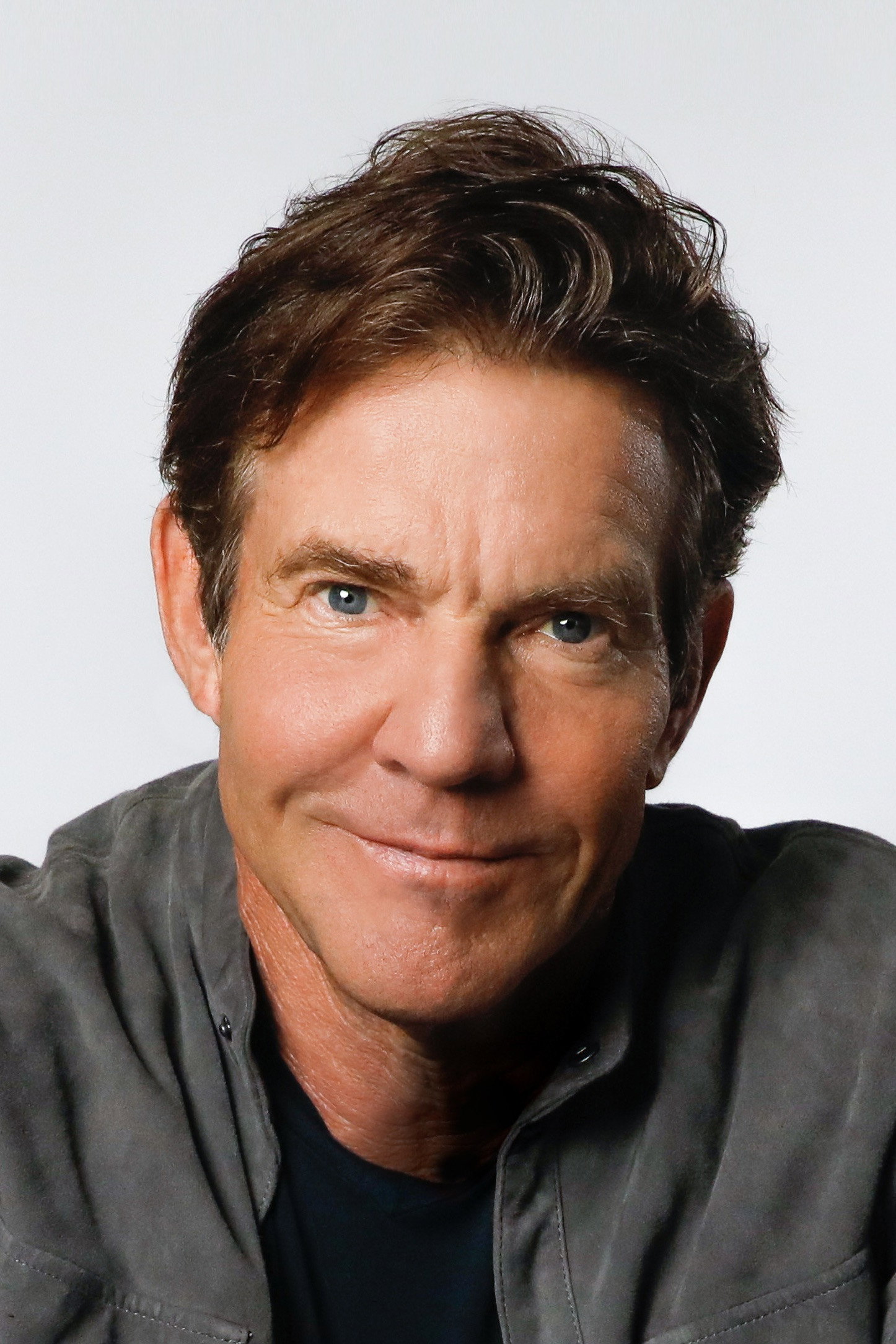
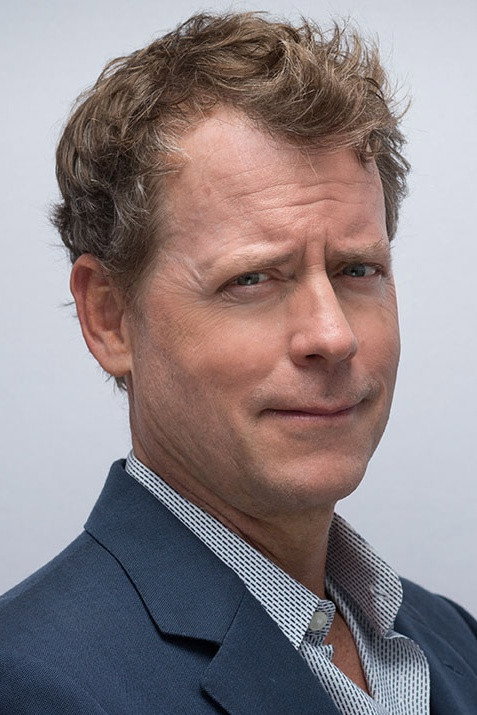
The framing story has Charlie Wessler (Dennis Quaid) pitching ideas to Griffin Schraeder (Greg Kinnear), with the sketches supplying the proposed films. This ought to give each new absurdity somewhere to come from, but the pitching itself becomes another thing to wait through. Dennis Quaid puts energy into selling this material; Greg Kinnear has the less rewarding task of receiving it. The device cannot make the separate pieces feel worth sitting through, and returning to it interrupts what little momentum they find.
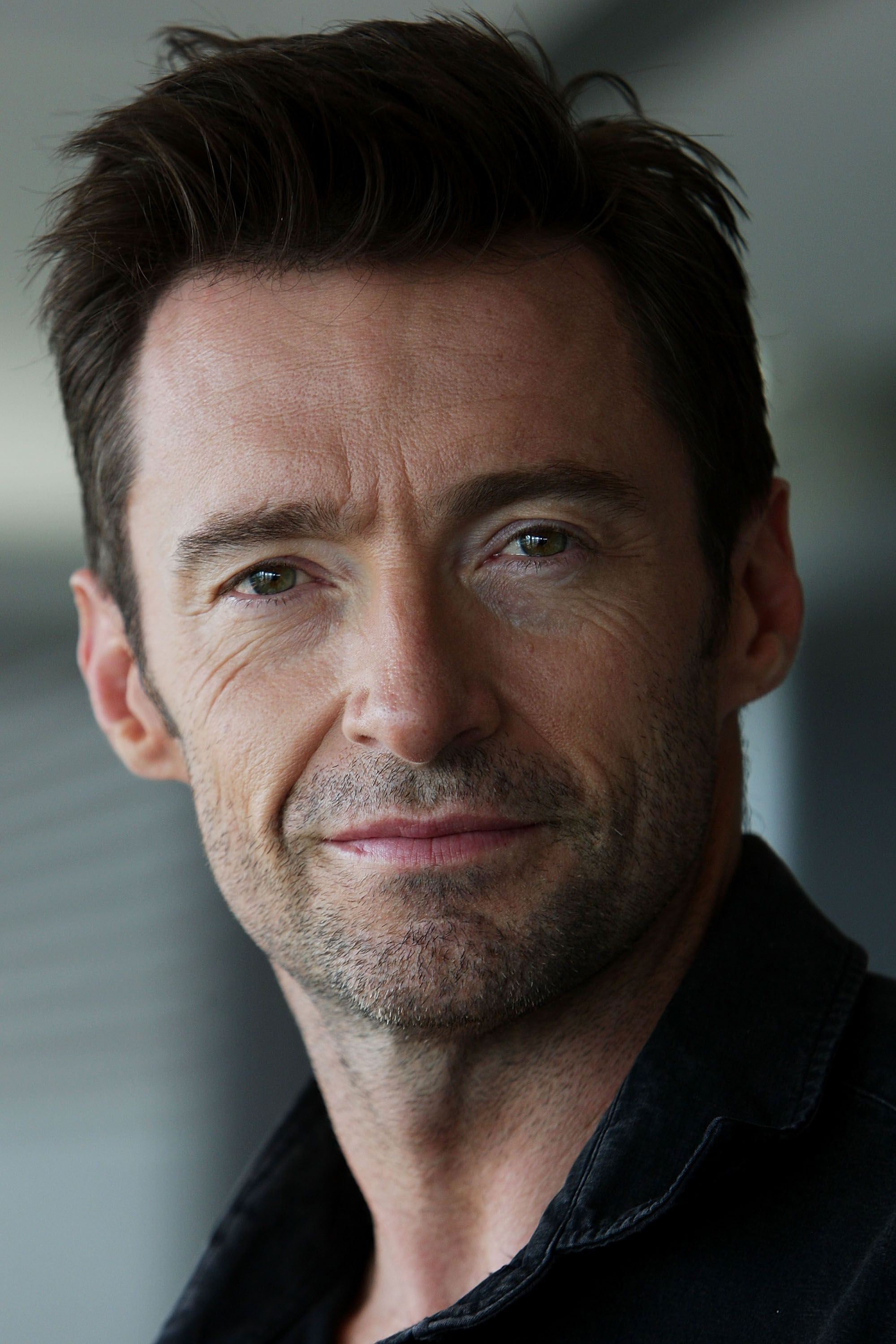
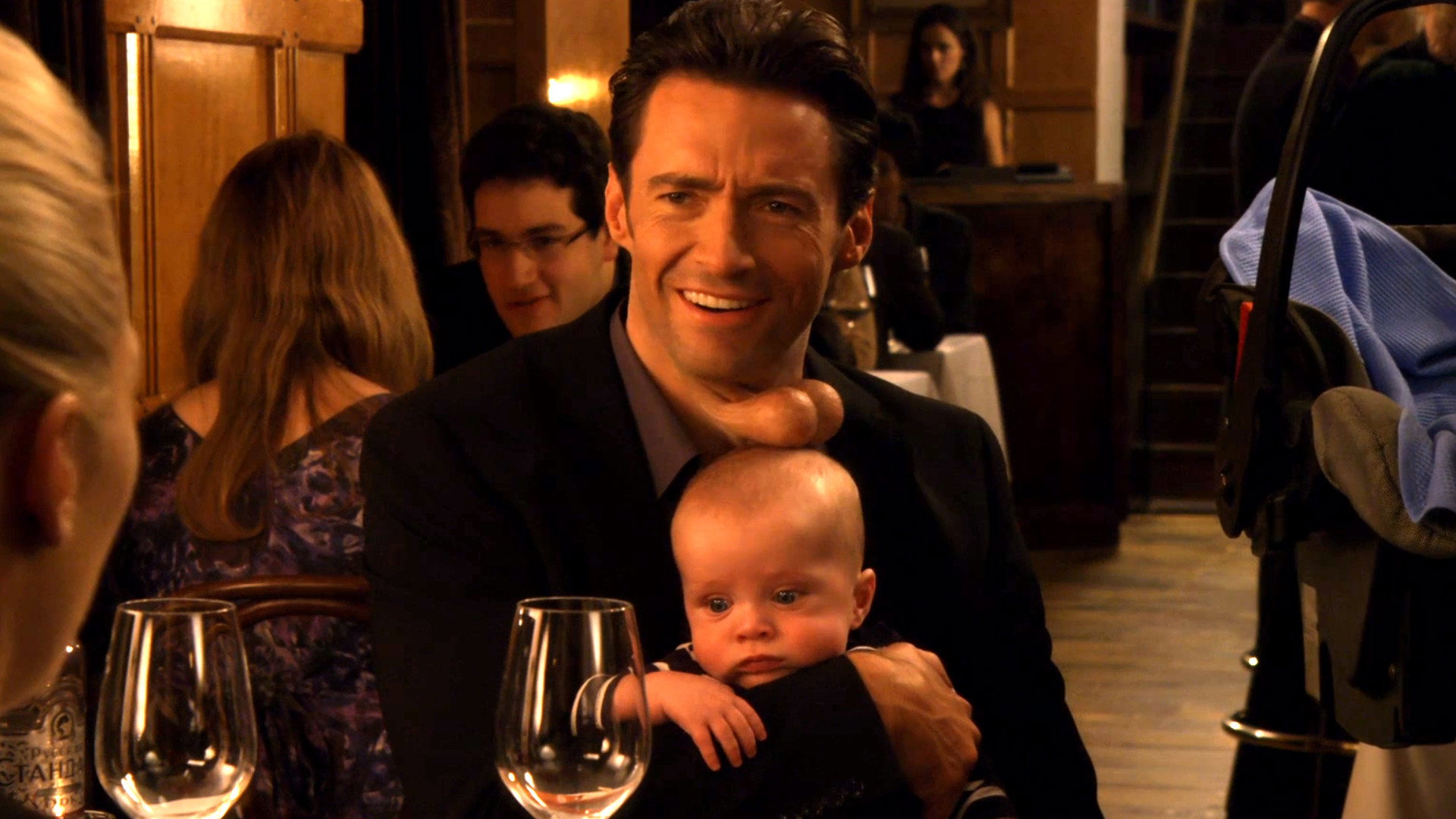
The clearest reason to give the film any credit is The Catch, which puts Beth (Kate Winslet) opposite Davis (Hugh Jackman), a man with testicles hanging from his neck. We laughed at that first sight, then grew impatient because the sketch had so little to add. Kate Winslet gives the absurdity the attention a real social predicament would demand, while Hugh Jackman does not ask to be excused from the joke. Their willingness helps, but the body part remains more memorable than anything that happens around it.
Tim Suhrstedt and Newton Thomas Sigel are among the cinematographers, and the pictures are clear enough to let the visual jokes register. That matters in The Catch, where the misplaced anatomy needs no explanation. Production designers Jade Healy and Happy Massee are also among the credited team, but the settings contribute little comic detail beyond what the actors bring into them. Across the sketches, there is too little pleasure in simply looking at the screen.
Editors including Suzy Elmiger and Myron Kerstein have the larger problem of sketches that continue after their surprise has gone. The cutting gives too much time to premises that needed either a quick exit or a second idea, so the anthology feels longer than its running time. The music, with contributors including Christophe Beck and Tyler Bates, does little to lighten the trudging pace. The sketches repeatedly end without giving the build-up a worthwhile payoff.
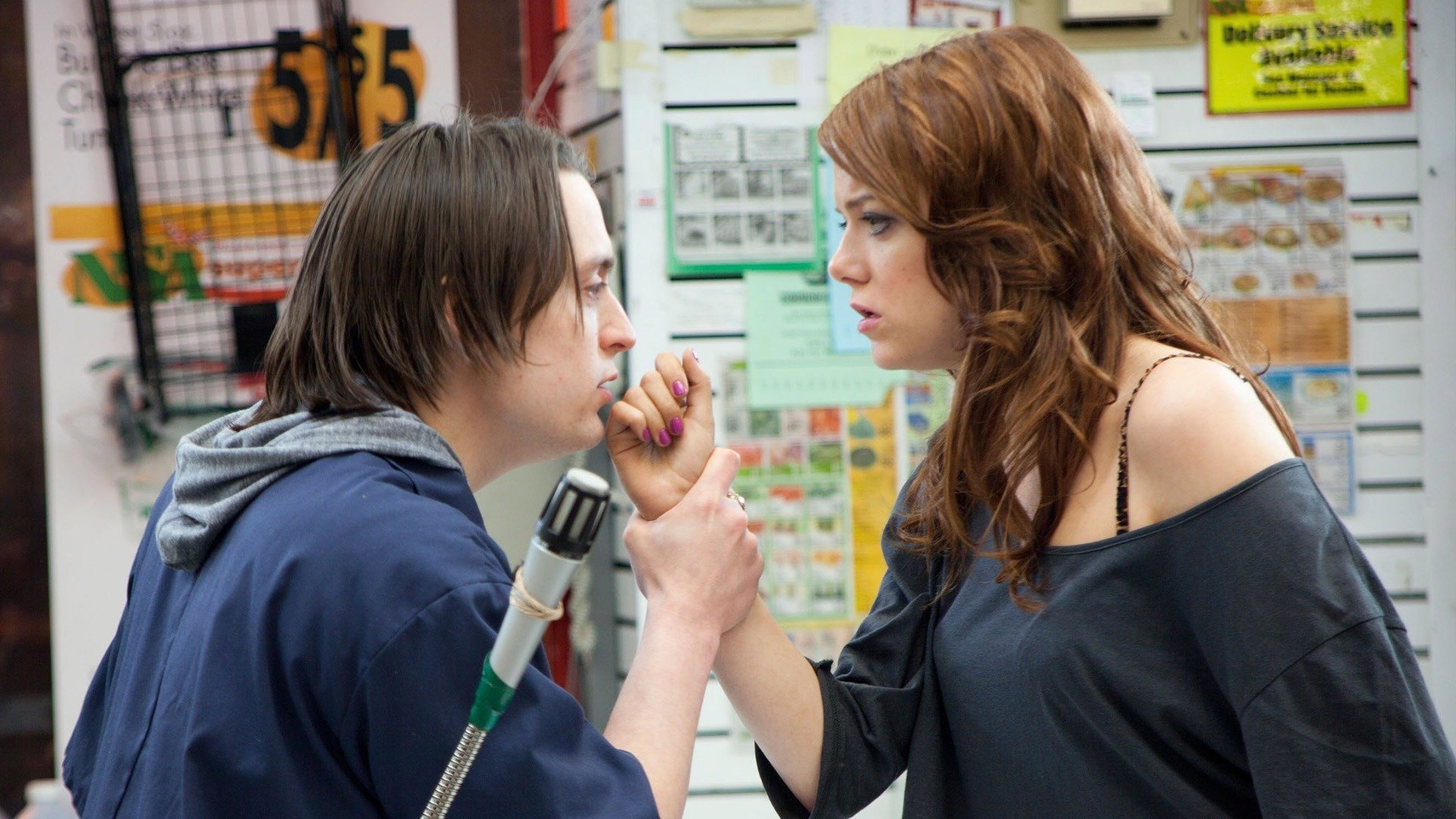
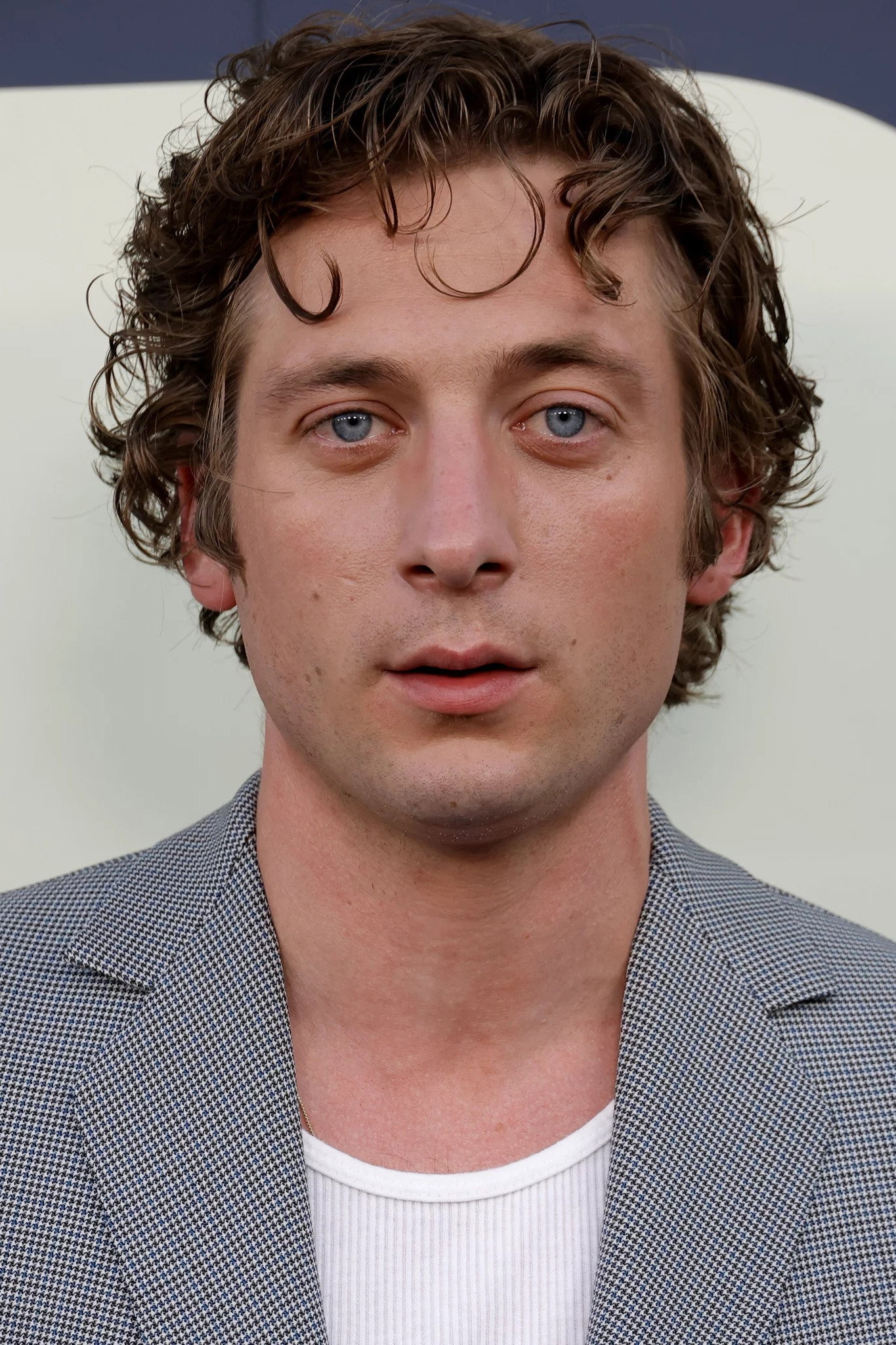
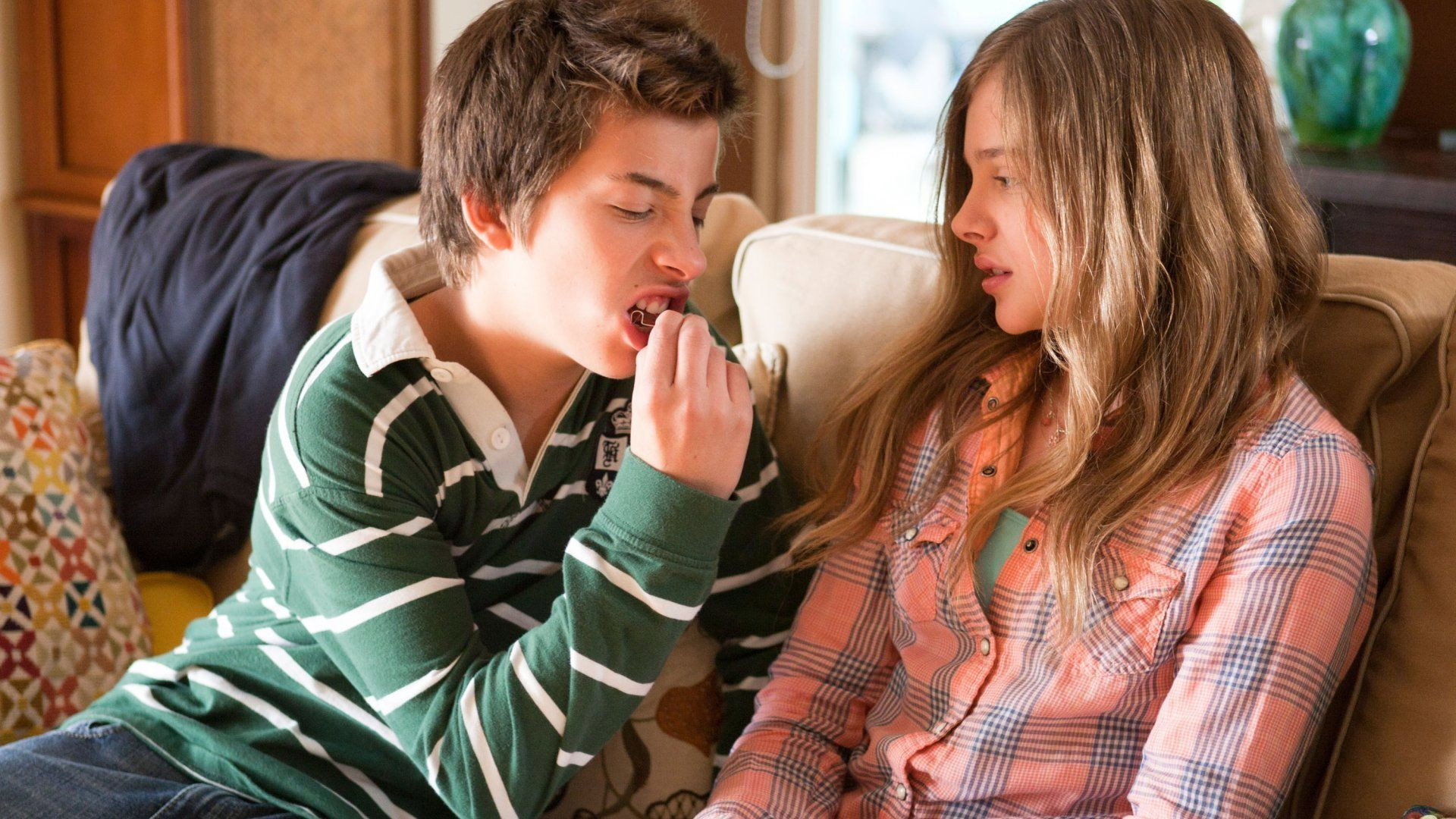
The trouble with Homeschooled is not simply that Kevin (Jeremy Allen White) is treated badly; cruelty can be useful comic material. The sketch needs a clearer target if the humiliation is to give us anything beyond discomfort. Gross-out comedy can work through surprise, embarrassment or a precise observation about how people act. Here, the determination to offend repeatedly takes the place of finding something funny about the behaviour.
The cast’s readiness to look ridiculous is the one sustained virtue, and it saves the film from seeming embarrassed by its own material. That does not make the experience much less wearying. Even allowing for the unevenness that comes with a collection of sketches, there are too few reasons to keep waiting for the next one. We would not spend an evening on it merely to watch capable actors prove they are good sports.