Andor is a gripping political thriller built around ordinary lives under the Empire. Its patience pays off in performances and places worth caring about, though the opening takes too long to find its shape.
Andor is a tense, absorbing political thriller that takes ordinary lives seriously. The struggle against the Empire grows out of economic desperation and difficult personal choices, giving rebellion a weight that a stirring declaration cannot supply by itself. The writing team, which includes Tony Gilroy, allows a political awakening to take time. There is a cost to that patience, particularly at the beginning, but the attention paid to people makes it worthwhile.
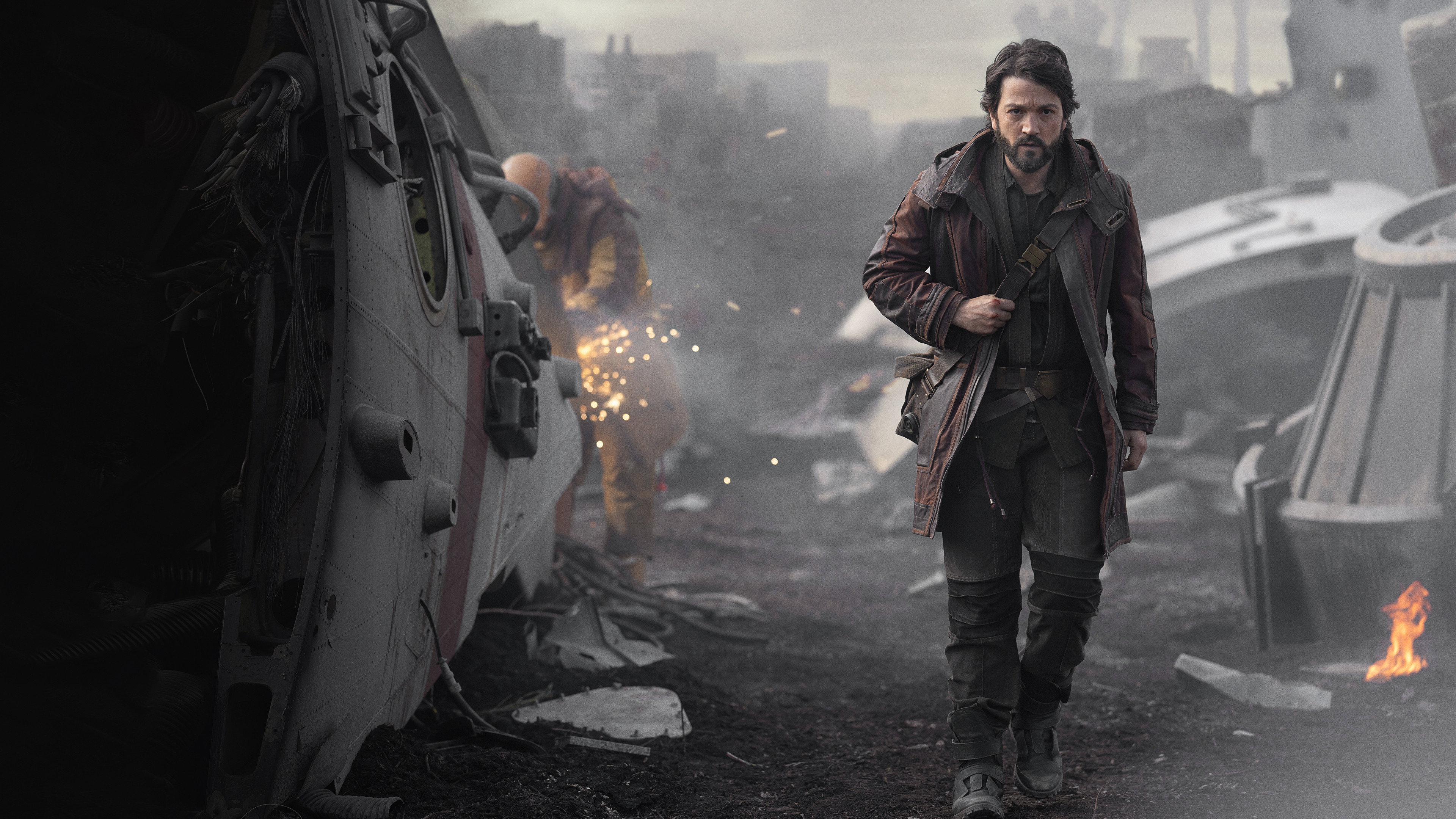
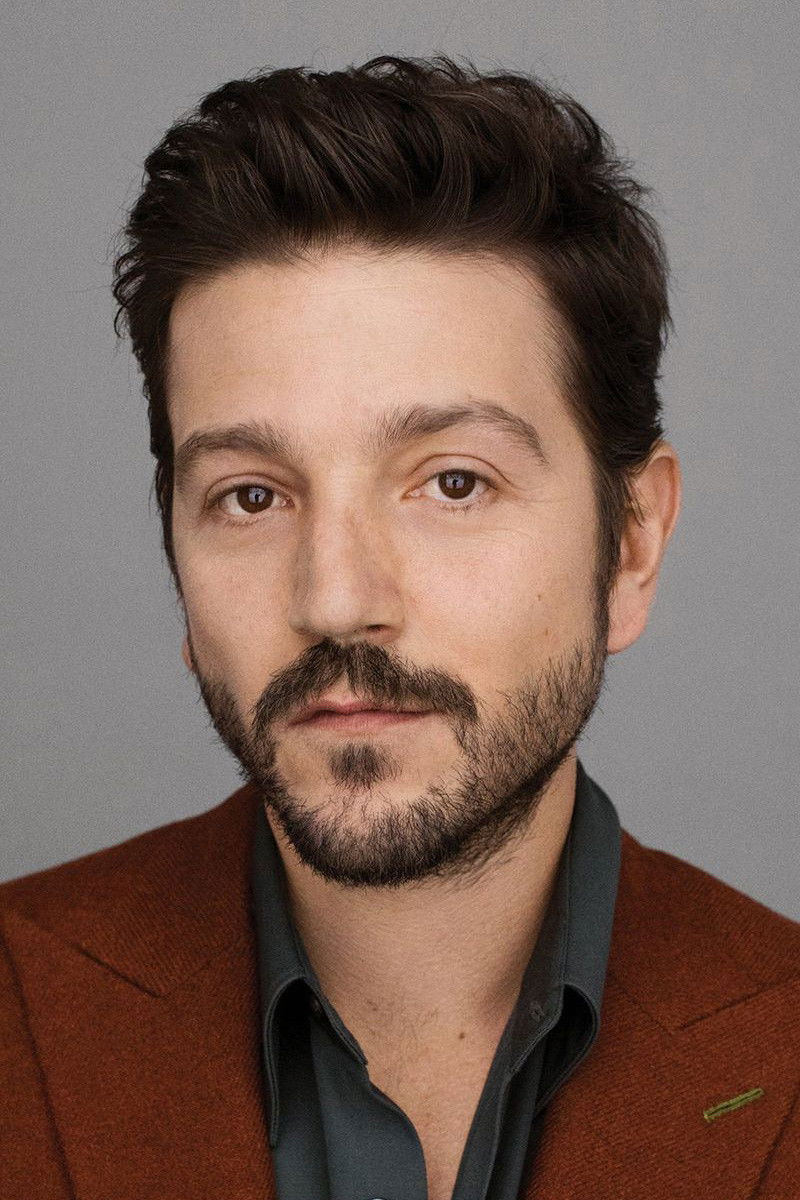
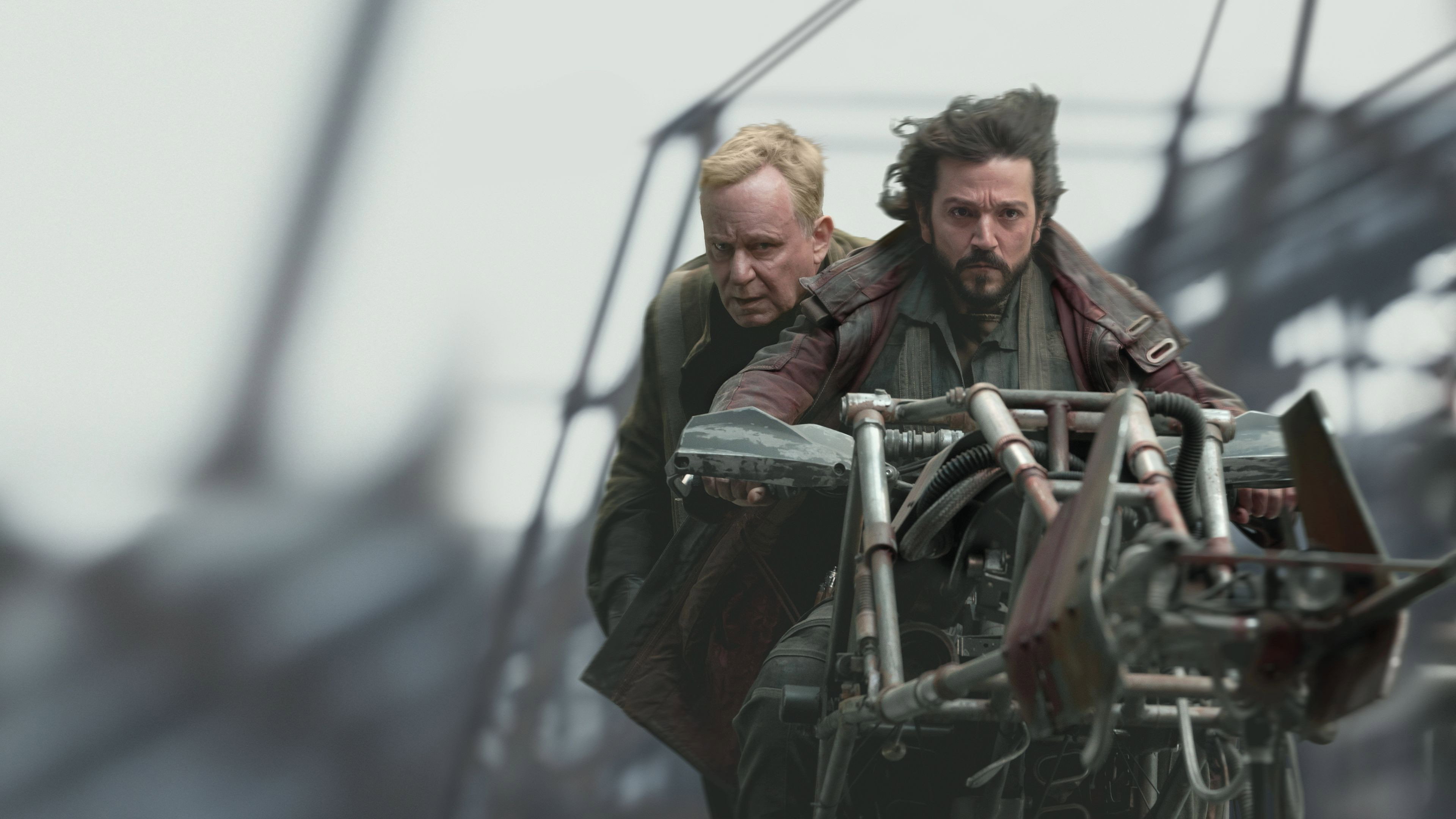
Diego Luna’s Cassian Andor is a persuasive centre because Luna does not hurry to make him admirable. His guarded performance leaves space for uncertainty, and the series lets that uncertainty matter. We were moved by the attention to economic desperation around him: being asked to resist feels different when getting through an ordinary day is already hard. Luna keeps the character human enough for the politics to feel like something happening to a person.
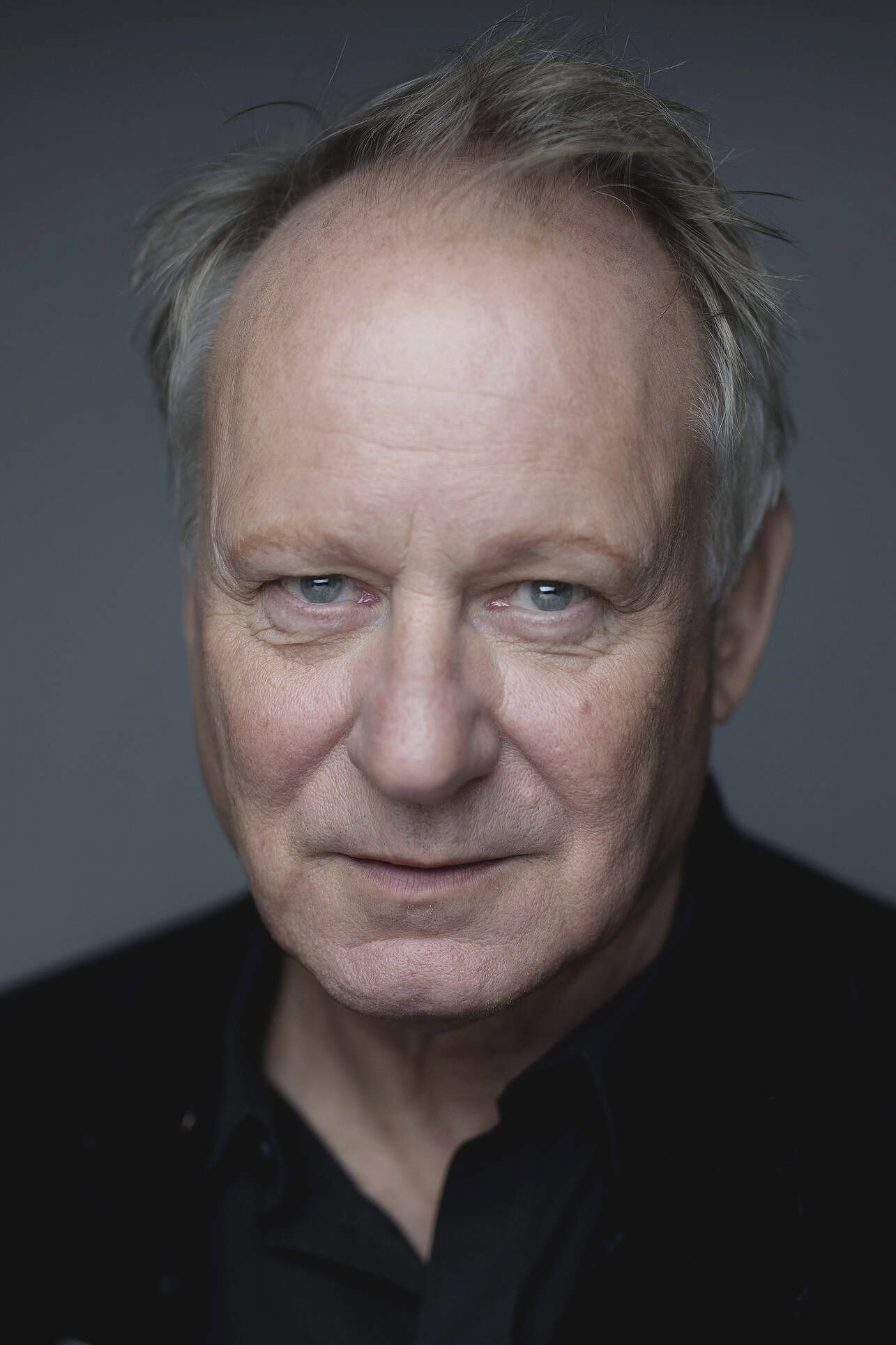
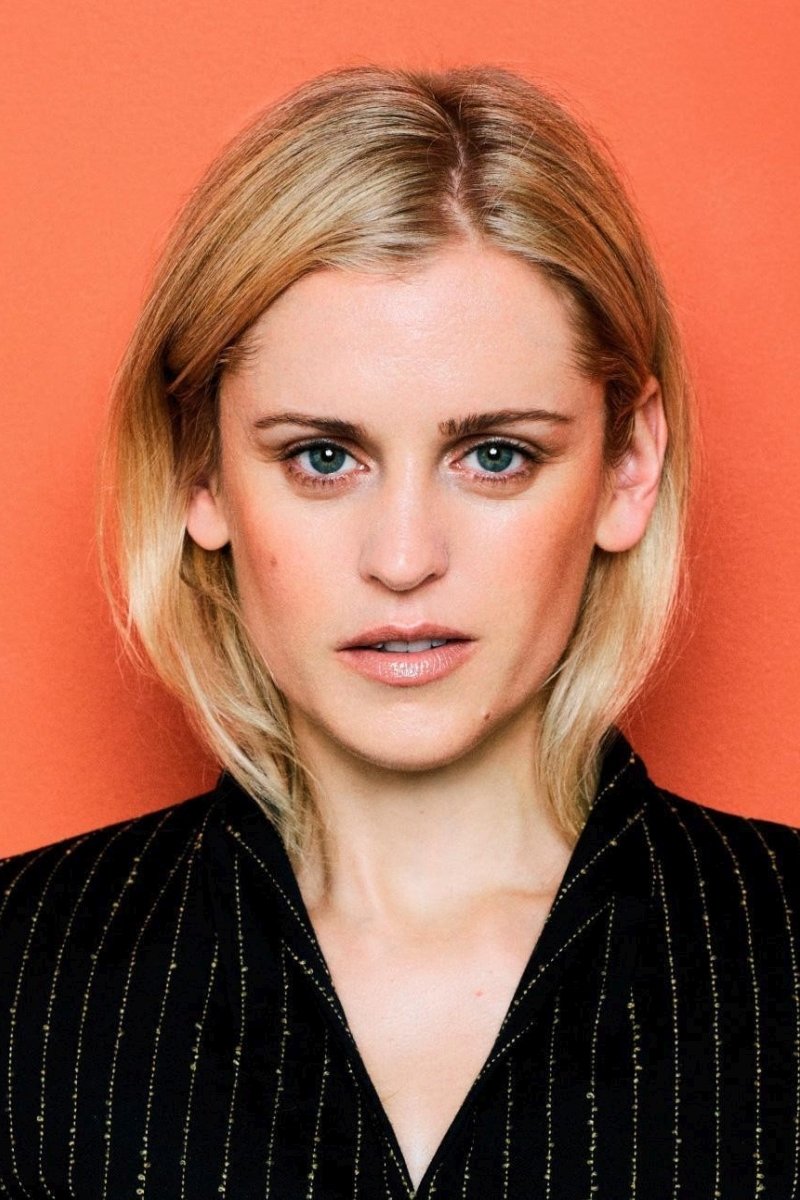
Denise Gough makes Dedra Meero’s seriousness unsettling, while Genevieve O’Reilly gives Mon Mothma a tightly controlled poise. Neither performance needs to keep signalling the importance of the story, which is a relief in a series about rebellion. Stellan Skarsgård’s Luthen Rael is forceful without overwhelming the quieter acting around him, and remains persuasive when the dialogue has a great deal to explain. The long conversations earn their place through differences in delivery and temperament.
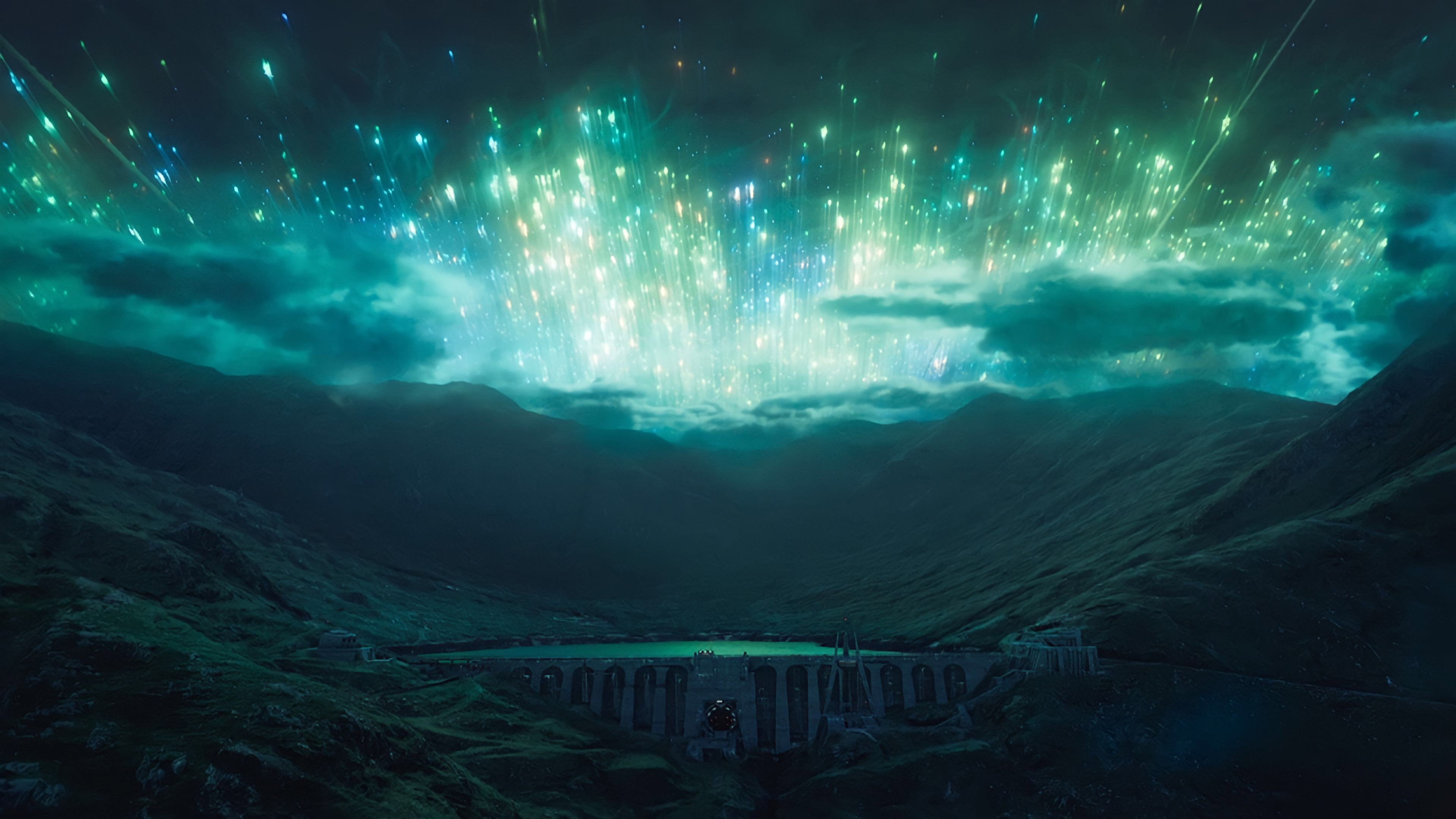
Luke Hull’s production design makes the economic pressures credible: the places look as though people might actually have to work in them. That sounds modest until we remember how often science-fiction settings seem to exist solely for somebody to walk impressively through them. Adriano Goldman and the cinematography team give these environments weight and a sense of everyday use. Their grounded images keep the actors part of their surroundings, and help make the struggles over those places worth following.
The weakness is the early structure. John Gilroy and the editing team allow the setup to spread out before the central story has enough direction, and there are stretches when careful preparation feels like waiting for the programme to start. We do not need a burst of action every few minutes, but we do need to know why a scene belongs where it has been placed. Some of the opening could be shorter without losing what makes the series distinctive.
Nicholas Britell’s music helps make that waiting bearable, giving the slower passages a persistent unease. It belongs to the same grounded drama as the performances and the places, and gives the series a recognisable character of its own. The music also helps the science fiction retain some strangeness. For all the welcome seriousness, this should still feel like a place beyond our own, and Britell helps keep it unfamiliar even when the political behaviour is easy to recognise.
Against the expectations of Star Wars, the lack of fuss about familiar lore is refreshing. The series trusts political pressure, character and conversation to hold our attention, and does not require affection for the franchise to make those things interesting. Its seriousness can become ponderous, but it rarely feels self-important. Give the opening time; this is worth watching even if a galactic rebellion would not ordinarily be your choice of evening.