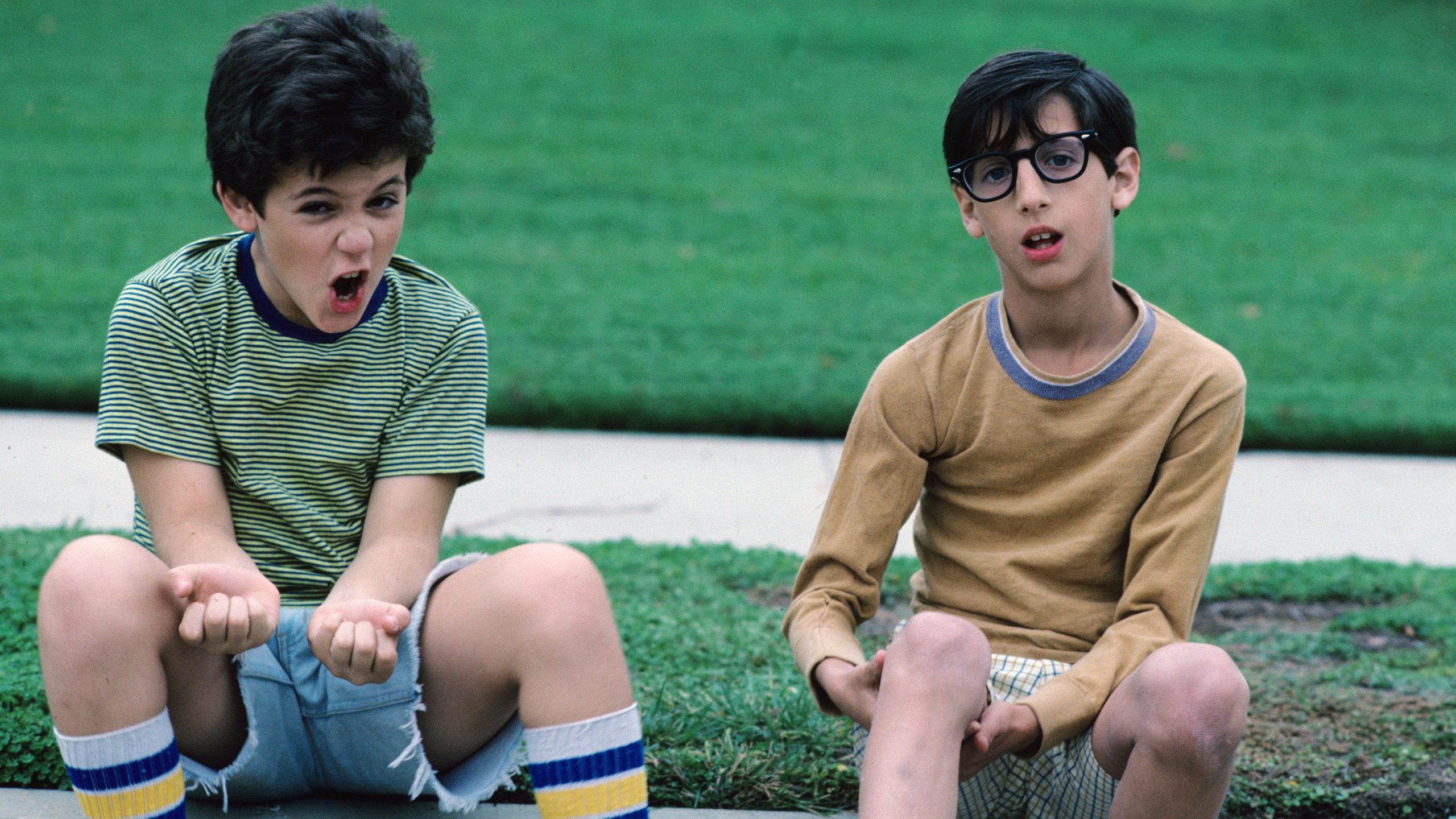
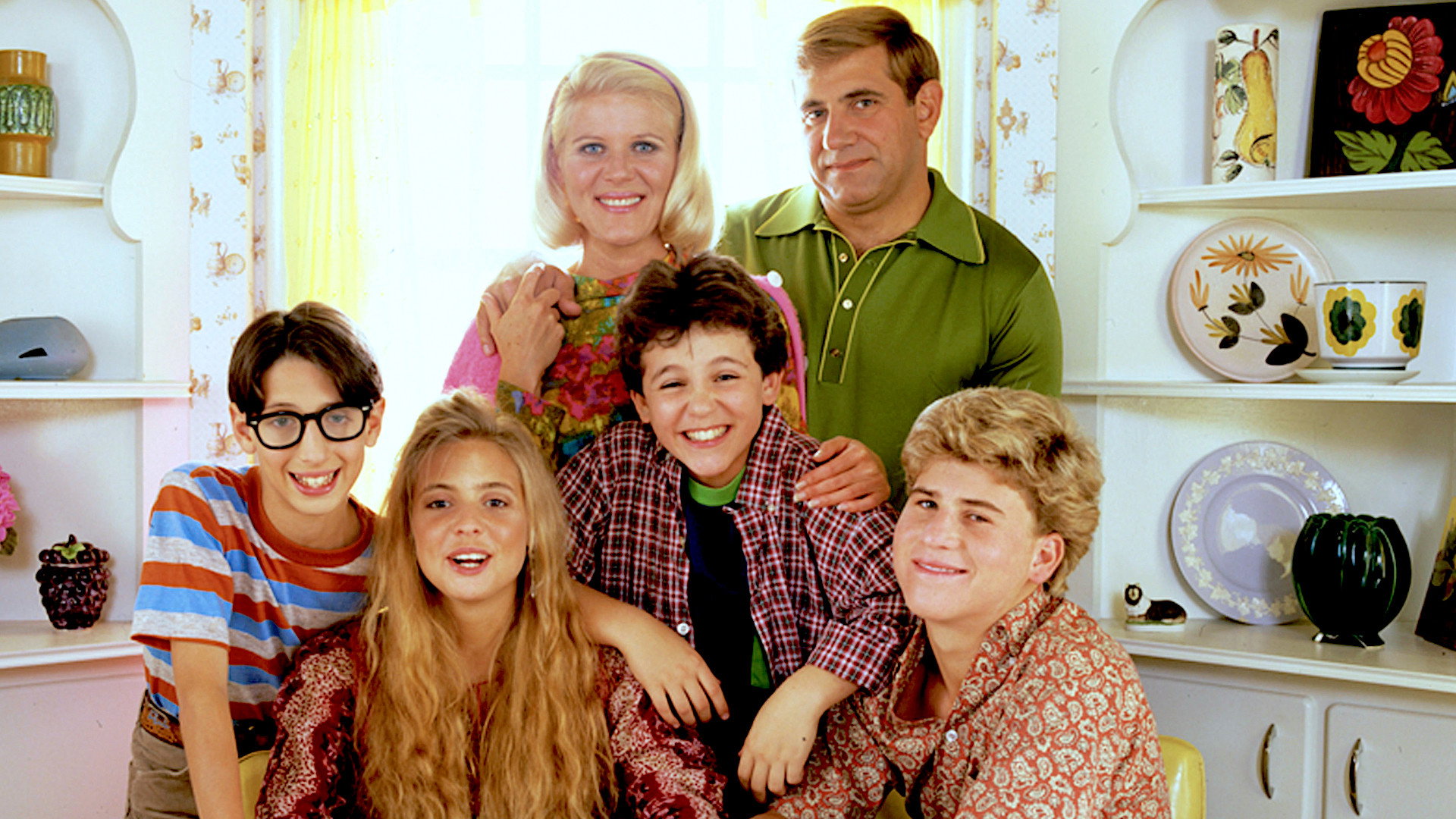
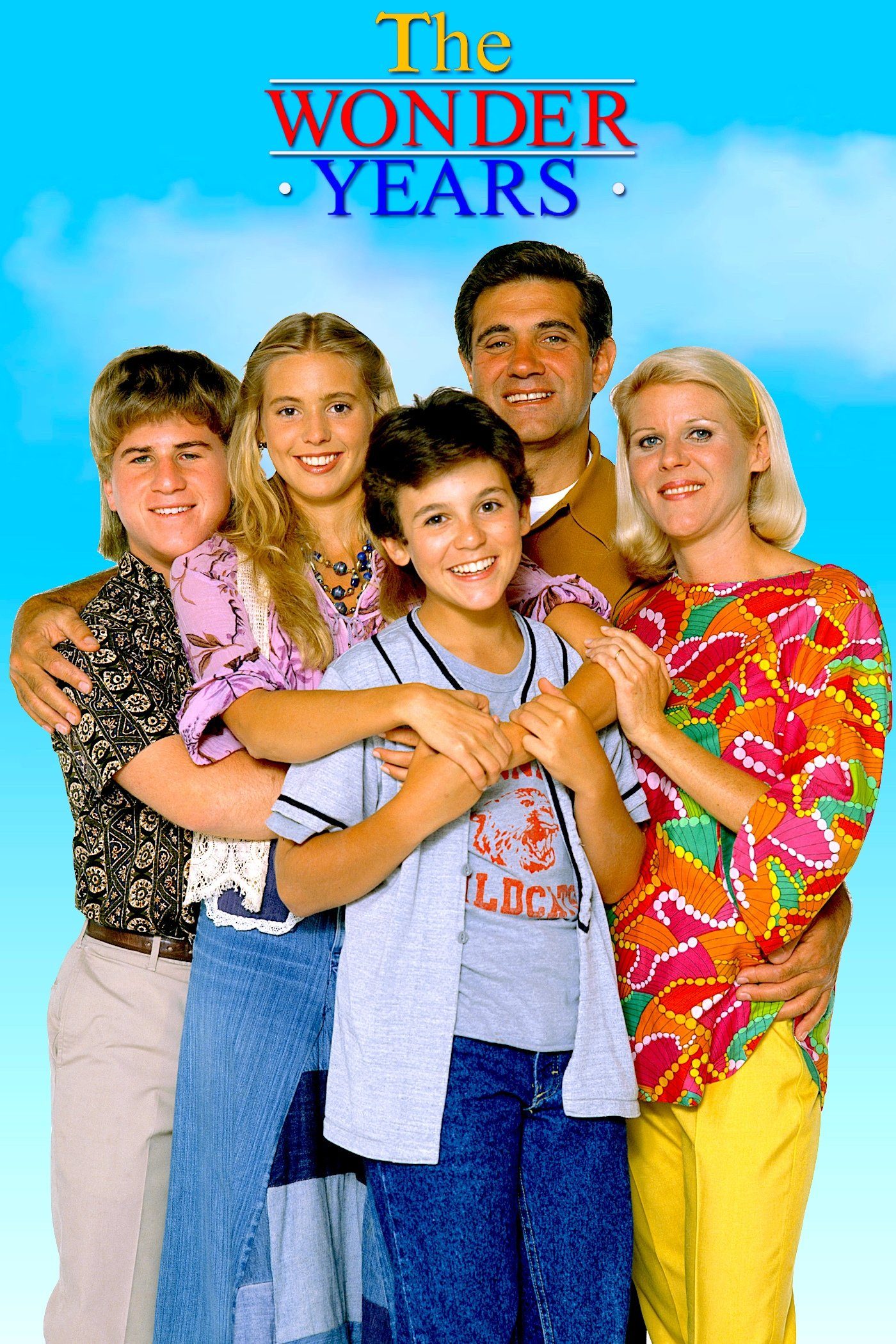
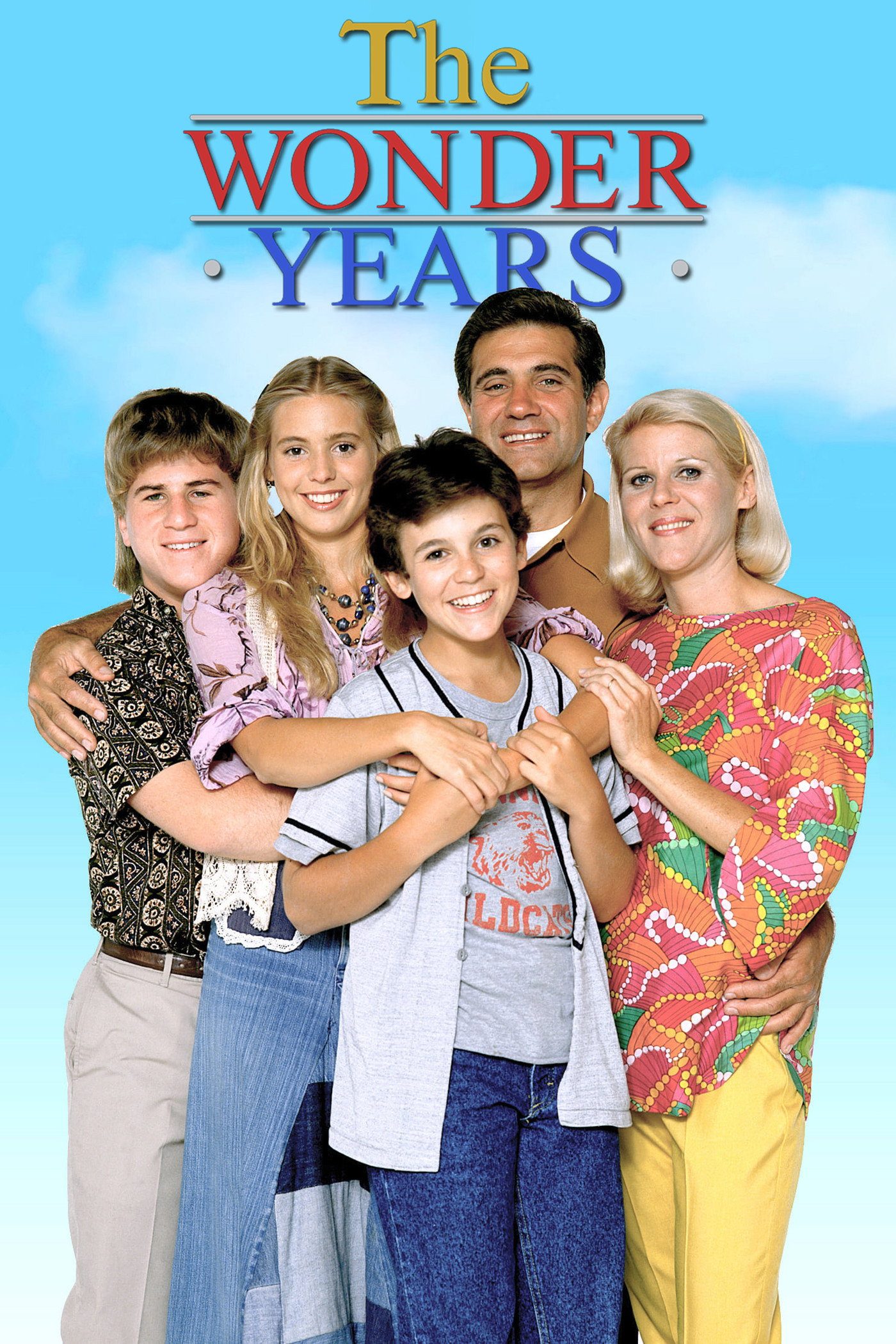
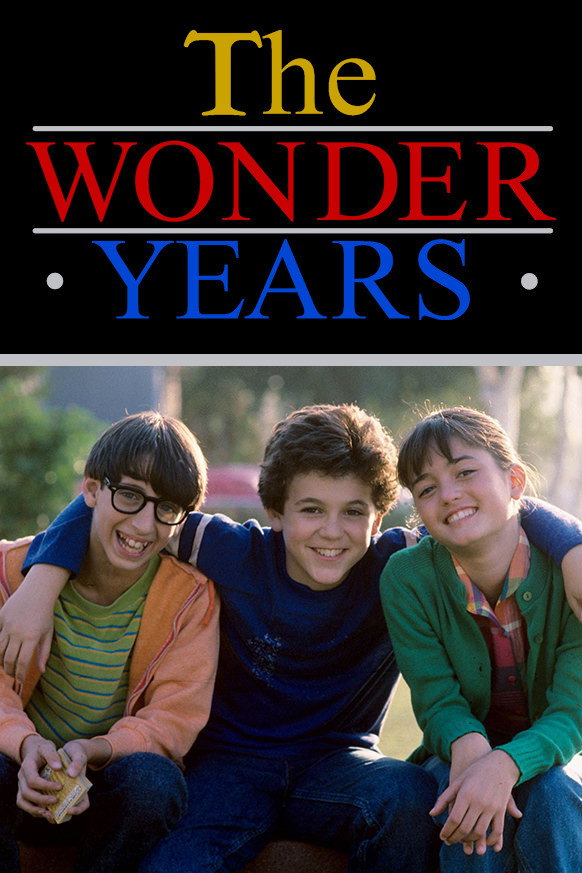
Fred Savage makes The Wonder Years funny and touching without making adolescence look easy. We recommend it warmly, with a reservation about Daniel Stern’s narration, which sometimes explains what the actors have already made clear.
The Wonder Years is a warmly recommended family comedy with one persistent nuisance: it sometimes explains a feeling after the actors have already made it clear. Creators Neal Marlens and Carol Black take adolescence seriously, including the parts an adult might prefer to dismiss as foolish. Kevin Arnold is allowed to be uncertain without becoming a joke the programme tells at his expense. That sympathy gives the series its strength, even when the narration insists on helping.
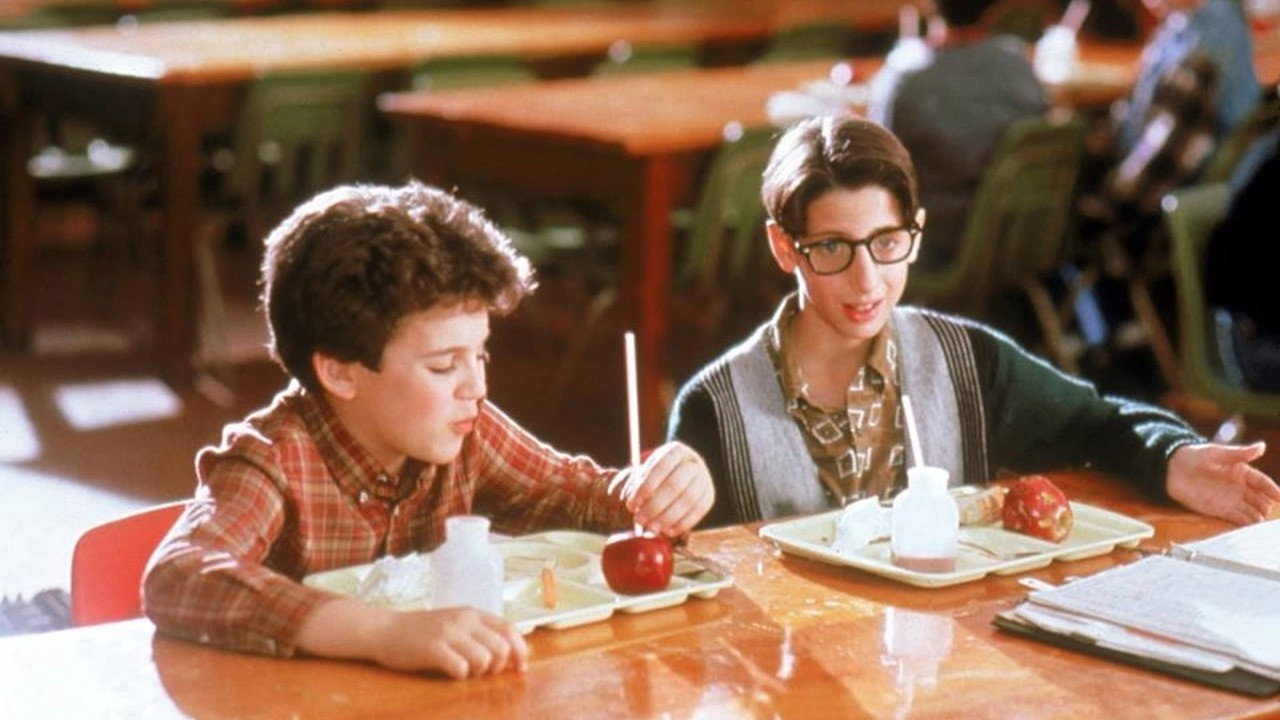
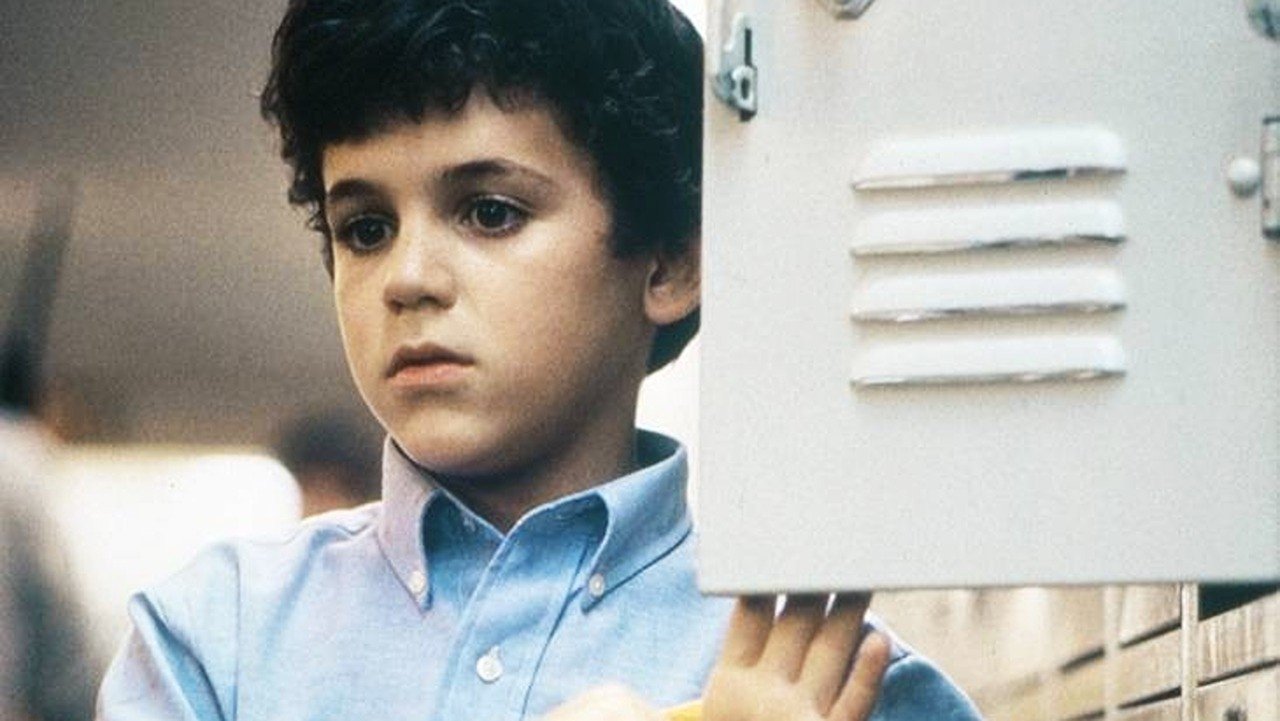
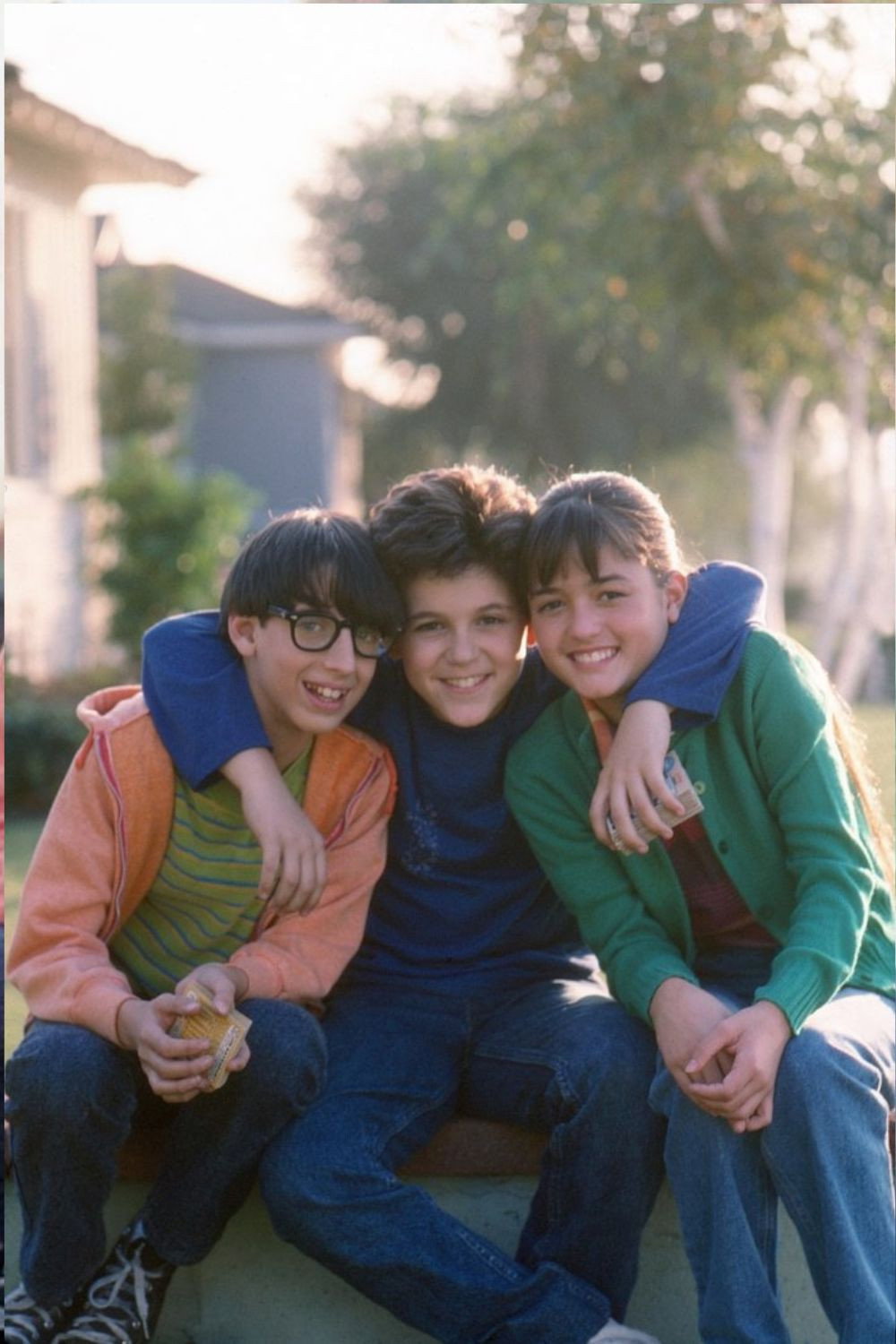
Fred Savage allows Kevin an awkwardness that a tidier comedy might hurry past. He makes uncertainty visible, and his performance remains interesting even when Kevin has little idea what he is feeling. We felt protective of the boy because Fred Savage makes that confusion so uncomfortable to watch. Daniel Stern’s adult Kevin sometimes seems to have missed how much the younger actor has already told us.
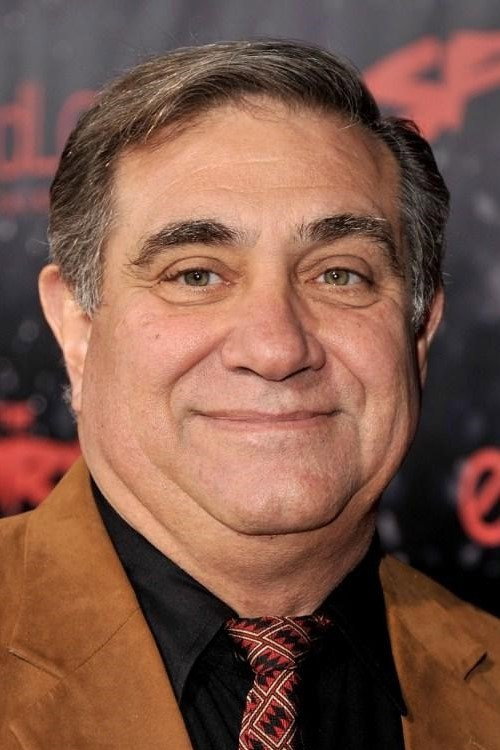
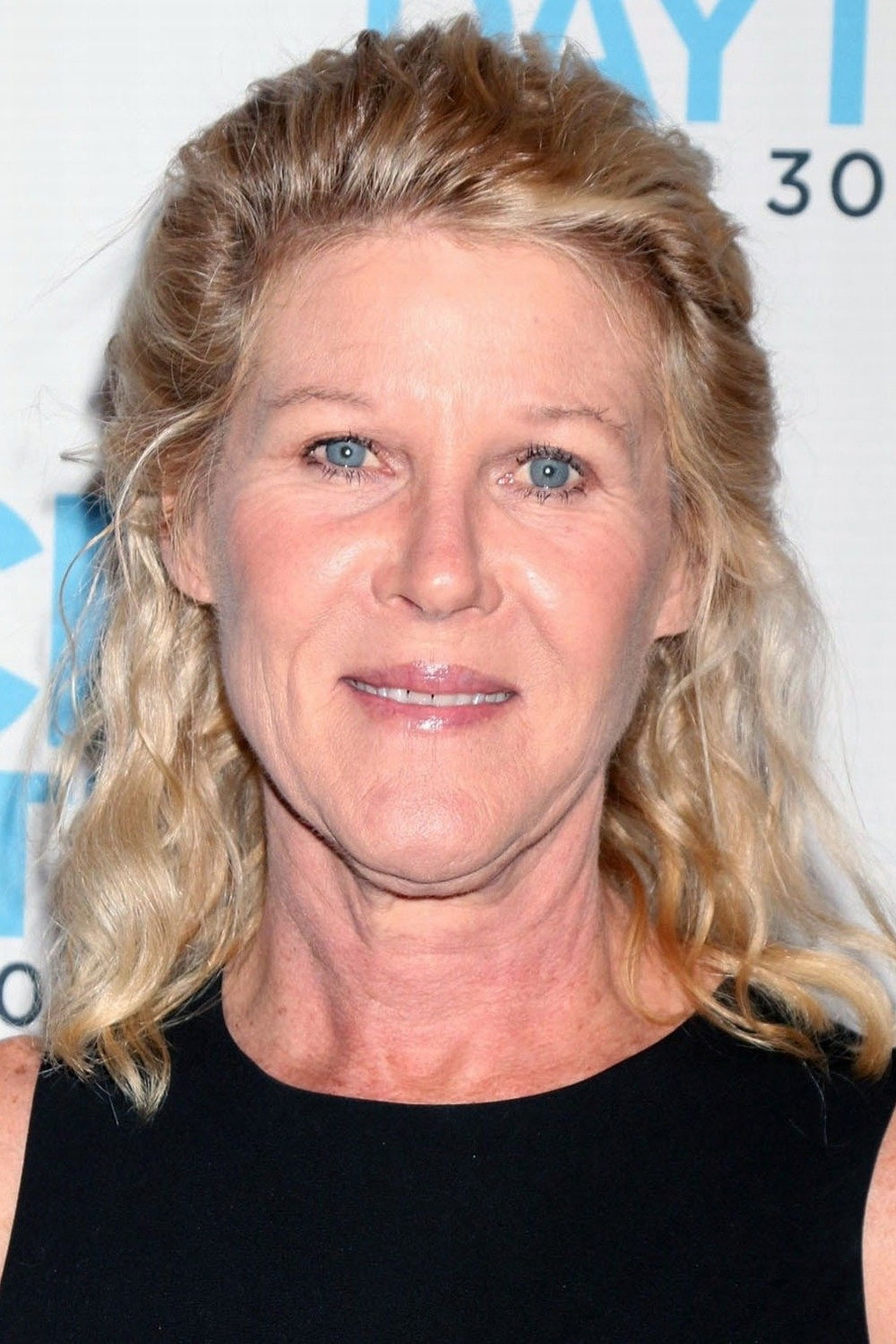
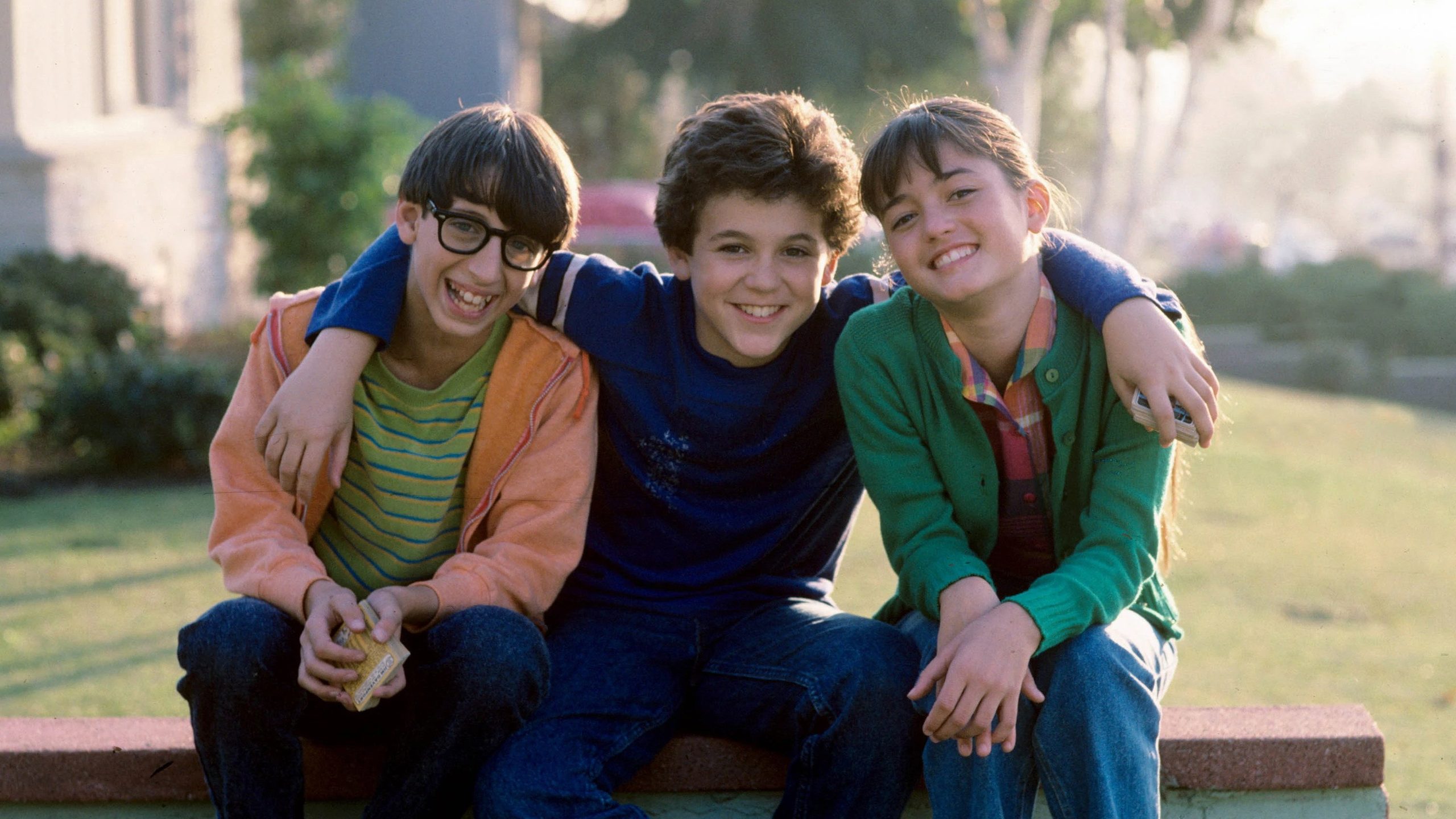
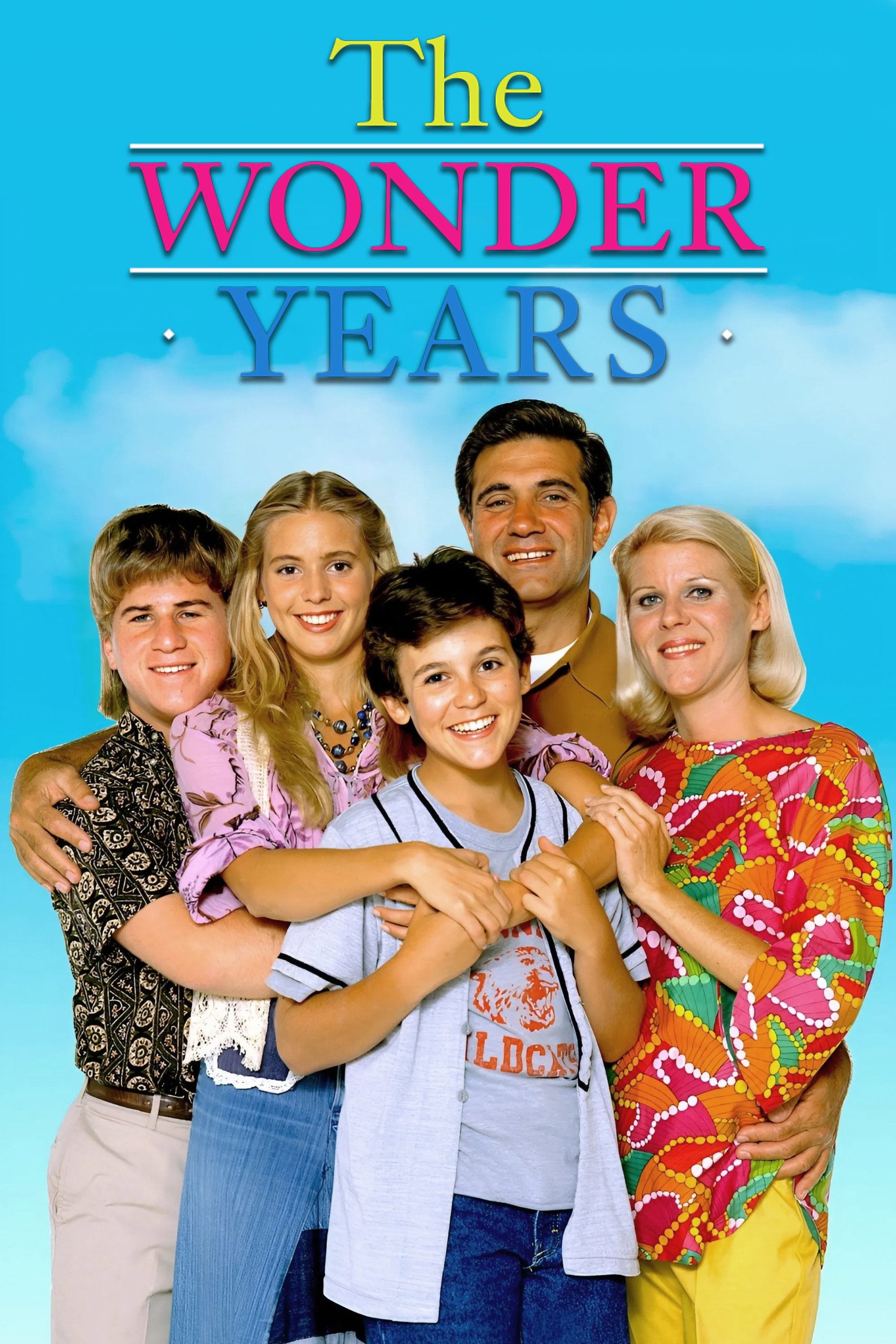
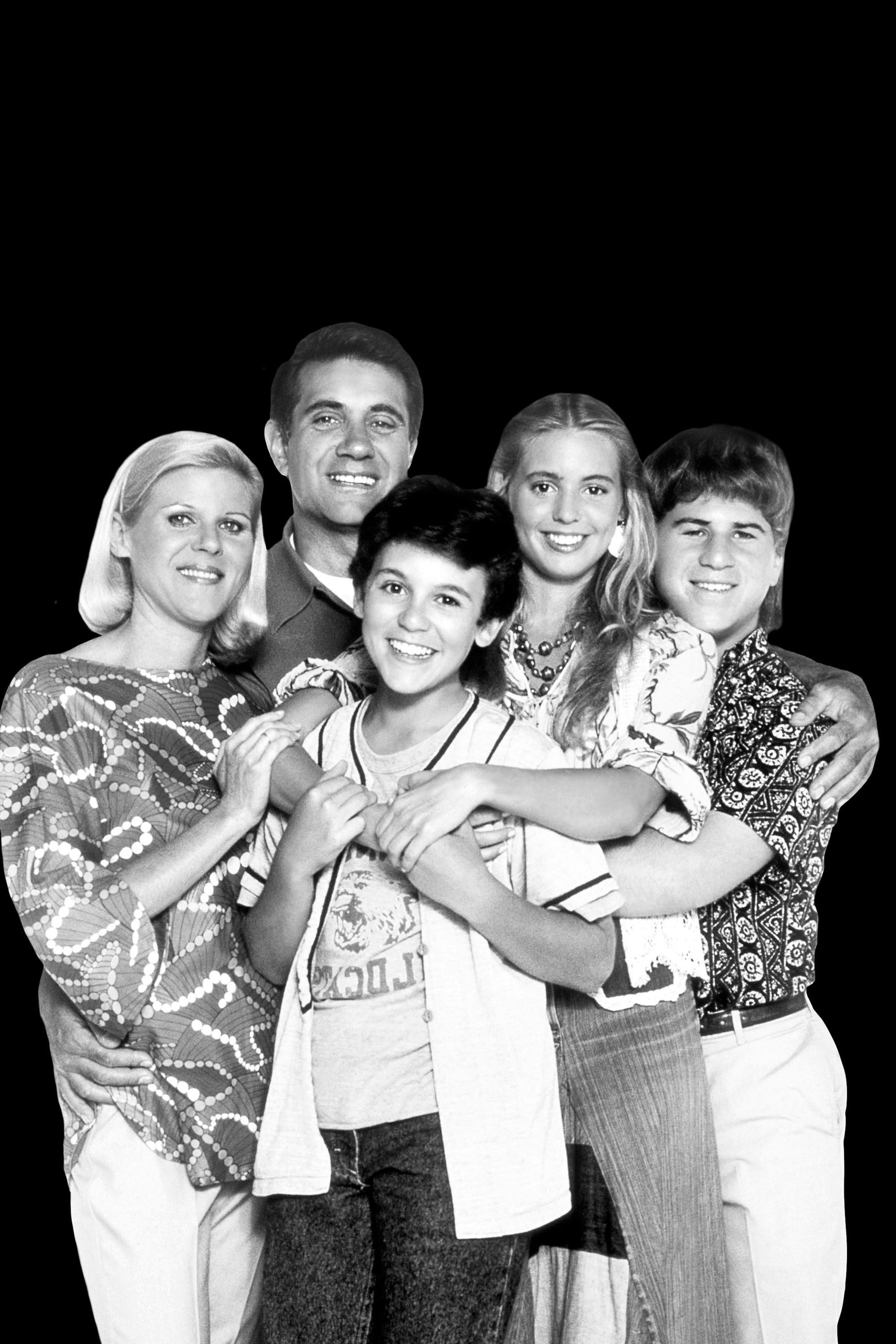
The romance with Gwendolyn ‘Winnie’ Cooper gives Danica McKellar the difficult job of holding our interest in someone Kevin cannot entirely understand. It would be easy for a remembered young romance to become nothing but a reward for the boy doing the remembering. The uncertainty between them is worth staying with, and neither performance needs the relationship settled to hold our attention. Dan Lauria’s John ‘Jack’ Arnold and Alley Mills’s Norma Arnold help the ensemble keep its weight beyond Kevin’s romantic concerns.
The cinematography credited to Newton Thomas Sigel and Mac Ahlberg serves the performances well, keeping the young actors worth watching even beneath the commentary. The pleasure is in watching people register a feeling before they can explain it. Edward L. Parsons’s production design helps Kevin’s surroundings feel inhabited rather than arranged solely for a lesson. That ordinary scale matters in a family comedy: we need to believe these people have somewhere to spend time when nobody is learning anything.
Larry L. Mills’s editing has a delicate job, accommodating the younger Kevin’s experience and the older Kevin’s commentary. At its best, the rhythm gives us time to understand a reaction before the voice supplies its explanation. W.G. Snuffy Walden’s music adds warmth, sometimes more than a scene needs when the narration is also encouraging us to feel wistful. In the 24-minute format, the moments that ask least insistently for our affection are often the ones that earn it.
Daniel Stern’s narration is the chief reservation, precisely because the adult viewpoint is such a useful idea. It allows the series to be kind about mistakes without pretending they did not matter, but it can also repeat what the performance has settled. The writing sometimes pushes a lesson too hard, leaving little for us to work out. Neal Marlens and Carol Black’s approach is more persuasive when we can recognise something foolish we once did without having its significance explained.
We prefer this to family comedies that hurry children towards the useful lesson. Its sympathy for feelings an adult might consider trivial is a good reason to watch it as an adult. Try an episode when you want something gentle that still remembers how much an ordinary embarrassment can hurt.