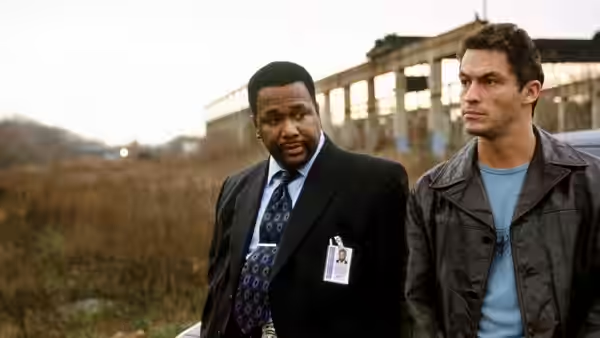
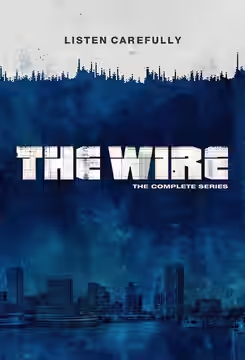
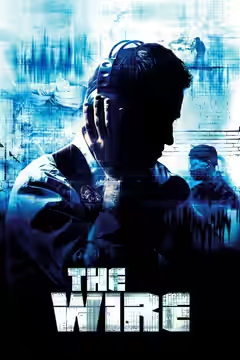
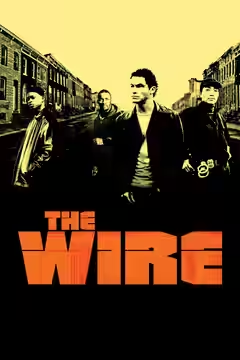
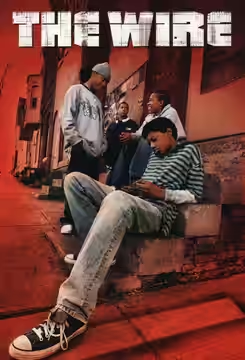
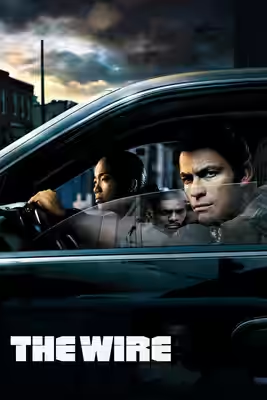
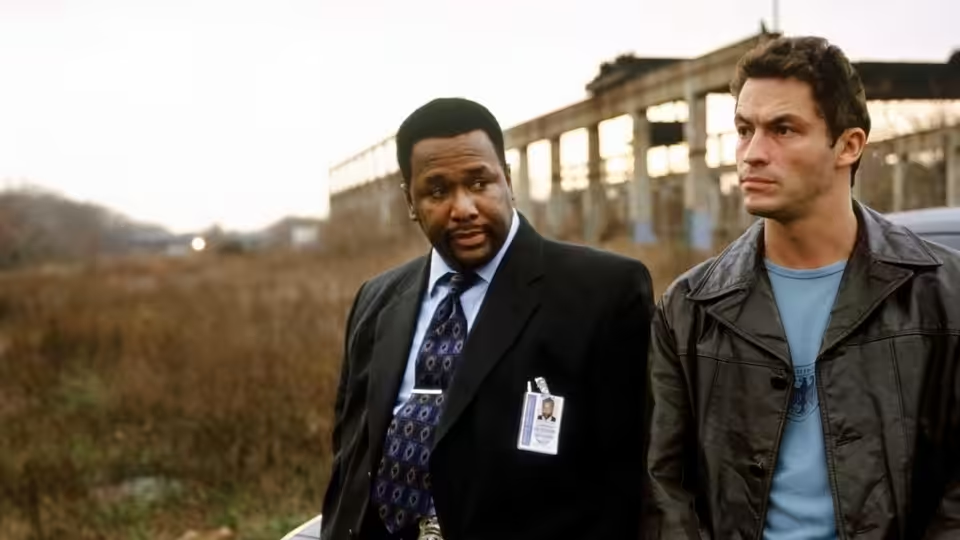
Jimmy McNulty (Dominic West) and Cedric Daniels (Lance Reddick) standing near a derelict building
Series review

The Wire

2002 · Created by David Simon · Series

In a sentenceWe came for the police work and stayed to resent the management

In Baltimore, police and drug dealers pursue their work amid gang violence, departmental politics and pressure to get ahead. Jimmy McNulty (Dominic West), Cedric Daniels (Lance Reddick) and Kima Greggs (Sonja Sohn) are among the people caught up in the city’s drug war. Wood Harris plays Avon Barksdale, Idris Elba plays Stringer Bell and Michael Kenneth Williams plays Omar Little. The drama follows police, criminals and political interests, tracing how their decisions affect one another. Ambition and expedience shape the work, while the organisations these people belong to set limits on what they can do.

Plays from YouTube when you press play; nothing loads from them until then.

Fi1m review

We would recommend The Wire even to people who usually avoid police dramas. Its Baltimore drug war is absorbing, humane and sometimes exhausting, with departmental politics given the weight other programmes reserve for gunfire.

The Wire asks us to follow the work: who wants something done, who can authorise it and who would prefer that nobody bothered. David Simon and Ed Burns write about police and criminals as people with jobs, ambitions and organisations to answer to. That makes for an absorbing crime drama, and one we would recommend well beyond the usual audience for police stories. It requires attention from the start, but the detail has a purpose. We learn enough about how these people work to understand what they are up against.

Dominic West’s Jimmy McNulty gives us a forceful personality to follow, but the programme never feels obliged to arrange everything around him. Lance Reddick, as Cedric Daniels, and Sonja Sohn, as Kima Greggs, make competing pressures understandable without turning every exchange into an explanation. We can disagree with someone and still follow their reasoning. That matters in a drama where ambition and expedience keep interfering with the job. The acting makes those compromises feel costly.

Wood Harris’s Avon Barksdale and Idris Elba’s Stringer Bell receive the same serious attention as the police. The drug trade has its own pressures and calculations, and the performances let us watch those calculations without being asked to approve of them. Michael Kenneth Williams, as Omar Little, supplies a welcome unpredictability amid so much organised behaviour. These actors give their characters enough individuality to prevent the programme’s account of the city from becoming a lecture. We remain interested in the person speaking, even when we have understood the point.

Uta Briesewitz’s cinematography makes the people and their surroundings equally worth studying. We can pay attention to a face without forgetting the city around it. Vincent Peranio’s production design makes the workplaces convincing enough for us to believe that people have been putting up with them for years. Editors Thom Zimny, Geraldine Peroni and Kate Sanford give procedural exchanges enough time to become dramatic. We have to follow what is being decided, and the pace gives us the chance.

We were angrier at the departmental wrangling than we expected to be. The decisions keep being shaped by personal advancement, and the actors make that calculation visible without asking us to excuse it. The programme stays with these disputes long enough for us to understand how much they obstruct the work. A quicker treatment could establish that the organisation is dysfunctional and move on. Here, we have to sit through the business of people making it so.

The reservation is the cumulative bleakness. Over five series, people repeatedly accommodate themselves to bad arrangements, and we sometimes feel we know what another compromised decision will tell us. There are stretches when we want the writing to leave more space for surprise. Simon, Burns and their fellow writers generally earn that persistence through the characters, but occasionally the sense of futility settles over a scene too early. It is possible to understand why people cannot change things and still tire of watching them fail to do so.

For a police drama, this places an unusual amount of trust in our interest in ordinary procedure. It expects us to care about permission, priorities and the reasons a sensible course of action might be unwelcome. Accept that, and there is considerable pleasure in being allowed to understand the work this thoroughly. Begin when there is time to concentrate, and leave the second screen out of reach.

Critical consensus AI synthesised

81
Positive
6
Mixed
0
Negative
1

Most critics treat The Wire as something other than a police procedural: a portrait of a whole city, built with unusual patience. Six of the seven reviews are strongly positive, and the praise clusters on the same things: the detail of the Baltimore it reconstructs, the refusal to make anyone a hero or a villain, and writing that finds its drama in paperwork and committee rooms rather than gunfire. Several reviews go so far as to rank it above anything else made for American television.

The reservations are few and scattered. The Telegraph, writing after the final episode, finds some of the last season’s plotting hard to believe, though it does not change its verdict. The one negative notice, from The Hollywood Reporter at the series’ launch, calls it detailed but relentlessly bleak and doubts viewers will want to come back each week. The spread is otherwise narrow, and the later a review is written, the warmer it tends to be.

Radio Times
9.3/10 · Jack Seale
93

The critic hails the series as an audacious historical document that is far too much to take in at once. It singles out the meticulous reconstruction of Baltimore society across institutions for praise.

Read the full review →
Empire
2 March 2008 · William Thomas
90*

The critic praises The Wire as an unflinchingly authentic, slow-burning chronicle of Baltimore life that excels through its meticulous detail, complex characters, and honest portrayal of institutions and people on both sides of the law. Season 4 shifts focus effectively to the school system and corner kids while maintaining the series' high standards.

Read the full review →
The Guardian
13 February 2007 · Kevin Carey
90*

The critic calls The Wire the greatest programme ever produced for American television for its honest portrayal of institutions and individuals struggling against them. It singles out the show's epic scale, nuanced writing and refusal to demonise or glamorise characters for praise.

Read the full review →
The Telegraph
· Damian Thompson
90*

The critic declares The Wire the best television drama ever made after reviewing its final episode and reflecting on its scale and impact. It singles out the recreation of the Baltimore Sun and overall ambition for praise while noting some implausible plotting in the last season.

Read the full review →
Variety
30 May 2002 · Steven Oxman
80*

The review finds the series sophisticated and significant television that compellingly seeks drama in the dullness of bureaucratic battles rather than violence. It singles out the authentic depiction of the drug war from both police and dealer perspectives for praise.

Read the full review →
The Hollywood Reporter
30 May 2002 · Barry Garron
40*

The review describes a detailed but depressing picture of mean streets and characters driven by ambition or expedience, concluding viewers may be reluctant to return weekly. It singles out the solid acting and interesting twists amid departmental politics and gang violence.

Read the full review →

Straight answers AI written, from our review

Is The Wire worth watching?
The Wire is worth watching for almost anyone prepared to concentrate, and we scored it 90. Its Baltimore drug war treats police and dealers as people with jobs to do and organisations to answer to, which makes for an absorbing drama well beyond the usual police audience. Over five series the bleakness accumulates, and it asks for full attention from the first hour.
Where can I watch The Wire in Bulgaria?
The Wire is streaming on HBO Max in Bulgaria, and it is also available to buy from Amazon Prime Video. Availability is checked daily; the links above go straight to each service.
How violent or frightening is The Wire, and is it suitable for children?
The Wire carries an 18 certificate in the UK and is not suitable for children. The drama follows a drug war with gang violence, though it spends more time on departmental politics and procedure than on gunfire, and it is grim rather than frightening. Older teenagers who can manage adult crime drama may cope; younger viewers should not be near it.
What should I watch after The Wire?
After The Wire, try Gomorrah (2008, Fi1m 84): Another crime story attentive to the people doing the least glamorous work. Then A Prophet (2009, Fi1m 86): Criminal power grows through patient observation, favours and an education in compromise; and Small Axe (2020, Fi1m 88): Institutional hostility meets closely observed lives, with more room for joy.

Cast

If you liked this, try…

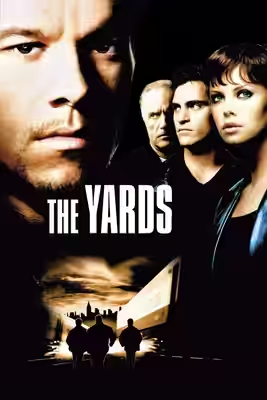
  1. The Yards (2000) · not reviewed yetFamily loyalties and municipal corruption make honest work a difficult proposition.

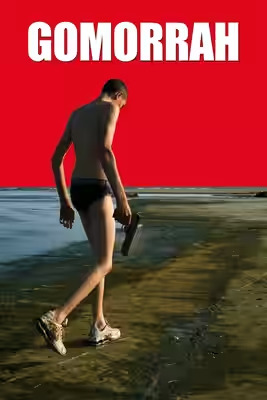
  2. Gomorrah (2008, Fi1m 84)Another crime story attentive to the people doing the least glamorous work.

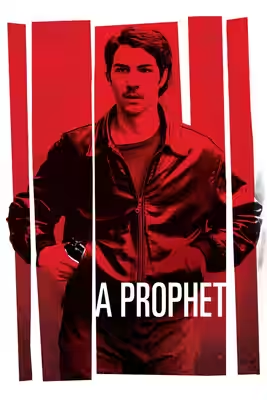
  3. A Prophet (2009, Fi1m 86)Criminal power grows through patient observation, favours and an education in compromise.

  4. Small Axe (2020, Fi1m 88)Institutional hostility meets closely observed lives, with more room for joy.

  5. High and Low (1963, Fi1m 90)A police investigation that keeps class and the city’s geography in view.

Free account

Know what to watch tonight

Two lists that know where things are streaming, collections you can share, your own score beside ours, and Discover that remembers what you have seen.

  • Want to see, sorted by what is streaming now
  • Seen, with your score out of ten
  • No adverts, ever