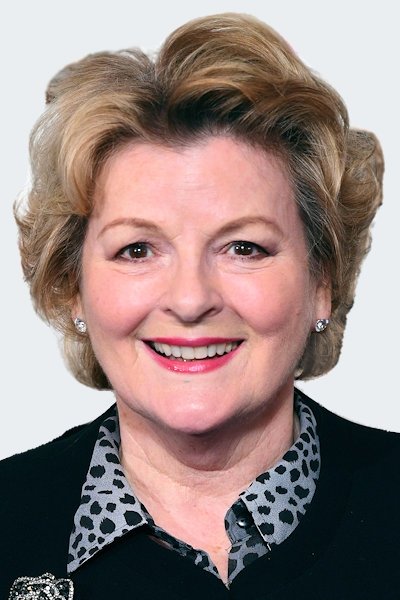
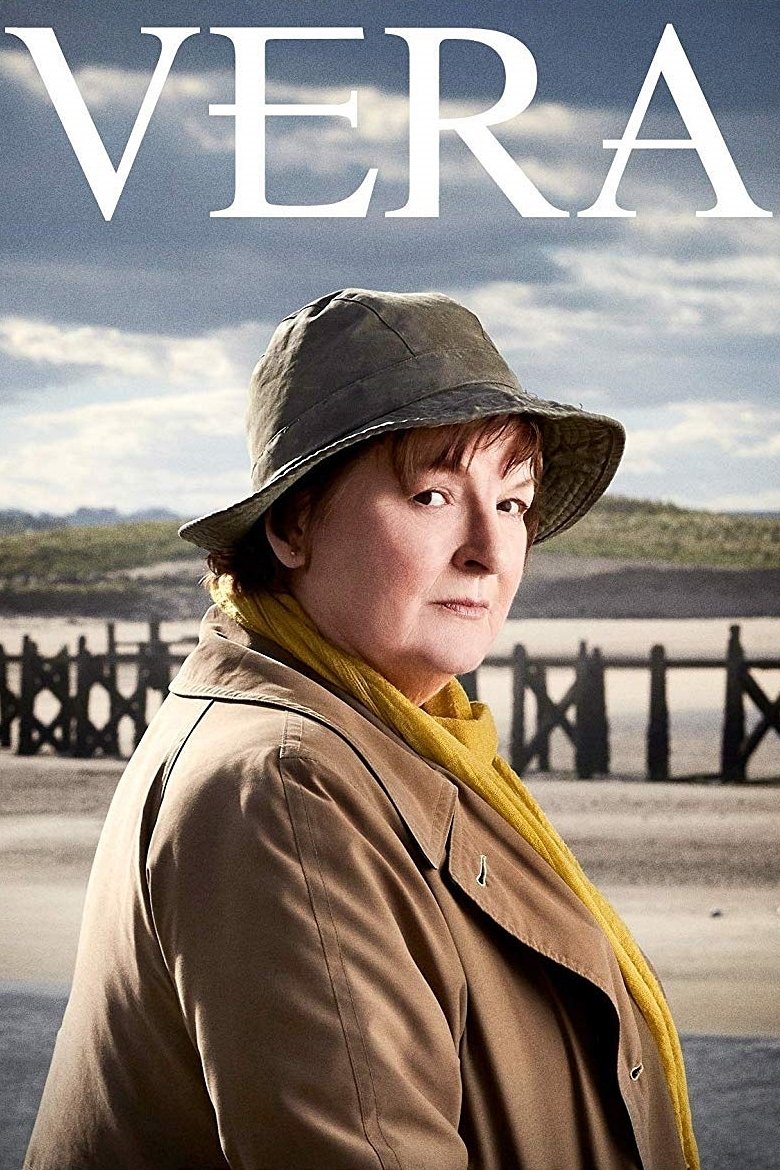
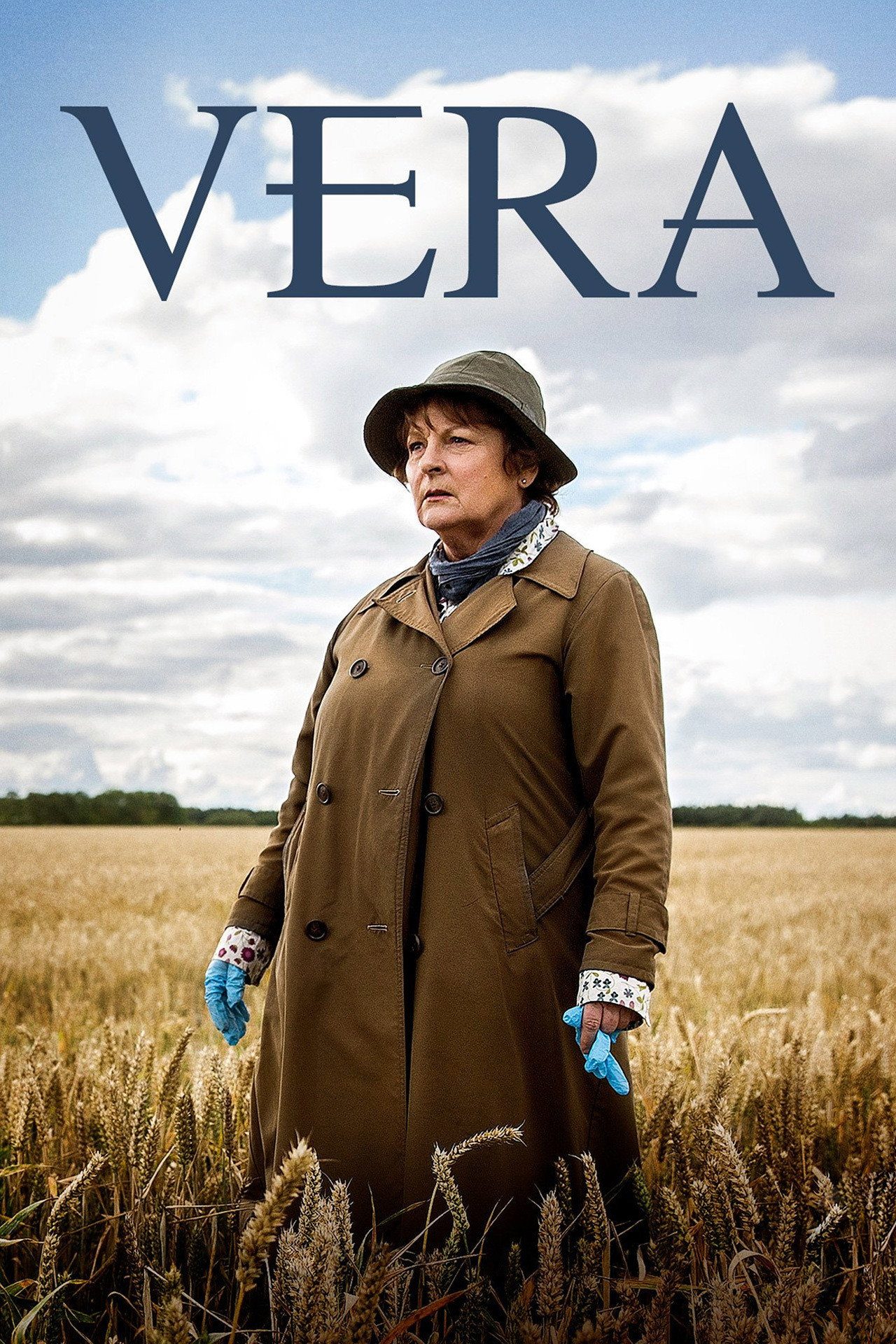
Brenda Blethyn makes Vera worth an evening for anyone who likes a detective with awkward manners. The mysteries can be slow and strained, and the supporting cast deserves more to do, but her company is the reason to stay.
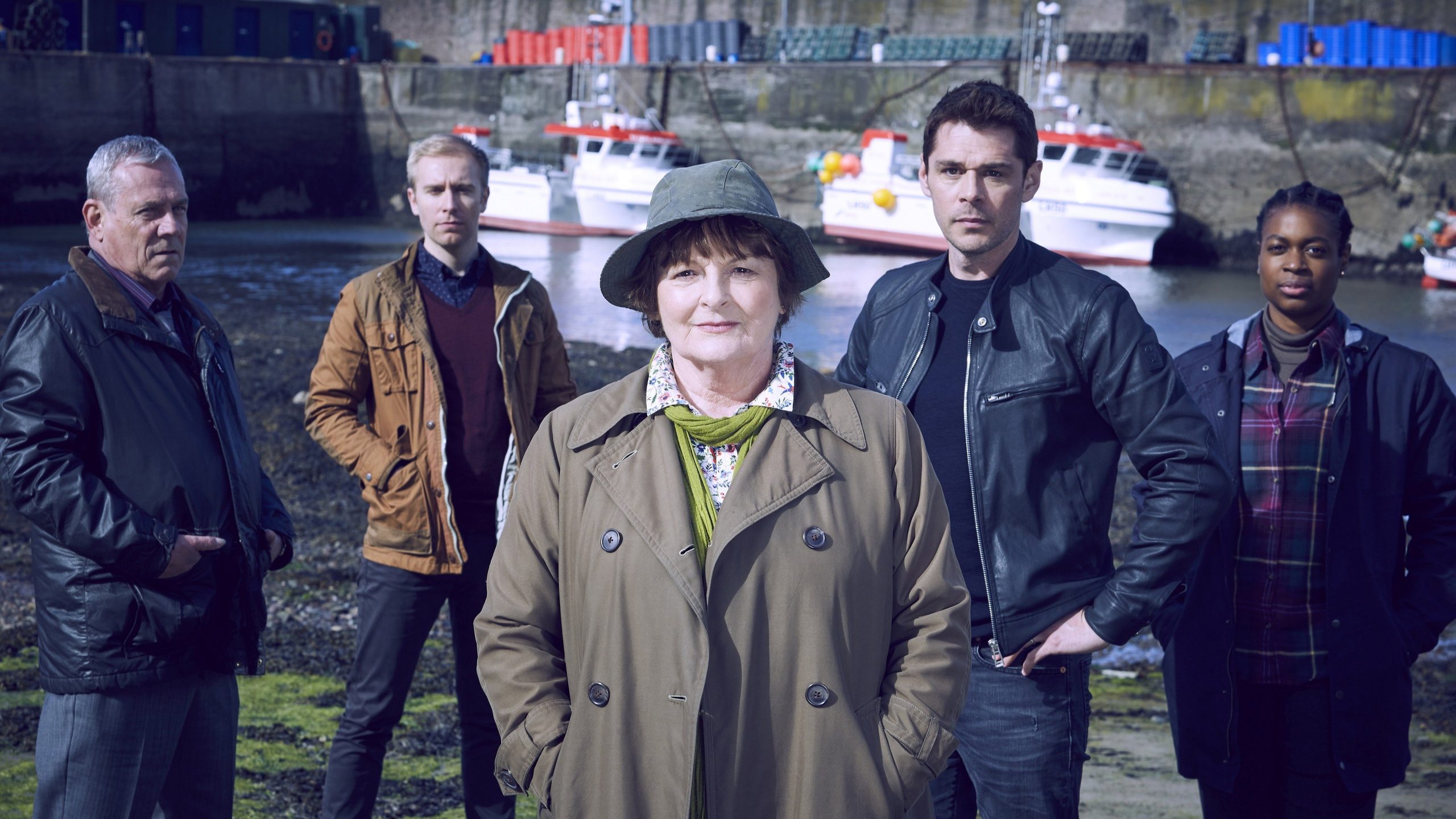
Vera is a good choice for an evening with a familiar sort of detective, provided an intricate puzzle is not the chief requirement. Brenda Blethyn gives DCI Vera Stanhope enough warmth and awkwardness to make the police work worth following. The plots are less dependable, sometimes slow and sometimes asking for more belief than they earn. Created by Ann Cleeves, the series puts considerable faith in its central character. For the most part, that faith is justified.
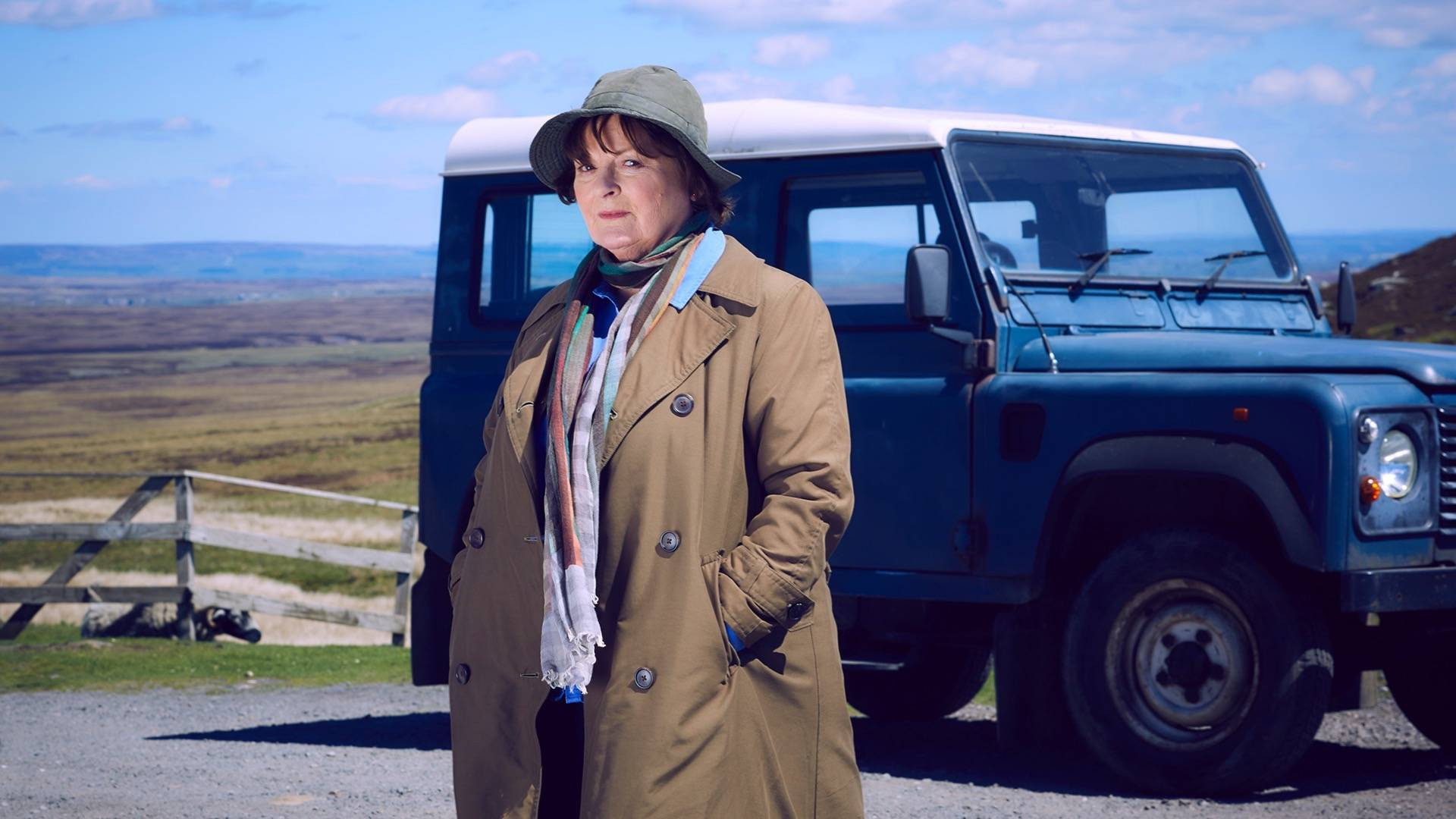
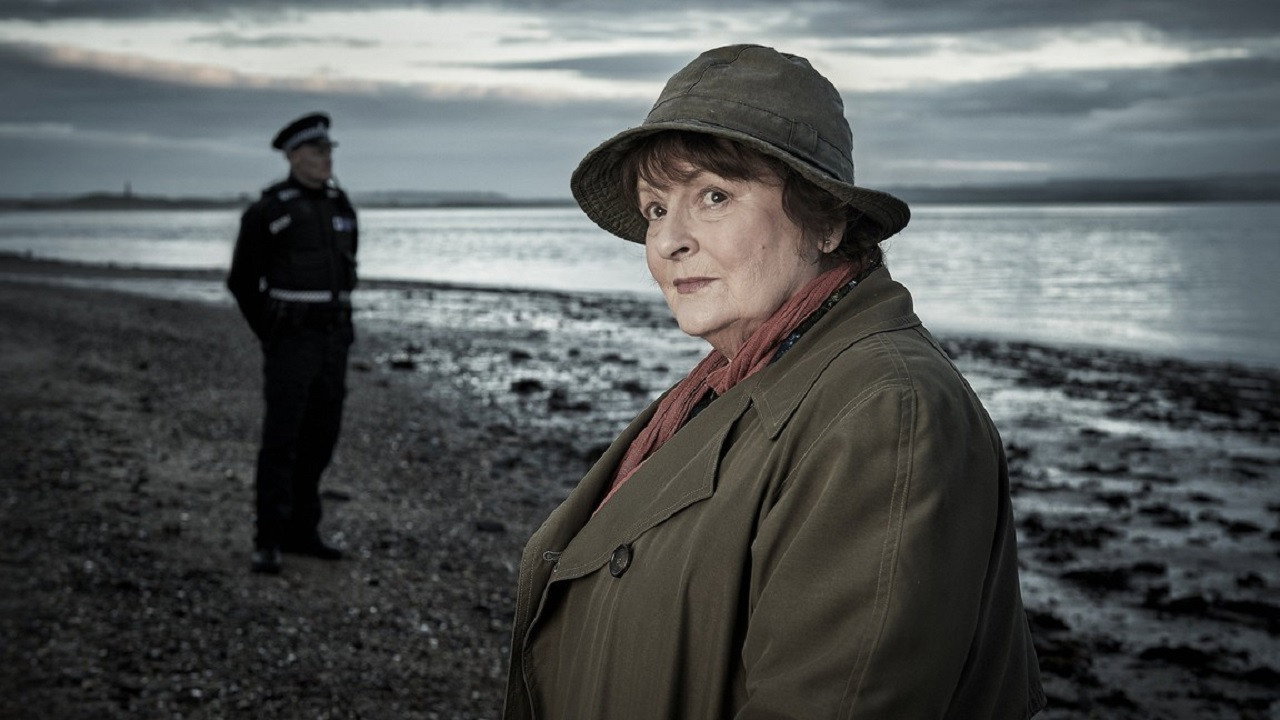
The performance works because Vera’s intelligence never depends on her looking impressive. Her untidy appearance and blunt manner make sense together; we believe this woman has other priorities than making a favourable impression. There is self-absorption here, too, and Brenda Blethyn allows it to remain an unattractive quality. We warmed to her sooner than we expected, because the dishevelment and sharpness make her seem human without making her harmless. The abrasive manner remains part of her behaviour even after we have begun to like her.
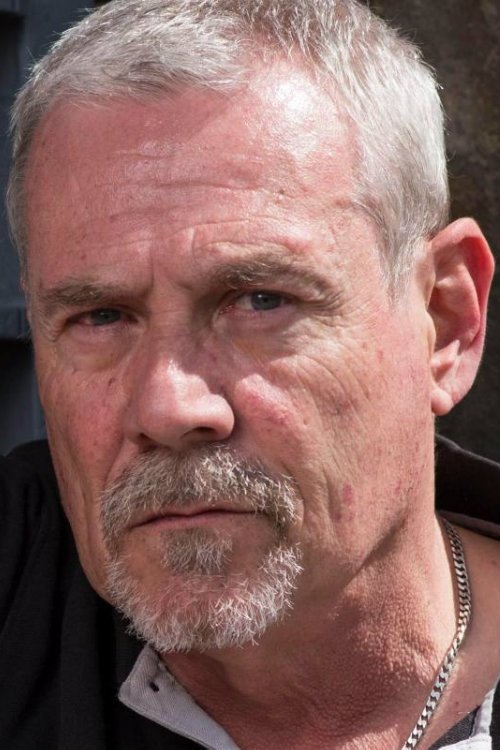
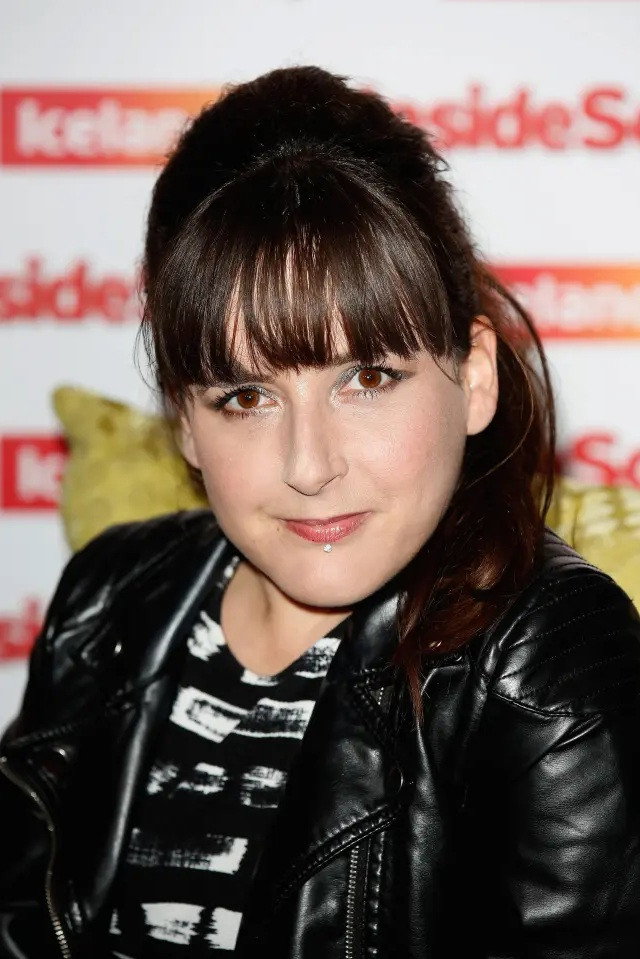
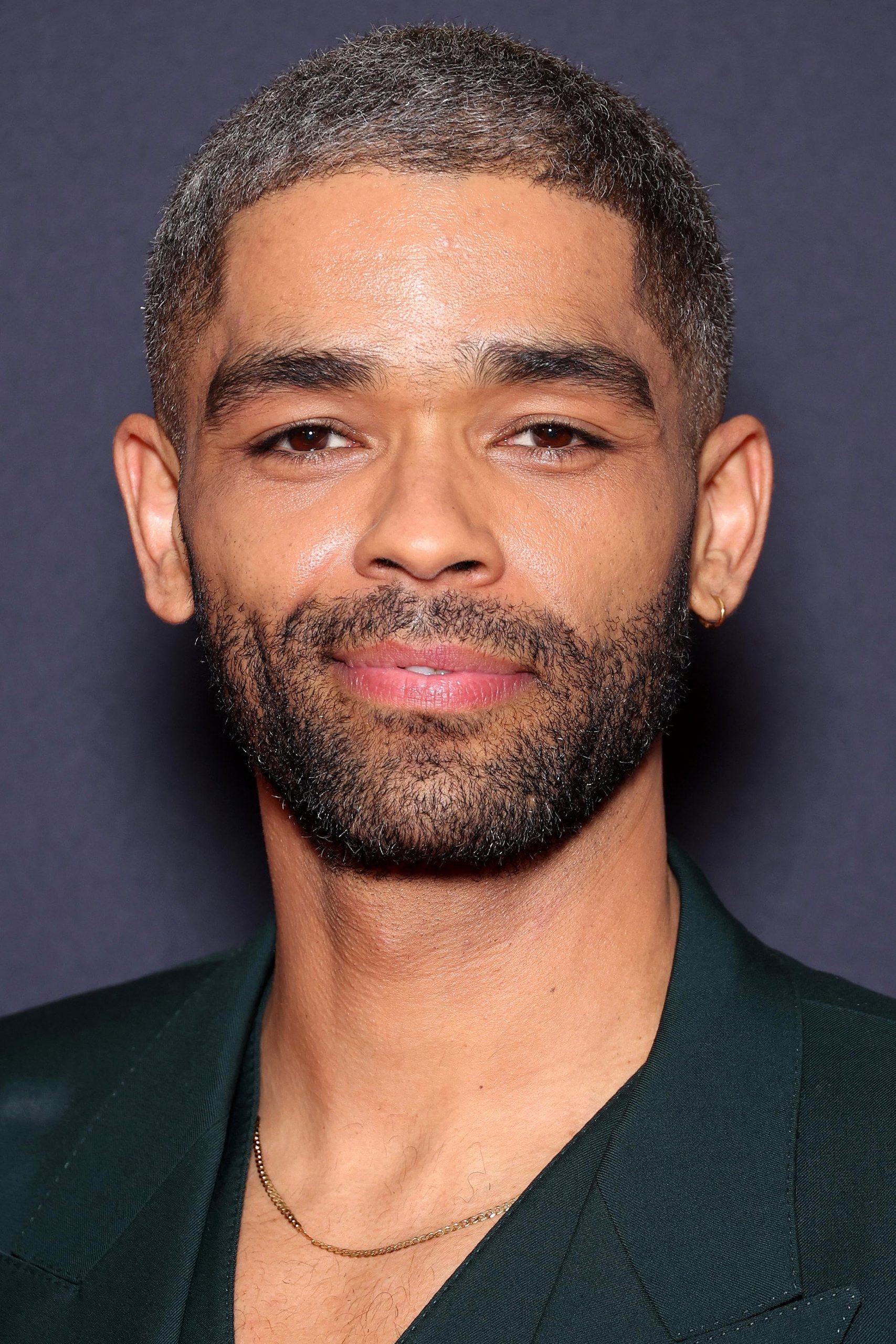
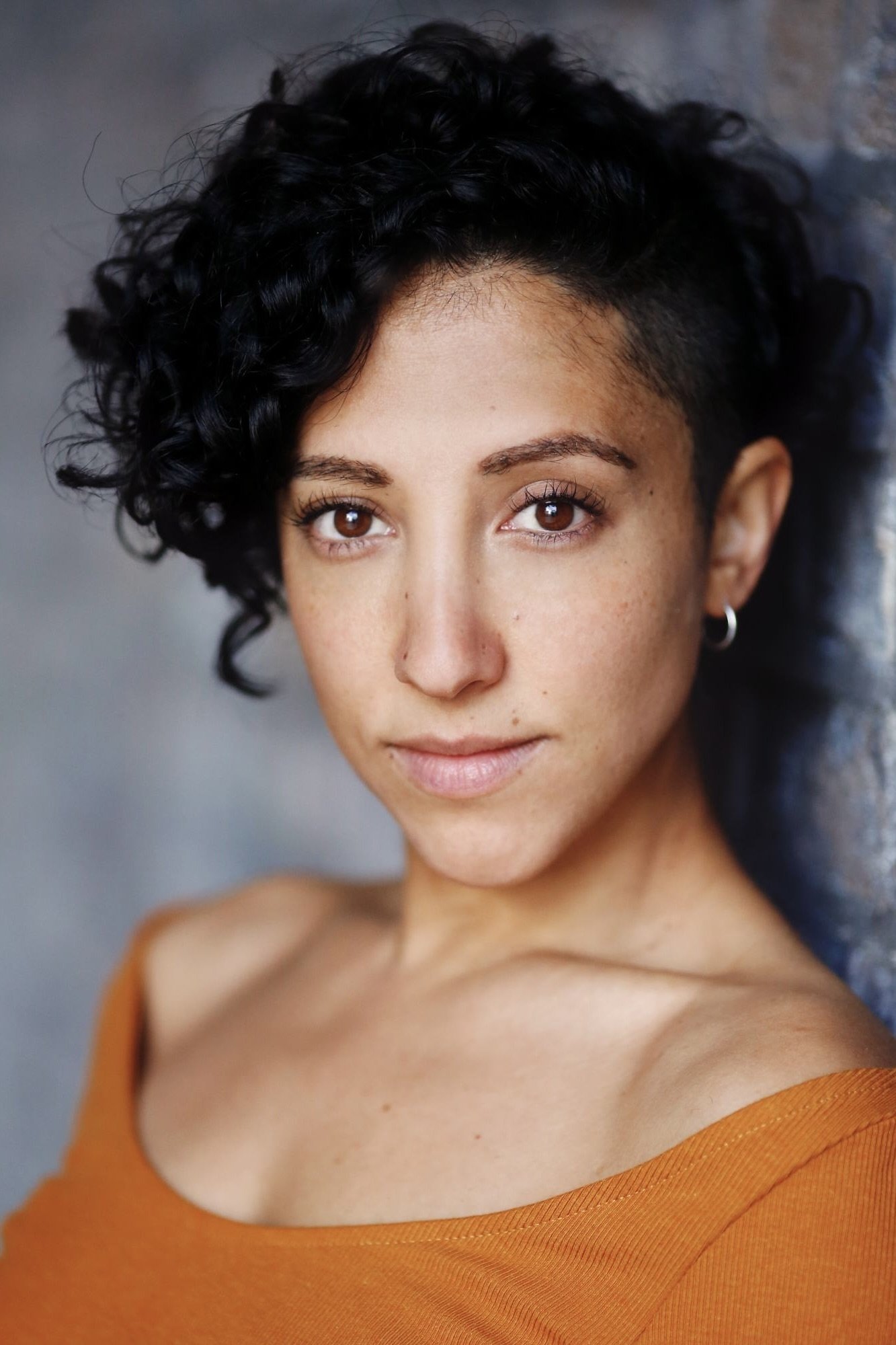
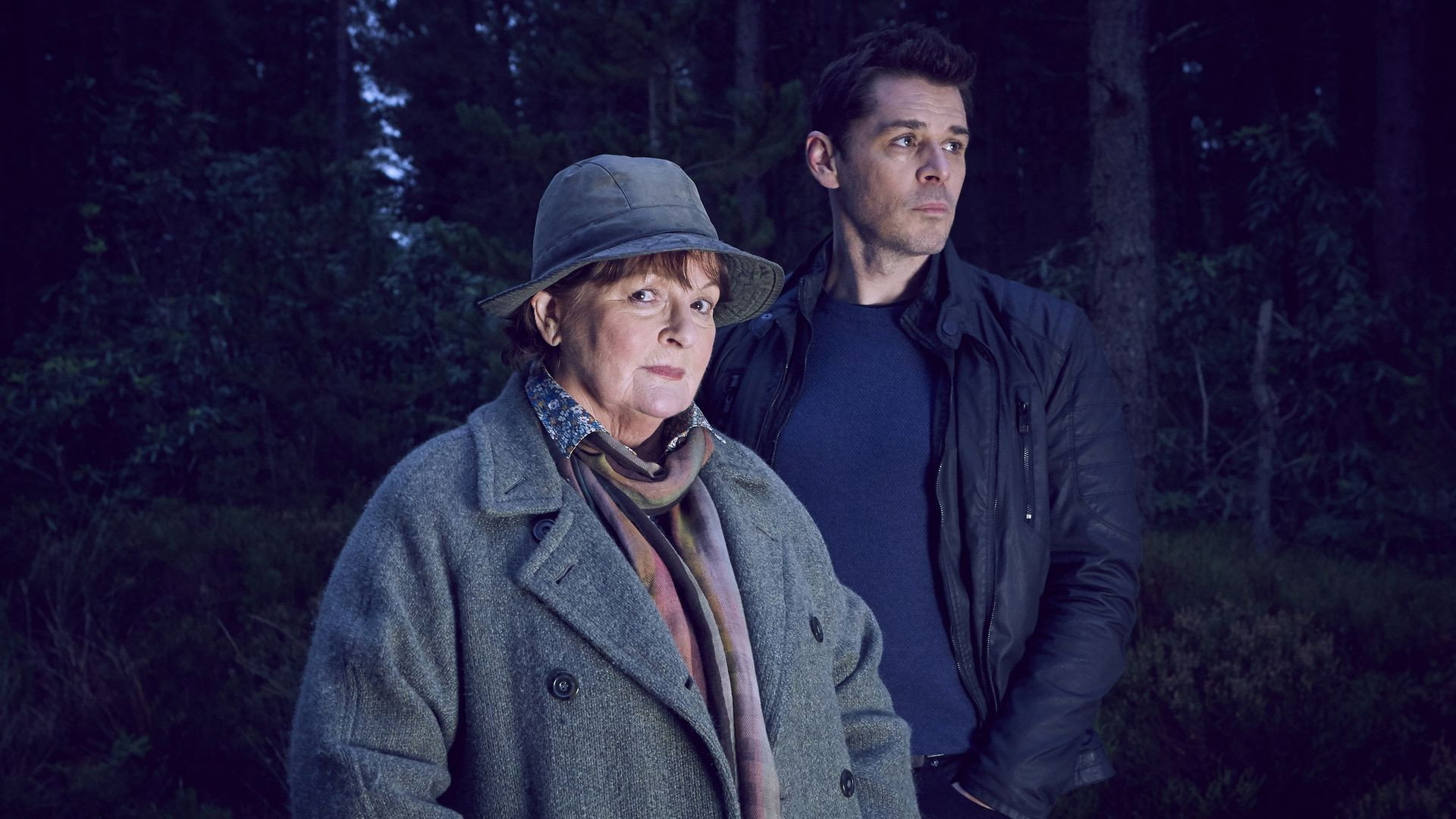
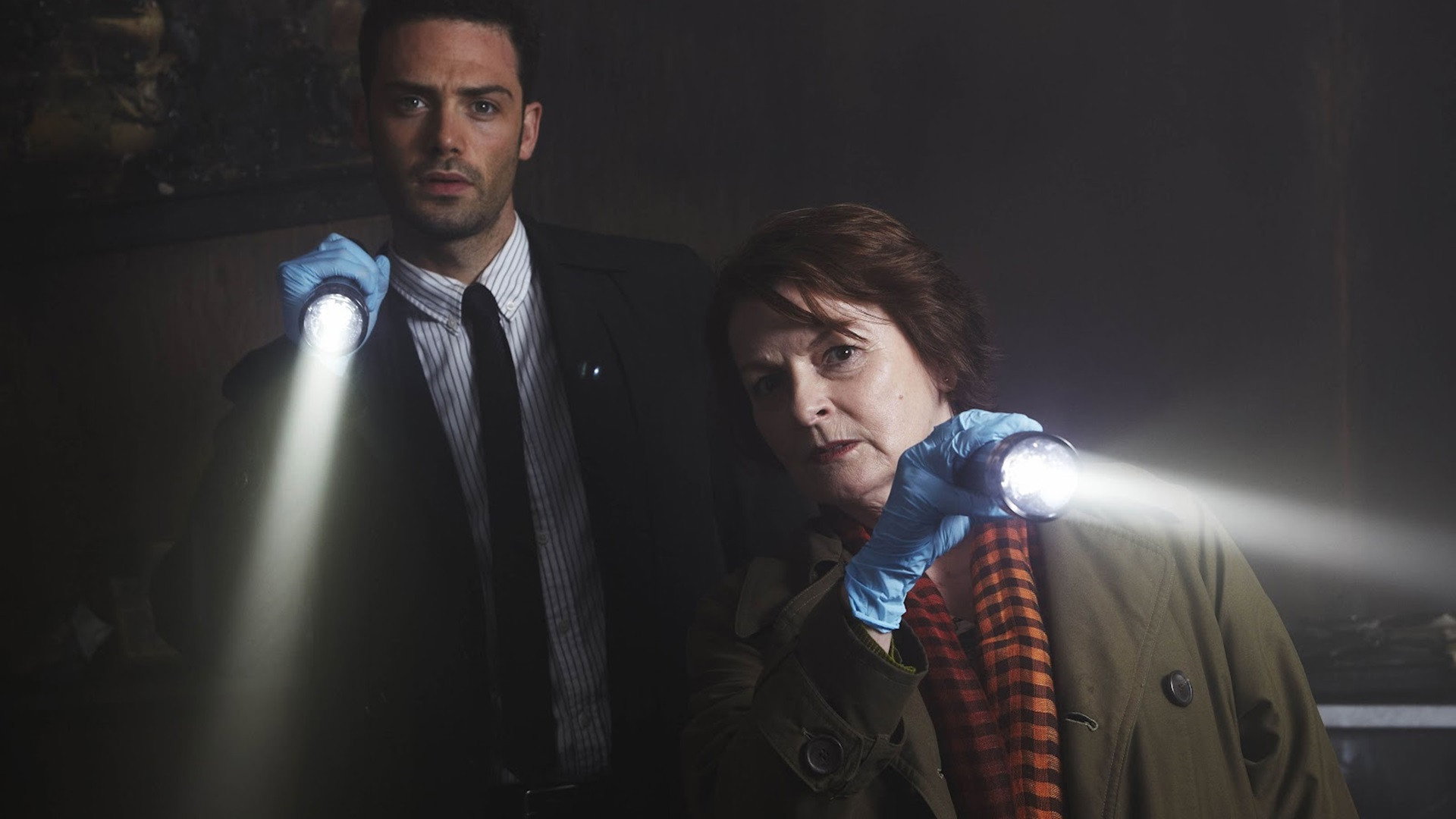
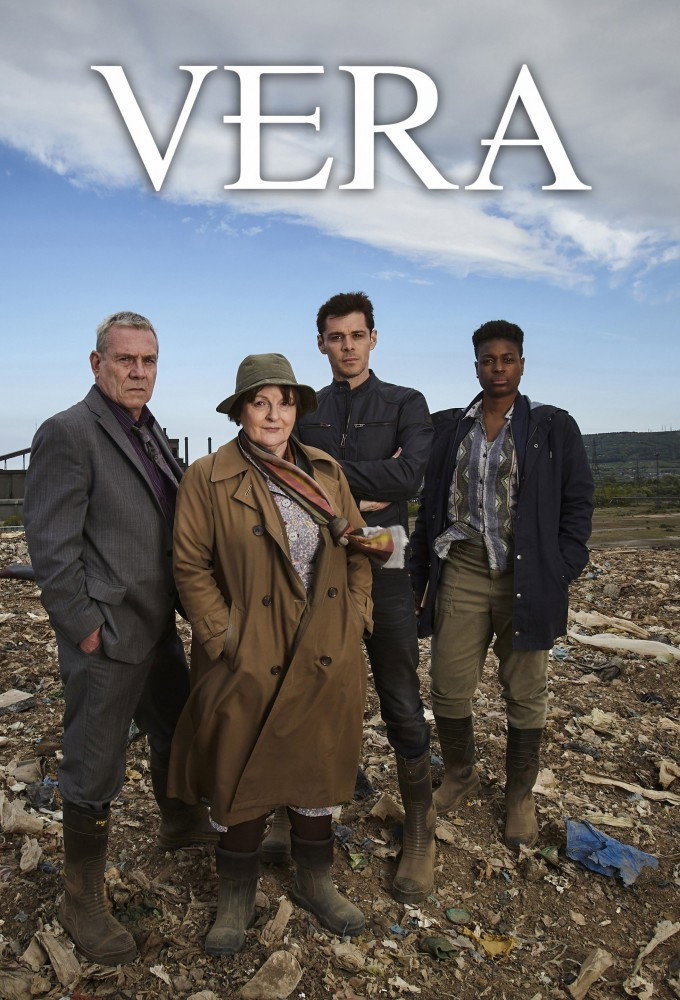
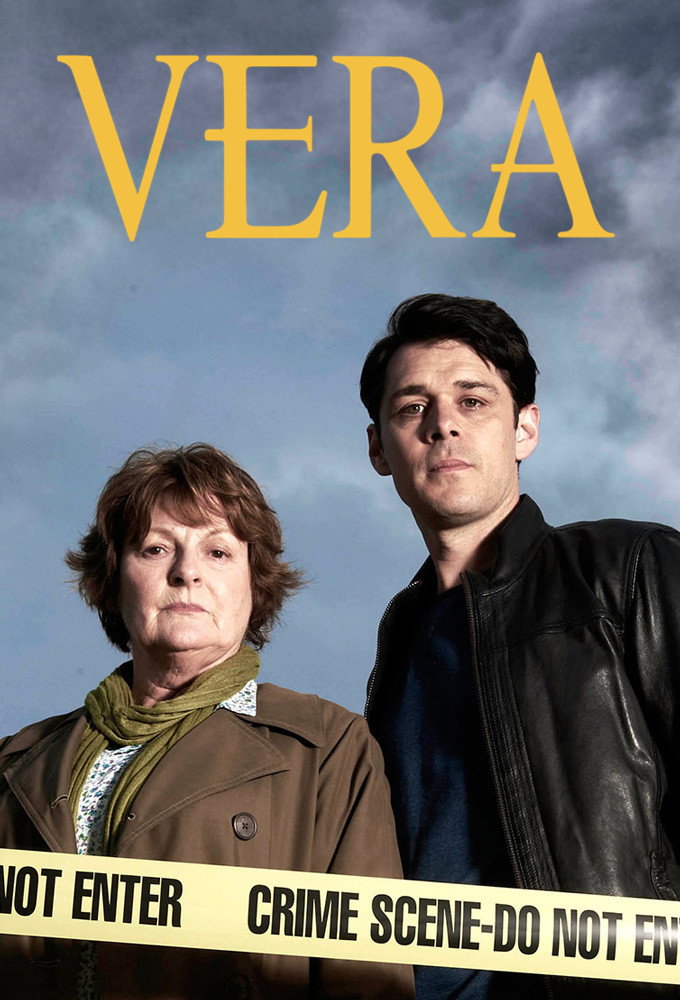
The working partnership matters: having someone beside Vera gives her eccentricity a human response. Jon Morrison plays DC Kenny Lockhart, while Wunmi Mosaku plays DC Holly Lawson, among a police ensemble that deserves more attention from the writing. Too often, the supporting roles seem to have been allotted only enough space to help the investigation along. Their professional purpose is clear, but their separate personalities receive less care. That restricts the programme whenever we want to become interested in somebody other than its lead.
The cases are the more persistent reservation, and their weaknesses are not all matters of taste. A slow investigation can be absorbing when it deepens our understanding of the people involved, so speed alone is hardly the test. Here, the plotting can drag, and the opening murder story asks us to accept too much improbability. The writing credits include Gaby Chiappe and Paul Rutman, although these recurring limitations cannot fairly be assigned to an individual from the credits alone. There are stretches when the case needs considerably more persuasion than the central performance does.
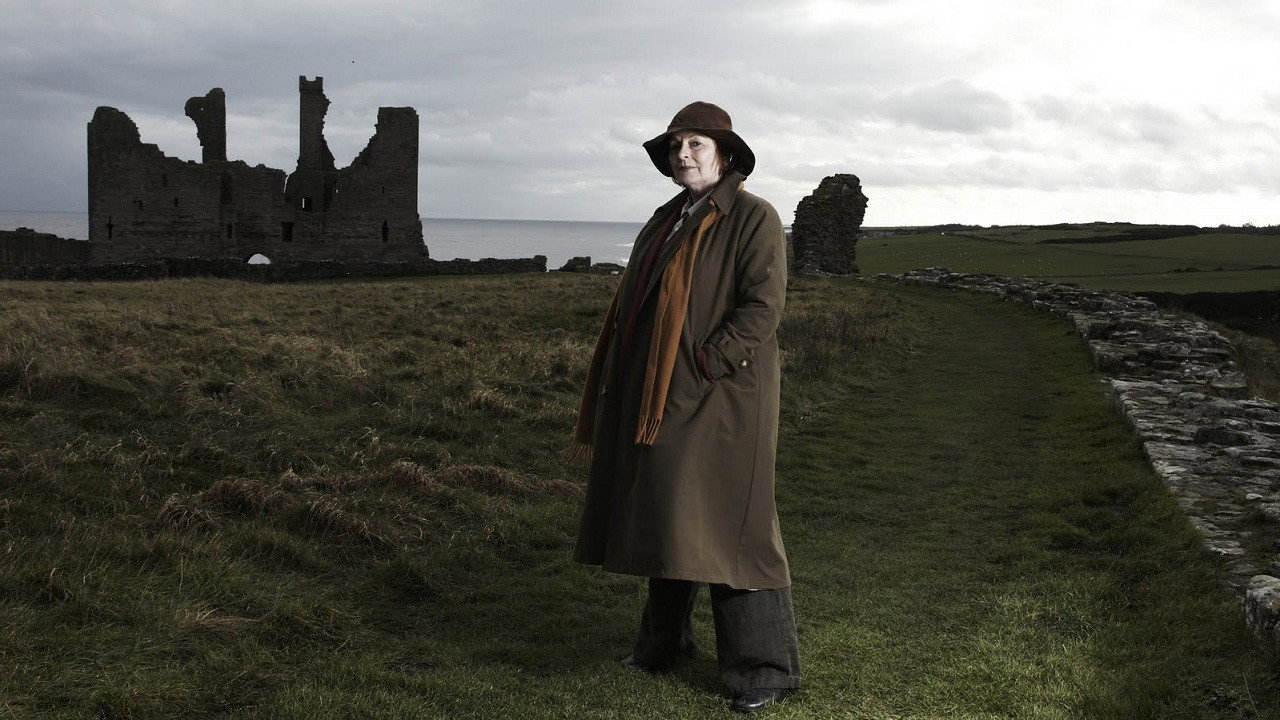
The north-east scenery is a substantial pleasure, with a melancholy that suits the programme’s unpolished detective. Those views help prevent its cosy appeal from becoming too cheerful, and give us something to attend to when the investigation slows. Ben Bartlett supplies the music, though the scenery makes the clearer impression on us. The atmosphere is patient enough to accommodate Vera’s awkwardness without treating it as a constant joke. It also sustains some passages in which the supporting characters have too little to contribute.
There is nothing discreditable about a detective series offering the pleasure of familiar company. Vera earns that pleasure through a central performance that makes intelligence, vanity and warmth believable in the same person. We would still like firmer plots and colleagues who are allowed fuller lives; those shortcomings matter, particularly when a case takes its time. For viewers who enjoy an eccentric investigator and a melancholy setting, there is enough here to recommend. Choose something brisker if patience with a detective’s habits is already in short supply.