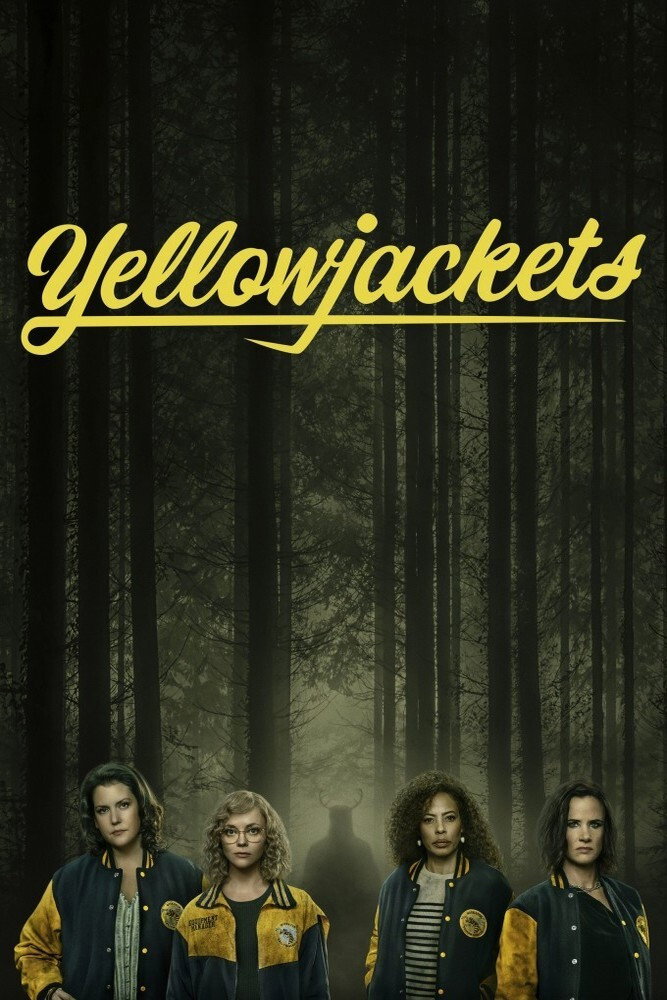
A New Jersey girls’ soccer team goes down in the mountains in 1996 and the survivors, twenty-five years on, are still lying about it. The woods half is tense, funny and frightening; the present-day half is a thinner show carried by better actors.
Yellowjackets has a premise you can say in a sentence. A New Jersey high school girls’ soccer team flies to the national championships in the spring of 1996, the plane comes down in the mountains, and not all of them come home. Ashley Lyle and Bart Nickerson, who created the series, tell it in two halves run side by side: the girls in the woods, and the women they became, twenty-five years on, keeping their mouths shut in the suburbs. The woods half is tense, funny and frightening, and we would recommend it to anyone with the stomach for a 15 certificate. The suburban half is a lesser show that happens to share the same faces, and the series never quite admits it.
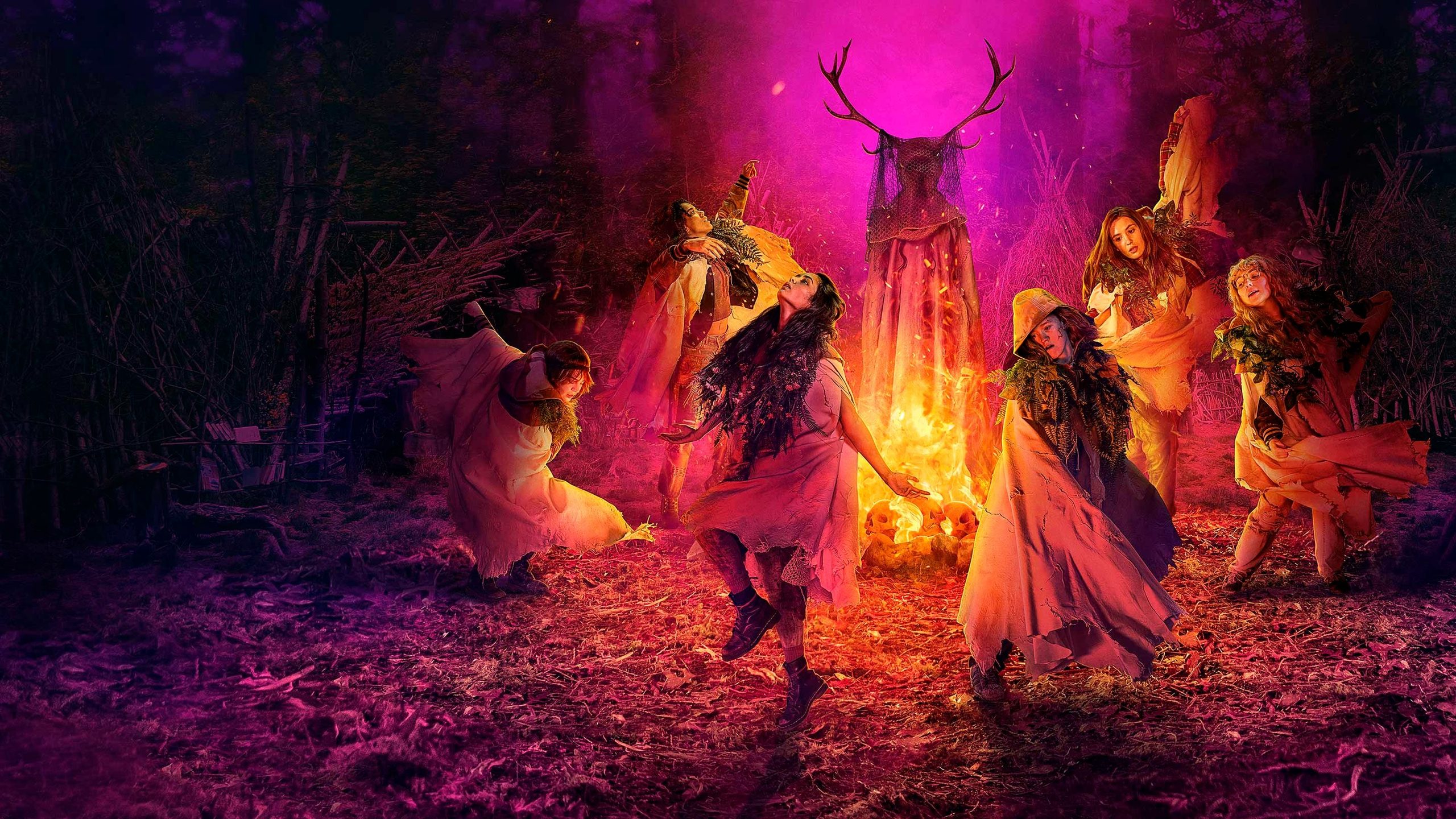
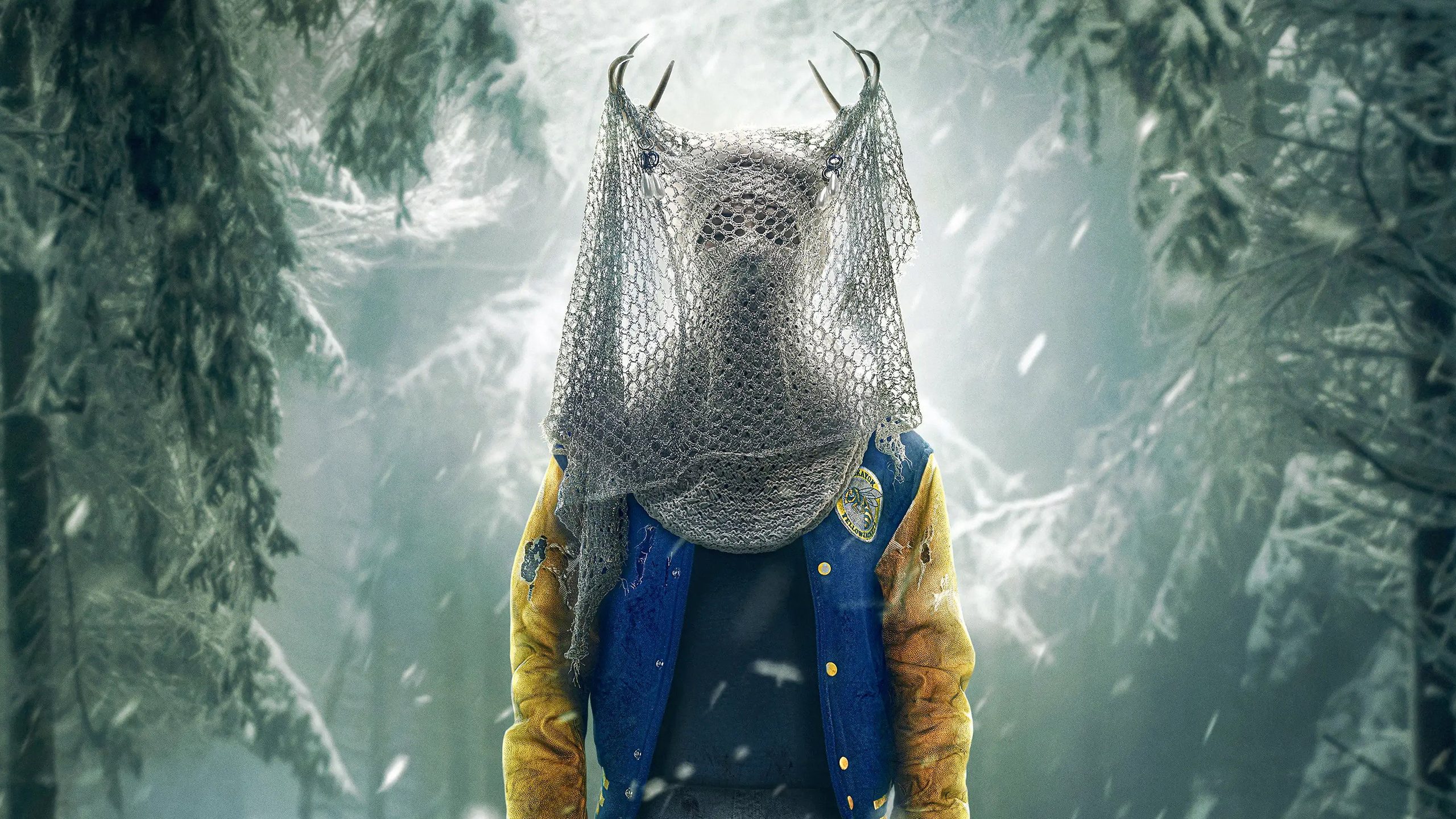
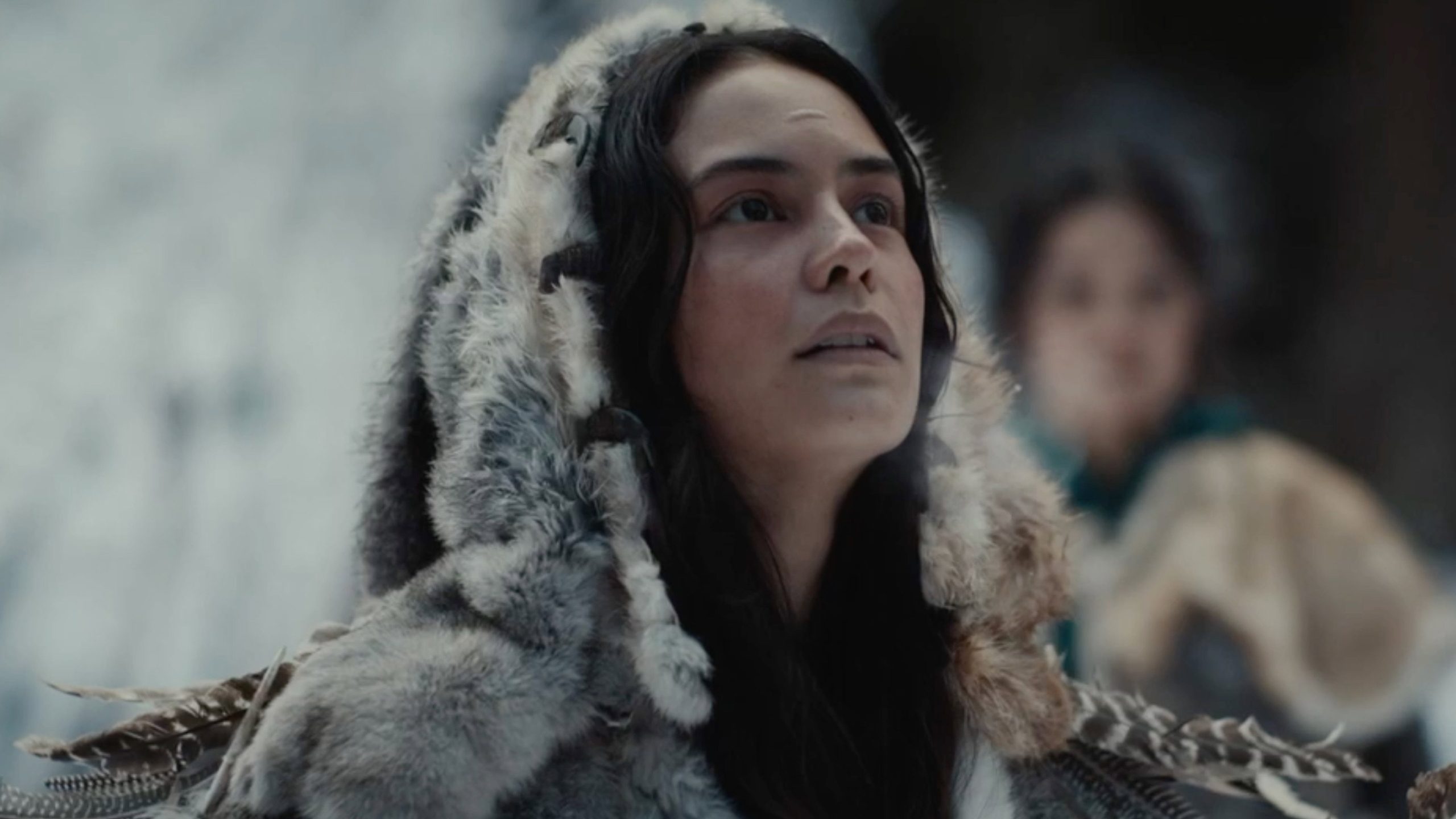
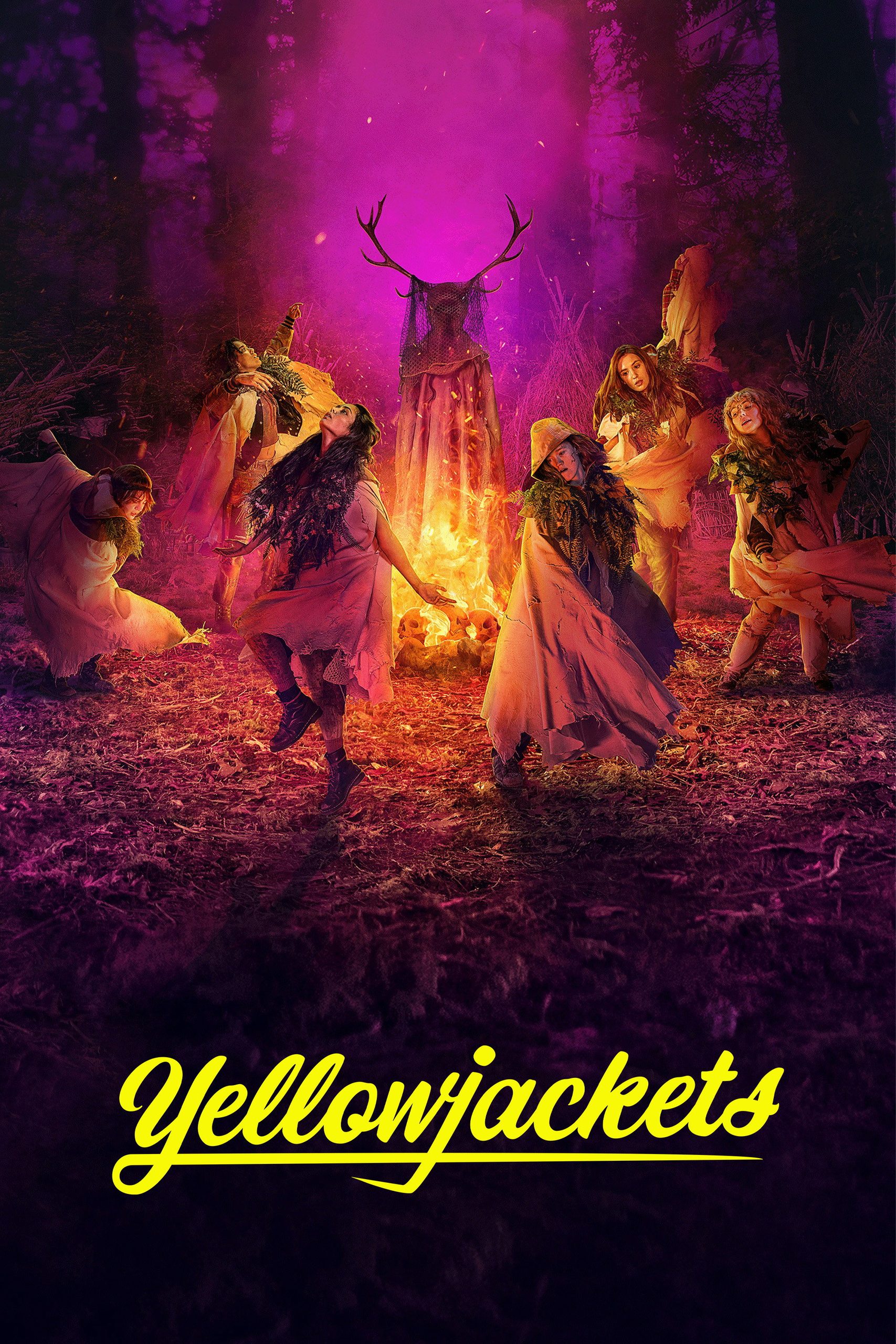
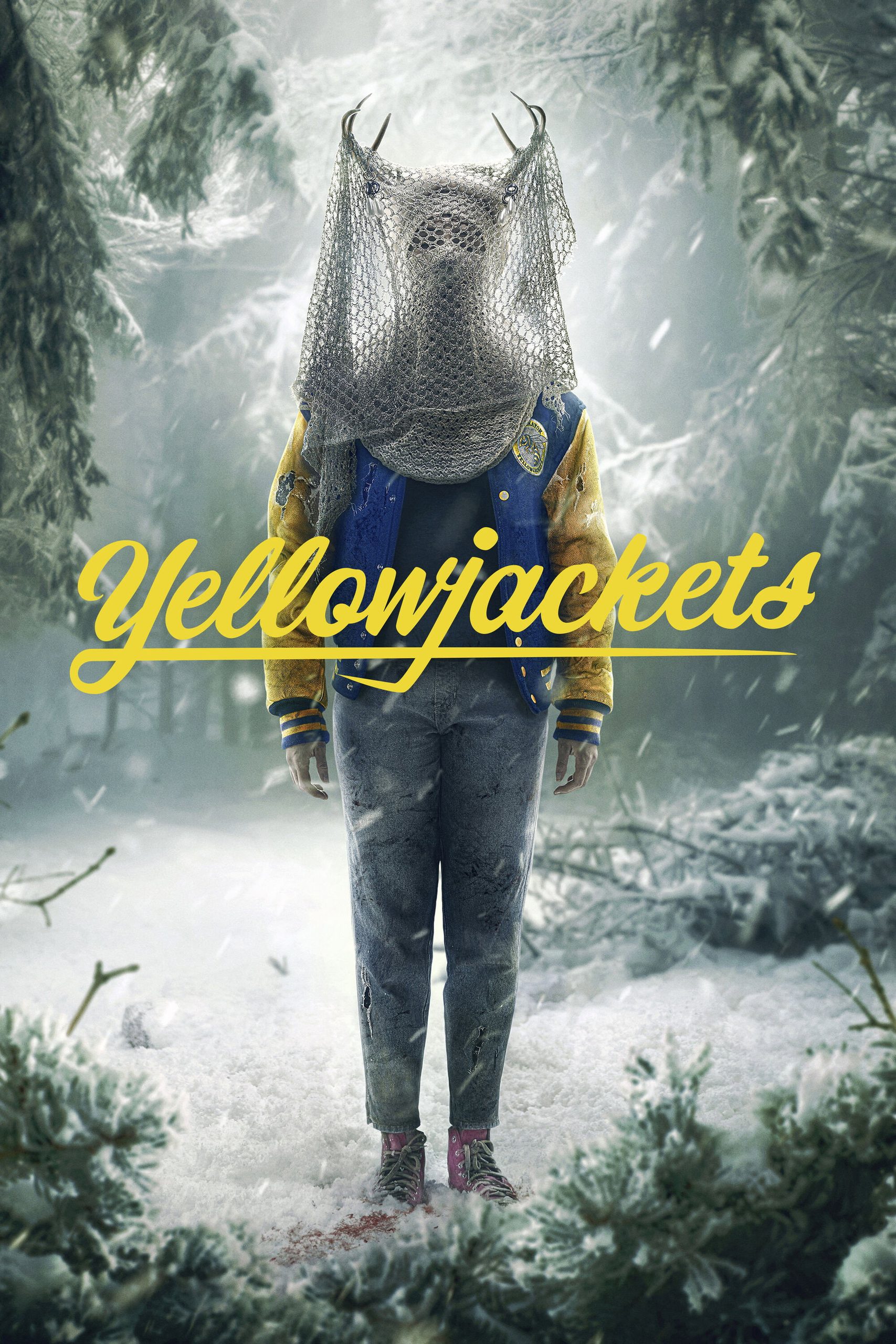
Karyn Kusama directs the first episode and opens it with the ending, or something near it: a girl in a thin nightdress running barefoot through snow, a fall, a pit of sharpened stakes, and then figures in furs and masks sitting down to eat by a fire. C. Kim Miles shoots it in bleached white and firelight and does not show a single face. We were horrified, we noticed we had leaned forward, and we spent ten episodes trying to work out which of the girls we had just met would be wearing the mask. That is the engine of the series and it is a good one.
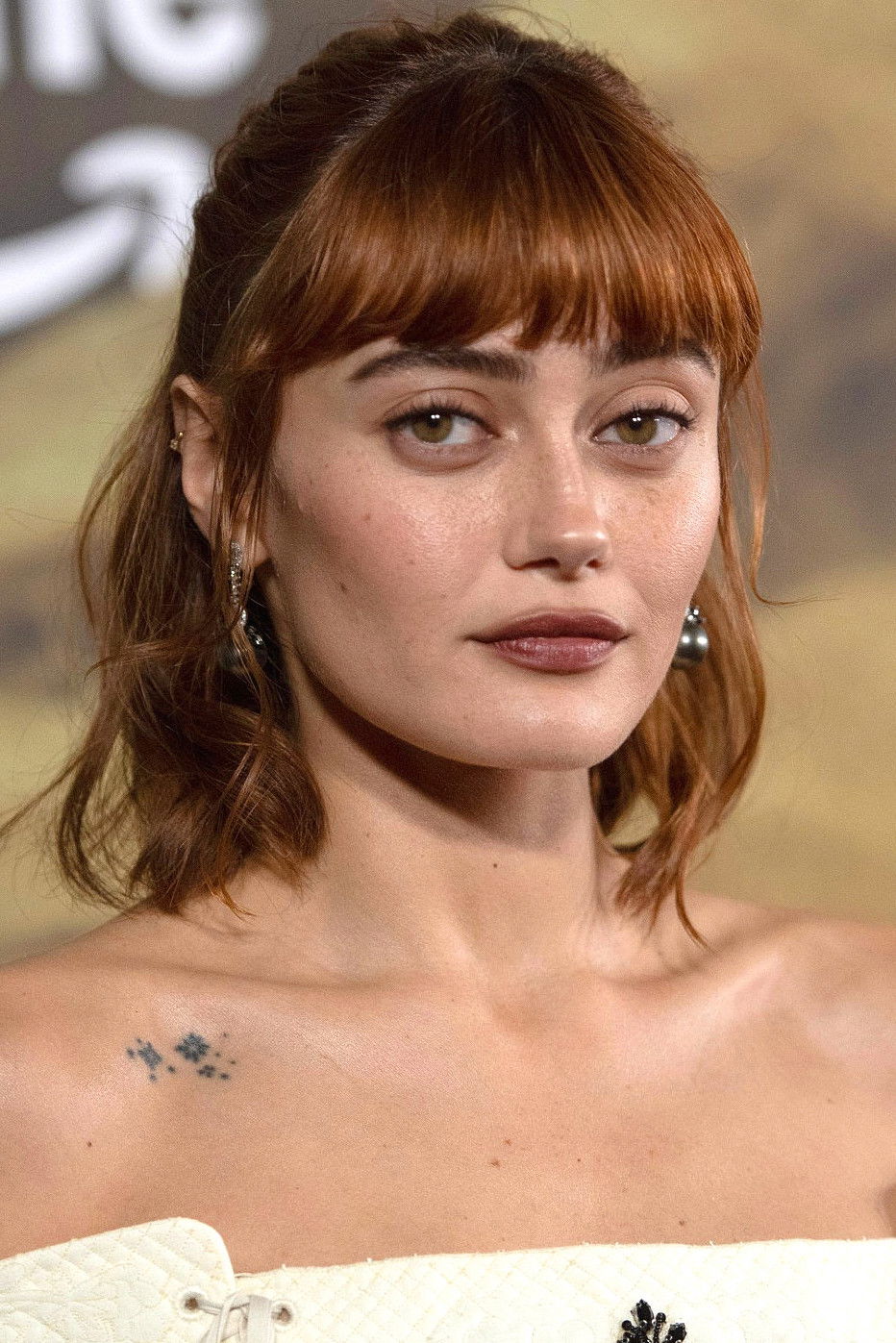
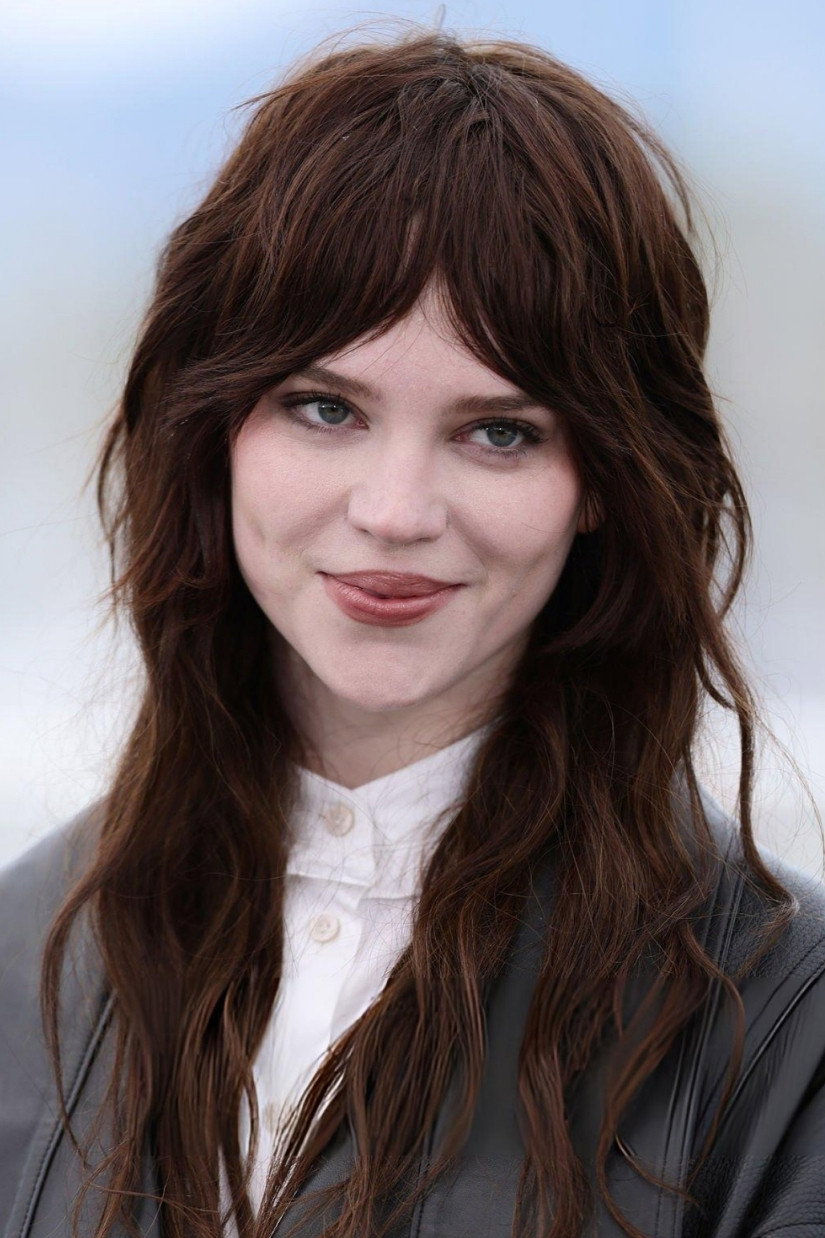
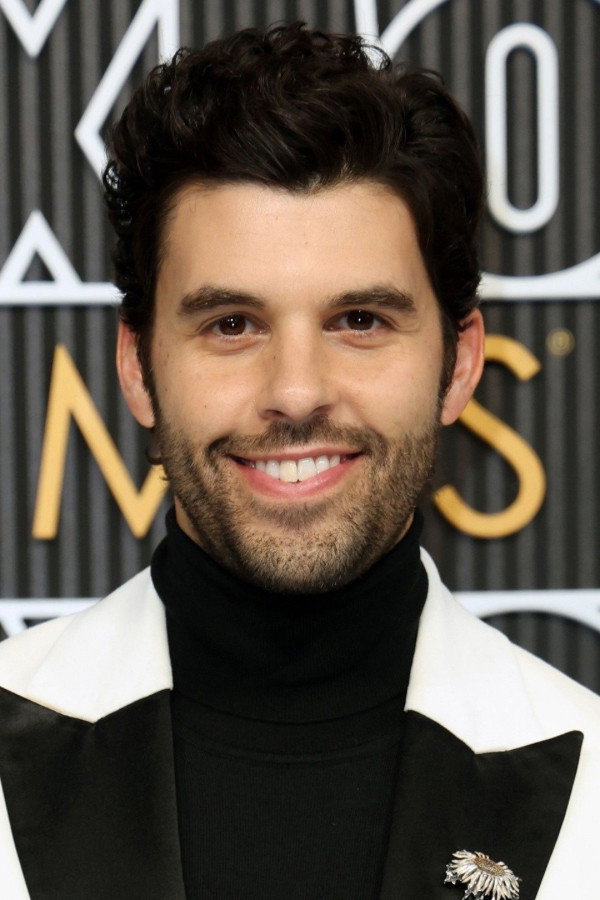
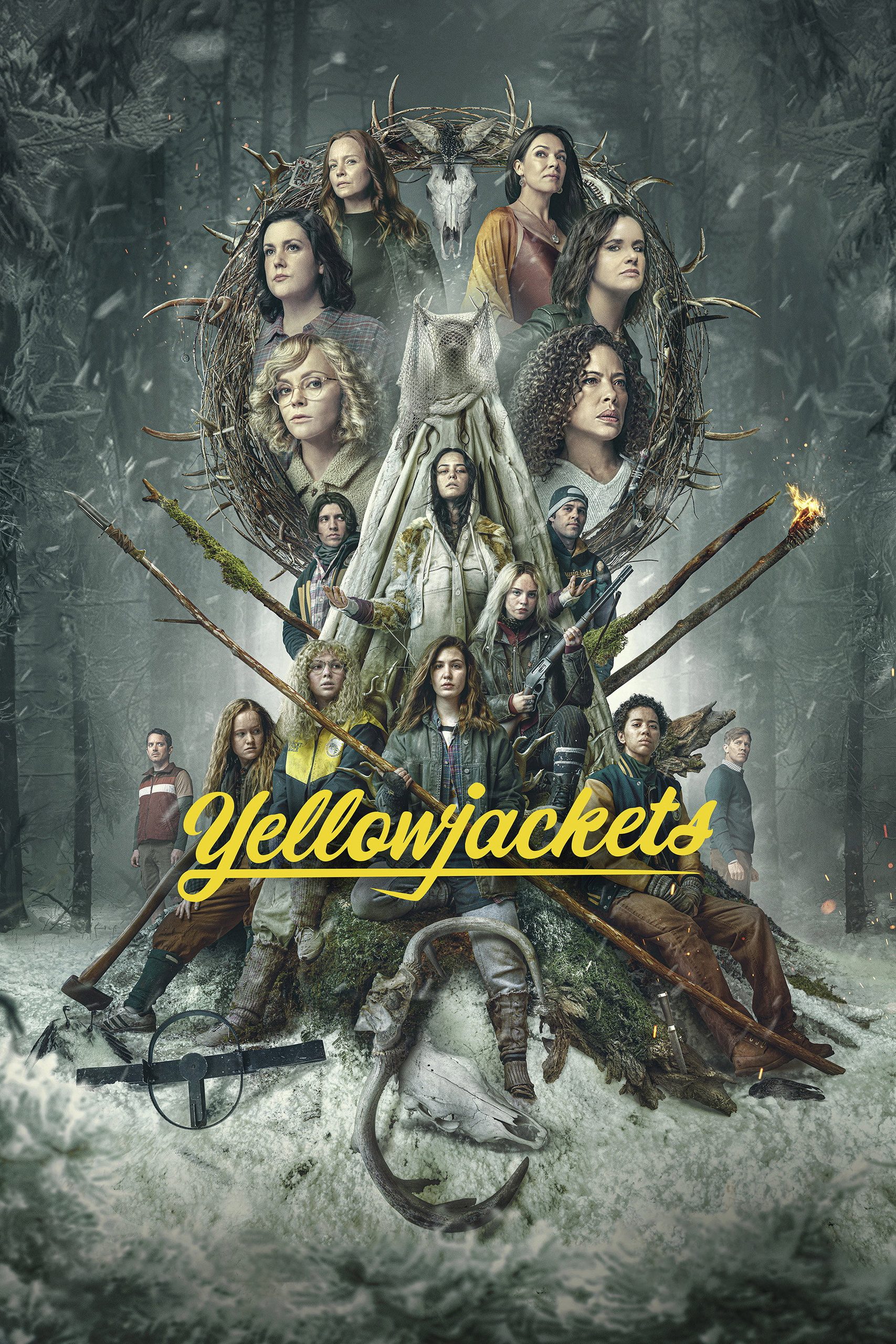
The girls are cast for difference and they stay different. Sophie Nélisse’s Shauna is the quiet one who does the homework for her best friend Jackie (Ella Purnell), the team captain who has never been told no. Jasmin Savoy Brown’s Taissa would rather break a teammate’s leg than lose a match. Sophie Thatcher’s Natalie arrives at the airport hungover and turns out to be the one who can hold a rifle. Sammi Hanratty’s Misty is the equipment manager nobody speaks to, and Steven Krueger’s Ben Scott, the assistant coach, is the only adult left alive and in no condition to be much use. Brian Kane’s production design gives them an abandoned cabin with one bed and a great deal of dust, and the writers are good on the small things: who gets the mattress, who is on her period, who has quietly been eating more than her share.
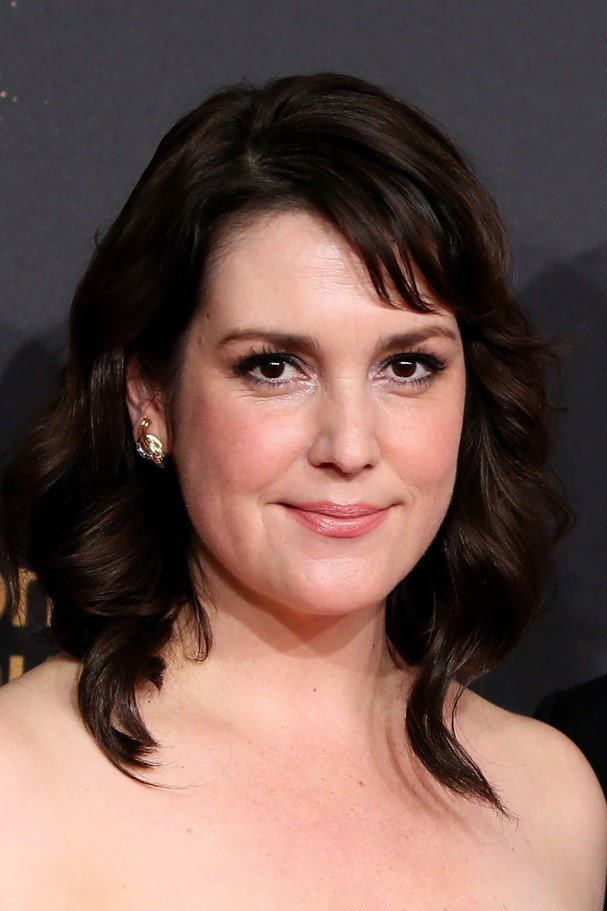
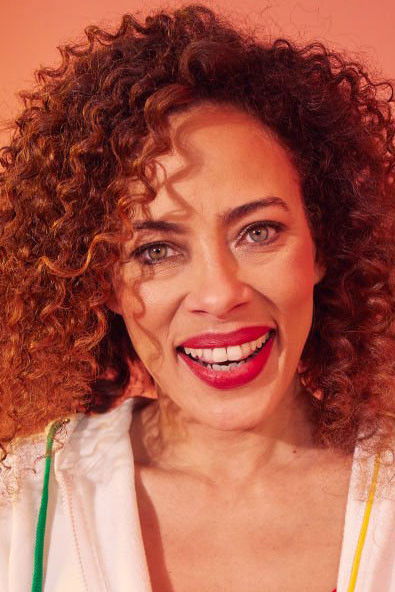
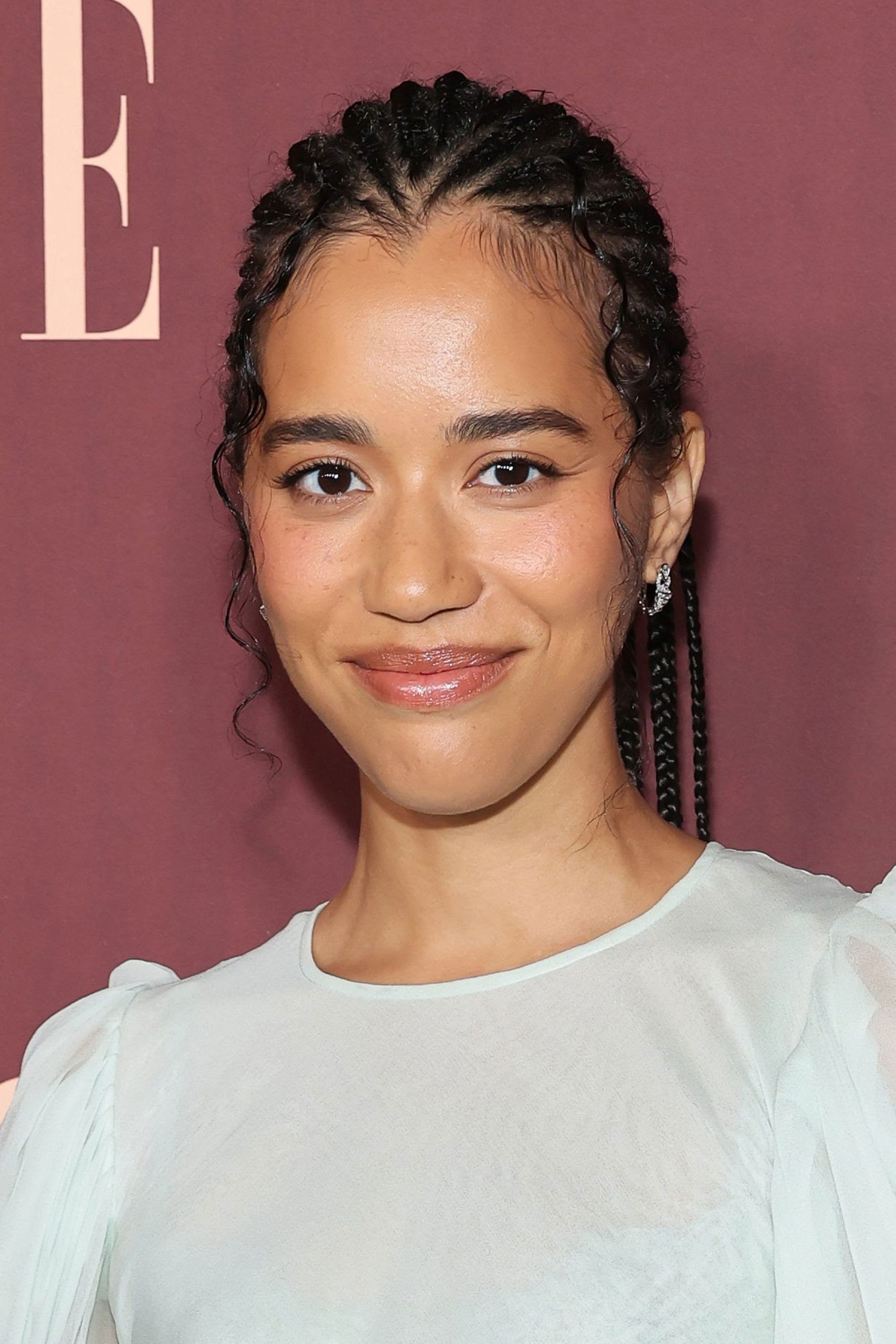
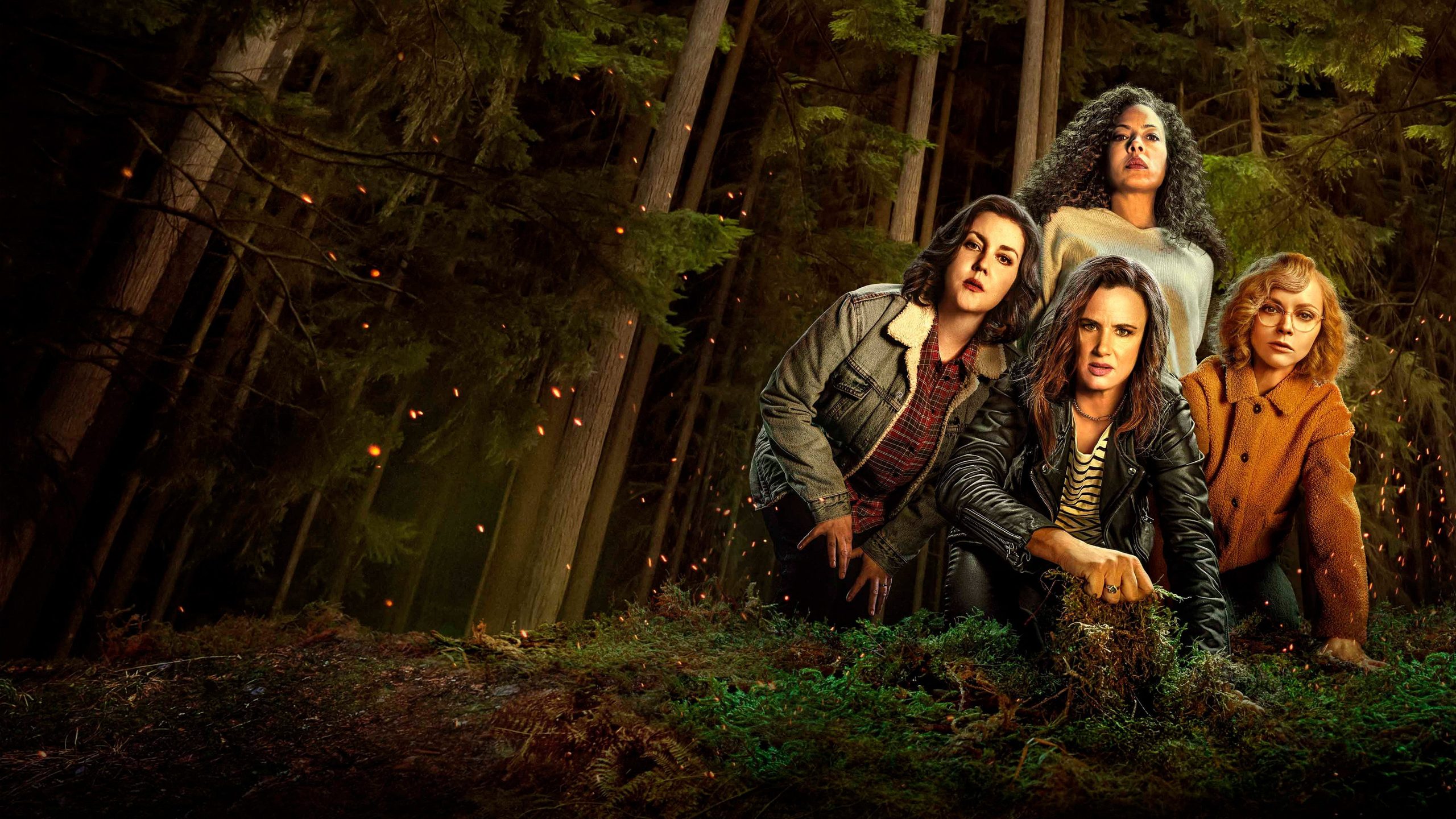
The grown-ups are played by actors who are, scene for scene, better than the material. Melanie Lynskey’s Shauna catches a rabbit that has been at her vegetable patch, kills it, skins it at the kitchen sink and serves it to her husband Jeff (Warren Kole) as stew, all with the face of a woman deciding what to put on a shopping list. It is the best scene in the present-day strand. Tawny Cypress plays Taissa as a politician who has learned to smile through anything, and Christina Ricci’s Misty, now a nurse who bullies the elderly in a cheerful voice, is the funniest thing in the series by some distance. What they are given to do is a blackmail plot, some campaign trouble and an affair, plotted like a cheaper thriller: a postcard arrives, a car follows, someone is not who they say.
The editors, Jeff Israel, Plummy Tucker and Kevin D. Ross among them, cut between the two periods on rhymes, a knife in 1996 answered by a knife in a kitchen drawer, and it carries us through the flatter stretches. Craig Wedren and Anna Waronker’s score, and the snarling guitar song under the opening titles, make the present feel haunted rather than merely dull.
Most critics like it about as much as we do, and the complaints cluster where ours do. The mystery keeps adding questions and rarely answers one, and by the middle of the first season it has begun to hold back information for its own sake. The second season loses its footing in the back half; the third finds it again, with more of the psychology and less of the mysticism. We will not describe what happens to the girls past the first winter, except to say that the series takes its time and we did not mind.
It is a 15 and it earns it: the crash, what has to be done about the coach’s leg, and that cold open are not for the squeamish. Start with the first season. If you find yourself skipping the suburbs to get back to the snow, you are not alone, and the show, to its credit, knows which half you came for.