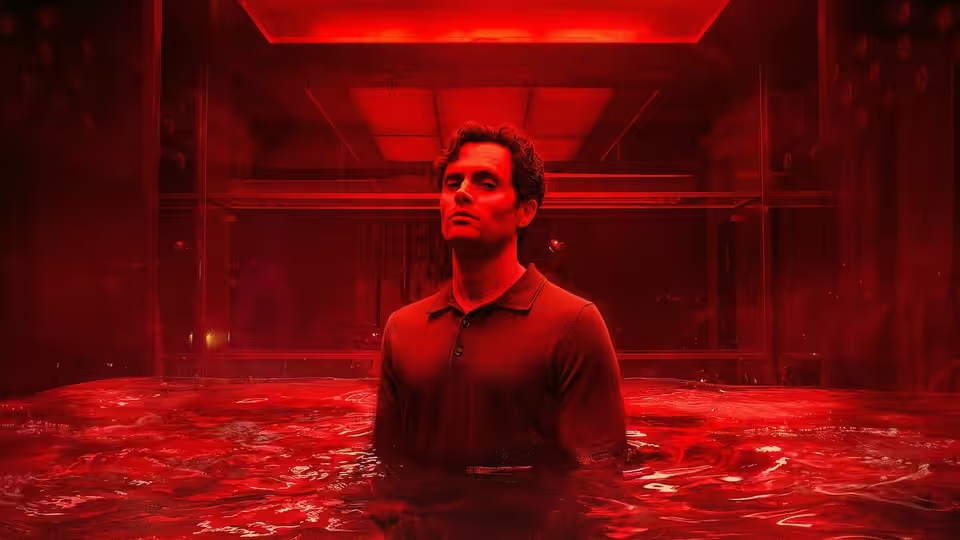
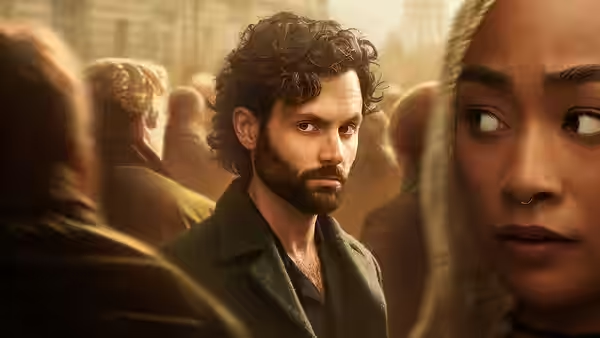
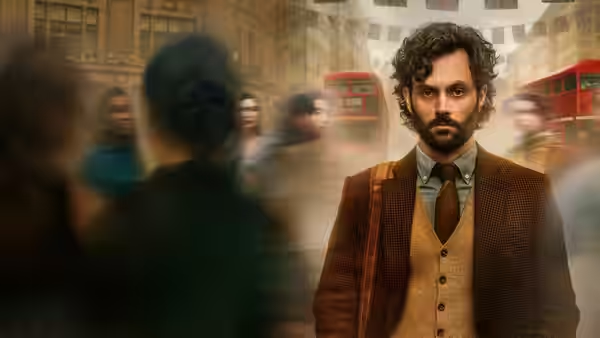
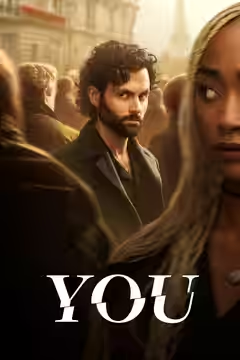
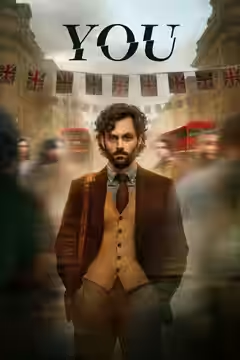
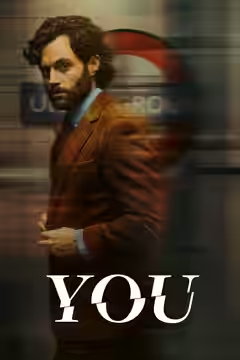
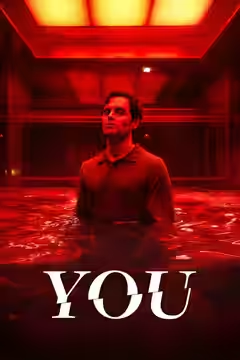
Penn Badgley makes You an entertaining, uncomfortable stalker thriller, with a voice-over that turns courtship into surveillance. The social satire is blunt, and the plotting sometimes hurries past the questions worth asking.
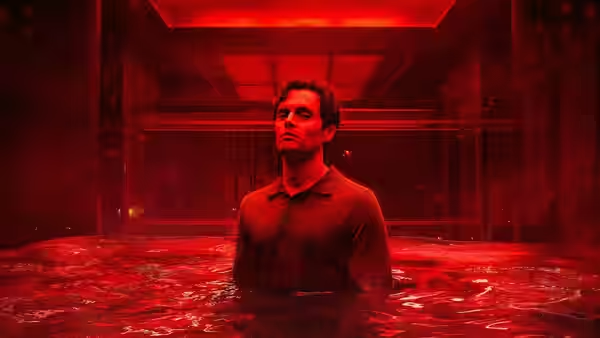
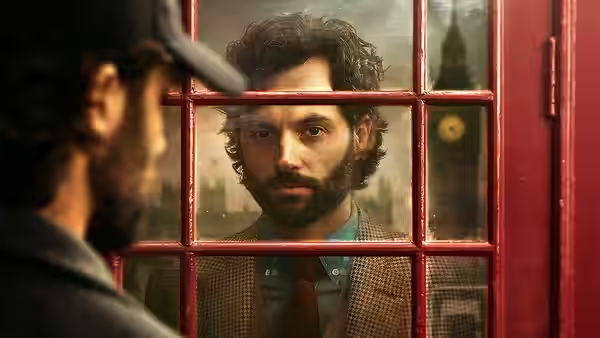
Sera Gamble and Greg Berlanti’s You is an entertaining stalker thriller, strongest when it lets its central character explain himself into ever worse trouble. Penn Badgley plays Joe Goldberg, a bookshop manager whose interest in a customer becomes an obsessive pursuit. The opening uses Manhattan’s literary milieu to make an apparently promising encounter feel plausible. We recommend it for the tension and black comedy, with reservations about the heavy-handed social commentary.
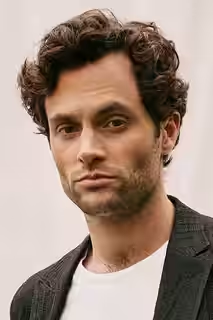
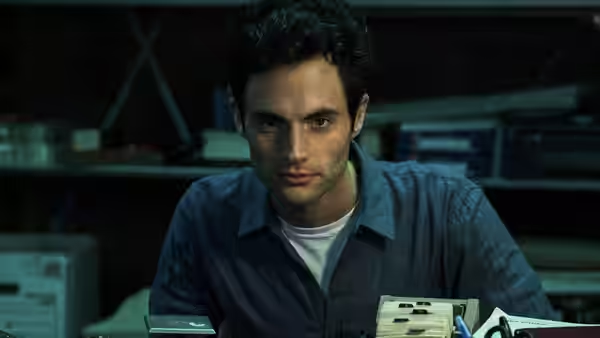
Penn Badgley gives the voice-over enough conversational ease that it can take a moment to notice the entitlement in what Joe is saying. We felt uncomfortably close to his way of thinking. His running commentary presents the gathering of information about a customer as attentive courtship, inviting us to follow each grubby little justification. The performance is funny without making Joe seem harmless, and persuasive without making his conduct reasonable. Much of the humour comes from his confidence that he has explained himself satisfactorily.
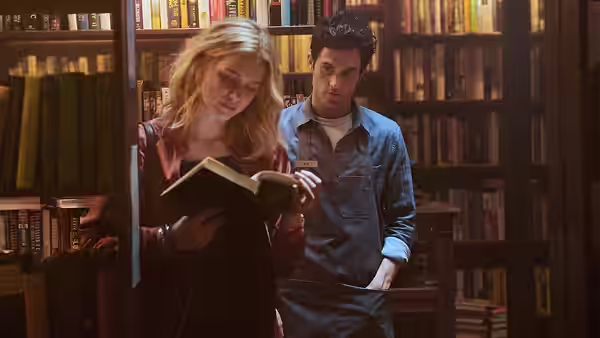
Elizabeth Lail plays Guinevere Beck, the woman Joe pursues, and the apparent courtship needs her credibility as much as his charm. The bookshop meeting supplies a familiar romantic beginning before his behaviour makes it alarming. Her social media becomes a means of reaching into her private life, and the programme notices how ordinary that first act of looking can seem. There is no need to make the technology mysterious or elaborate. The discomfort comes from recognising what he can learn without ever asking her a question.
The visual polish helps, with W. Mott Hupfel III among the cinematographers credited on the series. The glossy presentation allows the romantic-comedy pretence to remain convincing while Joe’s commentary makes it increasingly unpleasant. The production designers include Adam Scher, and the bookshop and literary surroundings give Joe a respectable setting in which to behave badly; their usefulness goes beyond providing attractive shelves. Blake Neely’s music is less effective at unsettling us than the persistent narration, which keeps returning us to Joe’s explanations when we might prefer some distance.
Gaston Jaren Lopez and Troy Takaki are among the editors, and the movement between psychological threat and black comedy gives the series much of its pace. That movement keeps the premise watchable, although the plotting too often reaches for another complication before examining the last one properly. Sera Gamble and Greg Berlanti’s writing is less assured when delivering warnings about online vanity and literary pretension. The jokes become broad and the warnings insistent. Joe’s excuses give us plenty to consider without the programme repeatedly pointing out what is wrong with them.
A psychological thriller built around a stalker does not need to provide a complete account of modern dating to justify itself. This one becomes less convincing whenever it insists that its commentary deserves as much attention as its suspense. Its willingness to be absurd is welcome, though, and the tense passages have enough force to survive the broader jokes. Try it for Penn Badgley, provided blunt social satire does not spoil a tense evening.