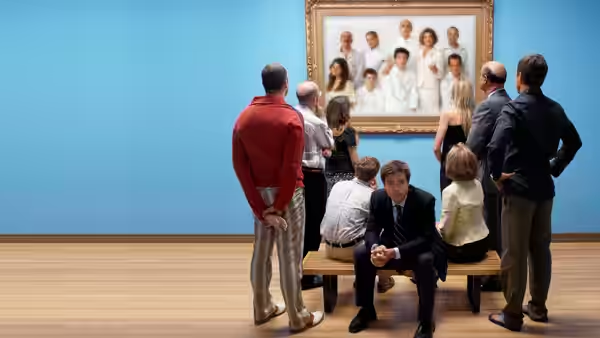
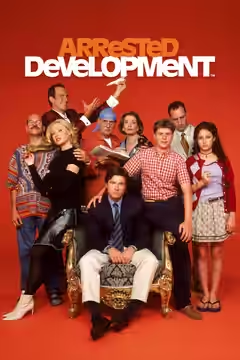
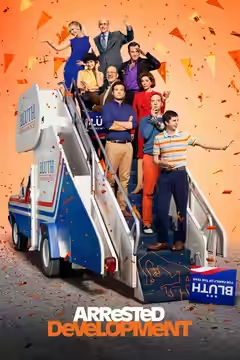
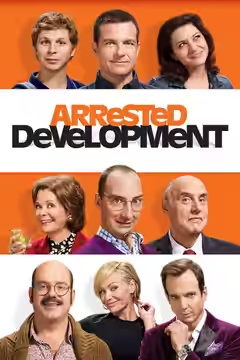
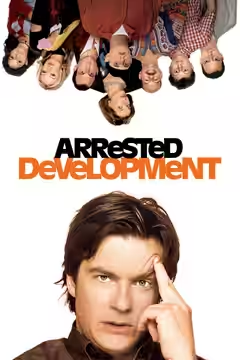
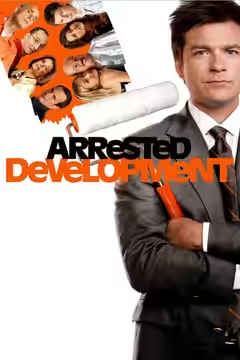
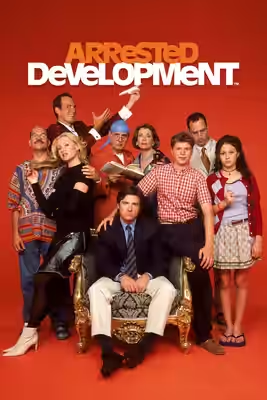
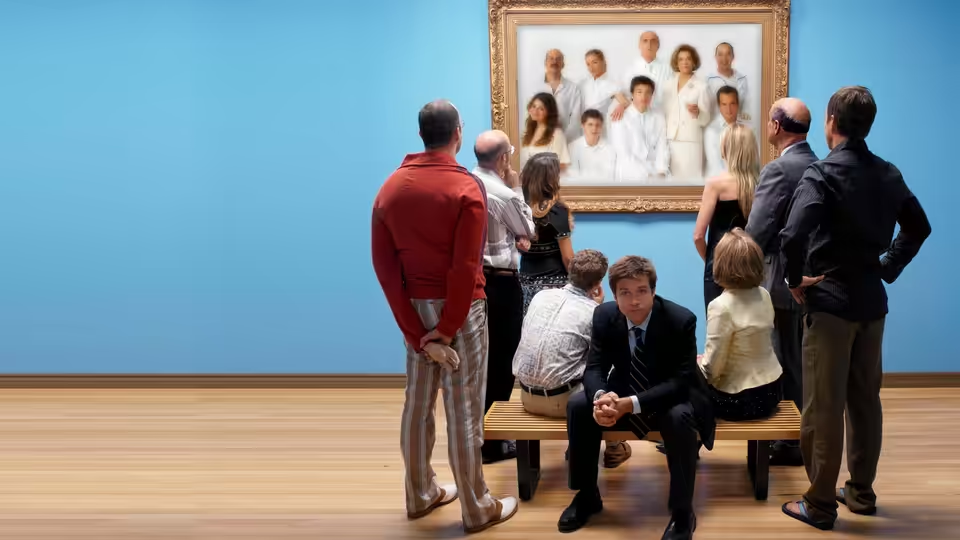
Michael Bluth (Jason Bateman) sits on a bench surrounded by family in an art gallery
Series review

Arrested Development

2003 · Created by Mitchell Hurwitz · Series

In a sentenceThe Bluths need a narrator because none of them can be trusted to explain themselves

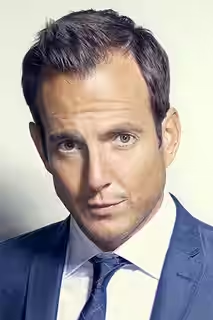
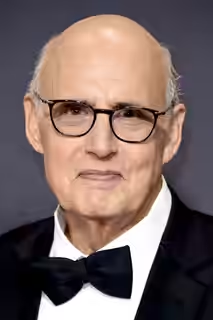
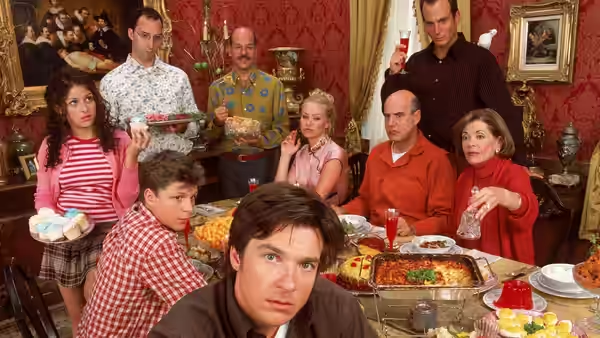
Financial ruin brings the Bluth family together in a model home, where their difficulties with one another continue under the same roof. Jason Bateman plays Michael Bluth, with Jeffrey Tambor as George Bluth Sr., Jessica Walter as Lucille, Will Arnett as Gob and Tony Hale as Buster. Portia De Rossi and David Cross play Lindsay Bluth Fünke and Tobias Fünke, while Michael Cera and Alia Shawkat play George Michael Bluth and Maeby Fünke. Ron Howard narrates this documentary-style comedy about a family trying to regroup after losing its money.

Fi1m review

A sharply funny family comedy whose performances reward close attention. The storytelling can grow tiring, especially in later stretches, but the Bluths remain worth the trouble.

Financial ruin has brought the Bluth family together in a model home. Arrested Development makes a sharply funny comedy from their attempts to endure one another, though its crowded storytelling can occasionally become tiring. Writers including Mitchell Hurwitz and Jim Vallely take an ordinary family-comedy problem, the impossibility of getting everyone to behave, and give it an unusually capable cast. There is little comfort here, but plenty of recognisable bad behaviour.

The model home is a useful setting for people whose confidence seems so poorly supported by their circumstances. The documentary-style photography pays attention to faces, allowing a reaction to undermine somebody else’s account of events. Greg Harrington and James Hawkinson are among the cinematographers keeping the images plain enough for a small change of expression to matter. Ron Howard’s narration supplies a calm voice amid the competing demands for attention. His level delivery works because he sounds so much less aggrieved than the people he is describing.

Jason Bateman gives Michael Bluth the weary patience that helps us find a way into this company. He is particularly good at allowing a pause to suggest how much Michael would like credit for remaining civil. Jessica Walter’s Lucille has no such interest in making herself agreeable. We laughed hardest at the calm with which Walter dismisses other people; she gives the cruelty no more vocal weight than an ordinary remark. Her precise emphasis lets us hear the selfishness without needing an exaggerated expression to underline it.

Will Arnett’s Gob is more strenuous company, and Arnett gets laughs from the effort of maintaining his own importance. Tony Hale makes Buster’s awkwardness physical, so that simply occupying space among these relatives can look like hard work. Jeffrey Tambor gives George Bluth Sr. an ease that makes the family’s predicament still more irritating: he can seem comfortable when comfort is hardly warranted. Michael Cera and Alia Shawkat provide welcome changes of pace as George Michael and Maeby. Their smaller reactions stop the ensemble from becoming a competition to be the loudest person present.

The cutting is crucial to making all this company bearable. Editors including Steven Sprung and Stuart Bass give a reaction just enough time to register before moving on, and that speed makes a small look count. We have to watch faces as well as listen to the dialogue. David Schwartz’s score adds a cheerful bounce that makes the self-pity funnier. Sometimes the combined insistence of performance, cutting and music makes us wish the programme would leave a little more space.

Across five seasons, the returns are uneven. The later stretches are less reliable, and some jokes take more arranging than their laughs justify. Hurwitz and his fellow writers can seem too fond of familiar behaviour to notice that it has stopped surprising us. There are passages we would happily shorten, even with this cast.

We do not need a family sitcom to reassure us that everyone is lovable. Bateman and Walter keep us interested in the Bluths without making their company look desirable. There is enough recognisable hurt beneath the squabbling to keep the selfishness from becoming monotonous. Start at the beginning, and save the conversation for between episodes.

Critical consensus AI synthesised

74
Positive
6
Mixed
0
Negative
1

Most critics like it, and the warmth is concentrated on the original run. The reviews from its first years describe a comedy that sets out to mock the sitcom and largely gets away with it: the writing is called sharp and fast, the ensemble is picked out repeatedly, and the hand-held, documentary-style shooting is credited with giving the show its energy. The premise of a rich family stripped of its money and crammed into a model home is found to be a reliable engine, and Jeffrey Tambor is singled out more than once.

The reservations are almost all about the later seasons, so the spread is wide. The AV Club finds the fourth season bloated and hard to love, however ambitious. IndieWire thinks the fifth is worth it for the women and Gob but senses an ending. The Telegraph, the one outright dissenter, calls that season tired and smug and says the show has outstayed its welcome. Even The Guardian, broadly approving, admits it is fun rather than laugh-out-loud funny.

The Hollywood Reporter
· Barry Garron
90*

The critic calls it the smartest, funniest and most original new comedy of the season, praising its dysfunctional Bluth family and documentary-style approach.

Read the full review →
The Times
19 March 2005
85*

The review praises the razor-sharp writing, rapid-fire jokes and one of the best ensemble casts on television, calling it the best American sitcom since Seinfeld. It highlights the strong characters and politically incorrect humour delivered with gusto.

Read the full review →
Variety
29 October 2003
85*

The series reinvents the sitcom with inspired goofiness and mocks conventions within the undernourished genre. It delivers terrific energy through its verite style, hand-held cameras, and a dysfunctional rich family dealing with corporate scandal.

Read the full review →
The AV Club
28 May 2013 · B · Emily St. James
77

The fourth season is a bloated boondoggle that is occasionally hilarious and sometimes boring but masterful in places. It is staggering in ambition yet hard to approach with real affection, more like loosely intersecting short films than the original series.

Read the full review →
IndieWire
29 May 2018 · Ben Travers
70*

Season 5 is worth watching for the women and Gob even as an ending feels imminent. The best new bits come from great women and Gob amid complicated viewing due to recent events.

Read the full review →
The Guardian
30 September 2004 · Nancy Banks-Smith
70*

The critic finds the premise of the dysfunctional Bluth family living together in a model home after financial ruin engaging and lucid. The show is not laugh-out-loud funny but definitely fun, with strong performances especially from Jeffrey Tambor.

Read the full review →

Straight answers AI written, from our review

Is Arrested Development worth watching?
Arrested Development is worth watching for anyone who enjoys a sharply funny family comedy with performances that reward close attention, and we scored it 87. Jason Bateman and Jessica Walter keep the Bluths interesting without making their company look desirable. The later seasons are less reliable, and the crowded storytelling can grow tiring.
Where can I watch Arrested Development in Romania?
Arrested Development is not on any streaming or rental service in Romania at the moment. It is available in 34 other countries; change your country at the top of the page to see where. Availability is checked daily.
How violent or frightening is Arrested Development, and is it suitable for children?
Arrested Development is a UK 15 comedy about a selfish family, not a violent or frightening one. The certificate reflects adult humour and recognisable bad behaviour rather than anything to frighten a viewer, so it suits older teenagers and adults. Younger children would likely find little in it for them.
How does Arrested Development compare to Fawlty Towers?
Arrested Development and Fawlty Towers both find comedy in people determined to preserve their own importance, but the earlier programme is the tighter and more consistent of the two. The Bluth saga runs five uneven seasons with a large ensemble and a narrator. Choose Fawlty Towers for precision and Arrested Development for a longer stay with a sprawling, recognisably damaged family.
What should I watch after Arrested Development?
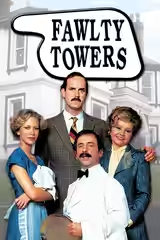
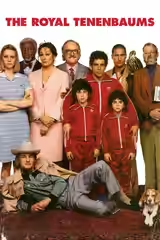
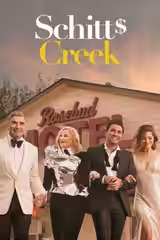
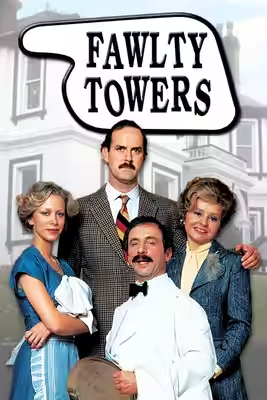
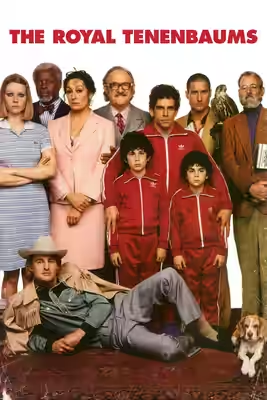
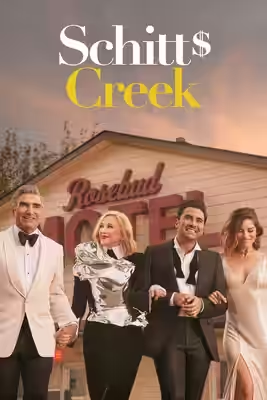
After Arrested Development, try Fawlty Towers (1975, Fi1m 90): For more comic damage caused by people determined to preserve their own importance. Then The Royal Tenenbaums (2001, Fi1m 84): Another damaged family, with more tenderness and elaborate arrangements for avoiding responsibility; and Schitt's Creek (2015, Fi1m 82): Another family loses its fortune, with rather more willingness to learn from it.

Cast

Awards

SAG Awards, 2014

Nominated
Outstanding Performance by a Male Actor in a Comedy Series
Nominated
Outstanding Performance by an Ensemble in a Comedy Series

Primetime Emmy Awards, 2013

Nominated
Outstanding Music Composition for a Series (Original Dramatic Score)

Writers Guild of America Award for Television: Comedy Series, 2007

Nominated
Writers Guild of America Award for Television: Comedy Series

Costume Designers Guild Award for Best Costume Design – Contemporary TV Series, 2006

Nominated
Costume Designers Guild Award for Best Costume Design – Contemporary TV Series

Primetime Emmy Awards, 2006

Nominated
Outstanding Supporting Actor in a Comedy Series

Primetime Emmy Awards, 2005

Nominated
Outstanding Lead Actor in a Comedy Series
Nominated
Outstanding Supporting Actress in a Comedy Series

Satellite Award for Best Actor – Television Series Musical or Comedy, 2005

Won
Satellite Award for Best Actor – Television Series Musical or Comedy

TCA Award for Individual Achievement in Comedy, 2005

Nominated
TCA Award for Individual Achievement in Comedy

TCA Award for Outstanding Achievement in Comedy, 2005

Won
TCA Award for Outstanding Achievement in Comedy

Primetime Emmy Awards, 2004

Nominated
Outstanding Art Direction for a Multi-Camera Series
Won
Outstanding Casting for a Comedy Series
Won
Outstanding Comedy Series
Won
Outstanding Directing for a Comedy Series
Won
Outstanding Single-Camera Picture Editing for a Comedy Series
Won
Outstanding Writing for a Comedy Series

Satellite Award for Best Television Series – Musical or Comedy, 2004

Won
Satellite Award for Best Television Series – Musical or Comedy

TCA Award for Outstanding New Program, 2004

Won
TCA Award for Outstanding New Program

TCA Award for Program of the Year, 2004

Nominated
TCA Award for Program of the Year

Golden Globes, 2003

Nominated
Best Television Series – Musical or Comedy

If you liked this, try…

  1. Fawlty Towers (1975, Fi1m 90)For more comic damage caused by people determined to preserve their own importance.

  2. The Royal Tenenbaums (2001, Fi1m 84)Another damaged family, with more tenderness and elaborate arrangements for avoiding responsibility.

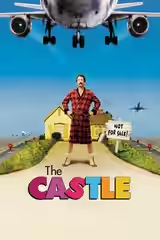
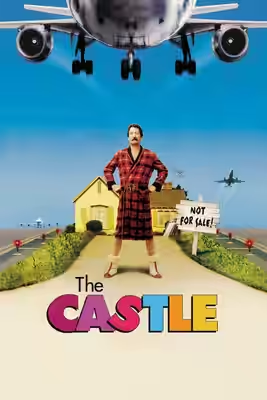
  3. The Castle (1997) · not reviewed yetA warmer family comedy, equally alert to the peculiar logic of a household.

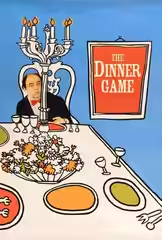
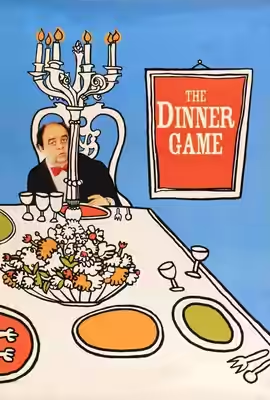
  4. The Dinner Game (1998) · not reviewed yetSmugness and a badly judged invitation produce another thoroughly avoidable comic catastrophe.

  5. Schitt's Creek (2015, Fi1m 82)Another family loses its fortune, with rather more willingness to learn from it.

Free account

Know what to watch tonight

Two lists that know where things are streaming, collections you can share, your own score beside ours, and Discover that remembers what you have seen.

  • Want to see, sorted by what is streaming now
  • Seen, with your score out of ten
  • No adverts, ever