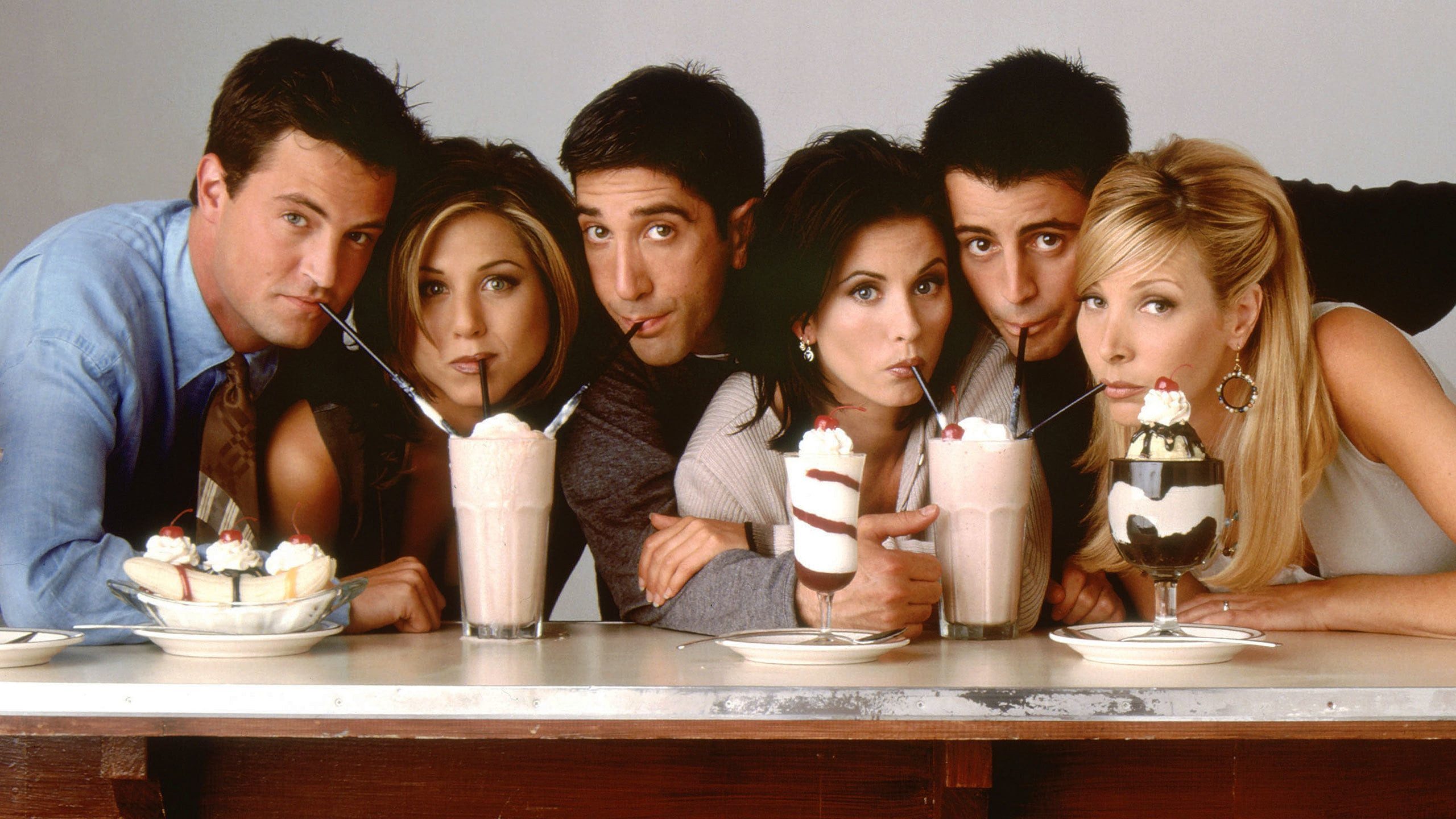
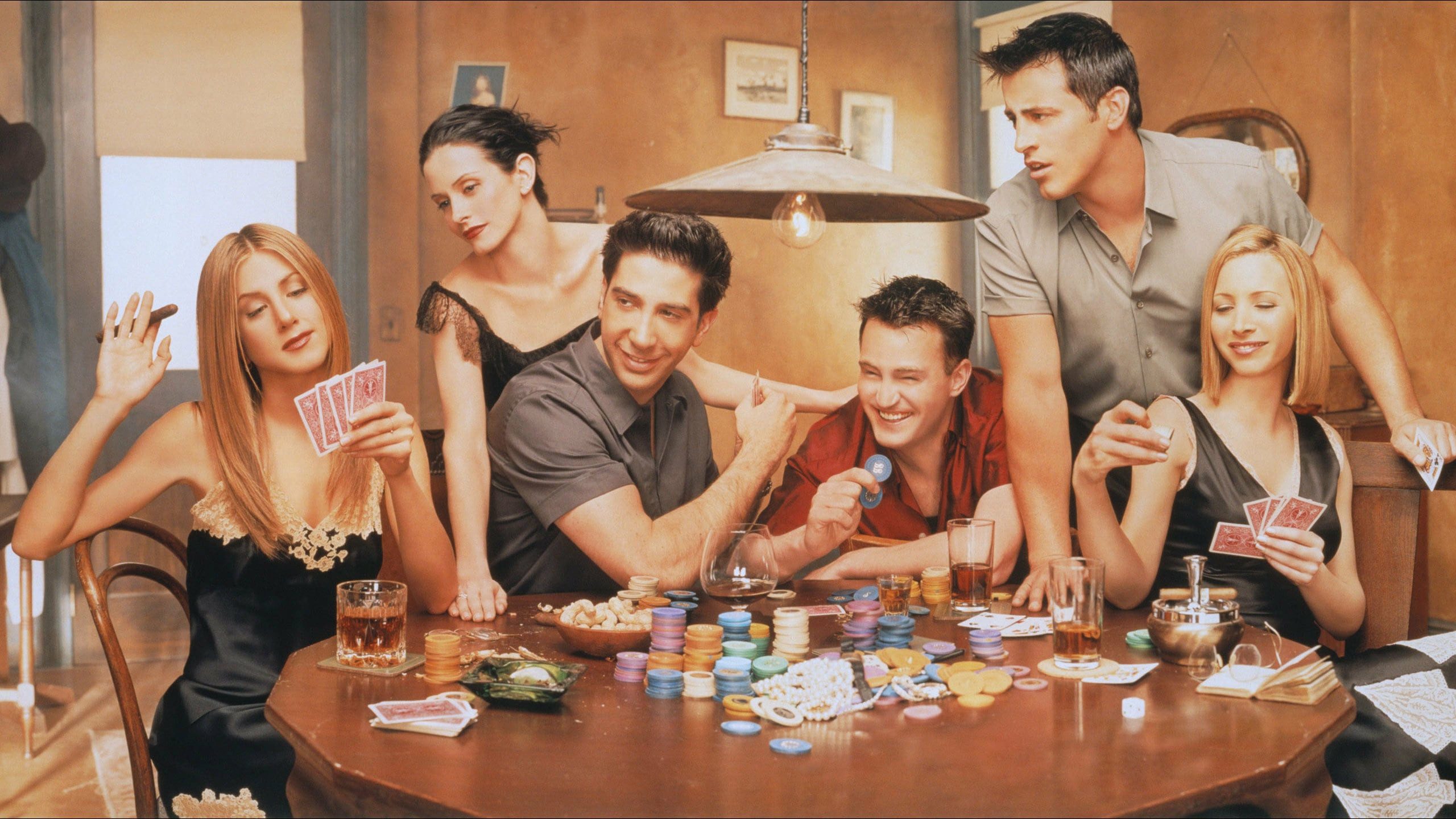
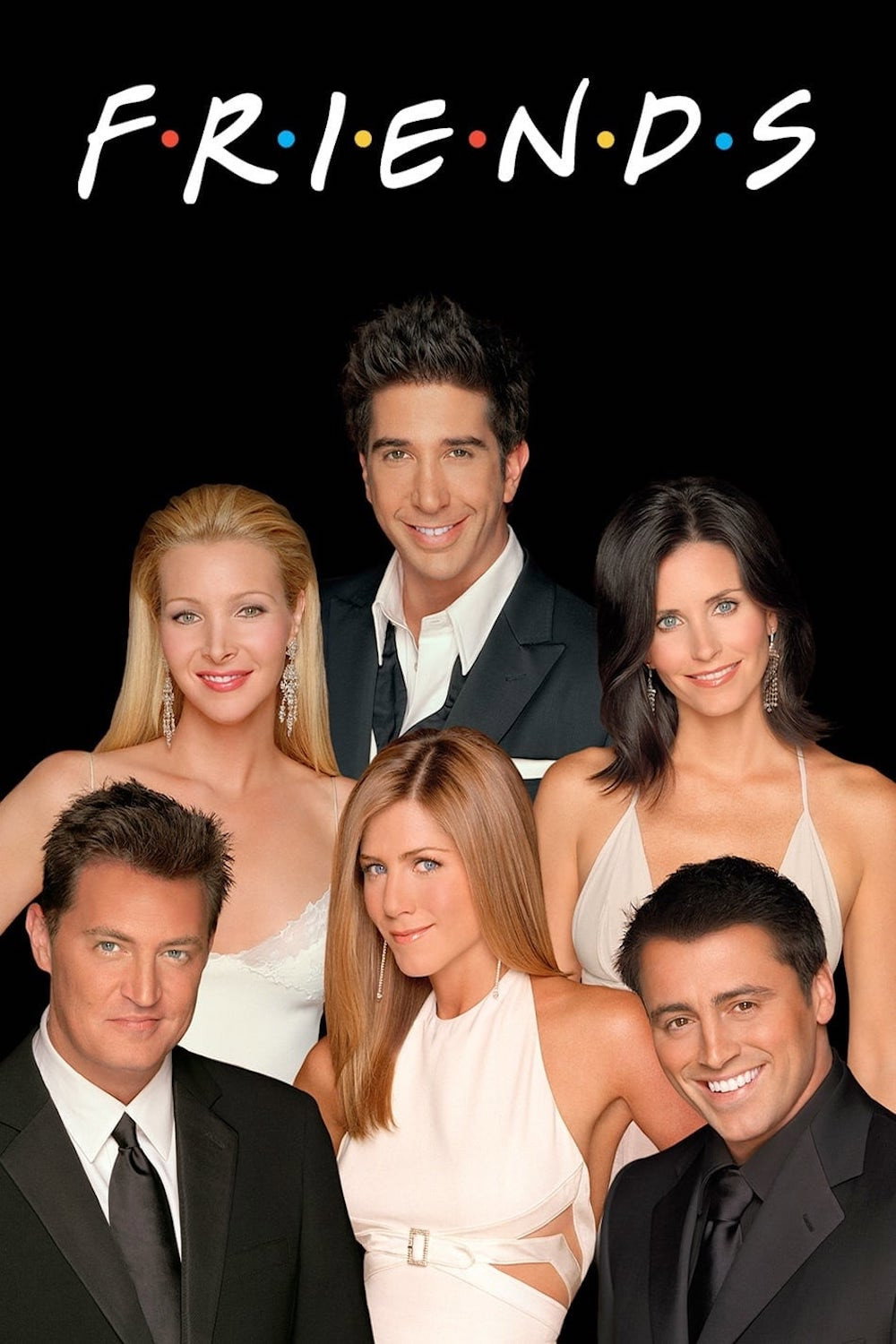
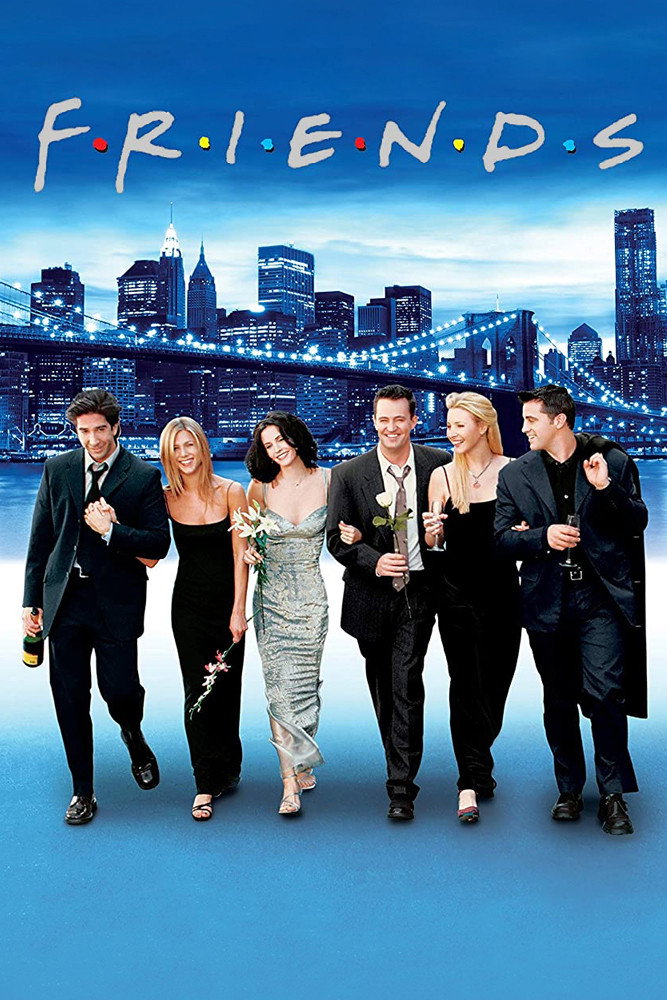
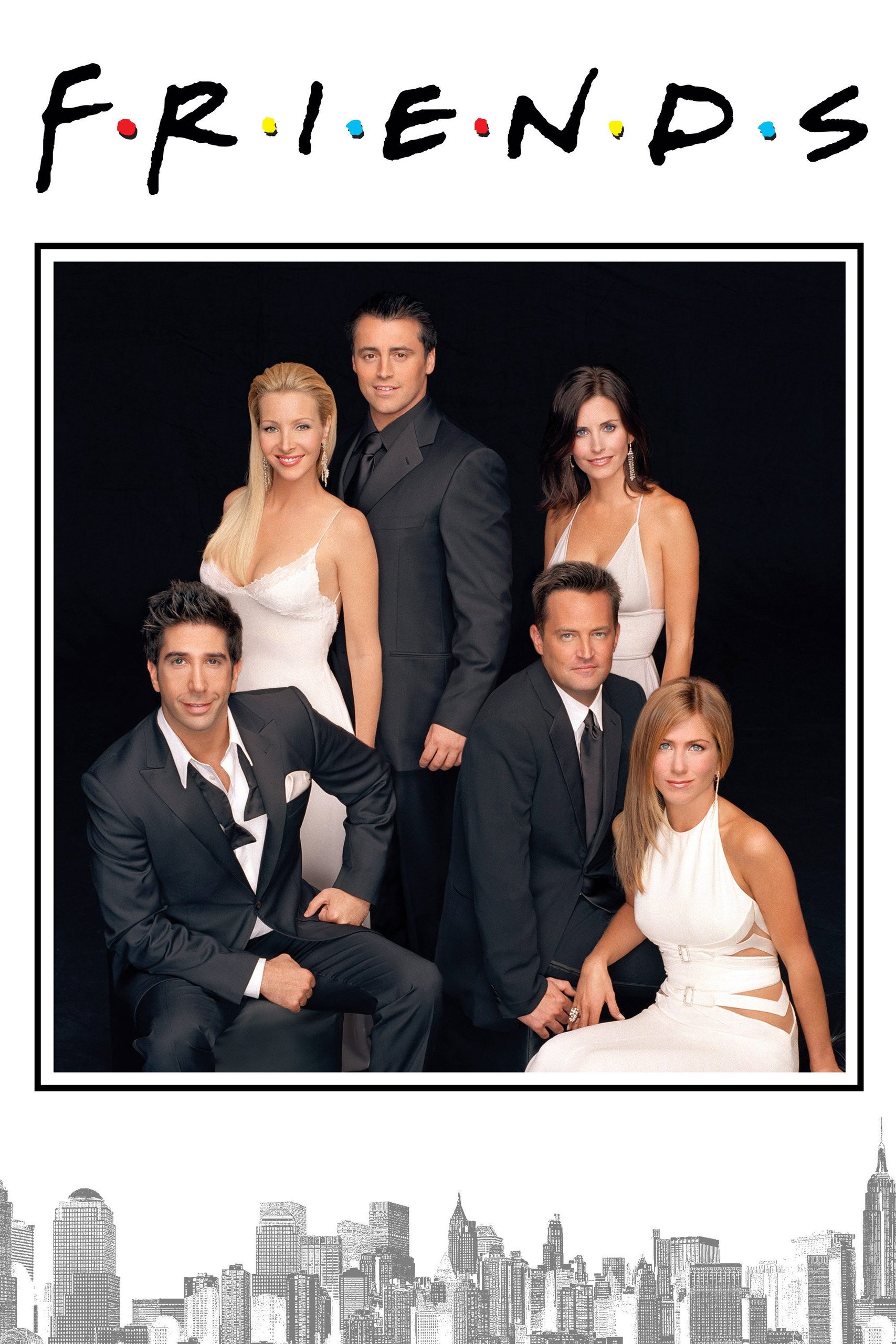
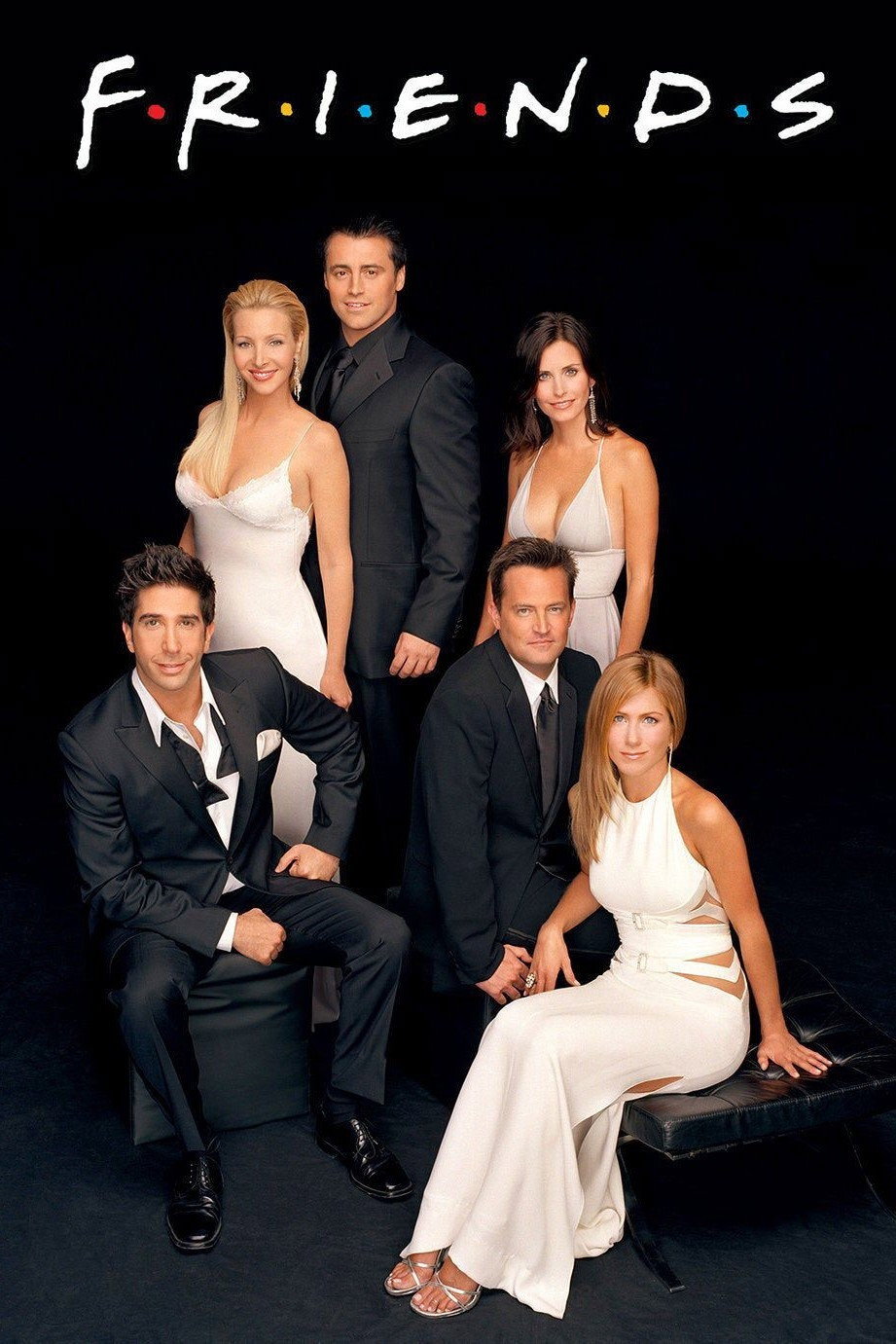
Friends earns its warmth through six sharply matched performances, with Jennifer Aniston particularly good at making embarrassment funny. The writing strains and the social circle can feel airless, but we still recommend an evening in their company.
Friends is good company, though we would not ask it for a broad account of adult life. Created by Marta Kauffman and David Crane, it makes the closeness of its central group the main attraction, and the six performances give that closeness enough friction to keep it funny. The writing can be laboured, and the programme’s interest in the world beyond these people is limited. We recommend it for the cast, with the warning that affection sometimes has to do work the jokes should have done.
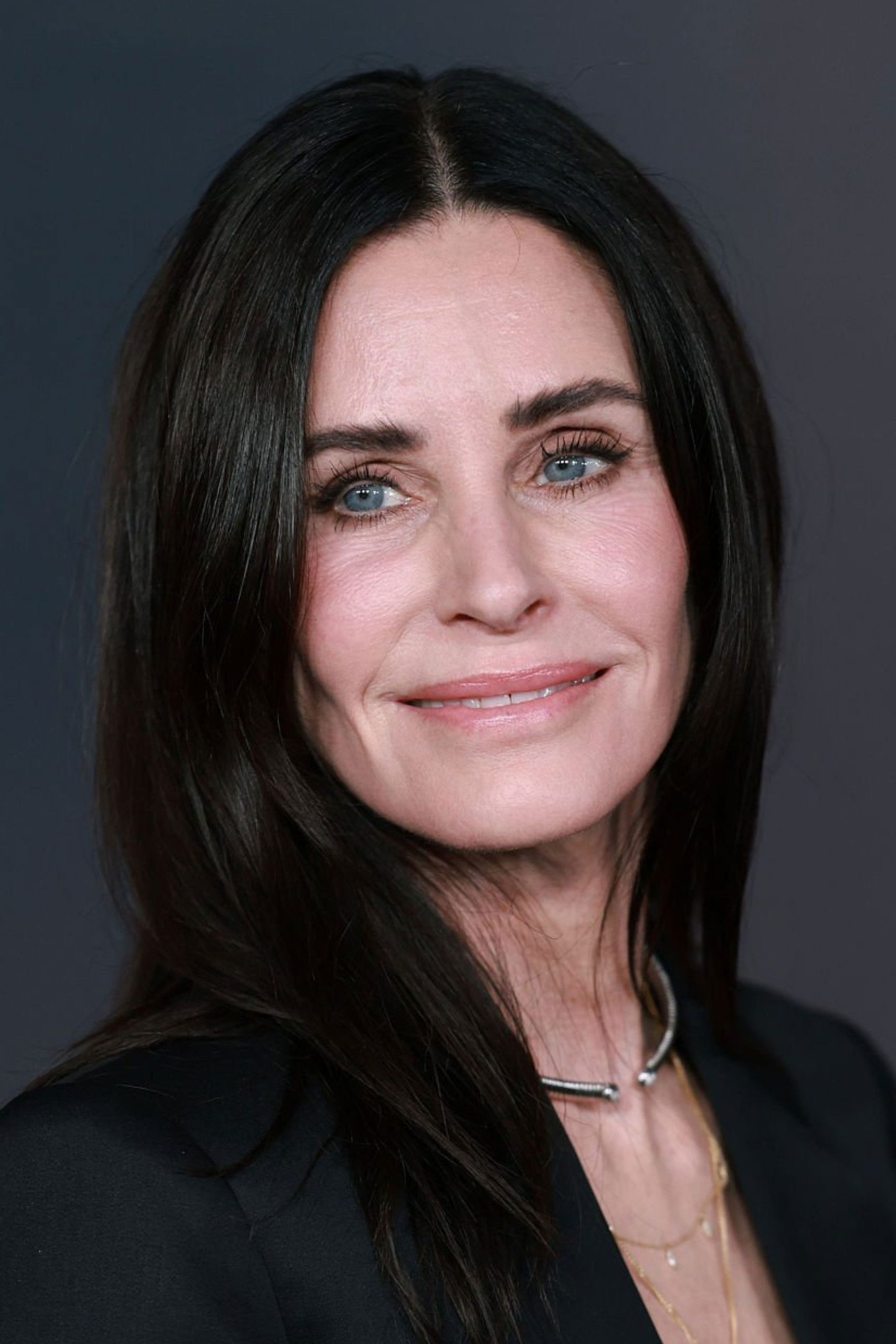
Jennifer Aniston is particularly good at making Rachel Green’s wish to seem composed interfere with her ability to speak naturally. We laughed at her awkward pauses and then felt for her, because she lets the effort of recovering her dignity show. Courteney Cox gives Monica Geller a firmer rhythm, making a useful contrast without seeming to belong to a different programme. Their performances are persuasive because both leave space for irritation inside the affection.
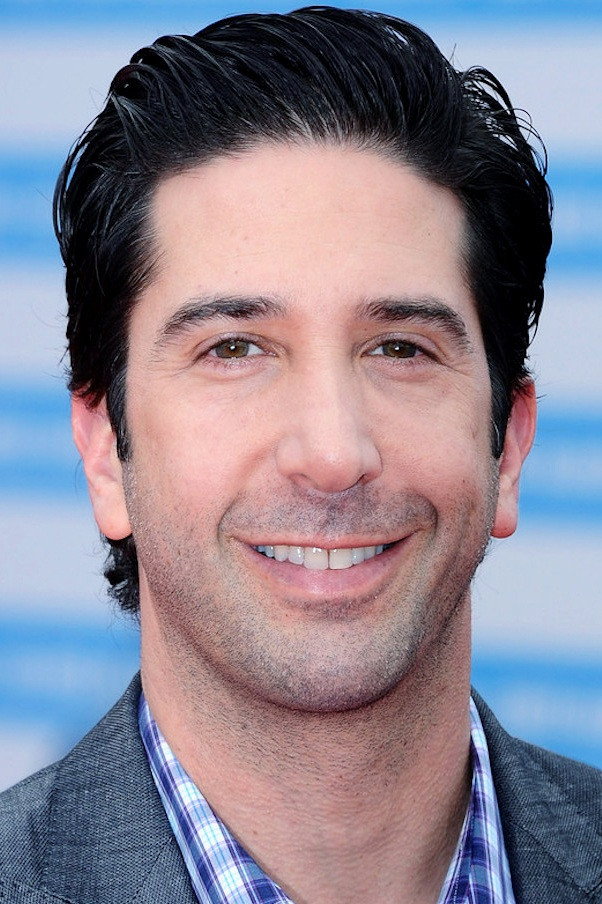
Matthew Perry makes Chandler Bing’s quickness feel slightly defensive; he can get a laugh simply by putting unexpected pressure on a word. David Schwimmer gives Ross Geller’s discomfort a physical weight that can make a routine exchange funnier than its wording warrants. Matt LeBlanc, as Joey Tribbiani, provides an effective contrast to both, while Lisa Kudrow’s Phoebe Buffay refuses to settle into quite the same rhythm as anybody else. We believe these people enjoy one another’s company, even when the writing is busy demonstrating their differences.
The visual approach is plainer. The cinematography, by contributors including Ken Lamkin and Nick McLean, leaves faces easy to read without giving us much else to study. Debra McGuire’s costume design gives the group a little more individuality than the lighting does. Editors including Jay Scherberth and Stephen Prime give reactions room to register, though the emphasis on some punchlines makes the exchanges feel rehearsed.
The larger reservation is how readily familiarity becomes an excuse. The programme can treat its own small social circle as sufficient explanation for everybody’s behaviour, and some of the dated material asks us to laugh along with assumptions it has scarcely examined. Warmth helps, but it cannot make a forced joke sound spontaneous. The performances occasionally seem to be working around the writing, and the effort is more noticeable because the cast can usually make conversation feel so easy.
Most critics are less persuaded than we are: the reviews question the writing and the group’s insulation from ordinary life. We share those objections, but think they give too little weight to how much the actors achieve together. For an ensemble sitcom, making us care who is listening can matter as much as giving somebody a clever line. Friends repeatedly earns that interest, which is why a merely adequate exchange can still be enjoyable.
There are ten series here, so a fondness for these performances matters more than an appetite for a particular plot. Start with the opening episodes rather than treating the whole run as an obligation. If the company does not appeal, repetition is unlikely to improve the evening.