Series review

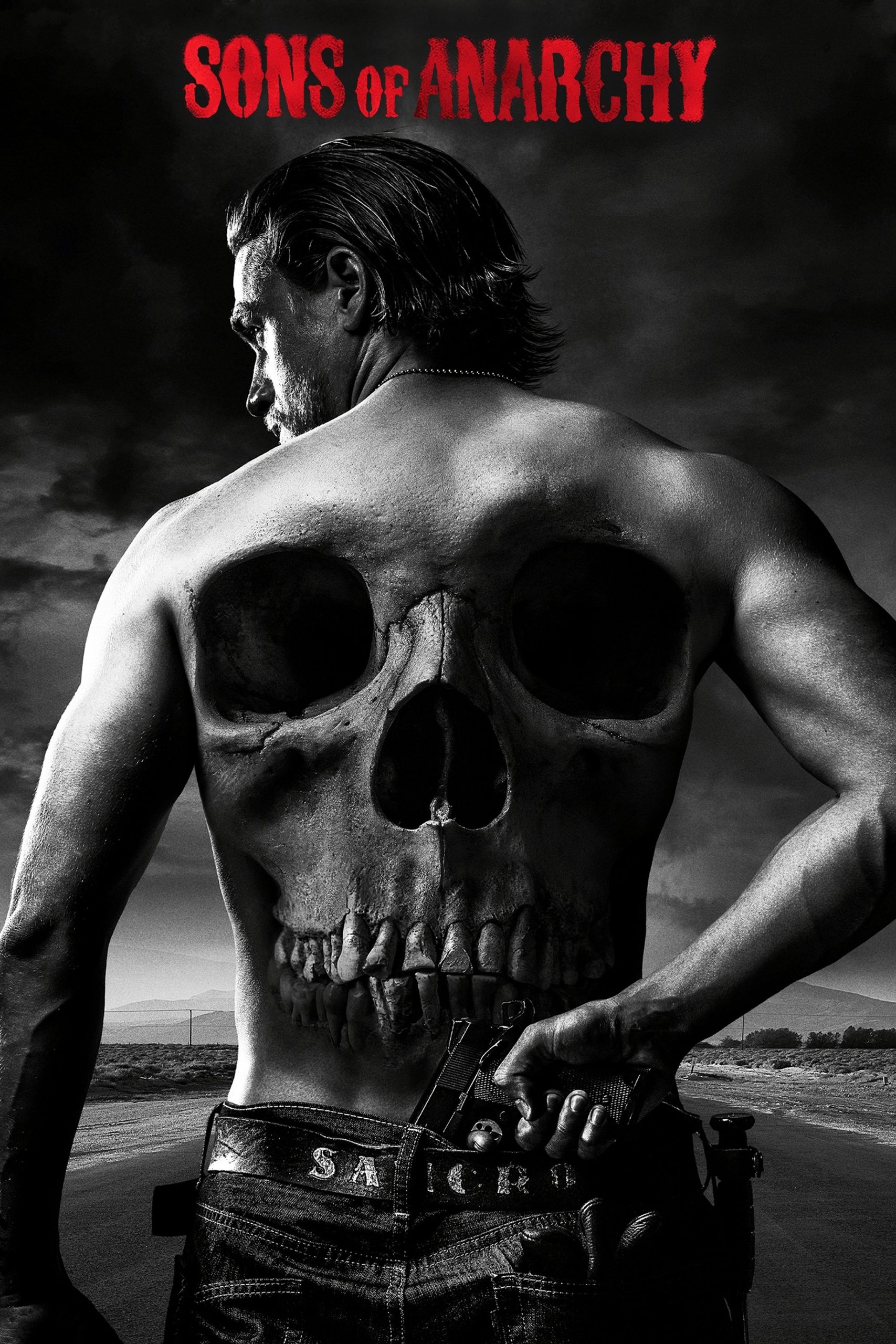
Sons of Anarchy

2008 · Created by Kurt Sutter · Series · MPA TV-MA

In a sentenceA leather Hamlet with a mother who would have had the whole thing sorted by the interval

CrimeDrama

Charming, a small town in northern California. The Sons of Anarchy Motorcycle Club runs guns through the town and keeps outsiders out, with the police chief Wayne Unser (Dayton Callie) on its payroll. Jax Teller (Charlie Hunnam), the club’s vice-president, finds a manuscript left by his dead father, one of the founders, questioning what the club has become. His mother Gemma (Katey Sagal) is married to the current president, Clay Morrow (Ron Perlman), who has no patience for questions. When a rival gang burns the club’s gun warehouse, Clay wants revenge and Jax wants to think. Jax’s addict ex-wife gives birth to a premature son, and his old girlfriend Tara Knowles (Maggie Siff), now a doctor, is back in town.

Plays from YouTube when you press play; nothing loads from them until then.

Fi1m review

Kurt Sutter’s biker saga has two formidable villains in Katey Sagal and Ron Perlman, and a hero who cannot quite carry it. The first three seasons are good crime drama; the last four keep restaging the same betrayal.

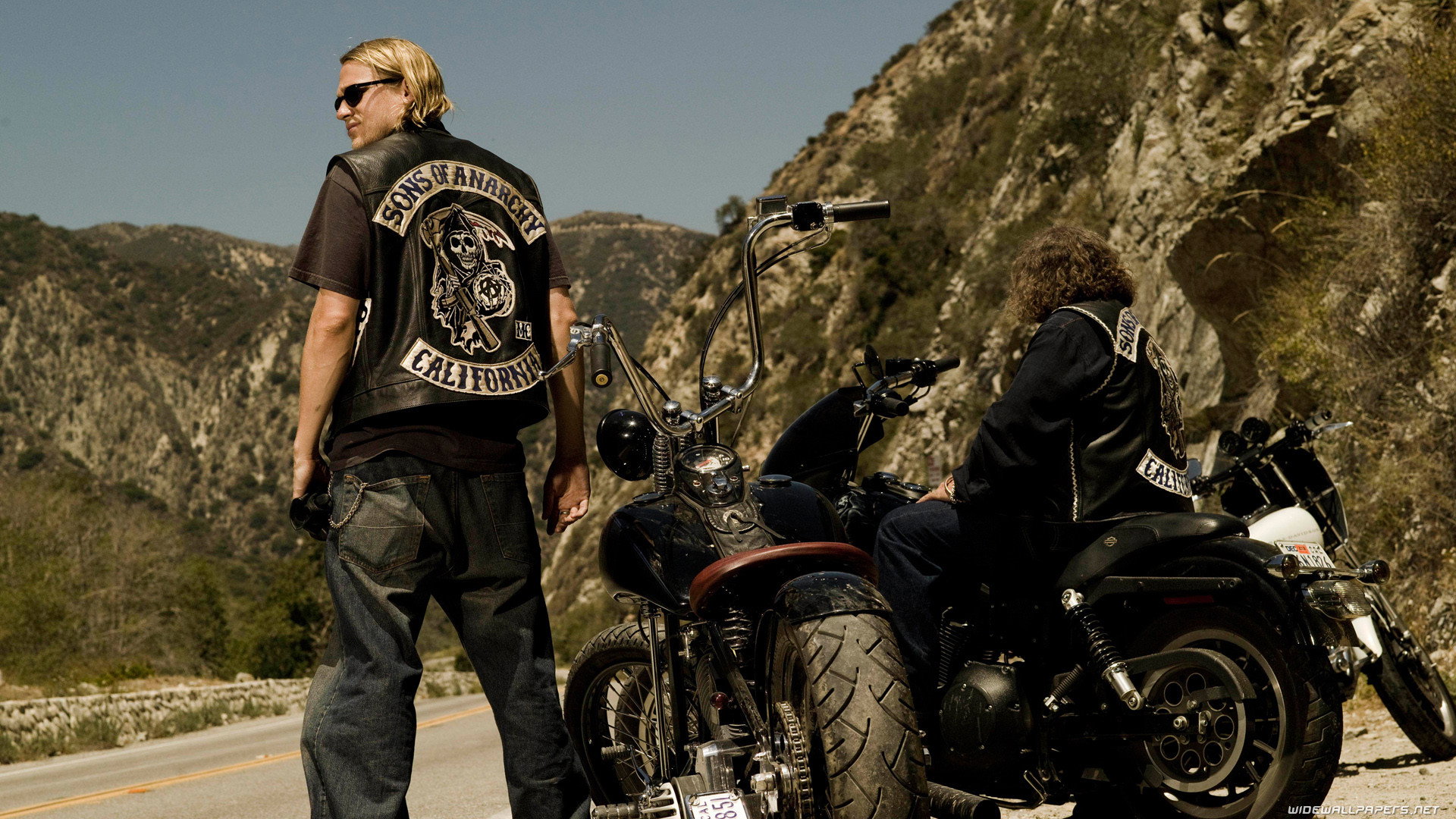
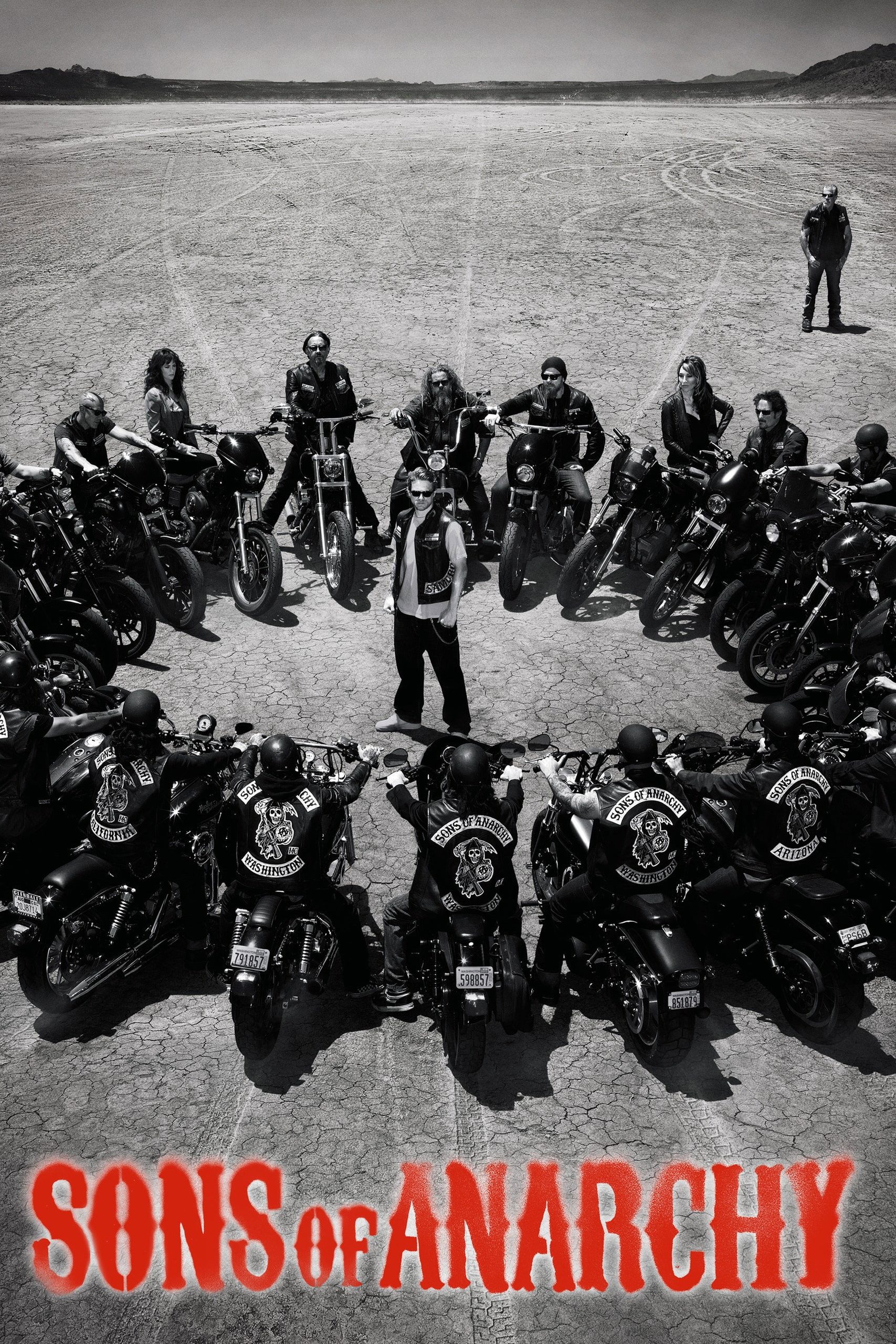
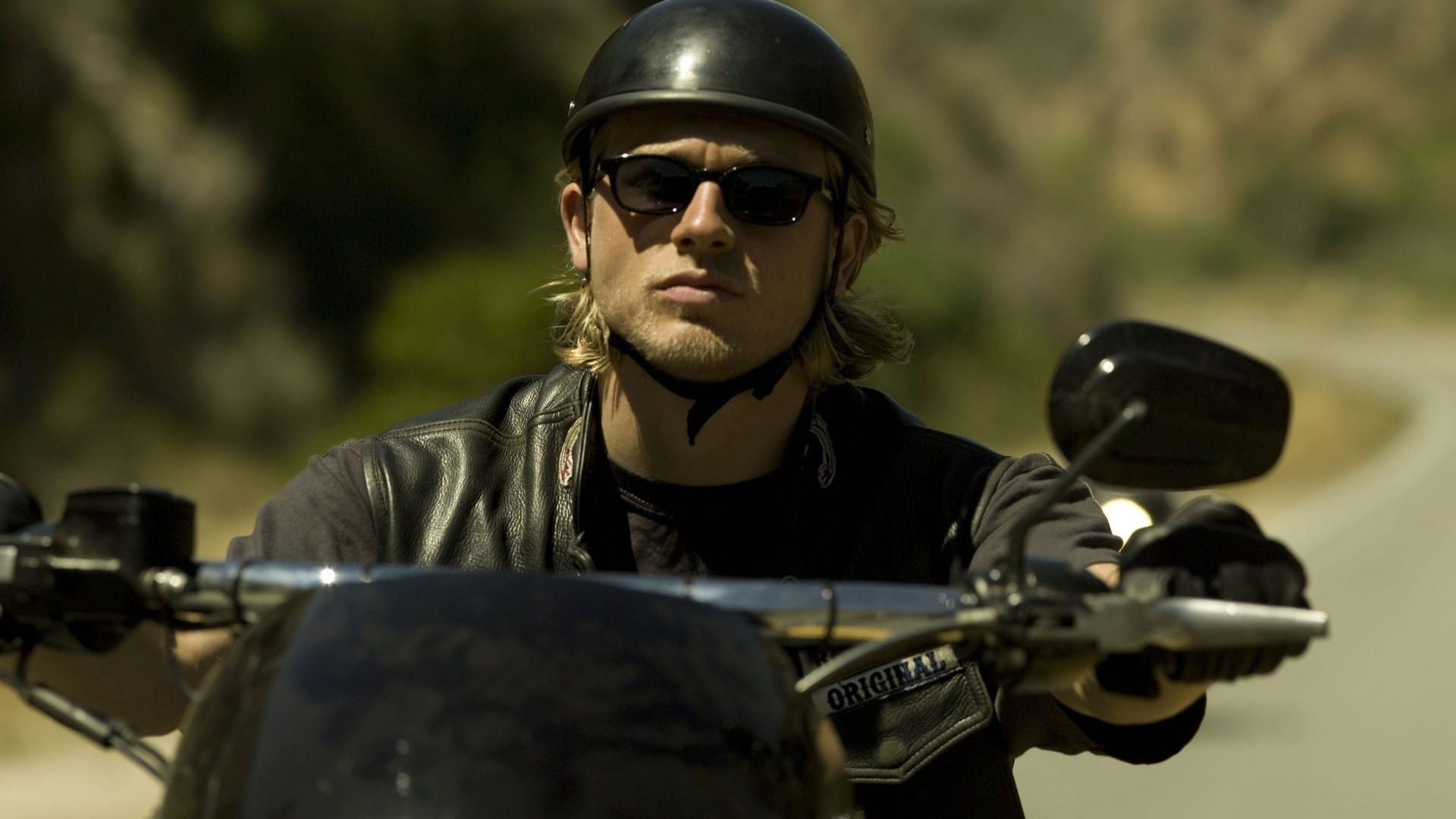
Kurt Sutter’s series is about a motorcycle club in Charming, a small town in northern California, that runs guns and in return keeps the place free of chain stores, drug dealers and outsiders. Jax Teller (Charlie Hunnam) is the club’s vice-president. In the first episode he finds a manuscript by his dead father, one of the founders, arguing that the Sons were meant to be better than this, and he reads it while his mother Gemma (Katey Sagal) and her second husband Clay Morrow (Ron Perlman), the president, watch him with alarm. The shape is Hamlet. It first aired on 3 September 2008 and ran for seven seasons and ninety-two episodes; the first three are good crime drama and the last four are the same drama, repeated.

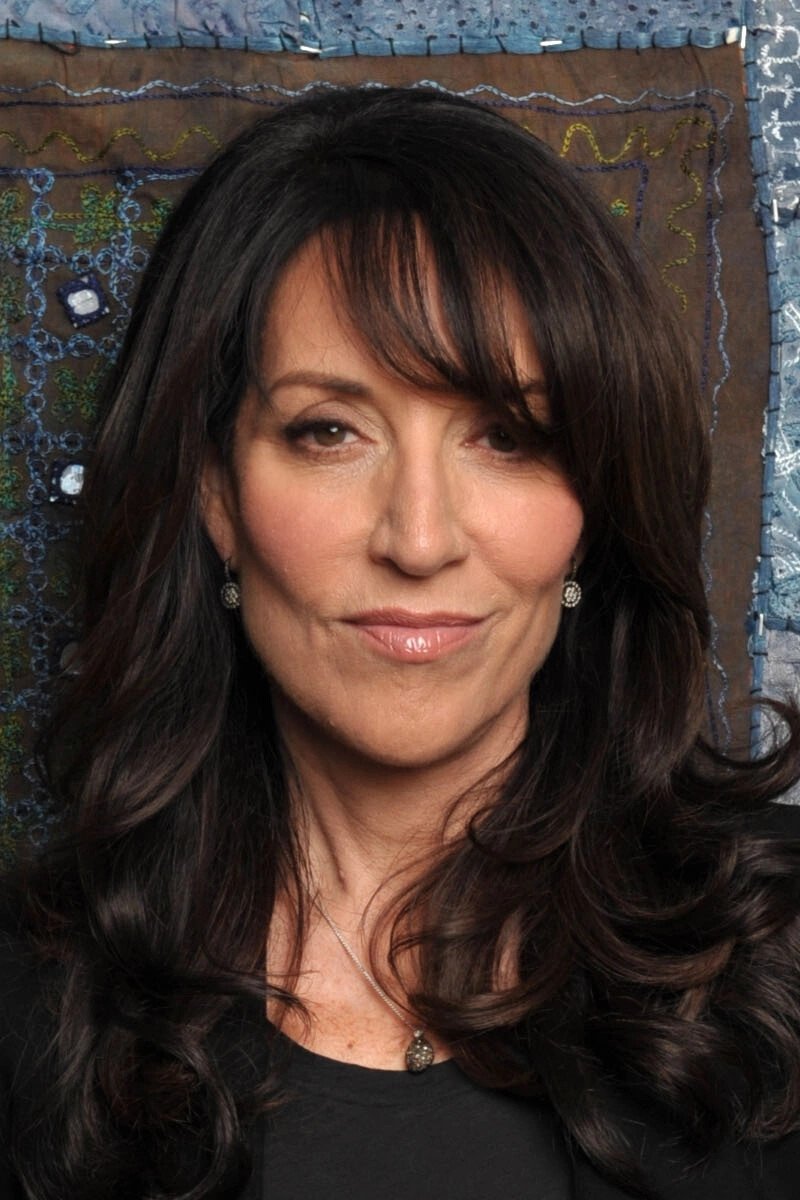
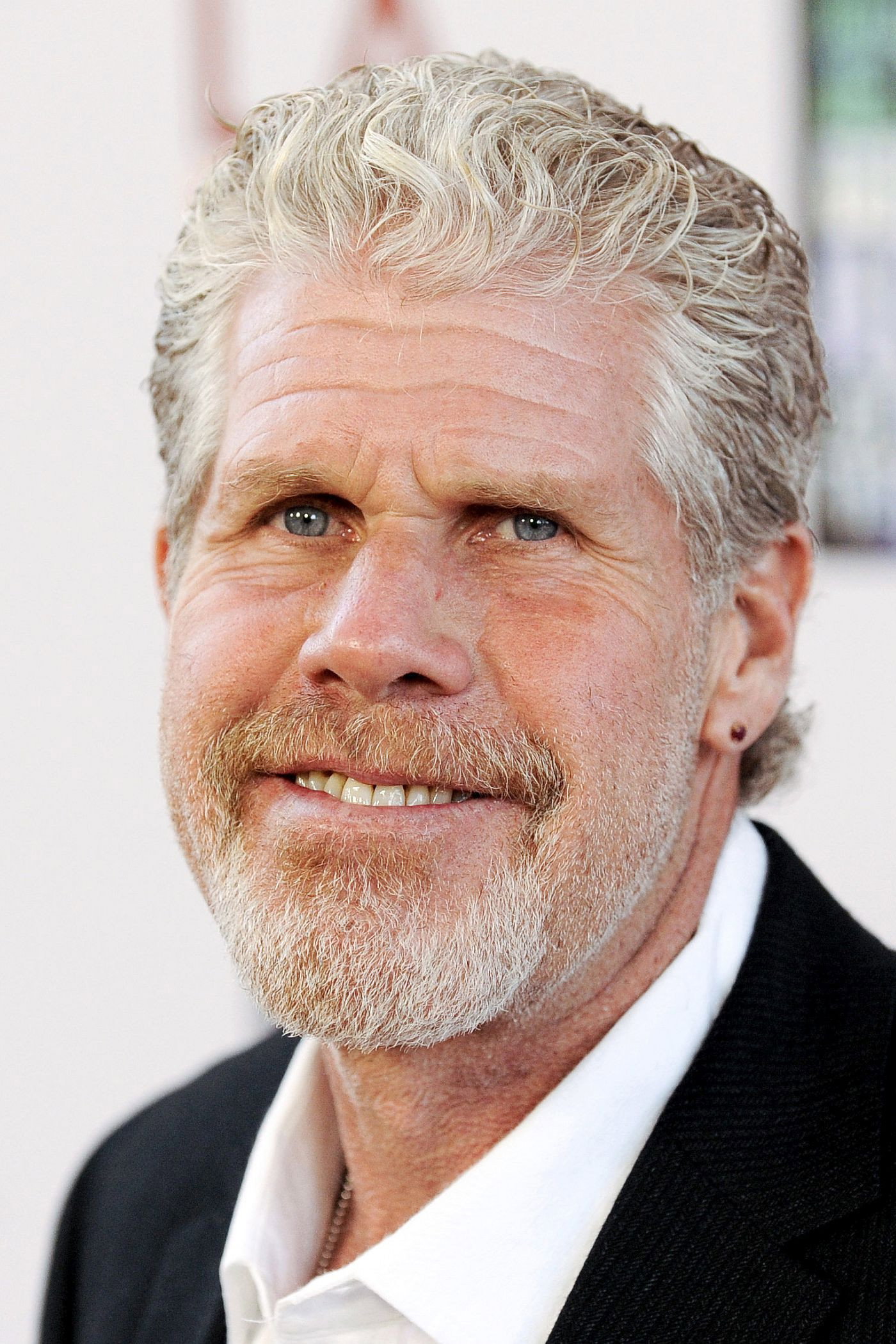
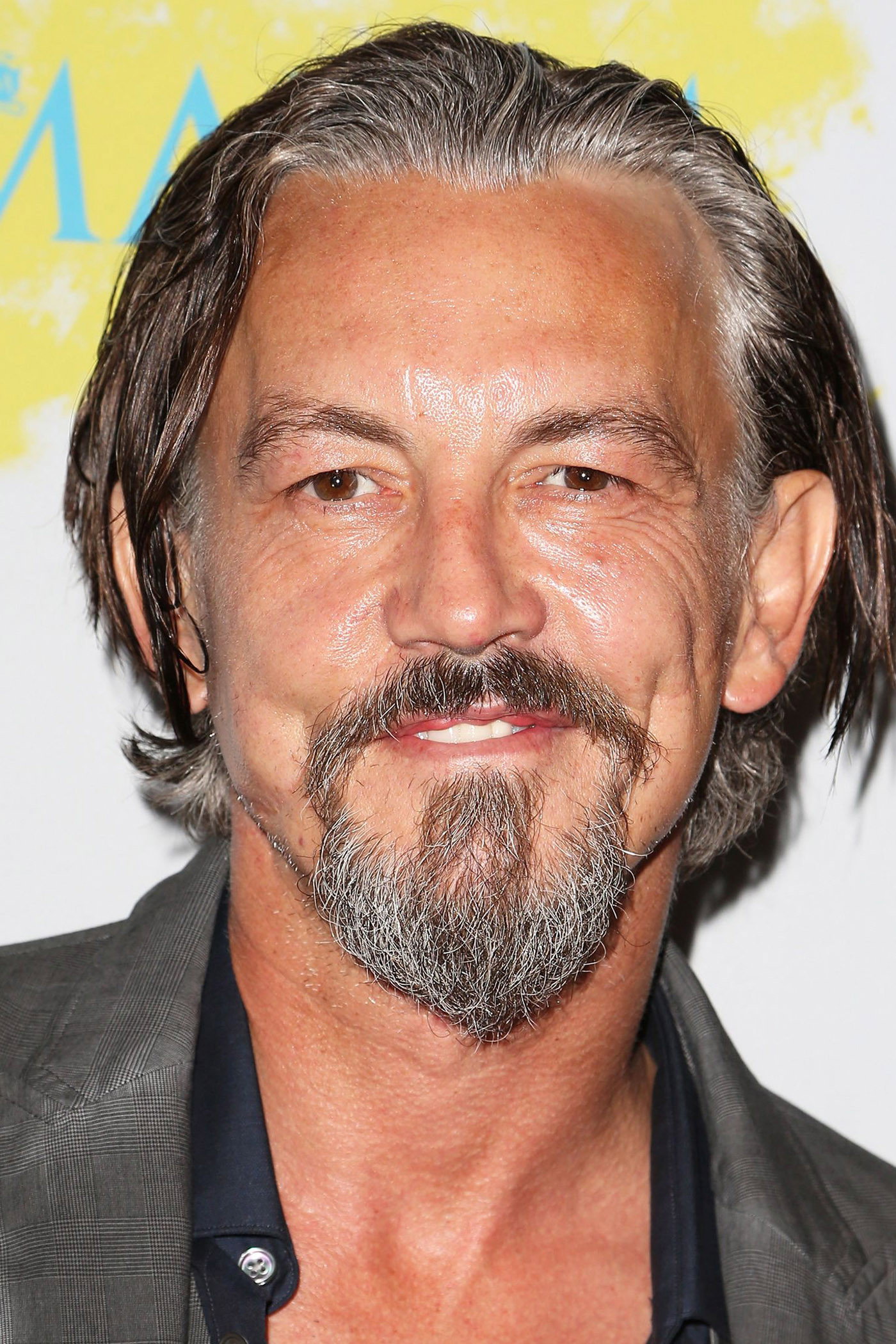
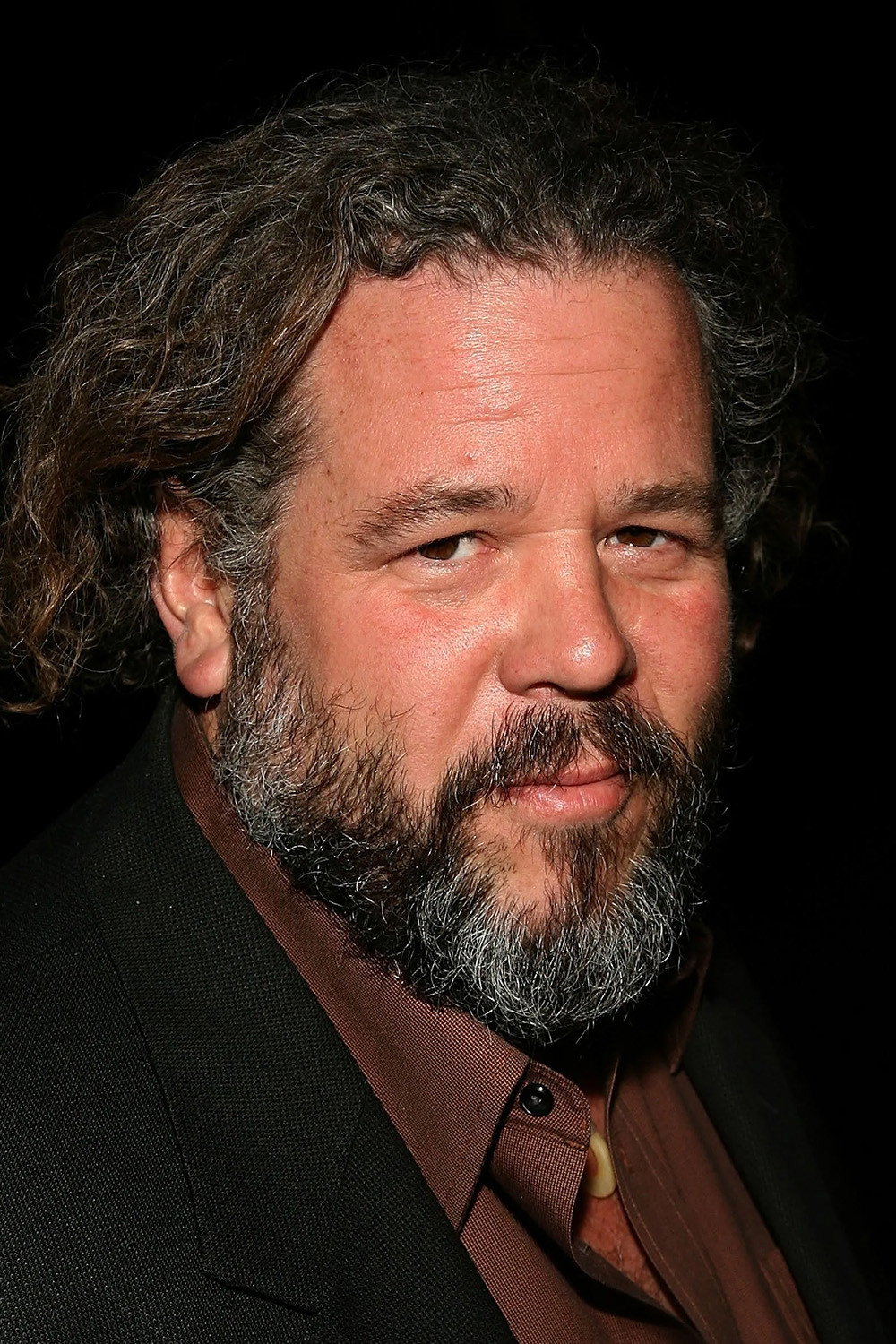
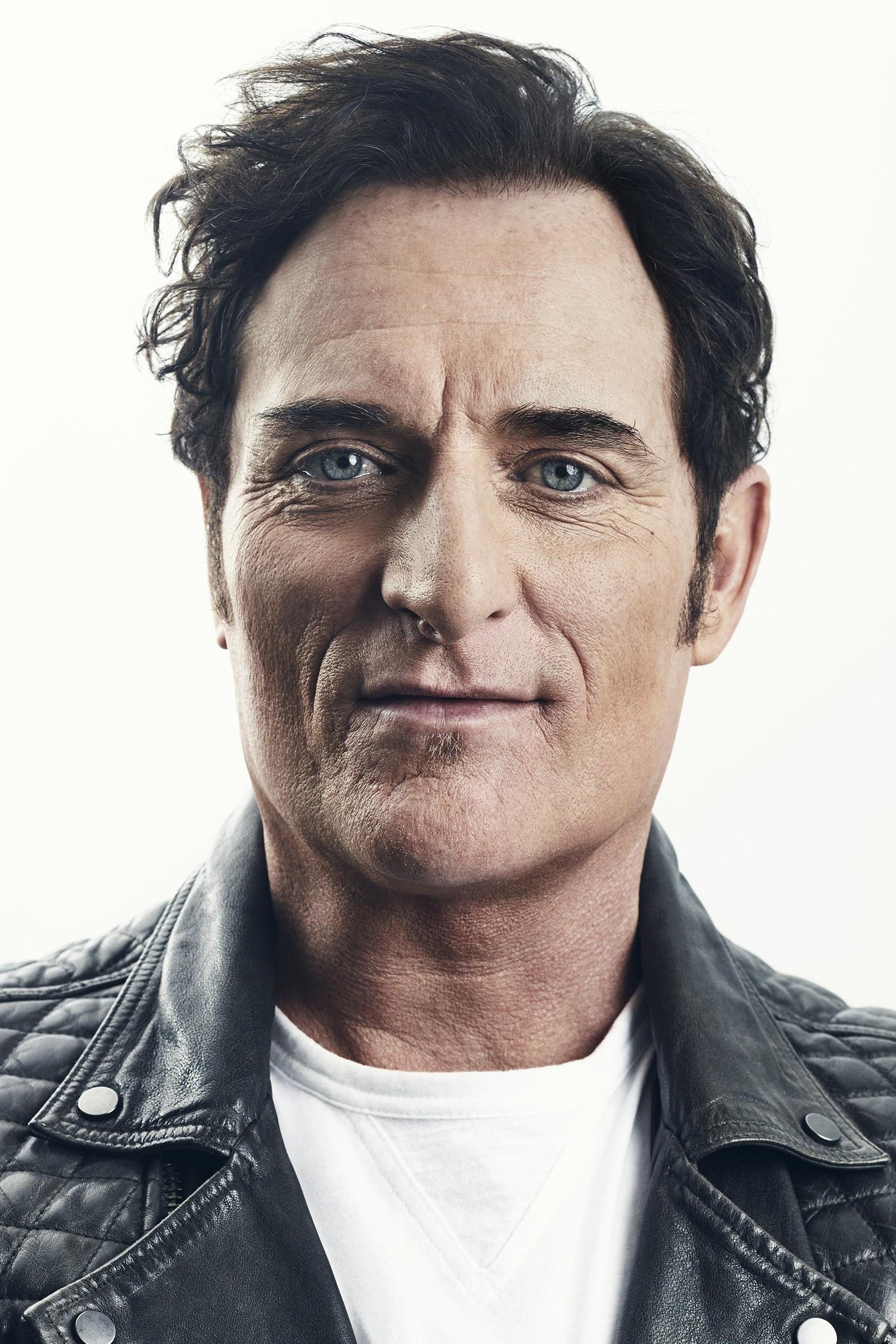
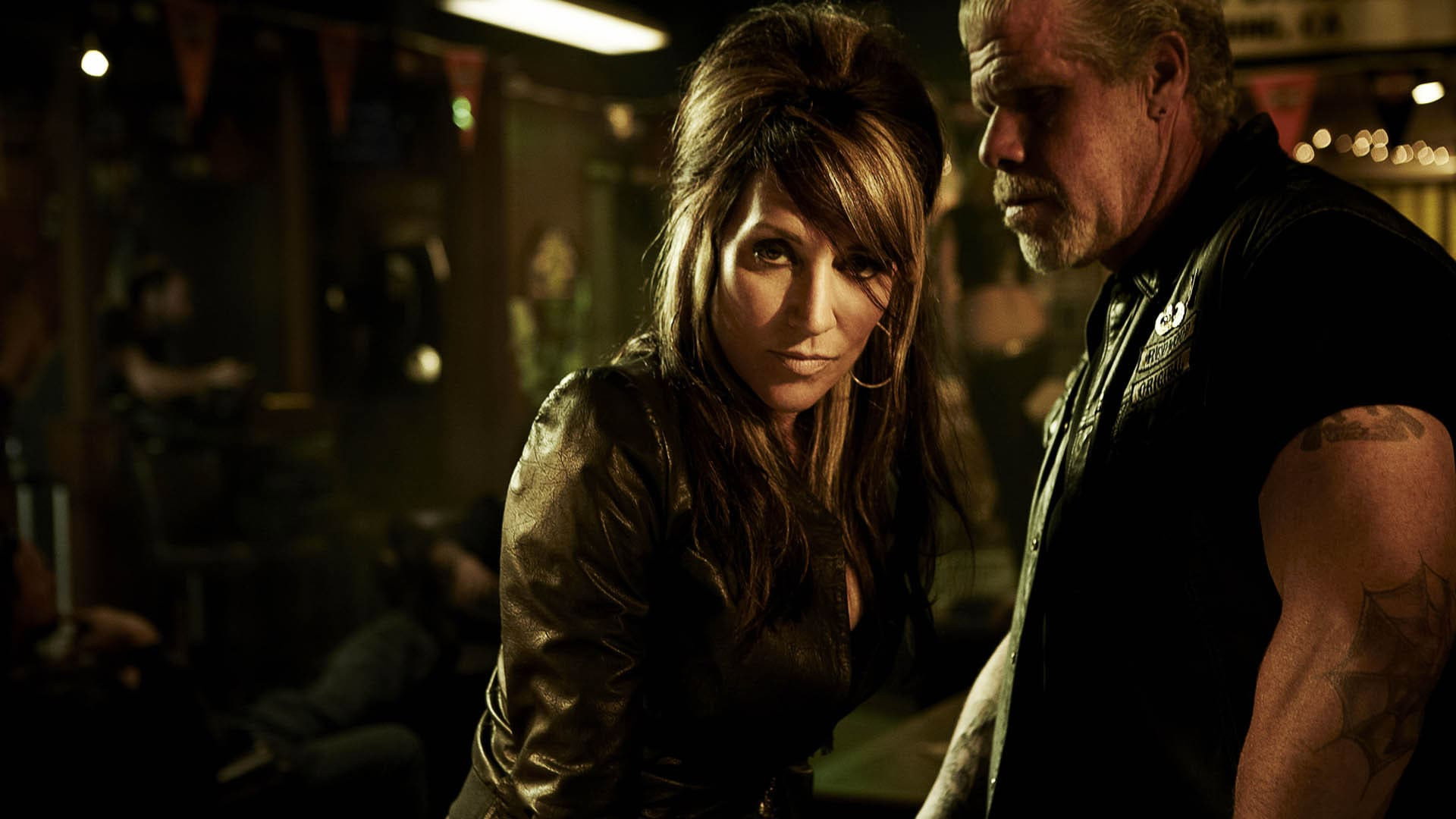
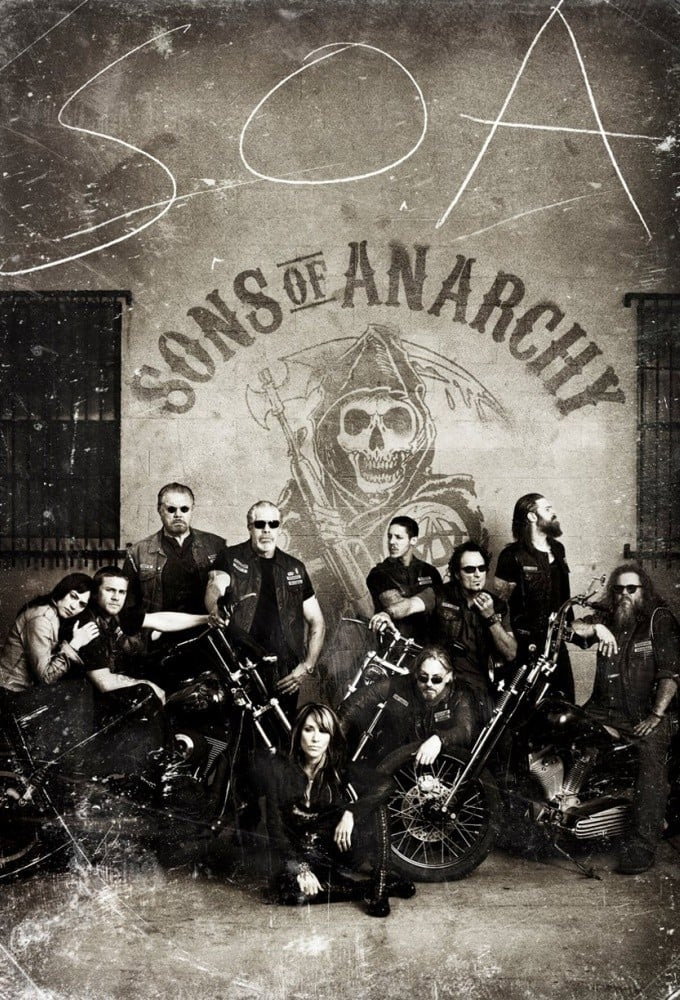
The pleasures are the parents. Sagal plays Gemma as the woman who actually runs Charming, handling the club’s laundry and its cover-ups in the same tone, and she can make a hand on a daughter-in-law’s shoulder feel like a threat. Perlman’s Clay has arthritis in both hands and is doing the arithmetic on how long a president can still ride, and the fear under the swagger is the best thing in the series. Around them the club is well drawn: Mark Boone Junior’s Bobby, the sensible one; Kim Coates’s Tig, whose oddities get most of the laughs; Tommy Flanagan’s Chibs, who talks like Glasgow and fights like it. Ryan Hurst’s Opie, out of prison and trying to go straight for a wife tired of waiting, is the one who got to us. He barely speaks. He stands in his kitchen with a coffee mug while the club pulls at one arm and his family at the other, and that big silent man moved us more than any speech the show wrote.

It looks right. Paul Maibaum, Edward J. Pei and Jonathan Freeman shoot Charming in hard flat daylight with no shade in it and light the clubhouse so low that faces float above the table. The rides are filmed from a car alongside, bikes two by two on empty road, and the series never gets them wrong. Sidney Wolinsky and Hunter M. Via cut nearly every episode towards a closing montage, a slow cover of an old song over faces in cars and at the bar; it works the first dozen times and is a formula by the thirtieth. Paris Barclay, who also produces, keeps his episodes moving; Peter Weller, Adam Arkin and Allen Coulter take turns; Sutter directs some himself.

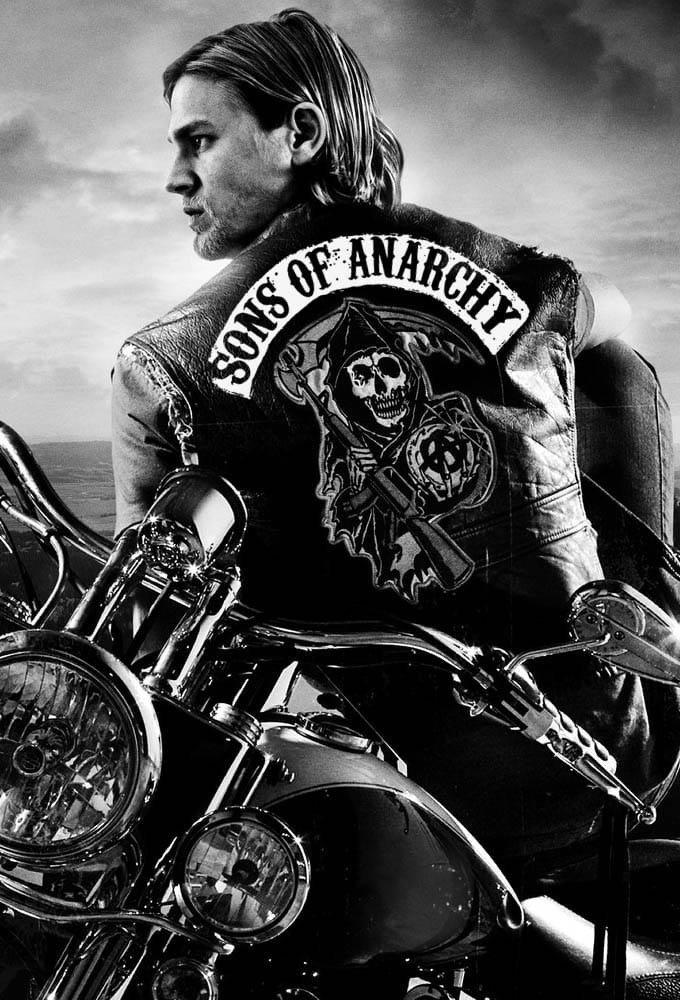
The trouble is at the centre. Hunnam is handsome and watchful and rides well, but Jax is written as the wisest man in every room, and Hunnam cannot always make the wisdom sound like his own. His Californian vowels wander, and when the script hands him his father’s philosophy to read aloud he delivers it like a man reading. Maggie Siff, as Tara Knowles, the doctor who left town to get away from him and has come back, is steadily better than what she is given.

Then there is the pattern. Each season an outside force arrives, a rival club, a federal agent, an Irish connection; somebody at the table is suspected of talking; Gemma keeps a secret that would end everything; the club votes. Season 4 runs to fourteen episodes and needs about nine. By the sixth season we knew the shape of an episode before the credits ran, and we were irritated at being able to guess, because the actors deserved surprises. The violence rises with the episode count. Early on it is quick, ugly and has consequences; later a torture scene turns up where a plot point should be, and the camera stays.

The Sopranos knew Tony was a bad man and let us like him anyway. The Shield knew Vic Mackey was a villain from the first hour. Sutter never decides whether the Sons are heroes or criminals, and in the early seasons that is the drama, because Jax cannot decide either. Later it is an excuse. The show keeps calling the club a family, keeps showing the family doing things no family should survive, and asks us to forgive it because the music is sad.

The first three seasons are tense, funny and properly acted, and earn their 15 certificate. Stop at the end of the third. Everything after it is the same season with more funerals.

Critical consensus AI synthesised

59
Positive
3
Mixed
2
Negative
2

The reviews lean positive but are split almost down the middle, and even the admirers share a reservation or two. The acting draws the most consistent praise: nearly every critic, including the two who dislike the series, calls the cast first-rate, and Den of Geek singles out Katey Sagal as Gemma. Those who warm to it see a family drama and a Shakespearean tragedy dressed as a crime thriller, with the club politics and character work counting for more than the shootings. The Ringer, writing a decade on, goes furthest, calling it often excellent and occasionally better than that.

The dissent is about violence and pace. The Hollywood Reporter finds the savagery gratuitous and the characters hard company to keep; Variety, after two episodes, judges it stuck in neutral with people who lack dimension. Even the positive notices concede blustery talk and a familiar antihero template. The spread is wide, and the two negative reviews are the earliest, filed on the opening episodes.

The AV Club
19 August 2009 · B+ · Noel Murray
83

The series is well-acted, twisty, and often shocking with a distinctive take on motorcycle gangs. It can get overheated with blustery talk and feels overly familiar after similar antihero shows.

Read the full review →
Empire
27 January 2010 · William Thomas
70*

The series is a compelling family drama framed as a crime thriller and Shakespearean tragedy about a gun-running biker gang. Strong character work and club dynamics stand out over the violence.

Read the full review →
The Independent
13 May 2009
65*

The critic likens the show to The Sopranos with motorcycles and a leather-clad Hamlet, noting its focus on anti-heroes in a biker gang dealing guns. It highlights the violence as both central and overly glamorous, with some comedic touches that may not suit all viewers.

Read the full review →
The Hollywood Reporter
1 September 2008
30*

The relentlessly grim and wrenching series makes it hard to stomach time with its savage characters, though ambition and first-rate acting are clear. Excessive random violence crosses into gratuitous territory.

Read the full review →
Variety
29 August 2008 · Brian Lowry
30*

After two episodes the gritty biker drama about a gun-running gang appears stuck in neutral despite an intriguing cast and bleak world. Violence is visceral but characters lack dimension early on.

Read the full review →
The Ringer
15 August 2018 · Shea Serrano
85*

The critic describes Sons of Anarchy as a very good show that was often excellent and occasionally transcendent, crediting its smart, funny, gruesome, inventive, and emotionally powerful storytelling. He singles out the central performances and intricate plotting for particular praise while lamenting its omission from a best-episodes list.

Read the full review →

Cast

Awards

Golden Globes, 2010

Won
Best Actress – Television Series Drama

If you liked this, try…

The Shield poster

The Shield

2002 · The same cable-era ugliness, but it always knew its hero was the villain

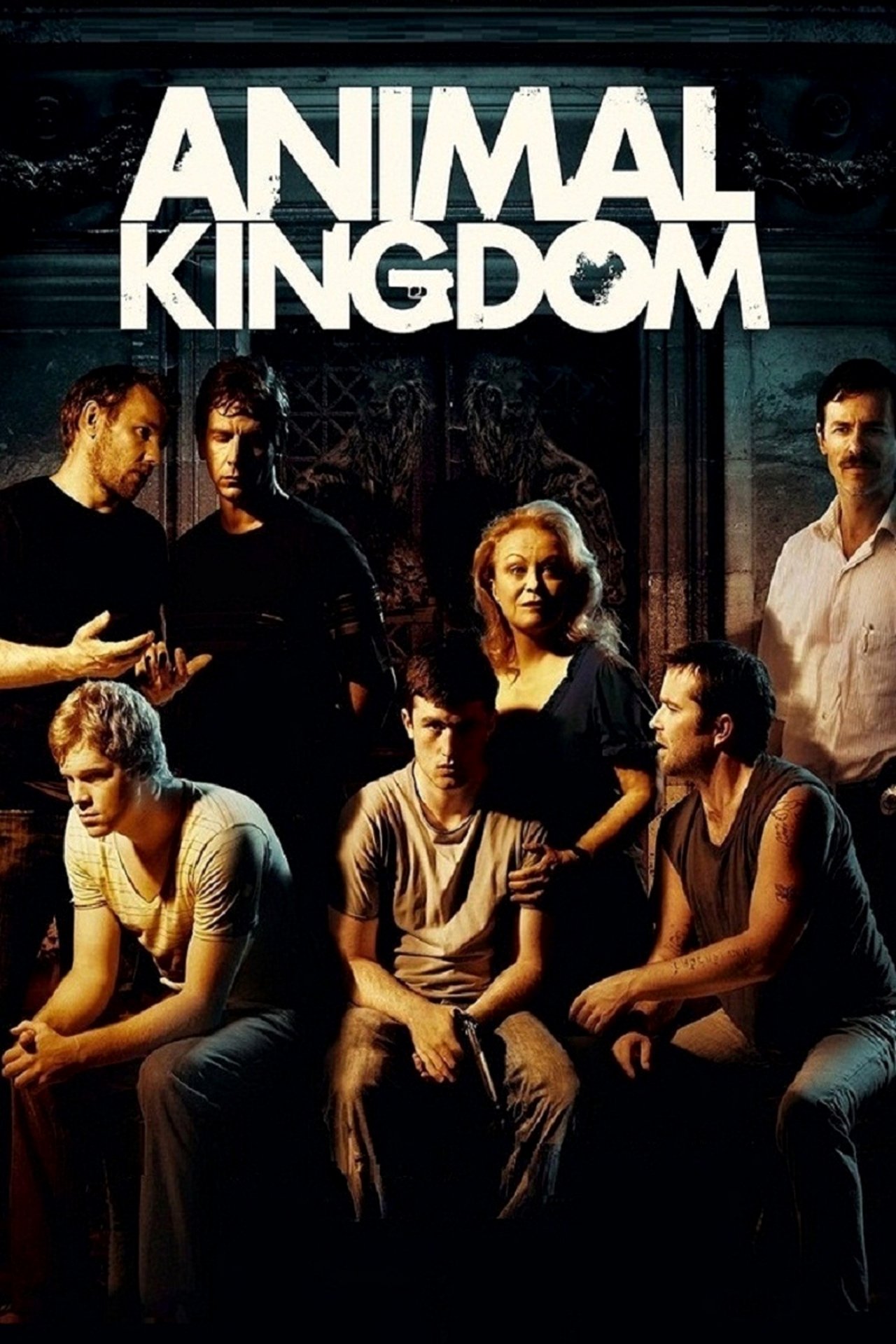
Animal Kingdom poster84

Animal Kingdom

2010 · An Australian crime family run by a grandmother who out-Gemmas Gemma without raising her voice

Easy Rider poster

Easy Rider

1969 · The bikes, the road and the freedom talk, before anyone thought to sell guns

Gomorrah poster

Gomorrah

2014 · Neapolitan gangland with the sentiment removed; the betrayals hurt because nobody sings

Peaky Blinders poster

Peaky Blinders

2013 · A family gang, a brooding leader and a matriarch, in Birmingham caps rather than California leather