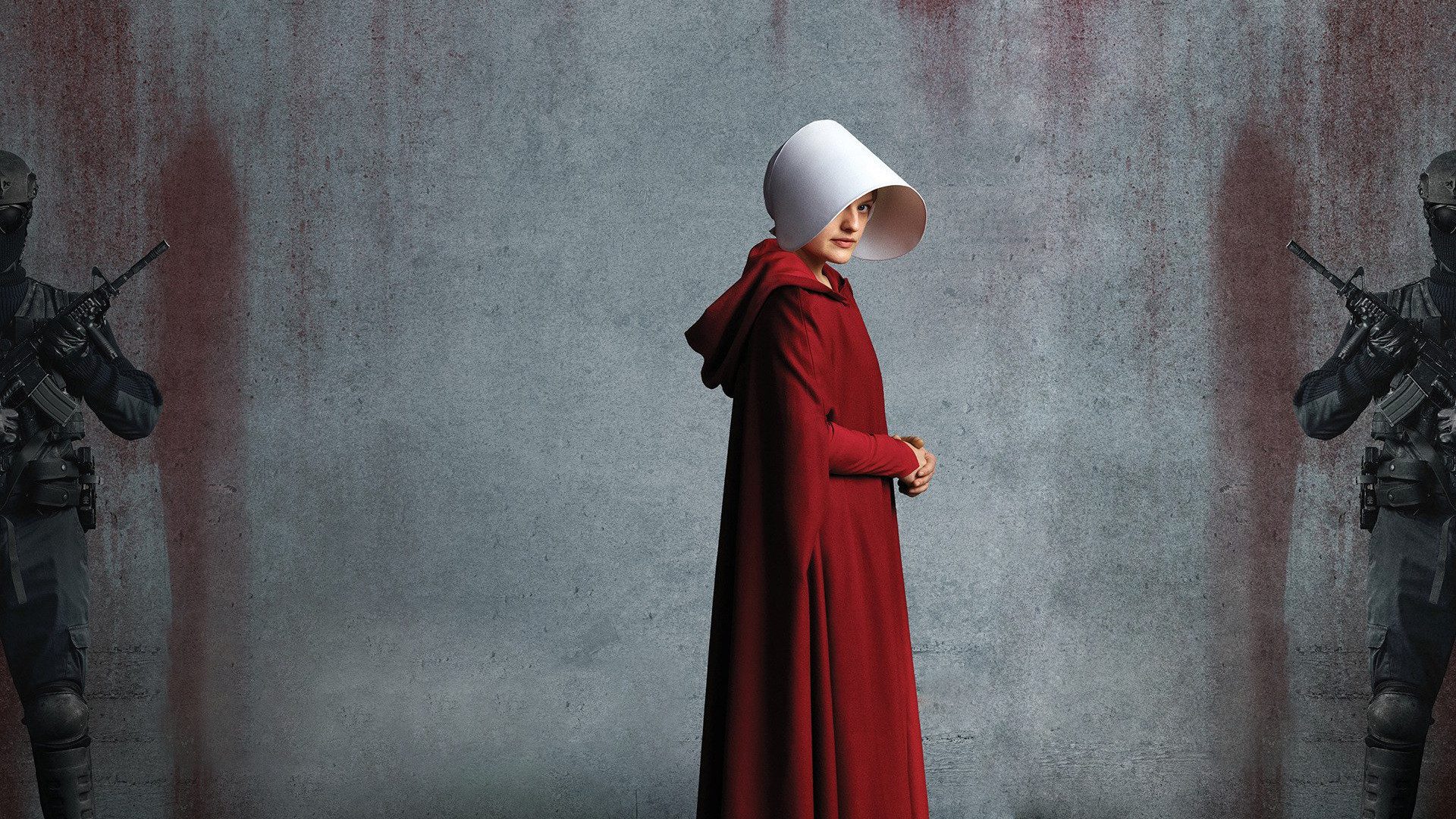
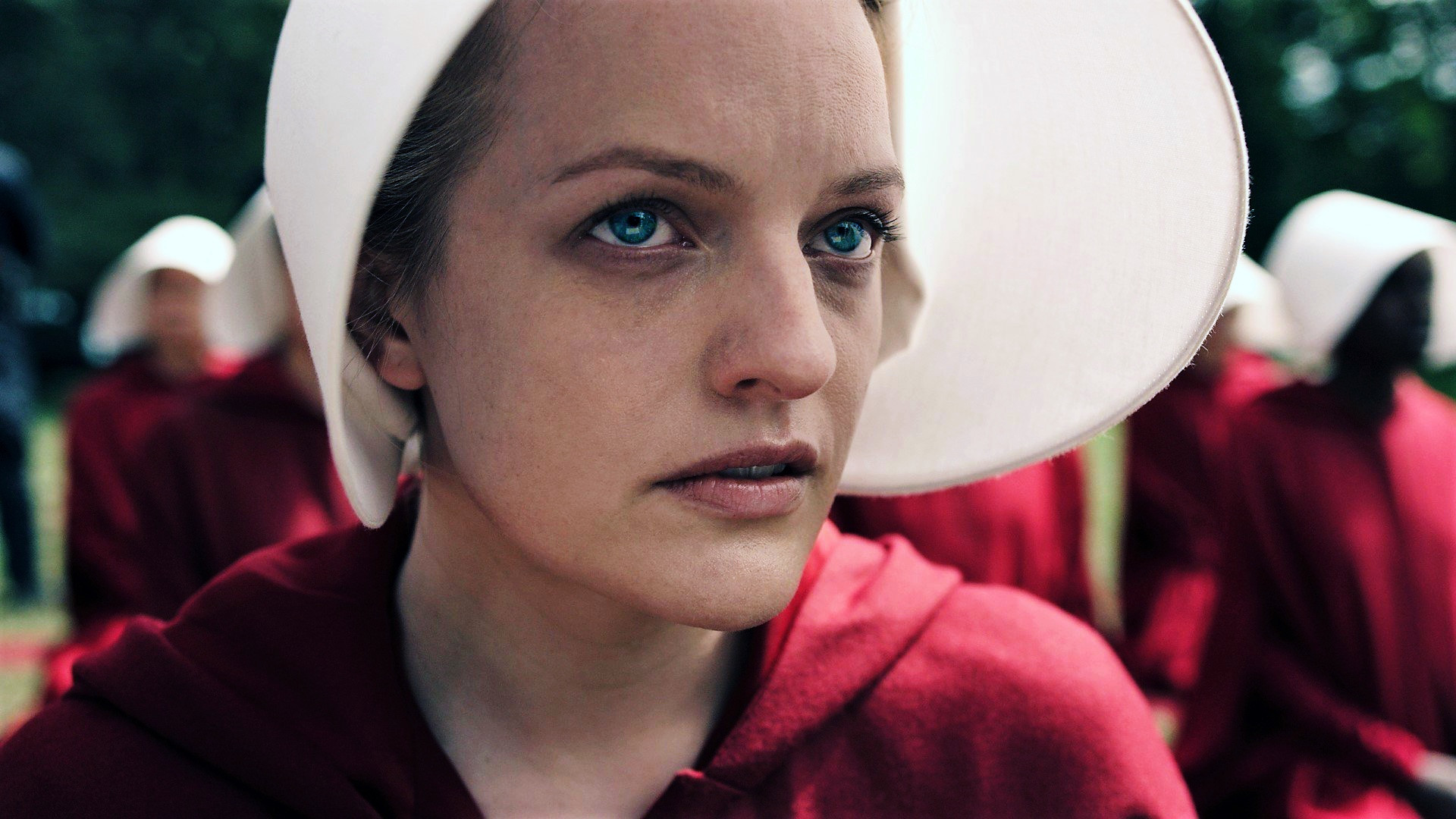
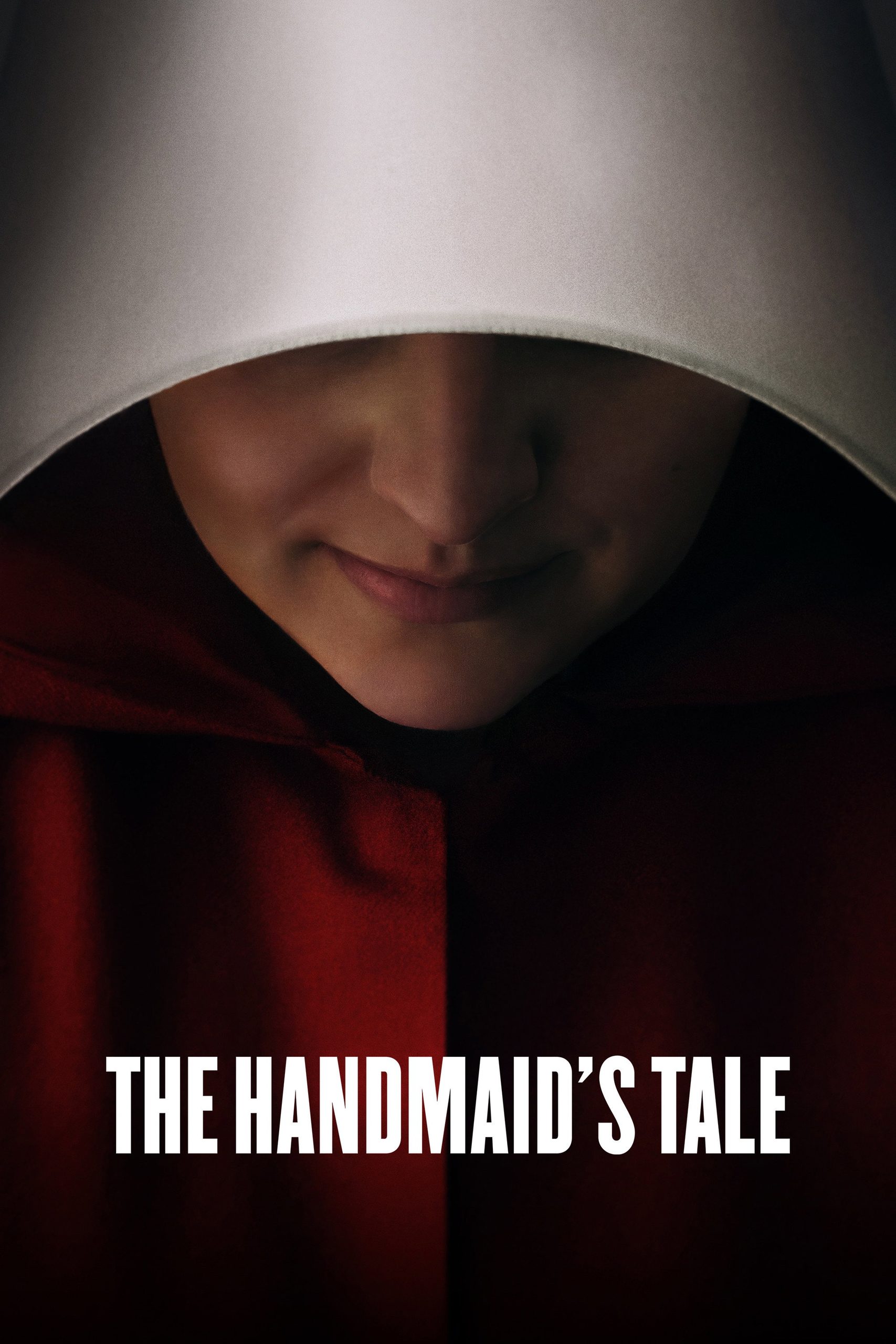
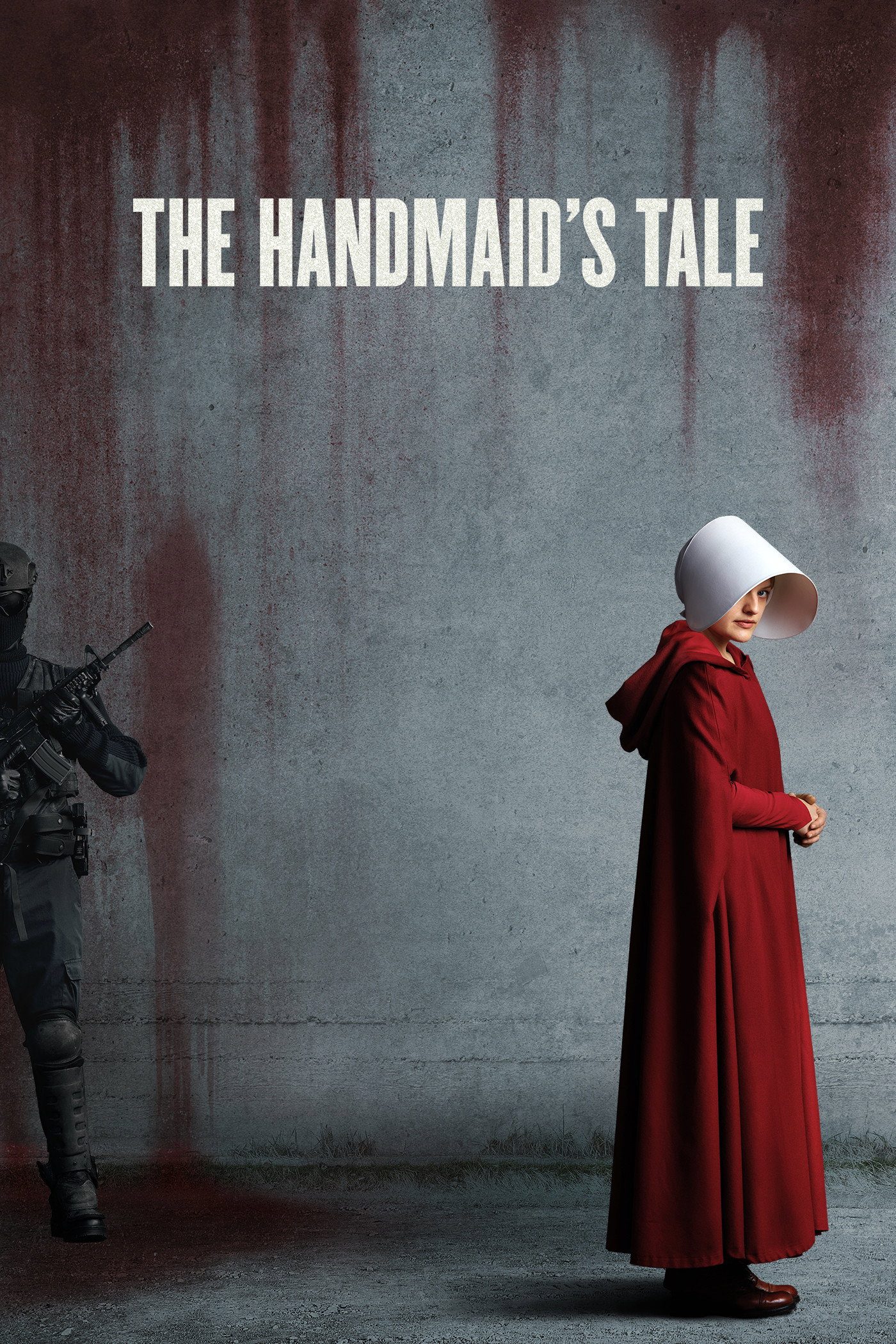
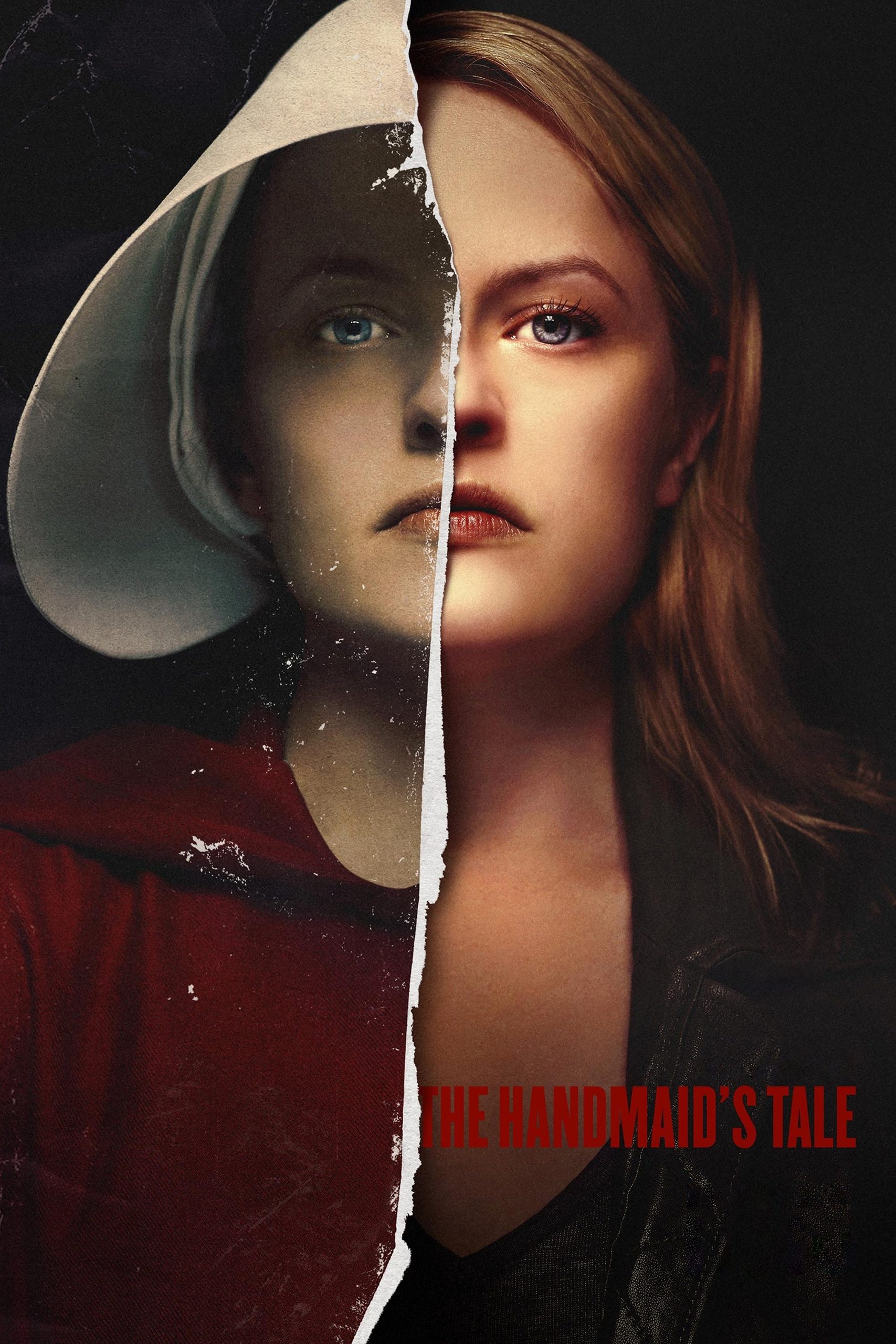
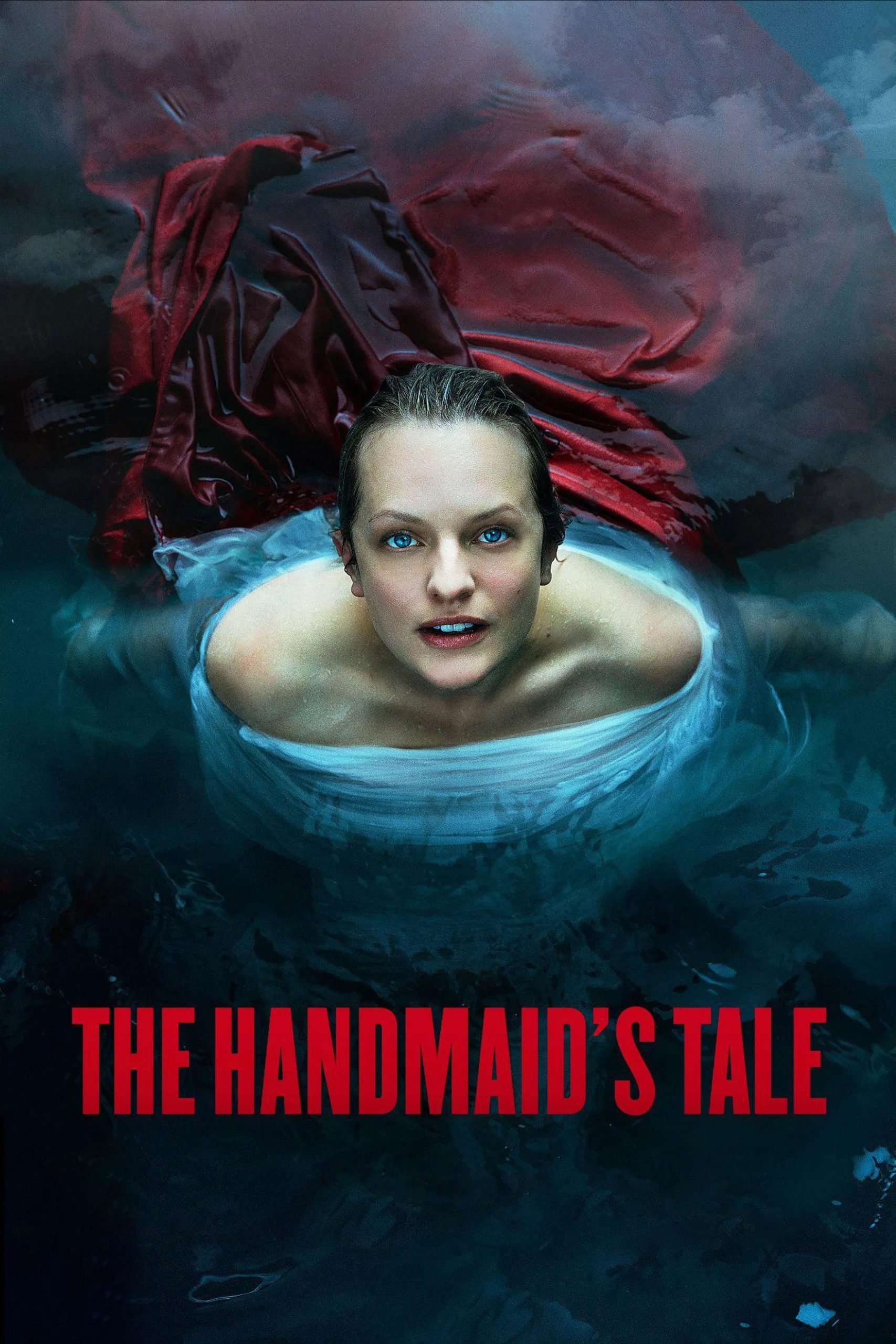
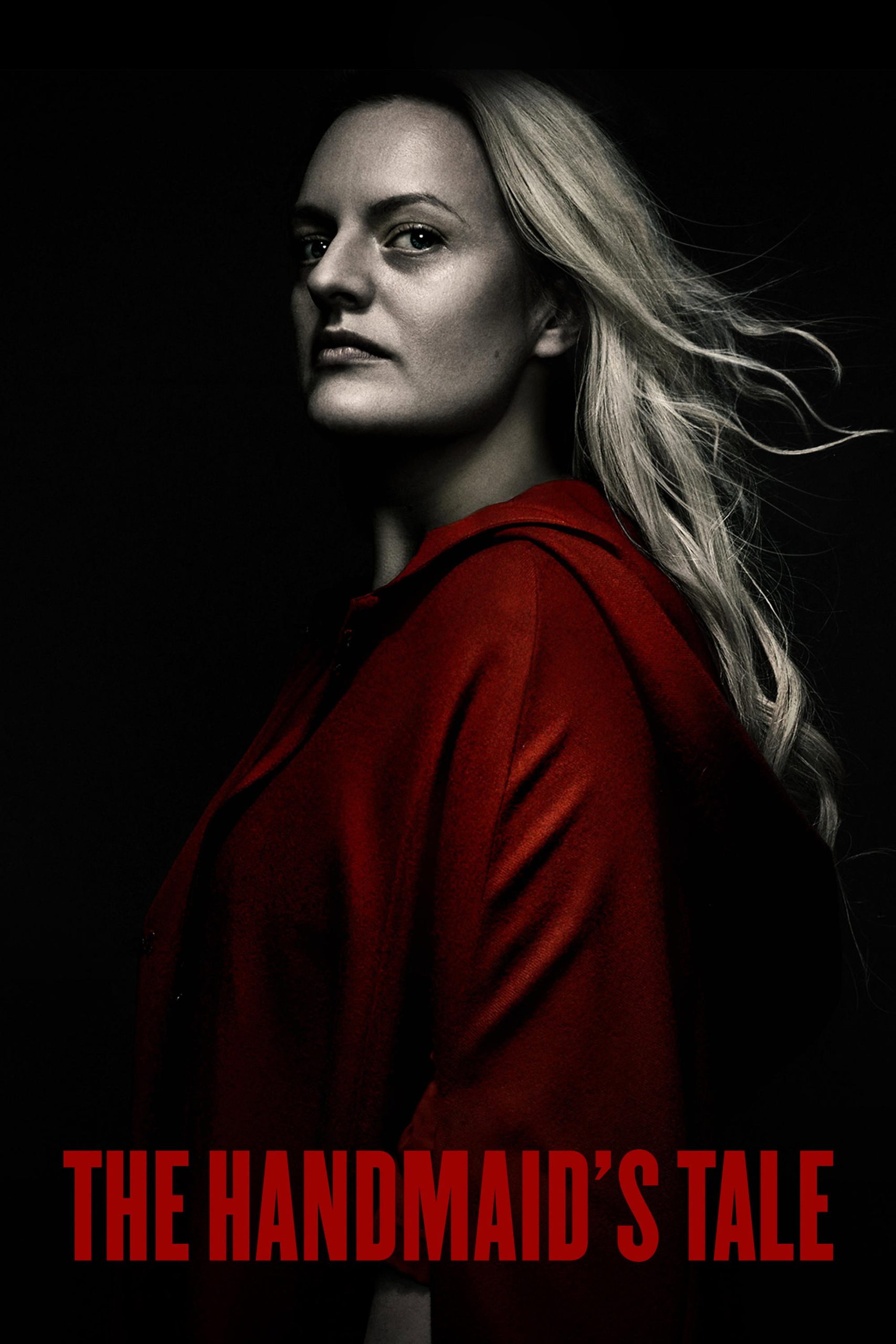
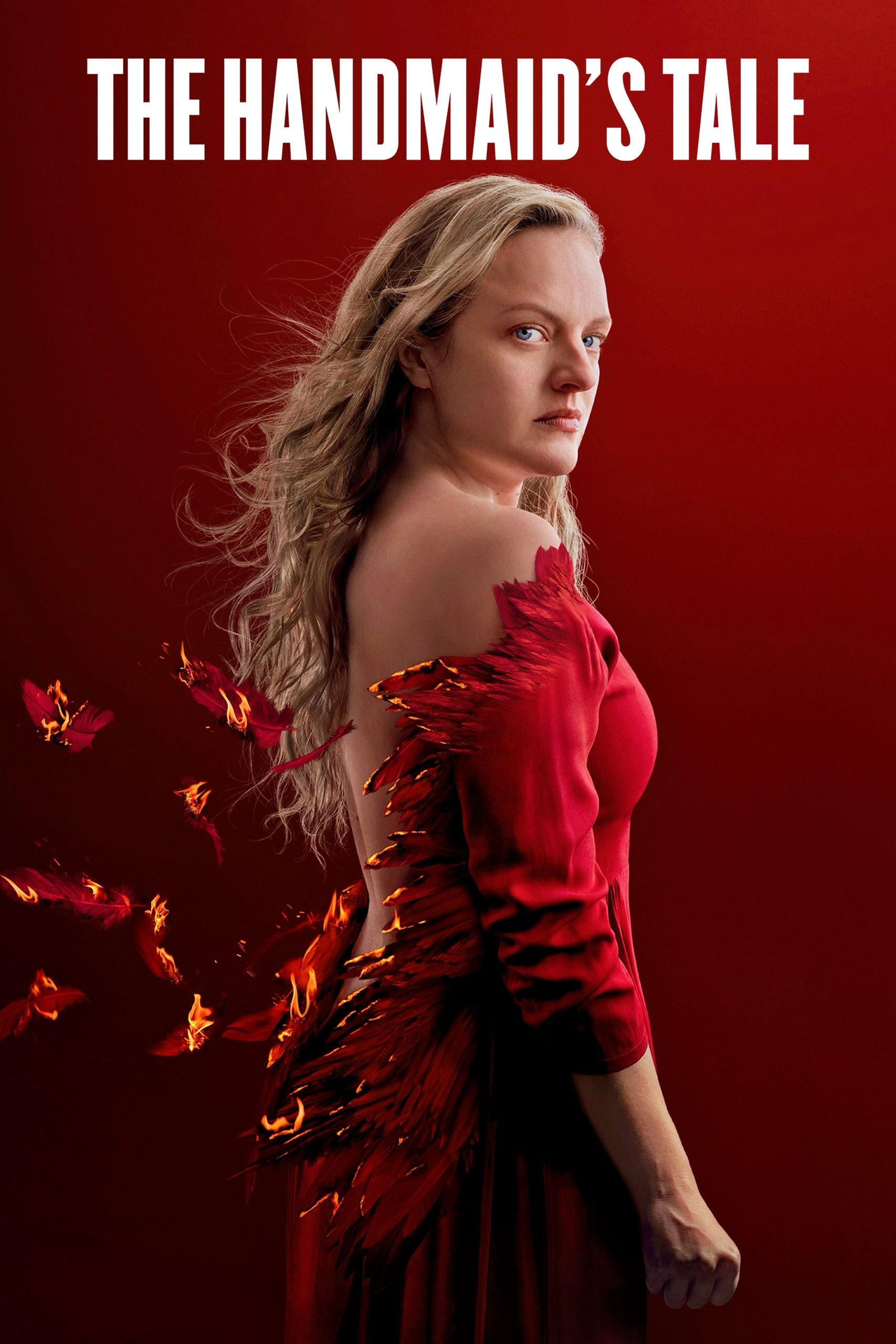
For ten episodes this is as frightening as anything television has done with tyranny, built on Elisabeth Moss’s face and Ane Crabtree’s red cloaks. Over six seasons the series keeps hurting June and letting her up again, and the repetition dulls it.
Margaret Atwood published The Handmaid’s Tale in 1985, and Bruce Miller’s series arrived in 2017 to find that the book had not dated. The former United States is now the Republic of Gilead, run by men with guns and a selective reading of scripture. Births have collapsed, and the women who can still have children are rounded up and made Handmaids, to be impregnated once a month in a ceremony with the Wife holding their wrists. June Osborne (Elisabeth Moss) is one of them, renamed Offred. The first ten episodes tell her story roughly as Atwood did, and they are as frightening as anything television has managed. The remaining five seasons have to make it up, and it shows.
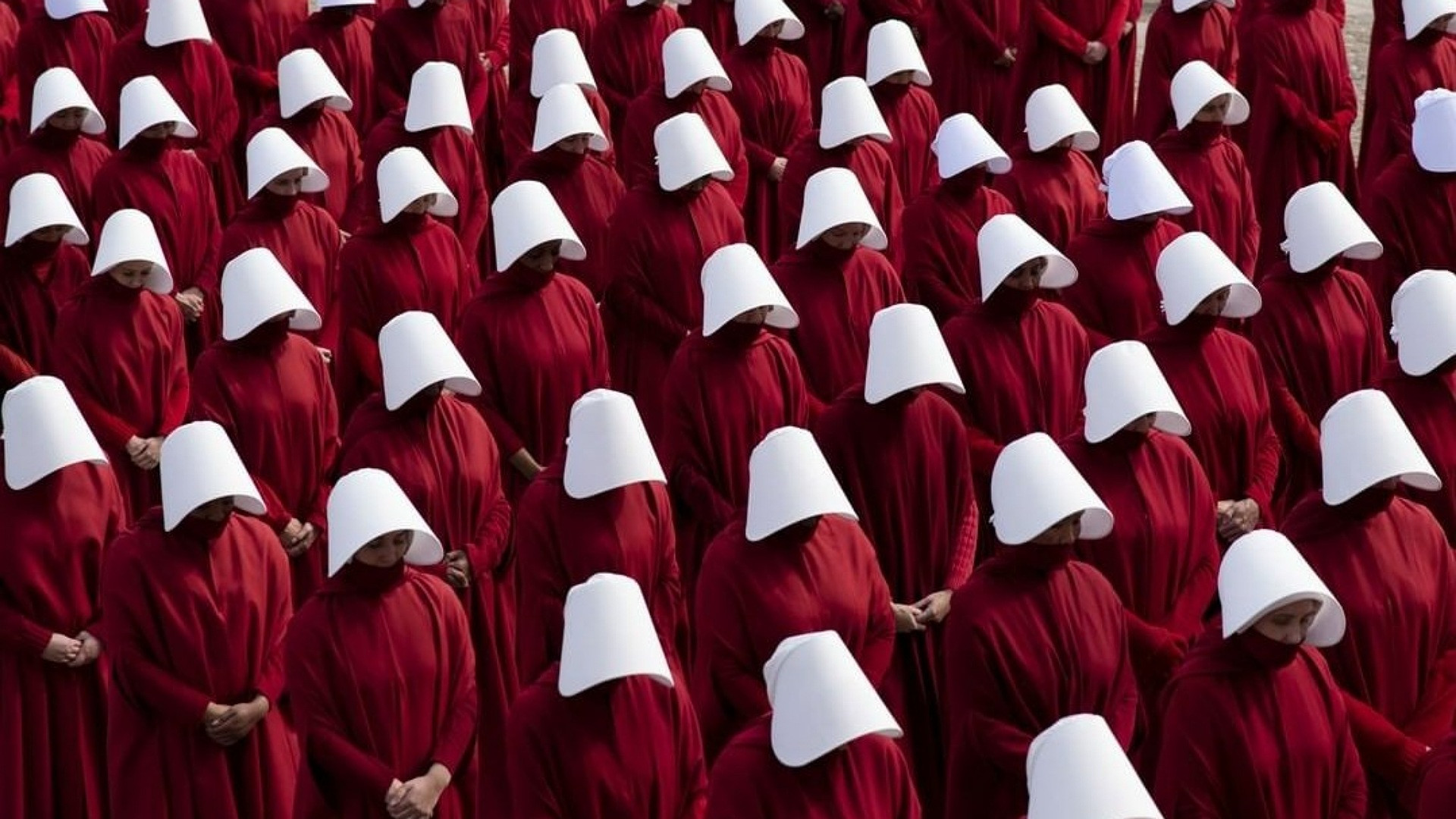
The look was settled early and never changed. Ane Crabtree dresses the Handmaids in red from throat to ankle, with white wings that cut off their sideways vision and ours, and the colour does the job of a uniform: you know from across a street what a woman is for. Colin Watkinson and Zoë White shoot the Waterford house by window light, faces dead centre and held long past comfort, and they go overhead whenever the Handmaids gather, a red block on green grass. Julie Berghoff and Elisabeth Williams give June a bedroom with nothing in it that could cut, hang or be thrown. It is a handsome house and it is a cell.
The scene that told us what the series could do is the Ceremony, and we were horrified by it. Not by anything shown: the Commander stays dressed, the light is soft, nobody raises their voice. What did it was the arrangement, Serena Joy Waterford (Yvonne Strahovski) sat at the head of the bed gripping June’s wrists like a nurse, and the camera refusing to leave Moss’s face while she stares at the ceiling and thinks about something else. Her voiceover, which runs through the series, is dry and foul-mouthed and often funny, and it is the only place June is allowed to be a person. Moss plays the rest with her jaw.
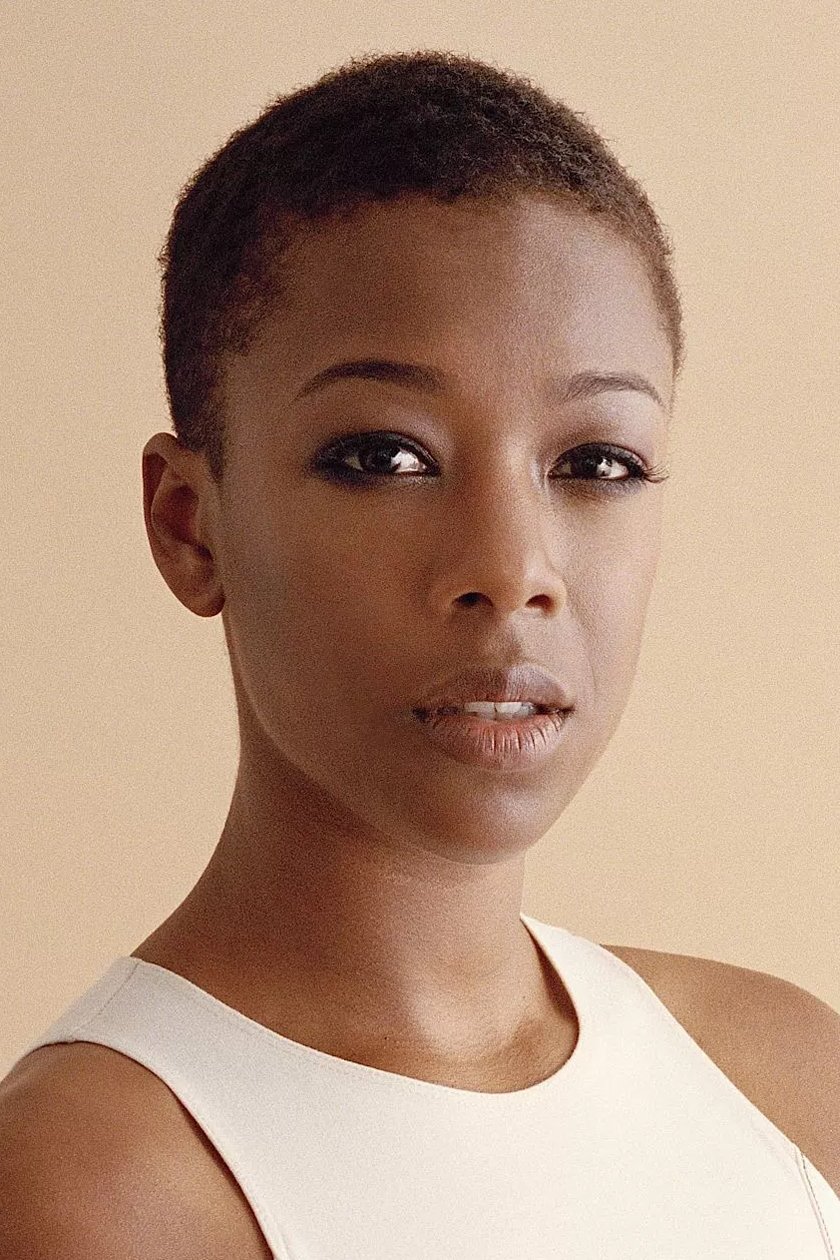
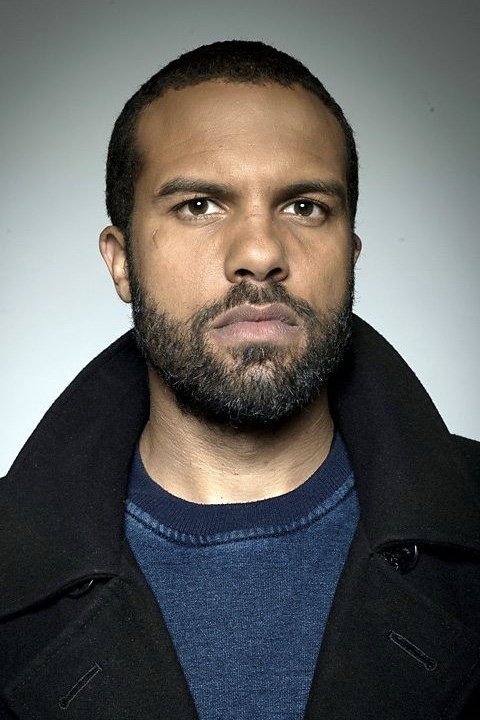
Strahovski is the other reason to keep going. Serena helped build Gilead and now cannot leave the house without a man, and the writers, Bruce Miller, Kira Snyder, Yahlin Chang and Eric Tuchman among them, give her more room each season to be clever, cruel and sorry in the same scene. Samira Wiley’s Moira Strand, June’s friend from before, carries the flashbacks that let Julian Clarke and Wendy Hallam Martin cut from a grey bedroom to a bright city where women jog and buy coffee, and the cuts hurt every time. O-T Fagbenle’s Luke Bankole, June’s husband, and Amanda Brugel’s Rita Blue, the household’s Martha, are both better than their screen time. Nick Blaine, the Waterfords’ driver who says little, is the character the series is least sure about, and it never quite decides.
Adam Taylor’s score is low and patient and mostly stays out of the way. The trouble is what happens at the end of episodes, when the drone gives way to a pop song and Moss walks towards camera in slow motion. Once or twice it works. By the third season it is a tic, and we found ourselves bracing for the song rather than for whatever June was about to do.
Which brings us to the length. Six seasons, sixty-six episodes, from 2017 to 2025. We will not say where June goes once the book runs out, only that the writers keep finding new ways to hurt her and then let her up again, and that the pattern becomes visible. By the third season we were bored, and then angry about being bored, because a woman being punished on screen should not become routine. The series knows this and answers with bigger set pieces. Bigger does not help.
Most of the reviews were written about the first ten episodes, and about those they were right. Our score is for the whole, which is a different thing. Watch the first season on its own; it ends roughly where Atwood did, and it stands. Then decide whether you want five more years of it. It is a 15 certificate and earns it in the first hour, without showing much at all.