Director
Tarantino, in the order we'd watch them again
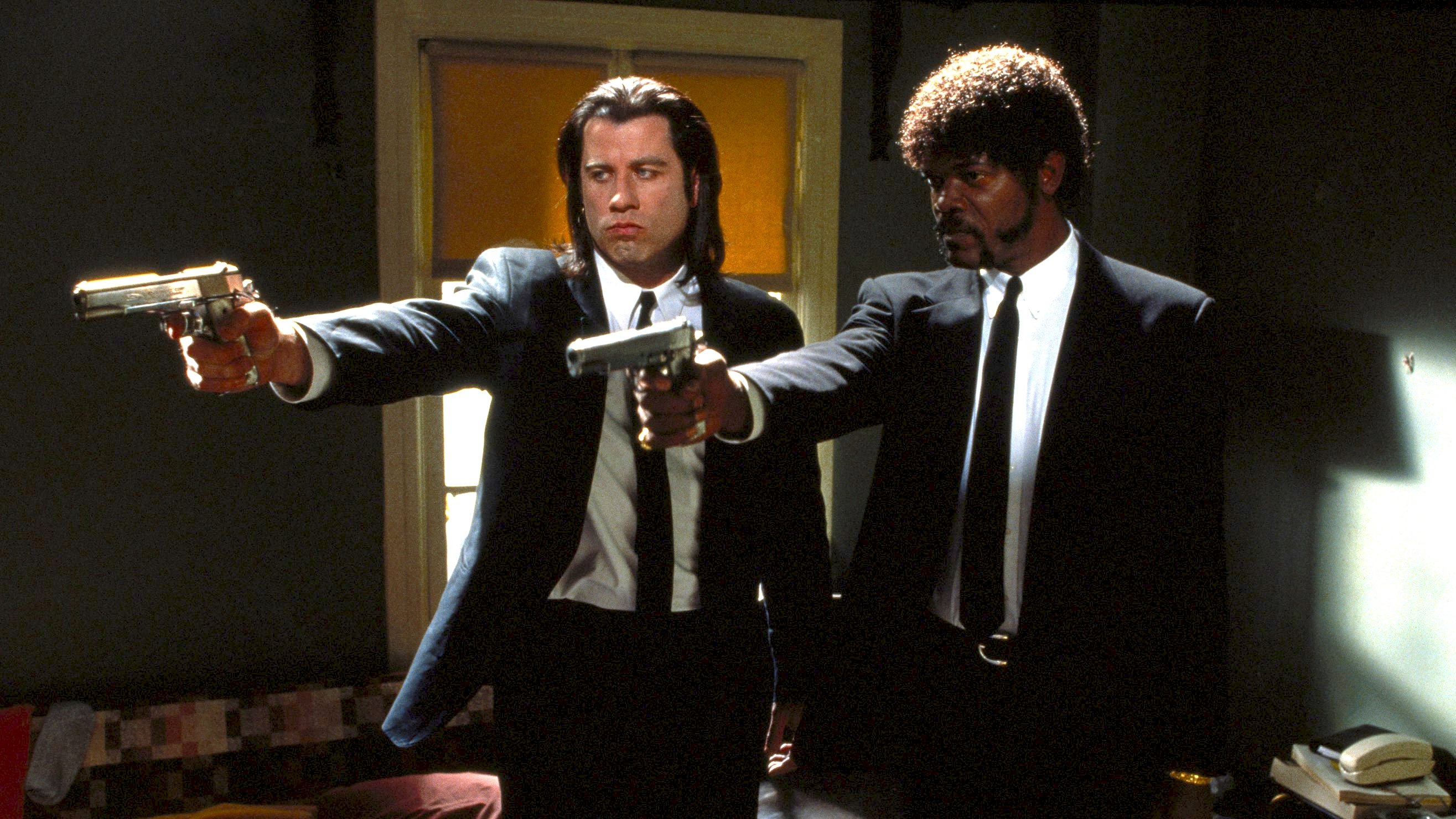
Ten films in thirty years, every one of them talking. A guide to where to start, where to linger, and which one to leave for a wet afternoon you don't mind losing.
12 September 2026 · 4 min read
Music
Some films you remember with your ears. A guide to the ones where the music is not accompanying the picture but carrying it, from Bernard Herrmann's strings to a Vangelis synth to a mixtape a director spent his budget on.
There are two ways a soundtrack takes over a film. The first is the score: music written for the picture, so exactly fitted that you cannot afterwards think of one without the other. The second is the needle drop, an existing record placed under a scene so well that the song now belongs to the film and the band has to live with it. Both kinds are below. What they share is that if you took the music away the film would not be the same film, and in a few cases would hardly be a film at all.
We have left out musicals, which are a different argument, and concert films, which are a different thing. Everything here is a story that happens to be scored like a religion.
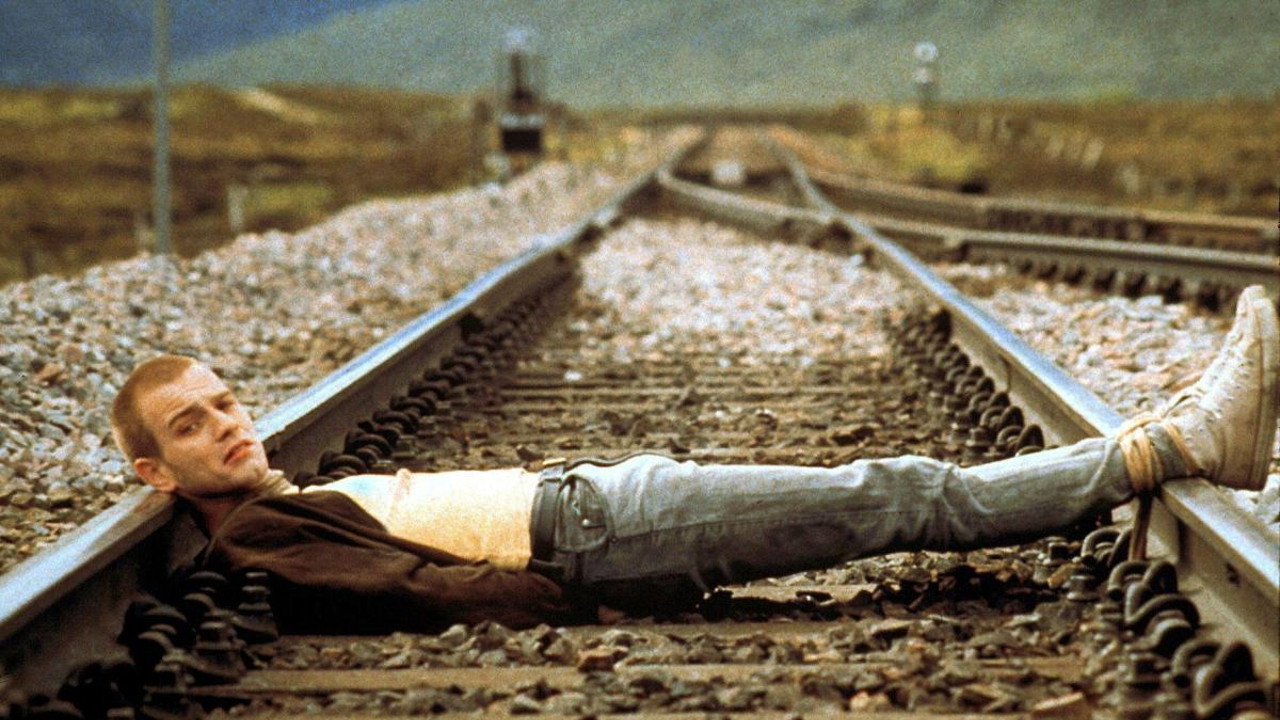
Trainspotting (1996) opens on Ewan McGregor running down Princes Street to “Lust for Life” and has already won. Danny Boyle's soundtrack, Iggy Pop and Lou Reed for the fathers, Underworld and Leftfield for the children, was the record of that summer in Britain and did more for the film's reputation than any review. “Perfect Day” under an overdose is the kind of idea that ought to be too obvious and turns out to be exactly right.
Almost Famous (2000) is Cameron Crowe's memoir of being a teenage rock journalist in 1973, and the music is the whole point: the film argues, gently, that a record can save your life, and then plays you the records. The tour-bus singalong to “Tiny Dancer” is the scene everybody remembers, and it is a scene about what a song can do for a room full of people who have stopped speaking to each other.
Boogie Nights (1997) uses its 1970s disco and its 1980s power ballads as a clock: you can tell how far the San Fernando Valley porn industry has fallen by what is playing. Paul Thomas Anderson was twenty-seven. The long take that ends with “Sister Christian” and firecrackers is the most frightening use of a soft-rock hit in the cinema.
Dazed and Confused (1993) is one day and night in a Texas town in 1976 and Richard Linklater spent a sixth of his budget on the songs, which was the right call. Aerosmith, Foghat, Alice Cooper, Dylan at the end. Nothing happens and you would not want it to.
GoodFellas (1990) is the film in which Martin Scorsese perfected a method he had been working on since Mean Streets: pop music not as decoration but as the characters' own taste, so the soundtrack ages with them, from the Crystals in the fifties to the piano coda of “Layla” over the bodies. The helicopter day, cut to Harry Nilsson and the Rolling Stones, is a masterclass in using songs to make an audience feel as paranoid as the man on screen.
Jackie Brown (1997) is Quentin Tarantino's most soulful soundtrack because it is Jackie's: the Delfonics record she buys, and that Robert Forster then buys because she likes it, is the love story. Bobby Womack's “Across 110th Street” over the opening travelator is as good as any opening he has done.
Rushmore (1998) and The Royal Tenenbaums (2001) are where Wes Anderson found the sound he has never left: British Invasion singles, the Kinks and the Who and the Faces, sequenced like a boy's most treasured mixtape, plus Mark Mothersbaugh's harpsichord and glockenspiel filling the gaps. Nico's “These Days” as Gwyneth Paltrow steps off a bus is the moment the method became a style.
O Brother, Where Art Thou? (2000) is the rare case where the soundtrack outsold the film and everybody agreed it should have. T Bone Burnett's collection of old-time gospel and bluegrass won the Album of the Year Grammy and sent a generation of hipsters out to buy banjos. The Coens knew what they had: the film stops, twice, so a song can finish.
Garden State (2004) has been mocked for a line about the Shins changing your life, and the mockery is fair. The soundtrack still changed a lot of lives. It was the indie compilation of its decade, and the film, which is slighter than it thought it was, floats on it.
The Virgin Suicides (1999) and Lost in Translation (2003) are Sofia Coppola's argument that a film can be a mood if the mood is chosen precisely enough. Air wrote the first from scratch; the second is My Bloody Valentine and Phoenix and the Jesus and Mary Chain at karaoke. Her later Priscilla (2023) had to be made without a single Elvis record, and is better for the deprivation.
Guardians of the Galaxy (2014) gave a talking raccoon film a heart by giving it a Walkman. The “Awesome Mix” is a dead mother's cassette and every song on it is doing emotional work the script did not have to. It is also the reason every blockbuster since has a seventies hit in the trailer, for which we do not forgive it.
Vertigo (1958) and Psycho (1960) are Bernard Herrmann, and between them they are the case for the film composer as co-author. The Vertigo love theme spirals like the title; the Psycho strings, and only strings, are the sound most people hear when they think of being frightened. Hitchcock wanted the shower scene silent. He was wrong once.
Jaws (1975) is two notes. John Williams has written more music than anyone alive and he will be remembered for the two notes, because they do something the shark could not: they are the shark, for the first hour, while the mechanical one refused to work. Steven Spielberg has said the score is half the film. It may be more.
Apocalypse Now (1979) opens with the Doors and helicopters and uses Wagner as a weapon, and it is on the score side of the line because Francis Ford Coppola and his father Carmine built a synthesiser wall around the songs that turns the whole film into one long, sick dream. Watch it loud.
Blade Runner (1982) is Vangelis, and the Vangelis is Los Angeles in 2019: rain, neon, saxophone, a synthesiser that sounds like grief. Very little of what people love about the film's atmosphere is in the script. Almost all of it is in the music and the art department.
Amadeus (1984) is the one film in which the soundtrack really is the star, since the star is Mozart. Milos Forman cuts the Requiem and Don Giovanni into the story so that the music is the plot, and Neville Marriner's recordings sold in quantities that made classical labels weep with envy.
Requiem for a Dream (2000) has Clint Mansell's “Lux Aeterna”, a piece of music so persuasive that it has been used to sell everything from a Lord of the Rings trailer to televised football, none of which has dented it. The film is about addiction and the theme is addictive. That is the design.
Punch-Drunk Love (2002) and There Will Be Blood (2007) are Paul Thomas Anderson handing the film to a musician: Jon Brion's jittery harmonium for the first, Jonny Greenwood's shrieking strings for the second. There Will Be Blood was disqualified from the Oscars on a technicality, which is still the Academy's most embarrassing decision about music, and there is competition.
Control (2007) is Anton Corbijn's Ian Curtis film and it belongs here because the actors play Joy Division themselves, live, and are good enough that you forget they are actors. Once (2007) belongs here for the same reason: two people singing “Falling Slowly” in a Dublin piano shop, and the film is the record they make. Whiplash (2014) is the flip side, jazz as a blood sport, and the final drum solo is the only ending the film could have.
Interstellar (2014) and Oppenheimer (2023) are Christopher Nolan asking a composer to do the emotional heavy lifting his screenplays decline to do. Hans Zimmer's church organ in the first and Ludwig Göransson's tick-tock violins in the second are enormous, and in both films the music is doing something the images alone could not, which is telling you how to feel about the end of the world.
Challengers (2024) is a tennis film scored like a rave by Trent Reznor and Atticus Ross, and Luca Guadagnino turns the volume up when any other director would turn it down. It is exhilarating and slightly absurd and the two are not separable.
Sinners (2025) is the newest entry and the one that argues the whole case in a single scene: a juke joint in the Mississippi Delta in 1932, a boy with a guitar, and the music summoning the dead and the unborn onto the dance floor with him. Ryan Coogler and Ludwig Göransson made a vampire film in which the blues is the real supernatural power. It is also, on the evidence, the best original soundtrack of the decade so far.
For a compilation, Trainspotting, and then Almost Famous if you need cheering up afterwards. For a score, Vertigo, then Blade Runner, then Sinners to hear where the idea has got to. And if you only have one evening, GoodFellas, because it is the one that taught everybody else how to do it.
Features are written by AI in Fi1m’s voice, checked against our reviews before publication, and corrected in the open. How we use AI
Ten films in thirty years, every one of them talking. A guide to where to start, where to linger, and which one to leave for a wet afternoon you don't mind losing.
The shelf is enormous and most of it is not worth your evening. Here is what is, drawn from our reviews of what the service is showing this month. Catalogues differ by country; every title's page shows yours.
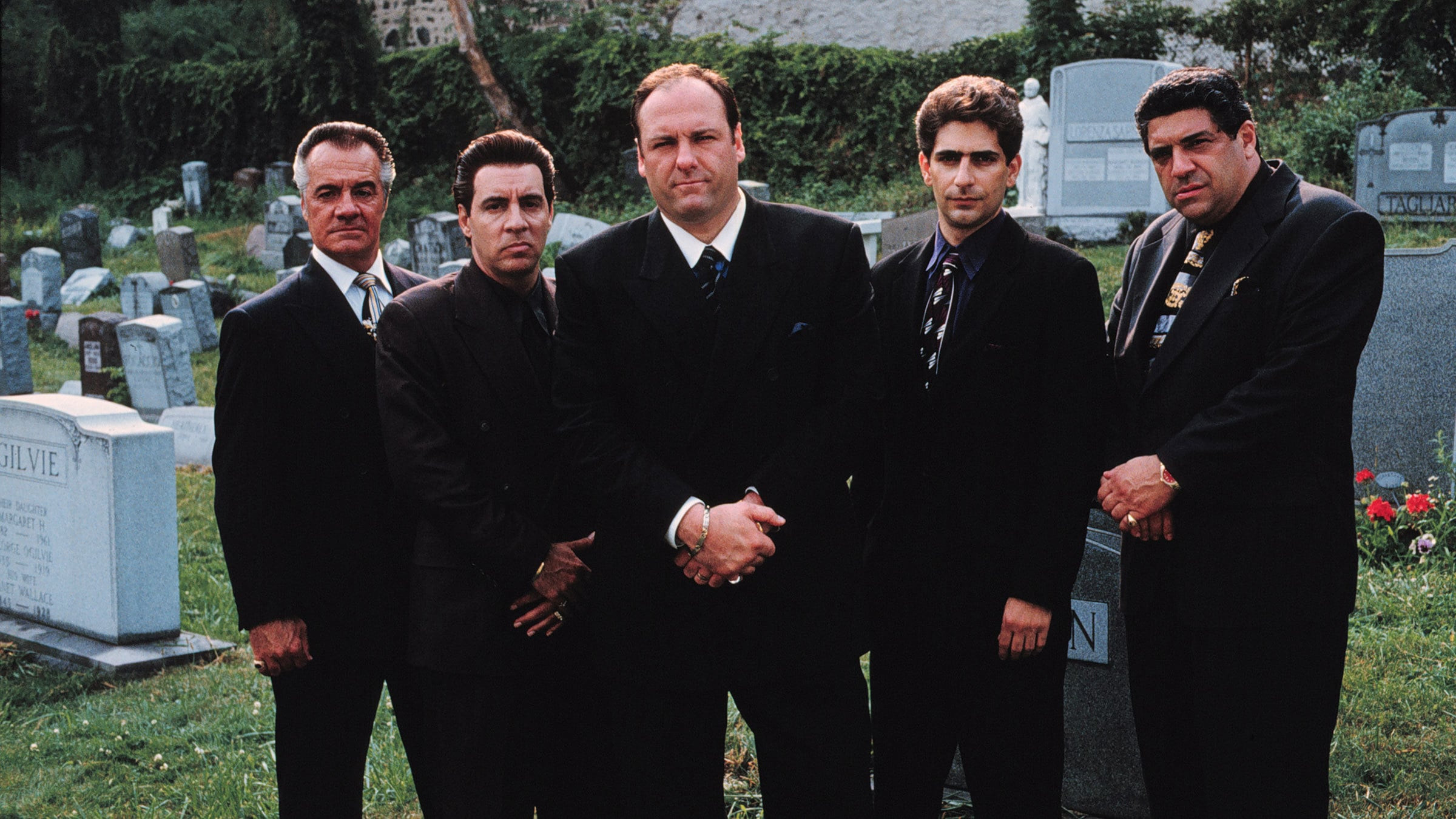
Twenty-seven years after a mob boss first sat down in a psychiatrist's waiting room, nothing on television has caught it. A guide for those who never got round to it, and for those who did and want to go back.