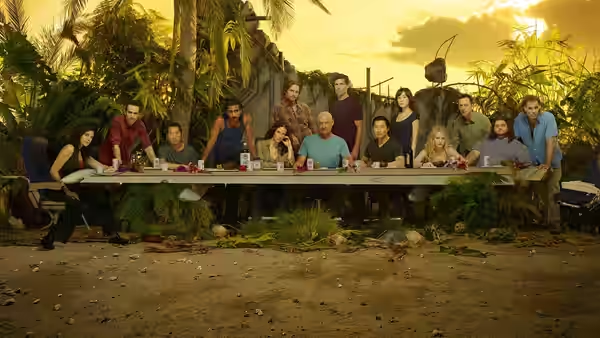
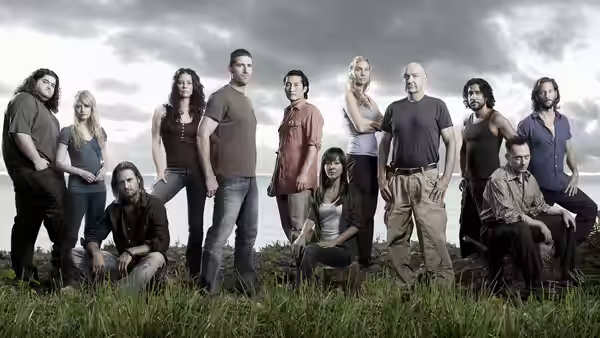
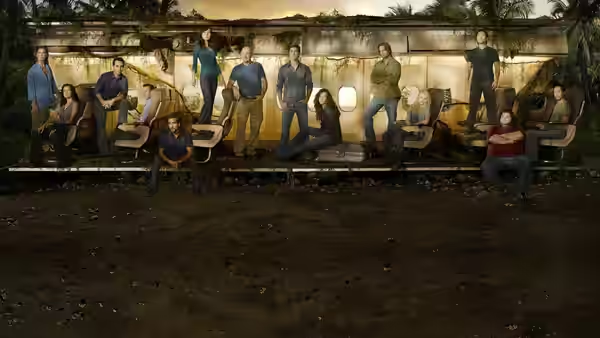
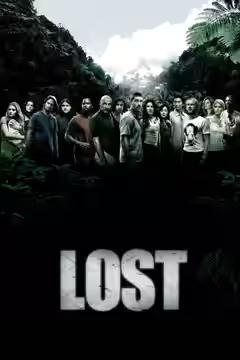
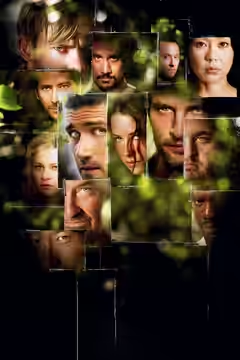
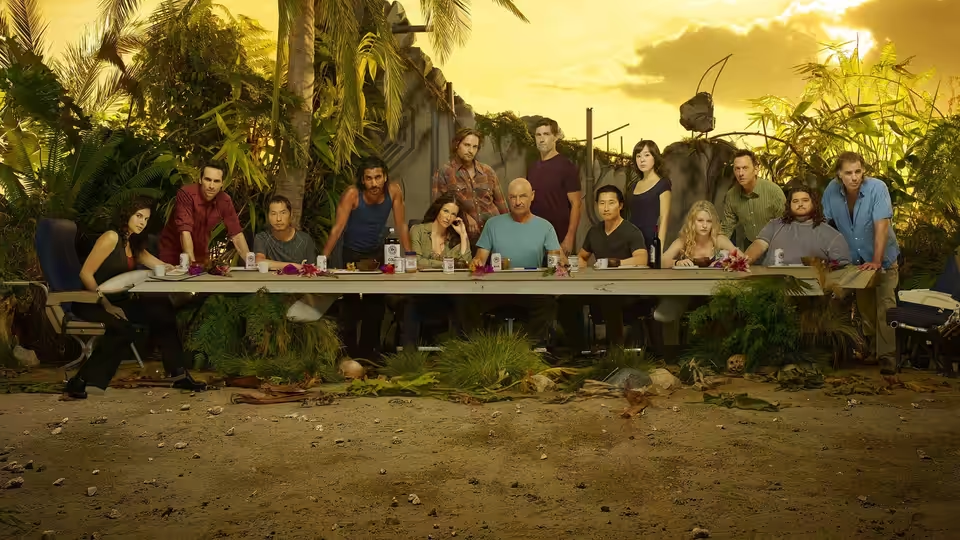
Group seated at a long table outdoors in a tropical clearing at sunset
Series review

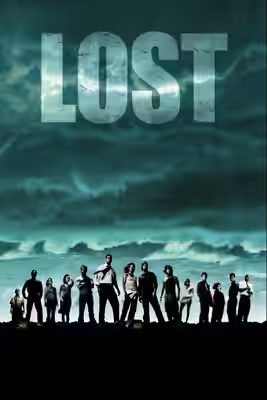
Lost

2004 · Created by J.J. Abrams, Damon Lindelof, Jeffrey Lieber · Series · IFCO 16

In a sentenceA plane crash leaves the passengers with the further inconvenience of one another

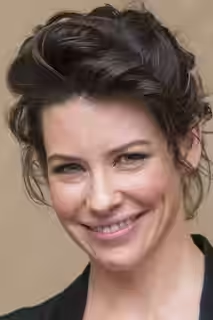
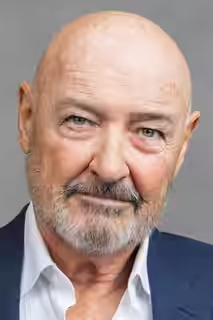
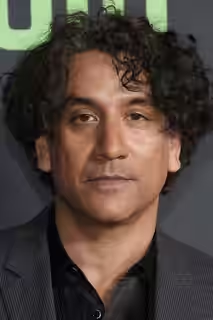
Following a plane crash, a group of survivors must work out how to live alongside people they do not know. Matthew Fox plays Jack Shephard, alongside Evangeline Lilly as Kate Austen and Terry O’Quinn as John Locke. Josh Holloway plays James Sawyer, Jorge Garcia plays Hurley Reyes and Naveen Andrews plays Sayid Jarrah. Survival brings questions about whom to trust, while mysteries complicate the group’s situation. Created by J.J. Abrams, Jeffrey Lieber and Damon Lindelof, Lost follows its ensemble through danger, suspicion and the difficulty of depending on strangers when there is little reason to feel safe.

Fi1m review

Lost makes survival frightening and strangers worth caring about, with an ensemble strong enough to carry its more wayward storytelling. The mysteries compel, though the habit of postponing answers can become wearing.

Lost is an absorbing mystery series whose people usually justify the patience its storytelling demands. Created by J.J. Abrams, Jeffrey Lieber and Damon Lindelof, it uses a disaster to put strangers under pressure, then asks how they behave when they have to depend on one another. The opening plane crash sets a demanding standard for everything that follows. We were frightened by its confusion and pace: the action gives us scarcely time to take in the danger. It makes us care about the passengers before we know much about anyone.

The temptation with a premise like this is to make each survivor a readily identifiable type and get on with the jeopardy. Matthew Fox, as Jack Shephard, brings enough strain to his urgency to make him more than a dependable centre. Evangeline Lilly’s Kate Austen holds our interest without making herself easy to read. Terry O’Quinn’s John Locke is particularly good company for a mystery: even his composure invites closer attention. These performances give us reasons to watch that do not depend on another surprise arriving.

The opening’s scale matters, but so does its pace. Michael Bonvillain’s cinematography gives the disaster enough scope to unsettle us without reducing the passengers to decoration. Mary Jo Markey’s editing keeps the action urgent and comprehensible, a balance that plenty of disaster films fail to manage. We understand the danger quickly, yet the sequence does not feel tidily arranged for our benefit. It makes us willing to follow these people into a less straightforward sort of story.

Mark Worthington’s production design gives the crash a physical presence that the writing does not need to explain. The setting is persuasive enough to keep the practical difficulty of survival in mind. Michael Giacchino’s music is equally important to the tension, and gives the quieter drama a warmth that the premise alone could not supply. Occasionally it presses harder than the actors need, signalling an emotion they have already made clear.

The frustration is the writing’s fondness for delay. Abrams and Lindelof are also among the writers, and the series can become too pleased with its ability to make an answer seem close. Withholding information produces tension for a while; repeated too often, it makes otherwise capable characters appear to be waiting for permission to speak plainly. Not every uncertainty deserves the amount of attention it receives. The cast keep us involved, but there are stretches when the next development matters more than the scene in front of us.

That is a particular risk for a continuing mystery, and Lost is stronger when it remembers the pleasures of an ensemble drama. Josh Holloway’s James Sawyer and Jorge Garcia’s Hurley Reyes bring welcome differences of temperament, so that shared danger does not make everybody equally solemn. We want to spend time with these people, including the ones we would find exhausting in person. The performances persuade us that trusting another survivor might be worth the risk.

Its six seasons make this a substantial commitment. We recommend it to anyone who enjoys a large cast and is willing to let a mystery take its time. If delayed answers drive you to distraction, this is a considerable amount of television to spend cross.
Critical consensus AI synthesised

59
Positive
2
Mixed
3
Negative
1

The reviews lean mixed, and the divide runs along time rather than taste. The critics who write about the pilot are largely won over: the plane-crash opening draws praise for its scale, pace and the sheer amount of money on screen, and most agree the early episodes deliver tension, a well-matched cast and good use of the island locations. Several also credit the show’s ambition, with The Guardian reading its suspicion-and-survival premise as a post-9/11 disaster film reworked for weekly television.

The reservations gather at the end. Critics reviewing the finale find it exciting in places but neither logical nor clear, and complain that too many questions go unanswered. Empire goes furthest, calling the ending a cheat while allowing the early seasons and the character moments their due. Even the enthusiasts have doubts: Variety, at the very start, wonders whether the mysteries can sustain weekly thrills without answers, and the later reviews suggest they could not. The spread is wide, from warm to disappointed.

The Independent
10 August 2005
80*

The critic finds the UK premiere highly satisfying and full of promise, highlighting the virtuoso, action-packed opening sequence with its scale, pace, and profligate production values as standout elements that deliver cinematic abundance.

Read the full review →
The Guardian
5 August 2005 · Mark Lawson
75*

The critic praises the series as a major achievement for weaving post-9/11 themes of suspicion and survival into a glossy disaster-movie format inspired by Survivor. He singles out the visually striking plane-crash opening and its symbolic resonance as particularly effective.

Read the full review →
The Telegraph
24 May 2010 · Michael Deacon
60*

The critic finds the series finale thrilling and exciting overall, with gripping and grand moments, but complains that it is not entirely logical or clear, leaving many questions unanswered.

Read the full review →
The Times
21 May 2010 · Tim Teeman
50*

The piece discusses the end of the series, noting that fans are split on the finale and that Lost helped shape American drama despite its ambiguities and loose ends.

Read the full review →
Variety
19 September 2004 · Brian Lowry
50*

The critic finds the expensive pilot intriguing and well-produced with strong tension, cast chemistry and location use, but questions whether the show can sustain weekly thrills without clearer answers to its mysteries.

Read the full review →
Empire
30 August 2010 · William Thomas
40*

The critic expresses disappointment with the final season and ending for failing to provide answers and feeling like a cheat, while praising emotional moments, character grace notes, and the strength of the early seasons.

Read the full review →

Straight answers AI written, from our review

Is Lost worth watching?
Lost is worth watching for anyone who enjoys a large ensemble and can let a mystery take its time, and we scored it 81. The cast, led by Matthew Fox, Evangeline Lilly and Terry O'Quinn, carry the series through its habit of postponing answers. Six seasons is a substantial commitment, and if withheld information drives you to distraction, this is a lot of television to spend cross.

How long is Lost, and what is it rated?
Lost is rated 16 by the IFCO in Ireland. It is a mystery and action & adventure series.
Where can I watch Lost in Ireland?
Lost is streaming on Disney+ in Ireland. Availability is checked daily; the links above go straight to each service.
How violent or frightening is Lost, and is it suitable for children?
Lost carries a UK 15 certificate and is not suitable for young children, though older teenagers should manage it. The opening plane crash is frightening in its confusion and pace, and the series keeps its people in danger and under suspicion throughout. It is more tense than gory, and the fear comes from not knowing whom to trust rather than from graphic violence.
How does Lost compare to Picnic at Hanging Rock?
Lost is a six-season ensemble mystery about strangers surviving together, while Picnic at Hanging Rock is a compact film that leaves its central mystery deliberately unresolved. Weir's film is the more disciplined of the two, patiently cut and rooted in a single unsettling landscape. Choose Lost for characters worth years of company, and the film for unease that never explains itself.
What should I watch after Lost?
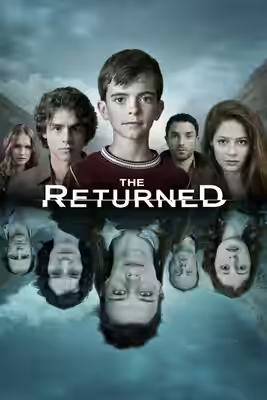
After Lost, try Picnic at Hanging Rock (1975, Fi1m 88): For unease rooted in a landscape, and mysteries that resist tidy explanation. Then The Returned (2012, Fi1m 85): Another unsettled community, with grief given as much attention as the unexplained; and Dark (2017, Fi1m 74): An intricate mystery for anyone happy to pay close attention to family connections.

Cast

If you liked this, try…

  1. The Prisoner (1967) · not reviewed yetAnother enclosed community where asking sensible questions makes life considerably more difficult.

  2. Picnic at Hanging Rock (1975, Fi1m 88)For unease rooted in a landscape, and mysteries that resist tidy explanation.

  3. The Returned (2012, Fi1m 85)Another unsettled community, with grief given as much attention as the unexplained.

  4. The Leftovers (2014) · not reviewed yetFor troubled people whose need for reassurance makes their strange circumstances painfully recognisable.

  5. Dark (2017, Fi1m 74)An intricate mystery for anyone happy to pay close attention to family connections.

Free account

Know what to watch tonight

Two lists that know where things are streaming, collections you can share, your own score beside ours, and Discover that remembers what you have seen.

  • Want to see, sorted by what is streaming now
  • Seen, with your score out of ten
  • No adverts, ever